
For American bird watchers, or "birders," the pursuit of a "life list"—the tally of every species ever seen—is a passionate, often lifelong quest. The most coveted birds aren't necessarily the rarest in the world, but those that represent the pinnacle of beauty, the challenge of a difficult find, or a crucial landmark on the continent's avian checklist.
The highly sought-after species fall into a few distinct categories: critically endangered birds that are a testament to conservation efforts, secretive skulkers that test a birder's patience and skill, and regional specialties that require a dedicated pilgrimage. Based on birding surveys, popular destination travel, and the general consensus within the birding community, here is a countdown of the ten most wanted birds for U.S. birders.
The Top 10 Most Wanted Birds in North America
10. Elf Owl (Micrathene whitneyi)
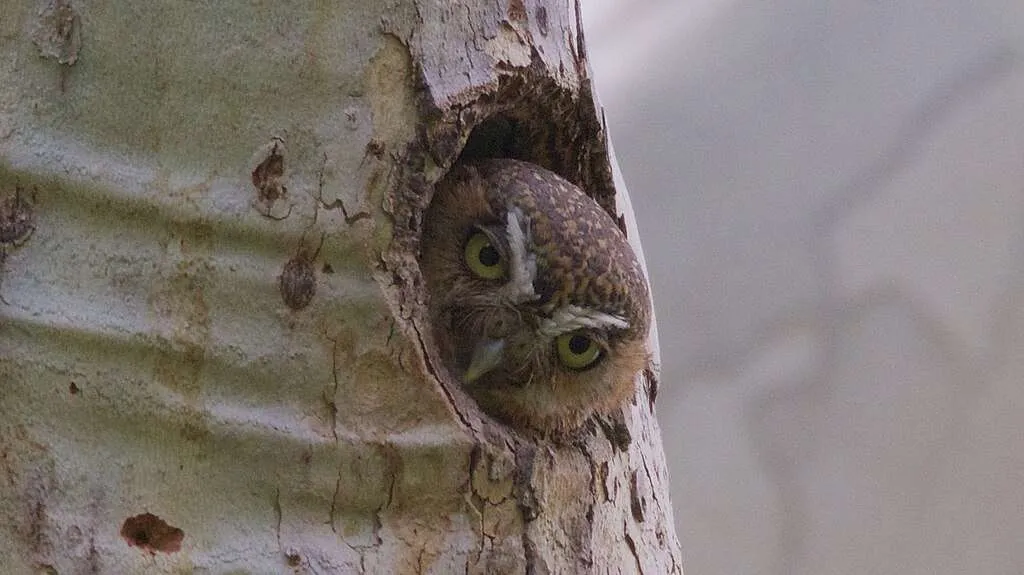
The Elf Owl is a highly desirable "tick" due to its diminutive size and nocturnal habits. As the smallest owl in the world, standing only about 5 inches tall, this tiny predator breeds in the dry, saguaro-filled deserts of the Southwestern U.S., particularly Arizona and Texas. Finding it requires a nighttime stakeout near its saguaro-cavity nest, listening for its soft, whistled calls that can easily be mistaken for a small insect.
9. Green Jay (Cyanocorax luxuosus)
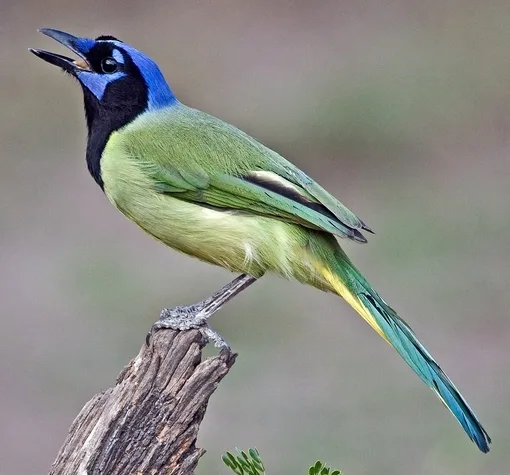
The Green Jay is a riot of color that many birders must travel to the far reaches of South Texas to encounter. With its vibrant combination of yellow, black, and dazzling blue and green plumage, it’s one of the most stunning members of the corvid family. Its limited range in the U.S.—primarily restricted to the Lower Rio Grande Valley—makes it a must-see for anyone attempting a U.S. "Big Year" or simply looking for a taste of tropical avifauna without crossing the border.
8. Sage Grouse (Greater and Gunnison)
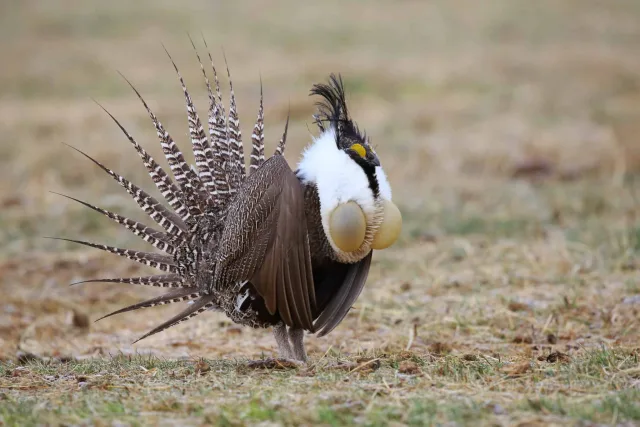
The Sage Grouse represents the challenge of finding a species tied to an increasingly threatened habitat: the sagebrush steppe of the American West. Birders typically seek out the Greater Sage-Grouse and the highly endangered Gunnison Sage-Grouse during their elaborate springtime lekking displays. Witnessing the males inflate their air sacs and fan their tails in a ritualistic dance at dawn is considered one of North American birding's greatest spectacles.
7. Black Rail (Laterallus jamaicensis)
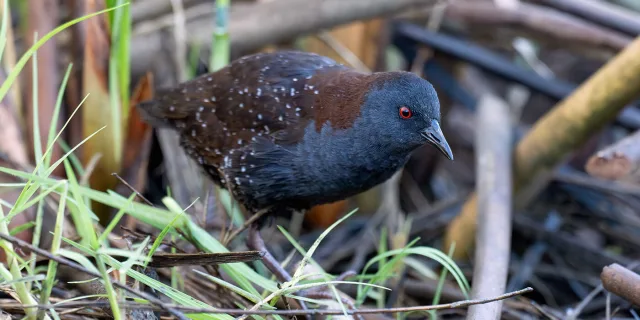
The Black Rail is a legendary skulker. This tiny, elusive marsh bird is rarely seen, as it prefers to move through dense marsh vegetation, making identification by sight extremely difficult. Birders often rely solely on hearing its distinct, clock-like kik-kik-kerr call, primarily at night. The challenge of definitively spotting this nearly mythical bird—a species that is also under severe conservation threat—places it high on nearly every experienced birder's most wanted list.
6. Painted Bunting (Passerina ciris)
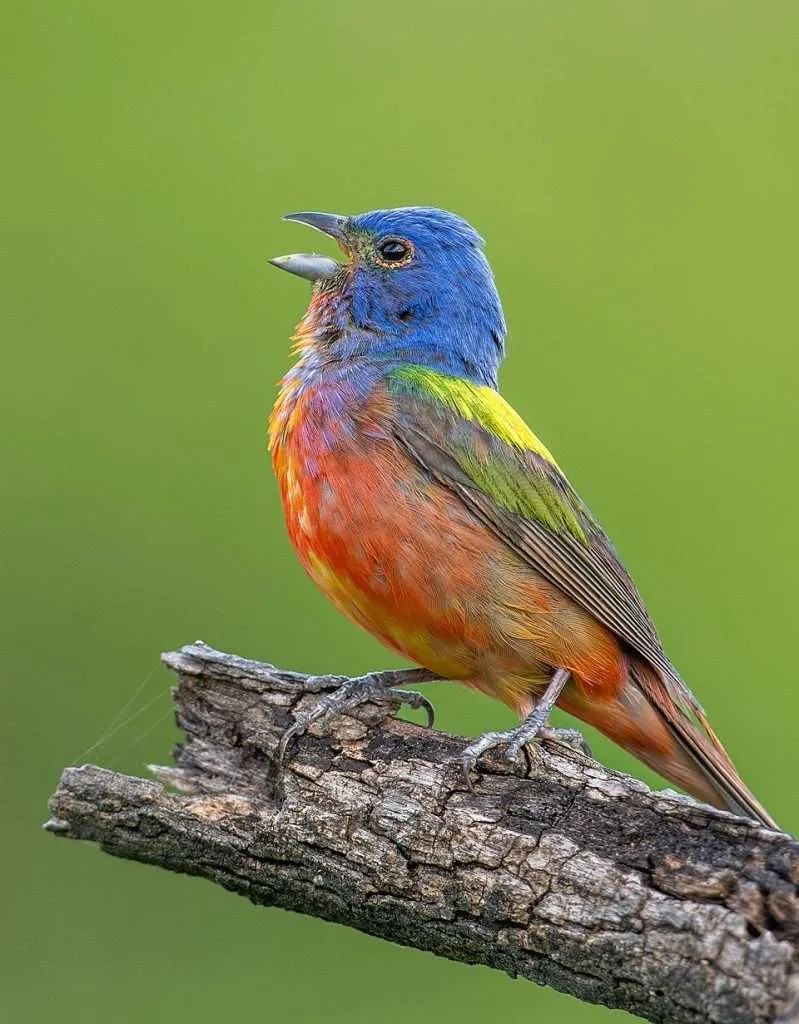
The Painted Bunting is simply one of North America's most beautiful birds, and its desirability is driven entirely by its breathtaking coloration. The male's head is a shocking blue, its breast scarlet, and its back green, making it appear as if an artist dipped it into a full palette. Its breeding grounds are split between coastal sections of the Southeast and parts of Texas, and its beauty makes the effort to find a brightly colored male an unforgettable experience.
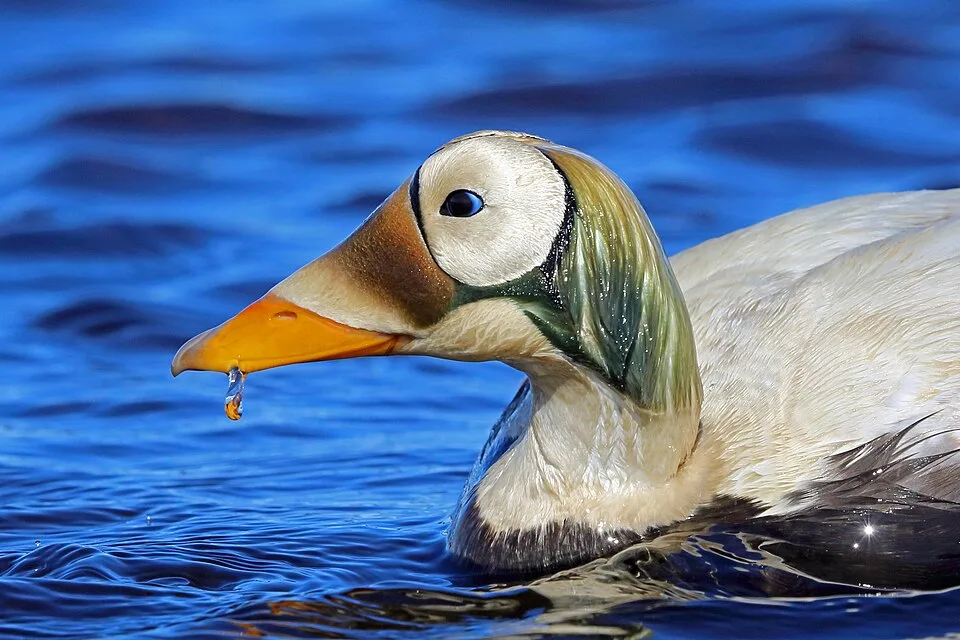
5. Spectacled Eider (Somateria fischeri)
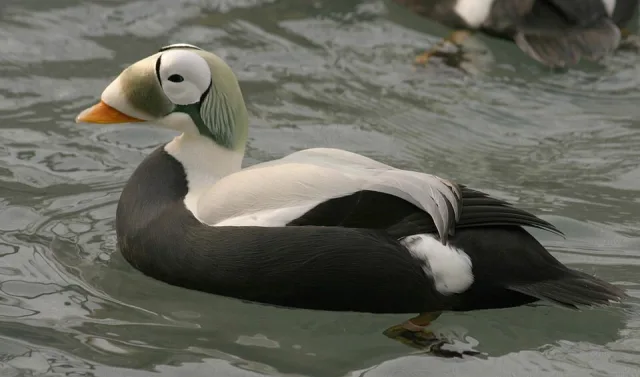
For the truly dedicated "lister," the Spectacled Eider requires an expedition to the Alaskan Arctic. This duck is one of the most remarkable and visually distinctive waterfowl species, named for the "spectacles" of white feathers surrounding its eyes. It spends much of the year on the Bering Sea ice and breeds in the remote tundra of Alaska and Siberia. Its inaccessible location and unique plumage make it a major prize for birders completing their North American list.
4. Gyrfalcon (Falco rusticolus)
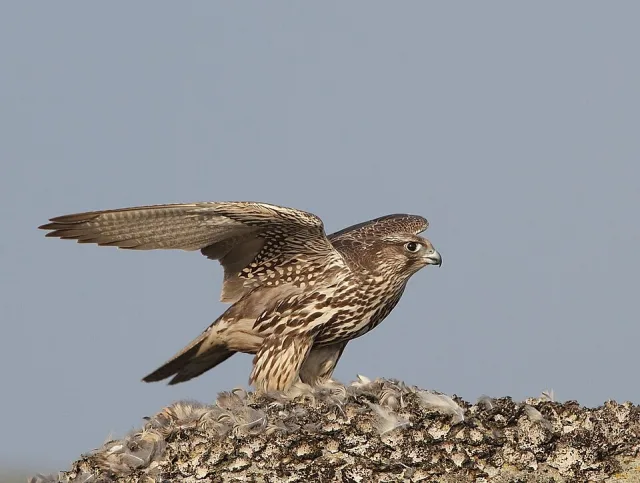
The Gyrfalcon (pronounced jer-falcon) is the largest and most powerful falcon in the world. Its sheer magnificence and association with the remote, icy landscapes of the high Arctic make it a legendary target. Birders must venture far north into Alaska or Canada, or hope that a winter irruption brings this rare raptor down to the northern contiguous U.S. Its sighting is a mark of extreme dedication and often tests a birder's willingness to brave harsh winter conditions.
3. Atlantic Puffin (Fratercula arctica)
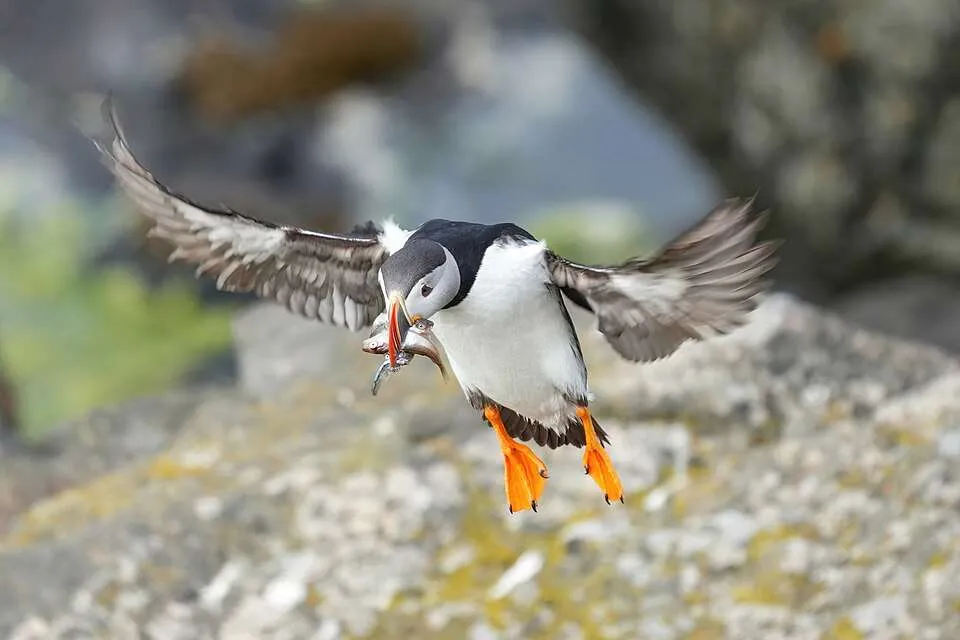
The Atlantic Puffin is the charismatic icon of the North Atlantic. Its colorful, clown-like face and distinctive bill—which only gains its brightest coloration during the breeding season—make it an instant favorite. Birders chase this species during the summer months on boat trips to nesting islands off the coast of Maine. Its appearance represents a successful voyage to a remote nesting colony and a guaranteed photographic opportunity.
2. Whooping Crane (Grus americana)
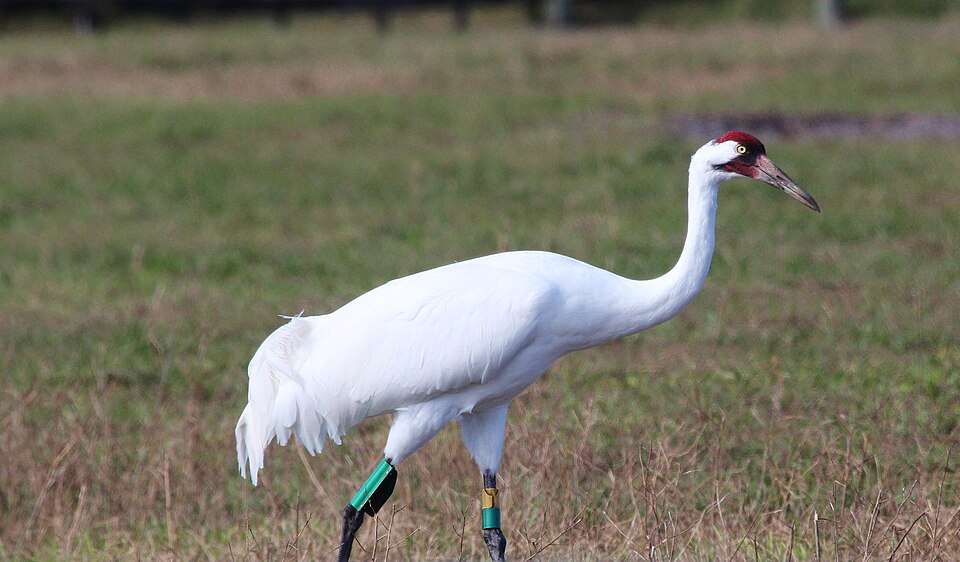
The Whooping Crane holds a distinguished place on the list due to its status as one of the rarest birds in North America. As a symbol of conservation success—or, rather, a species still clinging to survival—seeing this magnificent, all-white crane is a profoundly moving experience. The primary wild flock winters at the Aransas National Wildlife Refuge in Texas. Its immense size (nearly five feet tall) and spectacular, trumpet-like call ensure that a sighting of a Whooping Crane is a top-tier life list moment.
1. California Condor (Gymnogyps californianus)
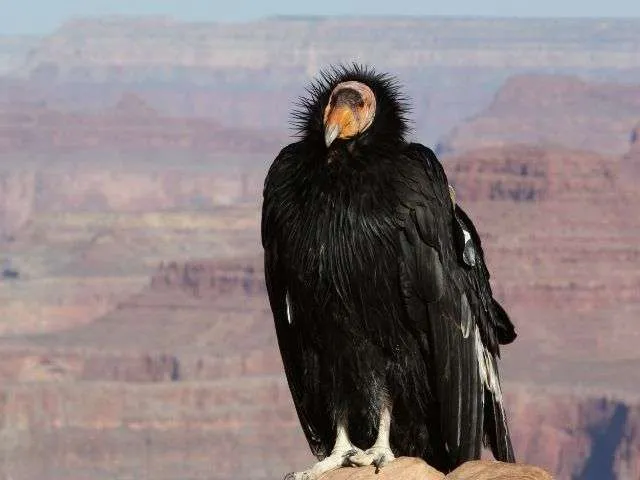
Undeniably the number one most wanted bird for U.S. birders is the California Condor. This magnificent scavenger is the largest flying bird in North America, with a wingspan that can reach nearly ten feet. Having faced near extinction (with only 22 individuals remaining in the 1980s), its presence today is a testament to the most intensive species recovery effort in history. Seeing this prehistoric giant soaring over the Grand Canyon in Arizona or the mountains of California and Utah is not just a birding moment; it is a powerful connection to conservation history and the sheer scale of the natural world. Its size, rarity, and historical significance ensure its continued reign as the most coveted bird in the ABA area.
| Rank | Bird Species | Primary Reason for Desirability | Key U.S. Location(s) |
|---|---|---|---|
| 1 | California Condor | Largest North American bird, conservation icon | Grand Canyon (AZ), Big Sur (CA), Zion (UT) |
| 2 | Whooping Crane | Rarest crane, symbol of recovery efforts | Aransas NWR (TX) |
| 3 | Atlantic Puffin | Charismatic beauty, requires pelagic trip | Coastal Maine Islands |
| 4 | Gyrfalcon | Largest falcon, rarity, Arctic challenge | Northern Alaska, occasional winter in US |
| 5 | Spectacled Eider | Unique appearance, extreme Northern location | Alaskan Arctic Tundra |
| 6 | Painted Bunting | Striking and beautiful plumage | Coastal SE U.S., Central/South Texas |
| 7 | Black Rail | Extreme secrecy, highly elusive marsh skulker | Coastal wetlands (CA, TX, FL) |
| 8 | Sage Grouse | Unique lekking display, threatened habitat | Western U.S. sagebrush steppe |
| 9 | Green Jay | Tropical specialty, colorful U.S. rarity | Lower Rio Grande Valley (TX) |
| 10 | Elf Owl | World's smallest owl, nocturnal desert resident | Arizona and South Texas Deserts |
The presence of highly endangered species like the California Condor and Whooping Crane on this list highlights that the thrill of birding is often intertwined with the hope of conservation. For many, simply knowing these magnificent creatures still grace the North American skies is reward enough, but to add them to the life list is the crowning achievement.
