
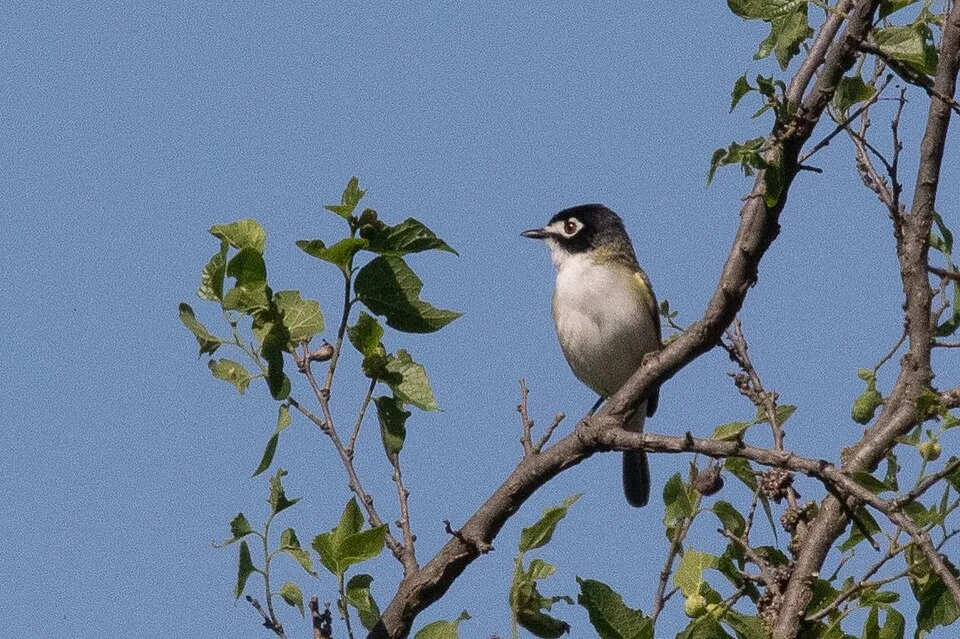
For dedicated birdwatchers, the pursuit of a "lifer"—a species seen for the first time—is a constant quest.1 But beyond personal checklists, certain birds hold a status that elevates them to a state-specific icon. These are the most sought-after species: birds that are rare, geographically unique, visually spectacular, or symbolically tied to the local landscape. The following is a look at the most coveted avian prize in every U.S. state, highlighting the remarkable biodiversity found across the nation.
The Western Wonders: Mountain, Desert, and Coast
The West is defined by extremes, reflected in its birdlife, which includes both rarities and localized specialties.

| State | Sought-After Species | Why It's Coveted |
| Alaska | Steller's Sea-Eagle (Haliaeetus pelagicus) | An immense, globally rare raptor from Asia; sightings in the Aleutians or Kodiak are major events. |
| Arizona | Elegant Trogon (Trogon elegans) | A spectacular, iridescent tropical bird found only in the "sky islands" canyons of the southeast. |
| California | California Condor (Gymnogyps californianus) | The world's largest flying bird, a symbol of conservation, requiring a trip to remote release sites. |
| Colorado | Brown-capped Rosy-Finch (Leucosticte australis) | A challenging, high-altitude alpine specialty found only on the highest peaks in winter. |
| Hawaii | 'I'iwi (Drepanis coccinea) | A critically endangered Hawaiian honeycreeper with a brilliant red body and a dramatically curved salmon-colored bill. |
| Idaho | White-headed Woodpecker (Dryobates albolarvatus) | Found mainly in mature ponderosa pine forests, prized for its unique black-and-white pattern. |
| Montana | Black-backed Woodpecker (Picoides arcticus) | A highly localized resident of burned coniferous forests, often elusive. |
| Nevada | Greater Sage-Grouse (Centrocercus urophasianus) | Sought after for its spectacular, booming lek display in the high desert sagebrush. |
| New Mexico | Gray Vireo (Vireo vicinior) | A notoriously quiet and elusive small songbird found in remote, high-desert scrub habitats. |
| Oregon | Marbled Murrelet (Brachyramphus marmoratus) | A unique seabird that nests high in old-growth redwood and Douglas-fir trees—a major challenge to find. |
| Utah | Black Rosy-Finch (Leucosticte atrata) | A mountain specialist found on desolate, wind-swept high peaks, often in winter flocks. |
| Washington | Spotted Owl (Strix occidentalis) | A controversial and difficult-to-find indicator of old-growth forests, a sensitive species. |
| Wyoming | Great Gray Owl (Strix nebulosa) | A massive, ghost-like owl of high-elevation meadows and forests, highly desired by raptor fans. |

The Midwest & Great Plains: Grassland and Boreal Icons
The vast middle section of the U.S. offers unique grassland specialties and boreal rarities that occasionally spill over from Canada.
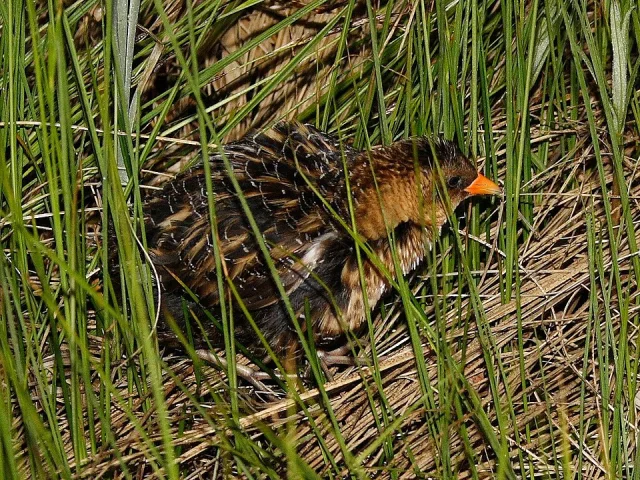
| State | Sought-After Species | Why It's Coveted |
| Illinois | Kirtland's Warbler (Setophaga kirtlandii) | Extremely rare migrant through the state, an endangered species with a highly restricted breeding range. |
| Indiana | Henslow's Sparrow (Ammodramus henslowii) | A declining grassland specialist that is notoriously secretive and challenging to locate, even when present. |
| Iowa | Yellow Rail (Coturnicops noveboracensis) | A small, mouse-like marsh bird, almost never seen, only heard giving its cryptic "tic-tic-tic-tic" call. |
| Kansas | Greater Prairie-Chicken (Tympanuchus cupido) | Known for its iconic, booming courtship lek dance in the Flint Hills. |
| Michigan | Kirtland's Warbler (Setophaga kirtlandii) | Breeds only in the young jack pine forests of the state, requiring a dedicated trip to protected areas. |
| Minnesota | Great Gray Owl (Strix nebulosa) | A highly sought-after raptor, especially during winter irruptions from the Canadian boreal forest. |
| Missouri | Bachman's Sparrow (Peucaea aestivalis) | A highly localized and declining resident of fire-maintained pine savannas. |
| Nebraska | Whooping Crane (Grus americana) | An endangered icon, seen only during spring migration along the Platte River alongside Sandhill Cranes. |
| North Dakota | Sprague's Pipit (Anthus spraguei) | Famous for its aerial, invisible song display high above the vast northern grasslands. |
| Ohio | Piping Plover (Charadrius melodus) | Critically endangered shorebird nesting on Lake Erie beaches, with extremely low population numbers. |
| South Dakota | Baird's Sparrow (Ammodramus bairdii) | A prairie specialist that is notoriously difficult to distinguish and locate in its vast grassland habitat. |
| Wisconsin | Spruce Grouse (Canachites canadensis) | A tame, cryptic resident of the boreal black spruce and tamarack forests of the northern tier. |

The Southern Specialties: Gulf Coast and Desert Southwest
The humid South and the border region boast species with strong ties to Central America or highly specialized regional habitats.
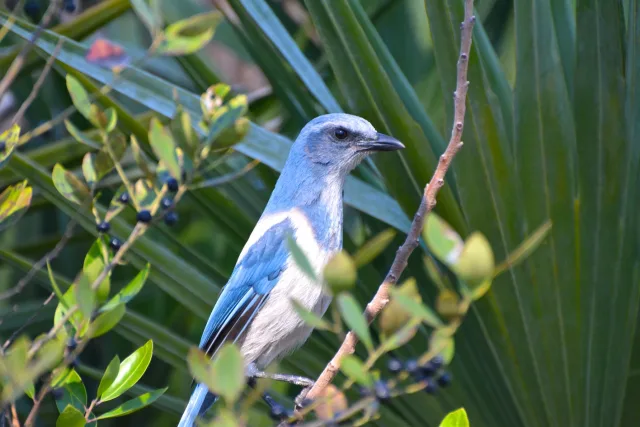
| State | Sought-After Species | Why It's Coveted |
| Alabama | Red-cockaded Woodpecker (Dryobates borealis) | An endangered keystone species reliant on old-growth longleaf pine forests, requiring specialized tours. |
| Arkansas | Ivory-billed Woodpecker (Campephilus principalis) | Though likely extinct, persistent (unconfirmed) sightings keep this "holy grail" of birding at the top of the list. |
| Florida | Florida Scrub-Jay (Aphelocoma coerulescens) | The only bird endemic to Florida, found only in the state's vanishing scrub habitat. |
| Georgia | Bachman's Sparrow (Peucaea aestivalis) | A secretive sparrow of longleaf pine stands, often requiring careful listening for its distinctive song. |
| Kentucky | Kentucky Warbler (Geothlypis formosa) | A stunning, locally breeding migrant whose range is tightly focused on dense, wet deciduous forests. |
| Louisiana | Swallow-tailed Kite (Elanoides forficatus) | A spectacular, deeply forked, black-and-white raptor that sweeps through the southern swamps and forests. |
| Mississippi | Bachman's Sparrow (Peucaea aestivalis) | Sought after in the state's few remaining tracts of intact southern pine habitat. |
| North Carolina | Red-cockaded Woodpecker (Dryobates borealis) | Critically dependent on specific large, old longleaf pine trees, making it highly localized. |
| Oklahoma | Black-capped Vireo (Vireo atricapilla) | A threatened songbird of brushy oak scrub, highly localized and closely monitored. |
| South Carolina | Painted Bunting (Passerina ciris) | Famous for its dazzling, rainbow-colored plumage, a sought-after coastal breeding resident. |
| Tennessee | Cerulean Warbler (Setophaga cerulea) | A tiny, stunning blue warbler, rapidly declining and found mainly in the high canopy of mature deciduous forests. |
| Texas | Colima Warbler (Leiothlypis crissalis) | Breeds only in the high canyons of the Chisos Mountains in Big Bend National Park—a highly localized U.S. endemic. |
| West Virginia | Worm-eating Warbler (Helmitheros vermivorum) | Found almost exclusively in steep, dry forested slopes with thick understory, a challenging warbler to find. |

The Northeast: Boreal Invaders and Coastal Rarities
The Northeast offers unique boreal species that are often easier to find in winter and coastal species tied to the Atlantic Flyway.

| State | Sought-After Species | Why It's Coveted |
| Connecticut | Saltmarsh Sparrow (Ammodramus caudacutus) | An endangered species endemic to a very narrow strip of high marsh, threatened by sea-level rise. |
| Delaware | Black Rail (Laterallus jamaicensis) | A secretive, tiny, nocturnal marsh bird, extremely rare and notoriously difficult to spot. |
| Maine | Atlantic Puffin (Fratercula arctica) | An iconic, colorful seabird only viewable by boat trip to remote nesting islands. |
| Maryland | Black Rail (Laterallus jamaicensis) | Found only in the marshy regions of the Chesapeake Bay, requiring immense patience and luck. |
| Massachusetts | Ash-throated Flycatcher (Myiarchus cinerascens) | A rare western vagrant, its sighting along the coast is a major, unpredictable event. |
| New Hampshire | Bicknell's Thrush (Catharus bicknelli) | An endangered, highly restricted species found only on the summits of the highest, remote mountains. |
| New Jersey | Black Rail (Laterallus jamaicensis) | One of the last strongholds for this tiny, elusive marsh inhabitant on the East Coast. |
| New York | Bicknell's Thrush (Catharus bicknelli) | A rare boreal migrant that breeds on the high peaks of the Adirondacks. |
| Pennsylvania | Dickcissel (Spiza americana) | An erratic, declining songbird of open grasslands, highly localized and unpredictable in its presence. |
| Rhode Island | Saltmarsh Sparrow (Ammodramus caudacutus) | Sought after for its restricted habitat in the threatened coastal salt marshes. |
| Vermont | Bicknell's Thrush (Catharus bicknelli) | Found on the subalpine peaks of the Green Mountains, requiring an arduous hike to find. |
| Virginia | Bewick's Wren (Thryomanes bewickii) | Once common, this wren has declined dramatically east of the Mississippi, making an Eastern sighting a significant find. |

The Thrill of the Chase
This continental checklist of "most wanted" species illustrates the incredible effort and geographic knowledge required for a U.S. birding grand slam. From the high-stakes, high-altitude search for a Rosy-Finch in Colorado to the quiet, careful stakeout for the endemic Florida Scrub-Jay, each bird tells a story of habitat, survival, and regional identity.
For those pursuing the ultimate birding goal, the map of the United States becomes a treasure map, with the most precious gems tucked away in the deepest forests, the highest peaks, and the most remote corners of the wilderness. It is a hobby that continuously rewards patience, dedication, and respect for the natural world.
