

For budding birdwatchers and aspiring nature photographers, the United States offers an incredible array of avian subjects. But where to start? Some birds are elusive, others blend seamlessly into their surroundings, making them challenging to capture. This checklist focuses on species that are not only beautiful but also, crucially, relatively common, approachable, and boast features that make them inherently photogenic.
These are the birds that will reward your patience with vibrant colors, striking poses, and memorable moments, boosting your confidence and filling your memory cards.
1. Northern Cardinal: A Splash of Scarlet
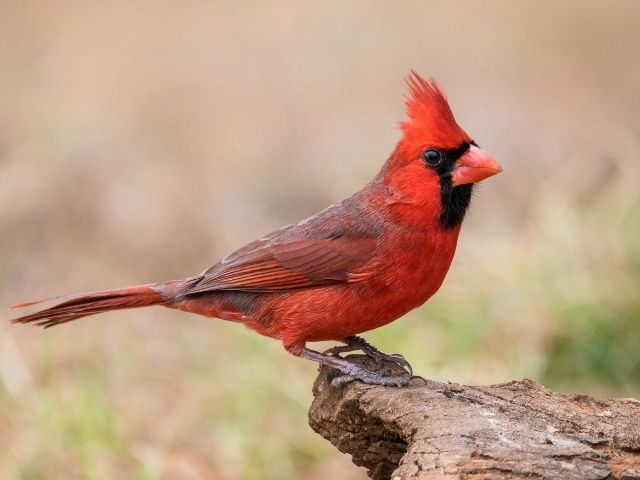
Why they're photogenic: The male Northern Cardinal is arguably the most recognizable and striking backyard bird in eastern and central North America. Their brilliant, undeniable scarlet plumage contrasts beautifully against any backdrop—especially a blanket of fresh snow or the deep greens of summer foliage. The prominent crest, black mask, and stout orange beak add distinctive character. Females, while not as fiery, still sport a lovely reddish-brown with red accents, offering a softer beauty.
Where to find them: Almost anywhere east of the Rockies, from suburban gardens and parks to forest edges and thickets. They’re frequent visitors to bird feeders, especially for sunflower seeds.
Photography tips: Look for them singing from an exposed branch in the morning light or foraging on the ground. A snowy backdrop makes their red pop dramatically.
2. Blue Jay: Bold and Beautiful
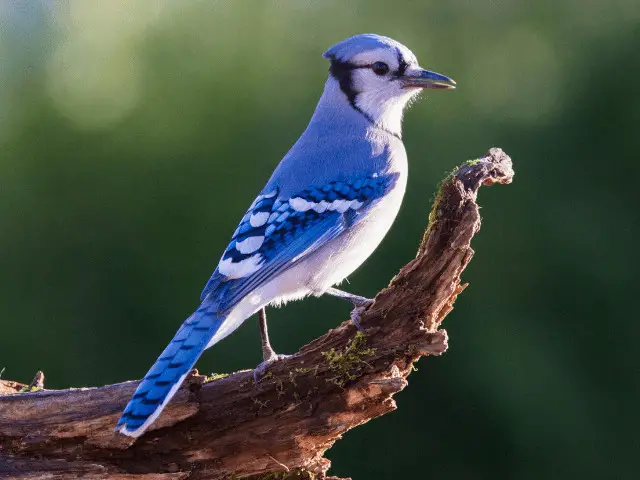
Why they're photogenic: With their unmistakable sapphire-blue, black, and white plumage, the Blue Jay is a photographic marvel. Their intelligent eyes, prominent crest, and contrasting patterns make for dynamic images. They’re also known for their expressive body language and bold personalities, often striking interesting poses.
Where to find them: Common across eastern and central North America, often in deciduous and mixed forests, as well as suburban areas with mature trees. Like cardinals, they are regular bird feeder visitors.
Photography tips: Catch them mid-flight or squawking from a high perch. Their intelligent gaze can make for compelling portraits.
3. American Goldfinch: A Burst of Sunshine
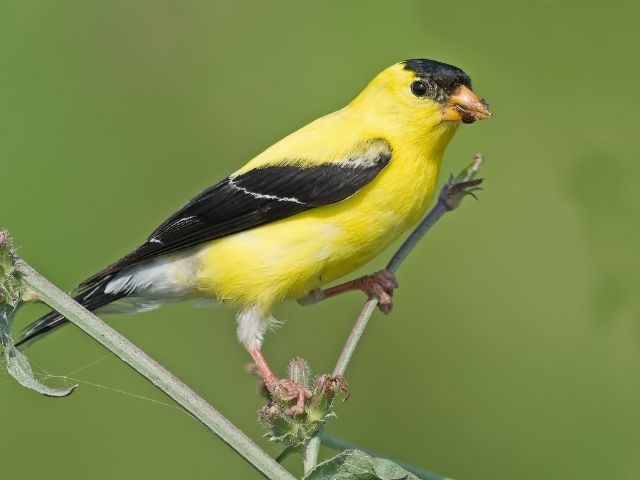
Why they're photogenic: The male American Goldfinch, in its breeding plumage, is a tiny, vibrant ball of sunshine. Its intense lemon-yellow body, contrasting black wings with white bars, and black cap make it an absolute joy to photograph. Females and winter males have a more subdued olive-yellow, but are still very attractive.
Where to find them: Widespread across most of the U.S. in open, weedy fields, meadows, suburban gardens, and floodplains. They adore nyjer (thistle) feeders.
Photography tips: Look for them clinging to thistle plants or delicately feeding at a feeder. Their small size means you'll need good light and a steady hand.
4. Downy Woodpecker: Tiny & Textured
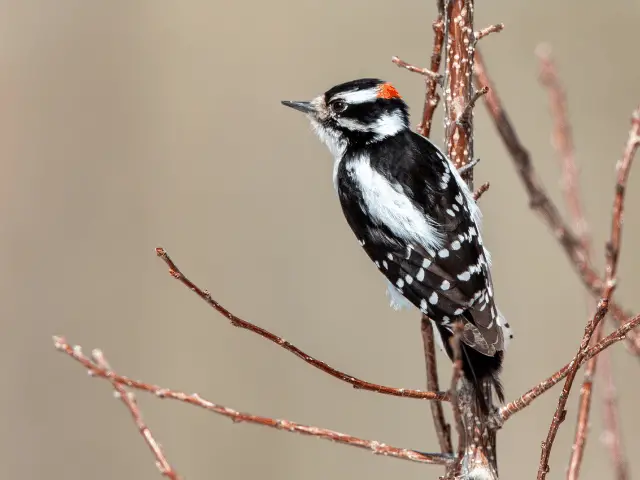
Why they're photogenic: While not as flashy as some, the Downy Woodpecker offers fantastic photographic opportunities due to its intricate black-and-white patterns and its habit of clinging to tree trunks. Its small size, active nature, and the male’s splash of red on the nape provide charming details.
Where to find them: The most common and widespread woodpecker across virtually all of the continental U.S. Found in woodlands, parks, and backyards, often on suet feeders.
Photography tips: Focus on their textured plumage and the way they brace themselves with their tail feathers. Capture them in action, pecking at bark or a feeder.
Are We Loving Them to Death? The Ethics of Bird Photography and How to Protect the Birds You Love.
5. Great Blue Heron: Elegant Angler
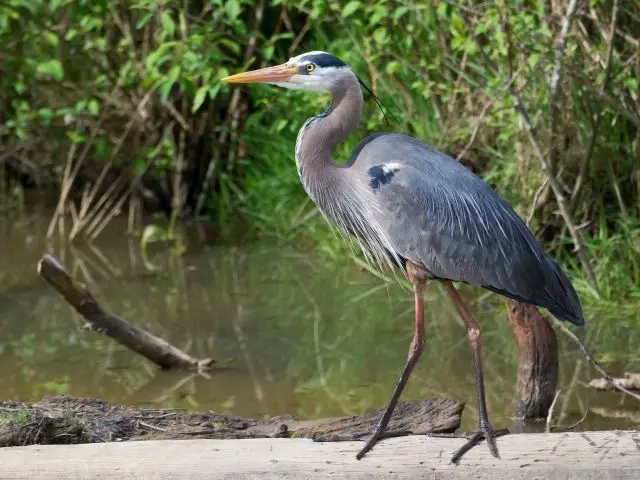
Why they're photogenic: Standing tall and stately, the Great Blue Heron is a graceful subject. Its large size, slate-blue plumage, elegant S-curved neck, and patient fishing demeanor make for dramatic photographs. Catching one in mid-strike or with a fish in its beak is a prize shot.
Where to find them: Almost anywhere with calm, shallow water – marshes, ponds, lakes, rivers, and coastal areas across the entire U.S. They can be surprisingly comfortable around people.
Photography tips: Patience is key. Find one standing still and wait for it to move, fish, or take flight. Reflections in calm water can add an artistic element.
6. American Robin: Backyard Favorite

Why they're photogenic: The American Robin may be common, but its rich brick-red breast, dark head, and lively demeanor make it a fantastic subject. They’re often seen foraging on lawns, tugging at worms, or singing from a high perch. Their approachable nature makes them perfect for practicing composition and lighting.
Where to find them: Ubiquitous across North America, from urban parks to deep forests.
Photography tips: Capture them with a worm, singing with their beak open, or wet after a rain shower. Look for soft, morning light to enhance their colors.
7. Ruby-throated Hummingbird (East) / Anna's Hummingbird (West): Jewels of the Air

Why they're photogenic: Hummingbirds are miniature miracles, and their iridescent gorgets (throat patches) are a photographer's dream. The male Ruby-throated (East) or Anna's (West) will flash brilliant red or pink in the right light, and their hovering flight is a challenge but incredibly rewarding to capture.
Where to find them: Ruby-throated: Eastern U.S., during spring/summer. Anna's: Pacific Coast, year-round. Both frequent gardens with nectar flowers and hummingbird feeders.
Photography tips: Freeze their wings in motion or capture them perched. A fast shutter speed is essential for their rapid wingbeats. Position yourself against a clean background.

This checklist is just the beginning of your avian photography journey. Each of these birds offers unique beauty and an excellent opportunity to hone your skills. Remember, the best photographs often come from understanding your subject, patience, and respecting their natural behavior. Happy shooting!
10 Hidden U.S. Bird-Watching Hotspots You Won’t Believe Exist
