

The United States is a vast tapestry of diverse ecosystems, from sun-drenched coastlines to towering mountain ranges, dense forests, and arid deserts. This incredible variety supports an avian population rich in both number and stunning aesthetics. While "beauty" is inherently subjective, certain birds consistently captivate with their vibrant plumage, elegant forms, and mesmerizing displays.
Here are 10 of the most breathtakingly beautiful birds found across the USA, chosen for their striking colors, unique patterns, and overall visual appeal.
1. Painted Bunting (Passerina ciris)

Range: Southeastern U.S. (breeding) and Southwest (breeding, specifically Texas). Winters in Florida, southern Texas, Mexico, and Central America. Why it's beautiful: Often called the "nonpareil" (meaning "unequaled"), the male Painted Bunting is a living rainbow. Its head is a brilliant deep blue, the back is vivid green, and the underparts are a shocking scarlet-red. The mix of primary colors is unlike almost any other bird in North America, making it a true jewel of the avian world. Even the females, with their bright green and yellow plumage, are strikingly beautiful.
2. Scarlet Tanager (Piranga olivacea)
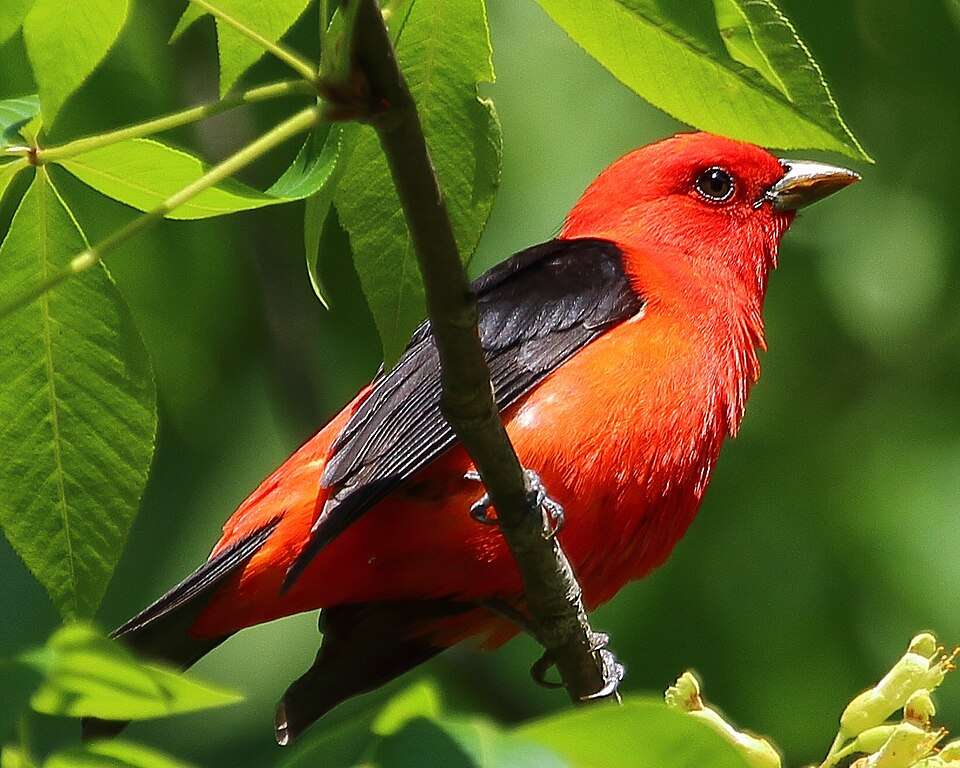
Range: Eastern U.S. and southeastern Canada (breeding). Winters in northern South America. Why it's beautiful: The male Scarlet Tanager is a breathtaking sight against the green canopy of deciduous forests. Its body is an intense, fiery scarlet, perfectly contrasted by jet-black wings and tail. This vibrant plumage makes it seem like a glowing ember amidst the leaves. They are often difficult to spot high in the trees, but catching a glimpse is an unforgettable experience.
3. Wood Duck (Aix sponsa)
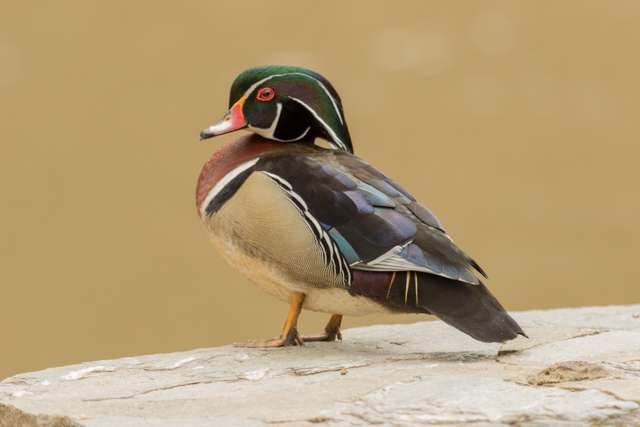
Range: Widespread across the U.S. wherever suitable wetland habitats exist. Why it's beautiful: Often hailed as North America's most beautiful duck, the male Wood Duck is a masterpiece of iridescent colors and intricate patterns. Its head is a striking metallic green and purple with bold white stripes, its eyes are ruby red, and its flanks are finely barred. The overall effect is one of unparalleled elegance and complexity, making it a favorite for wildlife photographers.
4. Baltimore Oriole (Icterus galbula)
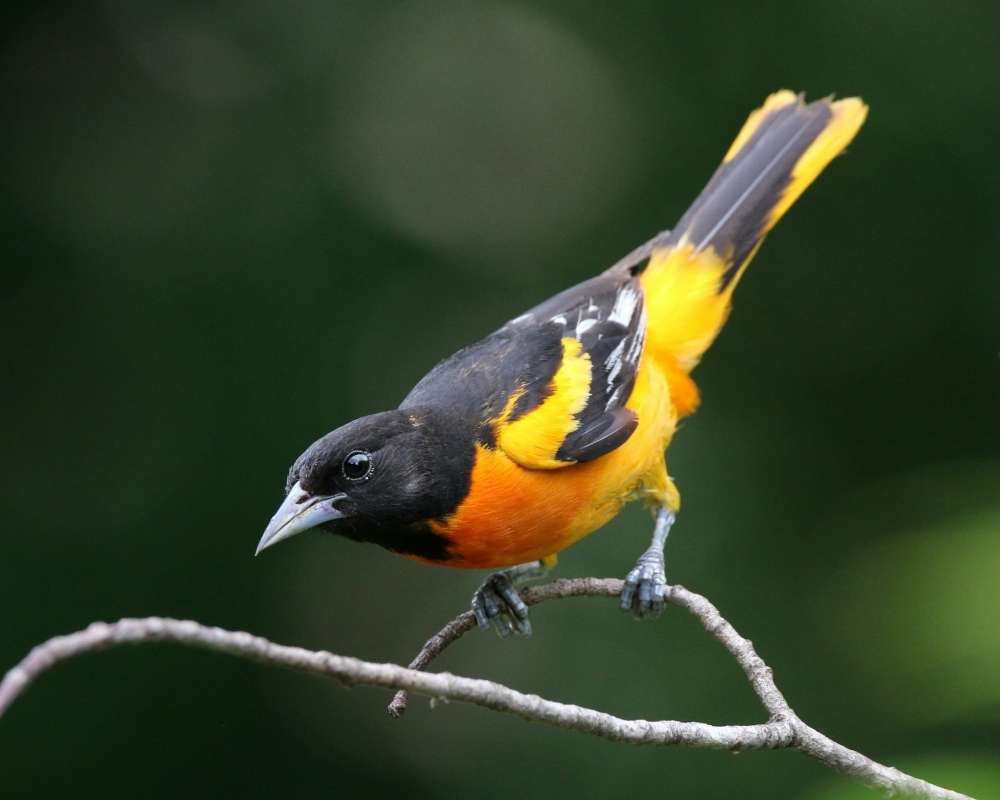
Range: Eastern and Central U.S. and southern Canada (breeding). Winters in Central and South America. Why it's beautiful: This songbird is a beacon of brilliant color, particularly the male. It sports a head, throat, and wings of solid black, providing a dramatic backdrop for its electric orange breast and underside. Their presence heralds the arrival of spring in the East, as they build unique, hanging, sock-like nests high in deciduous trees.
5. Mountain Bluebird (Sialia currucoides)

Range: Western U.S., from the Rockies to the Pacific Coast. Why it's beautiful: While all three bluebird species (Eastern, Western, and Mountain) are beautiful, the Mountain Bluebird stands out for the sheer saturation of its color. The male is almost entirely a shimmering, deep turquoise-blue, lighter on the breast and often appearing iridescent in the sun. They favor open habitats at higher elevations, offering striking views of their intense color against the backdrop of snowy mountains or alpine meadows.
6. American Kestrel (Falco sparverius)
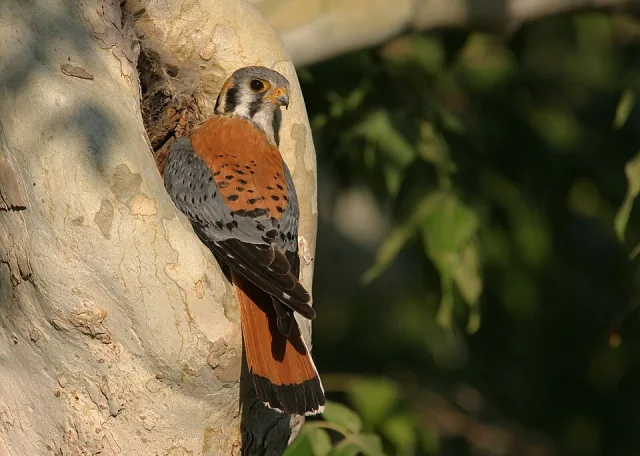
Range: Widespread across most of the continental U.S. Why it's beautiful: This diminutive falcon, North America's smallest, showcases complex patterns and rich colors. The male's striking combination includes a slate-blue head and wings, a rufous-red back, and bold facial markings (vertical black stripes known as "mustaches") set against white cheeks. Its precision and habit of "kiting"—hovering perfectly still in the air—only add to its visual appeal.
7. Green Jay (Cyanocorax luxuosus)
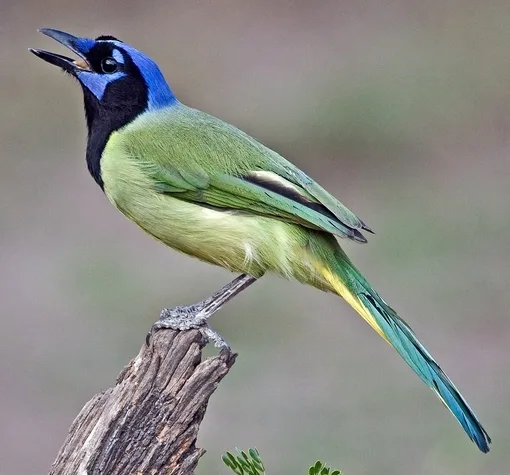
Range: Confined almost exclusively to the lower Rio Grande Valley of Texas. Why it's beautiful: Found only in the southernmost tip of the U.S., this tropical bird is a showstopper. It has a velvet-black bib and crown, a light-blue nape, and a vivid, lime-green body and wings. The bright yellow outer tail feathers flash in flight, confirming its status as one of the most vividly colored corvids (crow family) in the world.
8. Flamingo (Phoenicopterus ruber)
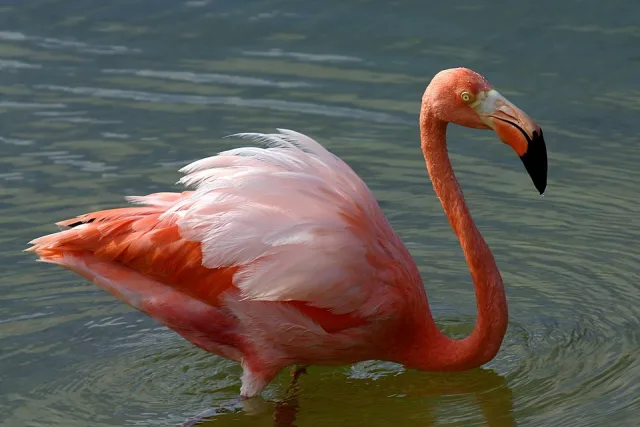
Range: Historically and occasionally found in Florida, often considered an irregular resident or vagrant from the Caribbean. Why it's beautiful: While most common in tropical areas, wild flamingos are occasionally seen in Florida, representing the pinnacle of pink plumage. Their iconic color ranges from pale pink to intense magenta, complemented by a large, dramatically curved beak and stilt-like legs. Their sheer size and tendency to congregate in large, visually overwhelming flocks make them unforgettable.
9. Hooded Oriole (Icterus cucullatus)
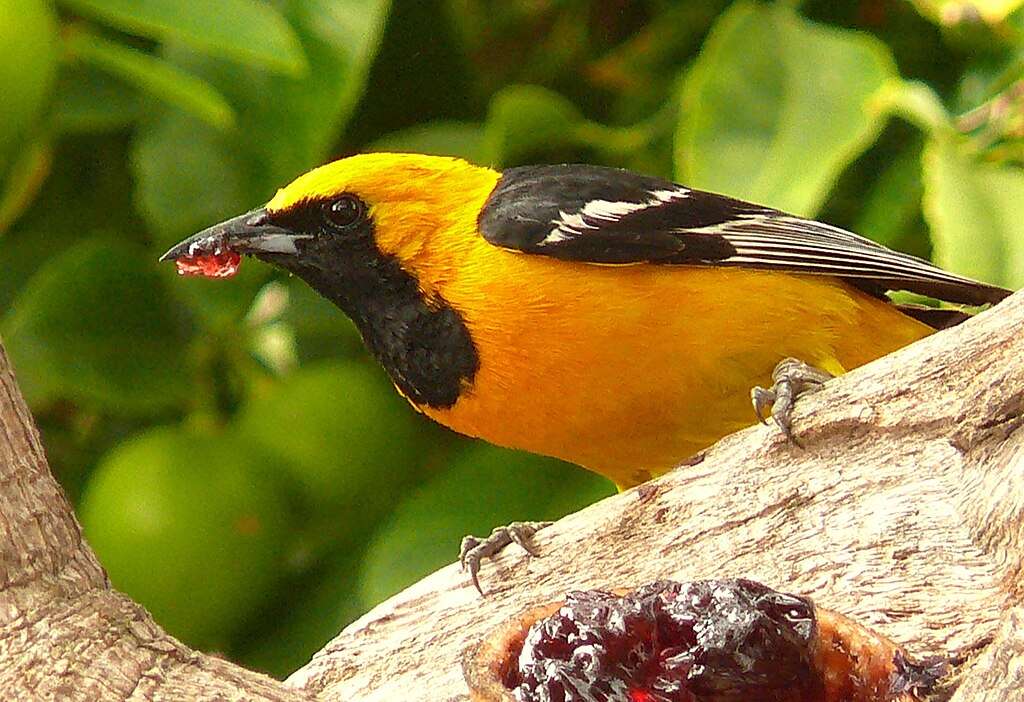
Range: Southwestern U.S., primarily California, Arizona, New Mexico, and Texas. Why it's beautiful: A signature bird of the Southwest, the male Hooded Oriole has a striking pattern that resembles a black mask and bib contrasting with a head, breast, and rump of brilliant, velvety yellow-orange. They are often found nesting among the palm trees in suburban areas, where their elegant form and tropical coloration stand out dramatically.
10. Varied Thrush (Ixoreus naevius)
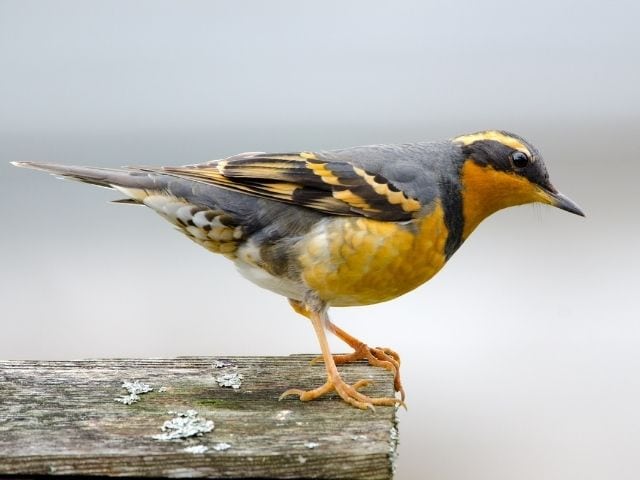
Range: Pacific Northwest, including Alaska, Washington, Oregon, and Northern California. Why it's beautiful: Unlike the flashier, sun-drenched hues of the tropical birds, the Varied Thrush offers a sophisticated, subtle beauty. It is an exquisitely marked bird, with a dark, slate-gray head and back, a striking black breast band, and a richly colored rufous-orange breast and flanks. It looks like an artist painted a dark crescent across a canvas of earth tones and cool grays, giving it a unique, elegant appearance.
Wrapping Up
The ten birds profiled represent the zenith of American avian aesthetics, not just through bright colors, but through the perfect harmony of form and function. From the almost artificial color saturation of the Painted Bunting and the fiery intensity of the Scarlet Tanager in the East, to the subtle, elegant contrast of the Varied Thrush in the West, these species embody visual diversity. The beauty of the Wood Duck lies in its iridescent complexity, while the Mountain Bluebird offers the pure, saturated joy of a single, brilliant hue. Whether they are rare specialists like the Green Jay or common backyard treasures like the Baltimore Oriole, these birds remind us that the sky above the United States is home to a truly magnificent and captivating spectrum of living art, each feather and pattern perfectly adapted for its niche and brilliantly displayed for those patient enough to look up.
Fascinating Facts About the Smallest Birds in Every U.S. State
