
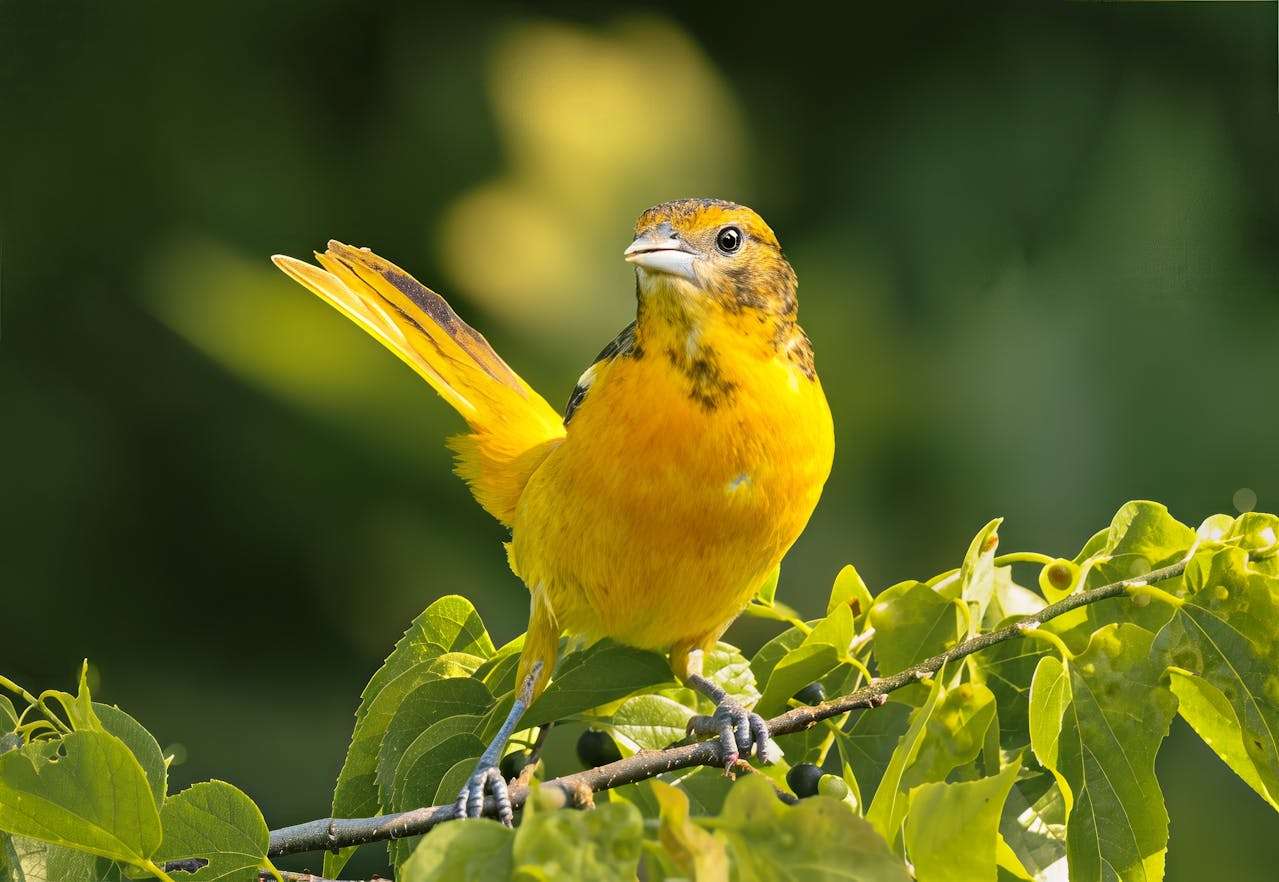
Montana's vast, unspoiled landscapes—from rolling prairies to towering mountains and extensive wetlands—make it an exceptional destination for bird watching, offering diverse habitats that support an impressive variety of avian life. Positioned along both the Pacific and Central Flyways, the "Big Sky Country" serves as a crucial stopover for migrating birds and a vital breeding ground for numerous species. This stunning confluence of geography and migration provides unparalleled opportunities to spot everything from majestic raptors to rare grassland birds and immense flocks of waterfowl.
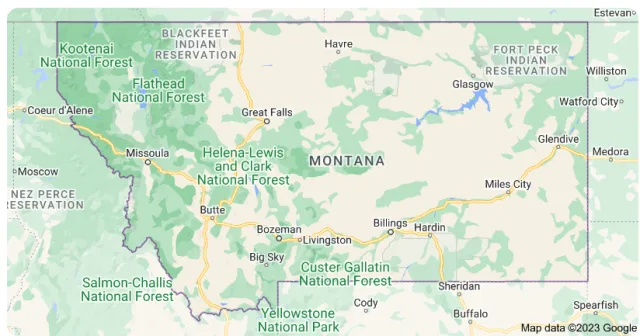
Among the state's premier birding locations are its National Wildlife Refuges, each a sanctuary tailored to specific ecological needs. On the eastern plains, the Medicine Lake National Wildlife Refuge is an internationally renowned haven for colonial nesting birds, famous for hosting one of the largest breeding colonies of American White Pelicans in the nation, alongside thousands of migrating cranes and ducks. In stark contrast, the mountainous northwest is home to Ninepipe National Wildlife Refuge (NWR), a critical wetland complex set against the dramatic backdrop of the Mission Mountains. Ninepipe offers spectacular views of nesting Western and Red-necked Grebes, Trumpeter Swans, and a rich array of ducks and shorebirds. For any birder seeking a truly wild and rewarding experience, Montana's Refuges are an essential pilgrimage.
Medicine Lake National Wildlife Refuge
Medicine Lake National Wildlife Refuge is a vital jewel in the vast, rolling plains of northeastern Montana, strategically located in the heart of the Prairie Pothole Region, a landscape renowned as the "duck factory of North America." Established in 1935, the refuge spans over 31,000 acres of gently glaciated terrain, which includes the large, shallow Medicine Lake itself, numerous smaller lakes, and thousands of wetland depressions, or "potholes."
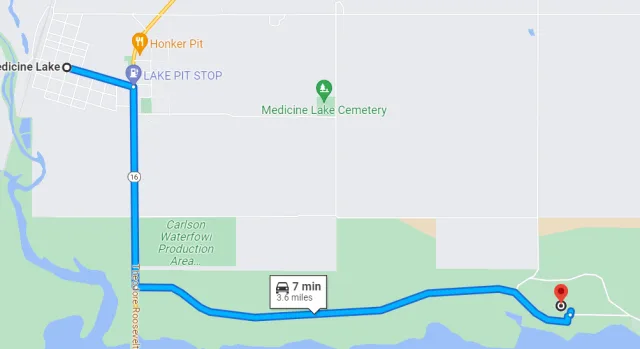
This geography of water-dotted mixed-grass prairie, set between the Missouri River and the Canadian border, places it squarely in the Central Flyway, making it an indispensable stopover and breeding ground for migratory birds traveling north and south. The unique habitat, which also includes the designated Medicine Lake Wilderness Area, supports both wetland and rare grassland species in one extraordinary setting.
The bird watching opportunities at Medicine Lake NWR are nothing short of spectacular, particularly during the spring and fall migrations when the refuge becomes a hub for hundreds of thousands of waterfowl. It is internationally recognized as a "Globally Important Bird Area," primarily for hosting one of North America’s largest nesting colonies of American White Pelicans, which can be easily observed from the accessible Pelican Overlook.
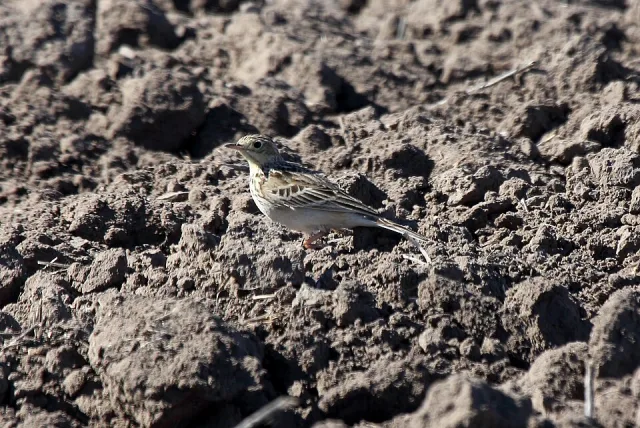
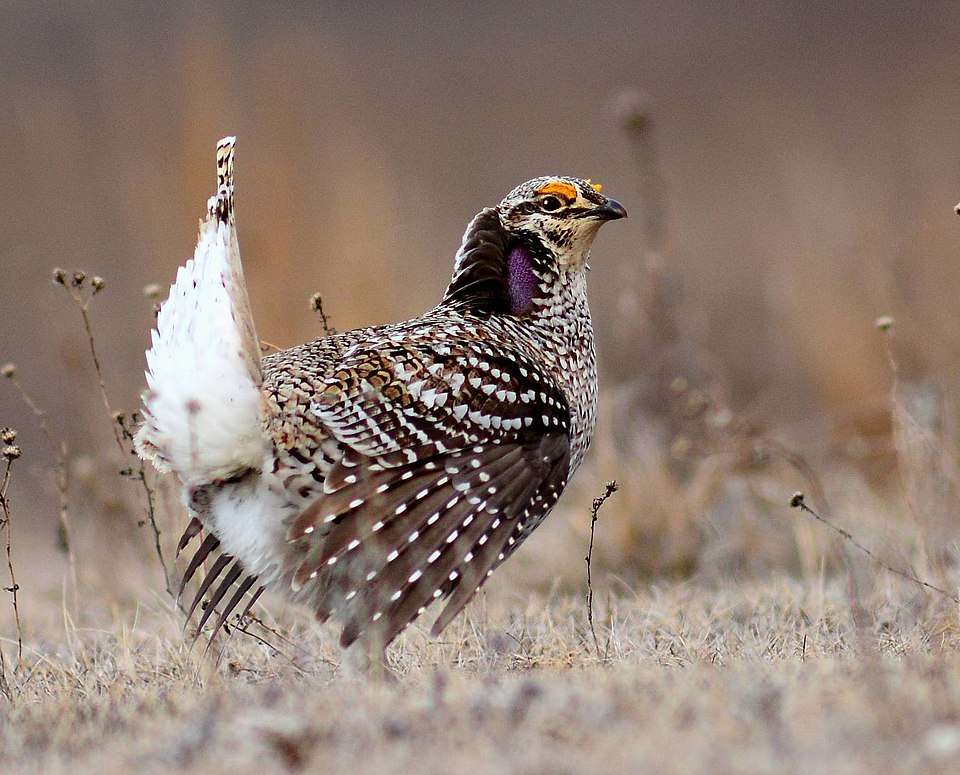
Furthermore, its extensive prairie grasslands are a critical habitat for sought-after, rare grassland nesters, including the Baird's Sparrow, Sprague's Pipit, and Chestnut-collared Longspur. Birders can explore the refuge via a 14-mile graveled Wildlife Drive, which provides viewing access to numerous ponds and lakes teeming with grebes, ducks, and geese, as well as an observation blind for viewing the unique mating dances of the Sharp-tailed Grouse in the spring.
Target Birds
Northern Pintail
Canvasback
Sharp-tailed Grouse
Gray Partridge
Western Grebe
Greater and Lesser Yellowlegs
The U.S. Fish and Wildlife Service information about the area and its geography and fauna.
Red Rock Lakes National Wildlife Refuge
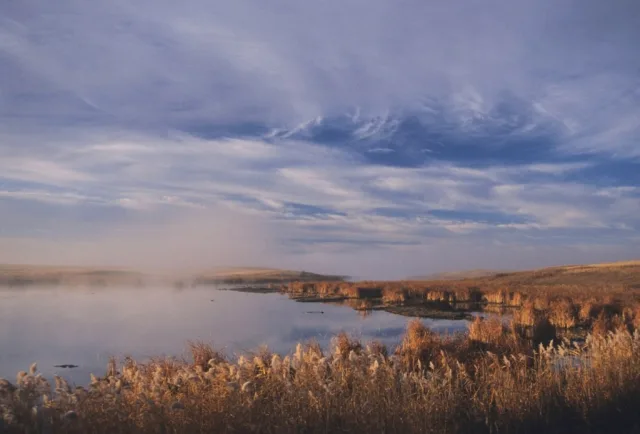
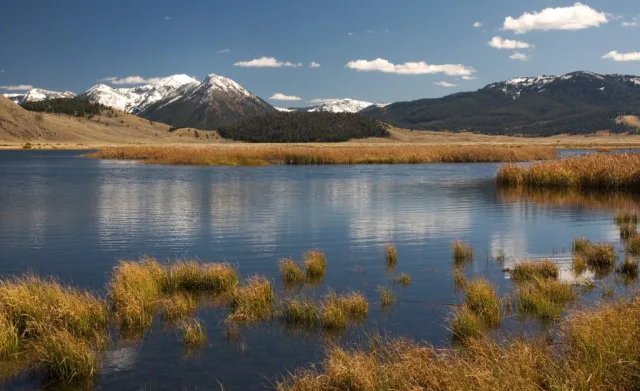
Tucked away in the remote Centennial Valley of extreme southwestern Montana, Red Rock Lakes National Wildlife Refuge is an ecological gem and the largest wetland complex in the Greater Yellowstone Ecosystem. Situated at an average elevation of 6,600 feet, the refuge is defined by the majestic, east-west running Centennial Mountains that form its southern boundary.
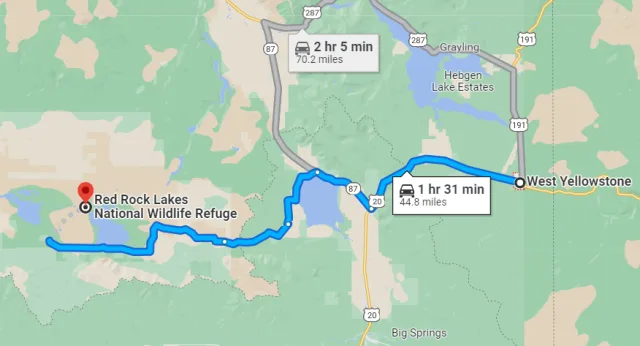
This unique, high-altitude geography creates a breathtaking, undeveloped wilderness of sagebrush steppe, grasslands, and coniferous forests, but its heart is the expansive network of shallow lakes, marshlands, and riparian areas—including Upper and Lower Red Rock Lakes. Established in 1935, the Refuge's remoteness has helped preserve its pristine character, offering a truly wild and challenging bird watching experience in a dramatic, rugged setting where nature remains firmly in control.
The principal bird watching opportunity at Red Rock Lakes NWR revolves around its core mission: the protection and continental restoration of the Trumpeter Swan. The refuge was established when this majestic waterfowl was on the brink of extinction, and today, it remains one of North America's most crucial breeding and nesting areas for the swans, whose impressive size and snowy plumage are a birder's highlight.
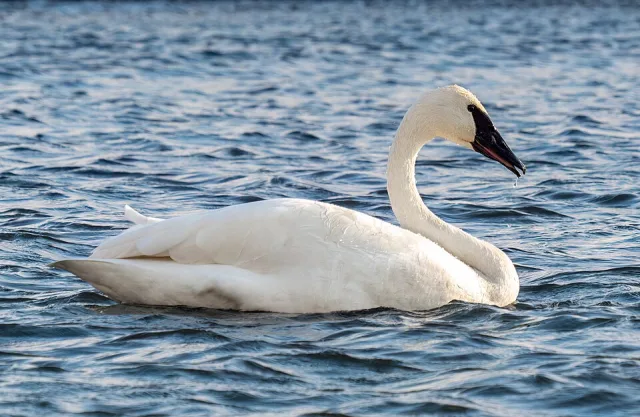
Beyond the swans, the diverse mosaic of habitats supports over 230 bird species. Visitors can spot nesting Sandhill Cranes in the wetlands, various shorebirds like the Long-billed Curlew, and a host of raptors including Bald Eagles, Golden Eagles, and Peregrine Falcons soaring above the sagebrush. Early fall is particularly productive, as the refuge hosts thousands of migratory ducks, geese, and swans, offering a spectacular demonstration of the region's importance along the Western flyway.
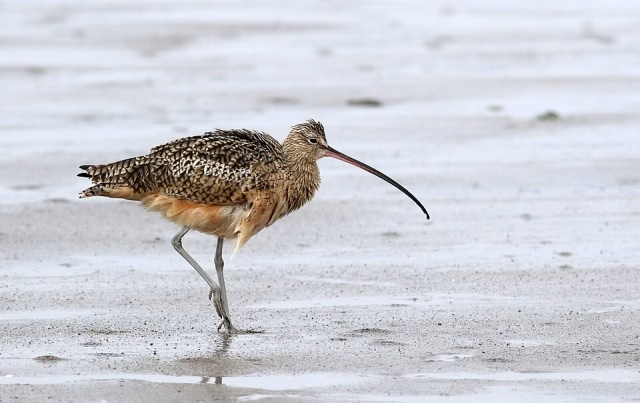
Target Birds
Lazuli, Snow and Lark Bunting
Black-necked Grebe
Northern Harrier
Black-billed Magpie
Vesper Sparrow
Red-naped Sapsucker
Clark's Nutcracker
The USFWS has lots of good information about the area with advice on how to keep safe.
Glacier National Park
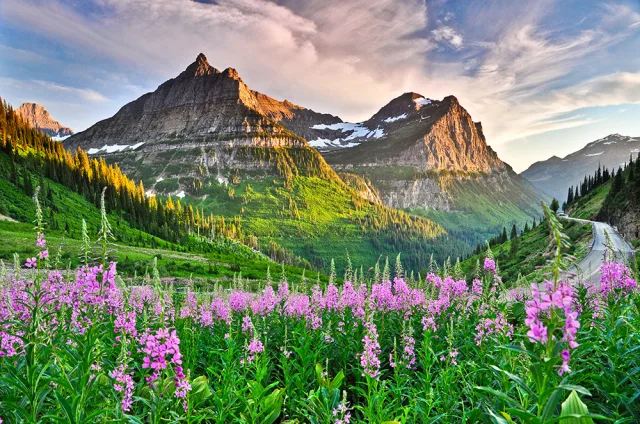
As the centerpiece of the "Crown of the Continent Ecosystem," Glacier National Park in northwestern Montana is a geological and ecological marvel. Straddling the Continental Divide and bordering Canada's Waterton Lakes National Park, its dramatic geography is defined by a landscape carved by ancient glaciers.
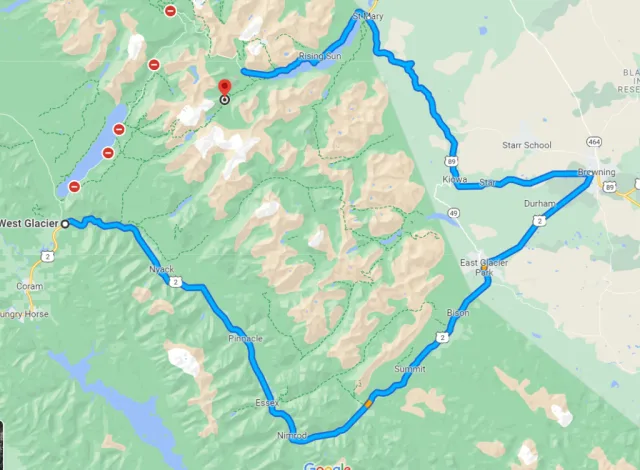
This includes rugged peaks, U-shaped valleys, over 130 named lakes, and diverse ecosystems ranging from low-elevation cedar-hemlock forests in the west to high-alpine tundra and eastern prairie grasslands. This elevation gradient and the division of the Continental Divide—which separates Pacific and Atlantic watershed drainages—create distinct microclimates and habitats, supporting a rich biodiversity within the park's more than one million acres.
This extreme geographic diversity translates directly into exceptional bird watching. With over 270 bird species recorded, birders can target a wide range of specialties across different zones. The sub-alpine meadows and rocky ridges of areas like Logan Pass are the prime location for spotting the highly sought-after White-tailed Ptarmigan, an iconic bird whose plumage changes with the seasons, and the high-country resident Black Rosy-Finch.

Along the churning waters of McDonald Creek, the unique and striking Harlequin Duck breeds, while the riparian forests along the river valleys are home to the fascinating American Dipper, which forages by walking underwater. Additionally, the park's old-growth forests and high mountain passes provide crucial habitat for raptors like Golden Eagles and a variety of owls, including the majestic Great Gray Owl, ensuring rewarding sightings for any visitor willing to explore its rugged terrain.
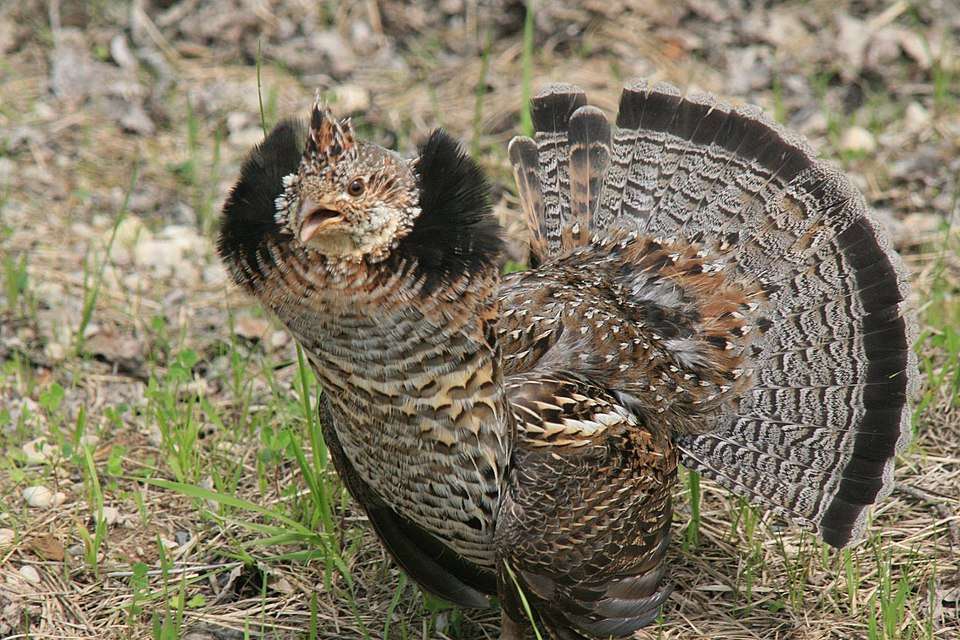
Target Birds
Ruffed and Dusky Grouse
American Dipper
Mountain Chickadee
Townsend's Solitaire
Rufous Hummingbird
Pacific Wren
The National Park Service provides a lot of valuable information not only about activities available here but also access, registrations and safety.
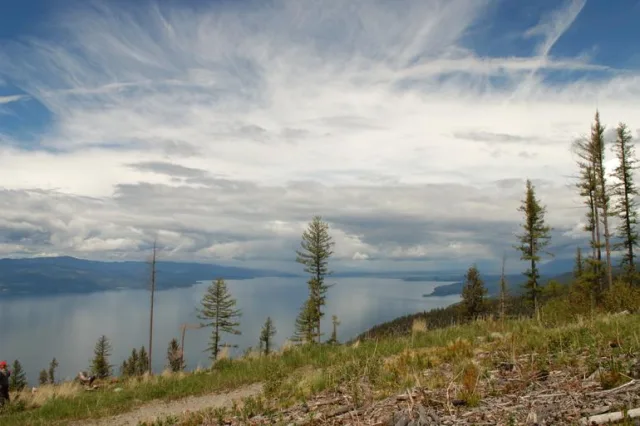
Flathead Lake
Flathead Lake, the largest natural freshwater lake west of the Mississippi River, is a geographical jewel in Northwest Montana, flanked by the Mission Mountains to the east and the Salish Mountains to the west. Formed by glacial action, its sheer size—approximately 30 miles long and 16 miles wide—creates a mild microclimate in the surrounding valley, which supports fruit orchards and a rich variety of habitats, including riparian cottonwood forests, coniferous shorelines, and expansive wetlands, especially along the North Shore.

This complex geography, combined with the lake's position within the Pacific Flyway, makes it a critical ecological hub and a prime location for bird watching year-round.
The diverse array of habitats ensures superb birding opportunities for different species depending on the season. The lake and its many islands, such as the secluded Goose Island, are essential nesting and loafing areas for waterfowl and colonial birds.
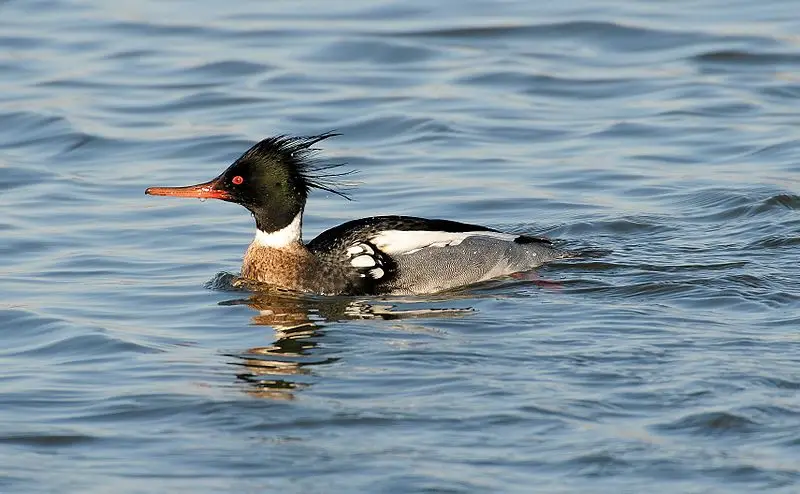
Birders frequently spot Bald Eagles and Ospreys nesting high above the water, while thousands of Tundra and Trumpeter Swans, along with various duck species, use the lake as an overwintering and vital staging area during migration. Specifically, the North Shore Important Bird Area (IBA) is renowned as a major refueling stop for tens of thousands of migratory birds, offering the chance to see large rafts of diving ducks, various shorebirds, and concentrated flocks of gulls and terns.
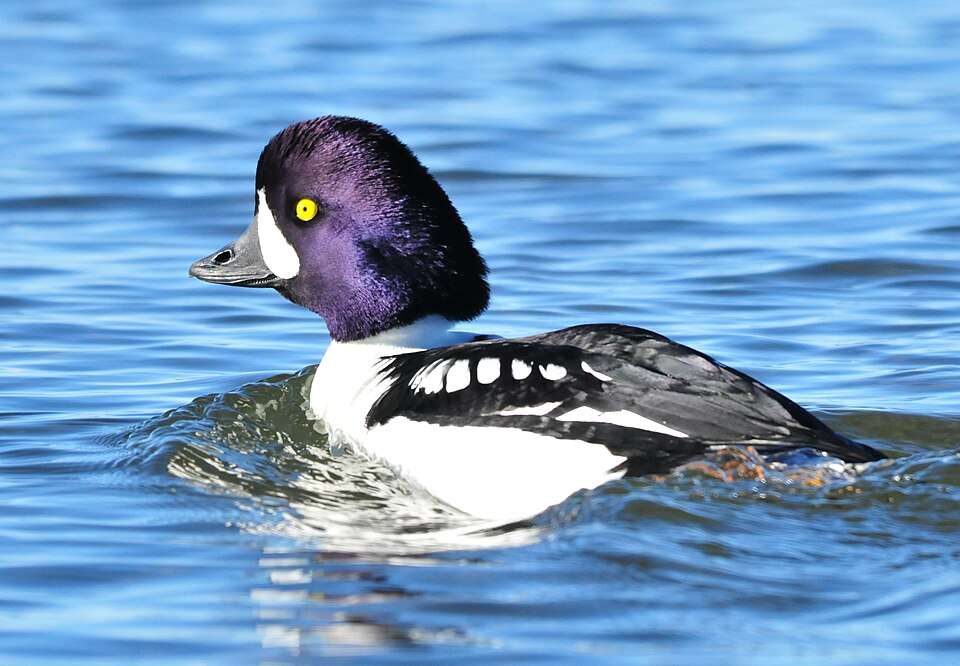
Target Birds
Snow and Ross's Goose
Trumpeter and Bewick's Swan
Hooded and Red-breasted Merganser
Wilson's Snipe
Barrow's Goldeneye
Rough-legged Hawk
The Visit Montana website has information about the lake and surrounding areas and activities.
Lake Helena
Lake Helena is a significant water body situated in the Helena Valley of Lewis and Clark County in southwestern Montana, located approximately 10 miles northeast of the city of Helena. It is not a natural lake but an impoundment created by the construction of the Hauser Dam on the Missouri River in 1907, which caused the flooding of a portion of Prickly Pear Creek.
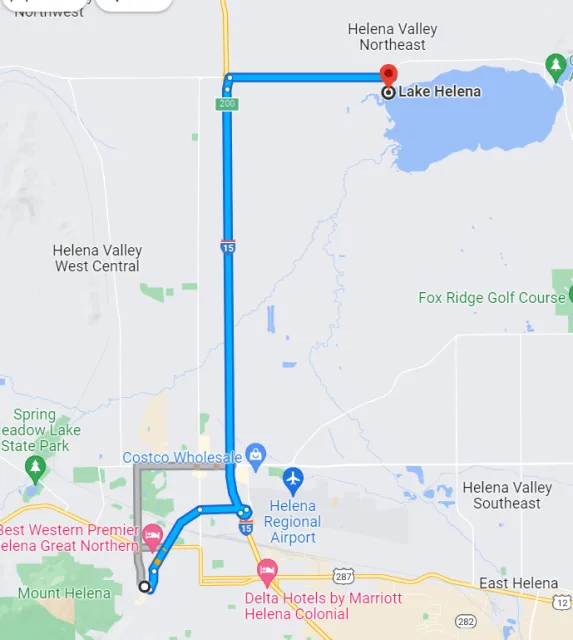
This formation gives the lake its distinct geography: it is a relatively shallow, 2,073-acre (8 km²) body of water surrounded by a diverse mix of habitats including marshland, riparian cottonwood and willow vegetation along the creek inlets, native prairie, and hay meadows. The entire area sits at an elevation of about 3,647 feet (1,112 m), with a dramatic backdrop provided by the surrounding forested mountain ranges.
Due to its varied habitats and strategic location on a boundary between the Pacific and Central flyways, Lake Helena is a nationally recognized Important Bird Area (IBA), offering excellent bird watching opportunities year-round. Over 170 species have been recorded here, with the marshy, western end being particularly productive.
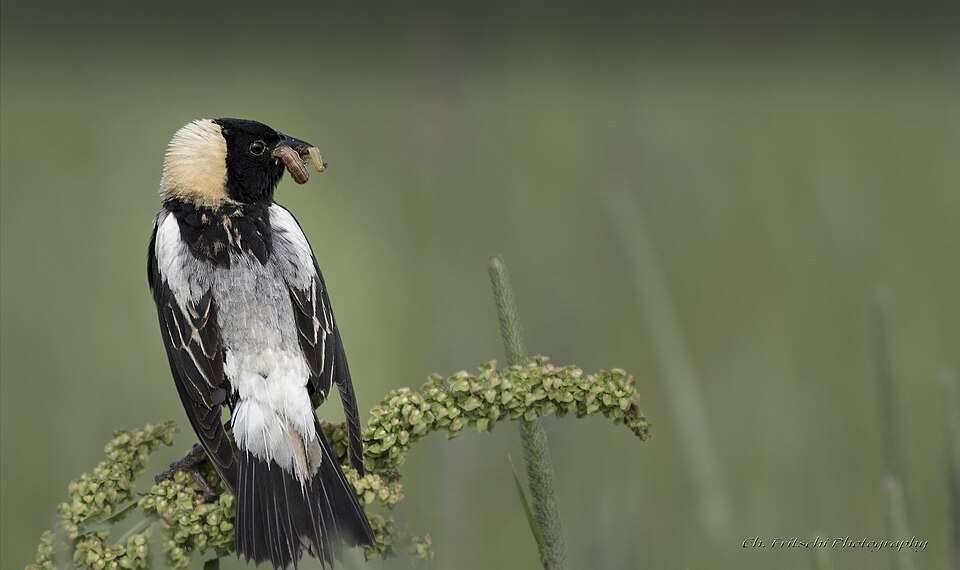
The area is critical for waterfowl, serving as a key staging area during migration for large flocks of American White Pelicans, Snow and Canada Geese, and Tundra Swans. Breeding species include the majestic Great Blue Heron, which has a known rookery, and raptors like the Bald Eagle. Furthermore, the surrounding grasslands and riparian zones provide nesting habitat for species of concern such as the Long-billed Curlew, Bobolink, and various sparrows. The proximity of the Lake Helena Wildlife Management Area also provides public access and dedicated viewing spots for observers.
Target Birds
Cinnamon Teal
Virginia Rail
Wilson's Phalarope
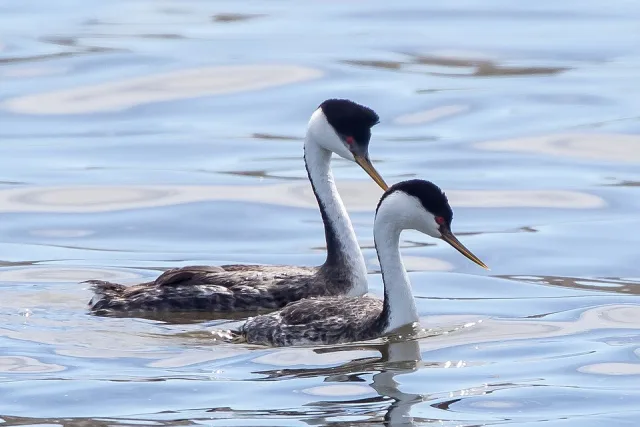
Western Grebe
Marbled Godwit
Gray Plover
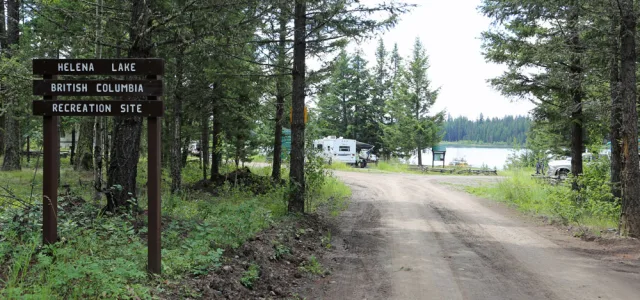
The Montana Fish, Wildlife and Parks website has lots of information about the facilities in the area including camping and fishing. There is not much about the history or bird watching but it is a good place to start if you are planning a trip.
The Flames of Summer: A Guide to the Dazzling Orioles of the U.S.
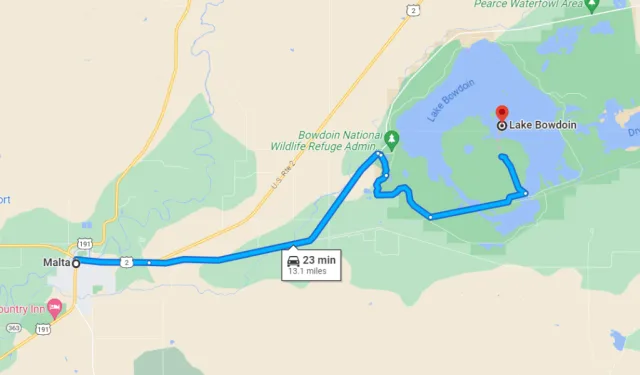
Bowdoin NWR
Target Birds
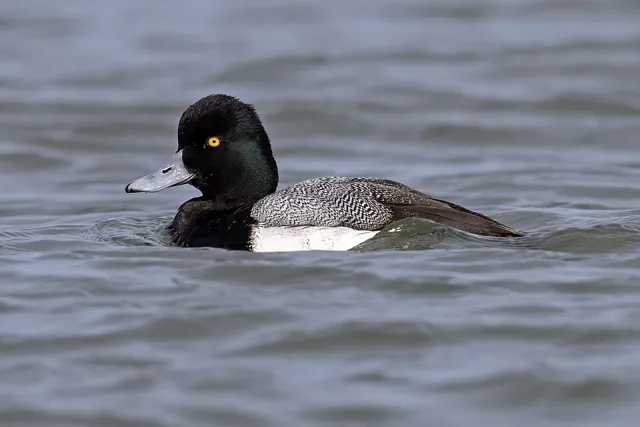
Greater and Lesser Scaup
Hudsonian and Marbled Godwit
Long-billed Curlew
Say's Phoebe
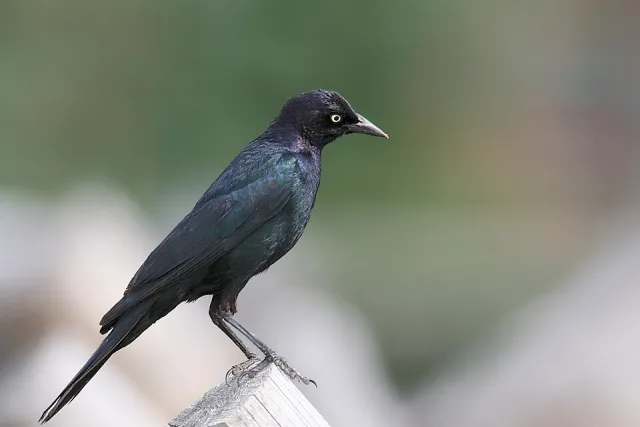
Brewer's Blackbird
Sharp-tailed Grouse
The U.S. Fish and Wildlife Service has history information of the area and visitation guidance.
Ninepipe NWR
Located in the heart of Montana's Mission Valley, the Ninepipe National Wildlife Refuge (NWR) is a birder's jewel nestled within the Flathead Indian Reservation. The refuge’s geography is dramatically defined by the towering, snow-capped peaks of the Mission Mountains to the east, providing a spectacular backdrop to a complex of rolling bunchgrass prairie and wetlands. At its center is the 1,770-acre Ninepipe Reservoir, a key feature created by the historical Flathead Irrigation Project.
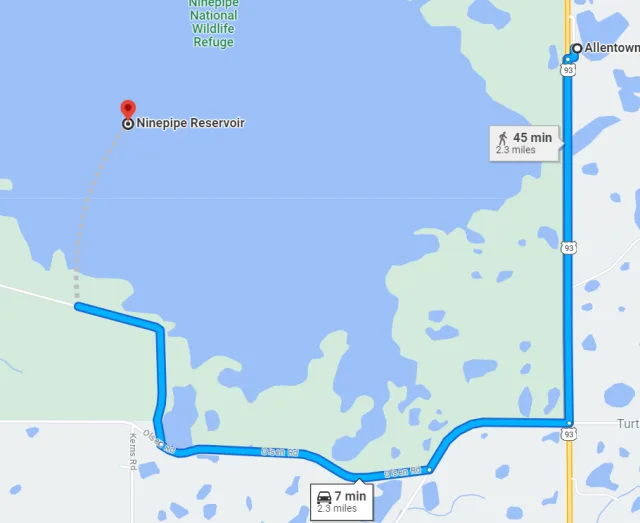
This landscape is characterized by a high density of glacial "pothole" wetlands—small, shallow ponds vital for waterfowl—interspersed among upland grasses and sedges. This unique location, positioned somewhat between the Pacific and Central Flyways, makes the Ninepipe NWR a significant and highly productive hub for both nesting and migrating avian life in northwestern Montana.
The rich and varied habitat at Ninepipe NWR translates into exceptional bird watching opportunities across all seasons. The reservoir and surrounding wetlands are a major breeding and staging area for ducks, including Mallards, Northern Shovelers, and Redheads.
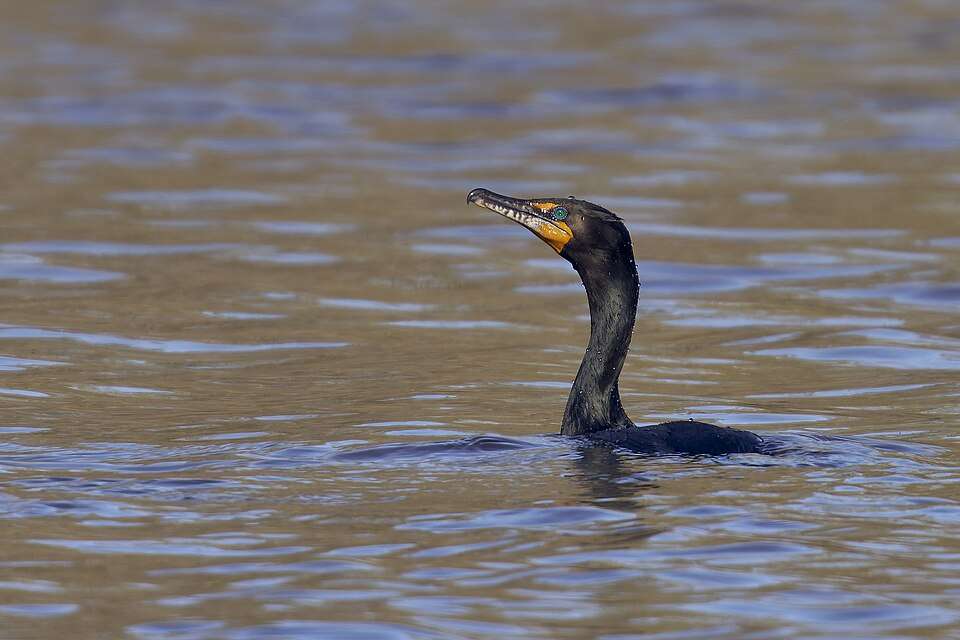
A highlight for any visitor is observing the striking mating rituals of colonial nesting birds, with the refuge hosting breeding populations of both Western and Red-necked Grebes, as well as active rookeries for Great Blue Herons and Double-crested Cormorants. The skies and uplands offer their own rewards, providing views of nesting Ospreys and Bald Eagles, while winter brings the excitement of searching for raptors like Rough-legged Hawks and the occasional Snowy Owl. Birders should be mindful of seasonal closures, particularly in spring and early summer, which are in place to protect the vulnerable nesting birds that call this vital Mission Valley sanctuary home.
Target Birds
Bufflehead
Western Meadowlark
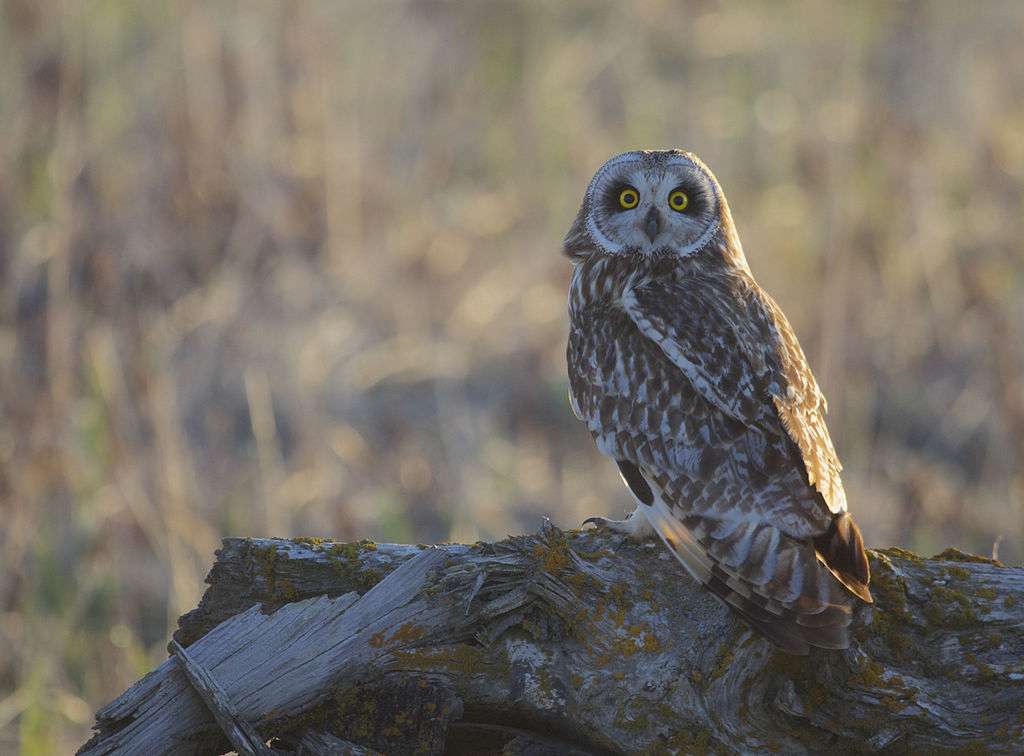
Short-eared Owl
Barrow's Goldeneye
Clark's Grebe
The USFWS website as ever has lots of information about the area.
Arco Ponds
The Arco Ponds, a prominent component of the Warm Springs Wildlife Management Area (WMA), represent a unique and surprising ecological oasis in southwestern Montana. Located near the town of Warm Springs in the upper Clark Fork River Valley, their geography is a testament to both industrial history and environmental restoration. These are not natural lakes, but rather a complex of large, man-made settling ponds originally constructed by the Anaconda Company (and later managed by ARCO, hence the name) as part of a massive Superfund effort to treat heavy-metal-laden surface water from historic mining operations in Butte and Anaconda.
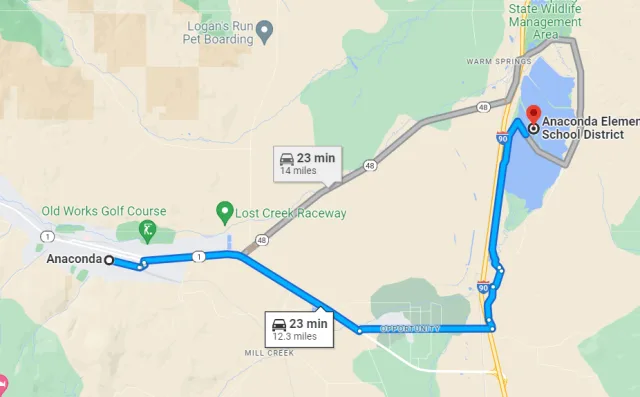
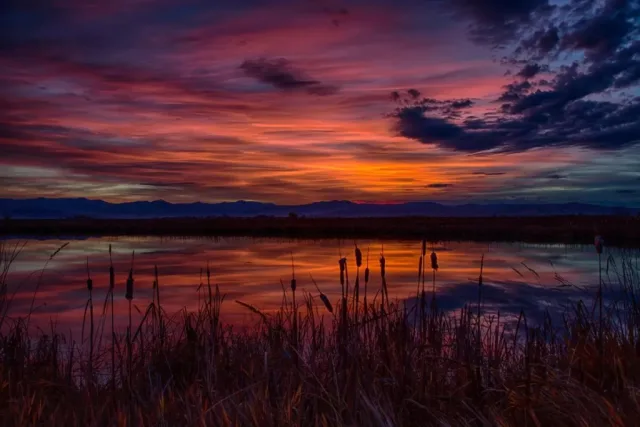
Set amidst a landscape of rolling hills and flanked by the dramatic Rocky Mountains, the WMA's habitat is dominated by extensive wetlands—a rich mosaic of cattails, rushes, sedges, and willow riparian areas—that now serve as a crucial wildlife corridor and stopover. The entire 2,500-acre complex is bisected by Interstate 90, with the ponds and associated wetland areas located on both sides of the highway.
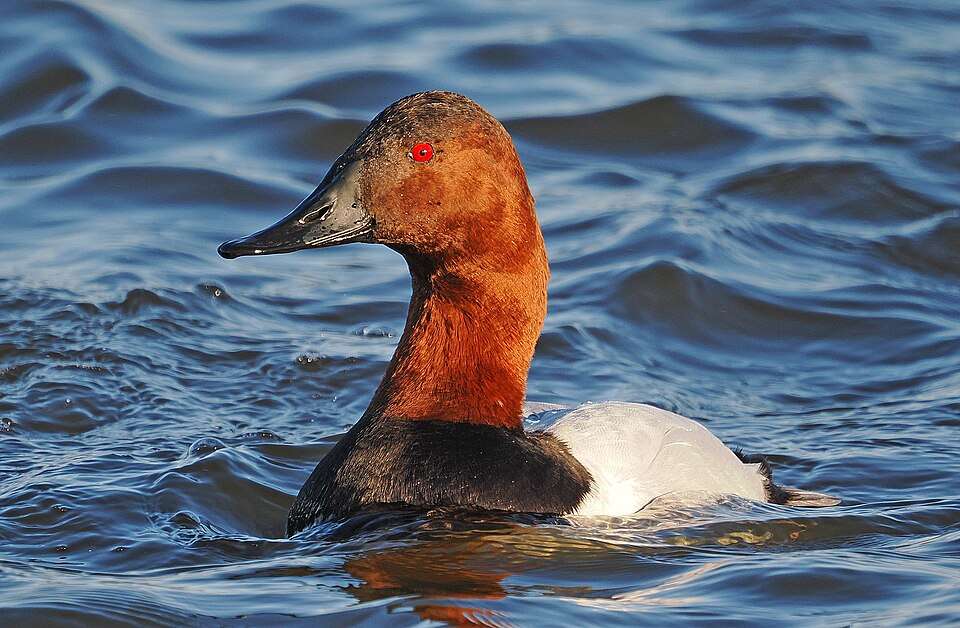
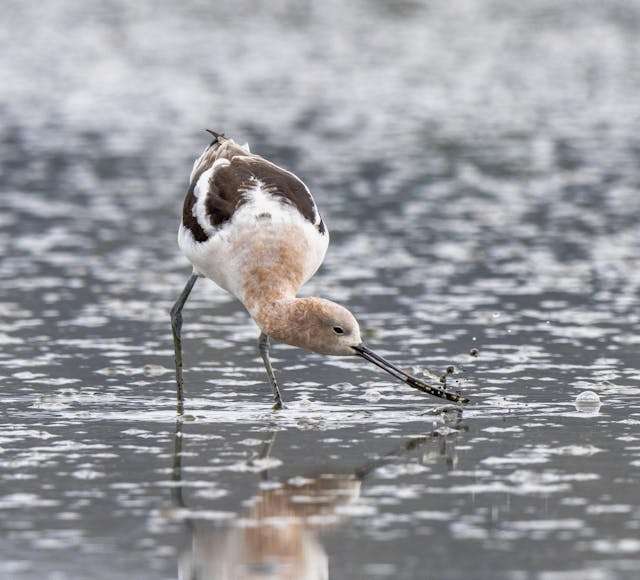
Despite their industrial origins, the Arco Ponds have become one of Montana's most popular and productive bird watching destinations, with over 200 species recorded. The shallow, nutrient-rich waters and diverse emergent vegetation create perfect conditions for a massive concentration of waterfowl and shorebirds. Birders flock here to observe breeding species like Western and Red-necked Grebes, American Avocets, and various ducks, including Northern Shovelers and Canvasbacks.
During migration, the WMA becomes a spectacle, attracting large numbers of Tundra Swans, Snow Geese, and various rare gulls and terns. Raptors are also a common sight, with Bald Eagles and Ospreys frequently seen hunting over the open water. An extensive network of dike roads, trails, and viewing platforms makes this site highly accessible, allowing visitors to easily navigate the different ponds and observe the phenomenal bird diversity throughout all seasons.
Target Birds
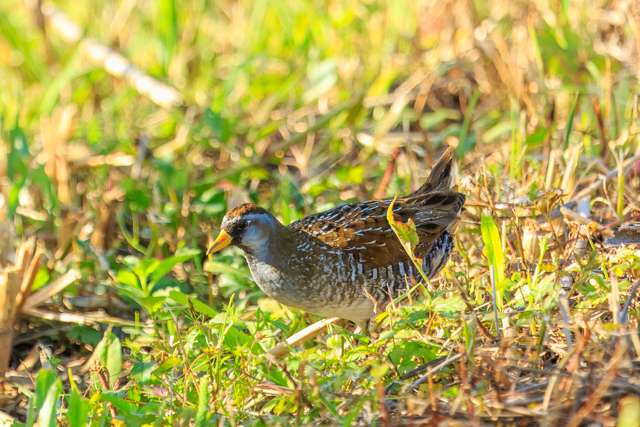
Red-necked, Pied-billed, Black-necked and Western Grebe
Belted Kingfisher
Clay-colored Sparrow
Northern Shoveler
Sora
Wilson's Phalarope
Southwest Montana Tourism has great information about the whole area and its history.
Lee Metcalf NWR
Located in the picturesque Bitterroot Valley of southwestern Montana, the Lee Metcalf National Wildlife Refuge (NWR) is a crucial 2,800-acre oasis nestled between the majestic Bitterroot and Sapphire mountain ranges. This unique geographic setting places the refuge within the floodplain of the Bitterroot River, creating a diverse mosaic of western mountain valley habitats.
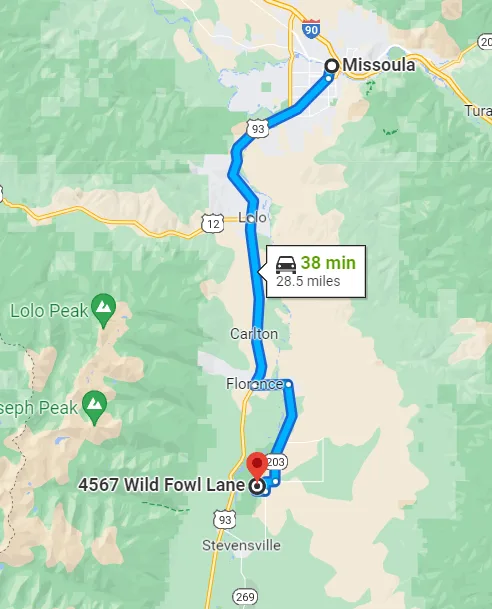
The terrain includes riverfront cottonwood forest, sloughs, extensive wetlands, wet meadows, and grassland benches—a concentration of ecosystems that makes it an Important Bird Area (IBA). Its position along a north-south flyway within a rapidly developing region makes it an irreplaceable sanctuary for migratory birds and local wildlife.
The refuge is a spectacular destination for birders, with over 240 avian species documented and more than 100 species nesting annually within its boundaries. Bird watching opportunities are outstanding across all seasons. In spring and fall, the wetlands teem with migrating waterfowl, including various species of ducks, geese, and swans, such as the impressive Trumpeter Swan.
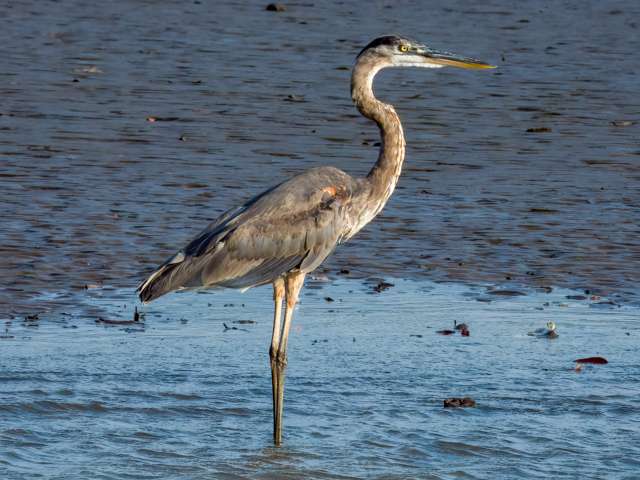
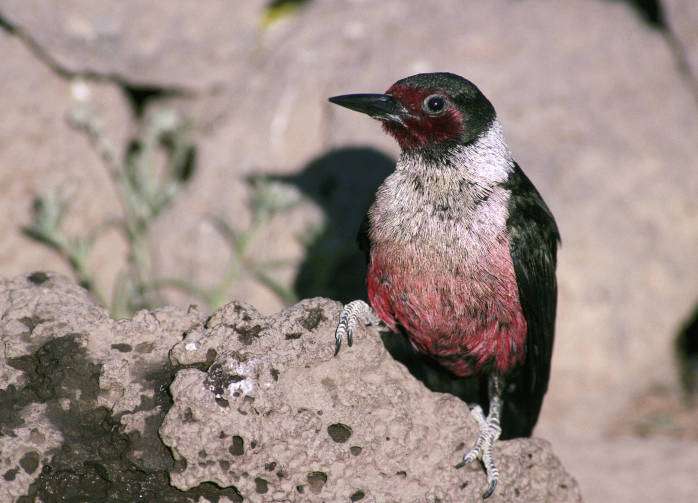
Throughout the year, visitors can observe a large Great Blue Heron rookery and monitor the successful nesting efforts of Osprey, a species extensively studied here. Easy-to-navigate trails, including the accessible Wildlife Viewing Area and the Kenai Nature Trail, guide birders through the diverse habitats, offering excellent chances to spot riparian specialists like Wood Ducks and neotropical songbirds like Lewis's Woodpeckers and various warblers in the dense cottonwood gallery forest.
Target Birds
Sandhill Crane
American Avocet
Spotted Sandpiper
Vaux's Swift
Bullock's Oriole
Violet-green Swallow
The USFWS website has up to date information about what can be found in the area and welcomes visitors.
Freezout Lake WMA
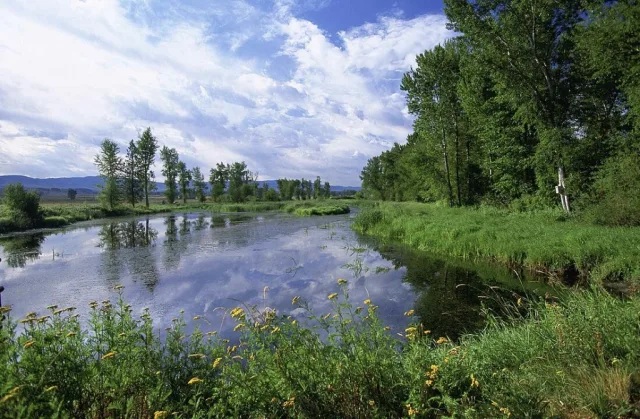
The Freezout Lake Wildlife Management Area (WMA) is a crucial ecological site located in north-central Montana, nestled on the expansive plains near the town of Fairfield, with the dramatic peaks of the Rocky Mountain Front forming a breathtaking western backdrop. This 12,000-acre WMA, managed by Montana Fish, Wildlife & Parks, is a sprawling natural basin dominated by a shallow, alkaline lake and several smaller potholes.
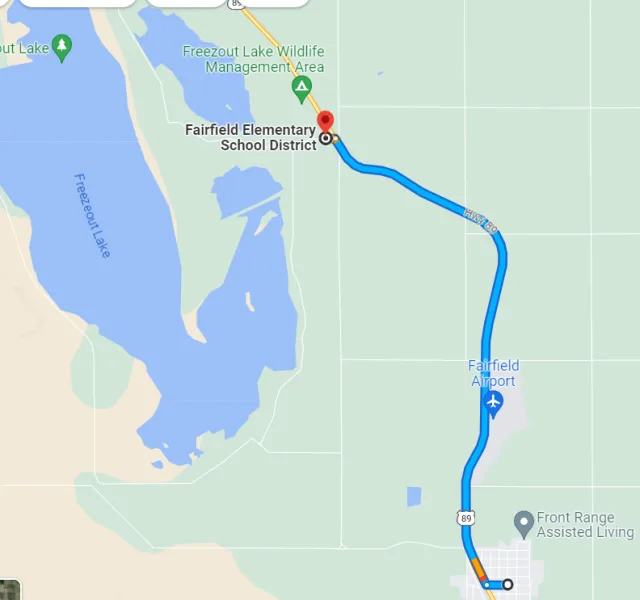
Its geography—a complex of managed wetlands, open water, and surrounding shortgrass prairie—positions it as an indispensable refueling stop along the Pacific Flyway, one of the continent's major bird migration routes. The location’s proximity to irrigated farmland provides vital feeding grounds for the tremendous flocks of waterfowl that pass through, making the timing of spring migration particularly dependent on regional weather and water levels.
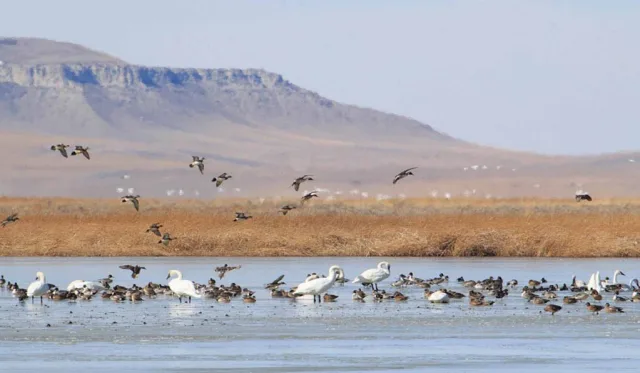
The bird watching at Freezout Lake is globally renowned, offering one of the most spectacular avian concentrations in North America, particularly during the spring migration from mid-March to mid-April. At its peak, the WMA can host staggering numbers, including up to 300,000 Snow Geese and thousands of elegant Tundra Swans.
Birders flock to witness the unforgettable sight and sound of a "blast-off," as thousands of white geese take flight simultaneously, creating a dazzling swarm against the Big Sky. Beyond the massive waterfowl flocks, the WMA's diverse habitat supports over 200 documented bird species, including breeding shorebirds like American Avocets and Black-necked Stilts, various duck species, and raptors such as Rough-legged Hawks and occasionally Gyrfalcons during the winter months. An auto tour route provides excellent opportunities for year-round viewing and photography.
Target Birds
Wilson's Snipe
Clark's Grebe
Long-billed Dowitcher
American Bittern
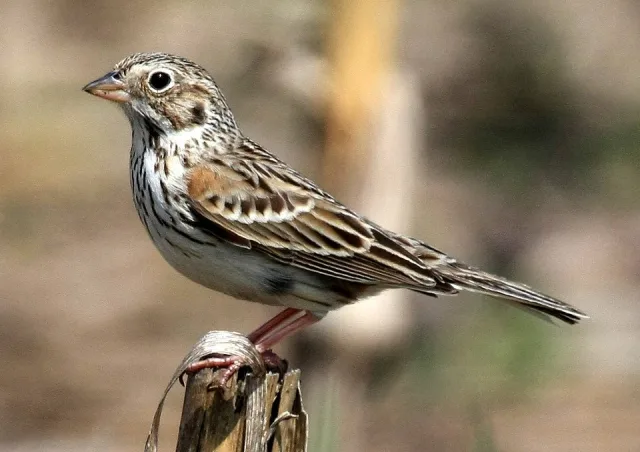
Grasshopper, Vesper and Savannah Sparrow
Least and Semipalmated Sandpiper
The Montana.gov website has detail about the lake and its management.
Wrapping Up
Montana’s vast and varied landscapes offer a bird watching experience unlike any other, anchored by essential havens along the major North American flyways. The spectacle of hundreds of thousands of Snow Geese and Tundra Swans at Freezout Lake WMA during the spring migration is a globally recognized phenomenon, providing a dramatic show against the backdrop of the Rocky Mountain Front.
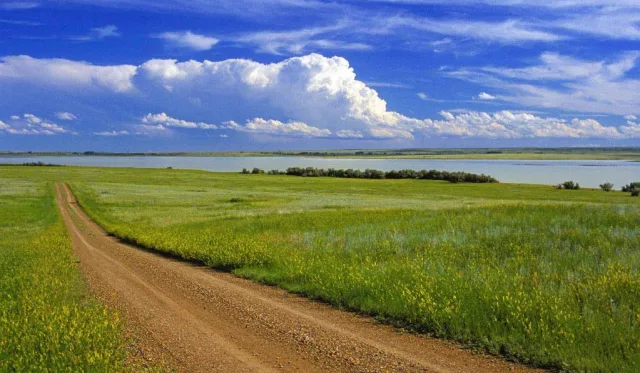
Equally vital, the prairie wetlands of Bowdoin National Wildlife Refuge serve a critical role, particularly for colonial nesting waterbirds like the American White Pelican and rare grassland songbirds like the Sprague's Pipit and Baird's Sparrow. These sites, and countless others across the state, underscore Montana's significance as a conservation stronghold. For both the seasoned birder and the curious traveler, the opportunity to witness this unparalleled avian diversity against the state’s Big Sky is an invitation to connect with the raw, untamed heart of the Great Plains and the Rockies.
