

The Mississippi Delta, a vast, flat alluvial plain stretching from the western edge of the state to the mighty Mississippi River, is more than just the historic birthplace of the Blues. It is a critical ecological engine, an essential stopover, and a wintering ground for millions of birds traversing the Mississippi Flyway. For birders, this region offers a unique and often overwhelming spectacle of avian life, centered around its remaining bottomland hardwood forests and vast agricultural fields.
The Allure of the Bottomlands
Before the intensive conversion to agriculture, the Delta was covered by a massive expanse of bottomland hardwood forest—a dynamic ecosystem defined by the river’s flooding cycle. While much has been lost, the remnants preserved in state and national wildlife refuges are the undisputed hotspots for Delta birding.
These forests are structurally complex, featuring an overstory of towering cypress, water tupelo, sweetgum, and various oaks, a dense understory, and a flood-prone forest floor. This complexity creates a multitude of niches, supporting a diverse community of breeding and overwintering species.
In the spring and summer, the bottomlands resonate with the calls of breeding Neotropical migrants. The elusive Swainson’s Warbler is a sought-after specialty, often found skulking in cane breaks or dense shrubbery. The vibrant Prothonotary Warbler , a "golden swamp bird," is a common sight, its bright yellow plumage contrasting sharply with the deep green and shadow of the flooded woods, often nesting in tree cavities over water. Other breeding denizens include the melodious Wood Thrush, the striking Summer Tanager, and various vireos and woodpeckers, including the large, striking Pileated Woodpecker.

The Delta as a Flyway Funnel
The Mississippi Flyway is one of North America's four major migratory corridors, guiding birds from their northern breeding grounds in the Arctic and boreal forests down to wintering sites along the Gulf Coast, Central, and South America. The Mississippi Delta acts as a massive funnel and rest stop along this route.
During the autumn and spring migrations, virtually any North American passerine could potentially pass through the Delta. The dense woods and thickets bordering the fields become temporary havens, filled with feeding Warblers, Grosbeaks, and Orioles refueling before continuing their journey. Observing a "fallout"—when adverse weather forces large numbers of migrants to land simultaneously—in a small patch of Delta woods can be a truly unforgettable experience, turning an ordinary grove into a riot of color and movement.

Winter Waterfowl Spectacle
As the northern wetlands freeze, the Delta becomes one of the continent's most critical wintering areas for waterfowl. The region's unique geography, which includes thousands of acres of managed wetlands, fish farms, and seasonally flooded agricultural fields (especially rice and corn), provides an abundance of high-energy food.
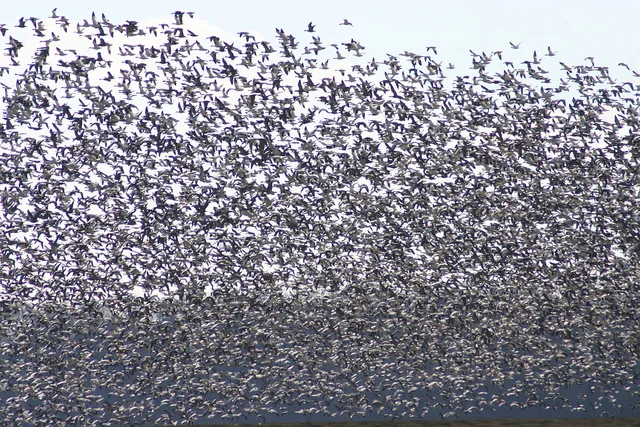
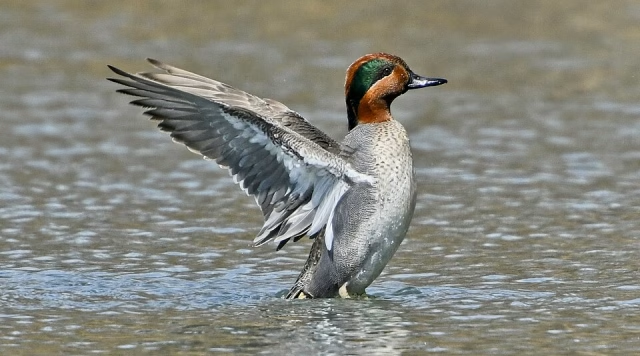
Millions of ducks descend upon the Delta. Mallards are the most numerous, alongside massive concentrations of Gadwall, Northern Pintail, Green-winged Teal, and Shovelers. Large numbers of Snow Geese and Greater White-fronted Geese also winter here, creating vast, honking clouds when they lift off the fields at dawn or dusk.
The key to experiencing this waterfowl spectacle is visiting the numerous National Wildlife Refuges (NWRs). Places like the Dahomey NWR and Hillside NWR manage flooded fields and bottomland swamps specifically for these birds, offering exceptional viewing opportunities from observation decks or auto tours, particularly between November and February. The sheer number of birds can be overwhelming, providing an essential illustration of the scale of the Mississippi Flyway's importance.
Raptors and the Edges
The mosaic landscape of the Delta—where forest meets field—also supports a high concentration of raptors. The abundance of wintering waterfowl and rodents provides a feast for predators. Bald Eagles are common and often seen perched in tall snags near bodies of water, drawn by the density of ducks.
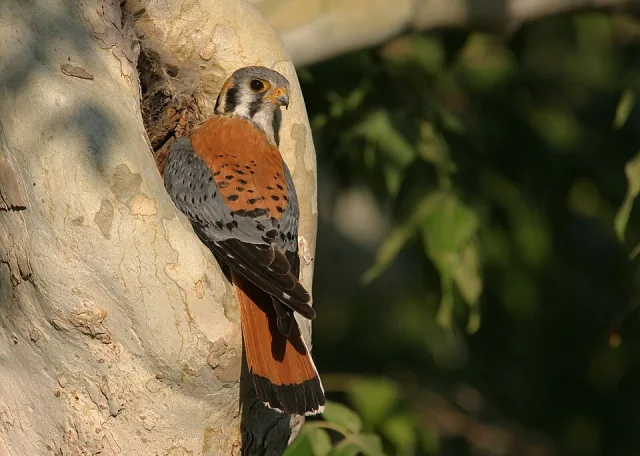
Birders also keep an eye out for the majestic Northern Harrier, which skims low over the open fields and marshes, hunting with its distinctive, rocking flight. Red-tailed Hawks are ubiquitous, perched on utility poles, while the smaller American Kestrel hunts from wires. The Delta is also a key wintering site for the striking Short-eared Owl, often seen hunting low over marshy fields at twilight.
In summary, Mississippi Delta birding is defined by the stark contrasts of its landscape: the deep, ancient quiet of the bottomland hardwood forest, sheltering brilliant Prothonotary Warblers and elusive Swainson’s Warblers; and the vast, open agricultural plains that become flooded fields, hosting staggering numbers of migrating ducks and geese. It is an area where ecological importance meets raw, impressive birding volume, making it a truly indispensable destination along the great Mississippi Flyway.
