
For the dedicated ornithologist or the casual backyard watcher, the language of North American birding is often as colorful and complex as the plumage it describes. Most of our common names are perfectly straightforward, a simple nod to a bird's striking feature (Northern Cardinal, Red-tailed Hawk) or a clear geographical reference (Baltimore Oriole, Mississippi Kite). Yet, embedded within the official nomenclature of the American Ornithological Society lies a fascinating collection of names that are either instantly laugh-out-loud inappropriate by modern standards, delightfully descriptive in a bizarre way, or utterly misleading as a guide to the bird’s appearance or habits.
These linguistic relics offer a window into the minds of the early naturalists—explorers, hunters, and museum collectors—who often named birds based on a fleeting observation, a misunderstood call, or simply the location where the type specimen (the single bird used to describe the species) was shot. The result is a compendium of avian monikers that can be confusing, comical, and sometimes, mildly scandalous.
The Unintentionally Inappropriate: Where Modernity Collides with Old English
In the category of names that make a grade-schooler—or a mature birder with a juvenile sense of humor—giggle, we find a rich tradition of Old English and European taxonomy that predates their modern, slang meanings.
One of the most famously chuckled-at groups is the Tits and Titmice. Found across the globe, the American representatives, such as the Tufted Titmouse and various species of Bushtits (a name that speaks for itself), belong to the Paridae family. The term Tit is derived from the Old English word tit, meaning "small," referring to the bird's diminutive size. Similarly, the 'mouse' in Titmouse is a variation of māse, a Germanic bird name. The result is a name that is completely innocent in its etymology but, in modern vernacular, is a source of endless snickering on bird walks. The Bushtit, a tiny, gregarious gray and brown songbird of the western United States, is perhaps the greatest victim of this linguistic accident.

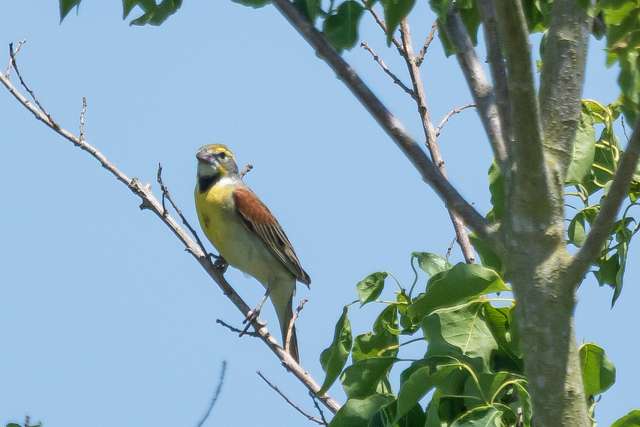
Another bird frequently cited for its unfortunate name is the Dickcissel (Spiza americana). This sparrow-like bird of the central U.S. grasslands has a bright yellow breast and a dark throat patch. Its name is a perfect example of onomatopoeia, derived directly from the male’s buzzing, repetitive song, which sounds distinctly like "dick-dick-cissel." While purely descriptive of its call, the name’s syllables guarantee its inclusion on any list of awkward avian appellations.
Perhaps the most famous offender for sheer descriptive inaccuracy combined with an inappropriate sound is the American Woodcock (Scolopax minor). This strange, plump, long-billed shorebird, which lives in woods and is famous for its elaborate, spiraling courtship flight (earning it the nickname 'sky-dancer' or 'timberdoodle'), is a bird of contradictions. The 'cock' part of its name is a reference to its resemblance to a small rooster or grouse, though the link is tenuous at best. Its other common nickname, the Bogsucker, is a far more accurate—if less formal—description of its feeding habit: probing its long bill into wet, boggy soil for earthworms.

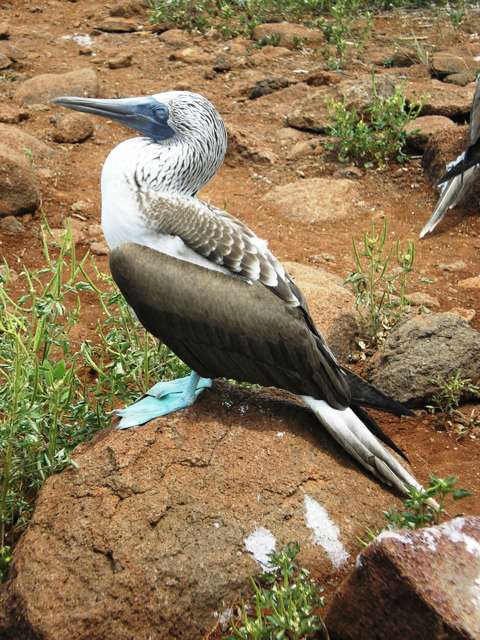
Finally, while the iconic Blue-footed Booby is only a rare accidental visitor to U.S. coastal waters (primarily found in the Galapagos and the eastern Pacific), its name is too classic to omit from the discussion of interesting North American bird names. The term Booby comes from the Spanish word bobo, meaning "silly" or "stupid," a label given by early explorers because the birds were so unafraid of humans they could be easily caught and eaten. While a classic, its infrequent appearance means U.S. birders are usually only worried about the inappropriate nature of the local Brown Booby.
Names That Deceive: Misleading Descriptions and Locational Lies
While the inappropriate names draw snickers, the truly misleading names can cause genuine confusion for new birders trying to identify a species in the field. These are names that suggest a key feature is obvious when, in fact, it is nearly invisible, or a name that promises a location where the bird is virtually never found.
The Color Conundrums
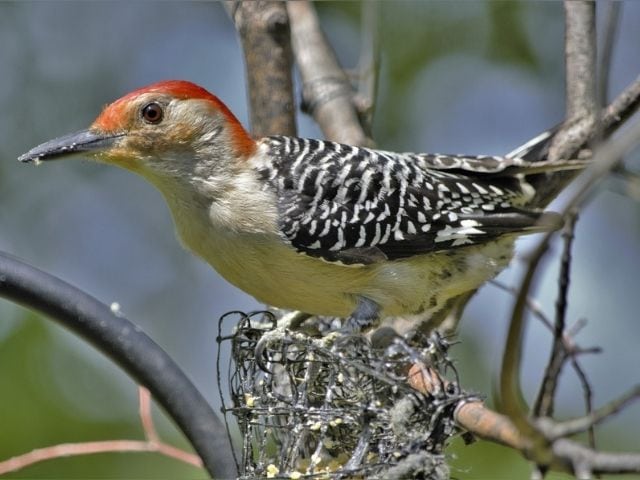
The prize for the most descriptively inaccurate color name goes to the Red-bellied Woodpecker (Melanerpes carolinus). This bird is common across the eastern U.S., instantly recognizable by its striking black-and-white barred ladder back and the bright red on its nape and crown. However, the 'red belly' for which it is named is a pale, rosy wash of feathers that is nearly impossible to see unless the bird is observed at close range, usually lying on its back. The far more prominent color is on the head, making the name a historical relic of a time when specimens were examined in hand, not in the field.
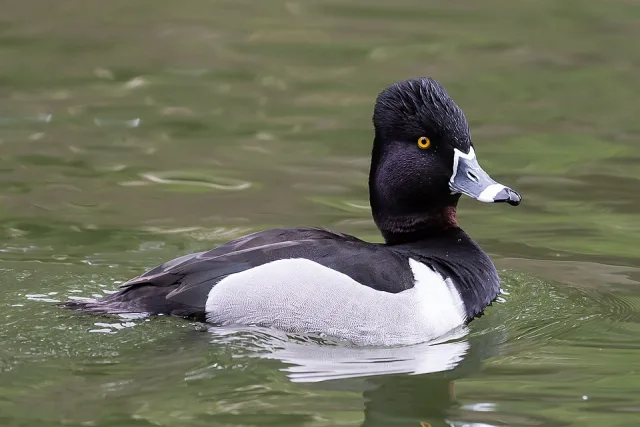
A similar, though less egregious, case is the Ring-necked Duck (Aythya collaris). This species is a common sight in ponds and marshes across the continent. When seen in the water, the key field mark that confirms its identity is the prominent white ring around its black bill. Yet, its name refers to a thin, dull chestnut collar on its neck that is often obscured by other feathers and is barely visible in the best of conditions. Like the woodpecker, the name likely comes from museum collectors who could easily see the faint ring on a prepared specimen laid flat.
The Locational Lies
The practice of naming a bird after the place its type specimen was collected has gifted American birding a confusing suite of warblers and vireos that breed hundreds or thousands of miles from their namesake location.
The Cape May Warbler (Setophaga tigrina), a stunningly colorful migrant, is only a transient visitor to Cape May, New Jersey—the location where the first documented specimen was collected in the early 19th century. Its actual breeding grounds are in the spruce forests of the boreal zone of Canada and the northern Great Lakes region.

Similarly, if you go looking for the Nashville Warbler in Nashville, Tennessee, you will only see it during its migration. It breeds far north, from the Great Lakes into Canada. The Philadelphia Vireo is not primarily a bird of Pennsylvania but breeds from southern Canada to New England. And the Tennessee Warbler only passes through the Volunteer State on its way to and from its nesting territory in the boreal forests of Canada. For birders, these names are more a geographical history lesson than a reliable guide to where the bird belongs.

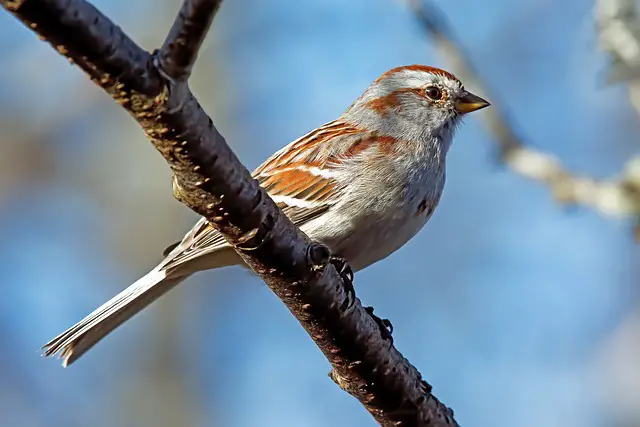
Finally, the American Tree Sparrow (Spizella arborea) is a small, rusty-capped songbird that does not nest in trees at all! It breeds in the low shrubs and thickets of the Arctic tundra. It was named a "tree" sparrow because when it was discovered by early naturalists in the eastern U.S. in winter, it would often be seen feeding in low trees and shrubs, a behavior that separated it from the other "ground" sparrows of the time.
The Truly Unique and Intriguing Names
Beyond the misleading and the inappropriate, American birding features a handful of names that are simply beautiful, highly descriptive, or just delightfully strange.
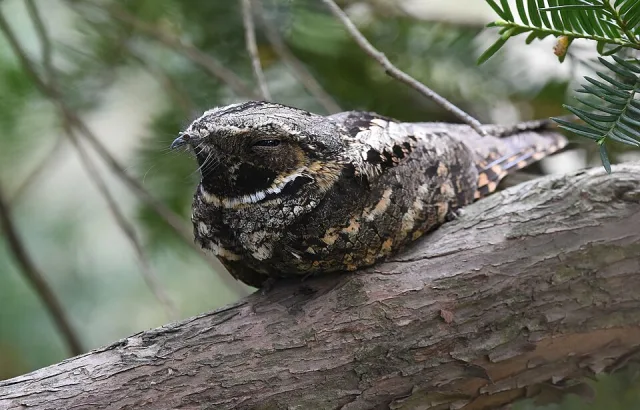
The Whip-poor-will and the Chuck-will's-widow are perhaps the most evocative names in the American songbird catalog. These nocturnal insectivores, members of the Nightjar family, are named for their relentless and easily recognizable calls. The names are perfectly descriptive, turning the bird’s vocalization into a phrase that instantly conjures a late spring night in the eastern woods.
The Bufflehead (Bucephala albeola) is a charmingly diminutive diving duck whose name is equally strange. "Buffle" is an old term for "buffalo," and the bird’s common name refers to its large, bulbous-shaped head, particularly noticeable on the male, giving the appearance of a large, puffy buffalo head. It is a quirky, yet highly accurate, description of its profile on the water.

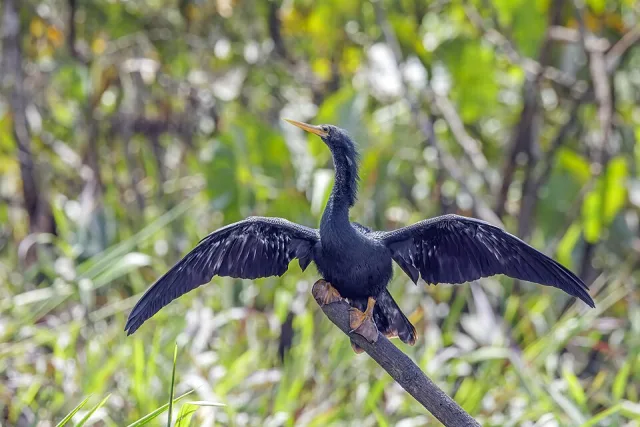
Finally, the Anhinga (Anhinga anhinga), often called the "snakebird," has a name rooted in the Tupi language of Brazil, meaning "devil bird" or "snake bird," a nod to its peculiar habit. When swimming, its body is submerged while its long, thin neck and head protrude above the water, giving the distinct impression of a snake emerging from the depths. Its name, though exotic in origin, is powerfully descriptive of its field identification.
Wrapping Up
In conclusion, the nomenclature of American birds is not just a scientific list; it is a lively, often hilarious, record of history, a product of linguistic chance, and a challenge to the novice birder. From the unintentionally inappropriate Bushtit to the geographically dishonest Cape May Warbler, these names are a constant source of discussion and delight, reminding us that in the world of ornithology, sometimes the greatest puzzle is not the bird itself, but the label we’ve placed upon it.
