
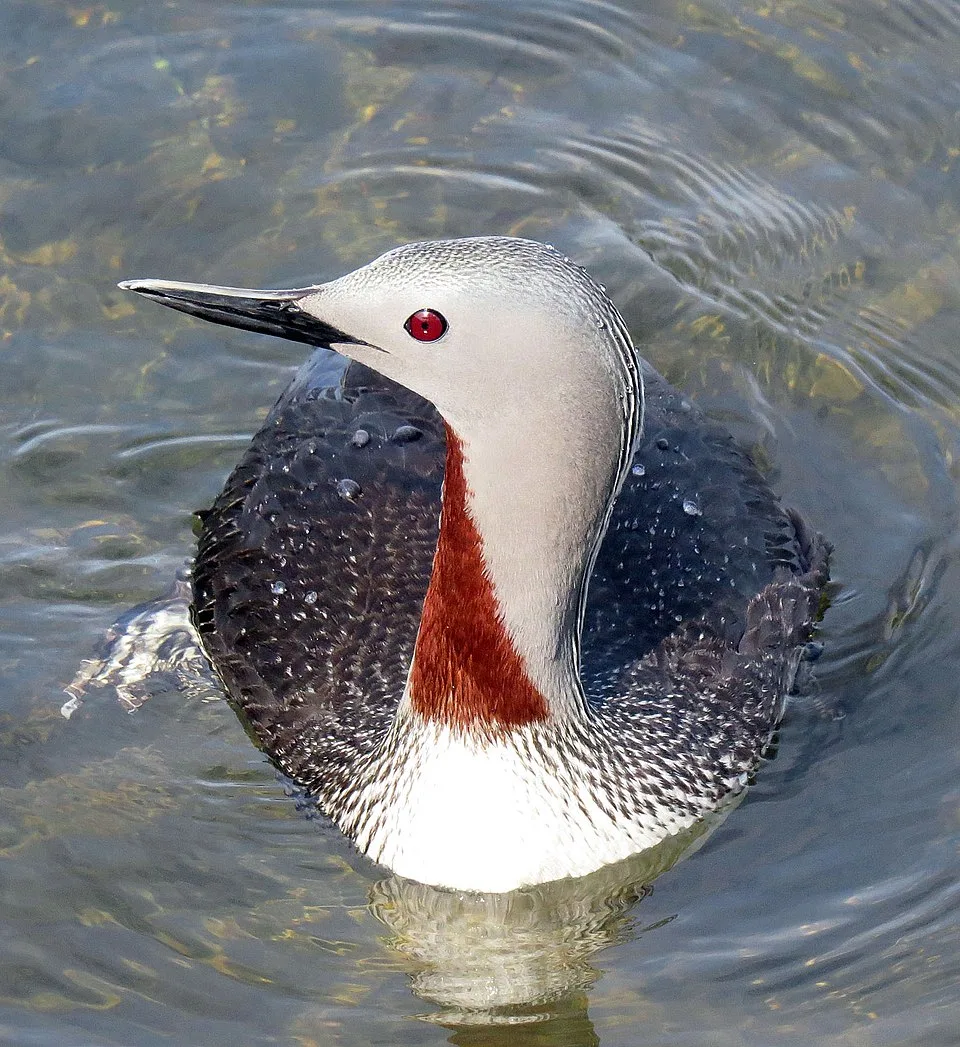
Nestled at the intersection of three major biomes—the boreal forest, the deciduous forest, and the tallgrass prairie—Minnesota is a premier destination for birdwatchers across all four seasons. From the vast wetlands that serve as critical stopovers along the Mississippi Flyway to the northern bogs where rare boreal species thrive, the state's diverse habitats support an incredible avian population.
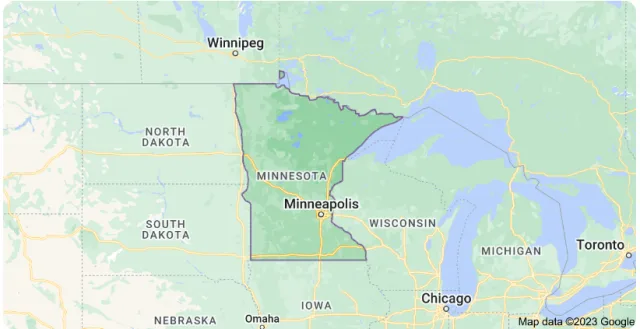
With over 440 bird species recorded, birding enthusiasts can track everything from the iconic Common Loon to migrating warblers and spectacular winter visitors like the Great Gray Owl. This article will guide you through Minnesota's best bird-watching opportunities, highlighting essential hotspots and the unique species you can expect to find.
West Duluth
West Duluth's geography is defined by a dramatic juxtaposition of urban development and wild, ecologically significant natural areas, making it a unique section of the city. Located at the western end of the Duluth–Superior harbor, the area includes vital portions of the St. Louis River Estuary, the largest freshwater estuary in North America, which is designated as a critically important bird flyway.
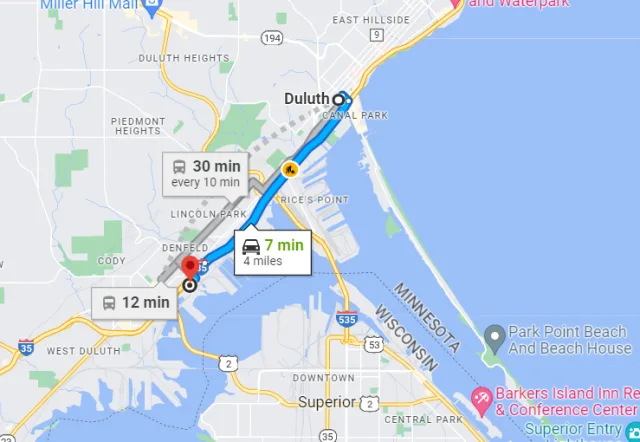
Inland, the steep hillside topography characteristic of Duluth ascends to higher elevations, where large natural spaces like the Magney-Snively Natural Area reside. This 1,800-acre tract in west Duluth is one of the highest quality ecological areas within an urban boundary, featuring a diverse mosaic of uplands, wetlands, rock outcrops, and a large Sugar Maple-Basswood forest, along with designated trout streams like Sargeant and Stewart Creeks.
This geographical diversity directly translates into excellent and varied bird-watching opportunities. The low-lying St. Louis River Estuary and its coastal wetlands provide essential habitat and a major migratory corridor for waterfowl, shorebirds, and riparian species. Further up the hill, the mature forests of Magney-Snively Park support woodland and boreal-edge birds.

While the famous Hawk Ridge Bird Observatory is located in the eastern part of Duluth, West Duluth offers its own birding treasures, with the Magney-Snively trails being an ideal spot for observing woodland species in a large, relatively undisturbed natural setting. Birders visiting the western side of the city can also look for specific regional specialties, which often include boreal species like Black-backed Woodpeckers and various winter finches, depending on the season and specific habitat within the greater West Duluth area.
Target Birds
Savannah and Clay-colored Sparrow
Redhead
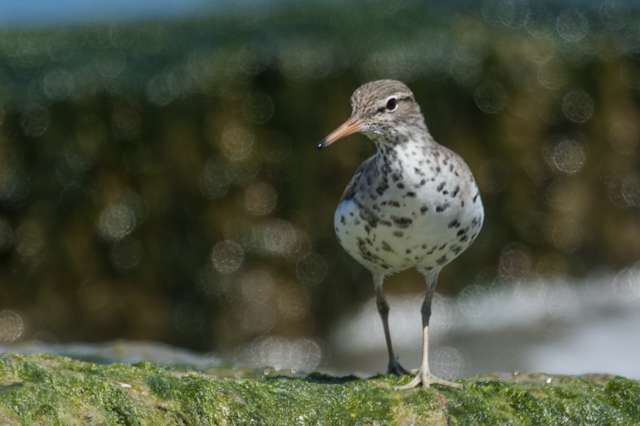
Spotted Sandpiper
Bay-breasted Warbler
Red-breasted Merganser
Golden Eagle
A local blog has information on lots of spots in the area to see birds.

Rapids Lake
The Rapids Lake Unit of the Minnesota Valley National Wildlife Refuge is situated in Carver, Minnesota, and serves as an important hub for the larger refuge system, housing an Education and Visitor Center. Geographically, this 1,888-acre unit is located on the left bank of the Minnesota River, across from the Louisville Swamp Unit.
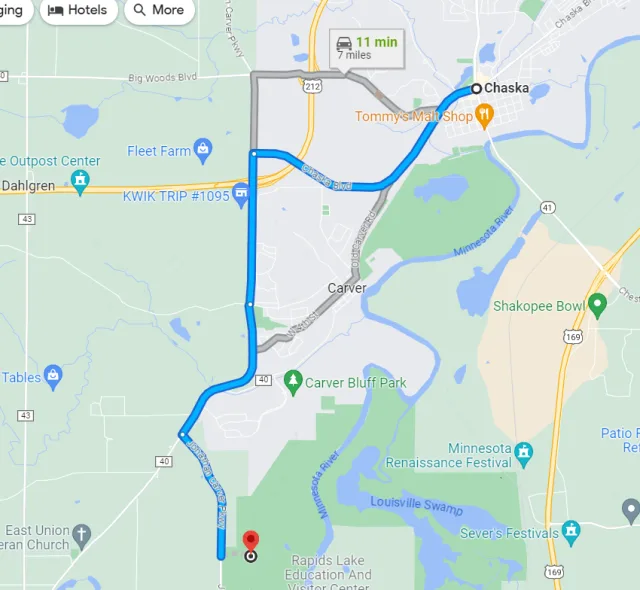
Its landscape is a rich tapestry of reconstructed habitats, including bottomland forest, a restored wetland, and former agricultural fields that have been successfully returned to prairie and oak savanna. This mix of wetland, river valley, and upland forest environments, a part of the Eastern Broadleaf Forest Province, creates a diversity of niches that support an abundant array of wildlife.
The varied geography of the Rapids Lake Unit makes it an excellent destination for birdwatching year-round, especially during the spring and fall migrations. The unit's restored habitats support over a hundred bird species, attracting significant numbers of migratory birds, including various warblers and other songbirds, as they follow the Mississippi Flyway. Waterfowl like Wood Ducks, Mallards, Northern Pintails, Blue-winged Teal, and Trumpeter Swans are frequently observed, particularly in the wetland areas and along the river.
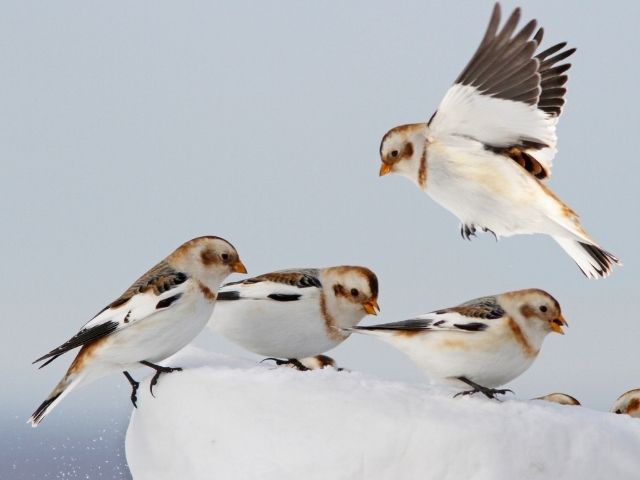
Visitors may also spot raptors such as the Bald Eagle, and several species with conservation status in Minnesota, like the Henslow's Sparrow and American White Pelican, have been recorded here, underscoring its importance as a protected area. Visitors can explore approximately three miles of trails to experience these diverse birding opportunities firsthand.
Target Birds
Sandhill Crane
Yellow-billed and Black-billed Cuckoo
Snow Bunting
Pine Siskin
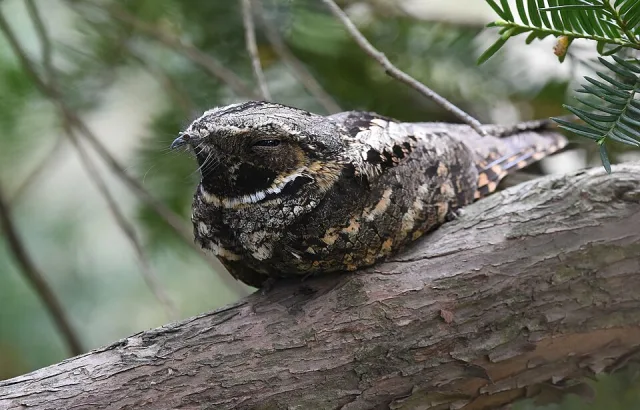
Eastern Whip-poor-will
Common Crossbill
TheU.S. Fish and Wildlife Service gives information about the wider Minnesota Valley NWR. There is a visitor center as well.
Park Point
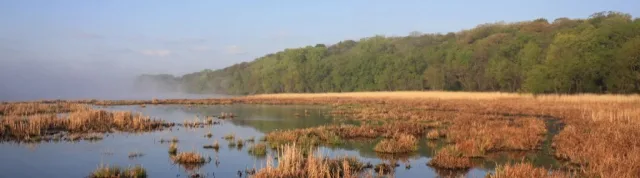
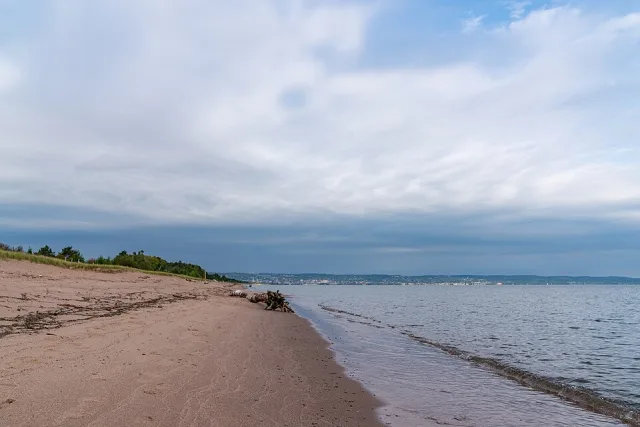
Park Point, officially known as Minnesota Point, is a unique geographical feature in Duluth, Minnesota. It is the world's longest freshwater sandbar, stretching approximately seven miles into Lake Superior. The narrow spit of land separates the main body of Lake Superior from the Superior Bay and the Duluth Harbor Basin.
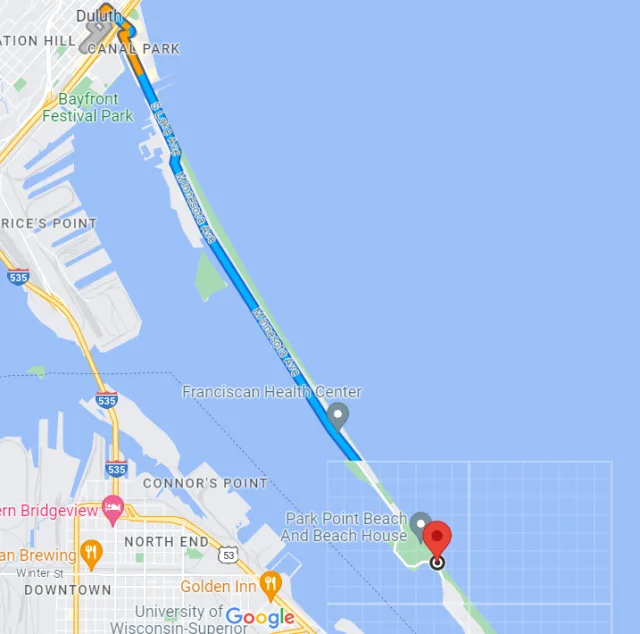
While physically connected to the mainland's Canal Park district, the construction of the Duluth Ship Canal in 1871 effectively turned it into an island, with access now provided by the iconic Aerial Lift Bridge. The geography creates a diverse environment, featuring a long public sand beach on the Lake Superior side, contrasting with the rugged North Shore, and culminating in the Minnesota Point Pine Forest Scientific and Natural Area—an 18-acre remnant of old-growth red and white pine forest near the southern tip.
This distinct location and diverse habitat make Park Point an exceptional spot for bird watching, especially during spring and fall migrations. The peninsula acts as a natural "migrant trap," where weather conditions often force small birds like warblers and other passerines to stop and rest before continuing their journeys along the Lake Superior flyway.
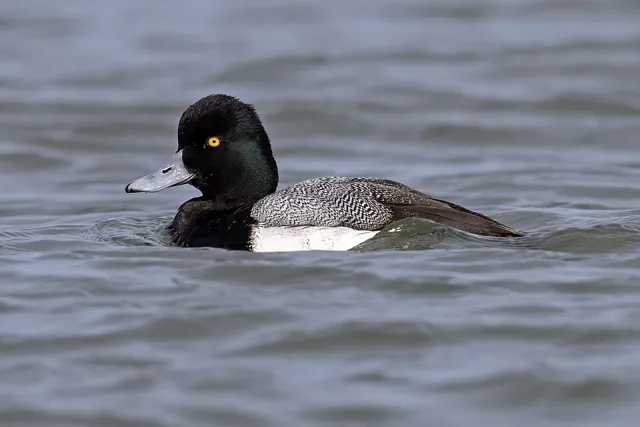
Birders frequently spot numerous species in the dense hardwood-pine forests, along the sandy beaches, and in the Southworth Marsh area. Common sightings during migration include various warblers (such as the Magnolia, Black-throated Green, and American Redstart), shorebirds like Sanderlings and plovers, and waterfowl on the bay and lake. Its designation as a critical migratory stopover highlights Park Point's importance to the regional birding community.
Target Birds
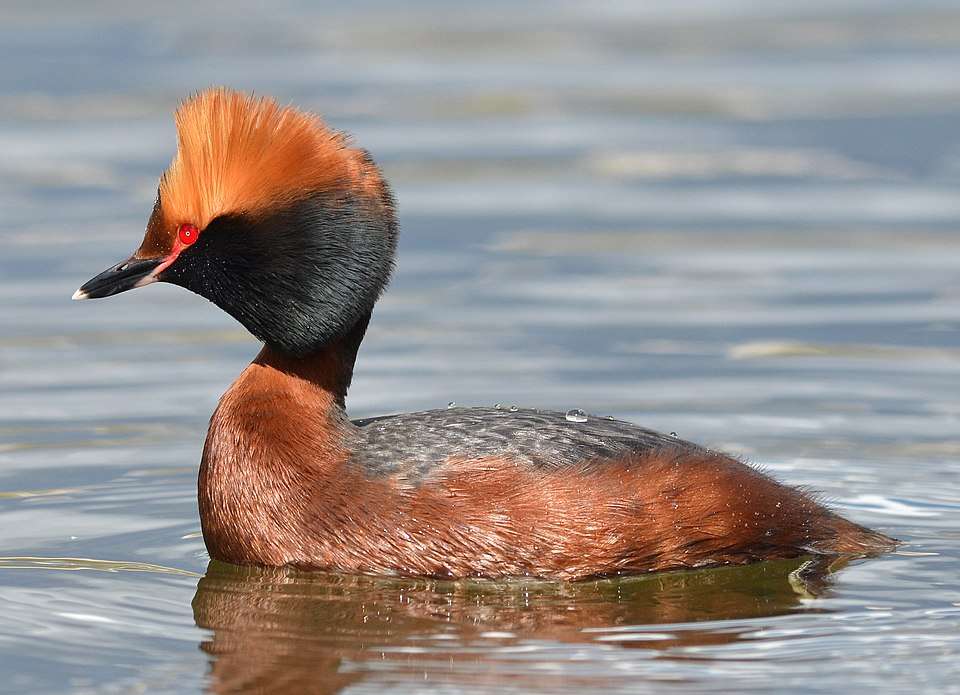
Red-necked and Horned Grebe
Common Loon
Horned Lark
Rose-breasted Grosbeak
Willet
Greater and Lesser Scaup
The Duluth City Council gives access and facility information about the area.
Agassiz NWR
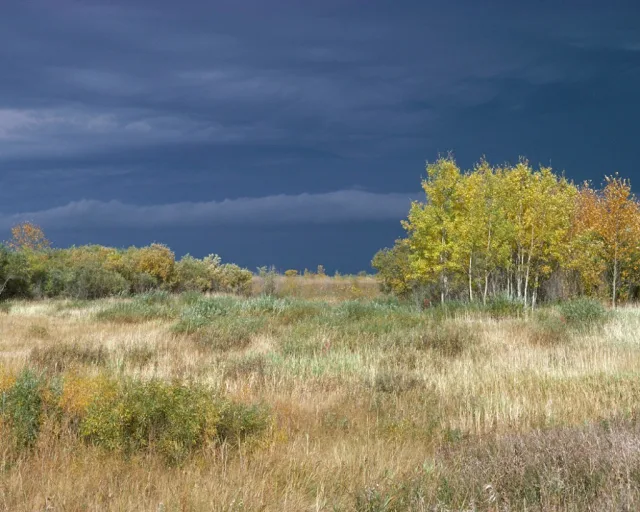
Agassiz National Wildlife Refuge is a sprawling 61,500-acre sanctuary located in Marshall County, northwestern Minnesota. Geographically, it is situated in a significant area known as the aspen parkland, which is a transitional zone between the tallgrass prairie to the west and the boreal forests to the east.
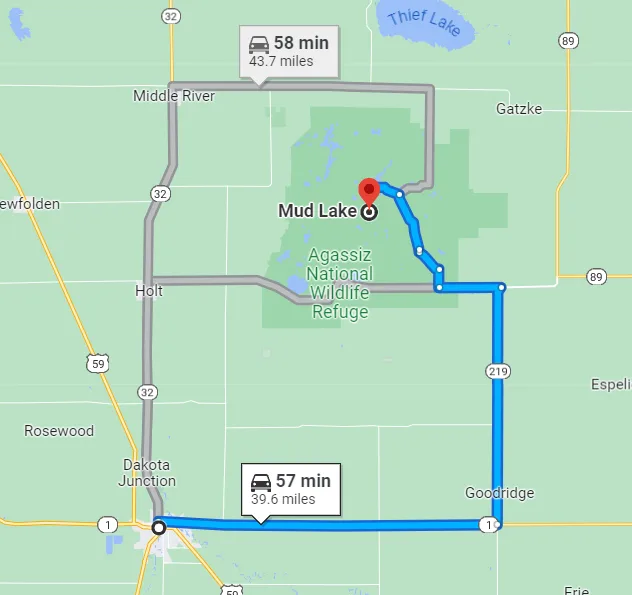
The landscape is a product of the ancient glacial Lake Agassiz, resulting in exceedingly flat terrain dominated by extensive wetlands. The refuge is a mosaic of habitats, including over 37,000 acres of managed shallow wetlands, large pools, marshes, shrublands, and aspen woodlands, along with a 4,000-acre Wilderness Area that features black spruce-tamarack bog. This diverse environment is a vital stopover and breeding ground for wildlife.
Designated a Globally Important Bird Area, Agassiz NWR offers world-renowned opportunities for bird watching, with nearly 300 bird species recorded. It is a critical hub for waterfowl, supporting 17 species of breeding ducks, Canada Geese, and Trumpeter Swans, with peak migration numbers reaching up to 75,000 ducks and thousands of geese in the fall.
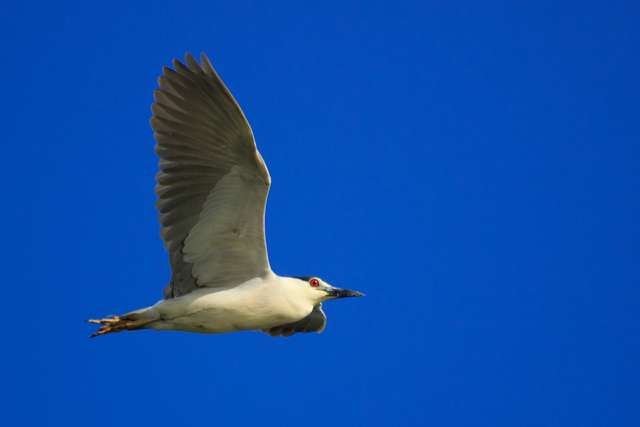
Visitors can observe significant colonial nesting birds, including one of North America's largest colonies of Franklin's Gulls (up to 20,000 pairs), Black-crowned Night-Herons, and nesting Bald Eagles. Viewing is facilitated by a self-guided auto tour drive, several hiking trails, observation decks with spotting scopes, and a 100-foot observation tower, all providing excellent vantage points to witness the refuge's abundant avian and other diverse wildlife.
Target Birds
Fox Sparrow
Snow Bunting
Sharp-tailed Grouse
Sandhill Crane
Rough-legged Hawk
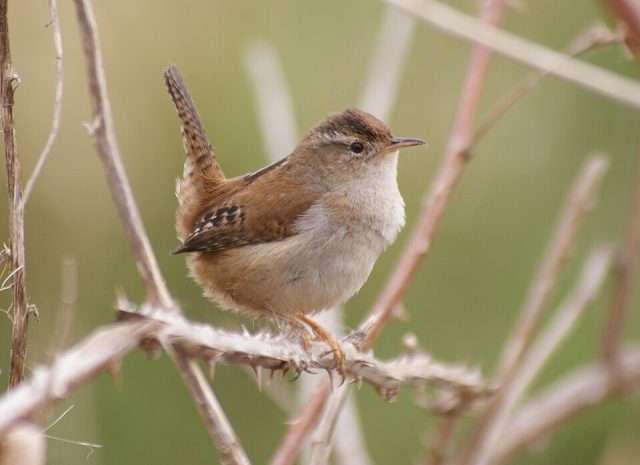
Marsh Wren
TheU.S. Fish and Wildlife Service has a lot of information about the birds and other wildlife in the region.
Bass Ponds
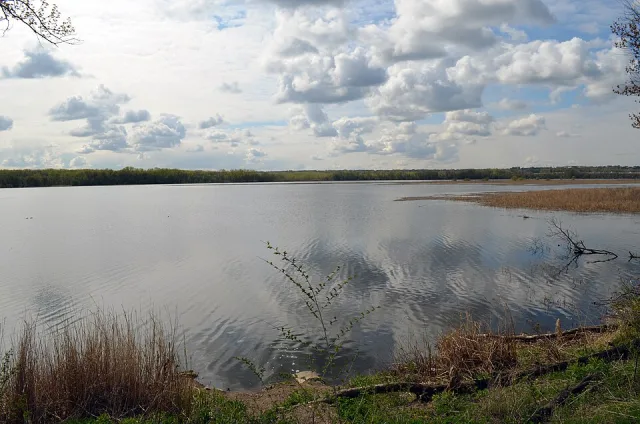
Bass Ponds is a notable natural area located in the city of Bloomington, Minnesota, and is an official unit of the Minnesota Valley National Wildlife Refuge. Its location is surprisingly urban, situated just steps from the massive Mall of America, yet it offers a vital pocket of nature. Geographically, the site is a former Izaak Walton League fish hatchery characterized by a loop trail system that circles various ponds, a marsh, and a spring-fed stream.
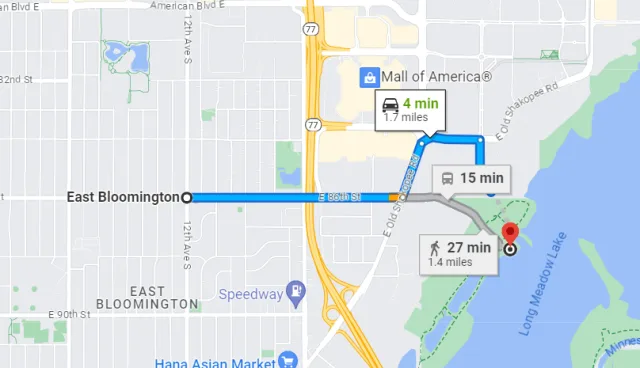
The trail network, which connects to the greater Hogback Ridge Trail, features a generally flat path after an initial steep driveway descent, traversing diverse habitats including open water, wetlands, and riparian areas along the Minnesota River valley corridor.
The unique combination of water features and marshland makes Bass Ponds a premier birding hotspot within the refuge, boasting over 250 bird species that visit the area throughout the year for nesting or during migration. Bird watching opportunities are excellent on the natural surface loop trails, which allow visitors to observe a variety of waterfowl, raptors, and songbirds.
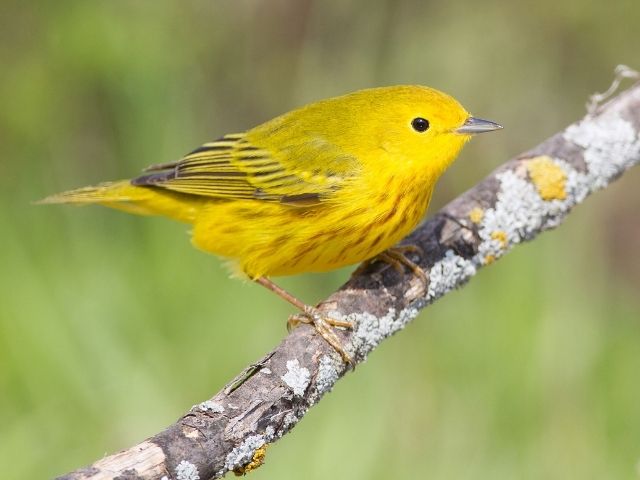
Confirmed nesting species include Trumpeter Swan, Wood Duck, Bald Eagle, and various warblers like the Yellow Warbler. The site's diverse habitat makes it a fantastic location for both experienced and beginning birders to spot species that thrive in pond and marsh environments.
Target Birds
Warbling, Red-eyed and Yellow-throated Vireo
Alder Flycatcher
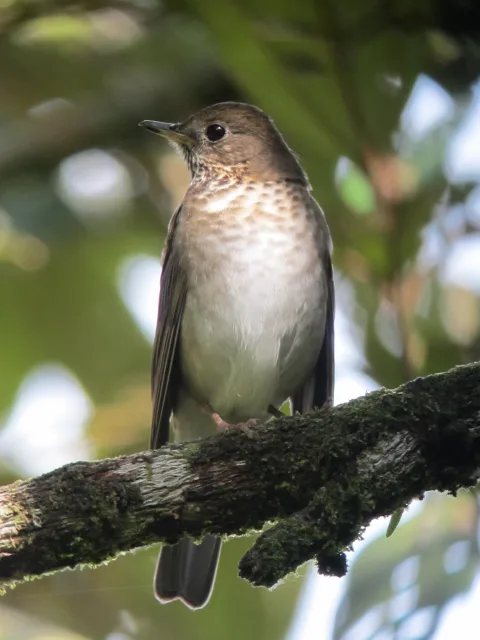
Grey-cheeked Thrush
Worm-eating and Golden-winged Warbler
Tundra Swan
Eastern Screech-Owl
TheMinnesota Government website has information about the wider Minnesota Valley National Wildlife Refuge.
Sherburne NWR
Sherburne National Wildlife Refuge is a vast 30,700-acre protected area situated in Sherburne County, central Minnesota, approximately 50 miles northwest of the Minneapolis-St. Paul metropolitan area. This refuge is geographically significant as it lies in the transition zone between two major ecosystems: the deciduous hardwood forest to the east and the tallgrass prairie to the west, with the St. Francis River flowing through its eastern side.
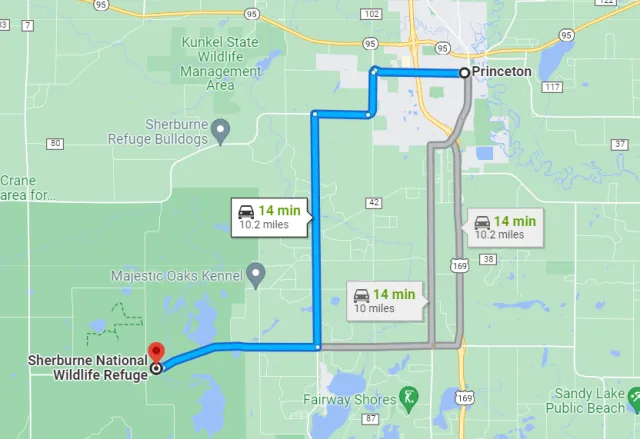
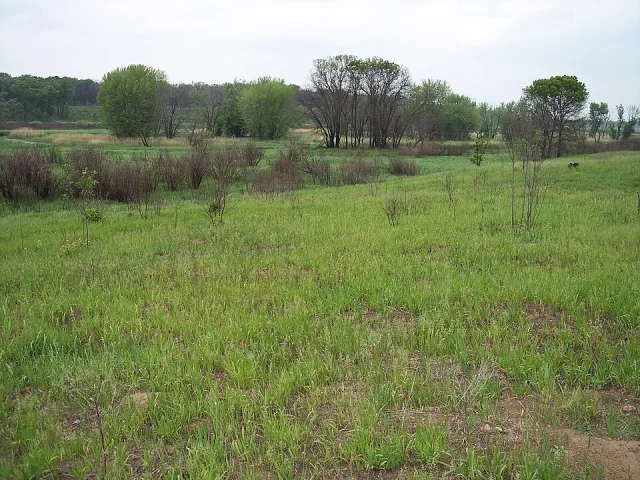
The landscape is characterized by a mosaic of diverse habitats, including expansive wetlands, rare oak savanna, restored prairies, and woodlands. The gently rolling topography features numerous natural lakes and marshes, all contributing to the ecological richness of the St. Francis River Valley, which the refuge was established to protect and restore.
The refuge is a premier destination for bird watching, recognized as a state Important Bird Area by the National Audubon Society, given its location within the Mississippi Flyway. Over 230 species of birds have been recorded here, including a wide variety of waterfowl, raptors, and songbirds. Visitors have excellent opportunities to spot species like Bald Eagles, Trumpeter Swans, and various ducks.

The most spectacular birding occurs in the fall, particularly in October, when thousands of Sandhill Cranes converge on the refuge wetlands to rest and feed during their migration, with viewing spots at dawn or dusk offering a rare and impressive treat. Popular viewing areas include the seasonal, 7.3-mile Prairie's Edge Wildlife Drive and the Mahnomen and Blue Hill hiking trails, which feature observation decks overlooking the diverse habitats.

Target Birds
American Golden Plover
Killdeer
Swainson's Thrush
Eastern and Western Meadowlark
Scarlet Tanager
Wilson's Snipe
TheUSFWS website should be referred to before visiting this wilderness for up to date advice.
Stoney Point
Stoney Point is a notable geographic feature located on the North Shore of Lake Superior in Minnesota, situated roughly between Duluth and Two Harbors, about 10 to 15 miles northeast of Duluth. The location is characterized by a short, scenic, one-mile loop road—Stoney Point Drive—that runs just off of Minnesota's Scenic Highway 61 and edges the great lake.
Its geology is dramatic, featuring exposed black basalt lava flows marked by ridges and gouges left behind by glaciers over 12,000 years ago. This creates a rugged ledgerock and cobblestone shoreline, providing beautiful spots for picnicking, rock hunting, and especially for watching the powerful waves of Lake Superior, which often draw in surfers during stormy weather.
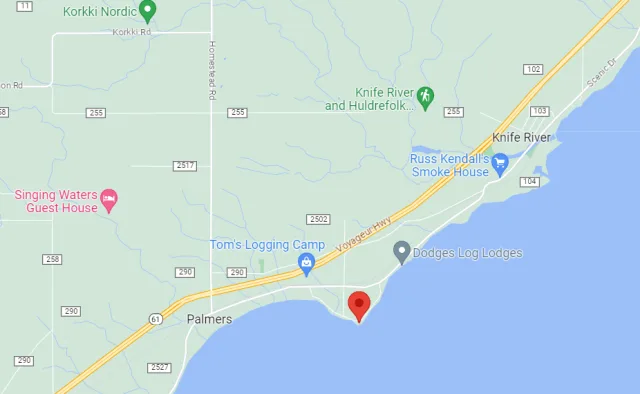
Due to its distinctive shape jutting into Lake Superior, Stoney Point is a prime location along a major migratory flyway, making it an excellent spot for birdwatching, particularly during the fall migration. When strong north or northwest winds push migrating birds against the barrier of Lake Superior, many songbirds and raptors funnel down the North Shore and pass over or stop near the point.
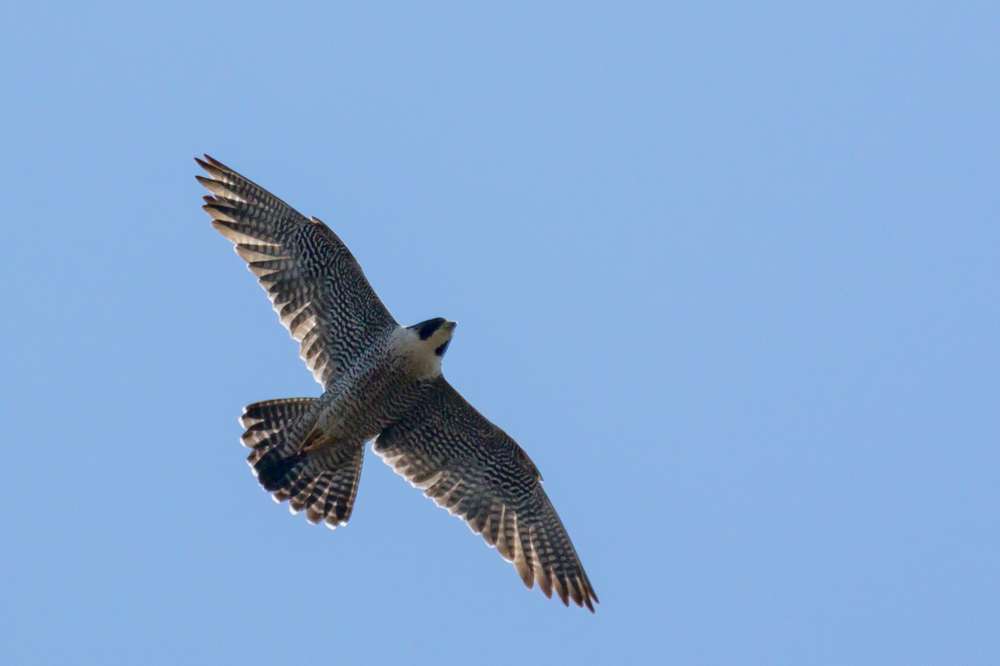
Birders can often spot Bald Eagles, both resident and migrant, perched on tall pines, and raptors like the Peregrine Falcon actively hunting migrating songbirds such as Blue Jays and Cedar Waxwings. The site also offers opportunities to view various water birds on Lake Superior, including Common Loons and different grebes, depending on the season and weather conditions.
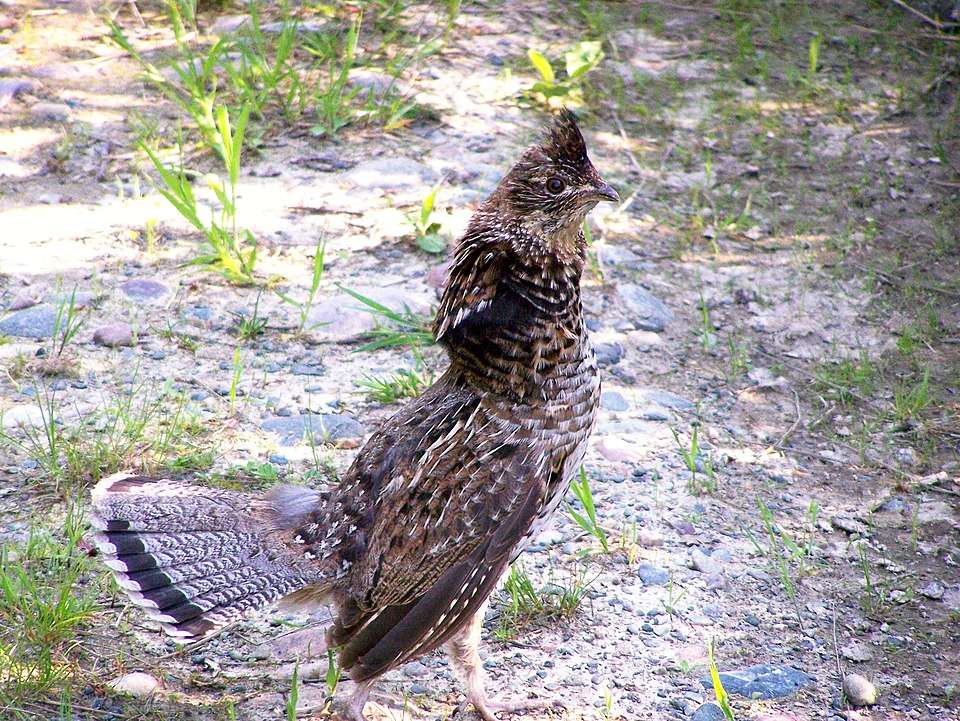
Target Birds
Ruffed-Grouse
Red-throated Loon
Bobolink
Tennessee, Nashville,Cape May and Orange-throated Warbler
Hoary Redpoll
Baird's, Semipalmated and White-rumped Sandpiper
TheNorth Shore Explorer has information about hiking in the area.

Izaak Walton Wetlands
The Izaak Walton Wetlands in Minnesota is a dedicated natural oasis located on the southwest side of Rochester, a relatively urban setting that makes this preserve a crucial piece of wildlife habitat. Geographically, this property, which spans approximately 26 acres of wooded wetland, is maintained by the Izaak Walton League of America and features a diverse landscape of marsh, wooded areas, and a river walk.
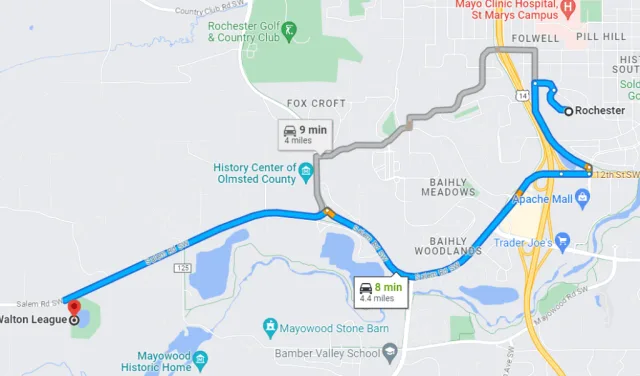
The preserve provides a tranquil escape with about a mile of hiking trails, including a side trail that runs along the river and another that circles a lake/pond area. Its low-lying topography of wetlands, sometimes with floodplain elements, offers scenic views and crucial habitat, contrasting with the nearby residential and developed areas of the city.
This unique combination of habitats makes the Izaak Walton Wetlands an excellent location for birdwatching, particularly during the spring and fall migrations. The wetland environment attracts a variety of waterfowl and other aquatic birds, while the surrounding wooded areas are a draw for songbirds. Commonly sighted species include kingfishers, various types of geese, and chickadees.
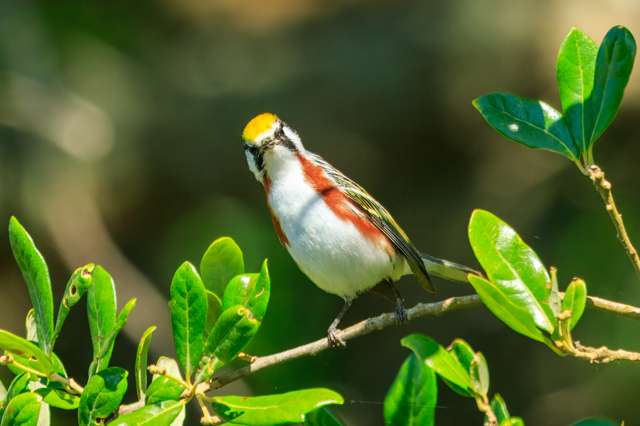
The preserve is especially noted for the potential to spot migrating warblers in the autumn, making the transitional seasons the most exciting time for dedicated birders. The facility enhances the visitor experience with a wooden viewing platform that offers a comfortable, elevated vantage point over the marsh, allowing for quiet observation of ducks, deer, and other wildlife.
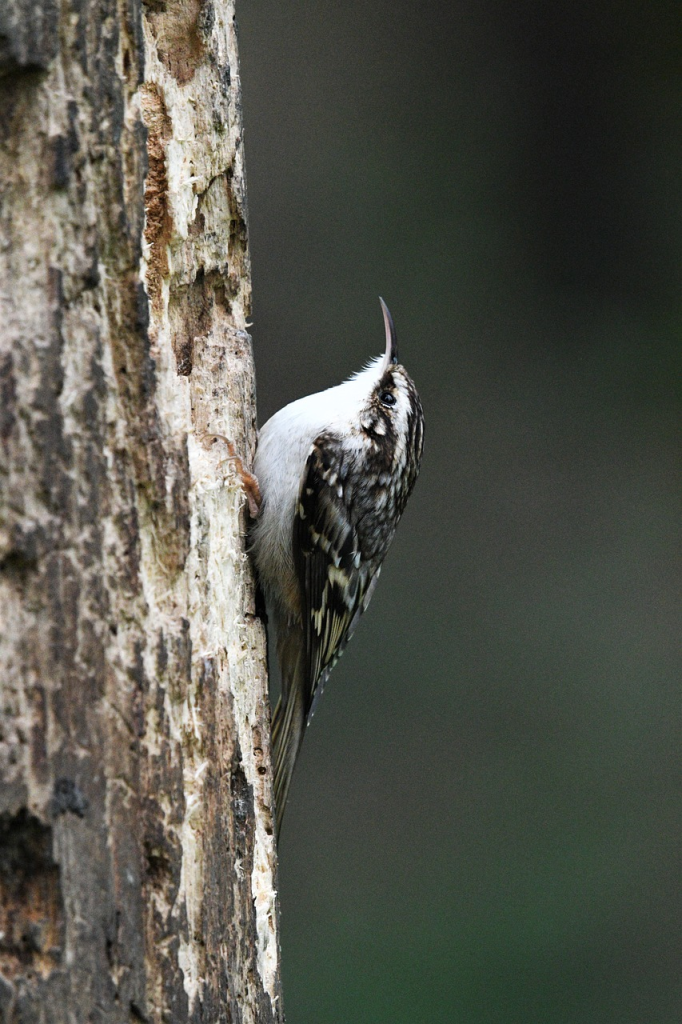
Target Birds
Blue-winged, Chestnut-sided, Yellow Warbler
Yellow-bellied Sapsucker
Blue-headed, Philadelphia and Warbling Vireo
Northern Waterthrush
Brown Creeper
Olive-sided and Willow Flycatcher
TheIzaak Walton website has information about hunting but also about the trails and accessibility to the area.
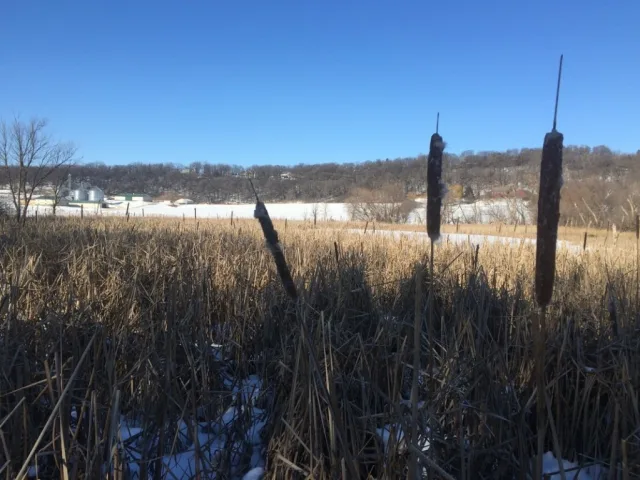
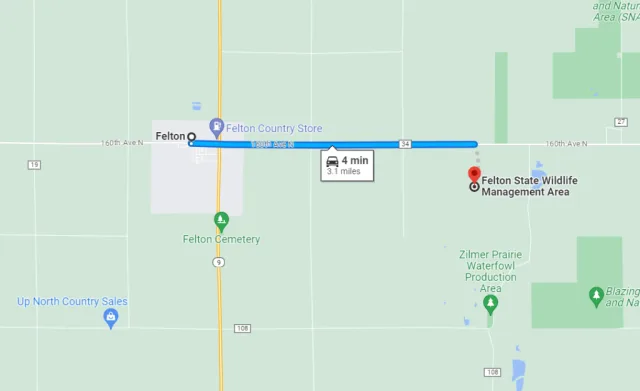
Felton Prairie
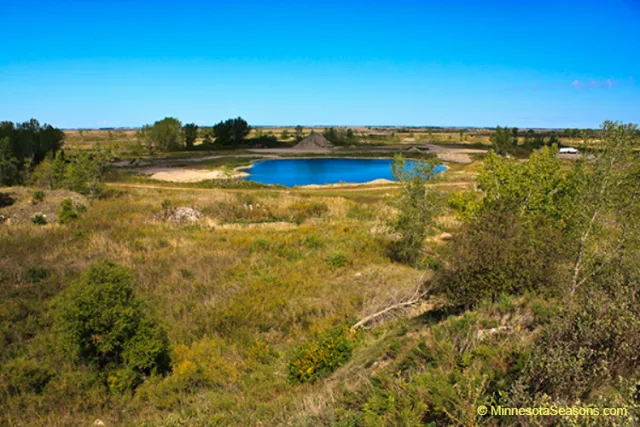
The Felton Prairie complex, which includes the Scientific and Natural Area (SNA) and other protected lands near the city of Felton, is located in Clay County, western Minnesota. The geography is strongly defined by its position on the former shoreline of Glacial Lake Agassiz, a massive prehistoric lake. This geological history has resulted in a landscape characterized by ancient beach ridges, which are composed of sand and gravel.
This environment creates a rare mix of habitats, including dry gravel prairie on the ridges, mesic black soil prairie, and wet black soil prairie in the swales between the ridges, as well as unique features like calcareous seepage fens. The complex is situated on one of the highest overlooks of the Red River Valley, giving it a distinctive topographical and ecological significance as one of the best examples of dry prairie north of the Minnesota River.
The diverse prairie and wetland habitats of the Felton Prairie complex make it a vital stop on the International Birding Trail and an Audubon Important Bird Area (IBA), drawing birdwatchers from a wide region. The area is particularly renowned as one of the last strongholds for several rare grassland species in Minnesota.
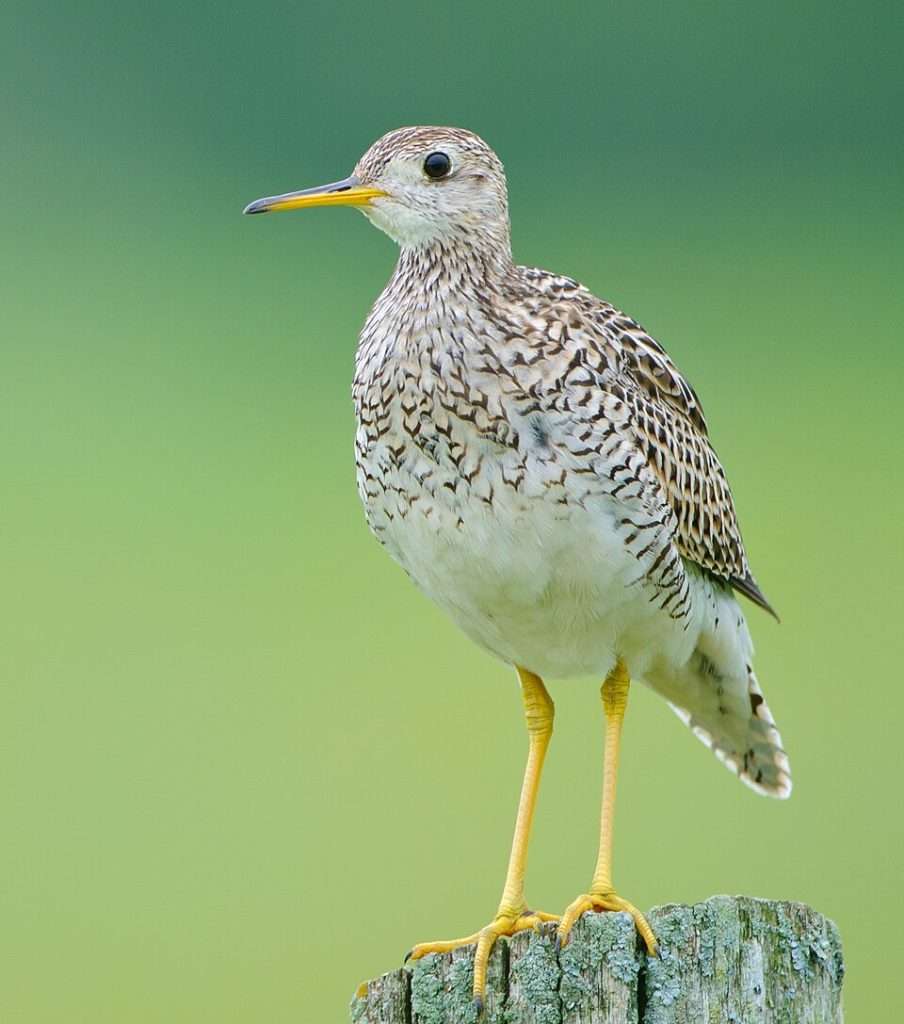
Key birdwatching opportunities include observing the courtship rituals ("booming") of the Greater Prairie-Chicken in early spring. Other sought-after species include the endangered Chestnut-collared Longspur (especially for breeding), Marbled Godwit, Upland Sandpiper, Loggerhead Shrike, and various sparrows like the Grasshopper and LeConte's Sparrows. During the winter, the open landscape can also attract raptors and northern visitors such as the Snowy Owl.
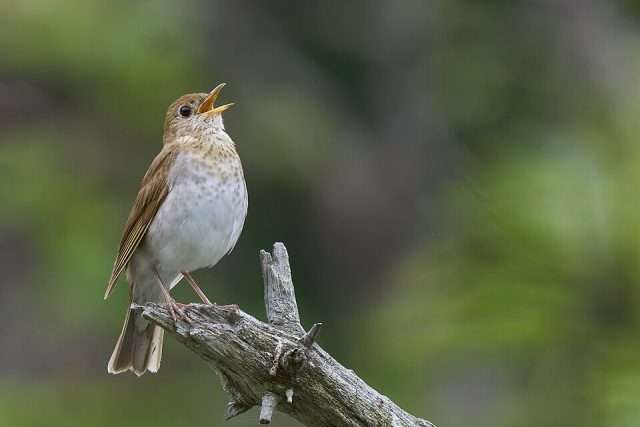
Target Birds
Upland Sandpiper
Northern Harrier
Sedge Wren
Veery
Grasshopper, Vesper and LeConte's Sparrow
TheMinnesota Seasons website has information for visitors including up to date bird sightings.
Wrapping Up
Minnesota offers birders an unparalleled year-round adventure, from the boreal species to the migratory raptors funneled over Duluth's Hawk Ridge, and the numerous waterfowl along the Mississippi Flyway. The state's diverse habitats—prairies, hardwood forests, and vast wetlands—truly make it a birding goldmine, hosting over 300 regular species. Whether you are a competitive birder adding to your "life list" or a beginner seeking a relaxing connection with nature, the accessibility of sites like the Minnesota Valley National Wildlife Refuge means a rewarding experience is never far away.
Beyond the sheer joy of the hobby, birdwatching in Minnesota connects us to a larger mission: conservation. Birds are vital to the ecosystem and act as a "canary in the coal mine" for environmental health. The enthusiasm of Minnesota's birding community, coupled with the work of local conservation groups and the availability of resources like free birding kits at state parks, demonstrates a strong dedication to protecting these feathered residents and their habitats. By simply enjoying and documenting what you see, you contribute to the critical data that informs these efforts. So grab your binoculars, respect the ethics of birding, and immerse yourself in the natural wonders of the North Star State—your next "spark bird" is waiting.
