
When the final leaves of autumn fall and the first flakes of snow dust the landscape, many Americans assume their birdwatching season is over. Yet, for a dedicated community of birders, winter is the time of greatest wonder. It's not the time of emptiness, but of turnover. As our familiar summer songbirds retreat to the tropics, a new, hardy wave of avian visitors arrives, having migrated south from the far reaches of the boreal forests and the Arctic tundra.
These winter migrants, accustomed to the brutal cold of Canada and Alaska, consider the contiguous United States a relative sanctuary—their southern wintering grounds. They are the tough travelers whose plumage and survival strategies are perfectly adapted to freezing temperatures and sparse resources. Understanding their movements reveals an entirely new dimension to North American bird life. This winter migration offers unique viewing opportunities across the country, from unexpected sea ducks on the coasts to nomadic finches deep in the snow-laden forests.
The Arctic Invasion: Irruptive Migrants
One of the most exciting phenomena in North American winter birding is the irruption. This term describes the irregular, large-scale movements of species that typically stay in the far north. These birds move south when their primary winter food sources—like conifer cones, birch seeds, or small rodents—fail in the boreal forests. When a food shortage occurs, they pour into the U.S., offering birders a rare spectacle.
Snowy Owls (Bubo scandiacus)
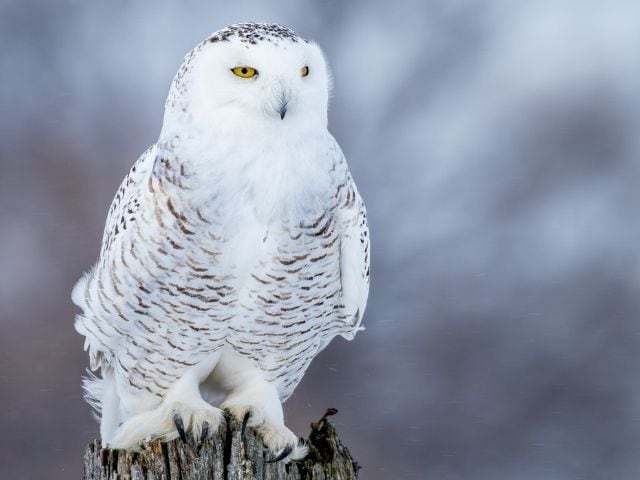
The Snowy Owl is the most iconic of the irruptive visitors. These magnificent, large white owls breed on the Arctic tundra. In years of lemming failure (their primary prey), they fly south, appearing in unexpected locations like coastal dunes, open farm fields, and even atop urban buildings in the Northeast and Midwest.
- Where to See Them: Look for them in areas that mimic the open tundra: large, flat expanses near the Great Lakes, the Great Plains, and coastal areas of New England and the Pacific Northwest.
- Viewing Tip: They hunt during the day, making them easier to spot than most owls. However, they are sensitive; maintain a great distance using binoculars or a spotting scope to avoid disturbing them.
Winter Finches: The Nomadic Specialists
Unlike predictable migrants, the "winter finches" are true nomads. Their winter range depends entirely on the cone and seed crop of the boreal forest. They include some of the most sought-after winter species:
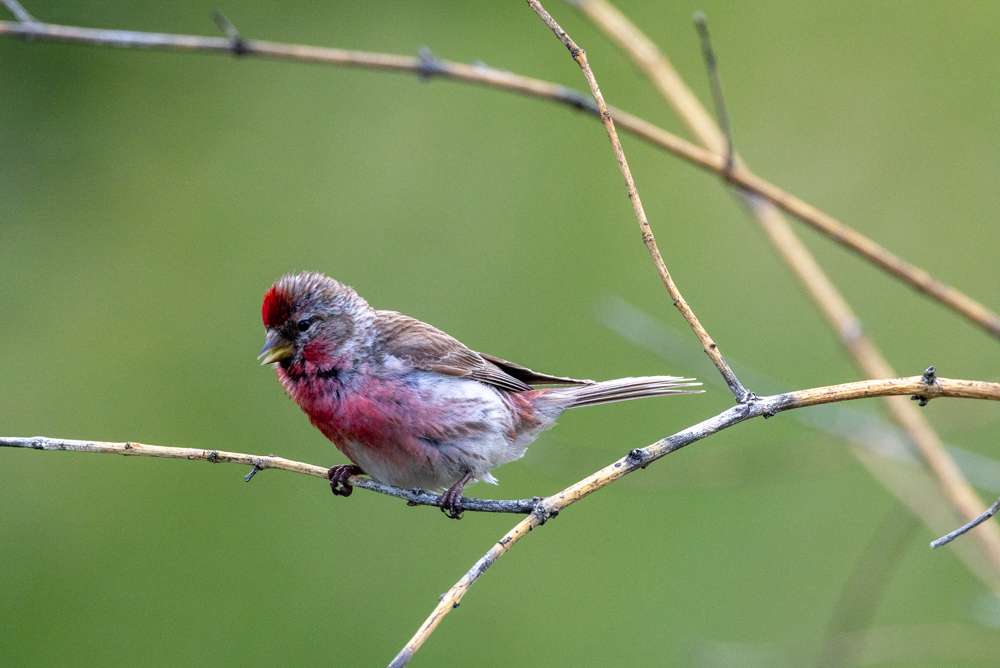
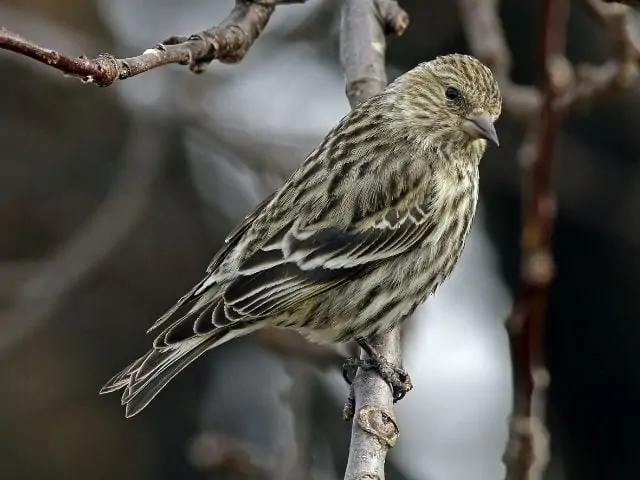
- Pine Siskins and Common Redpolls: These small, streaky, and gregarious finches often appear in huge numbers at backyard feeders across the northern half of the U.S. when the birch and alder crops fail up north. Redpolls are known for their bright red foreheads and social chatter.
- Evening Grosbeaks: Large, stocky finches with massive bills, they descend from the Rockies and the North Woods to gorge on maples, ashes, and backyard sunflower seeds. Their movements are highly unpredictable, making their presence a rare delight.
- Red and White-winged Crossbills: These specialized finches have mandibles that cross, perfectly adapted for prying seeds out of pine and spruce cones. Their location is almost entirely dictated by which conifer species is producing cones, leading them on highly localized, deep-forest migrations.
The Aquatic Army: Ducks, Geese, and Seabirds
While the land birds are impressive, the coastal areas, reservoirs, and major rivers of the U.S. become critical winter havens for millions of waterfowl. These birds retreat from their frozen northern breeding grounds to find open water and a reliable supply of submerged aquatic vegetation and small fish.
Sea Ducks and Loons
The U.S. coastlines, from the frigid shores of Maine to the warmer waters of the Pacific, host species rarely seen inland.
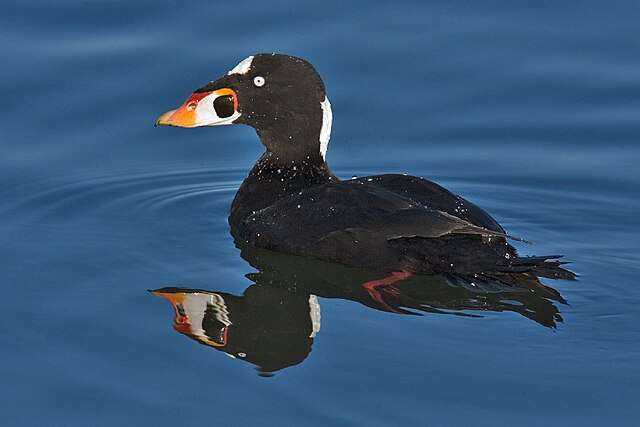
- Common Eiders and Scoters (Surf, White-winged, and Black): These hardy sea ducks spend the winter feeding in marine environments, often forming massive "rafts" far offshore. Their striking black and white plumage (males) and distinctive profiles make them a highlight of coastal winter birding.
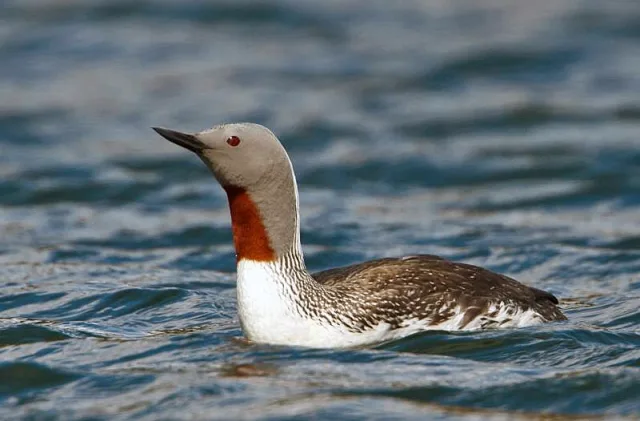
- Loons (Common and Red-throated): Once their freshwater lakes freeze over, loons fly to the coast to spend the winter on the ocean. The Common Loon, with its deep, mournful call, loses its iconic black and white breeding plumage for a duller gray but is still an impressive sight.

Red-throated Loon
Geese and Swans
The Central and Mississippi Flyways see spectacular concentrations of geese and swans, which utilize large, open fields and reservoirs for feeding and roosting.
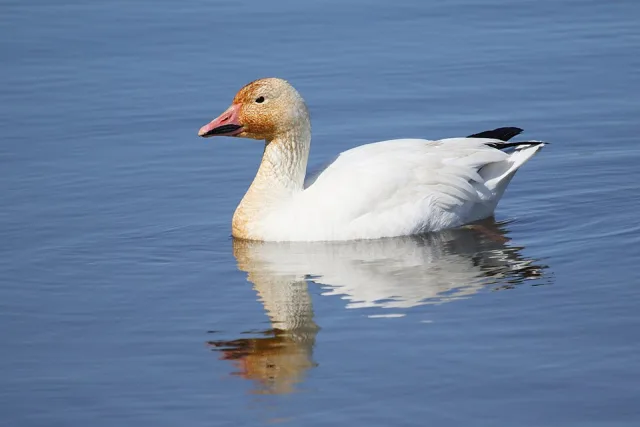
- Snow Geese: Millions of these brilliant white geese descend on wetlands and fields, particularly in the Central Valley of California, the Gulf Coast of Texas and Louisiana, and the mid-Atlantic states. A flock of Snow Geese taking flight is one of nature's greatest air shows.
- Tundra Swans: These majestic, large white swans migrate from the Arctic to winter in coastal areas and large, shallow lakes, often found alongside their smaller cousins, the Trumpeter Swan. Key wintering spots include the Chesapeake Bay and parts of the Pacific Northwest.

Snow Goose
Where to See the Winter Wonders, Region by Region
Successfully spotting these winter migrants requires knowing where to look, focusing on habitats that offer specialized food and unfrozen water.
1. The Northeast & Mid-Atlantic (ME, NY, MA, VA)
This region benefits from its proximity to both the Atlantic Ocean and the boreal forest, receiving a mix of irruptive and sea-going species.
- Target Sites: Cape May, New Jersey, and the Delaware Bay area are critical stopovers. Large coastal bays like the Chesapeake Bay host huge numbers of ducks, including Canvasbacks and Scaup, and Tundra Swans.
- Key Birds: Irruptive finches (Pine Siskin, Redpoll), Long-tailed Ducks, Harlequin Ducks, and Snowy Owls.
2. The Midwest & Great Lakes (MI, MN, IL, WI)
The Great Lakes act as massive, semi-frozen magnets for northern migrants, and surrounding farmlands draw raptors.
- Target Sites: Open water along the southern shores of the Great Lakes (especially Lake Erie and Lake Michigan) provides winter refuge. The Upper Mississippi River National Wildlife and Fish Refuge hosts immense gatherings of waterfowl.
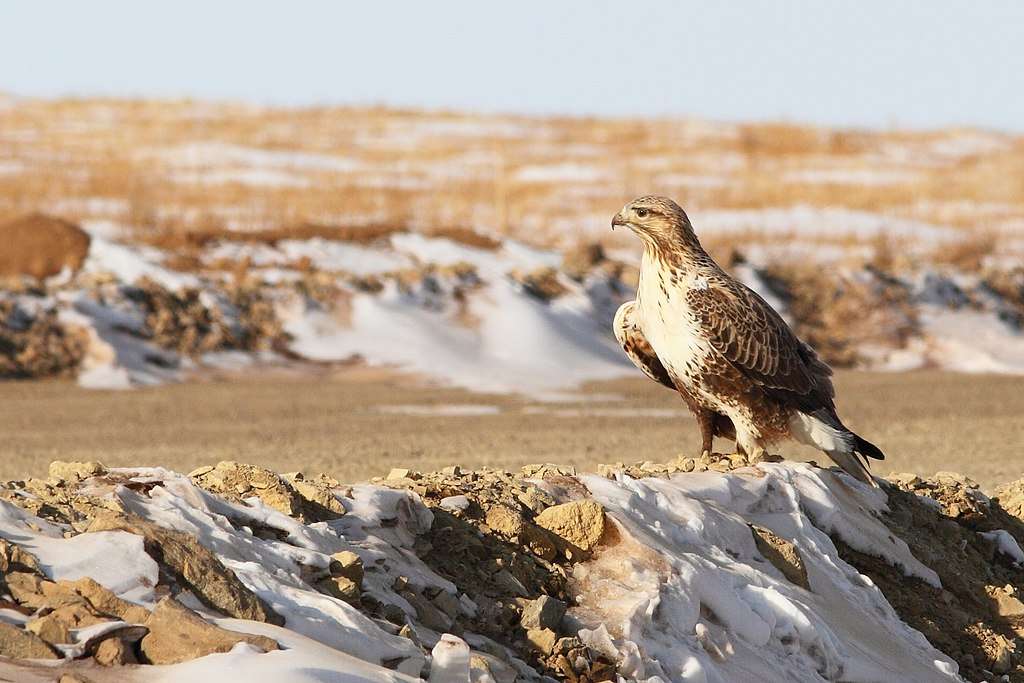
- Key Birds: Rough-legged Hawks (large, Arctic raptors that hunt rodents in open fields), Bald Eagles (concentrating near open water for fishing), and large numbers of late-season diving ducks.
3. The West & Pacific Flyway (WA, CA, TX)
The West Coast and the major western flyways are vital wintering grounds for shorebirds and waterfowl fleeing the interior freezes.
- Target Sites: Skagit Valley, Washington, is famous for its wintering Snow Geese and Trumpeter Swans. California's Central Valley (e.g., Sacramento National Wildlife Refuge) hosts millions of ducks and geese. The Texas Gulf Coast is a critical sanctuary.
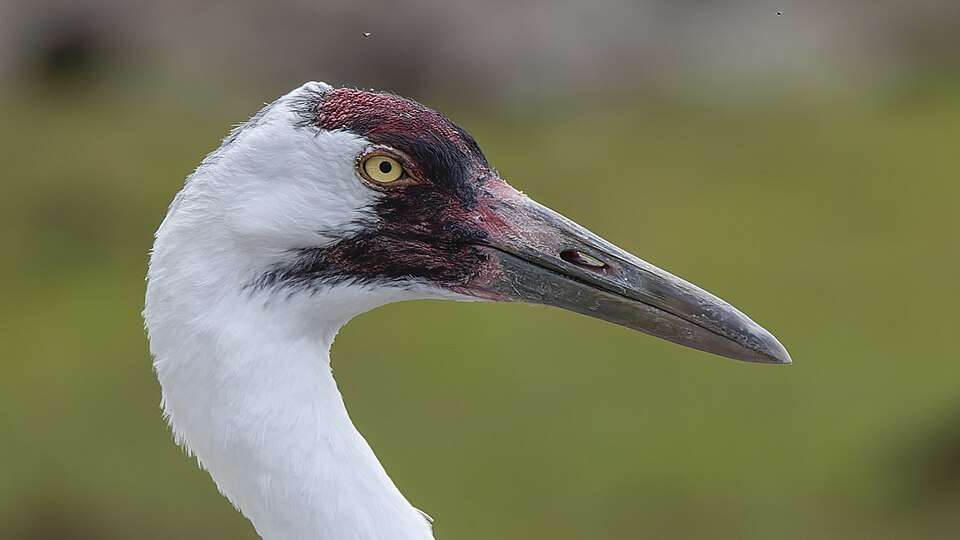
- Key Birds: Sandhill Cranes (in California and the Southwest), Varied Thrush (moving into lower-elevation Western forests and yards), and American Wigeon. The endangered Whooping Crane winters along the Texas coast, particularly at the Aransas National Wildlife Refuge.
4. The Rockies and Interior West (MT, WY, CO)
Inland mountain areas often provide a refuge in their valleys and canyons.
- Target Sites: Lower-elevation riparian areas along rivers like the Platte River in Nebraska or the Rio Grande in New Mexico (e.g., Bosque del Apache NWR) host spectacular concentrations of cranes and geese.
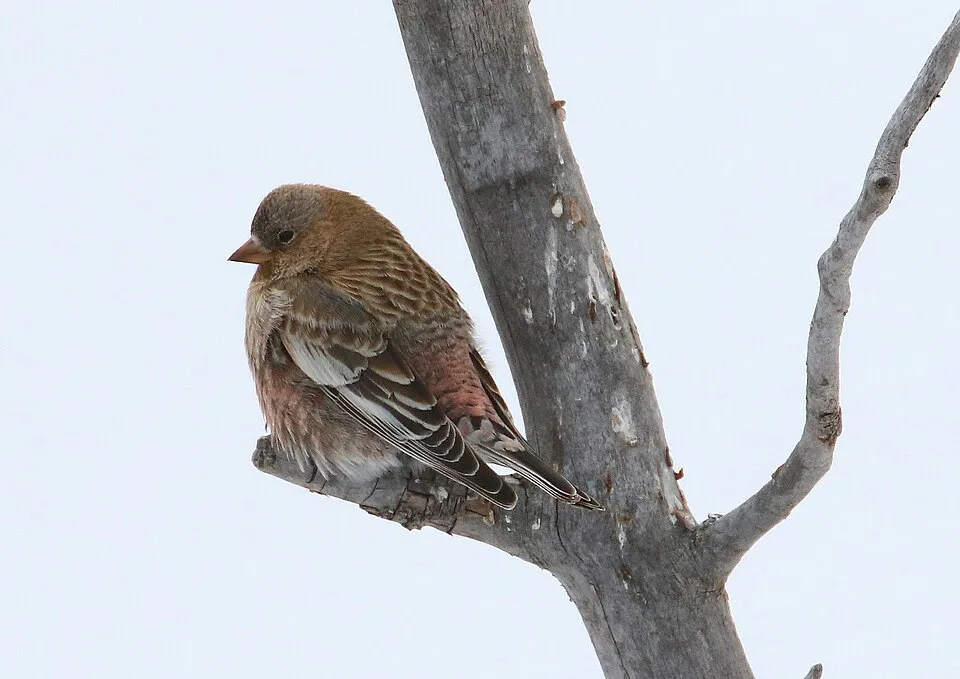
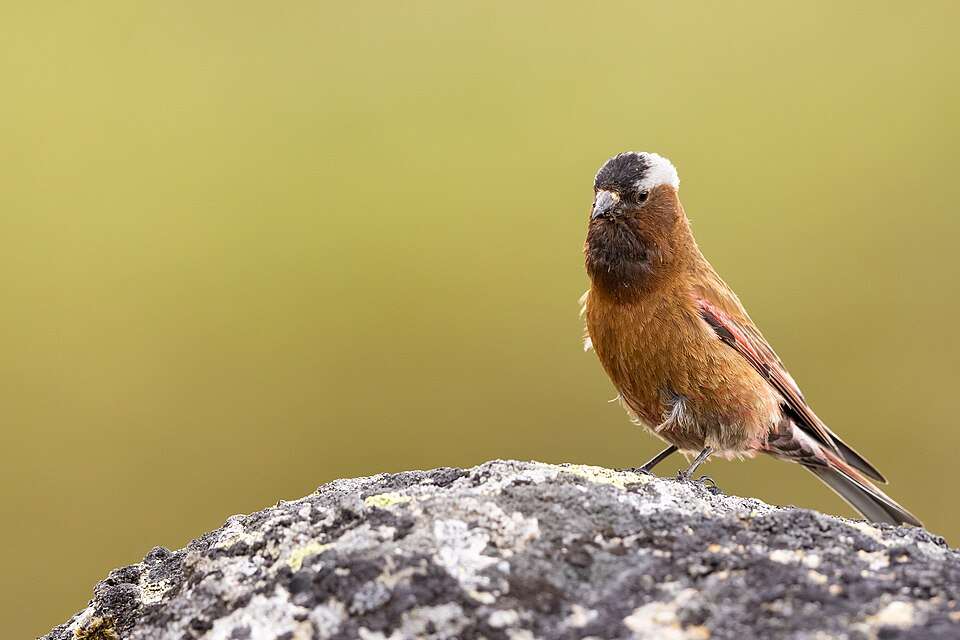
- Key Birds: Rosy-Finches (feeding in flocks at high-elevation feeders or ski resorts), Dippers (North America's only aquatic songbird, seen along unfrozen, fast-moving streams), and Bohemian Waxwings (irruptive berry-eaters).
Gray-crowned Rosy-Finch
The Wintering Strategy: How They Survive
These birds possess remarkable biological and behavioral adaptations that allow them to thrive where others perish:
- Metabolic Reserves and Fat: Arctic-adapted birds can carry massive fat reserves, allowing them to endure periods of extreme cold and low food availability.
- Dense, Specialized Feathers: Species like the ducks and auks have extremely dense, waterproof plumage that traps an insulating layer of air next to the body.
- Shivering and Thermogenesis: Small songbirds, like chickadees and nuthatches, can enter a state of regulated hypothermia (torpor) at night to conserve energy. During the day, they maintain warmth through rapid shivering and by eating copious amounts of high-calorie seeds and suet.
The winter landscape of the United States is far from dormant. It is a stage for a dynamic and dramatic migration of resilience. These boreal and Arctic migrants remind us that cold is not an ending, but a new chapter in the complex, intercontinental lives of North America’s birds. To find them, one simply needs to put on a warm coat, look toward the open water or into the persistent seed heads, and embrace the sheer wonder of the winter world.
The Feathered Feast: Unpacking Bird Feeding Guilds Across the U.S.
