
The avian world is a realm of perpetual motion, a captivating spectacle of wings against the sky. For many, the word "migration" conjures images of epic journeys spanning continents, billions of birds traversing vast distances between breeding and wintering grounds. Indeed, North America witnesses one of the planet's most awe-inspiring migrations, with species undertaking astounding feats of endurance. Yet, not every movement of a bird is a grand migratory act.
Often, what we observe are more localized, subtle shifts – daily foraging, seasonal altitudinal changes, or nomadic searches for resources. Understanding the distinction between these long-distance migrations and more localized movements is key to appreciating the complex lives of our feathered neighbors and the intricate ecological dance they perform.
The Grand Odyssey: Long-Distance Migration
Long-distance migration is the most widely recognized form of bird movement, characterized by predictable, often annual, round-trip journeys between distinct breeding and non-breeding (wintering) areas. In the U.S., these migrations are primarily north-south, driven by the seasonal availability of food and suitable climate.
Why Migrate? The Evolutionary Imperative
The primary drivers for long-distance migration are evolutionary advantages. Breeding in the temperate north during spring and summer offers abundant insect life, longer daylight hours for foraging, and fewer predators than in tropical regions. This allows birds to raise more clutches and fledge more young. However, as autumn approaches, food resources dwindle, temperatures drop, and harsh weather conditions set in. Southern wintering grounds, though sometimes denser with year-round resident birds and greater competition, offer more consistent food supplies and milder climates, essential for survival during the non-breeding season.
The Atlantic, Mississippi, Central, and Pacific Flyways

North America’s vast geography funnels millions of migrating birds along distinct migratory corridors known as "flyways." These are not narrow channels, but broad pathways that birds predominantly follow, often dictated by mountain ranges, coastlines, and major river systems.
- Atlantic Flyway: Hugging the eastern seaboard, this flyway is crucial for waterfowl, shorebirds, and songbirds moving between arctic breeding grounds and wintering sites stretching from the U.S. south to the Caribbean and South America. Key stopover sites include the New Jersey Cape May Peninsula, Delaware Bay (famous for Horseshoe Crabs and Red Knots), and the Outer Banks of North Carolina.
- Mississippi Flyway: The longest flyway, it follows the Mississippi River and its tributaries, serving as a superhighway for an estimated 40% of all North American migratory birds. Waterfowl, raptors, and countless passerines use this route, with critical wetlands like the Illinois River Valley and the Gulf Coast acting as vital refueling stations.
- Central Flyway: Extending from the Canadian Arctic across the Great Plains to the Gulf Coast and Mexico, this flyway is particularly important for vast numbers of ducks, geese, and cranes (like the Sandhill Crane), utilizing prairie potholes and agricultural lands.
- Pacific Flyway: Following the western coast, this flyway serves species breeding from Alaska down to the Pacific Northwest and wintering as far south as Central and South America. Important areas include the Central Valley of California, the Great Salt Lake, and the Salton Sea.
Navigational Wonders and Physiological Feats
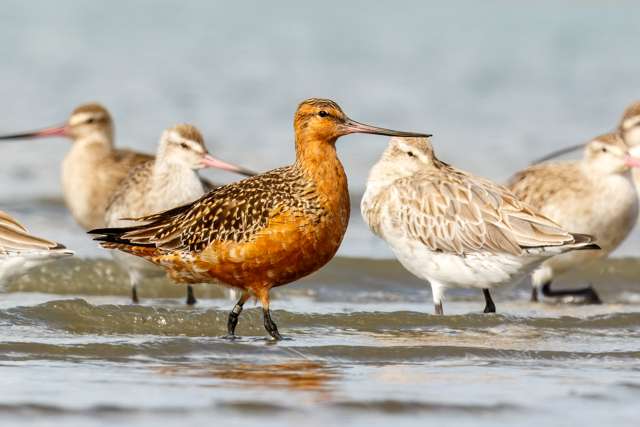
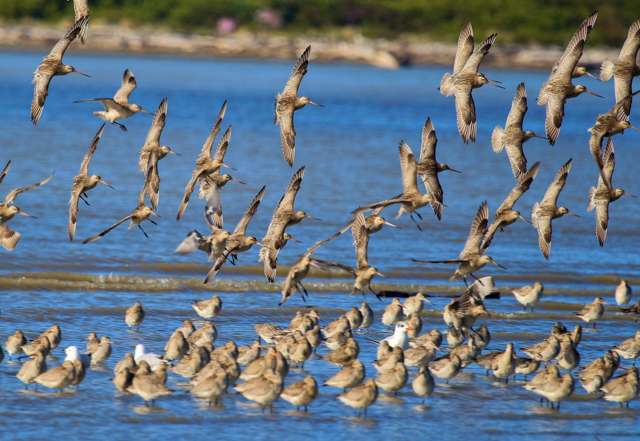
The precision with which birds navigate these long journeys is astounding. They use a combination of cues: the Earth's magnetic field, the sun's position (compensated for time of day), star patterns, polarized light, olfactory cues, and learned landmarks. Physiologically, they undergo remarkable transformations, increasing fat reserves to fuel their arduous flights, some flying for days without rest. Bar-tailed Godwits, for instance, undertake non-stop flights of over 7,000 miles across the Pacific. Closer to home, many warblers embark on trans-Gulf of Mexico flights, crossing hundreds of miles of open water.
The Subtle Shifts: Local Movements
While long-distance migration captures our imagination, birds are constantly moving on a more localized scale, often in less predictable patterns. These movements are driven by immediate needs rather than an annual, instinctual journey to distinct seasonal homes.
1. Daily Foraging and Commuting
The most basic form of movement is the daily search for food. A chickadee at your feeder might spend its morning hopping between branches for insects, commute to a nearby park to join a mixed-species foraging flock, and then return to a sheltered roosting site in the evening. Raptors might patrol several square miles for prey, while waterfowl commute between nocturnal roosting ponds and daytime feeding grounds. These movements, though short in distance, are vital for survival and represent a significant portion of a bird's daily activity budget.
2. Altitudinal Migration
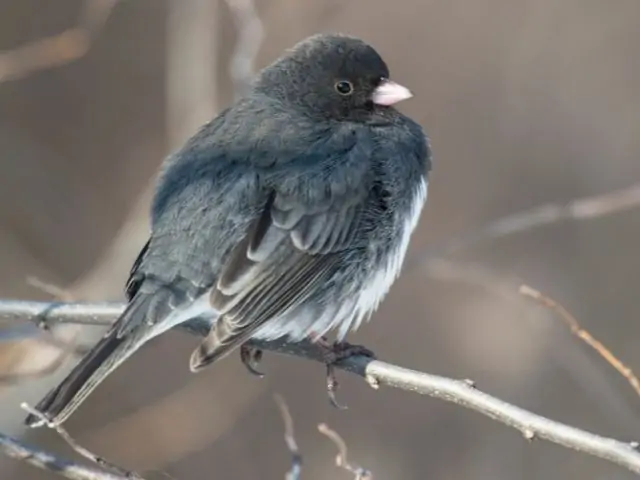
Less dramatic than latitudinal migration, altitudinal migration involves moving up and down mountainsides. Many species that breed in high-elevation forests in the U.S. will descend to lower elevations for the winter, where food is more accessible and temperatures are milder, yet still within the same general geographic area. Examples include Dark-eyed Juncos, some species of nuthatches, and American Dippers in western mountain ranges like the Rockies or Appalachians. This allows them to exploit summer resources at higher altitudes without the energy cost of a full long-distance migration.
3. Irruptions and Nomadic Movements
Some species do not adhere to strict migratory schedules but instead exhibit "irruptive" or "nomadic" movements, driven by fluctuating food resources. These movements are often irregular, occurring every few years when a particular food source fails in their typical wintering or breeding range.
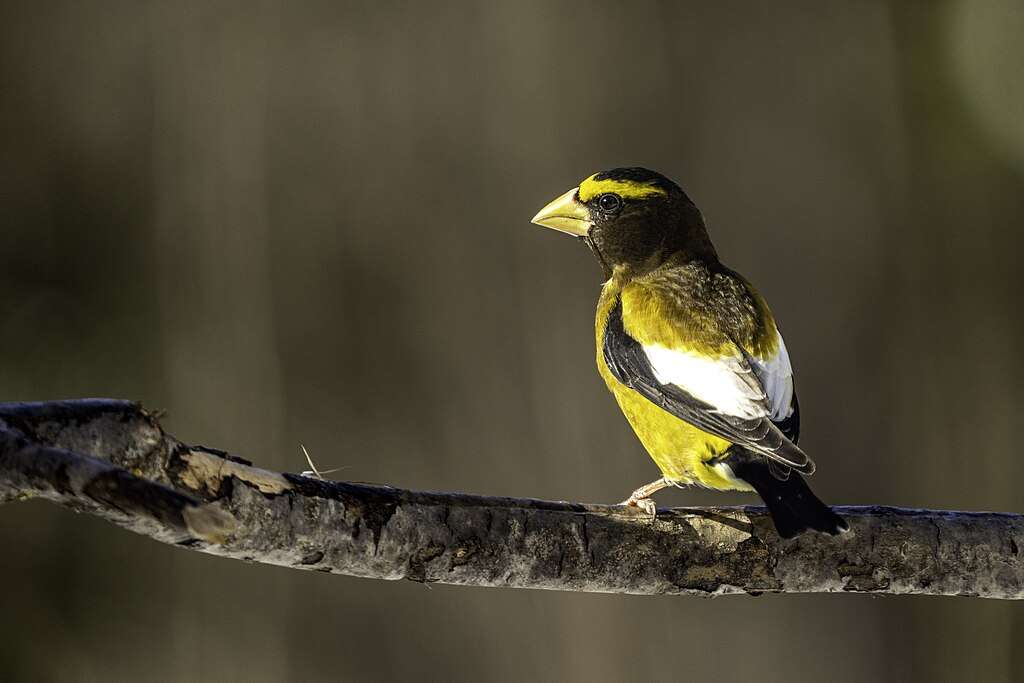
- Winter Finches: Northern finches like Common Redpolls, Pine Siskins, and Evening Grosbeaks are classic irruptive migrants. Their movements southward into the U.S. are directly linked to the success or failure of cone crops and other seeds in the boreal forests of Canada. A poor cone year can lead to massive "invasions" of these species far south of their typical range.
- Bohemian Waxwings: Similarly, these elegant fruit-eaters can appear in large numbers in areas where berry crops are abundant, only to be entirely absent in subsequent years.
- Owl Species: Snowy Owls occasionally irrupt southward from the Arctic when lemming populations (their primary prey) crash, leading to a hunt for food much further south than usual.
These movements are less about fixed destinations and more about following the bounty, highlighting the adaptability of some species to unpredictable environmental conditions.
4. Dispersal of Juveniles
After fledging, juvenile birds often disperse from their natal territories. This movement is distinct from migration as it's typically one-way and aimed at finding new, unoccupied territories or resources, reducing competition with their parents. The distance of dispersal varies greatly by species, from a few miles to hundreds, and is crucial for genetic mixing and range expansion. Some juvenile songbirds, for instance, may overshoot traditional wintering grounds during their first fall migration, ending up further south or east than their experienced adult counterparts.
5. Post-Breeding Wandering
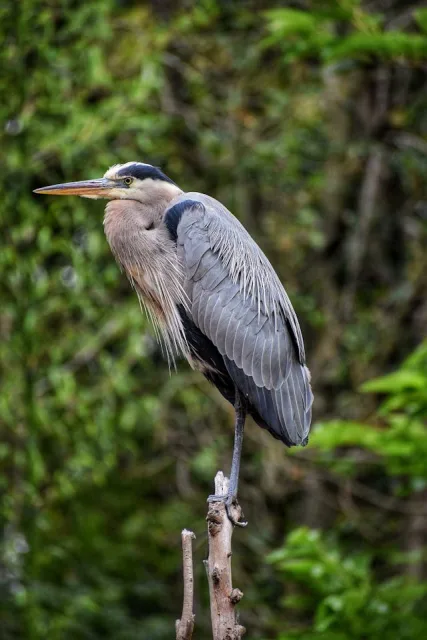
Once breeding duties are complete, some species engage in post-breeding wandering. This can be particularly noticeable in herons and egrets, which might disperse widely from their nesting colonies before their actual southward migration begins. Young birds, especially, might explore new areas, sometimes appearing well outside their expected range. This movement might be driven by finding new foraging areas before the rigors of migration, or simply a period of exploration.
Why Distinguish? The Importance for Conservation
Understanding the nuances between long-distance migration and local movements is not merely an academic exercise; it has significant implications for bird conservation.
- Habitat Preservation: Long-distance migrants require a network of protected habitats – breeding grounds, wintering grounds, and critical stopover sites along their flyways. Conserving a forest in New England for breeding warblers is only effective if their wintering grounds in Central America and the stopover sites in between are also protected.
- Climate Change Impacts: Both types of movements are vulnerable to climate change. Altered temperature regimes and precipitation patterns can disrupt the timing of migration (phenology), leading to a mismatch between arrival times and peak food availability. Changes in local weather can impact the success of daily foraging or altitudinal shifts.
- Research and Monitoring: Differentiating movement types helps scientists accurately track populations, understand species-specific ecological requirements, and monitor responses to environmental changes. Using technologies like GPS transmitters, radar, and community science efforts (like eBird) allows us to map these intricate movements with increasing precision.
- Public Awareness and Engagement: For birdwatchers, knowing whether a rare bird is an accidental vagrant (an individual blown off course during migration), an irruptive visitor, or a local oddity changes how we appreciate its presence and contribute to citizen science. It deepens our understanding of the challenges birds face daily and seasonally.
Wrapping Up
From the epic north-south journeys of billions of songbirds, shorebirds, and waterfowl along established flyways, to the subtle daily commutes of backyard birds, the altitudinal shifts of mountain dwellers, and the unpredictable irruptions of northern finches, bird movements are incredibly diverse. Long-distance migration is an awe-inspiring, genetically programmed act of endurance, while local movements are more immediate responses to resource availability and short-term survival needs.
As we observe birds in our backyards, local parks, or on grand wildlife refuges across the U.S., recognizing the distinction between these different types of movements enriches our understanding of avian ecology. It underscores the immense adaptability of birds, their reliance on vast networks of interconnected habitats, and the critical importance of conservation efforts that consider the full spectrum of their dynamic lives. Every flutter of wings, whether part of an ancient migratory tradition or a simple search for the next meal, tells a story of survival and resilience in an ever-changing world.
