
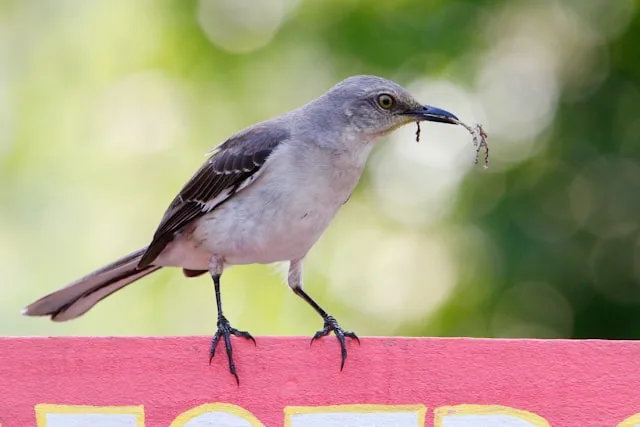
You don’t need to plan a dawn hike through a wildlife refuge to enjoy birdwatching. In fact, many memorable bird encounters happen when you least expect them—while waiting for a delayed flight, stretching your legs during a road-trip stop, or simply grabbing a coffee outside a hotel. This style of birding, often called incidental birdwatching, is growing in popularity across the U.S. It’s ideal for people who love nature but have busy schedules, and for travelers who enjoy adding a dose of discovery to their everyday journeys.
Whether you’re regularly navigating airport terminals, commuting between cities, or spending most of your travel time indoors, you can still cultivate a rewarding relationship with the birds around you. Here’s how to spot, record, and photograph them—no specialized expedition required.
Why Incidental Birdwatching Matters
At first glance, airports, parking lots, and business districts don’t look like birding hotspots. Yet birds thrive in more places than we realize. Many species have adapted to human-built landscapes, making travel corridors surprisingly rich with birdlife. In the U.S., everything from peregrine falcons nesting on skyscrapers to sparrows foraging near boarding gates offers moments of unexpected beauty.
Incidental birdwatching also helps contribute to broader conservation efforts. Apps such as eBird and iNaturalist allow travelers to upload sightings that become part of large databases used by scientists, environmental agencies, and habitat managers. Even a quick note on a starling near an airport tarmac or a hawk circling above a highway rest stop adds valuable data.
But at its core, incidental birding is about presence—tuning in to the natural world even while moving through spaces designed for speed, convenience, and distraction.
Where to Look for Birds While Traveling

You don’t need pristine landscapes to spot interesting birds. You just need to know where to look.
1. Airports and Airport Grounds
Airports can be surprisingly productive birding sites. Their large open fields, stormwater ponds, and perimeter trees attract species like:
Red-tailed Hawks hunting rodents in grassy areas
Killdeer pacing across open gravel
European Starlings, House Sparrows, and Rock Pigeons near terminal structures
Herons, ducks, and gulls near airport retention ponds
If you’re inside the terminal, look through large window walls that face runways or landscaping. If you’re outdoors waiting for a ride, check light poles, fences, and patches of greenery.
2. Hotels and Conference Centers
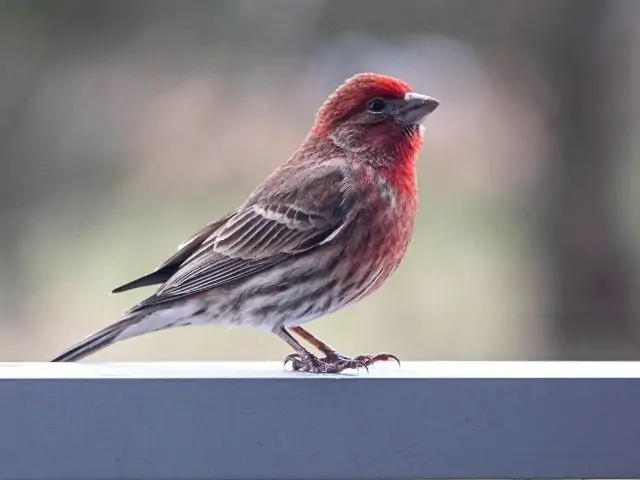
Many hotels landscape their grounds with shrubs, small trees, and water features—perfect attractants for:
Northern Mockingbirds
Mourning Doves
American Robins
House Finches
Early morning, especially during spring migration, can bring warblers and other migrants to urban trees and courtyards.
The Dashing Dart: Profiling the Merlin, Nature’s Small but Mighty Falcon
3. Transit Hubs and Parking Lots
These aren’t glamorous settings, but they offer open sightlines and consistent bird traffic. Watch for swallows darting near structures, gulls scavenging near food courts, and kestrels perched on wires.
4. Road-Trip Rest Areas

Rest stops often border patches of forest or grassland, making them great places to stretch and look for:
Eastern or Western Bluebirds
Woodpeckers
Juncos in winter
Blackbirds and grackles around picnic areas
How to Spot Birds When You’re Not Actively Birding
Incidental birdwatching fits seamlessly into a busy day because it uses small windows of time and casual awareness. Here are ways to boost your chances of noticing birds without interrupting your schedule.
1. Use Wait Time Wisely
Delays, layovers, and lines are inevitable. Instead of scrolling through your phone, glance out windows, listen for chirps, or check rooftops and lampposts.
Birds of Arkansas: Common, Migratory, and Rare Species of the Natural State
2. Train Your Ear
Birds often reveal themselves by sound before sight. Learn a few common calls for your region—sparrows, robins, crows, and jays. Apps with audio libraries help you identify unfamiliar songs quickly.
3. Follow Movement
Birds are small and blend into surroundings, but motion stands out. Look for rustling shrubbery, a flash of wings, or something hopping along the ground.
4. Check Edges and Borders
Birds prefer places where two habitats meet—a patch of grass next to a walkway, a tree line beside a parking lot, or a drainage ditch near a runway.

Recording Your Sightings on the Go
You don’t need field notebooks or binoculars to document what you see while traveling. A smartphone is often enough to make meaningful records.
1. Use Birding Apps
Most birders use eBird, Merlin, or iNaturalist to log sightings. Each lets you:
Record species
Add photos or audio
Note location and time
Build personal lists over time
Creating a simple “Incidental Travel List” can turn routine trips into a rewarding long-term project.
2. Snap a Quick Photo for Identification
Even if the photo isn’t perfect, it helps confirm what you saw. A blurry outline or distinctive marking is often enough for identification apps or online communities to help.
3. Keep Short Notes
If you can’t take a picture, write down simple details:
Size (sparrow-sized, crow-sized, etc.)
Colors or patterns
Behavior (soaring, hopping, flitting through branches)
Habitat (parking lot, terminal garden, runway pond)
These quick notes help you revisit the sighting later.
Tips for Photographing Birds in Busy Places
Travel environments pose special challenges, including noise, people, and limited vantage points. Here’s how to get good photos without specialized gear or disturbing wildlife.
1. Use What You Have (Your Phone Works Fine)
Modern smartphone cameras can capture excellent bird images. Use burst mode to capture fast movement, and crop later to bring the bird into focus.
2. Steady Your Hand
Rest your phone on a railing, window frame, or suitcase handle to reduce blur.
3. Take Advantage of Airport Glass
Airport terminals often have huge floor-to-ceiling windows. Press your phone directly against the glass to reduce reflections.
4. Respect Safety and Security Rules
Never aim a camera where photography is prohibited. Focus on publicly visible green spaces or birds perched in open view.
5. Capture Behavior, Not Just Portraits
Birds in transit areas behave uniquely—starlings begging for crumbs, gulls soaring on thermals from hot pavement, hawks patrolling grassy infields. These candid moments make interesting and story-rich photos.
Staying Ethical and Safe
Incidental birdwatching should be practiced with care, especially in sensitive environments.
Don’t feed birds, especially in airports or transit hubs. It harms birds and violates regulations.
Keep your distance, even with a great photo opportunity.
Avoid restricted zones around runways or security areas.
Do not play recorded bird calls in travel environments—they can confuse and stress birds.
The Joy of Birding Between Destinations
One of the great pleasures of incidental birdwatching is its simplicity. You don’t need to pack binoculars or schedule special outings. You just need curiosity, a few moments of awareness, and a willingness to look up from your itinerary.
As you travel through America’s airports, highways, and cities, birds remind you that nature is everywhere, weaving itself into even the most ordinary spaces. Whether it’s a killdeer running across an airport field, a hawk soaring above a rental car lot, or a sparrow chirping on a terminal bench, these small encounters offer a pause—and a chance to feel connected to the world, even when you’re on the move.
