

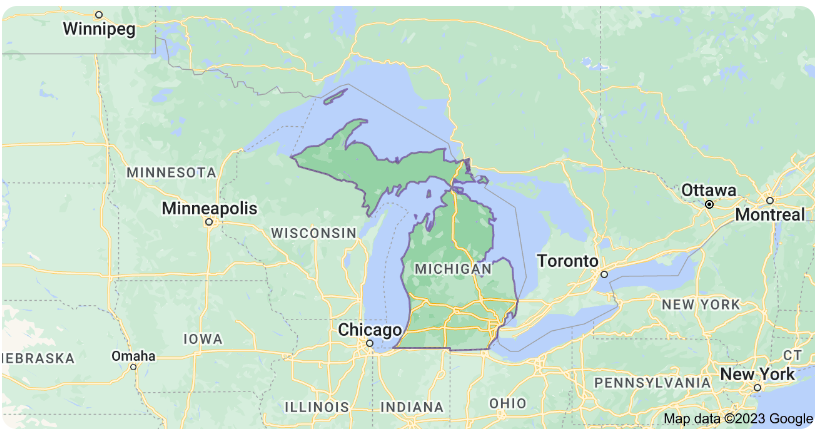
An avid birder's dream, Michigan is a treasure trove of birdwatching opportunities thanks to its unique geography and diverse ecosystems. Bordered by four of the five Great Lakes and home to a mix of northern boreal forests, expansive wetlands, and deciduous woodlands, the state offers a remarkable variety of habitats that attract an astounding number of avian species. With over 450 bird species recorded on its official checklist, Michigan stands out as a premier destination for both casual observers and serious ornithologists alike.
Whether you're hoping to spot a rare boreal chickadee in the Upper Peninsula's dense forests or witness the spectacular spring migration of warblers along the Great Lakes flyways, Michigan's varied landscape promises a new and exciting experience with every season. The state is also the nesting ground for the endangered Kirtland's Warbler, a rare species that draws birders from across the globe to the unique jack pine forests of the Lower Peninsula.
This article will guide you through Michigan's best birdwatching spots, from the remote tranquility of the Seney National Wildlife Refuge to the bustling migratory hub of Whitefish Point, ensuring you're well-equipped to discover the feathered wonders this beautiful state has to offer.
Belle Isle
A remarkable urban sanctuary for birds, Belle Isle is a 982-acre island park nestled in the Detroit River between the United States and Canada. This unique location, combined with its diverse geography, makes it a vital stopover for a wide variety of bird species. The park features a mix of landscapes, including natural wooded areas, open fields, and wetlands, with over half of the island covered by lakes and a lagoon system.
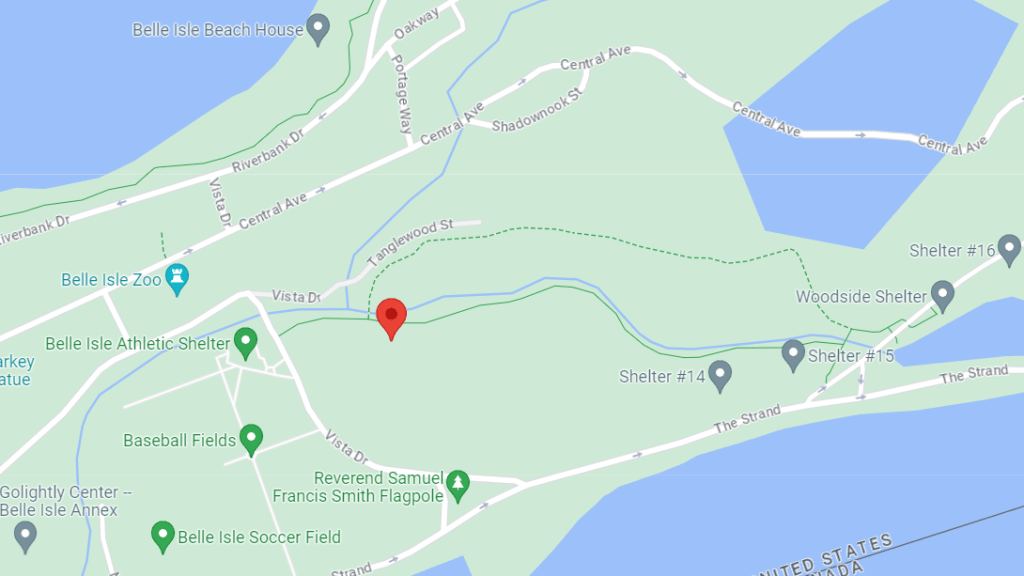
This mix of habitats, particularly the rare wet-mesic forests that once covered much of southeastern Michigan, provides crucial shelter and foraging opportunities for migrating and resident birds. The island's position within the Detroit River, a key waterway in the Great Lakes basin, places it directly in the path of both the Atlantic and Mississippi Flyways, two major migratory routes for birds in North America.

Birders visiting Belle Isle can expect excellent opportunities year-round, but spring and fall migration seasons are particularly spectacular. The island's strategic location attracts an impressive number of species, from waterfowl like scoters, loons, and mergansers in the river to a dizzying array of songbirds—including over 20 species of warblers—that stop to rest in the island's woods.
The Belle Isle Nature Center is a great starting point for beginners, featuring a bird observation window. Other key spots include Sunset Point for viewing ducks and gulls, the Blue Heron Lagoon for diving ducks and grebes, and the woods behind the Nature Center, which are a haven for migrating thrushes and sparrows. Rare gull species, such as the Iceland and Lesser Black-backed Gull, have been sighted here in winter, making Belle Isle a year-round destination for dedicated birders.
Target Birds
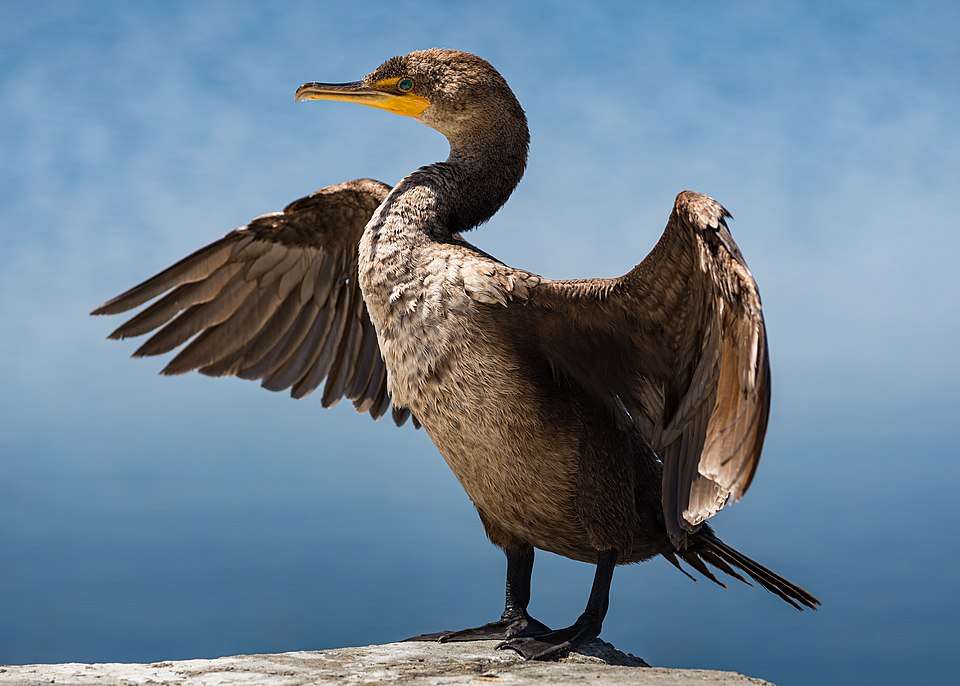
Double-crested Cormorant
Least Flycatcher
Warbling and Red-eyed Vireo
Bald Eagle
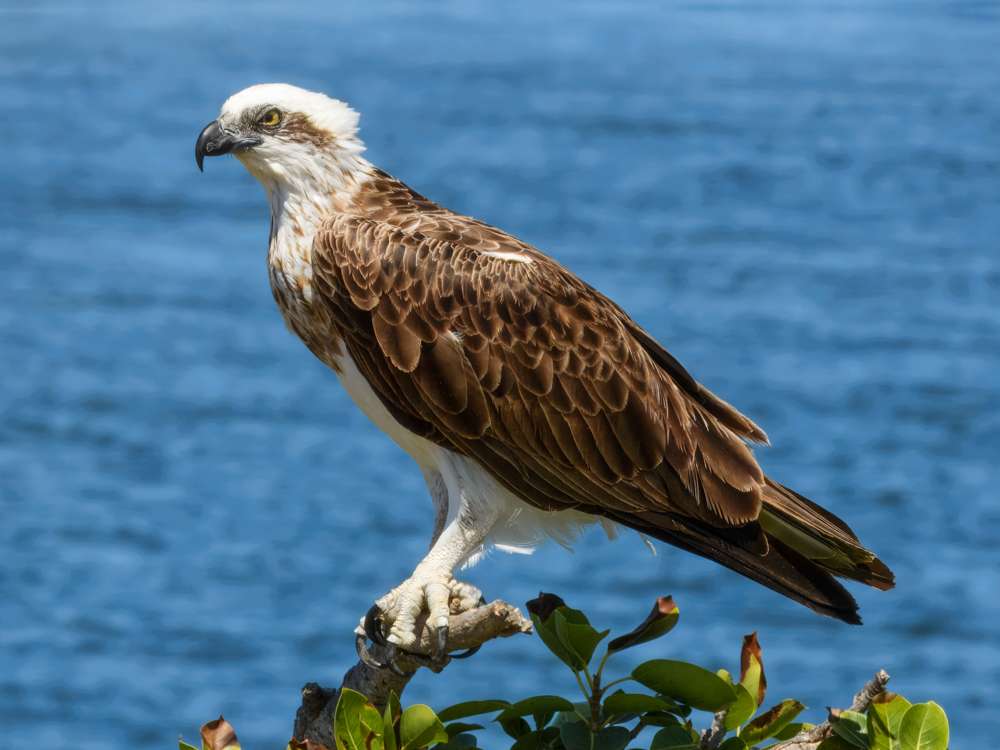
Osprey
Indigo Bunting
Orchard Oriole

The National Park Service has more information about the area.
Muskegon Wastewater Plant
The Muskegon Wastewater Management System, located in Muskegon County on the western side of Michigan's Lower Peninsula, is a truly unique birdwatching location. While its primary function is wastewater treatment, its vast 11,000-acre property has created a diverse and productive habitat for a wide variety of birds.
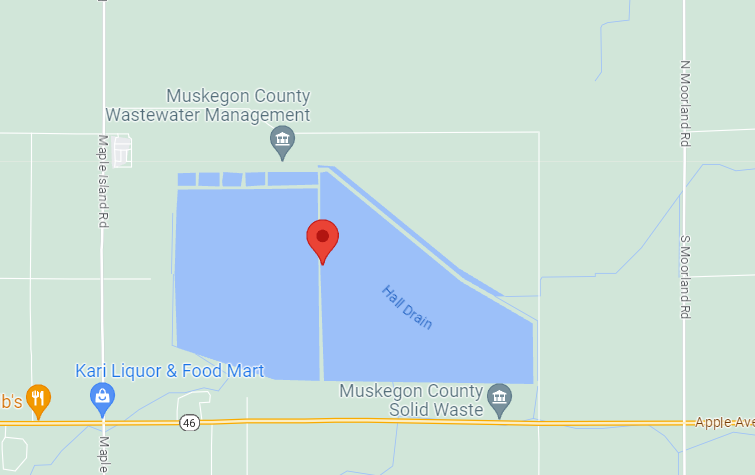
The geography of the site includes large storage lagoons, aeration ponds, and extensive spray-irrigation fields, which consist of cropland and grassland. This combination of wetland and agricultural habitats makes it a magnet for different bird species throughout the year. The location's proximity to Lake Michigan also makes it a key stopover point for migratory birds traveling the Great Lakes flyway.
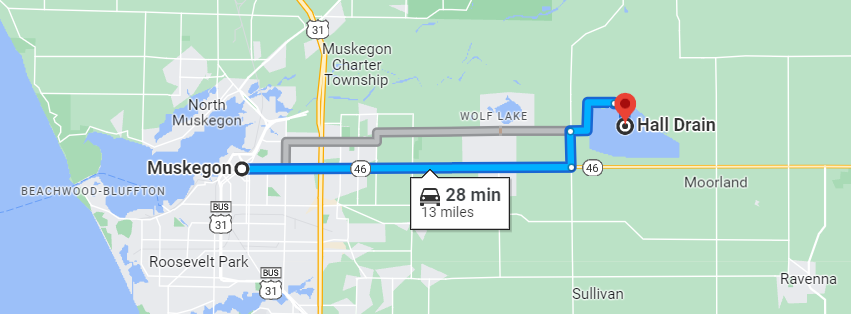
This unique landscape provides some of the best birdwatching opportunities in the state. The large, open lagoons are a major draw for waterfowl, with thousands of Northern Shovelers, Ruddy Ducks, and other species congregating during migration. The site is a renowned spot for finding rare gulls and is also an important location for shorebirds, with species like Upland Sandpipers and various sandpipers and plovers using the mudflats and grassy areas.
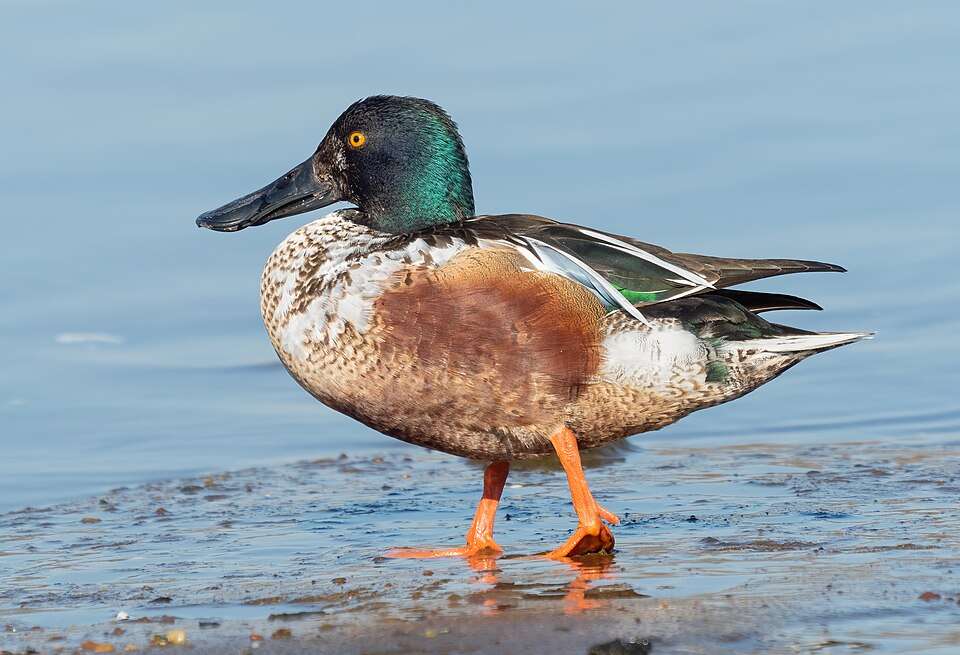
In winter, the site's open, prairie-like fields attract raptors and, famously, Snowy Owls that have migrated down from the Arctic. Birders must obtain a pass from the wastewater system office to access the site, but the incredible diversity of birds makes it well worth the small effort.
Target Birds
Dunlin
Least, Semipalmated and White-rumped Sandpiper
Belted Kingfisher
Shore Lark
Blackpoll, Tennessee and Yellow Warbler
Wilson's Phalarope

The Muskegon County Resource Recovery Center has all the details you need if you want to visit the area.
Saugatuck Dunes State Park
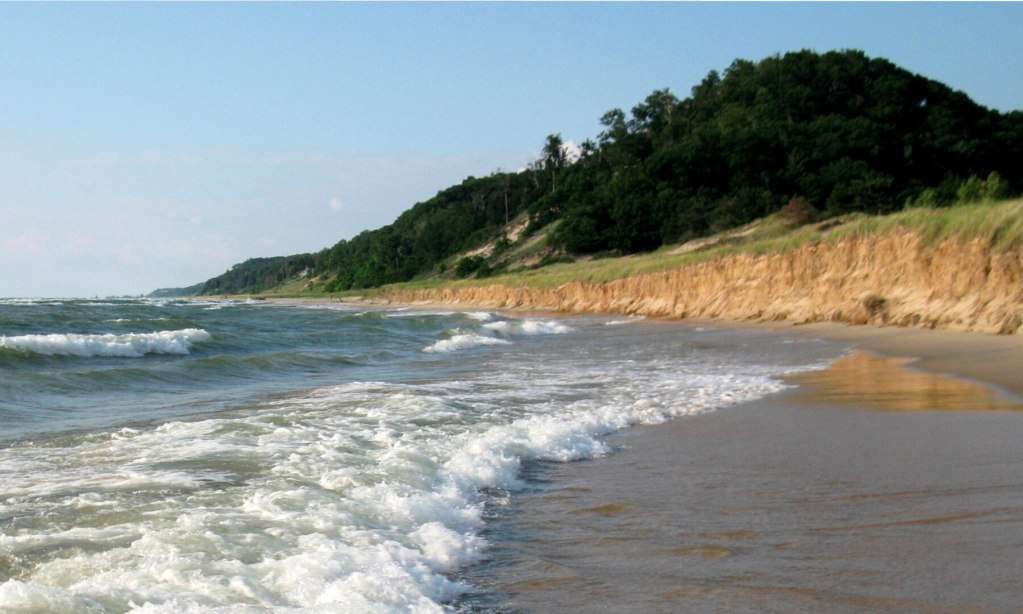
Saugatuck Dunes State Park, located on the Lake Michigan shoreline between the towns of Saugatuck and Holland, is a pristine 1,000-acre day-use park defined by its towering freshwater sand dunes. These dunes, some reaching heights of over 200 feet, are part of the larger coastal dune system and create a dramatic, undulating landscape.
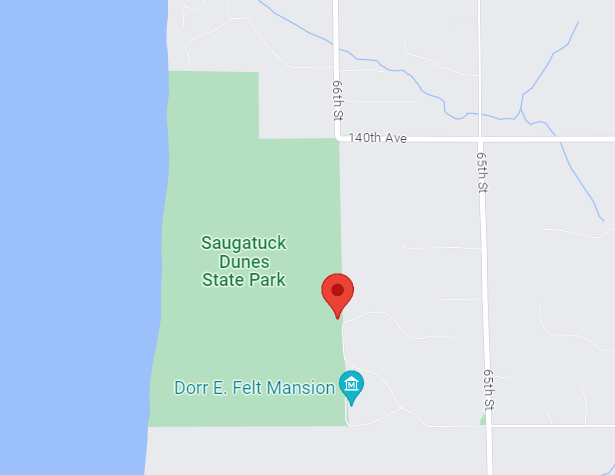
The park's geography is a diverse mosaic of habitats, including 2.5 miles of undeveloped shoreline, forested dunes with both hardwood and pine trees, and a 300-acre protected natural area with interdunal wetlands. This variety of terrain, from sandy beach to dense forest, provides a sanctuary for a wide range of flora and fauna. The park's relatively undeveloped nature and extensive trail system make it an ideal place for a quiet, immersive experience in West Michigan's unique ecosystem.

For birdwatchers, Saugatuck Dunes State Park is a hidden gem and a recognized hotspot, with over 200 species recorded. Its location on the Lake Michigan flyway means it is a prime spot for observing migratory birds, particularly during the spring and fall migrations. As you walk the park's 13 miles of trails, you can expect to see a variety of species that favor different habitats.
The lakeshore and open dunes are excellent for spotting waterfowl, gulls, and shorebirds like sandpipers and plovers. Moving inland into the forested dunes, birders can find woodland species such as woodpeckers, including the Pileated and Red-headed, as well as an incredible array of songbirds, warblers, and raptors, including Bald Eagles. The park's diverse habitats and serene atmosphere make it a truly rewarding destination for birding at any time of the year.
Target Birds
Least and Great Crested Flycatcher
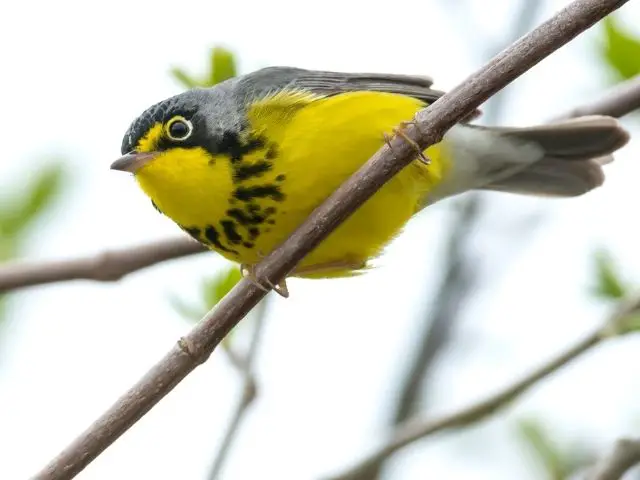
Pine, Canada, Black-throated Blue and Hooded Warbler
Merlin
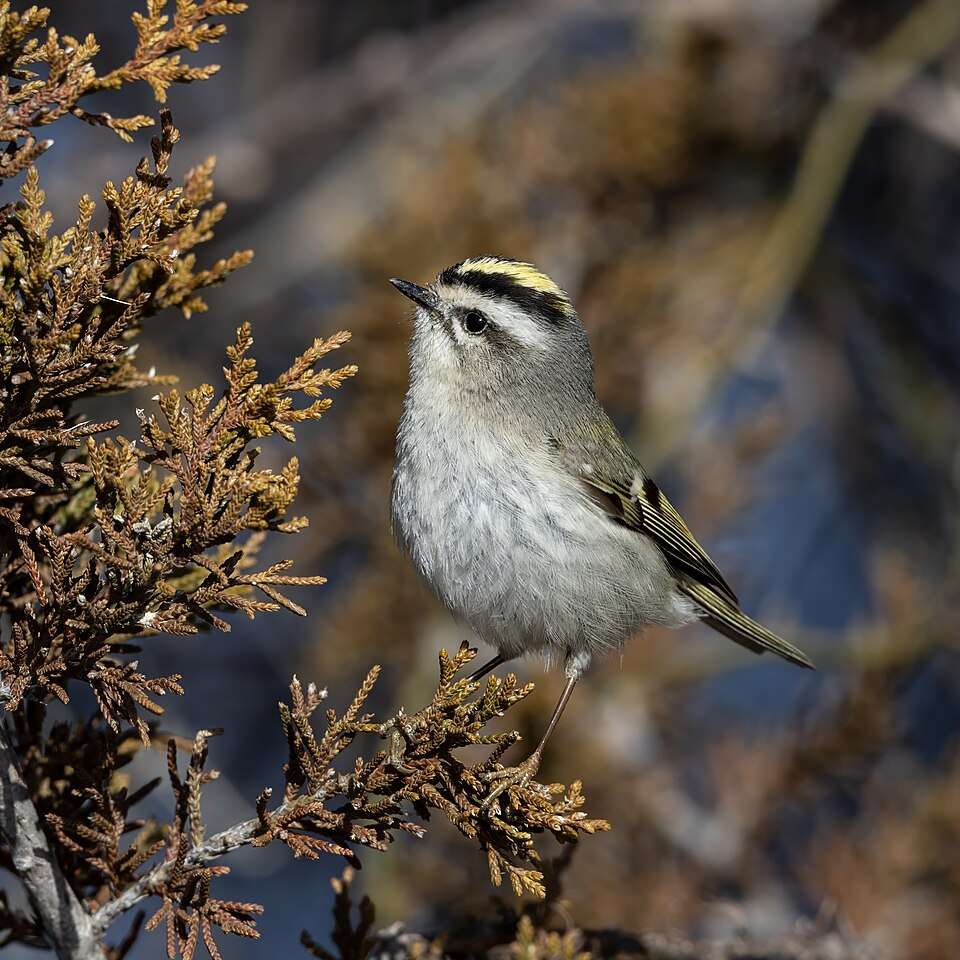
Golden-crowned Kinglet
Red-throated Diver
Slavonian Grebe
The Michigan Government has information about the area, amenities and recreation activities available there, including bird watching.
Reeds Lake
While the larger and more remote wilderness areas of Michigan often steal the spotlight, Reeds Lake in East Grand Rapids offers a prime birdwatching experience in a surprisingly urban setting. Located in Kent County, this 265-acre freshwater lake is surrounded by a mix of residential areas, public parks, and a small, but vital, undeveloped wetland on its northern end.

This combination of habitats, from manicured parkland to wilder, wooded wetlands, provides an excellent and easily accessible destination for birders of all skill levels. The lake itself serves as a crucial stopover point for migrating waterfowl and other water birds, making it a particularly dynamic location during the spring and fall seasons.

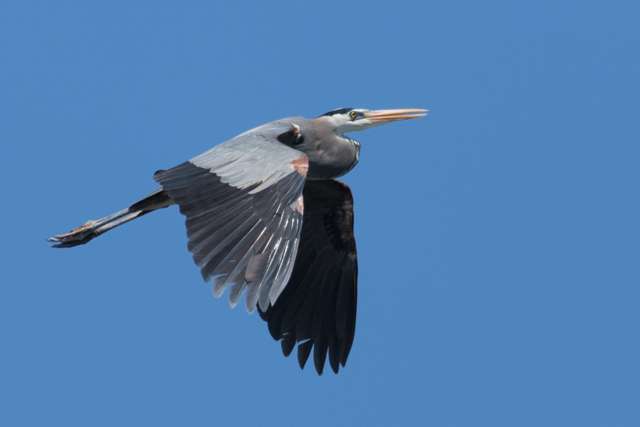
The geographic features and varied vegetation around Reeds Lake create a rich environment for a diverse range of species. The shrub-lined trails and boardwalks of Waterfront Park, in particular, offer a chance for up-close views of secretive marsh birds and songbirds. Birders can look for species like the Great Blue Heron, which often stalks the shallows, or Bald Eagles, which have been sighted hunting over the lake.
The mix of open water, wooded shores, and wetlands also attracts a wide variety of ducks, grebes, and gulls, especially during migration. Over 230 bird species have been recorded at Reeds Lake, solidifying its reputation as a top birding hotspot in the Grand Rapids area.
Target Birds
Great Horned Owl
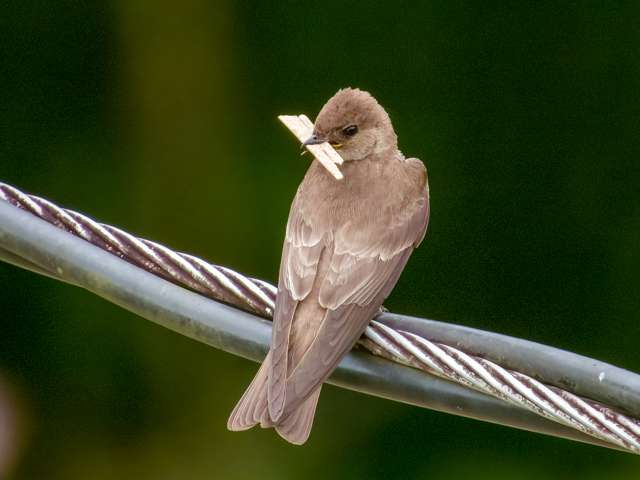
Northern Rough-winged Swallow
Virginia Rail
Redhead
Gadwall
Boneparte's Gull
Prothonotary Warbler
The Grand Rapids Audubon Club has information about the lake and other local birding spots.
Tiscornia Park
Located at the mouth of the St. Joseph River where it flows into Lake Michigan, Tiscornia Park in St. Joseph offers a fantastic vantage point for birders. This 16-acre park is a unique combination of sandy beach, open dunes, and the man-made structure of the North Pier. The geography of this location, where a major river meets the vast expanse of a Great Lake, creates a natural corridor that is a magnet for migratory birds.
The North Pier and the adjacent walkway serve as an excellent viewing platform, allowing birders to get out over the water and observe species that might otherwise be too distant to identify. It's this accessibility and varied habitat—from the water's edge to the nearby open areas—that makes Tiscornia a hotspot for avian activity.

The birdwatching opportunities at Tiscornia Park are particularly notable for shorebirds, gulls, and water-related species, with the seasons bringing a parade of different birds. During the summer, birders can look for unique shorebirds like the American Avocet, Baird's Sandpiper, and Sanderling, while the fall witnesses the return of Common Loons, various ducks, and Common Terns.

For serious birders, the location is known for attracting rare and unusual species, including jaegers and even the occasional Snowy Owl in winter. Whether you're scanning the horizon for a Peregrine Falcon or observing the more common Ring-billed Gulls, Tiscornia Park provides a dynamic and rewarding birding experience throughout the year.

Target Birds
Black-legged Kittiwake
Barn and Tree Swallow
Ruddy Turnstone
Green Heron
Eastern Towhee
Long-tailed Duck

The Southwest Michigan Tourist Council has some helpful tips on birdwatching in the area.
Whitefish Point
Located at the extreme southeastern end of Lake Superior, Whitefish Point is a cape that juts into the lake, creating a natural funnel for migrating birds. This geographic feature makes it one of the premier migration hotspots in Michigan and North America. The area is a mix of wooded dune and swale complexes, a shoreline along Lake Superior, and is adjacent to the Whitefish Point Unit of the Seney National Wildlife Refuge.
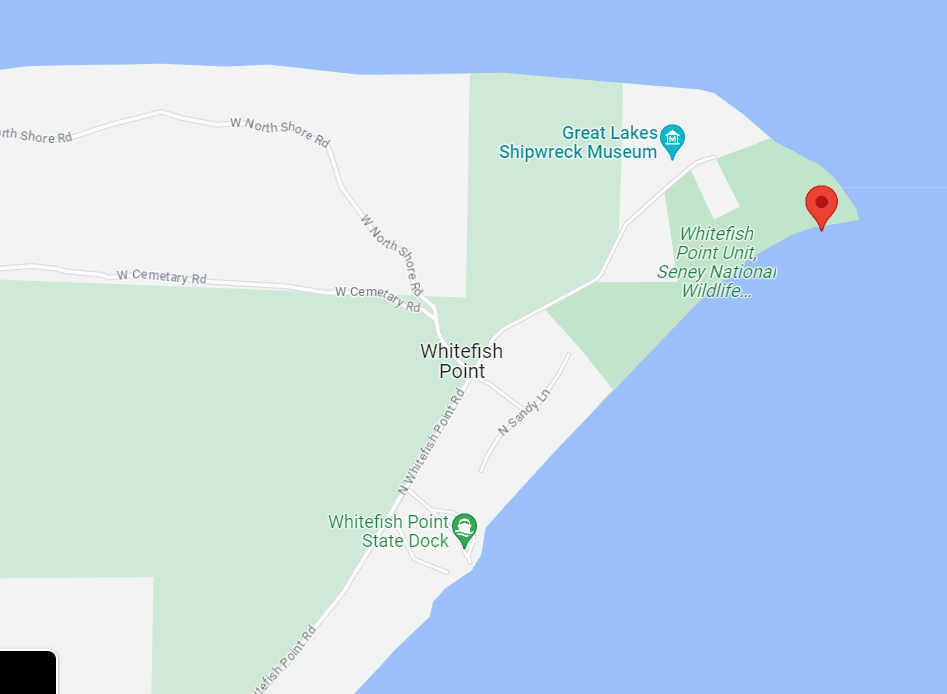
This varied landscape, along with its location on a major Great Lakes flyway, provides critical habitat and a stopover point for thousands of birds during their arduous journeys. Whitefish Point is recognized as a Globally Important Bird Area.
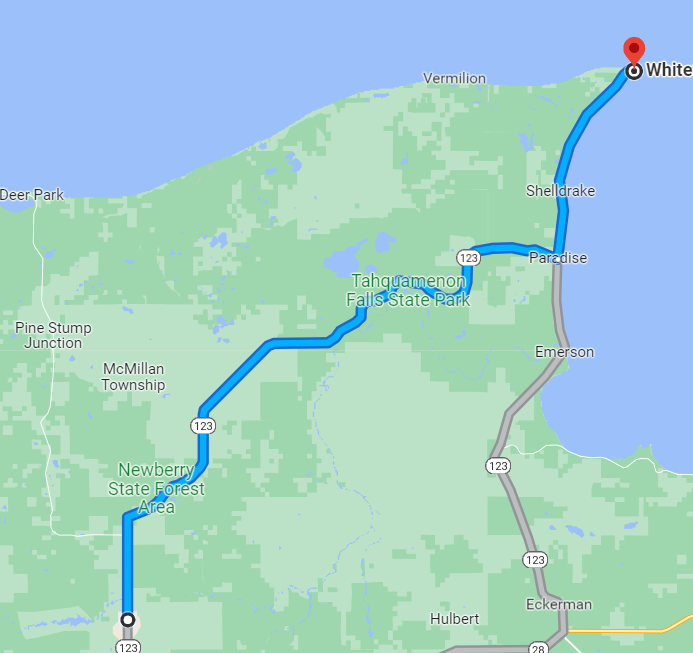
The birdwatching opportunities at Whitefish Point are truly exceptional, particularly during the spring and fall migration seasons. From mid-March through May, birders can witness a spectacular show of raptors, waterfowl, and passerines. The point is especially known for its significant flights of Common Loons and Northern Saw-whet Owls.

In the fall, the migration reverses, bringing different species through the area. The diverse habitats attract over 340 bird species, including rare and unusual sightings. The Whitefish Point Bird Observatory, a program of Michigan Audubon, conducts important research and provides public education, making it an essential resource for anyone visiting the area to observe birds.
Target Birds
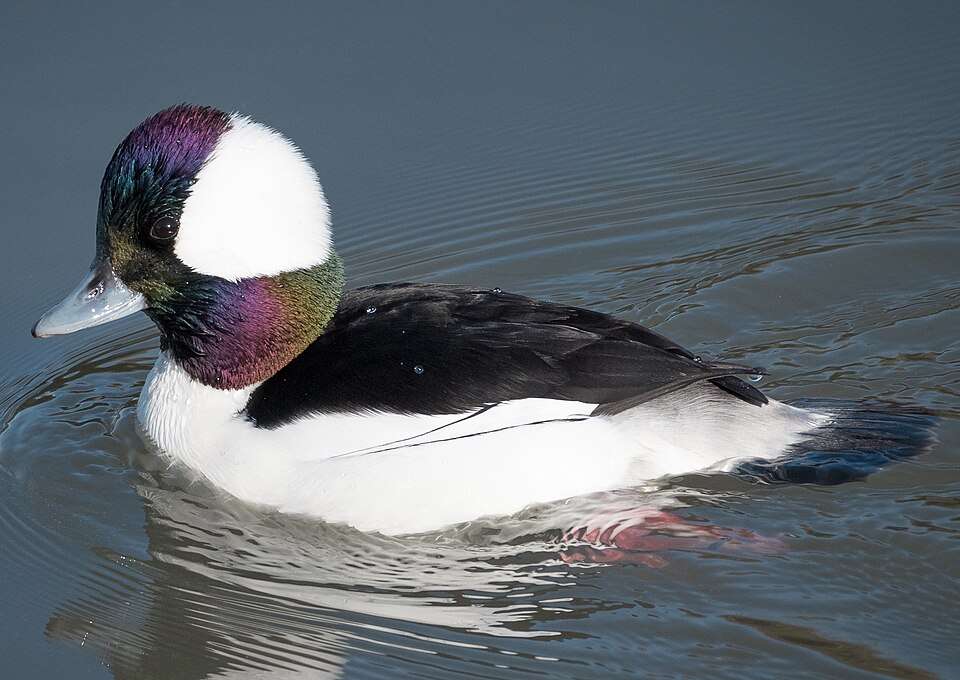
Bufflehead
White-winged Scoter
Evening Grosbeak
Sandhill Crane
Common Crossbill

The Whitefish Point Bird Observatory is the place to start when thinking about visiting the area.
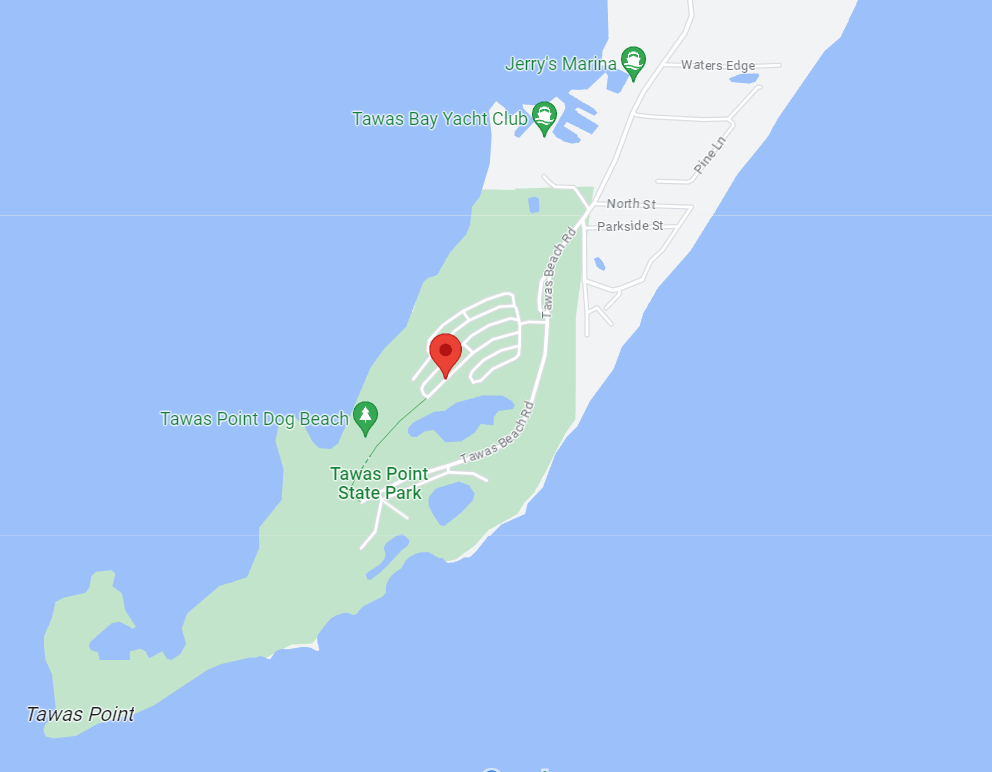
Tawas Point SP
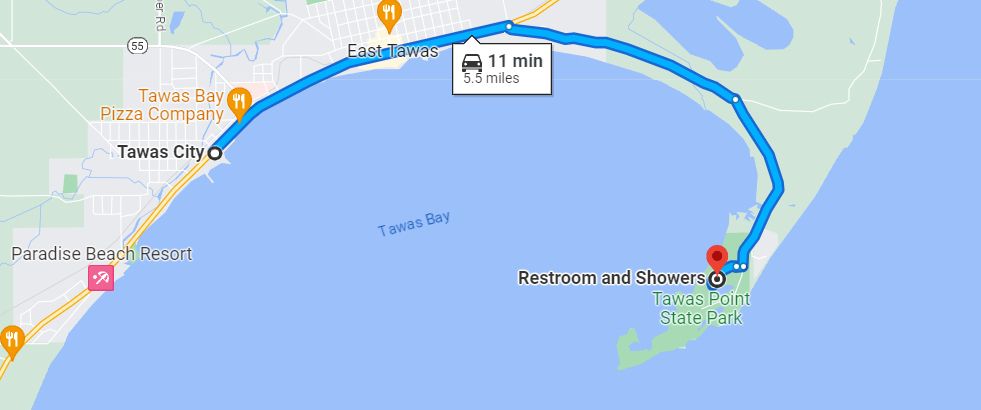
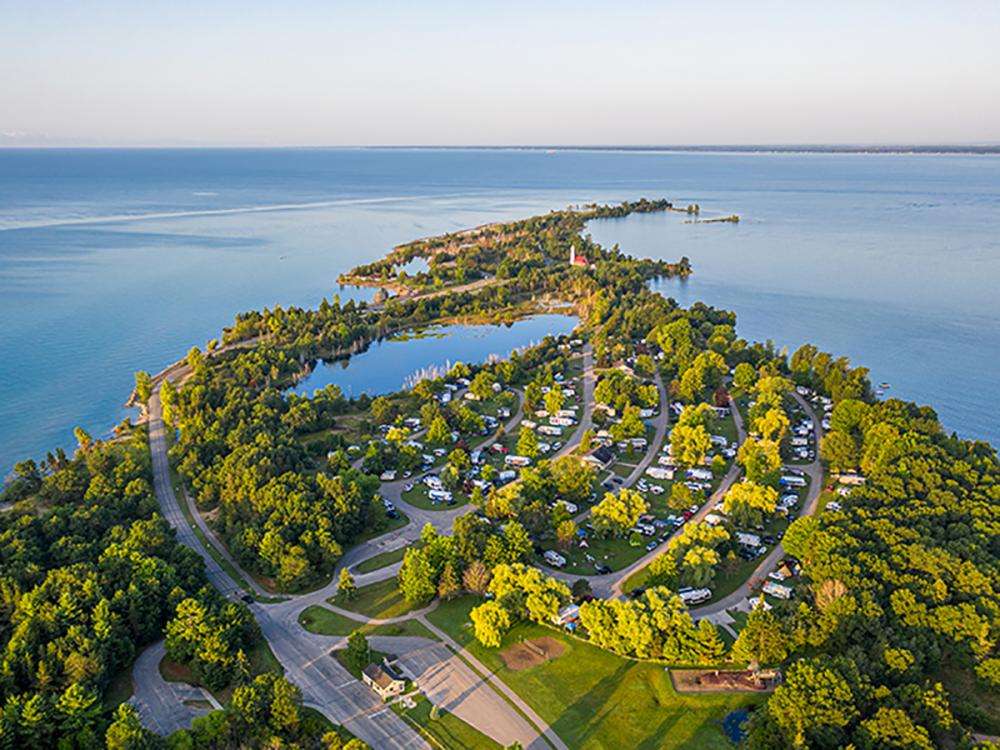
Tawas Point State Park, often referred to as the "Cape Cod of the Midwest," is a 183-acre public recreation area located on a sand spit that juts into Lake Huron, forming Tawas Bay in Michigan's Northern Lower Peninsula. The park's unique geography is its primary draw for birdwatchers.
As a narrow peninsula extending into the lake, it acts as a crucial stopover site for hundreds of thousands of migrating birds following the Lake Huron flyway. Tired and hungry after long flights over the water, these birds get trapped at the point, making the park a spectacular and reliable location for observing a vast diversity and abundance of species. The park's varied habitats, including sandy beaches, dunes, and small wooded areas, provide essential resting and refueling grounds for these weary travelers.
This special geological feature makes Tawas Point a premier birdwatching destination, especially during the spring and fall migrations. More than 300 bird species have been recorded at the park, attracting birders from all over the world. During the peak migration in mid-May, the park is a birder's paradise, with high concentrations of warblers, vireos, flycatchers, and thrushes.

Waterfowl, raptors, and shorebirds are also a common sight, offering a comprehensive birding experience. The Tawas Point Lighthouse, a historic landmark within the park, is a central point for many birding activities and offers a great vantage point for spotting birds over the water. The combination of its strategic location and diverse avian population makes Tawas Point an essential stop for any serious birder exploring Michigan.
Target Birds
Common and Black Tern
Green Heron
Song, Lincoln's and Swamp Sparrow
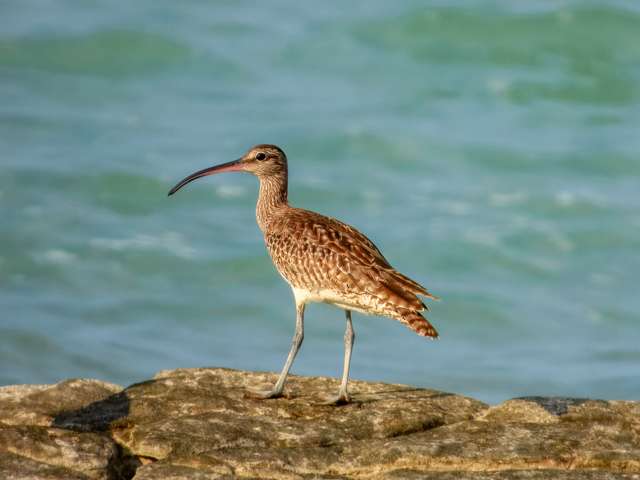
Whimbrel
Northern Waterthrush
Least Bittern
Michigan.org gives details about the area and the amenities available.
Lake St. Clair Metropark
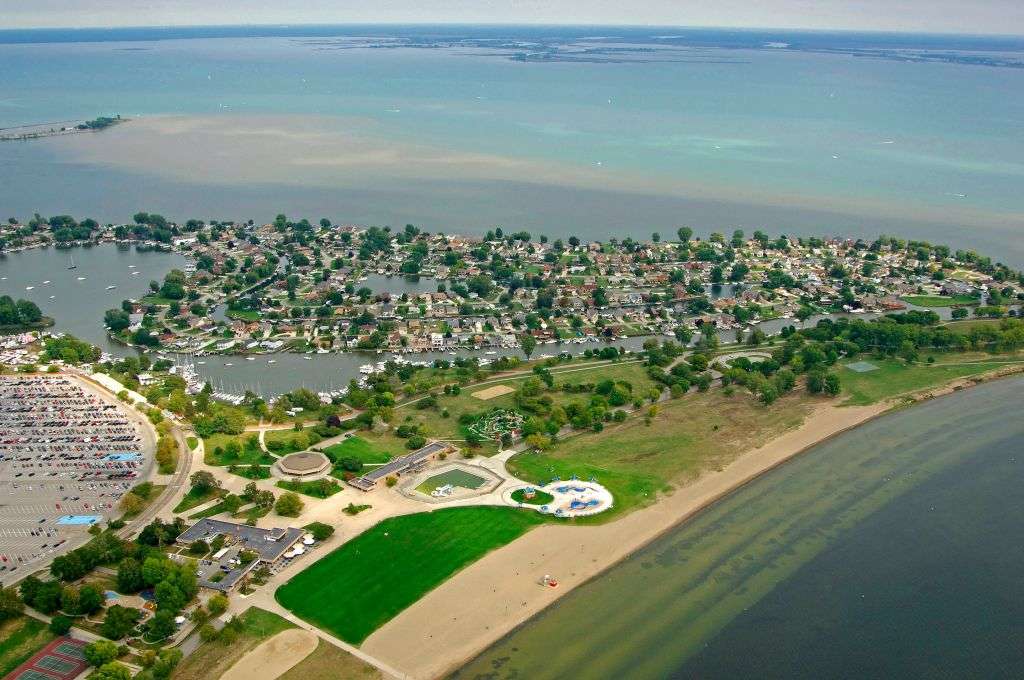
Located approximately 20 miles northeast of downtown Detroit in Harrison Township, Macomb County, Lake St. Clair Metropark is a peninsula that extends into Lake St. Clair, the "sixth Great Lake." This 770-acre park's unique geography is defined by its extensive shoreline, marshes, and wetlands, which are fed by Black Creek and the Clinton River. 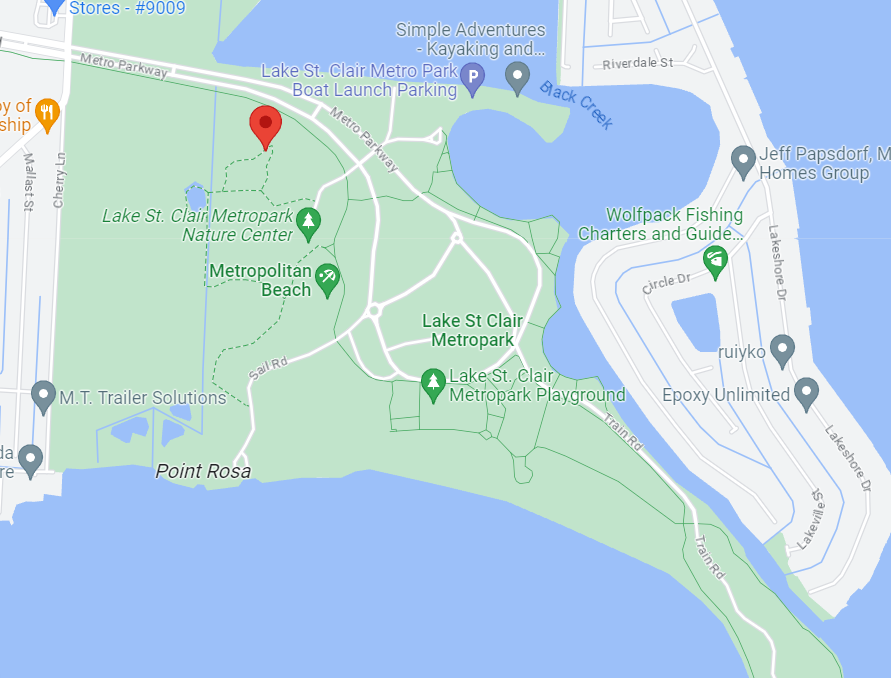
The park's diverse landscape—a mix of woods, meadows, and marshlands—makes it a vital ecological hub in a highly populated suburban area. Its position on the Great Lakes system, connecting Lake Huron to Lake Erie, makes it a critical stopover point for migratory birds, particularly during the spring and fall seasons.

For birdwatchers, Lake St. Clair Metropark is a premier destination, offering year-round viewing opportunities for a wide variety of species. The park's extensive nature trails, boardwalks, and observation decks provide excellent vantage points to spot everything from secretive marsh birds like Least Bitterns and Virginia Rails to vast flocks of migrating waterfowl.
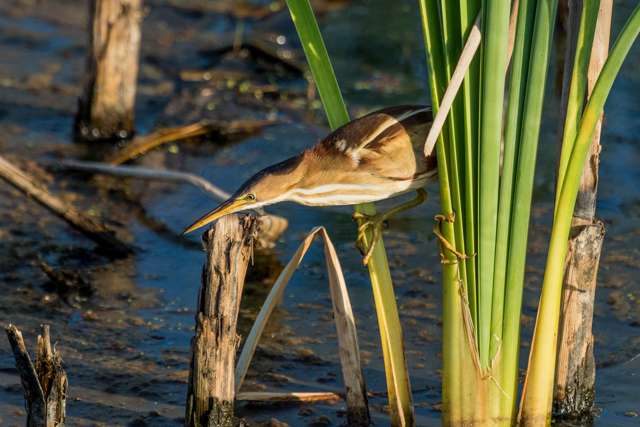
During the spring migration, the park's wooded areas come alive with colorful warblers and other songbirds. In the fall, the focus shifts to the lake itself, where thousands of diving ducks, loons, and cormorants can be seen. The park's Nature Center is an excellent starting point, offering educational displays and information on recent bird sightings, while the tranquil environment makes it easy for both novice and experienced birders to enjoy the spectacle of Michigan's avian diversity.
Target Birds
Ovenbird
American Redstart
Red-headed Woodpecker
Cedar Waxwing
Short-billed Dowitcher
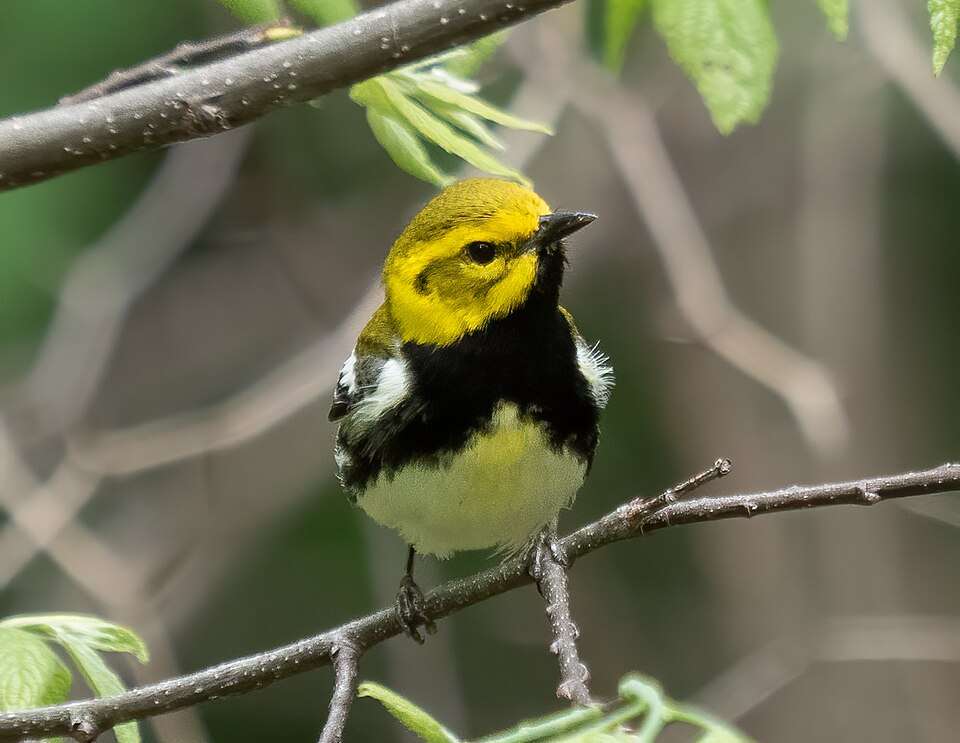
Black-throated Green Warbler
The Huron-Clinton Metroparks website has up to date information about the many recreational activities available here including bird watching.
Shiawassee NWR
Located in Saginaw County in Michigan's Lower Peninsula, the Shiawassee National Wildlife Refuge is a vast 9,870-acre haven for migratory birds and other wildlife. Locally known as the "Shiawassee Flats," the refuge lies at the historical confluence of four major rivers—the Tittabawassee, Flint, Cass, and Shiawassee—which converge to form the Saginaw River.
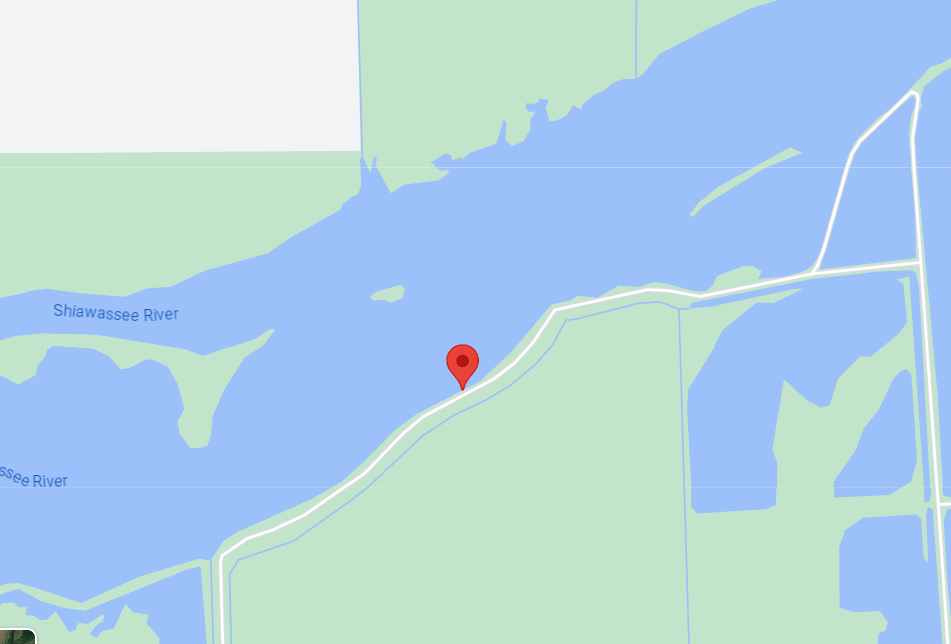
This unique geography, a mix of bottomland forests, marshes, and open water pools, makes it one of the largest and most productive wetland ecosystems in the state. Established in 1953 to protect migratory waterfowl, the refuge's flat, sandy wetland terrain, a remnant of a postglacial lake, provides critical habitat for an incredible diversity of species. The area's network of ditches, dikes, and managed agricultural fields further enhances the landscape, creating a mosaic of habitats that attract an impressive array of birdlife throughout the year.
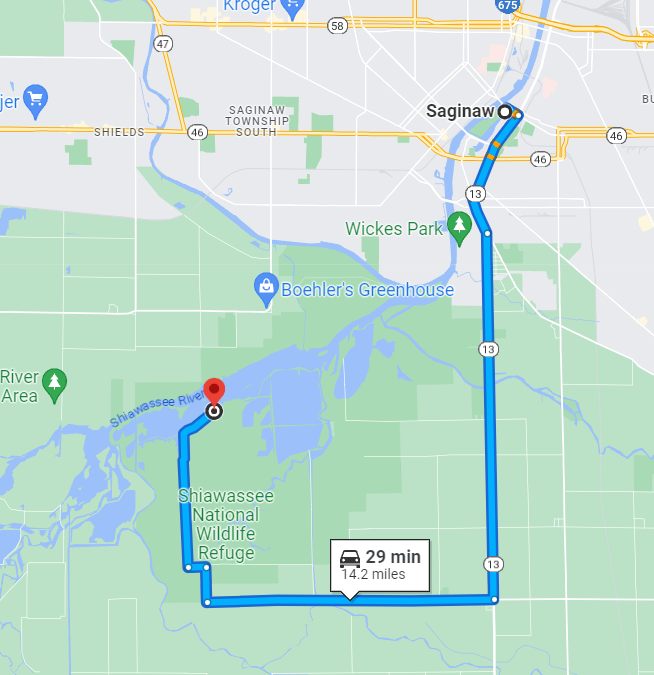
The birdwatching opportunities at Shiawassee NWR are exceptional, with over 280 species documented on the refuge. It's a key stopover point on the Mississippi Flyway, making it a globally significant location for migratory waterfowl. During the peak migration periods in spring and fall, birders can witness spectacular concentrations of ducks and geese, with populations of up to 40,000 ducks and 25,000 Canada Geese.
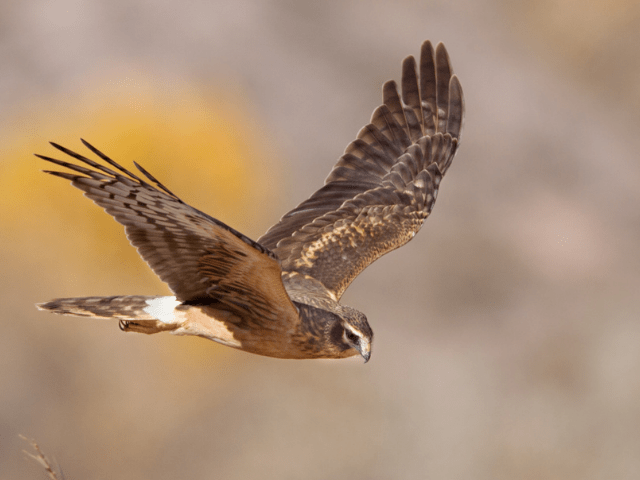
Beyond waterfowl, the refuge is a fantastic place to spot raptors like Bald Eagles and Ospreys, as well as a great variety of wading birds, shorebirds, and over 100 species of songbirds. The refuge provides several ways to explore its rich habitats, including over 12 miles of hiking trails and a 6.5-mile Wildlife Drive auto tour that offers easy access to observation decks and a front-row seat to the abundant avian activity.
Target Birds
Pied-billed Grebe
Sora
Northern Harrier
Bewick's Swan
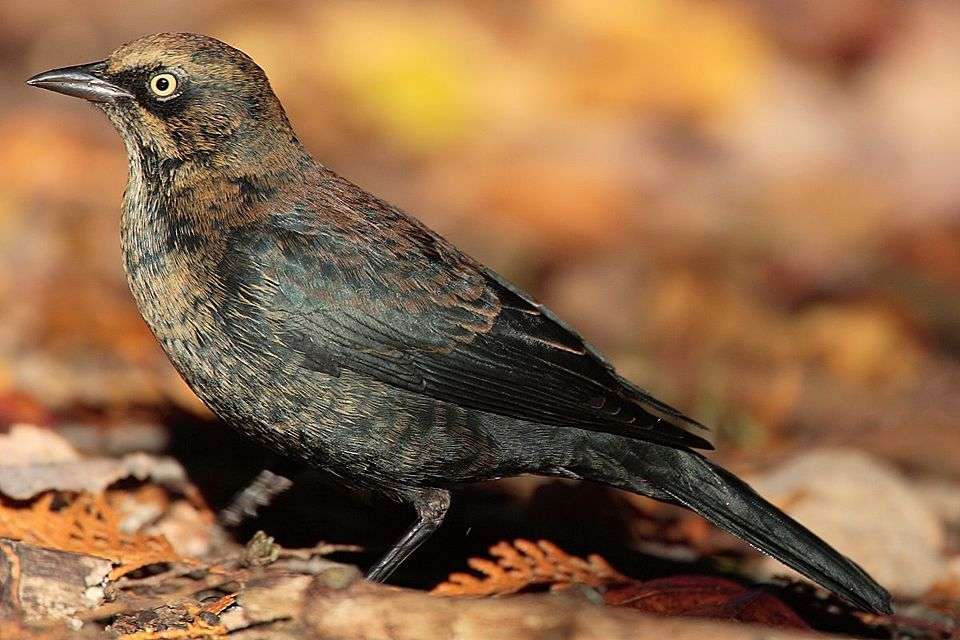
Rusty Blackbird
Black-crowned Night Heron
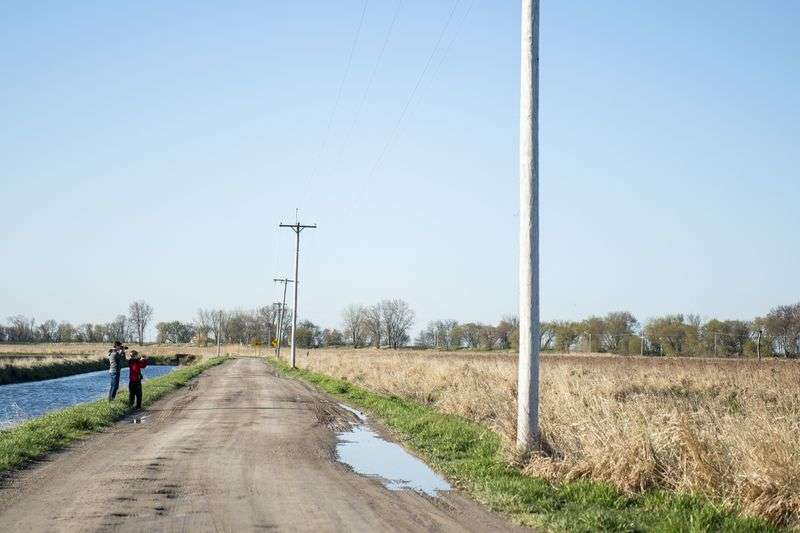
The U.S. Fish and Wildlife Service website has more visitor information.
Nayanquing Point SWA
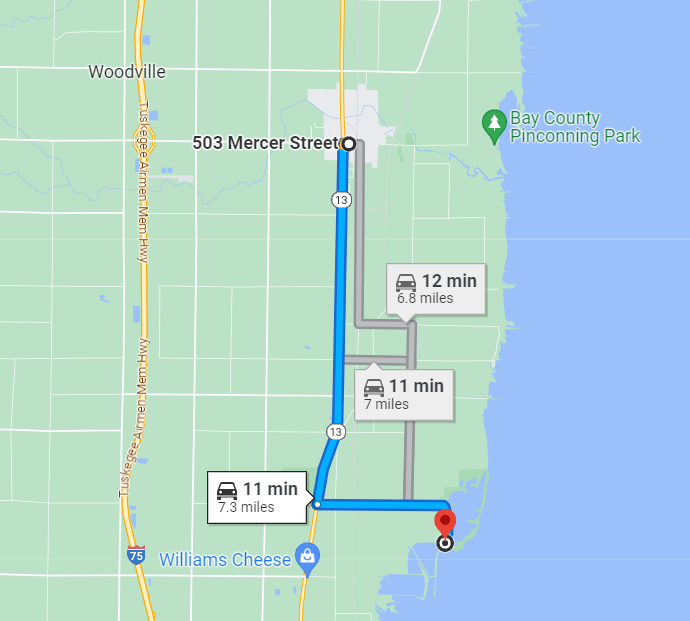
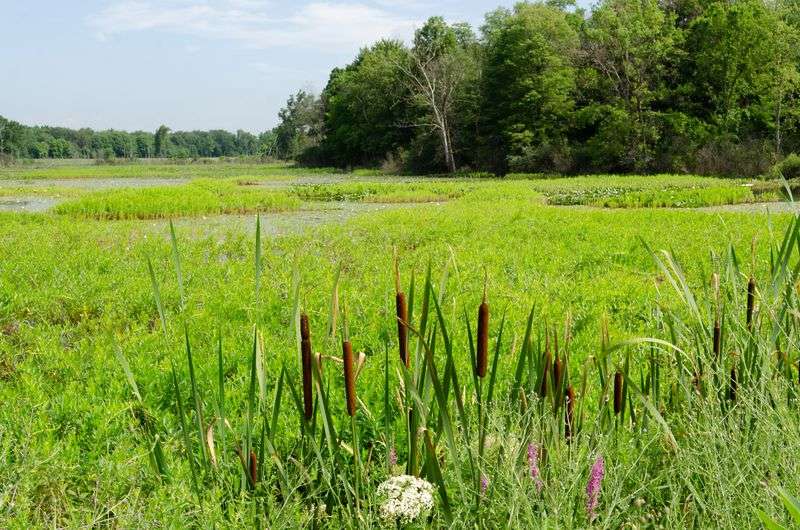
Located three miles north of Linwood, Michigan, Nayanquing Point State Wildlife Area (SWA) is a sprawling 1,400-acre coastal wetland situated on the western shore of Lake Huron's Saginaw Bay. This prime location places it within the largest contiguous freshwater wetland complex in the United States, creating an ideal haven for migratory birds and wetland wildlife.
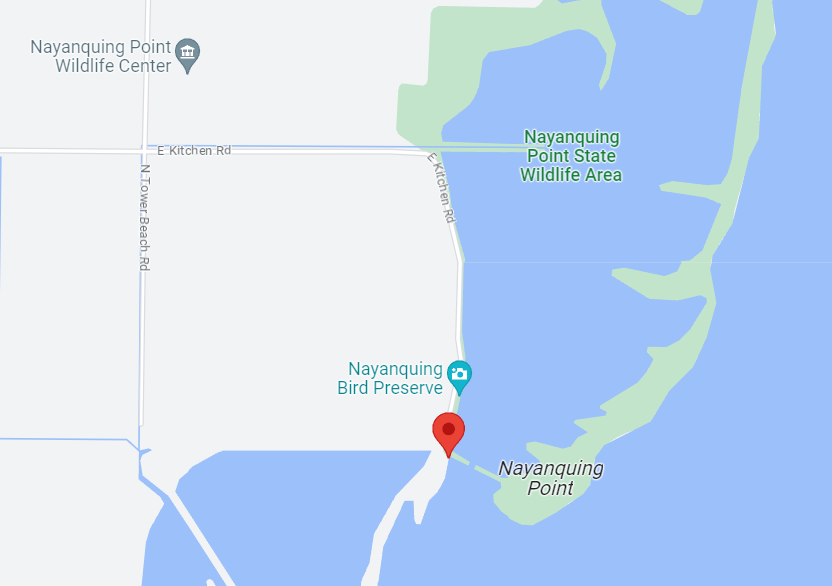
The geography of the area is characterized by a mix of managed diked pools, open marsh, and coastal shoreline, with some agricultural cropland and small wooded areas interspersed. This mosaic of habitats, combined with its position on a major migratory flyway, makes Nayanquing Point a critical stopover for countless species.
The birdwatching opportunities at Nayanquing Point are exceptional, particularly for waterbirds. The area is renowned for attracting huge numbers of migrating waterfowl, including swans, geese, and a wide variety of ducks like Northern Shovelers, Ruddy Ducks, and Canvasbacks. Shorebirds are also a major draw, with the muddy edges of the dikes providing excellent foraging grounds for species that are rare elsewhere in the state.
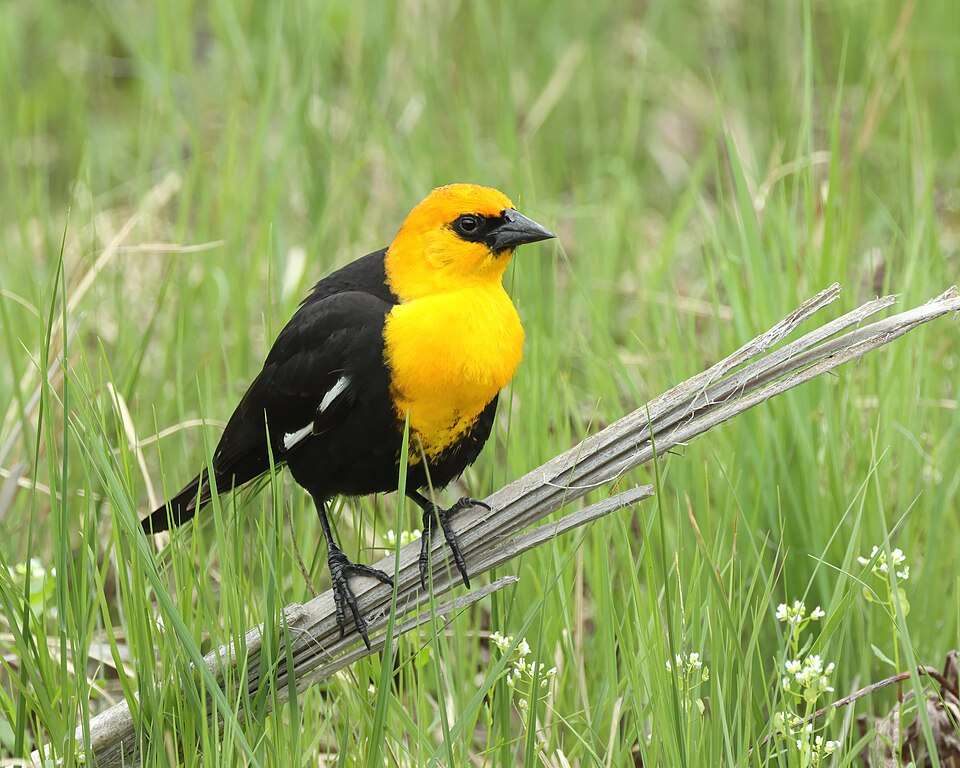
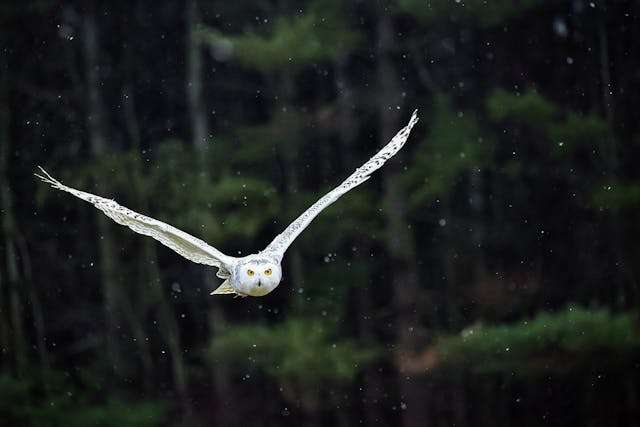
Nayanquing Point is also a key nesting and breeding area for vulnerable marsh birds, including one of Michigan's largest and oldest colonies of Yellow-headed Blackbirds. A 16-foot observation tower, which is handicapped-accessible, offers a fantastic vantage point for panoramic views of the entire area, making it easy to spot everything from herons and terns to raptors like the Rough-legged Hawk and even the occasional Snowy Owl in winter.
Target Birds
American Woodcock
American Golden Plover
Glaucous Gull
Yellow Rail
- Bobolink
The Michigan Govt website advises the Nayanquing State Wildlife Area is a hunting area as well as wildlife watching region.
Wrapping Up
Michigan's diverse landscape, from the expansive Great Lakes shoreline to the dense northern forests and vast wetlands, provides an unparalleled array of birdwatching opportunities for enthusiasts of all levels. The state's position at the crossroads of two major migratory flyways—the Atlantic and Mississippi—ensures a constant flow of avian traffic throughout the year, making every season a new adventure. Whether you're a seasoned birder with a life list to maintain or a casual observer simply seeking a peaceful connection with nature, Michigan's unique habitats won't disappoint.
From the legendary Kirtland's Warbler, a species that nests almost exclusively in Michigan's jack pine forests, to the impressive congregations of waterfowl at Nayanquing Point and the spectacular raptor migration at Whitefish Point, the state offers countless moments of wonder. By exploring Michigan's designated birding trails and protected areas, you not only gain access to some of the country's best birding spots but also contribute to the conservation efforts that keep these vital ecosystems thriving. So grab your binoculars, hit the trails, and discover the magnificent feathered world that awaits in the Great Lakes State.
