
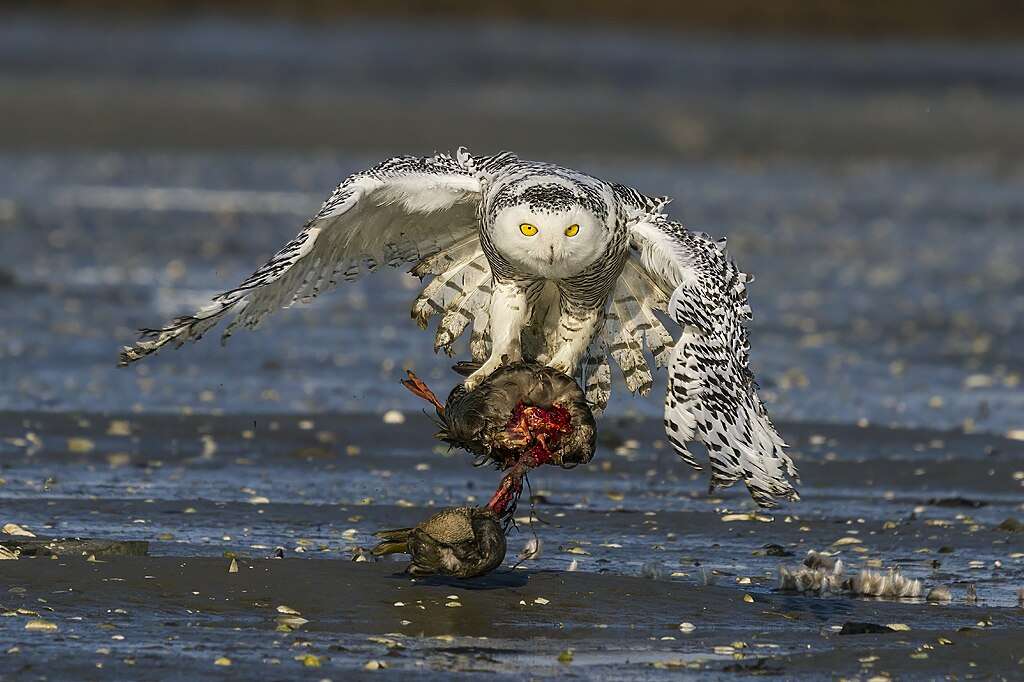
The winter of 2025 has brought a chillingly beautiful phenomenon to the coastal and open landscapes of Massachusetts: a significant return of Snowy Owls (Bubo scandiacus). These magnificent, pure white raptors, often referred to as the "Ghost of the Tundra," have captivated birders and nature enthusiasts as they migrate south from their Arctic breeding grounds in search of reliable food sources.
This event is not an annual certainty but rather an irruption, a periodic and unpredictable mass migration that is one of the most exciting spectacles in North American birding. For Massachusetts, a strong showing of Snowy Owls is always a cause for excitement and a reminder of the wild connections between New England and the high Arctic.
Understanding the Irruption Phenomenon
Unlike typical bird migrations, which are driven by seasonal temperature changes, a Snowy Owl irruption is primarily a food-driven event. The main factor is the abundance (or super-abundance) of their preferred prey: the lemming population in the Arctic.
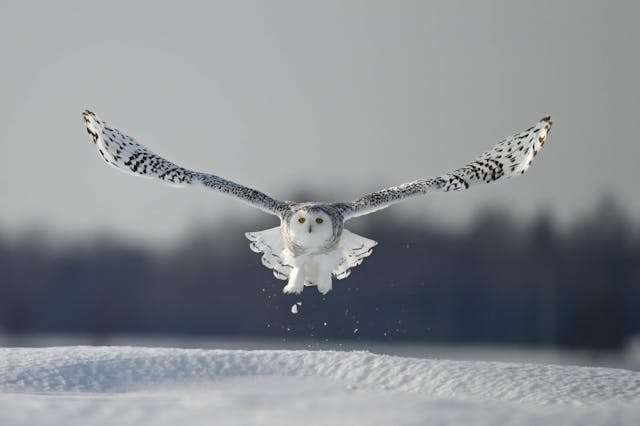
The Arctic Boom: When lemming populations peak in the far north, Snowy Owls experience extremely successful breeding seasons. A single nesting pair might raise six to ten owlets, compared to just two or three in an average year.
The Food Shortage: By the following winter, the massive, resulting population of young owls, combined with a natural crash in the lemming cycle, leads to intense competition for food.
The Southern Push: The young, inexperienced owls, unable to secure enough territory and food, are forced to fly south—often thousands of miles—in search of open hunting grounds.
The current winter's high numbers in Massachusetts, particularly along the eastern coast, indicate a successful breeding season in the Arctic during the summer of 2024.
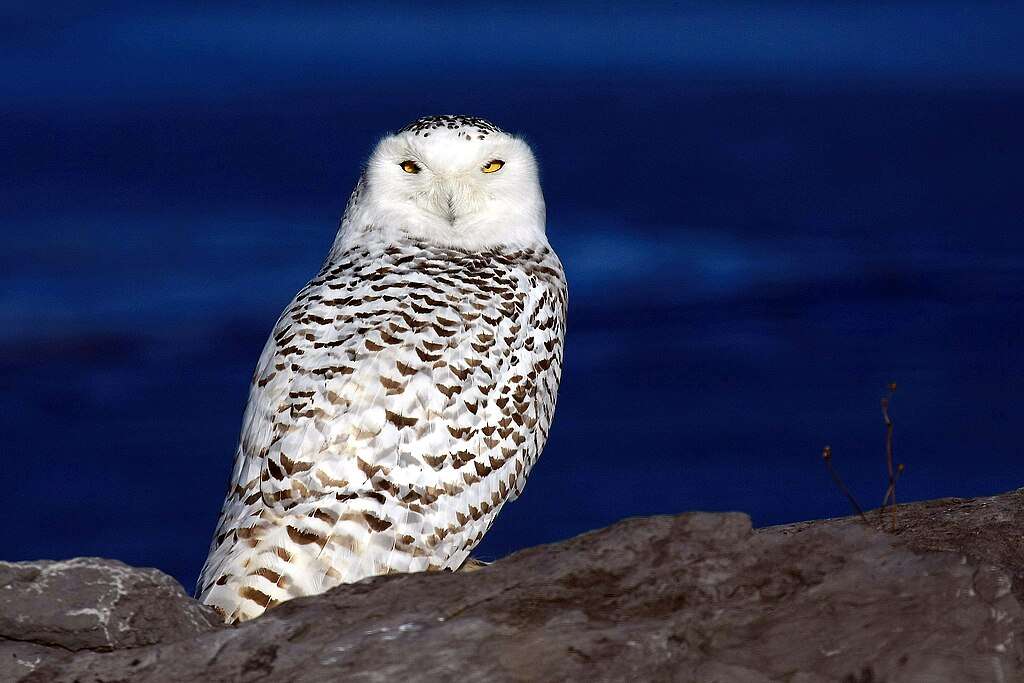
Where to Find the Arctic Visitors in Massachusetts
Snowy Owls seek out habitats that closely mimic their native tundra: wide-open, treeless spaces where they can perch low and scan the ground for prey. Massachusetts offers several excellent locations that fit this profile, primarily along the coast and near large airports.
Coastal Dunes and Beaches: Places like Plum Island (Parker River National Wildlife Refuge), Duxbury Beach, and the outer reaches of Cape Cod are prime hunting grounds. The dunes and flat, sandy expanses resemble the tundra and provide ample hunting opportunities for coastal birds and rodents.
Large Airports and Airfields: Areas around Logan Airport in Boston and other regional airfields often host the largest number of owls. These environments are treeless, grassy, and provide perfect elevated perches and abundant rodent populations. It's common for wildlife managers at Logan to monitor these birds closely to ensure they stay clear of flight paths.
Harbors and Piers: Snowy Owls will often perch on jetties, pilings, and breakwaters, using these structures to hunt for sea ducks and gulls.
Surviving the North Atlantic Winter: Arctic Visitors to Massachusetts
Photographic and Birding Etiquette: Respecting the Owls
The excitement of seeing a Snowy Owl can lead to overcrowding and, unfortunately, disturbance. These owls are already stressed from their long journey and lack of familiar prey. Their ability to survive the winter depends entirely on conserving energy.
The Massachusetts Audubon Society (Mass Audubon) and the US Fish and Wildlife Service issue crucial warnings regarding owl disturbance:
Maintain Distance: The single most important rule is distance. Use a telescope or telephoto lens. If the owl changes its behavior (i.e., opens its eyes wide, hunches its shoulders, or takes flight), you are too close.
Never Feed the Owls: Feeding wild owls can habituate them to humans and is illegal.
Respect Roosting: If an owl is perched and appears to be resting (often dozing with its eyes mostly closed), it is conserving critical energy. Do not approach it for a better photo or a closer look.
Stay on Trails/Roads: Many prime viewing spots are in protected areas (like the Parker River NWR). Stay on established trails and do not trespass onto dunes, which can destabilize fragile habitats.
Identifying the Snowy Owl
While their white plumage is distinctive, a few details help distinguish individuals:
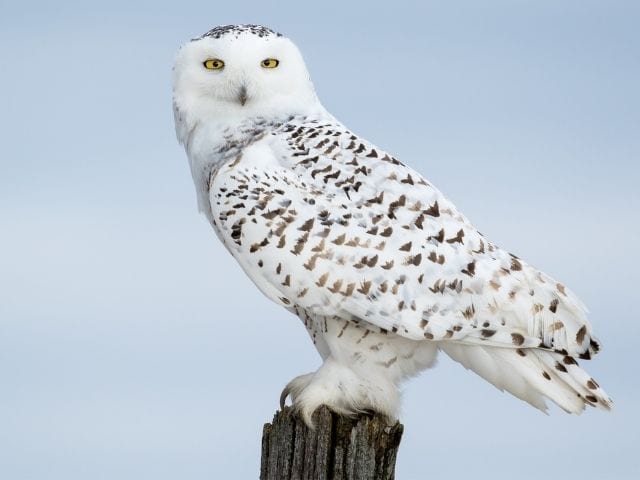
Gender and Age: Adult males are nearly pure white. Females and younger owls have varying degrees of dark barring or "scalloping" on their chest and wings. The darker the barring, the more likely the owl is a young bird or an adult female.

Snowy Owl Size: They are large, stocky owls, standing over two feet tall with a wide, rounded head and piercing yellow eyes.

The winter of 2025 offers Massachusetts a spectacular opportunity to witness one of the Arctic's greatest ambassadors. By respecting their need for space and quiet, birders can ensure these majestic visitors have the best chance of survival before their long flight back to the tundra in the early spring.
