
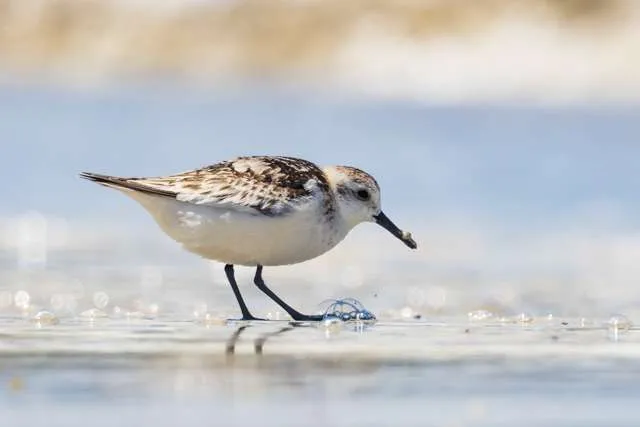
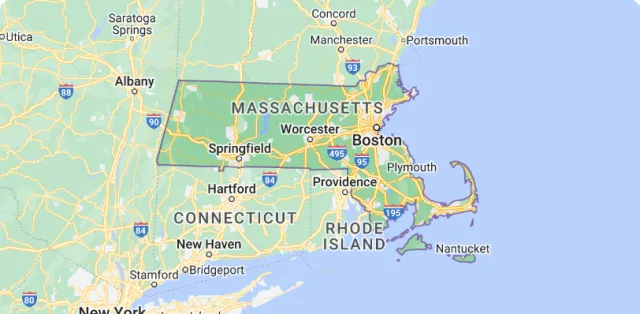
Massachusetts is a state rich in natural diversity, offering birdwatchers an incredible array of habitats—from rugged coastlines to expansive inland forests—making the Bay State a prime destination for observing avian life across all four seasons. This biological richness is highlighted by key birding destinations like the globally renowned Manomet Bird Observatory on the coast of Plymouth, a conservation science center that provides up-close views of migrating species, and the vast, protected Quabbin Reservoir Watershed in central Massachusetts, an Important Bird Area famous for its immense, unfragmented habitat and the successful reintroduction and thriving population of Bald Eagles.
Whether drawn by the scientific study on the coast or the chance to witness majestic raptors in a protected forest wilderness, Massachusetts provides world-class birding opportunities that continually draw enthusiasts to its most cherished natural sanctuaries.
Parker River National Wildlife Refuge
The Parker River National Wildlife Refuge (NWR) is a vital coastal sanctuary located on Plum Island in northeastern Essex County, Massachusetts, roughly 30 miles north of Boston and 5 miles southeast of Newburyport. Established in 1942 along the Atlantic Flyway, its geography encompasses approximately 4,662 acres dominated by a unique and diverse mix of coastal habitats.
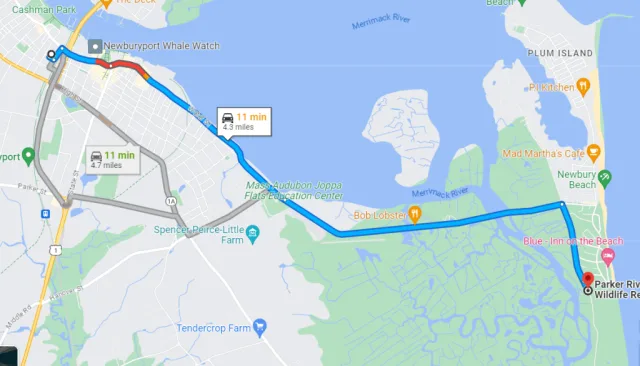
The refuge occupies the southern three-quarters of Plum Island, an 8-mile barrier island, featuring seven miles of sandy beach and dunes facing the ocean. Inland, the refuge includes vast stretches of salt marsh—part of the Great Marsh—along with associated creeks, mudflats, and man-made freshwater marshes and salt pannes (shallow, saline pools) created for habitat enhancement. This rich mix of upland and wetland environments provides critical feeding, resting, and nesting grounds for hundreds of species of wildlife.
This extraordinary diversity of habitat makes Parker River NWR a premier birdwatching destination on the East Coast, with over 300 bird species recorded in recent years. As a critical stopover point on the Atlantic Flyway, the refuge experiences major migrations of waterfowl (ducks, geese, and sea ducks), shorebirds, and songbirds in the spring and fall.
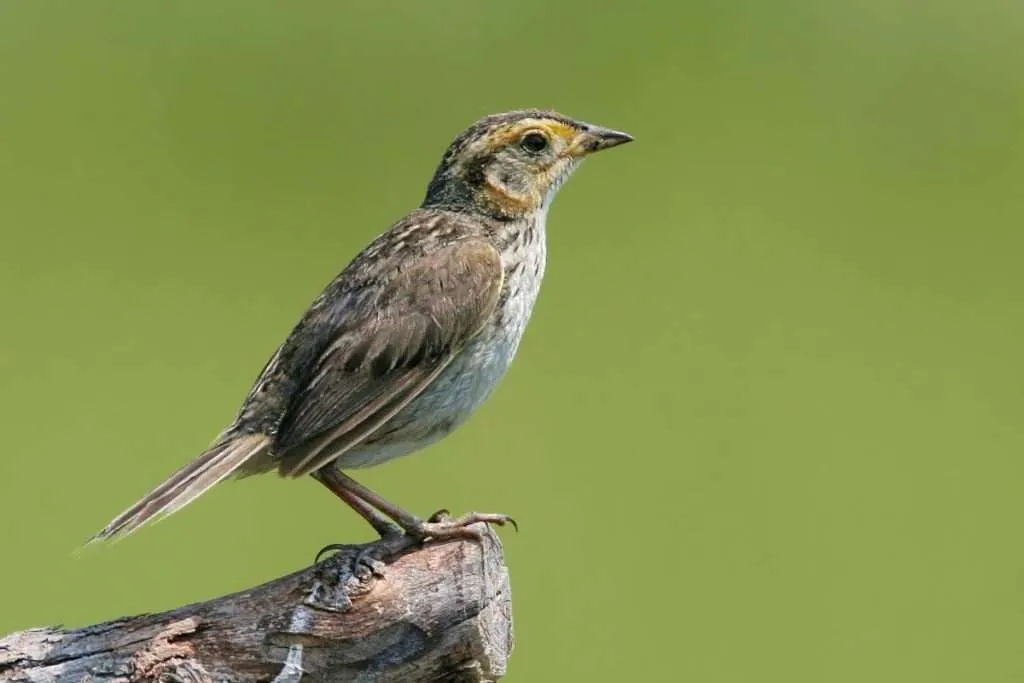
Visitors can observe nesting federally threatened Piping Plovers on the beaches in summer (with beach closures in place to protect them), watch fall hawk migration at Lot 1, or scan the salt marshes for breeding birds like the Saltmarsh Sparrow and various wading birds. In the winter, the refuge attracts specialized species such as Snowy Owls, Rough-legged Hawks, and a variety of wintering loons and grebes along the coast. Accessible trails, boardwalks (like the popular Hellcat Boardwalk), and observation towers offer excellent vantage points throughout the year for viewing these seasonal spectacles.
Target Birds
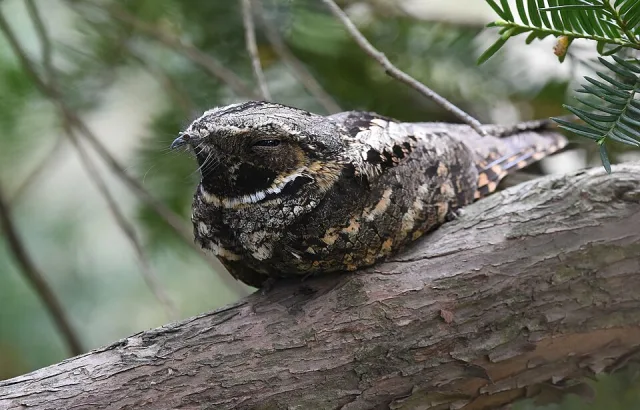
Eastern Whip-poor-will
Green-winged Teal
Snowy Egret
Lincoln's and Swamp Sparrow
Northern Parula
Magnolia, Black-throated Blue, Wilson's Warblers
Piping Plover
The U.S. Fish and Wildlife Service has up to date information about opening restrictions and public programs.
Manomet Bird Observatory
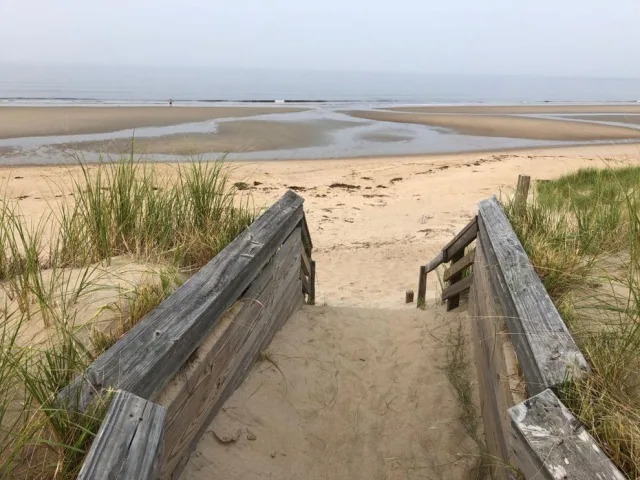
The Manomet Bird Observatory is strategically located on a coastal bluff in Plymouth, Massachusetts, overlooking the expansive Cape Cod Bay. Its approximately 40-acre property features a rich geographical tapestry crucial for migrating birds, including coastal forest, meadow, and managed wetlands that were once cranberry bogs.
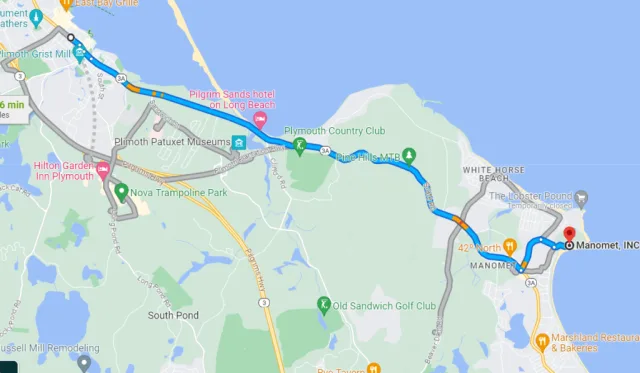
This unique coastal positioning places it directly along the Atlantic Flyway, making it a vital stopover site for a vast array of species. The geography of the site, with its mix of habitats and direct access to the ocean, concentrates avian activity, offering excellent opportunities for observing both landbirds and seabirds as they navigate their long migratory routes.
Birdwatching at Manomet is a scientifically rich experience, centered around the long-running Trevor Lloyd-Evans Banding Lab, one of the longest-tenured banding stations in the country. Visitors have the unique chance to observe researchers up-close as they capture, band, and release migrating songbirds, raptors, and shorebirds, providing a tangible connection to ornithological science and conservation efforts.
Beyond the banding lab, the Kathleen (Betty) Anderson Nature Trail winds through the property's diverse habitats, offering self-guided birding, while the Bluff viewing area provides spectacular vistas over Cape Cod Bay, perfect for spotting sea ducks, loons, gannets, and other marine species, especially during the spring and fall migration periods.
Target Birds
Common Eider
Fish Crow
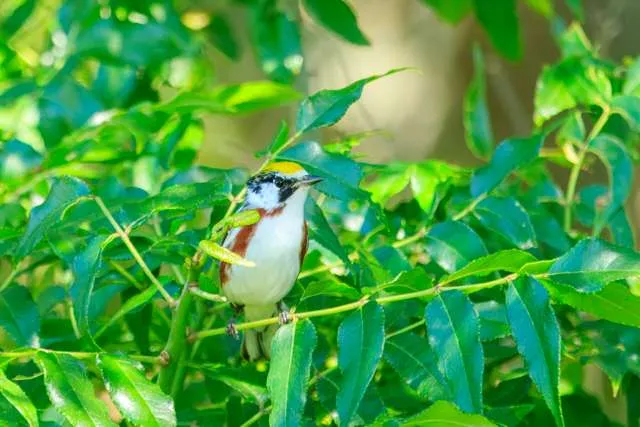
Chestnut-sided Warbler
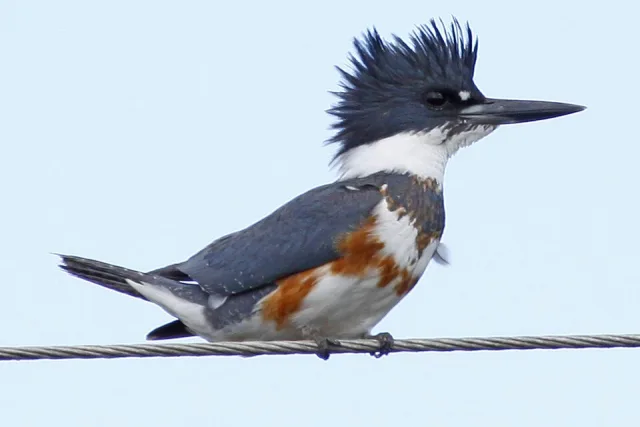
Belted Kingfisher
Least Flycatcher
Blue-headed Vireo
- Northern Waterthrush
The Manomet Bird Observatory has a lot of information about the birds that can be seen here.

Quabbin Reservoir
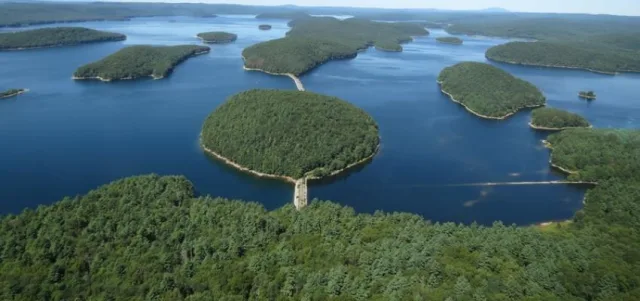
The Quabbin Reservoir is a massive, man-made body of water located in central Massachusetts, serving as the primary water supply for Greater Boston and 40 surrounding cities and towns. Geographically, it covers 39 square miles with 181 miles of shoreline, and its watershed encompasses over 120,000 acres of protected land, spanning several towns including Belchertown, Ware, and New Salem.
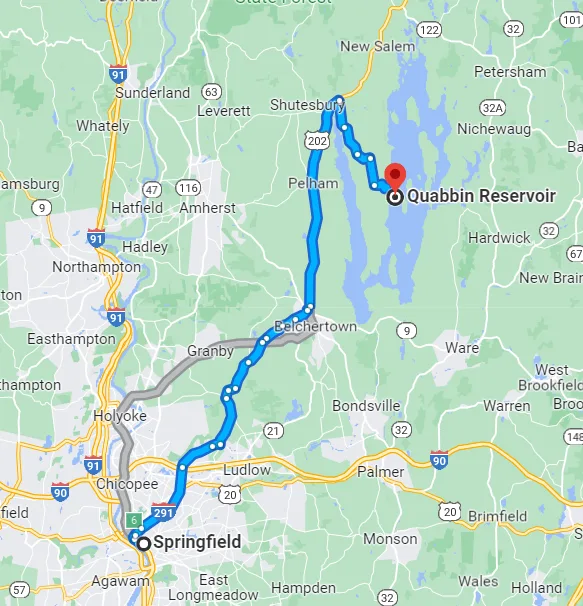
The reservoir was created in the 1930s by flooding the Swift River Valley, a process that submerged four entire towns, leaving behind a deep, pristine freshwater lake surrounded by rugged, unfragmented, second-growth forest on steep, hilly terrain. This immense protected area acts as a crucial inland wilderness sanctuary, distinguishing it from the state's more densely populated eastern regions.
This expansive and isolated geography makes the Quabbin an Important Bird Area (IBA) and a premier birdwatching destination, particularly for species dependent on large, unfragmented habitats and large bodies of water. The reservoir is famous for the successful re-establishment of the Bald Eagle , with several pairs breeding since 1989 and large concentrations of overwintering birds often seen near the Enfield Lookout.
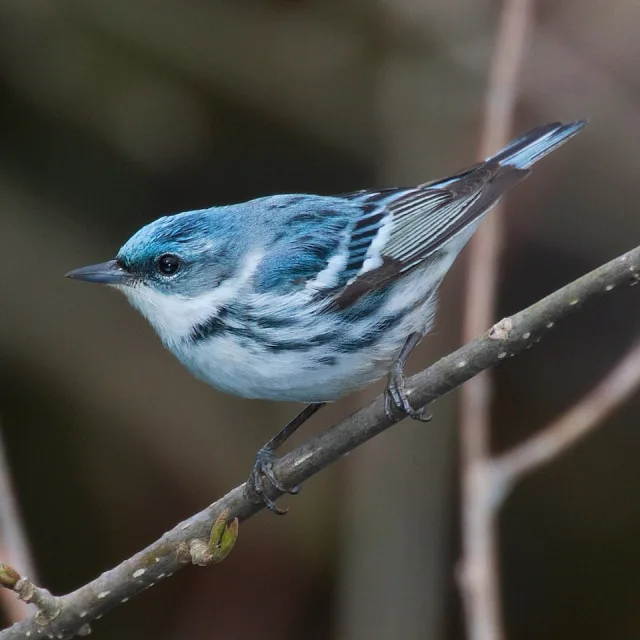
It's also the southernmost breeding location for the Common Loon and a consistent breeding ground for the Cerulean Warbler, an interior forest species. Birders can spend days exploring the more than 100 miles of paved and unpaved roads and trails, spotting diverse breeding passerines like the Scarlet Tanager and Pileated Woodpecker in the surrounding woods, and various waterfowl, including loons and grebes, on the reservoir's open water, making it a year-round haven for ornithological observation.
Target Birds
Great Northern Diver
Spotted and Solitary Sandpiper
Rose-breasted Grosbeak
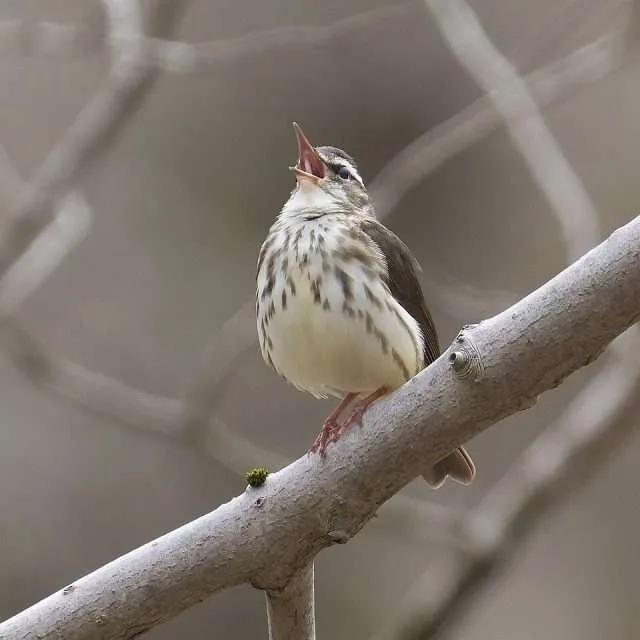
Louisiana Waterthrush
Blue-winged Warbler
Veery
Brown Creeper
The Massachusetts State Government manages the reservoir and offers an interactive map to help you plan your exploration of the areas.
here.
Race Point
Race Point is a geographically significant point located at the very northern tip of Cape Cod in Provincetown, Massachusetts, and is managed as part of the Cape Cod National Seashore. This location is essentially a sandy spit that juts out several miles into the Atlantic Ocean, marking the inflection point between Cape Cod Bay and the open ocean.
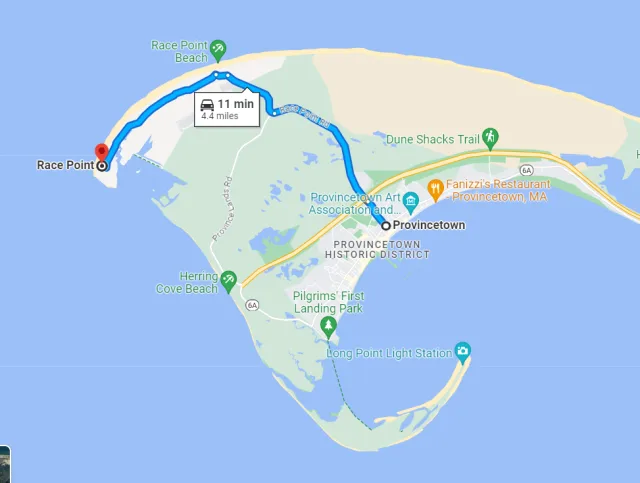
Its primary habitat consists of extensive coastal beach, large sand dunes, and areas of maritime heathland and pitch pine/scrub oak forest a short distance inland. The nearshore waters are notably deep, with strong upwellings that bring nutrient-rich waters close to the beach, which is key to attracting marine life. This remote, exposed peninsula features the historic Race Point Lighthouse and offers a quintessential, wild Outer Cape experience, with the ocean surrounding it on three sides.
The unique geography of Race Point makes it one of Massachusetts' premier locations for birdwatching, particularly for pelagic species that are normally only visible far offshore. Birders with spotting scopes frequently scan the open ocean year-round to observe seabirds like shearwaters (including Cory's, Great, Sooty, and Manx) and storm-petrels in the summer and fall, and various species of alcids (such as Dovekie, Razorbill, and murres) and loons during the winter months.
It's an excellent location to witness the Atlantic Flyway migration, where many species of ducks, gannets, and gulls pass close to shore. Additionally, the beach and adjacent dunes serve as critical breeding and staging habitat for shorebirds, including federally protected species like the Piping Plover and several species of terns, while the heathlands can host terrestrial migrants like warblers during the peak spring and fall movements.
Target Birds
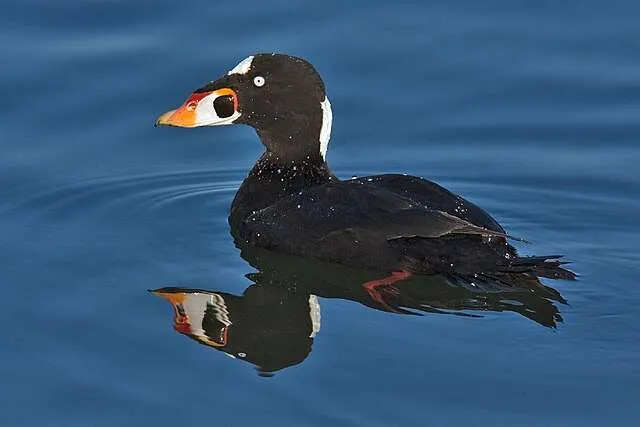
Surf, Black, White-winged Scoter
Piping Plover
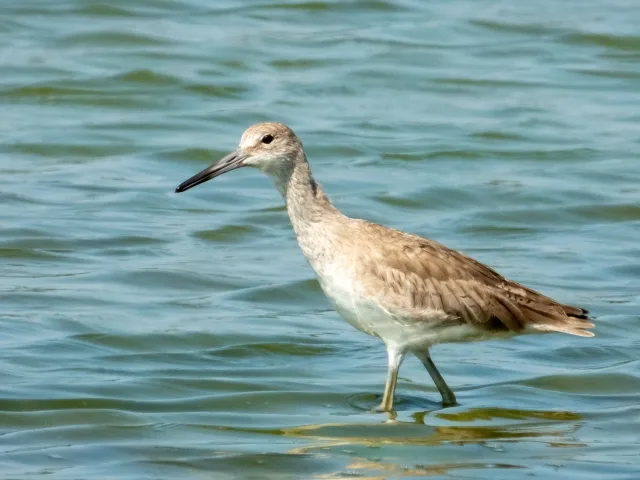
Willet
Least and Common Tern
Red-throated and Great Northern Diver
Common Guillemot
Razorbill
The National Park Service has a great website with lots of information about the birds around Cape Cod.

Salisbury Beach State Reservation
Salisbury Beach State Reservation is strategically located at the northern edge of the Massachusetts coastline, running for $3.8$ miles along the Atlantic Ocean up to the New Hampshire border. Its geography is defined by a dynamic barrier beach system, bordered to the south and west by the mouth of the Merrimack River and its associated vast salt marshes.
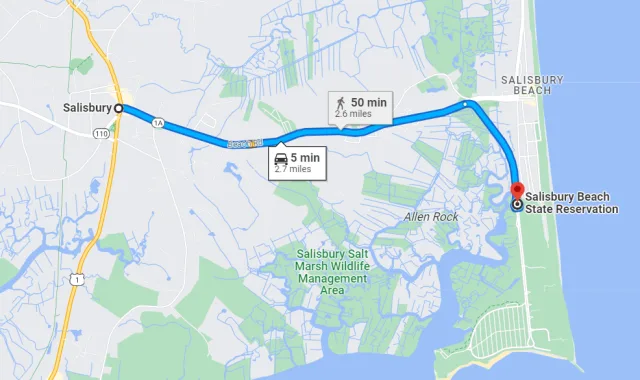
This critical confluence of ocean, river estuary, extensive sand dunes, and tidal flats creates a highly productive ecological zone and a celebrated wildlife viewing site. The reservation’s open, coastal geography means that birding can often be done easily from the car or by walking the beach and jetty, allowing access to diverse habitats concentrated in a relatively small area.
This unique combination of habitats offers exceptional bird watching opportunities throughout the year, particularly during migration and the winter months. The ocean and river mouth are critical feeding and resting areas for a wide variety of waterfowl, with large flocks of Common Eiders and all three scoter species (Black, Surf, and White-winged) often seen bobbing offshore.

In late fall and winter, observers regularly spot loons and grebes in the open water, while the jetties become favored high-tide roosts for various gulls and shorebirds, including Purple Sandpipers. The adjacent salt marsh habitat is essential for herons and shorebirds during migration and attracts raptors in the colder months, most notably the elusive Short-eared Owl and Rough-legged Hawk. Finally, the pitch pines and scrub areas behind the dunes can be excellent migrant traps and, in "flight years," lure wintering finches like crossbills and ground feeders such as Snow Buntings.

Target Birds
Long-tailed Duck
Purple Sandpiper
Northern Gannet
Northern Harrier
Black-legged Kittiwake
Common Goldeneye
The Massachusetts Government manages the beach and its website offers a self-guided interpretive trail. More details here.
Duxbury Beach
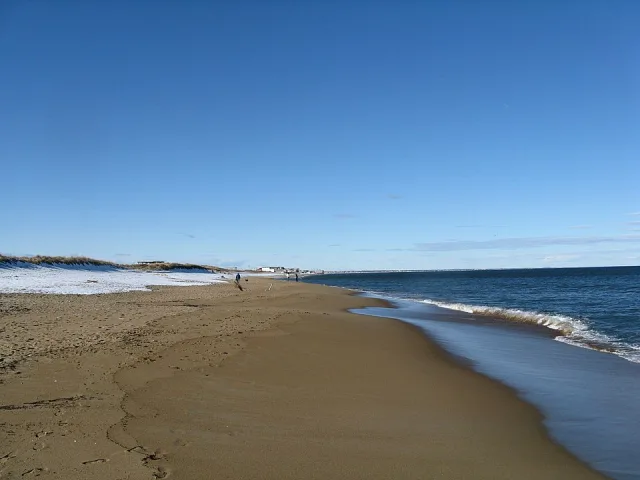
Duxbury Beach is an extensive 7.5-mile long barrier beach on the South Shore of Massachusetts, stretching from Marshfield in the north down to Gurnet Point and Saquish in the town of Plymouth. Geographically, it forms a crucial natural defense, shielding the mainland communities of Duxbury, Kingston, and Plymouth from the Atlantic Ocean.
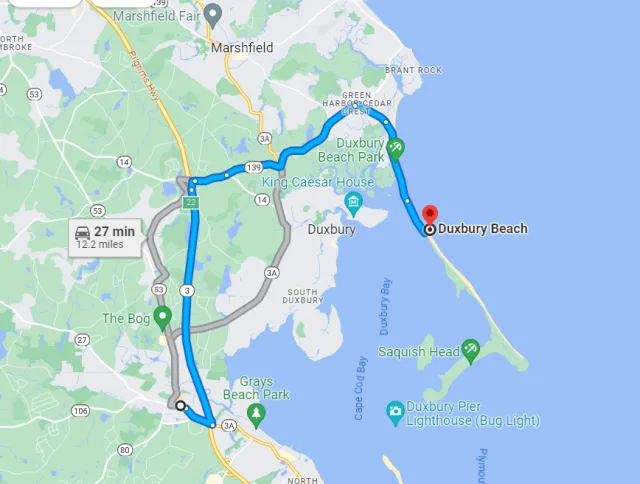
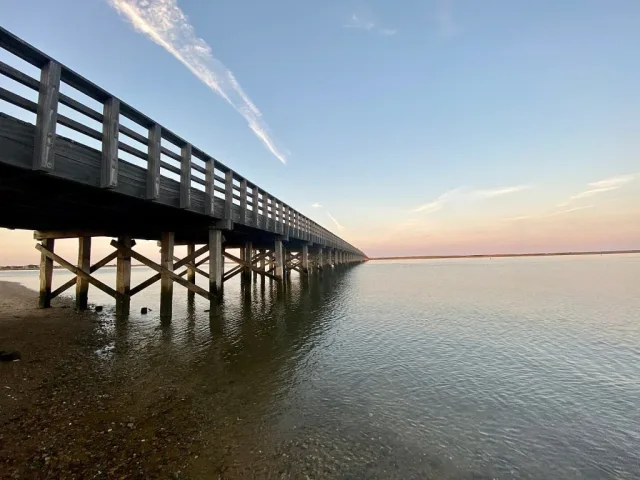
Its topography is typical of a dynamic coastal environment, featuring a sandy ocean side and a quieter, more sheltered bayside facing Duxbury Bay, which is lined by extensive salt marshes near the Powder Point Bridge. This long, narrow strip of sand and dunes, anchored by glacial formations at either end, provides a variety of coastal habitats critical for wildlife, despite being a popular spot for recreational activities like swimming and oversand vehicle use.
The varied coastal geography makes Duxbury Beach a superb location for bird watching, especially for observing shorebirds and migrant species. The beach's protected dune and cobble areas are vital nesting grounds for state and federally protected birds, most notably the Piping Plover and Least Tern, whose nesting areas are strictly monitored and fenced off during the breeding season (spring and summer).
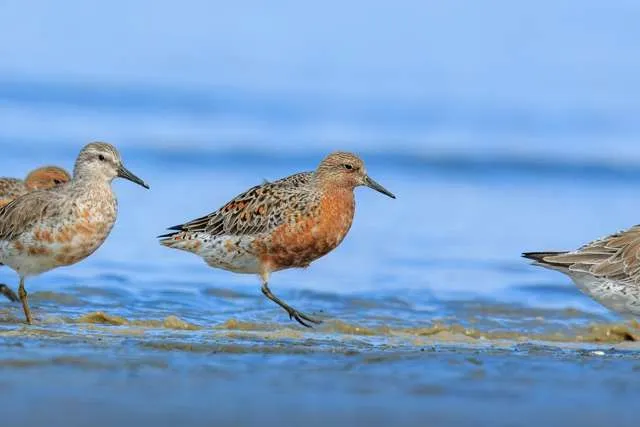
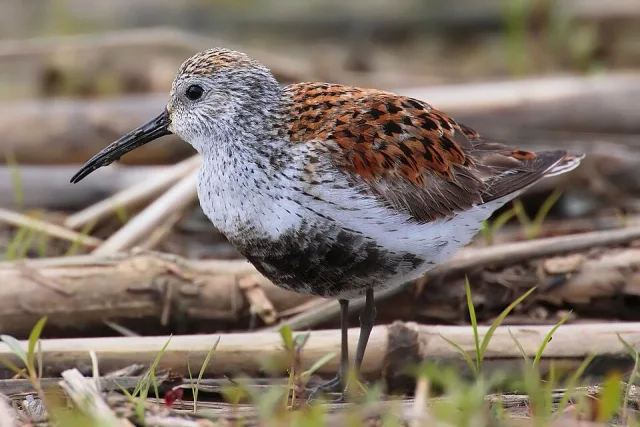
During migration periods, especially late summer and fall, the mudflats and wrack beds on the bay side of the beach become feeding and roosting sites for thousands of shorebirds, including Semipalmated Sandpipers, Sanderlings, and Red Knots. The area is also an excellent place to spot larger wading birds like Great Blue Herons and egrets feeding in the salt marshes, while falcons like the Merlin and Peregrine Falcon are often seen hunting the smaller birds along the barrier spit.
Target Birds
Gray Plover
Brent Goose
Piping and Semipalmated Plover
Sanderling
Dunlin
Shore Lark
The town website offers lots of information about where to park and the facilities available.
Halibut Point State Park
Halibut Point State Park is located at the northern tip of Cape Ann in Rockport, Massachusetts, a scenic point that juts into the Atlantic Ocean. Geographically, it is a dramatic coastal headland characterized by 440-million-year-old slabs of granite that descend to a craggy, wave-battered shoreline.
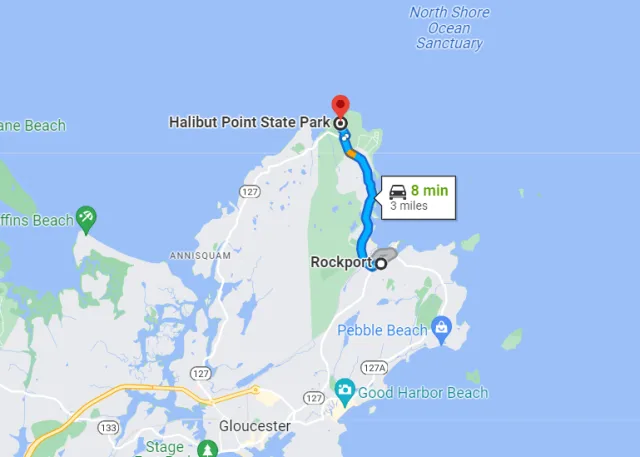
This rocky edge is the site of the former Babson Farm Quarry, which operated until 1929, leaving behind a large, water-filled pit that now forms a unique inland pond habitat. The surrounding landscape consists of low coastal shelf, rocky ledges, tide pools teeming with marine life, and successional coastal shrub-scrub thickets, providing a mosaic of habitats in a compact, accessible area. On clear days, the sweeping views extend north to the Isles of Shoals off New Hampshire and Mount Agamenticus in Maine.
This location is a premier birdwatching destination and is designated as part of a Massachusetts Important Bird Area (IBA) due to its strategic position along the Atlantic flyway. Halibut Point acts as a natural migrant trap for songbirds, raptors, and other species passing along the coast, especially during spring and fall. However, its greatest fame among birders comes from its exceptional seawatching opportunities, particularly from late fall through early spring.

The jutting headland offers a perfect vantage point for observing migratory and wintering seabirds, including large concentrations of Common Loons, various grebes, cormorants, and multiple species of sea ducks like Common Eider and the highly sought-after Harlequin Duck. The shrub-scrub habitat is home to species like Gray Catbirds, Brown Thrashers, and Eastern Towhees, completing a diverse birding experience year-round.
Target Birds
Red-breasted Merganser
Green Heron
Tree and Barn Swallow
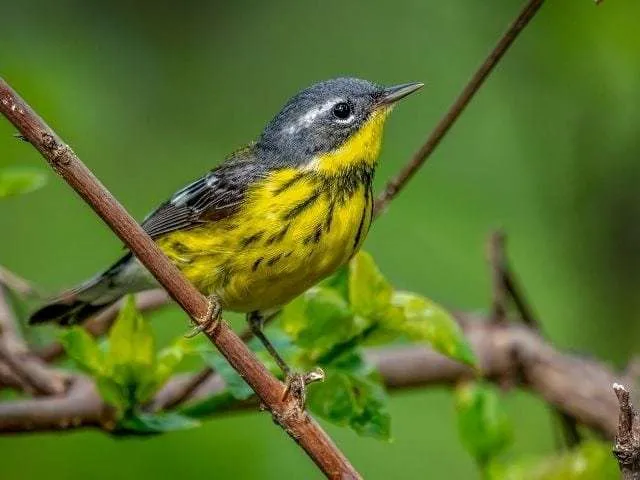
Black-throated Blue and Magnolia Warblers
Ring-billed Gull
Purple Sandpiper
The Massachusetts Government website offers a good trail map for self-guided visiting.

Daniel Webster Wildlife Sanctuary
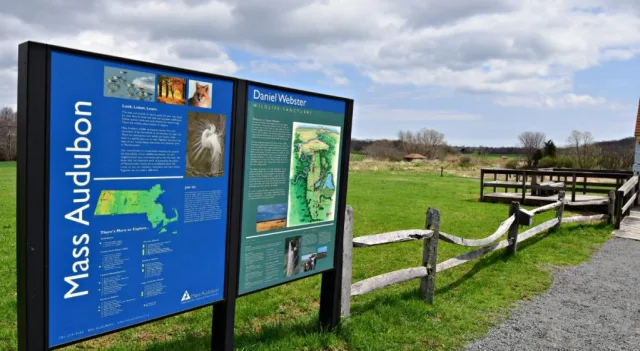
The Daniel Webster Wildlife Sanctuary, owned and managed by Mass Audubon, is a sprawling 578-acre property located in the coastal town of Marshfield, Massachusetts. Geographically, it is a fascinating area, as the majority of the sanctuary is a polder—land reclaimed from the Green Harbor River's estuary after a dike was installed in 1872.
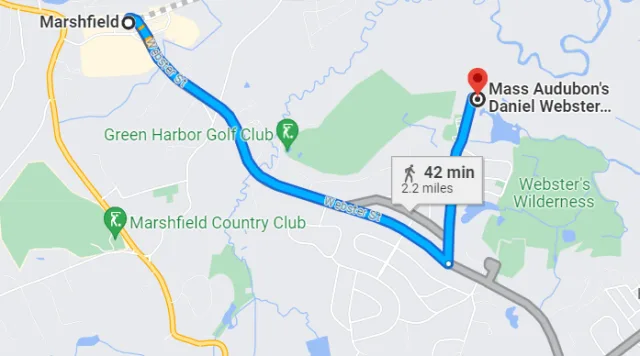
This historical modification transformed the former salt marsh into a predominantly freshwater system composed of diverse habitats, including expansive cultural grasslands, red maple swamps, and the man-made Webster Pond. The sanctuary's network of over three miles of trails and boardwalks allows visitors to easily traverse the varied landscape, from the open fields to the riverbanks of the Green Harbor River and up to the Fox Hill overlook, which provides panoramic views of the entire marsh and grassland valley.
This unique mix of coastal proximity and inland freshwater habitats makes the sanctuary a top-tier destination for birdwatching year-round. Daniel Webster is particularly renowned for its cultural grasslands, a increasingly rare habitat in Massachusetts that provides critical nesting grounds for species like the Bobolink and Grasshopper Sparrow in the spring and summer.

The area is also famous for attracting an array of raptors, including Northern Harriers which are regularly seen hunting low over the fields, especially during the winter months. Birders can utilize several observation blinds and a five-tiered wet panne, a man-made wetland designed to attract wading and shorebirds such as various ducks, Glossy Ibises, and herons, offering fantastic viewing opportunities for a remarkable diversity of avian life.

Target Birds
Solitary Sandpiper
Savannah, Swamp and Song Sparrow
Bobolink
Chimney Swift
American Redstart
Wilson's, Blackpoll and Blackburnian Warbler
The Massachusetts Audubon website has information about the area.
Sandy Point State Reservation
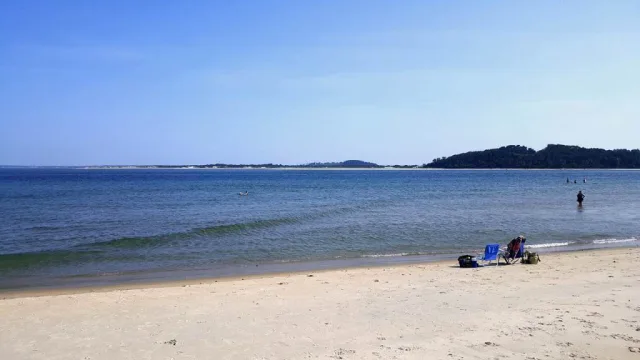
Sandy Point State Reservation is a scenic coastal park located at the southern tip of Plum Island in Ipswich, Massachusetts. Geographically, it is a classic Atlantic Ocean barrier island feature, an extensive spit of sand and dunes encompassing about 77 acres. The reservation is unique because it is entirely surrounded by the Parker River National Wildlife Refuge and the Great Marsh, meaning visitors must access it by driving through the refuge.
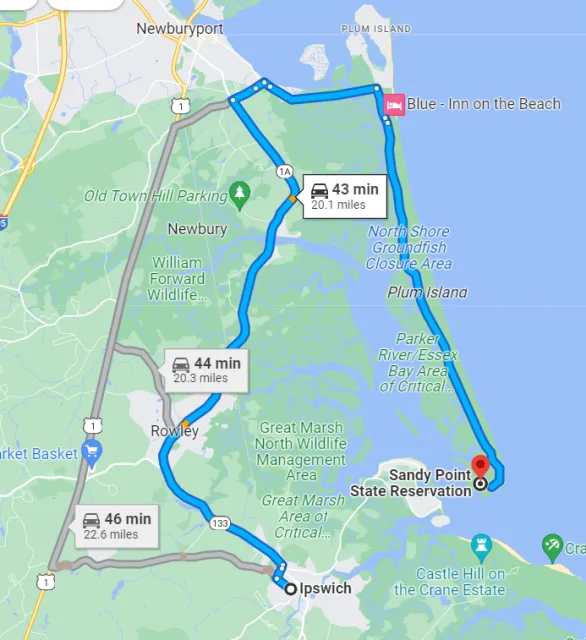
This location provides a rich mosaic of habitats, including oceanfront beaches, tidal flats, and scrubby dunes, which combine to create a dynamic coastal landscape constantly shaped by swift tidal currents and shifting sands in the adjacent Ipswich Bay and Plum Island Sound.
This exceptional coastal location makes Sandy Point a premier birdwatching destination, especially for shorebirds and seabirds. The reservation is a critically important nesting ground for threatened species like the Piping Plover and the Least Tern, with protected areas often roped off during the breeding season (late spring to mid-summer).
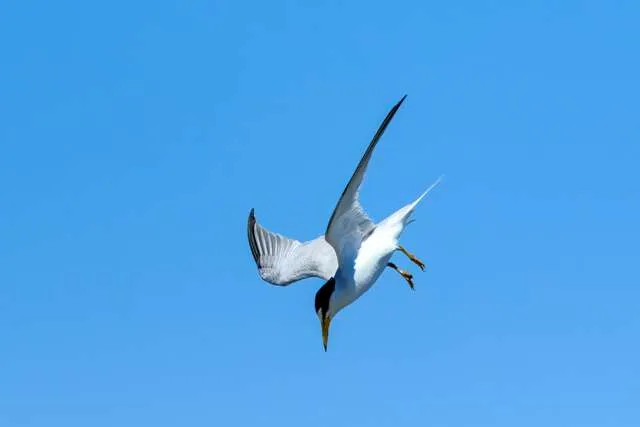
Birders can expect to see a wide variety of species throughout the year, including migrating raptors and passerines during spring and fall migration, breeding species like Saltmarsh Sparrows and Clapper Rails in the adjacent marsh, and wintering seabirds such as scoters, loons, and grebes offshore. Its position at the end of the refuge and proximity to various aquatic and terrestrial habitats ensures diverse and rewarding birding opportunities.
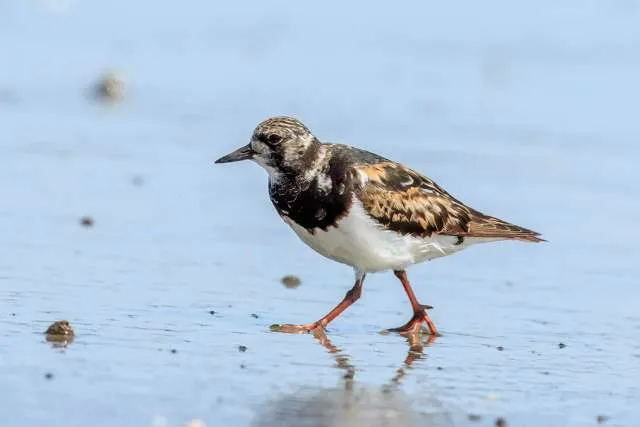
Target Birds
White-winged Scoter
Long-tailed Duck
Piping Plover
Ruddy Turnstone
Roseate, Least and Common Tern
House and Marsh Wren
Nashville, Wilson's, Magnolia Warbler
The Massachusetts Government website has visitor information for use before heading out.
Allens Pond
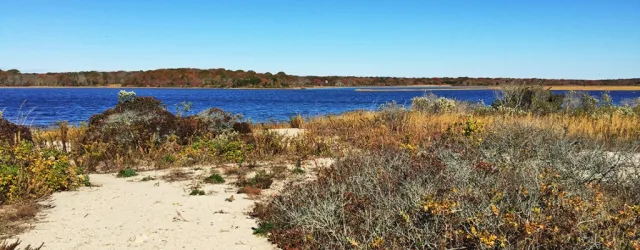
Allens Pond Wildlife Sanctuary is a pristine coastal jewel managed by Mass Audubon, located in southeastern Massachusetts, primarily in the town of Westport on the shores of Buzzards Bay. The sanctuary encompasses over 600 acres of diverse coastal geography, including barrier beach, salt marsh, freshwater pond systems, uplands, and maritime forests.
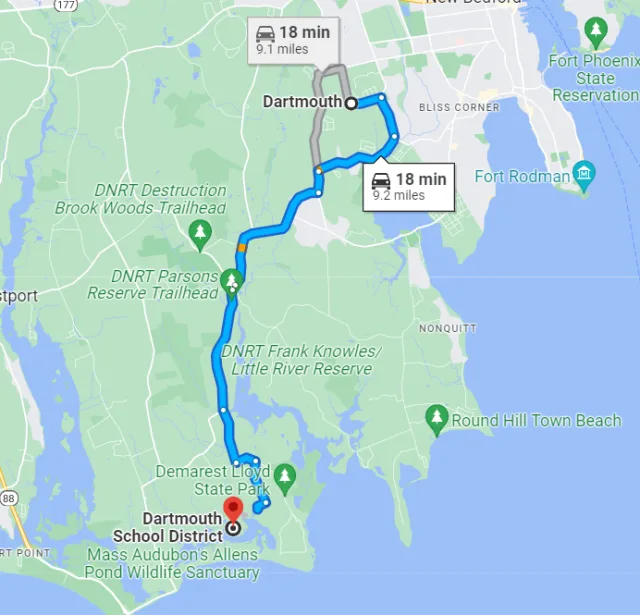
This convergence of habitats is centered around Allens Pond, a large salt pond that drains into Buzzards Bay, providing critical estuarine conditions and a sheltered area from the open ocean. This geography places the sanctuary along the Atlantic Flyway, making it a key stopover and breeding location for migratory birds.
The diverse coastal geography of Allens Pond creates outstanding bird watching opportunities, with over 300 species recorded in the sanctuary. The salt marsh and beach habitats are crucial for nesting Piping Plovers and various terns, while the extensive marshland is one of the few places in Massachusetts where all four saltmarsh-dependent bird species—including the vulnerable Saltmarsh Sparrow—can be found breeding.

The sanctuary is also a major focus of the South Coast Osprey Project, where nesting platforms are monitored, offering birders a reliable chance to view these majestic raptors during the summer. Furthermore, the combination of coastal and inland trails provides views of wading birds like herons and egrets, waterfowl, shorebirds, and various sparrow species, solidifying its status as an Important Bird Area (IBA).
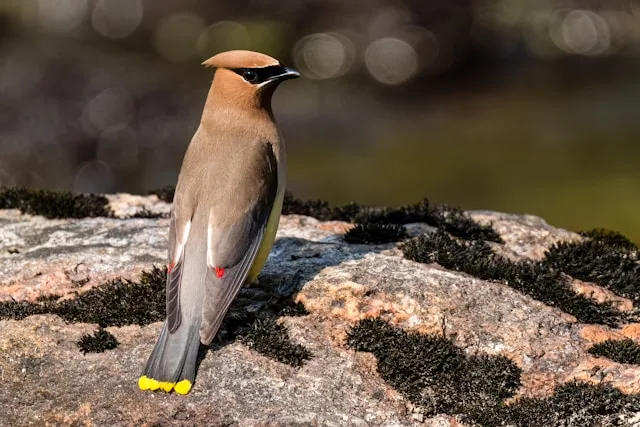
Target Birds
Barred Owl
Greater Yellowlegs
Northern Harrier
Eastern Meadowlark
Gray and Semipalmated Plover
White-rumped and Semipalmated Sandpiper
- Cedar Waxwing
The Massachusetts Audubon website describes the sanctuary and has visiting details.
Wrapping Up
From the scientific study conducted at the Manomet Bird Observatory and the inland majesty of the Quabbin Reservoir, to the essential coastal breeding grounds of Allens Pond, Massachusetts offers a complete spectrum of birdwatching experiences defined by the state’s unique geography.
The journey culminates at the northern and outer coastal limits, where the expansive, federally protected salt marsh of Sandy Point State Reservation on Plum Island acts as a massive stopover for migrant shorebirds, loons, and winter raptors, while the rugged, far-flung tip of Race Point on Cape Cod, jutting into the Atlantic, provides one of the best North American vantage points for viewing rare pelagic species and massive numbers of wintering sea ducks and alcids. Together, these unique and protected sites confirm Massachusetts as a premier destination that provides world-class birding opportunities for every season, habitat, and observer.
