

Maryland, with its diverse landscapes stretching from the Atlantic coast to the Appalachian Mountains, is a birder's paradise. Situated in the heart of the Atlantic Flyway, the state serves as a crucial migratory corridor, offering spectacular opportunities to observe a vast array of species throughout the year.
From the iconic Bald Eagle and vibrant Baltimore Oriole to an impressive variety of waterfowl and shorebirds, Maryland's rich ecosystems provide a haven for over 450 documented bird species.
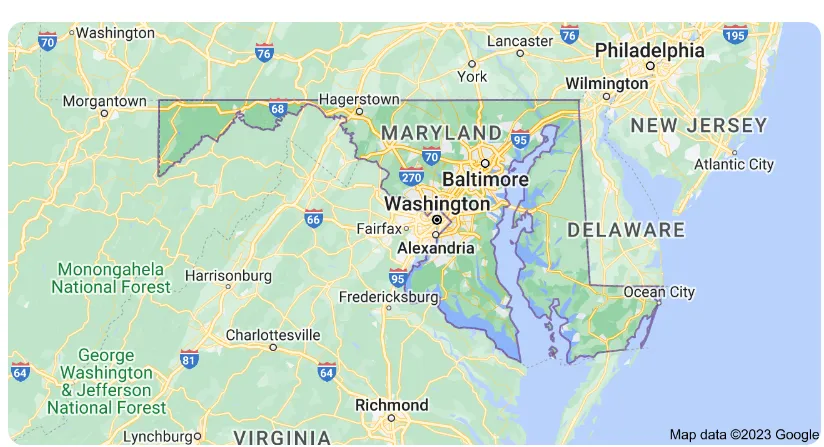
This article will explore the state's most celebrated birdwatching destinations and highlight the unique avian inhabitants that make Maryland a top-tier destination for birders of all skill levels.
Blackwater NWR
Located on Maryland's Eastern Shore, the Blackwater National Wildlife Refuge (NWR) is a sprawling sanctuary encompassing over 28,000 acres of diverse habitats in Dorchester County. Established in 1933 as a waterfowl sanctuary, the refuge is fed by the Blackwater and Little Blackwater Rivers, whose tannin-stained waters give the area its name.
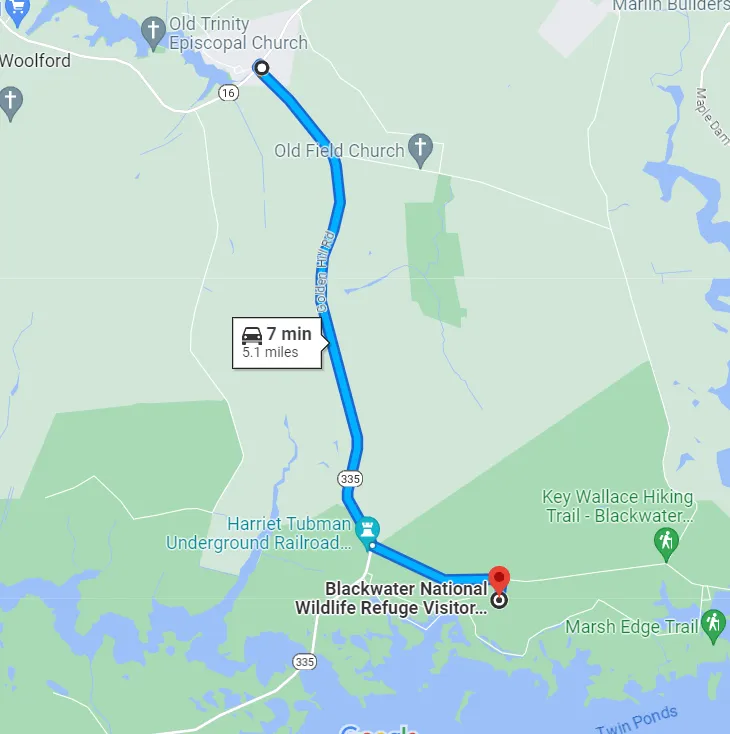
The geography is a rich mosaic of brackish tidal wetlands, freshwater impoundments, open fields, and mixed evergreen and deciduous forests, making it an ecological powerhouse within the Chesapeake Bay region. Blackwater NWR is a vital stop along the Atlantic Flyway, a major migratory route, which is why it's a prime location for birding. The refuge boasts a staggering variety of over 250 bird species, with opportunities to see everything from large raptors to tiny songbirds.
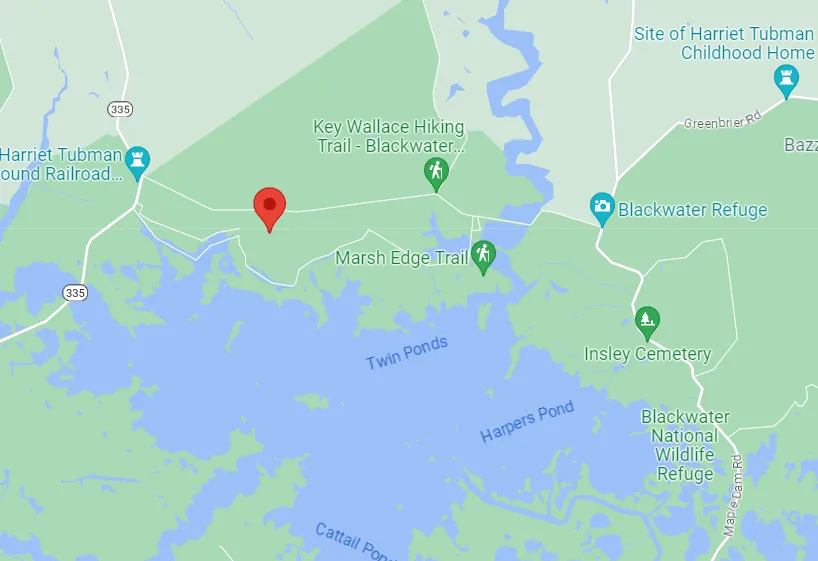
Birdwatching opportunities at Blackwater NWR are exceptional and varied, attracting birders from all over. The refuge is renowned for its impressive concentration of Bald Eagles, boasting one of the largest nesting populations on the Atlantic Coast north of Florida. Visitors can also spot a remarkable number of waterfowl, including Tundra Swans, Canada Geese, Snow Geese, and over 20 species of ducks, with peak viewing times from mid-October to mid-March.
In warmer months, the refuge's woodlands and marshes come alive with songbirds like warblers and orioles, as well as herons, egrets, and the ever-present Osprey. The refuge provides a 3.5-mile paved Wildlife Drive, hiking trails, and paddling routes, offering multiple ways to experience the rich avian diversity of this unique Maryland treasure.
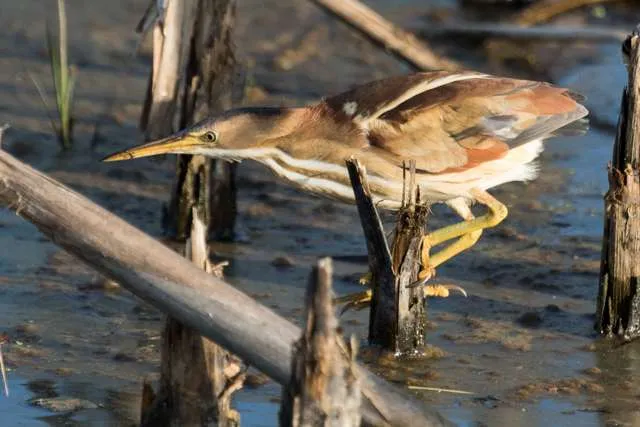
Target Birds
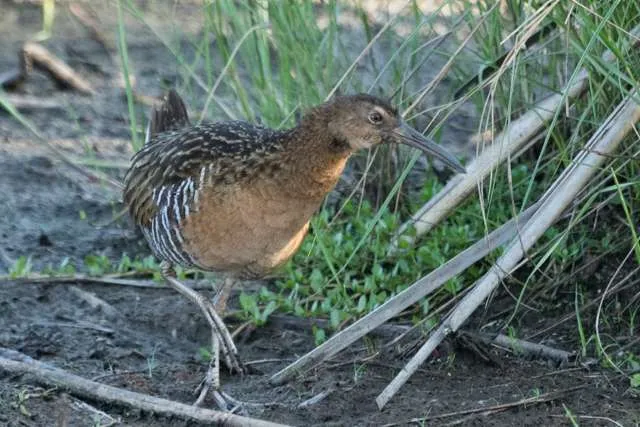
King, Clapper & Virginia Rail
Least Bittern
Great Horned Owl
Snow & Ross's Goose
Red-breasted Nuthatch
- Ross's Goose
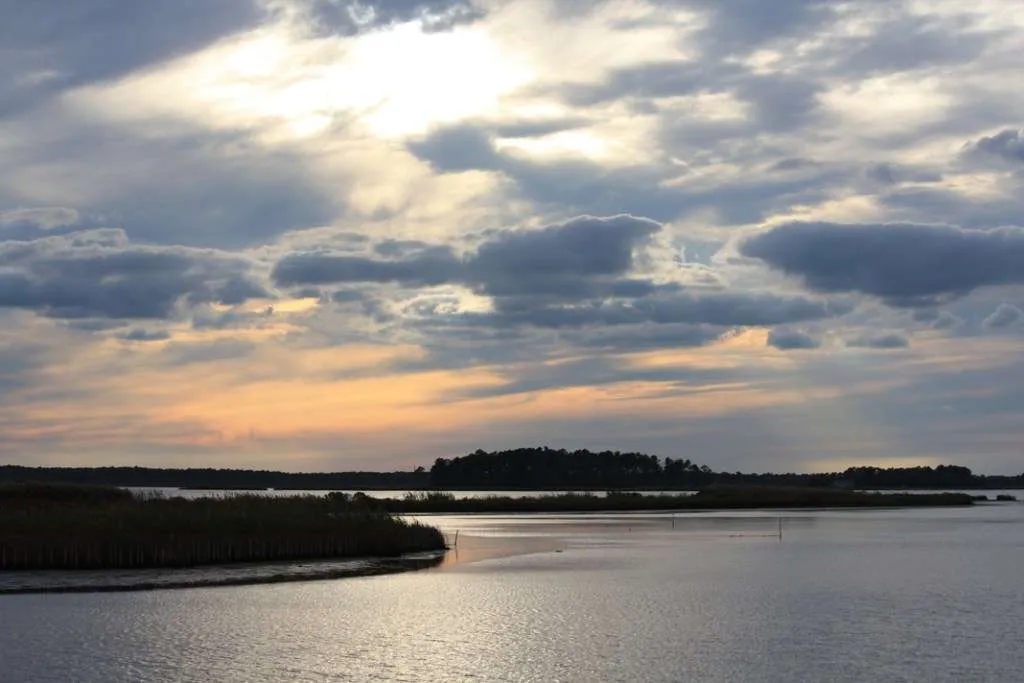
The U.S. Fish and Wildlife Service gives a short introduction to the area, but there is more information on their site.
Eastern Neck NWR
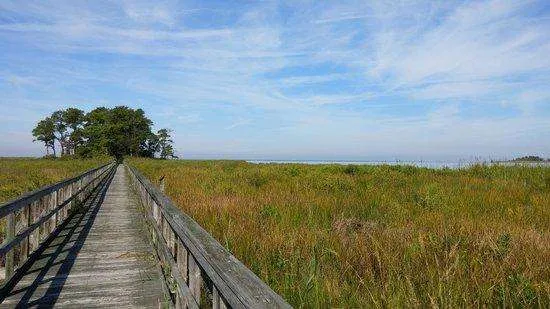
Eastern Neck National Wildlife Refuge is a 2,285-acre island located at the confluence of the Chester River and the Chesapeake Bay on Maryland's Eastern Shore. This strategic geography, placing it squarely within the Atlantic Flyway, makes it a critical stop for migratory birds.
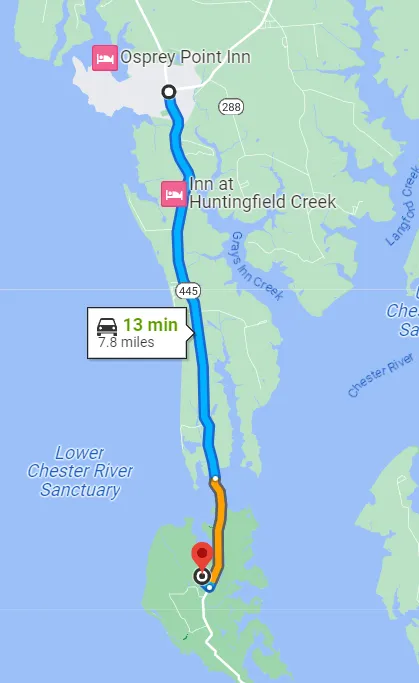
The refuge's diverse habitats—including tidal marshes, upland forests, grasslands, and ponds—provide a haven for over 240 species of birds. It was established in 1962 as a sanctuary for migratory birds and continues to be a vital component of the Chesapeake Marshlands National Wildlife Refuge Complex.
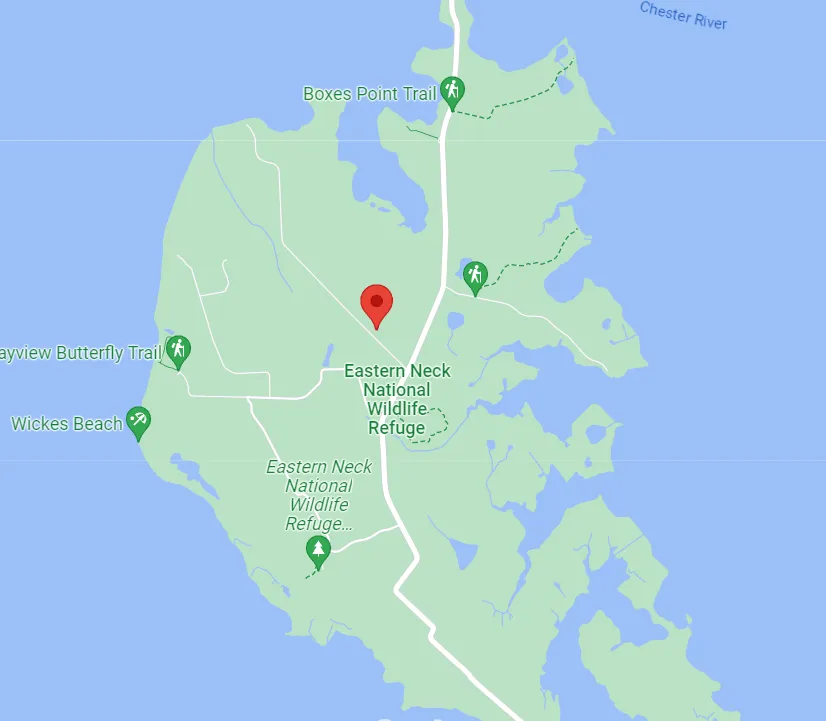
The refuge offers fantastic birdwatching opportunities throughout the year, but it's especially known for its large concentrations of migratory waterfowl in the winter months. Visitors can spot thousands of ducks, geese, and swans, including the magnificent Tundra Swan, which uses the refuge as a major staging site.
The fall and spring migrations are excellent for viewing colorful songbirds, such as warblers, vireos, and tanagers, that use the woodlands to rest and refuel. Birders can also look for Bald Eagles and Ospreys, which are common residents, often seen diving for fish in the surrounding waters. The refuge provides several trails and observation decks for visitors to explore and enjoy these spectacular displays of wildlife.
Target Birds
Louisiana Waterthrush
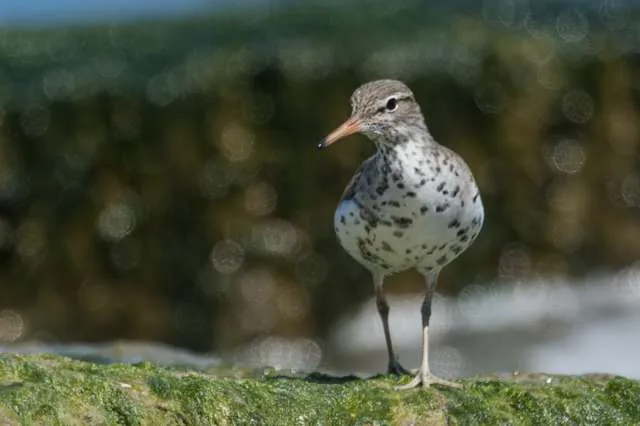
Spotted and Solitary Sandpiper
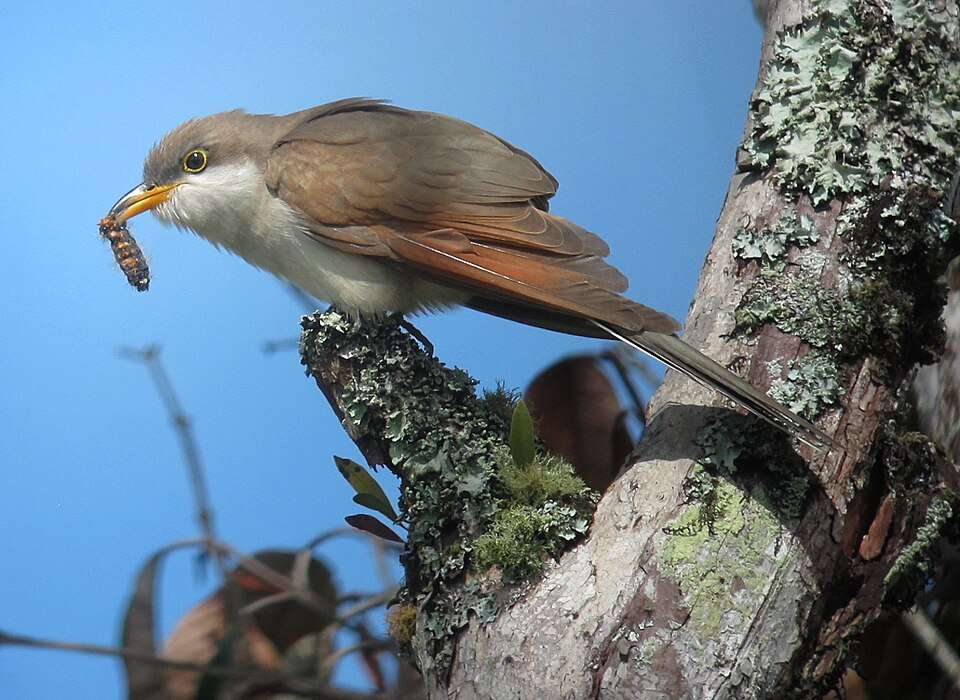
Yellow-billed Cuckoo
Red-throated Diver
Golden-crowned Kinglet
- Yellow-billed Cuckoo
The USFWS website has some information about the refuge including the location of the lodges, centers and trails.
Elk Neck State Park
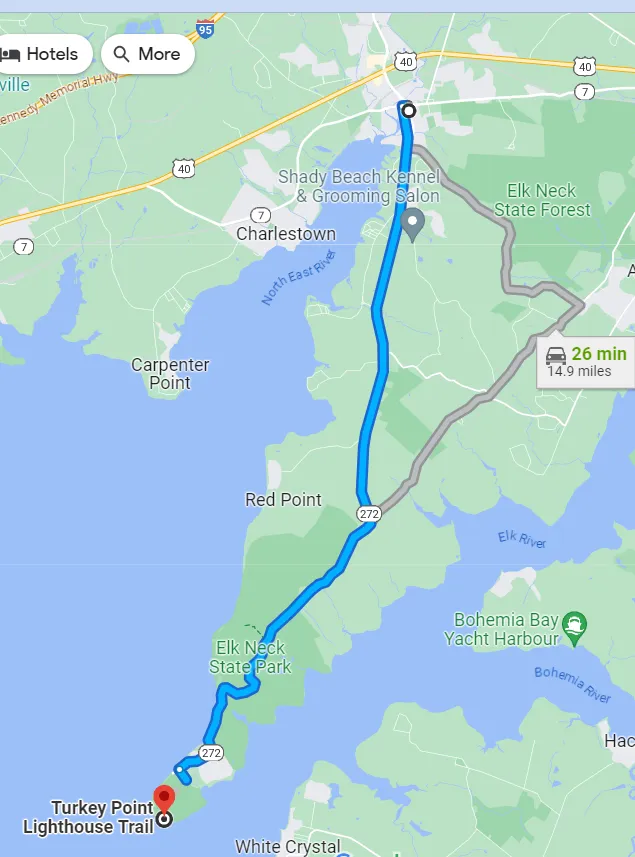
Elk Neck State Park, located on a peninsula in northeastern Maryland's Cecil County, is a prime location for birdwatching due to its unique and diverse geography. Situated between the Chesapeake Bay and the Elk River, the park encompasses over 2,000 acres of varied landscapes, including dense forests, sandy beaches, marshlands, and dramatic white clay bluffs.
This mix of habitats provides a home and migratory stopover for a wide range of avian species, making it a key destination along the Atlantic Flyway. The park's varied terrain, from the dense understory of its mixed deciduous and evergreen forests to its open waterfronts, creates a dynamic environment for birders to explore.
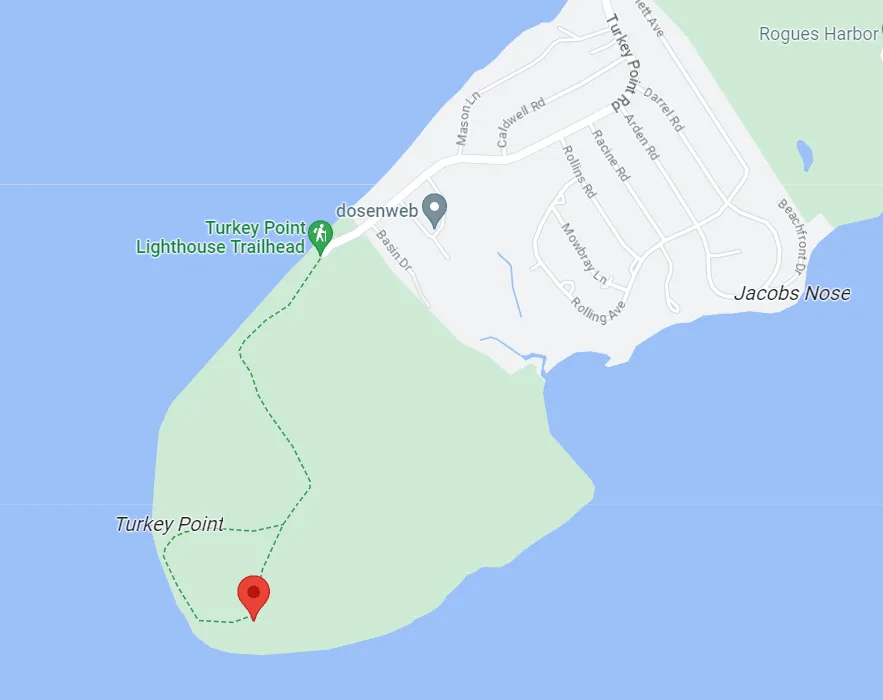
Birdwatching opportunities at Elk Neck State Park are particularly exceptional during the spring and fall migration seasons. The peninsula acts as a natural "migrant trap," where birds navigating the Atlantic Flyway often congregate. The park's most famous birding spot, the area around the historic Turkey Point Lighthouse, is known as a hawk-watching location during the fall.
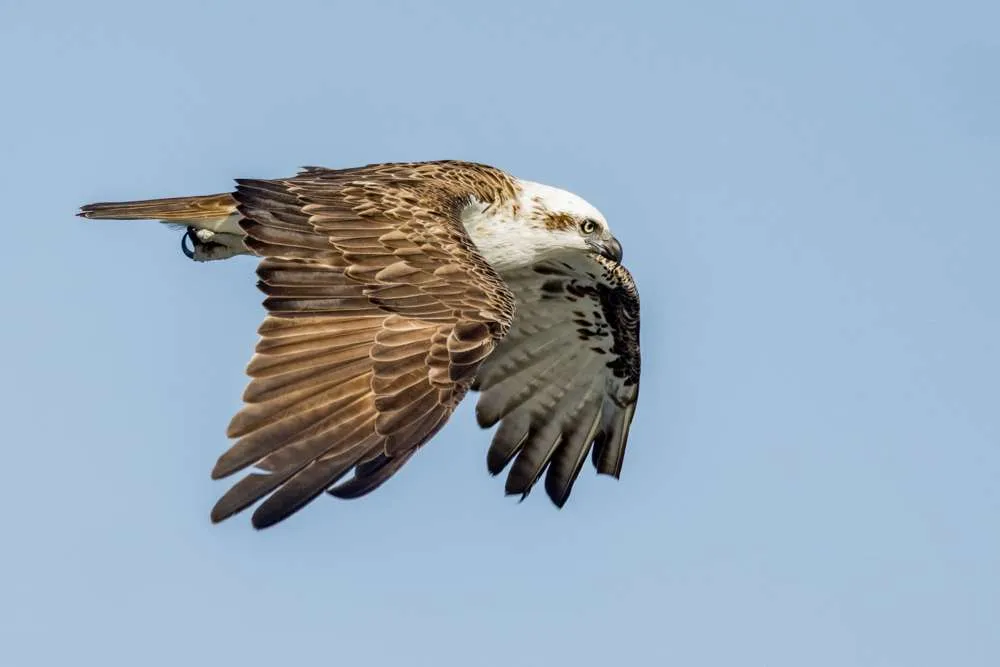
Visitors can also spot a variety of waterfowl on the bay and river, including Double-crested Cormorants and Snow Geese. The forested trails are perfect for observing a diverse array of songbirds, such as Scarlet Tanagers, while raptors like Bald Eagles and Ospreys are a common sight soaring over the water and cliffs year-round.
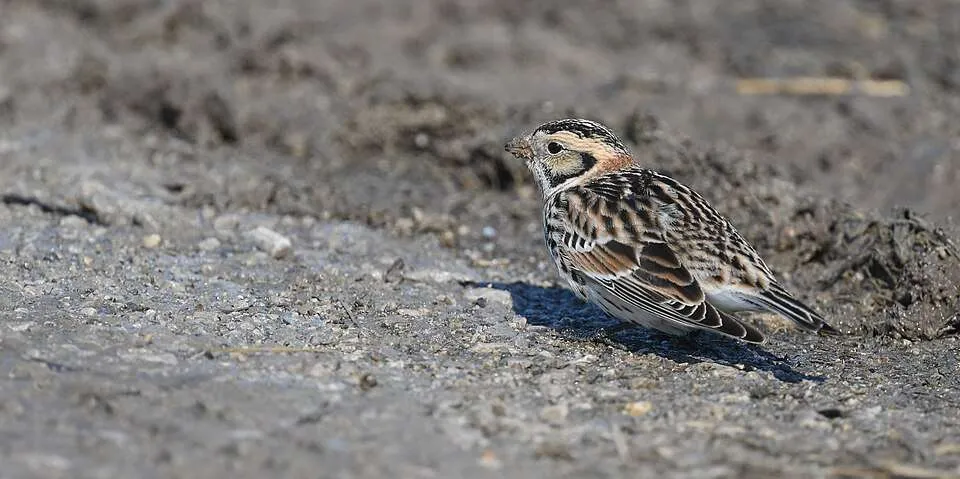
Target Birds
Scarlet Tanager
Ovenbird
Worm-eating Warbler
Cackling Goose
Evening Grosbeak
Lapland Bunting

The Department of Natural Resources gives information about how the park is split into 4 distinct areas.
Jug Bay Wetlands
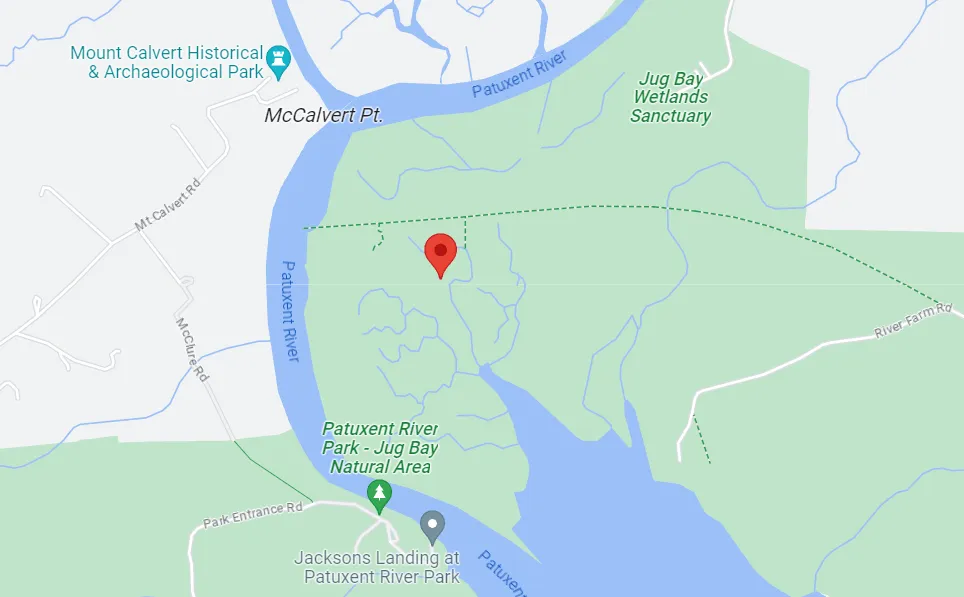
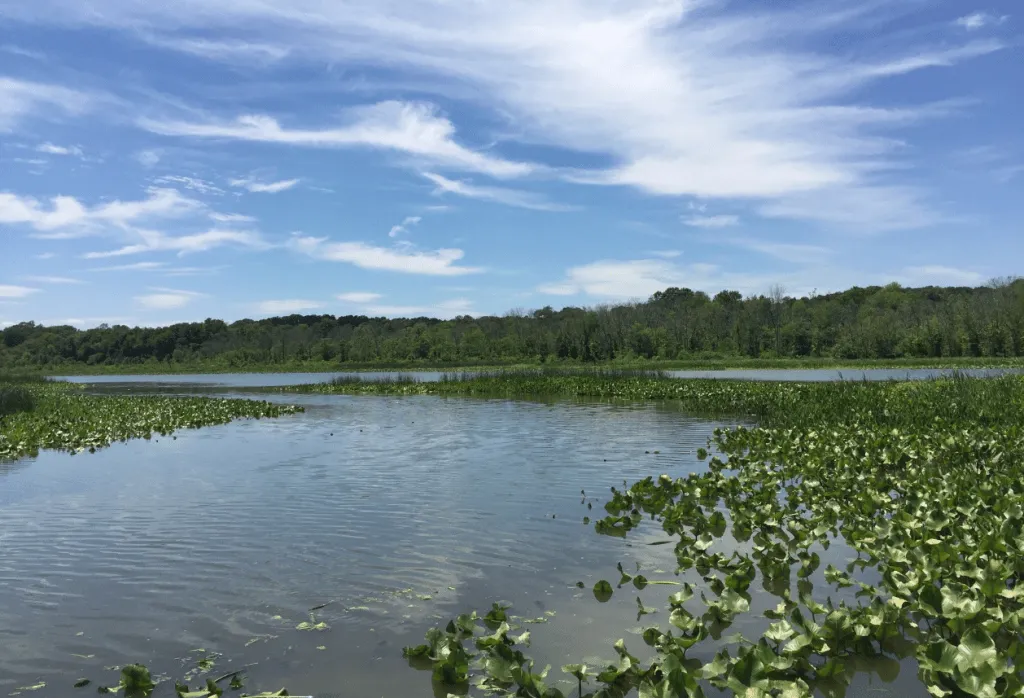
Situated along the tidal reaches of the Patuxent River in southern Anne Arundel County, the Jug Bay Wetlands Sanctuary is a prime location for birdwatching. This protected area, which is part of the Chesapeake Bay National Estuarine Research Reserve System, encompasses a remarkable diversity of habitats, including tidal freshwater marshes, forested wetlands, upland forests, and meadows.
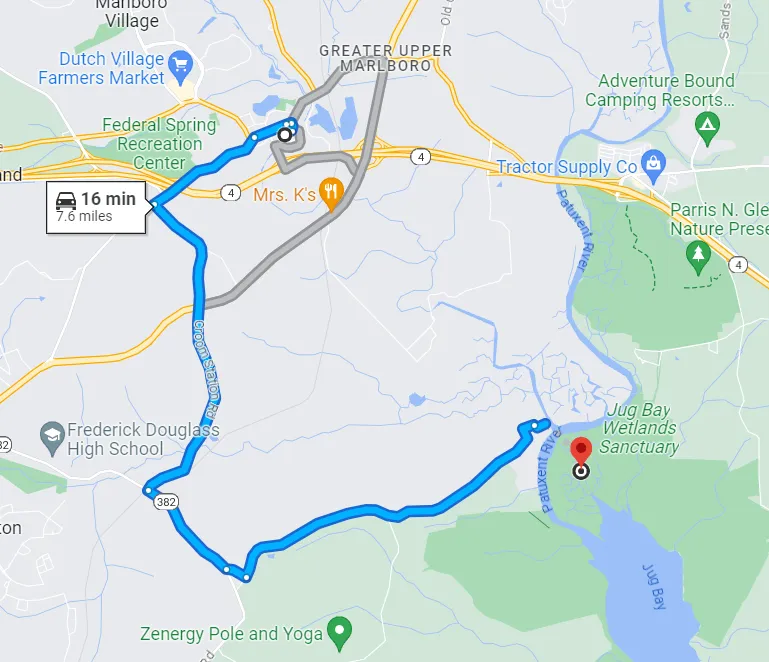
The sanctuary's geography is defined by a broad, shallow embayment, where the Patuxent River's fresh waters are still influenced by daily tides. This unique confluence of fresh and tidal water creates an ideal environment for a rich assortment of aquatic and terrestrial life, making it a critical stopover and breeding ground for numerous bird species on the Atlantic Flyway. The extensive trail network, including boardwalks and observation platforms, provides visitors with an immersive experience in these varied ecosystems.
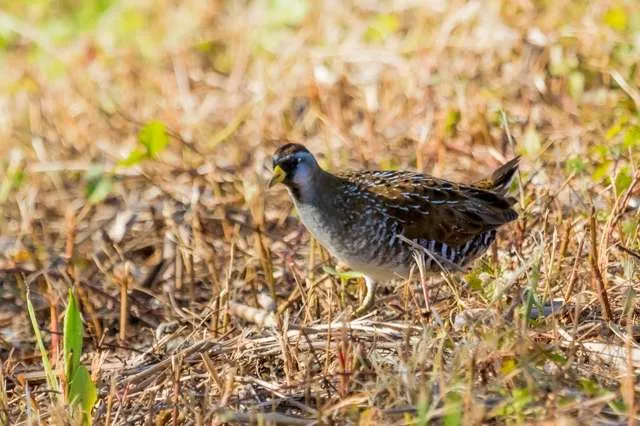
Jug Bay's location and habitats offer exceptional birdwatching opportunities year-round, attracting over 250 species. During the warmer months, the expansive wild rice marshes are a haven for rails like the elusive Sora and Virginia Rail, as well as wading birds such as herons and egrets. The mature upland forests and wooded trails are bustling with activity during spring and fall migration, providing a chance to see a wide variety of warblers, thrushes, and vireos.
In winter, the open waters of the Patuxent River attract a diverse array of waterfowl, and the skies are regularly patrolled by magnificent Bald Eagles and Ospreys. With its varied landscape and strategic position on a major migratory route, Jug Bay Wetlands Sanctuary is a must-visit destination for any serious birder in Maryland.
Target Birds
Yellow, Magnolia and Bay-breasted Warbler
Northern Harrier
Barred Owl
Bewick's Swan
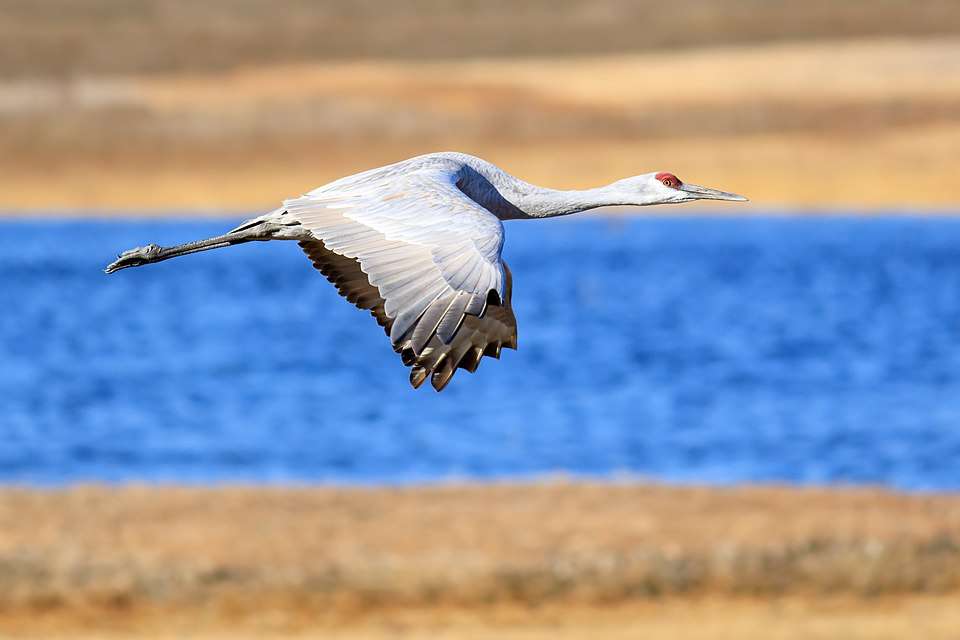
Sandhill Crane
Winter Wren
Pine Siskin
There is a Jug Bay Wetlands Sanctuary website, which gives lots of details about access, the Visitor's Center and trails.
Pickering Creek Audubon Center
Situated on Maryland's Eastern Shore, the Pickering Creek Audubon Center is a 400-acre wildlife sanctuary that offers an exceptional blend of habitats, making it a prime location for birders. The center is located near Easton, Maryland, and its geography is defined by a diverse mix of landscapes. This includes a working farm with agricultural fields, mature hardwood forests, brackish and freshwater marshes, and over a mile of shoreline on the tidal Pickering Creek.
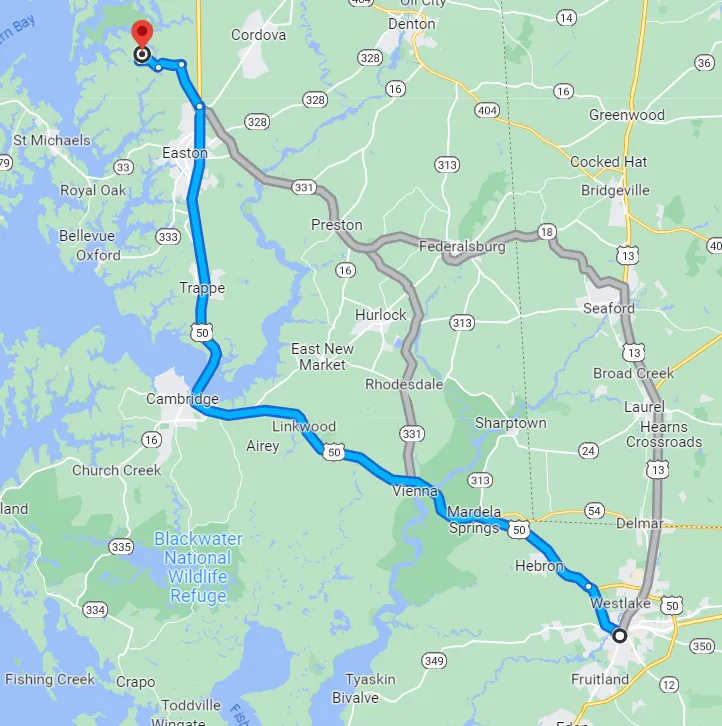
The careful management of this property, which also features restored wetlands and warm-season grass meadows, creates a variety of ecosystems that attract a wide range of bird species. The presence of these varied habitats in one location allows for a dynamic birding experience, where visitors can easily transition from forest to wetland to shoreline, observing different avian communities along the way.
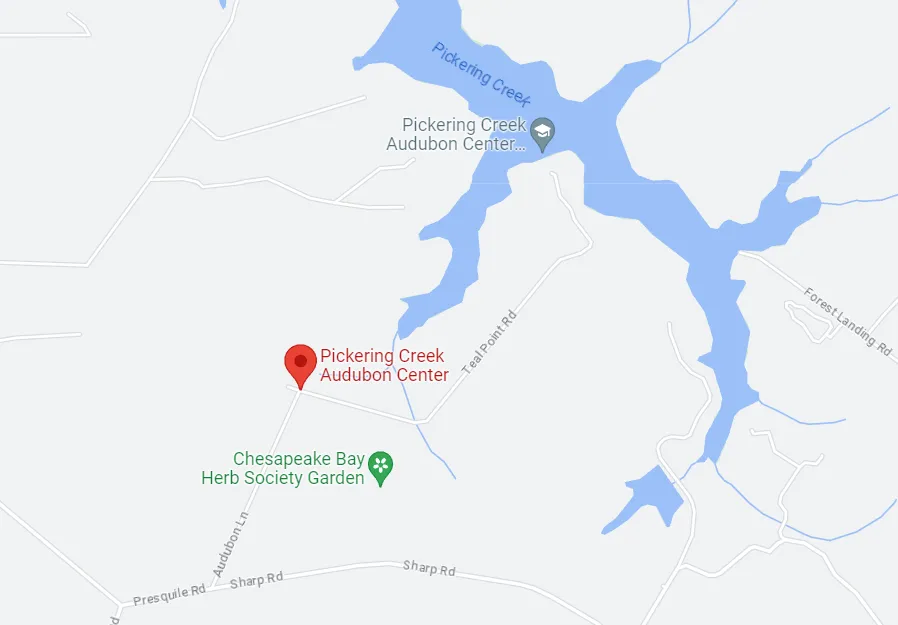
The opportunities for birdwatching at Pickering Creek are outstanding, with over 250 species reported on eBird, making it the top hotspot in Talbot County. The center's well-maintained network of trails, which includes viewing blinds and platforms, provides excellent access to these habitats.
Birders can look for forest interior dwellers and various woodpeckers in the wooded areas, while the meadows are home to a mix of grassland birds such as sparrows. The wetlands and shoreline are particularly productive, attracting a great variety of waterfowl and wading birds, with Bald Eagles and Osprey frequently sighted. During the spring and fall migrations, the center is a key stop along the Atlantic Flyway, offering a chance to see a wide array of migratory species, including many different warblers and other songbirds.
Target Birds
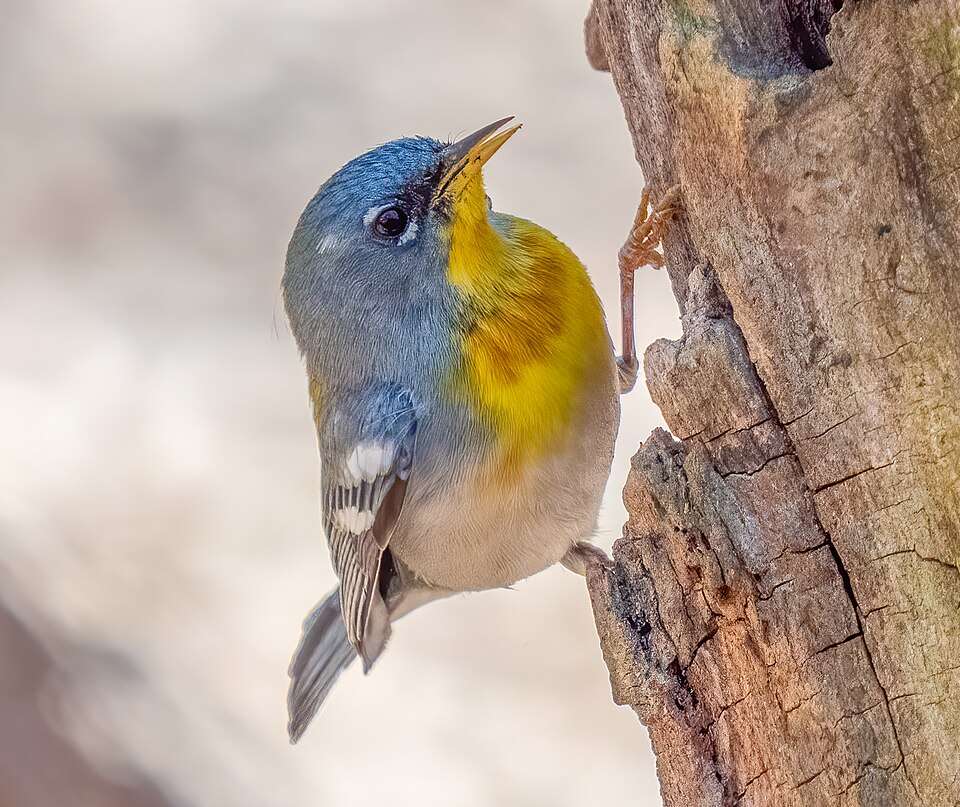
Northern Parula
Acadian Flycatcher
Marsh Wren
Killdeer
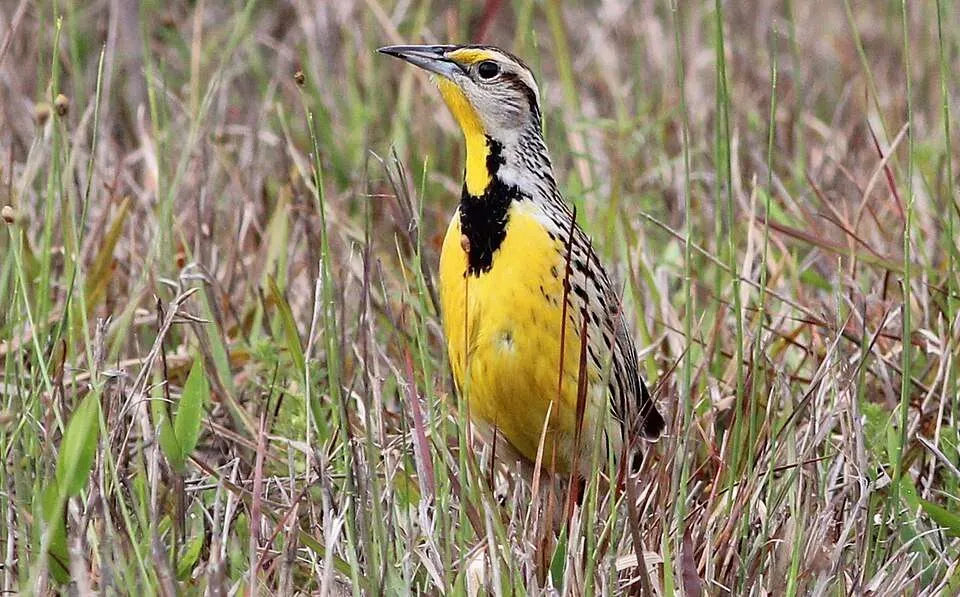
Eastern Meadowlark
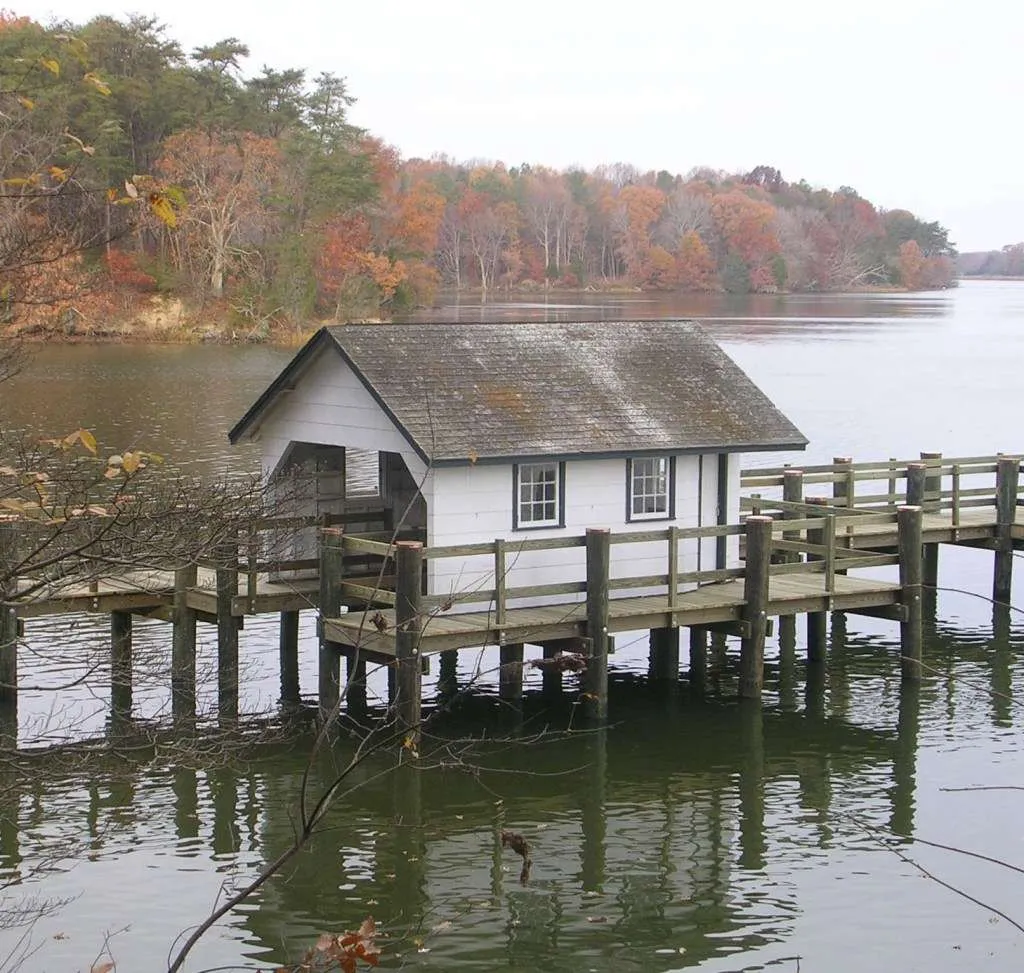
The Pickering Creek Audubon Center has, as you would expect, lots of details about visiting the area.
Swan Harbor Farm
Swan Harbor Farm, a 531-acre property in historic Havre de Grace, Maryland, offers a diverse and appealing landscape for birders. Situated on the banks of the Chesapeake Bay, the farm's geography is a mosaic of habitats, including open farm fields, a small freshwater marsh, wooded stream valleys, and man-made water impoundments.
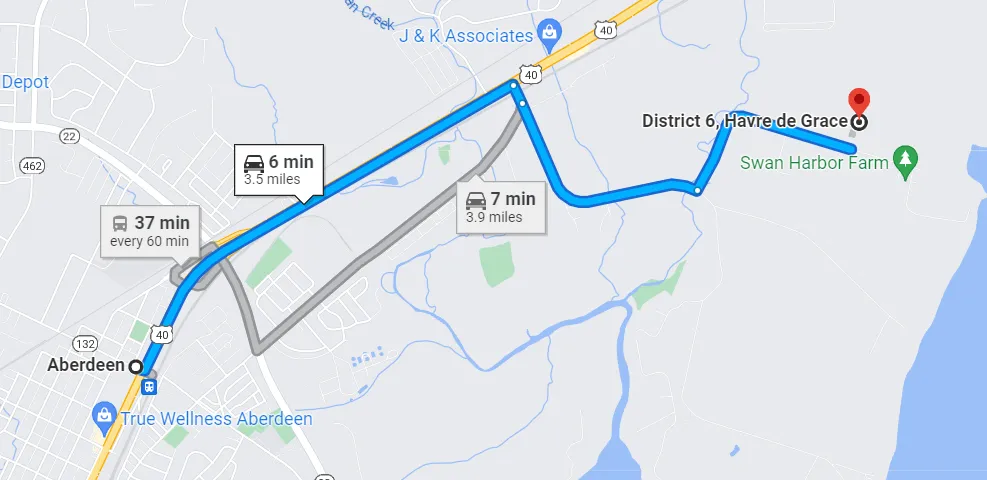
This varied environment, combined with its location on the Atlantic Flyway, makes it a magnet for over 260 species of birds. Trails wind through the woods along the bayfront, and viewing platforms provide excellent vantage points for observing waterfowl and shorebirds. The diverse topography of Swan Harbor Farm ensures that there is always something to see, no matter the season.
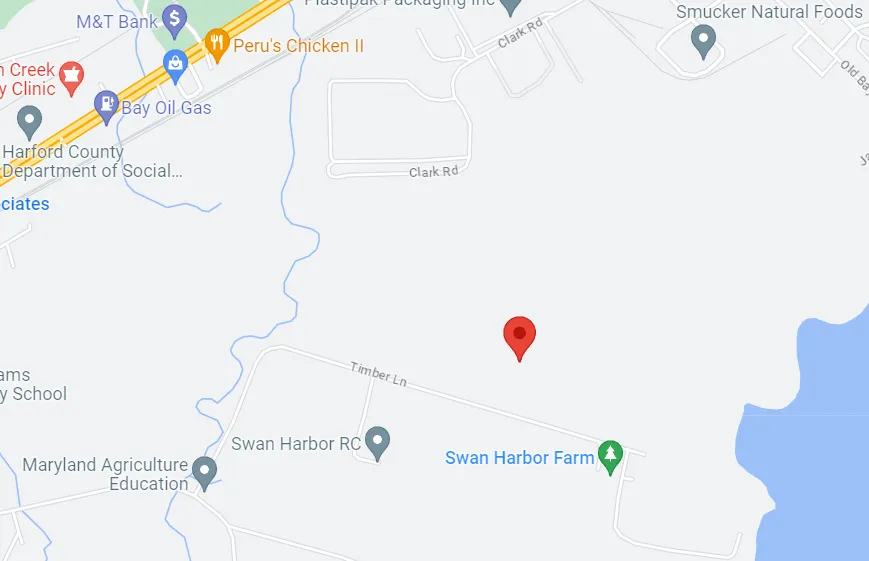
Birdwatching opportunities at Swan Harbor Farm are exceptional year-round. In winter, the farm is a prime location for observing a wide variety of waterfowl, including Snow Geese, Tundra Swans, and numerous duck species like Canvasback and Northern Pintail. Spring and fall migration periods bring an impressive influx of species, with a large variety of shorebirds, warblers, and other songbirds passing through.
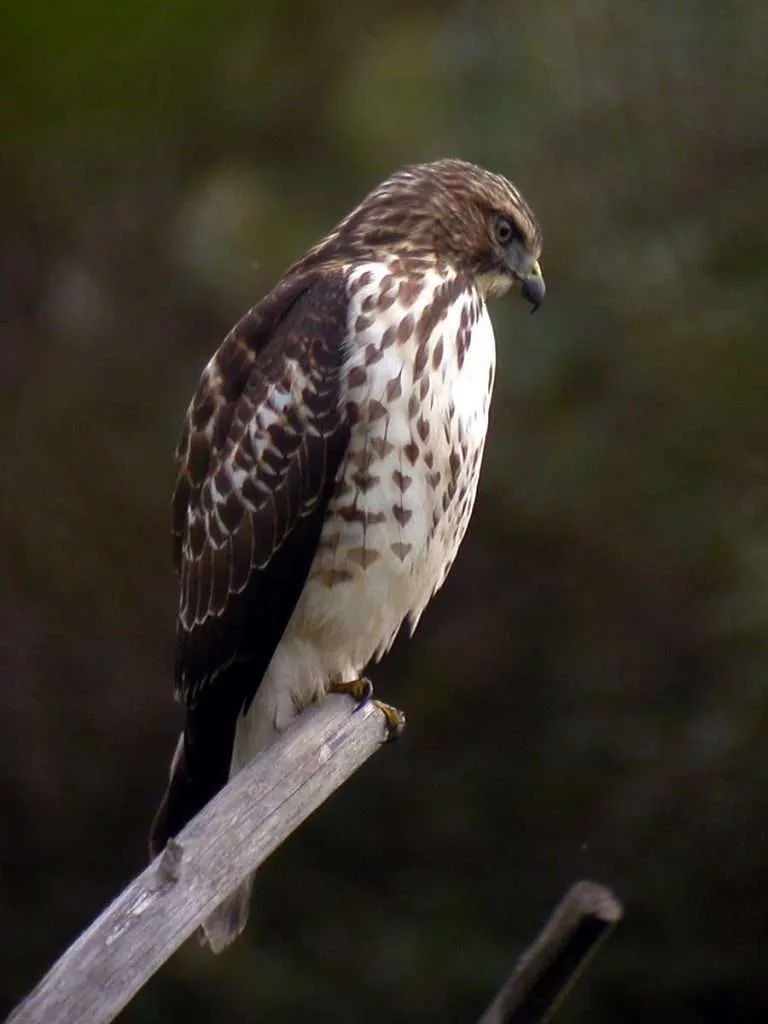
Birders can look for Spotted Sandpipers, Dunlin, and Yellowlegs along the shoreline and in the marshes. The open fields are ideal for spotting raptors like Red-tailed Hawks and Broad-winged Hawks, while the wooded areas are home to vireos, tanagers, and warblers. Swan Harbor Farm has earned its reputation as Harford County's top eBird hotspot, making it a must-visit for any serious birder in the region.
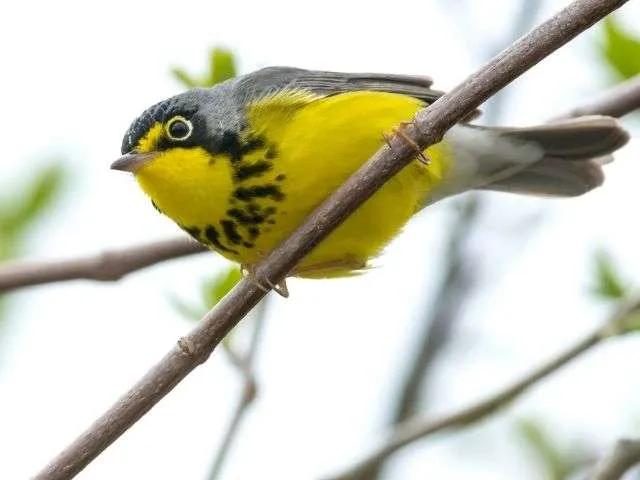
Target Birds
Chimney Swift
Semipalmated Plover
Hooded Merganser
Canada Warbler
- Bobolink
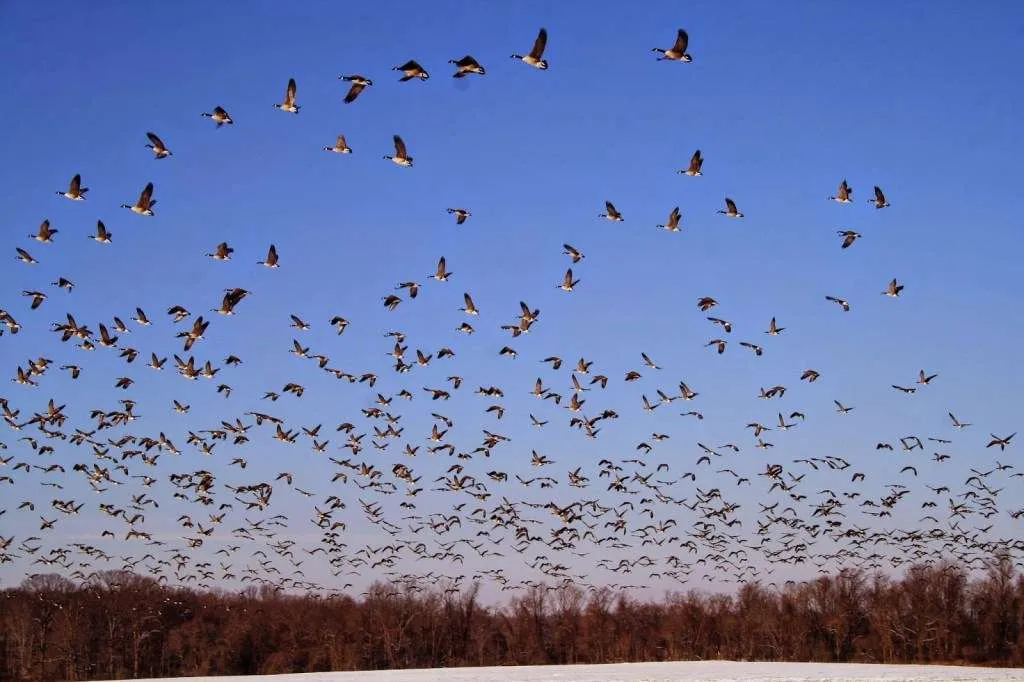
The Swan Harbor Farm website is geared towards weddings but the Birder's Guide to Maryland & BC blog has more bird watching details.
Point Lookout State Park
Point Lookout State Park is a significant natural and historical site located at the southernmost tip of a peninsula in St. Mary's County, Maryland. This unique geographical position, where the Chesapeake Bay and the Potomac River meet, creates a convergence of diverse habitats that are a magnet for birds.
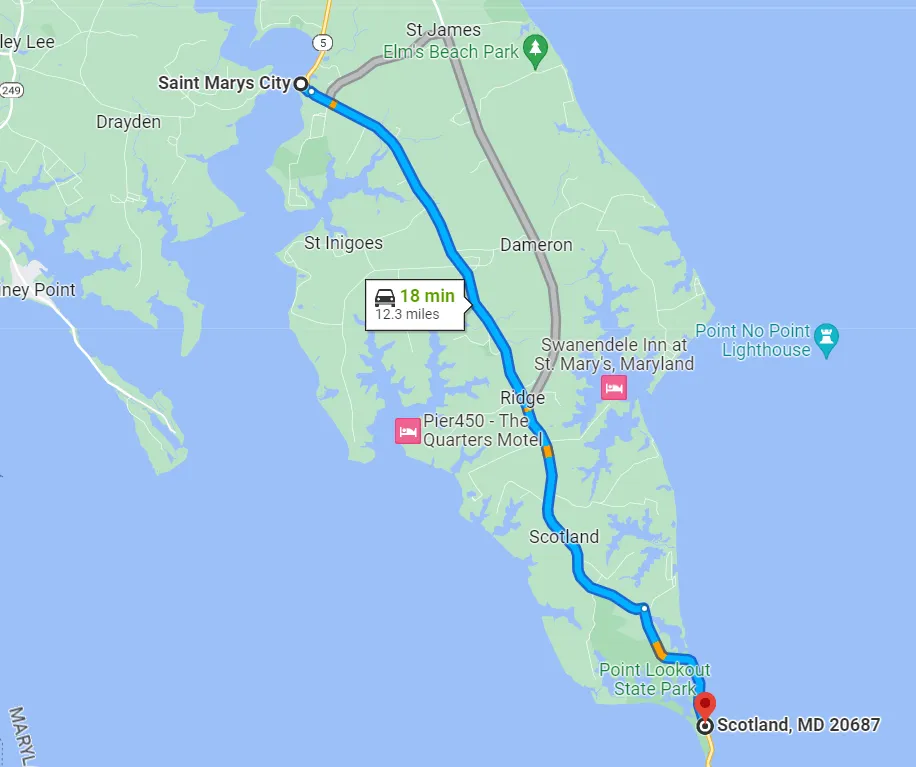
The park's landscape includes sandy beaches, coastal marshes, deciduous and loblolly pine forests, and open fields, all of which contribute to an impressive variety of avian life. The park's strategic location along the Atlantic Flyway makes it a crucial stopover for migrating birds, particularly in the spring and fall.
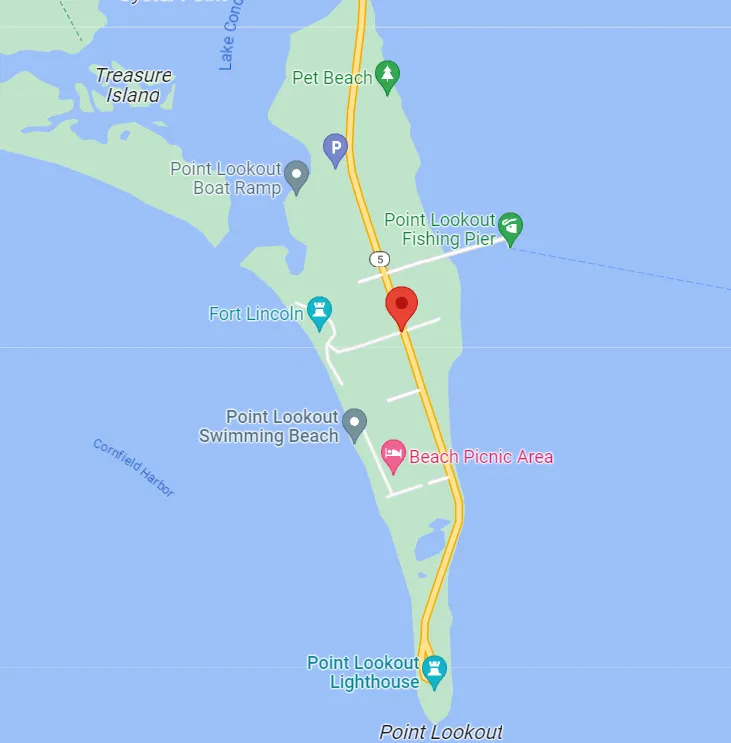
The park offers exceptional birdwatching opportunities year-round. In the winter, the fishing pier and lighthouse area are prime locations for observing rare waterfowl like scoters, long-tailed ducks, and common goldeneyes. During the spring and fall migrations, the entire park transforms into a "migrant trap," attracting a wide variety of shorebirds and raptors.
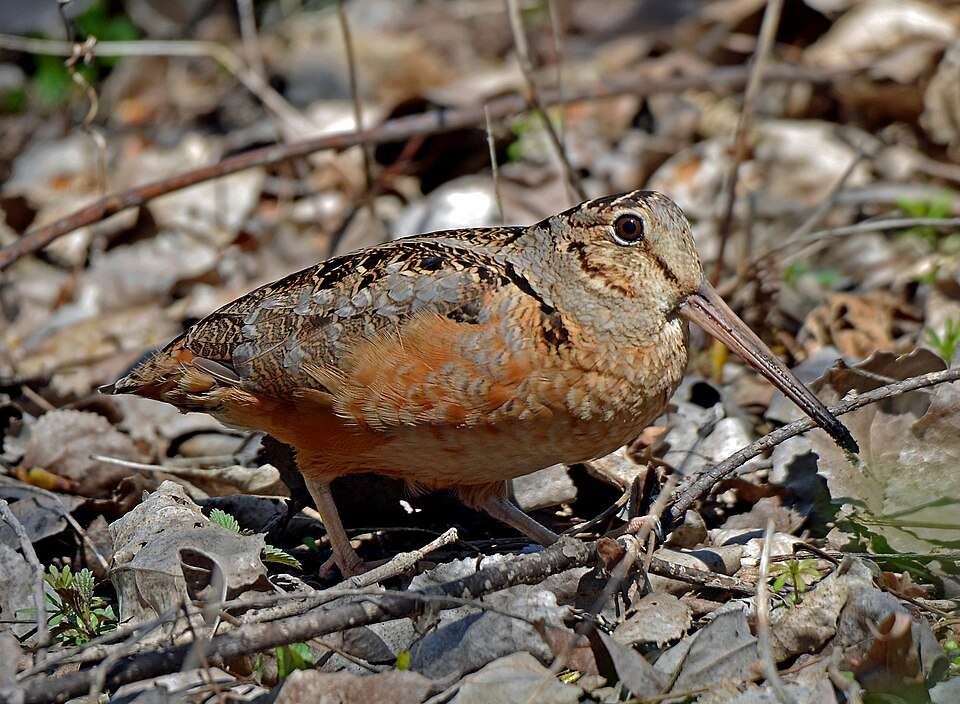
Birders can look for species such as the Woodcock, Wilson's Snipe, and various plovers along the shoreline, or keep an eye out for a multitude of raptor species passing through. The park is also home to a number of resident birds, including the majestic Bald Eagle, the Brown-headed Nuthatch, and the Red-headed Woodpecker, ensuring that there is always something to see for birders of all experience levels.
Target Birds
Royal Tern
Pectoral Sandpiper
Willet
Field and Savannah Sparrow
Piping Plover
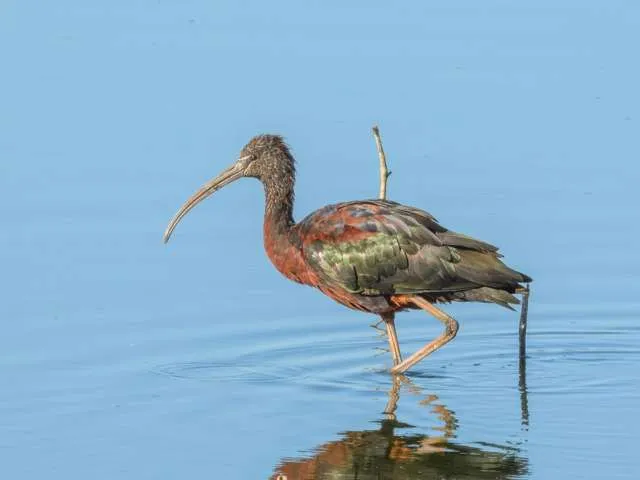
- Glossy Ibis

The Maryland DNR gives information about the civil war history of the site. The blog mentioned above gives better birding information.
Sandy Point State Park
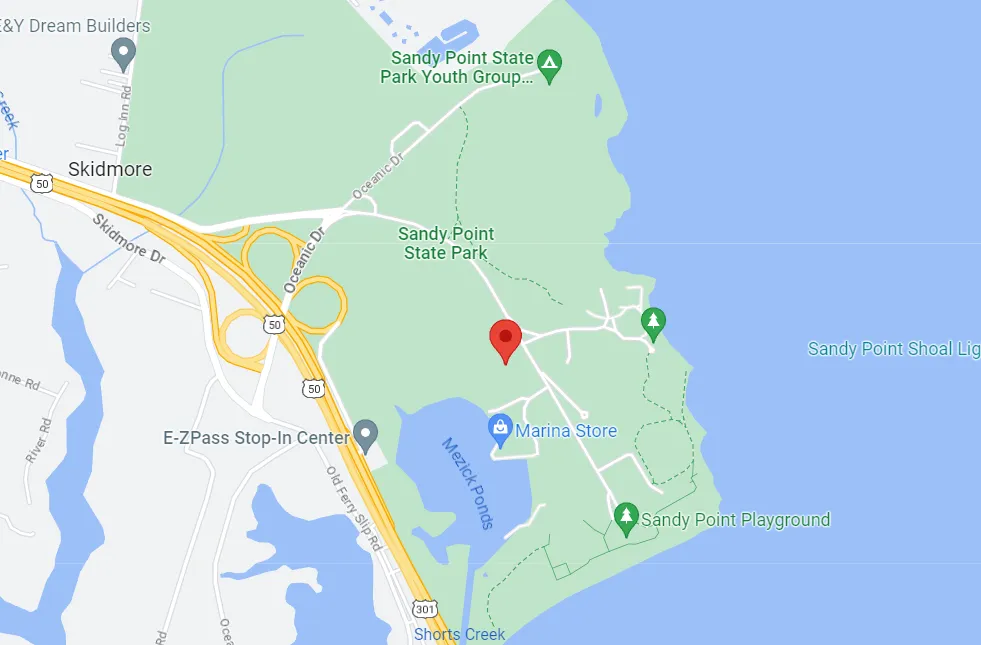
Sandy Point State Park is a premier destination for birders on the western shore of the Chesapeake Bay. Located in Anne Arundel County, just outside of Annapolis, the 786-acre park sits at the foot of the iconic Chesapeake Bay Bridge. Its strategic location on the bay and its proximity to the Atlantic Flyway make it a critical stopover point for migratory birds. 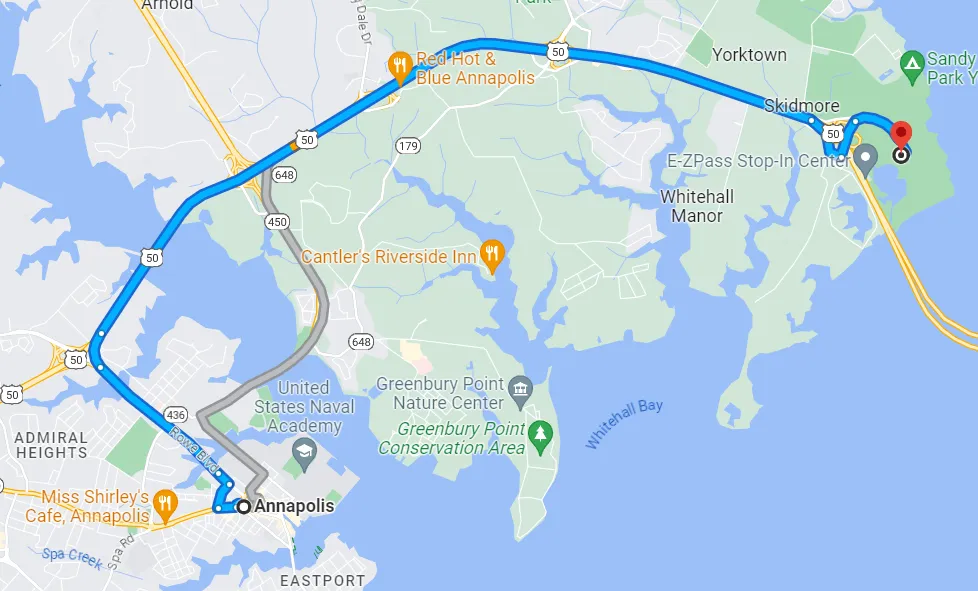
The park's diverse geography is a key draw for birdwatchers, featuring a variety of habitats including sandy beaches, stone jetties, wooded areas, marshes, and open fields. These varied ecosystems provide a home for a wide range of species throughout the year, from resident songbirds to visiting waterfowl and shorebirds.
The birdwatching opportunities at Sandy Point State Park are particularly impressive during the winter months and migration seasons. In winter, the park becomes a prime spot for observing diving ducks, gulls, and other bay-dwelling birds. Species such as Canvasback, Bufflehead, and all three species of mergansers can be found in the waters near the park's jetties and shoreline.
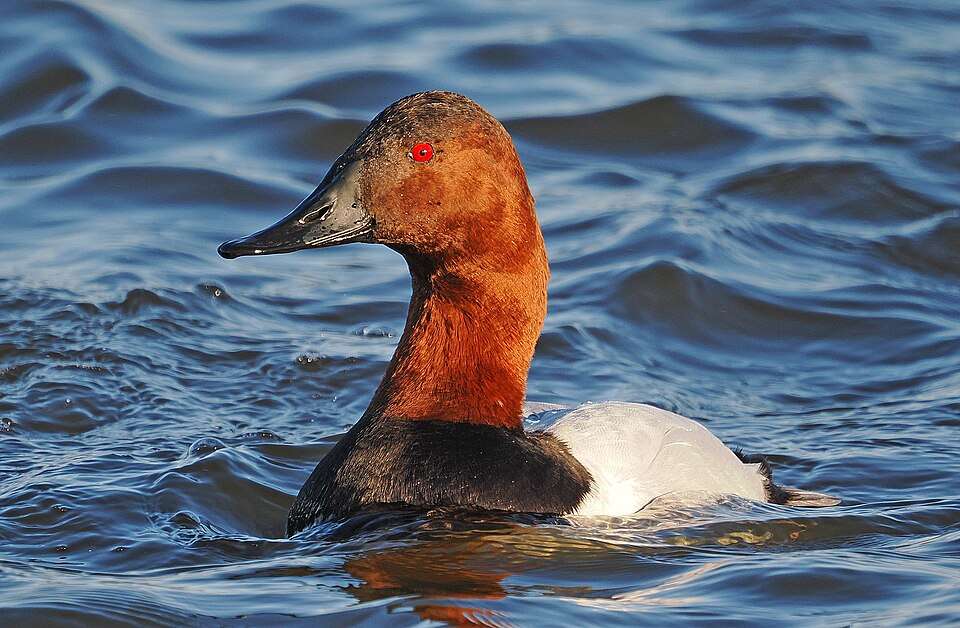
During the spring and fall migrations, the park is teeming with activity, offering the chance to see a variety of warblers, shorebirds, and hawks. Birders can also keep an eye out for impressive raptors, which are frequently seen hunting over the bay. With over 200 species recorded, Sandy Point State Park is a must-visit location for any birder in Maryland.
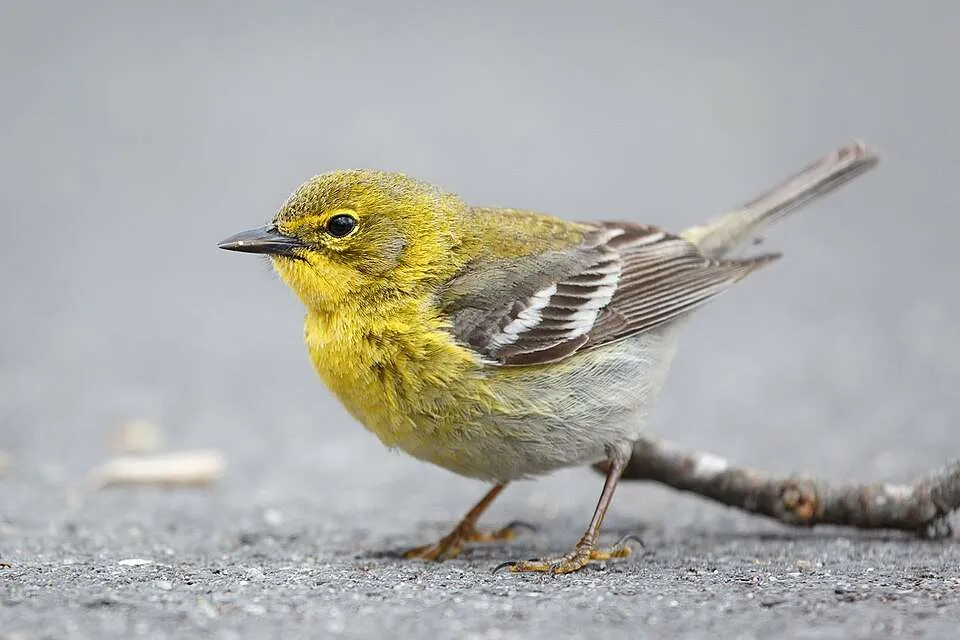
Target Birds
Osprey
American Redstart
Pine Warbler
Royal and Forster's Tern
Ring-necked Duck
The Maryland Govt website gives information about the recreation and amenities available at the park.
Assateague Island National Seashore
Assateague Island National Seashore, a 37-mile long barrier island off the coast of the Delmarva Peninsula, is a premier destination for birdwatchers. The geography of the island is constantly in flux, shaped by the powerful forces of the Atlantic Ocean and gentle winds. This dynamic environment has created a diverse mosaic of habitats, including expansive sandy beaches, salt marshes, maritime forests, and coastal bays.
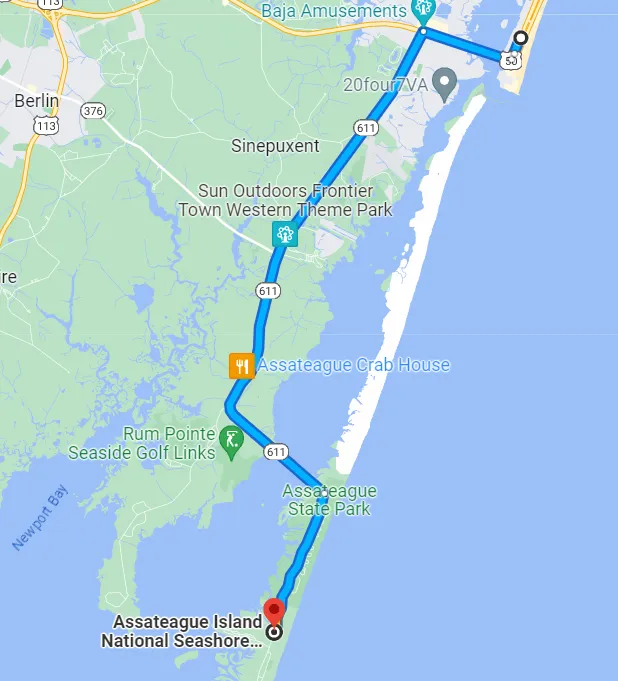
These distinct ecosystems provide critical food, rest, and breeding grounds for a remarkable number of resident and migratory birds. While the island is famous for its wild ponies, its role as a vital stopover on the Atlantic Flyway makes it an even more significant location for avian enthusiasts.
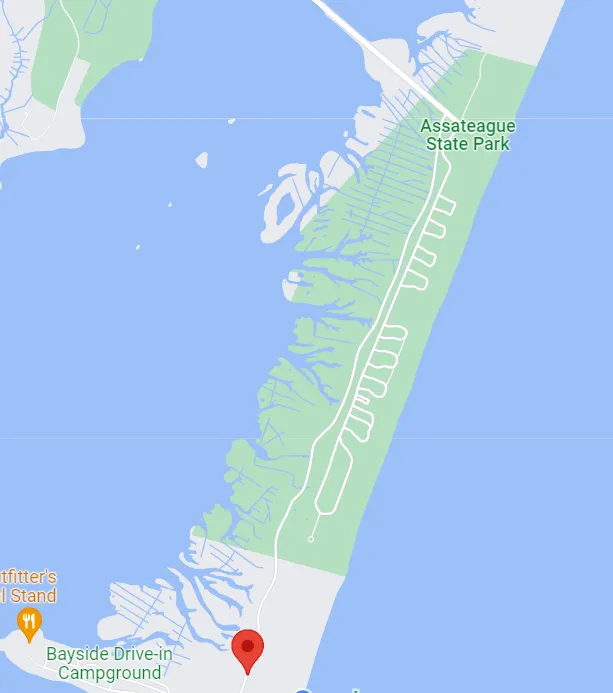
Birdwatching opportunities at Assateague are exceptional, with over 320 species of birds having been documented in the area. The island's strategic location along a major migratory route means that spring and fall migrations are particularly spectacular, with the trees and marshes coming alive with warblers, songbirds, and raptors like the Peregrine Falcon.
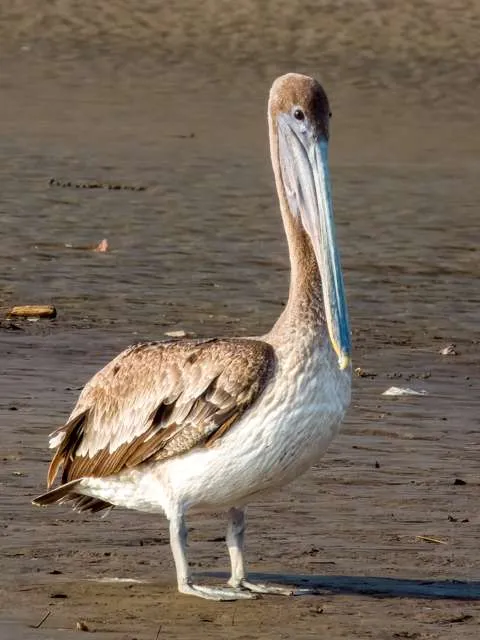
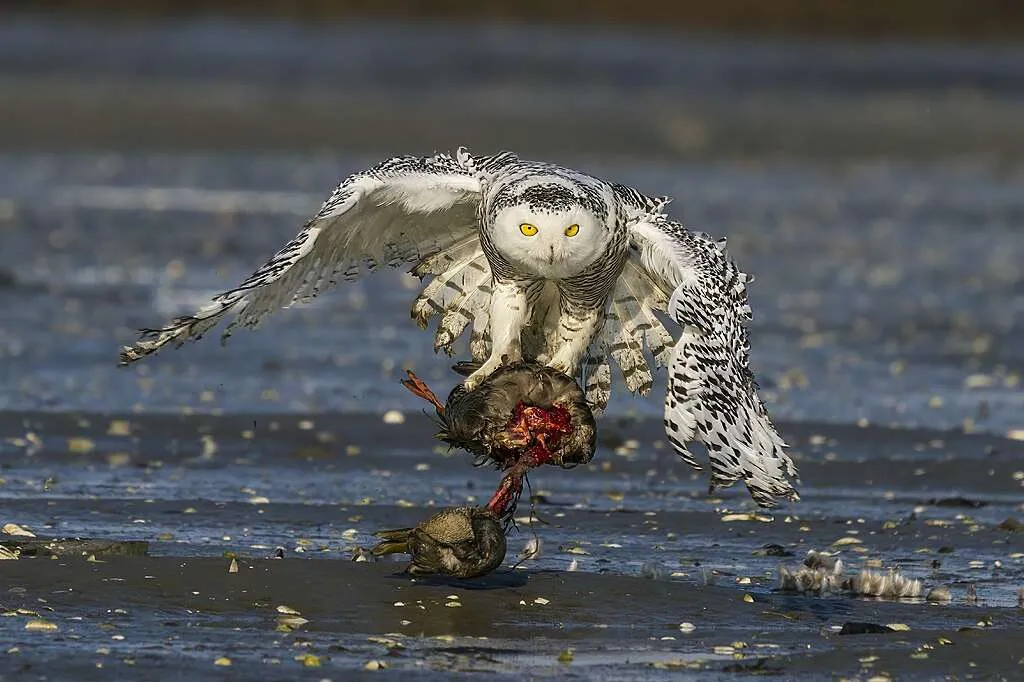
During the fall and winter months, the island's coastal waters and wetlands become a haven for thousands of waterfowl, including Snow Geese, Brant, and a variety of ducks. Year-round residents like the Brown Pelican and Osprey are a common sight, while diligent observers may even spot a rare Snowy Owl during the winter. With its varied landscapes and seasonal abundance, Assateague offers a unique and rewarding birding experience for all seasons.
Target Birds
Brown Pelican
Gray Plover
Ruddy Turnstone
Chuck-will's-widow
Belted Kingfisher
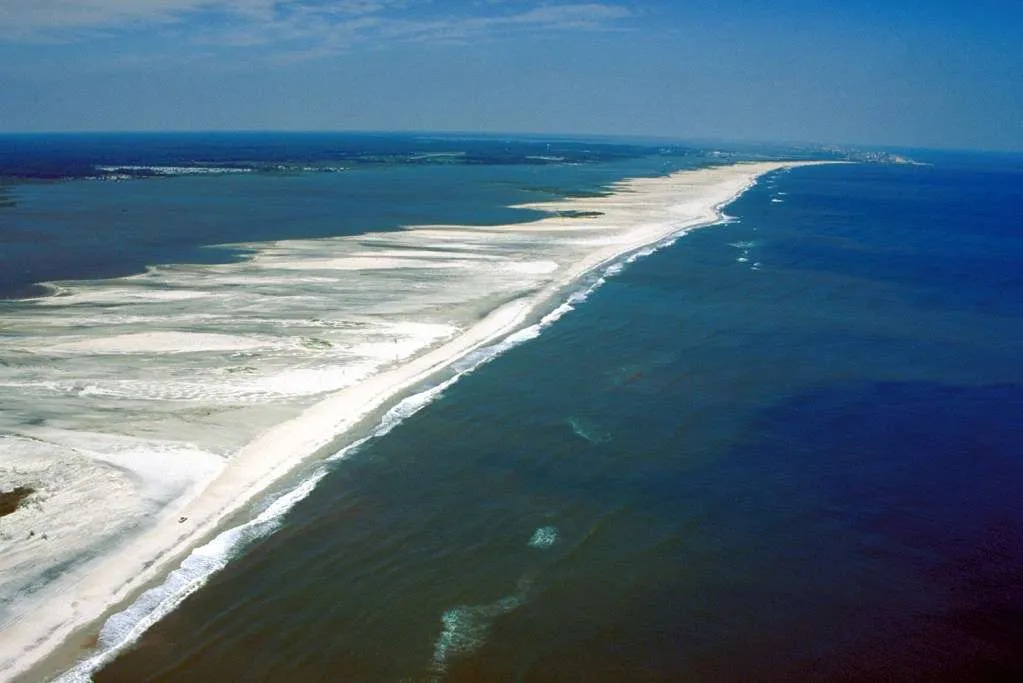
The National Park Service gives a vivid description of the area.
Hart-Miller Island
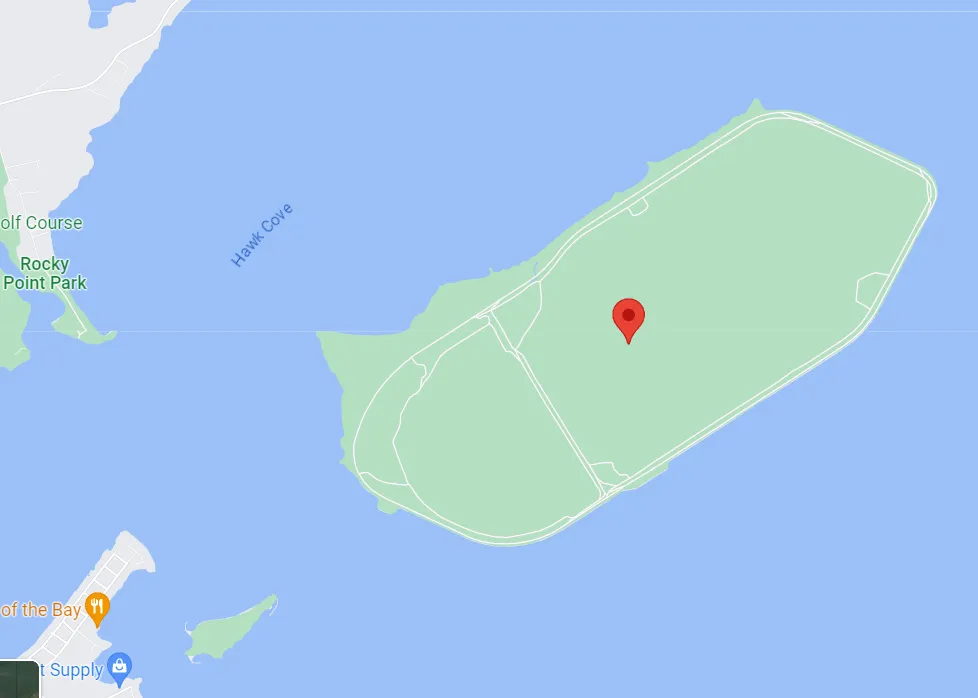
Hart-Miller Island is a unique, man-made island located in the upper Chesapeake Bay at the mouth of the Back and Middle Rivers in Baltimore County, Maryland. The island was created by joining two natural, eroding islands, Hart and Miller, with a dike and filling the area with dredged material from the Baltimore Harbor and the Patapsco River between the 1980s and 2009.
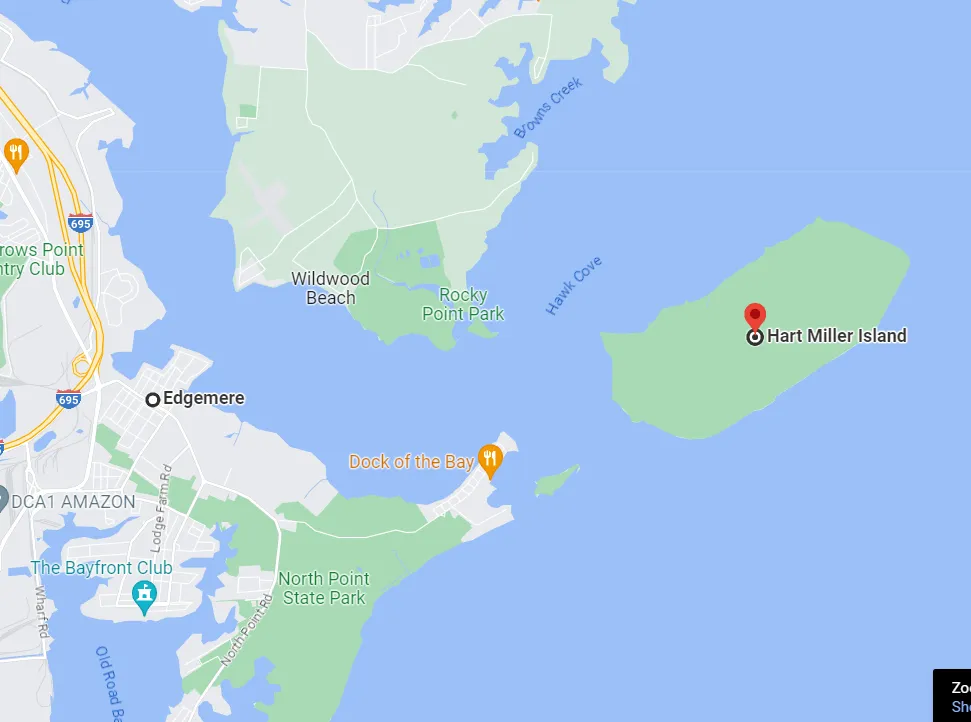
Now a state park, the island is only accessible by private boat, and its 1,100 acres include a mix of restored wetlands, ponds, and upland habitats. The island's geography, with its diverse landscapes and strategic location in the Chesapeake Bay, makes it a critical stopover for a wide variety of migratory birds.
The island is considered one of Maryland's premier birding destinations, with over 300 species documented there. Birdwatching opportunities are excellent due to the varied habitats, which attract different types of birds depending on the season. In the spring and fall, the island is a haven for migratory songbirds, shorebirds, and waterfowl stopping to rest and refuel.
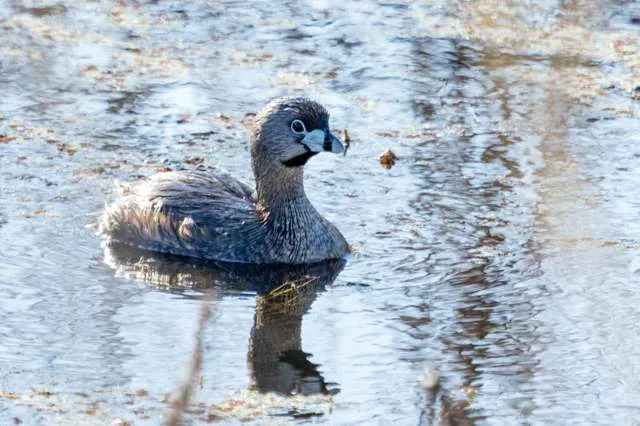
During the winter, birders can spot diving ducks, loons, and grebes. The island's interior grasslands and marshes are home to species like Bobolinks, meadowlarks, and various sparrows, while the open waters of the Chesapeake Bay offer a chance to see gulls and terns. An observation tower and hiking trails provide excellent vantage points, and the Maryland Port Administration offers free birding tours to the public, which include a bus ride around the island's interior.
Target Birds
Pied-billed Grebe
Short-billed Dowitcher
Swainson's Thrush
Canvasback
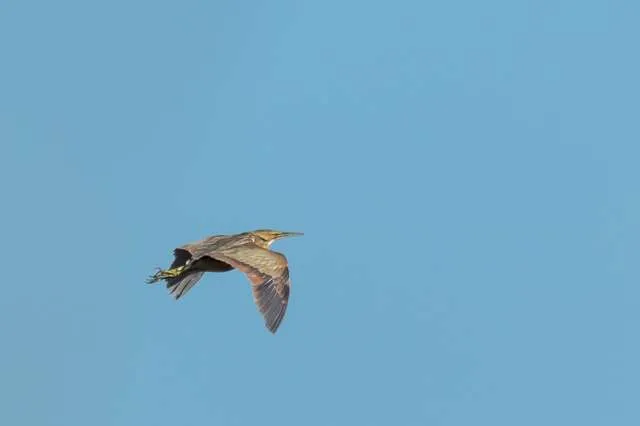
- American Bittern
The Maryland Government website has information for visitors to the island.
Wrapping Up
Ultimately, Maryland stands out as a top-tier destination for birdwatching due to its unique combination of geography and habitat diversity. Its location along the Atlantic Flyway makes it a vital stop for hundreds of migratory species each spring and fall. The state's landscapes, from the coastal beaches and marshes to the mountainous forests and sprawling Chesapeake Bay, create a wide variety of ecosystems that support a remarkable number of resident and seasonal birds.
With over 450 documented species, including a strong population of Bald Eagles, Maryland offers year-round opportunities for birders of all experience levels to witness a stunning array of avian life.
