
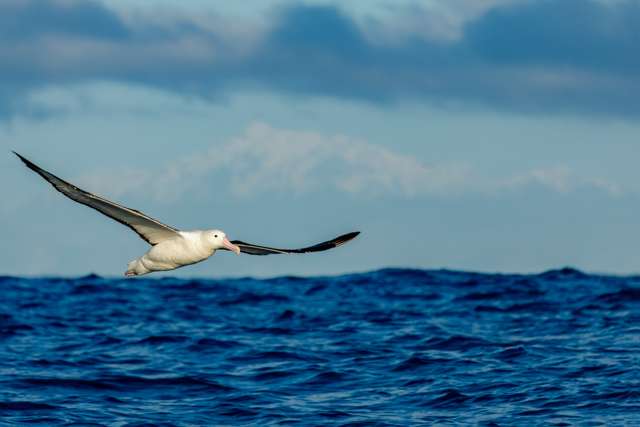
The wings of a bird are more than just a means of propulsion; they are masterpieces of biological engineering, capable of executing a breathtaking variety of maneuvers. From the effortless glide of an albatross over the open ocean to the frantic, stationary hover of a hummingbird, birds have evolved an astonishing range of wing shapes and flight styles to suit their specific ecological niches.
Across the United States, this diversity is on full display, showcasing how birds use their wings in distinctly different ways to hunt, migrate, and survive. The study of avian flight reveals not just an elegant form of locomotion, but a deep connection between a bird's anatomy and its way of life.
The Mechanics of Flight: Lift, Thrust, and Drag
At its core, all bird flight relies on the same fundamental principles of aerodynamics. The bird's wings function as an airfoil, much like an airplane wing. As air flows over the curved upper surface of the wing and the flatter lower surface, a difference in air pressure is created. This pressure difference generates lift, the upward force that counteracts gravity. To move forward, a bird must also generate thrust, which is produced by the flapping motion of the wings. The wings slice through the air, pushing it backward and down, which propels the bird forward. The bird must constantly manage these forces while minimizing drag, the force that resists forward motion. The shape and flexibility of a bird's wings are fine-tuned to master this delicate balance, enabling them to navigate the skies with remarkable efficiency.
Soaring and Gliding: The Masters of Efficiency
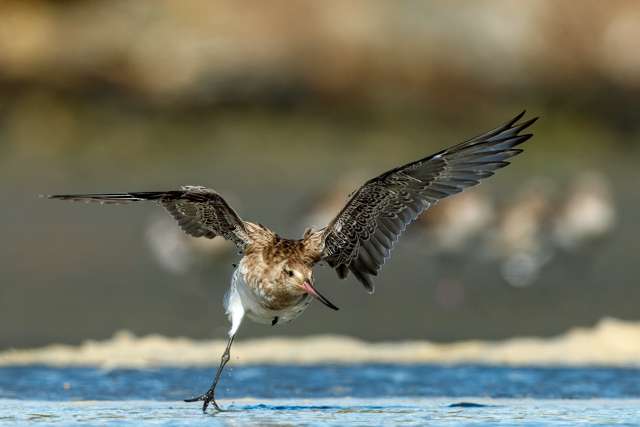
For some of the largest birds in the United States, energy conservation is a primary concern. Flapping a massive wingspan requires an enormous amount of energy. Therefore, these birds have evolved wings designed for soaring and gliding, allowing them to travel vast distances with minimal effort. This flight style is a perfect example of how a bird's anatomy dictates its behavior.
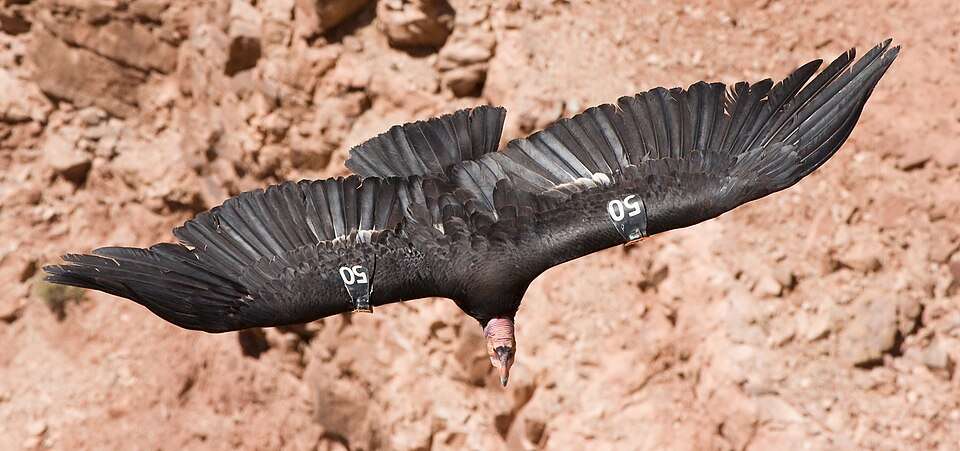
A prime example is the California Condor, with its massive 9-10-foot wingspan. Their long, broad wings are ideal for riding thermals—columns of rising warm air—to gain altitude. Once aloft, they can glide for miles without a single flap, using their wings to expertly find and ride these invisible elevators in the sky. Their flight appears slow and deliberate, a testament to their incredible efficiency. Similarly, the Bald Eagle, a symbol of American strength, uses its broad wings to effortlessly circle high above landscapes, its flight a masterclass in exploiting air currents. They can be seen spiraling upwards on a thermal before peeling off into a long, descending glide.
The American White Pelican is another superb glider. With a wingspan of up to 9 feet, they often fly in groups, known as "pods," in V-formations. They use a unique technique called wingtip vortex surfing, where they position themselves to take advantage of the swirling air currents created by the bird in front of them, further reducing drag and conserving energy. Their long, flat wings are perfectly suited for this type of energy-saving group flight over large bodies of water.

Hovering: The Ultimate in Aerial Precision
At the other end of the spectrum are birds that have specialized in a completely different kind of flight: hovering. This demanding maneuver requires an incredible amount of energy and a unique wing structure. The quintessential U.S. hover-specialist is the hummingbird.
The wings of a hummingbird are unique among birds. Unlike most species, the hummingbird’s wings are designed to move not just up and down, but to twist and rotate at the shoulder joint. During the downstroke, the wing is flat and generates lift. But on the upstroke, the wing rotates 180 degrees, allowing it to generate lift on both the forward and backward movements. This creates a figure-eight pattern of wing movement.

This rapid, figure-eight motion, combined with a wing-beat frequency of 50-80 times per second, allows the hummingbird to maintain a fixed position in the air with astonishing precision. This ability is crucial for their survival, enabling them to feed on nectar from flowers without having to land. In the U.S., species like the Ruby-throated Hummingbird and the Anna's Hummingbird are perfect examples of this incredible adaptation, often appearing as a blur of motion as they sip from feeders or flowers.
Flapping Flight: The Powerhouse and the Commuter
Most birds engage in what is known as flapping flight, but even within this category, there is immense variety based on wing shape and muscle power.
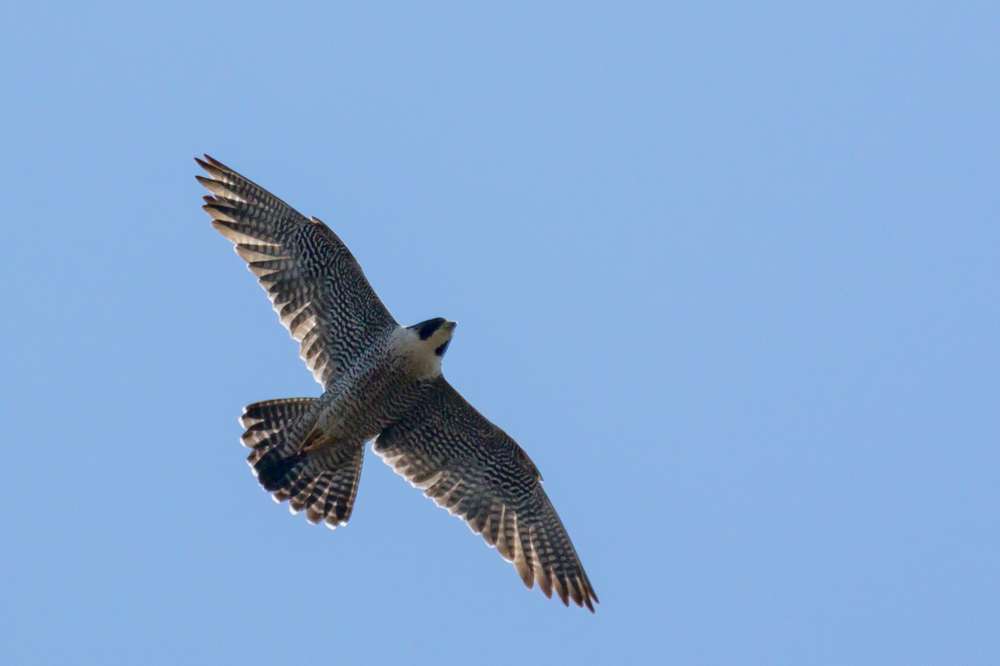
The wings of a Peregrine Falcon are a study in speed. Their long, pointed wings are built for a high-speed dive, or stoop, which can reach speeds of over 200 miles per hour. The sleek, tapered design minimizes drag, allowing them to slice through the air with incredible velocity as they pursue prey. When in normal flapping flight, they have a powerful and rapid wingbeat, reflecting their need for quick bursts of speed.
By contrast, the American Crow uses broad, rounded wings for a slower, more deliberate flight. Their wings are less specialized for speed or soaring, but they are highly maneuverable. This allows them to navigate complex environments like forests and cities, and to make quick, agile turns to evade predators or access food. The crow’s wing is a generalist tool, perfectly suited for a generalist lifestyle.
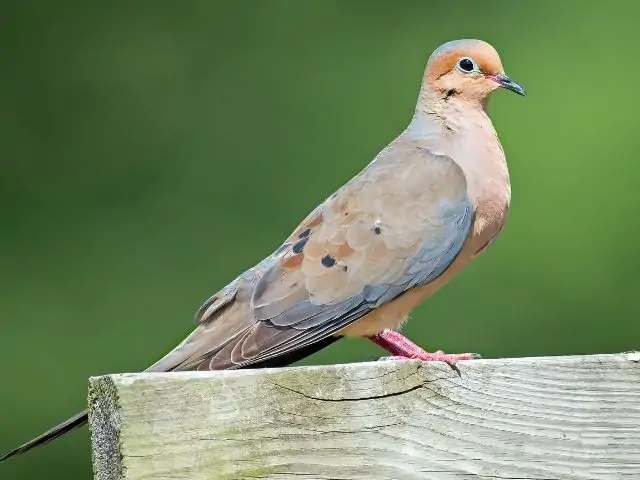
Even a familiar backyard bird like the Mourning Dove has a distinct wing style. Their pointed wings create a characteristic whistling sound as they take off, a sound many people recognize. Their flight is strong and direct, but they lack the agility of a crow or the sheer speed of a falcon. Their wing shape is an efficient design for their medium-distance flights, often between feeding and roosting sites.
Specialized Wings for Unique Lifestyles
Beyond these main categories, some birds have wings that are highly specialized for their specific habits.
- Diving Birds: Birds like the Common Loon have short, powerful wings that are excellent for "flying" underwater. They use their wings for propulsion, a very different use from aerial flight. This specialization, however, makes them clumsy and awkward on land, highlighting the trade-offs of evolutionary design.
- Nocturnal Hunters: The Common Nighthawk has long, pointed wings that are well-suited for catching insects in flight at dusk and dawn. Their wing shape allows for high-speed maneuvering and quick turns as they chase down their prey, a behavior that is a regular sight in many U.S. cities during the summer.
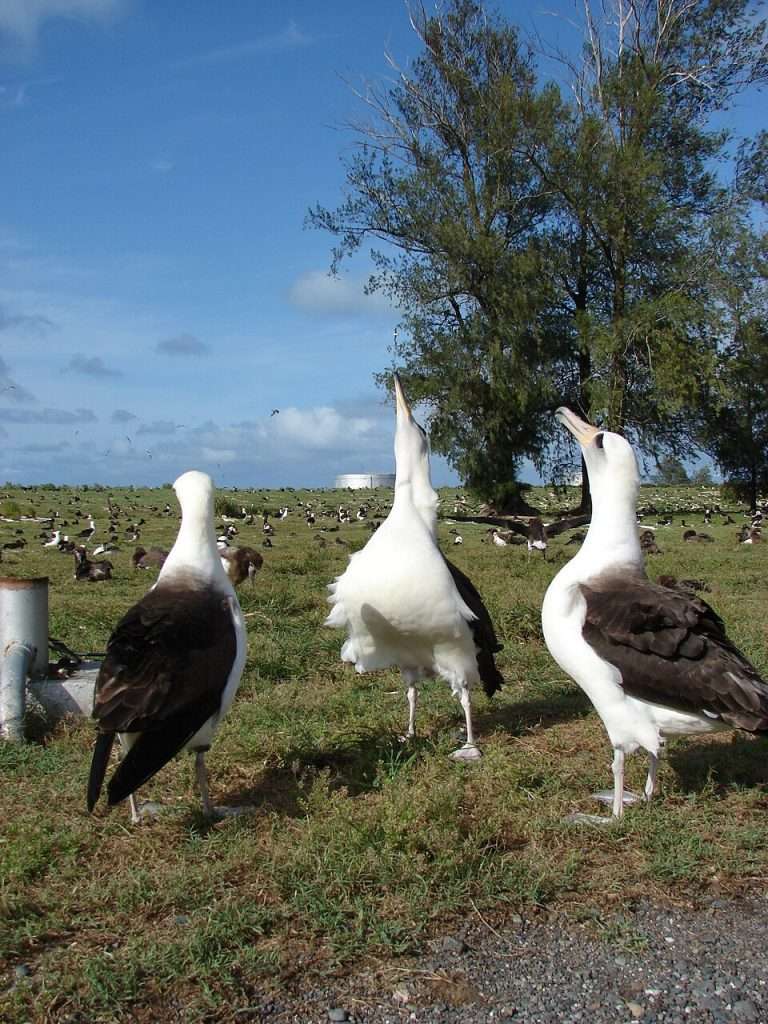
- The Albatross: While a sea bird of the open ocean, the Laysan Albatross that breeds in the U.S. territories is a marvel of soaring. Its extraordinarily long, narrow wings are designed for minimal drag. A unique feature of the albatross wing is a shoulder-locking mechanism that allows them to "lock" their wings in an extended position, enabling them to glide for hours or even days over the ocean without flapping. This incredible adaptation is the ultimate expression of energy-efficient flight.
Wrapping Up
In conclusion, the wings of a bird are a testament to the power of natural selection. From the tireless beat of a hummingbird’s wings to the motionless glide of a condor, each flight style is a finely tuned solution to a specific environmental challenge. The diversity of avian wings across the American landscape is a living exhibit of evolutionary ingenuity, showing us that when it comes to the art of flight, there is no single right answer, only a perfect balance of form, function, and purpose.
Find out more about the science of feathers.
The Masterpiece of Nature: The Intricate Construction of a Feather
