
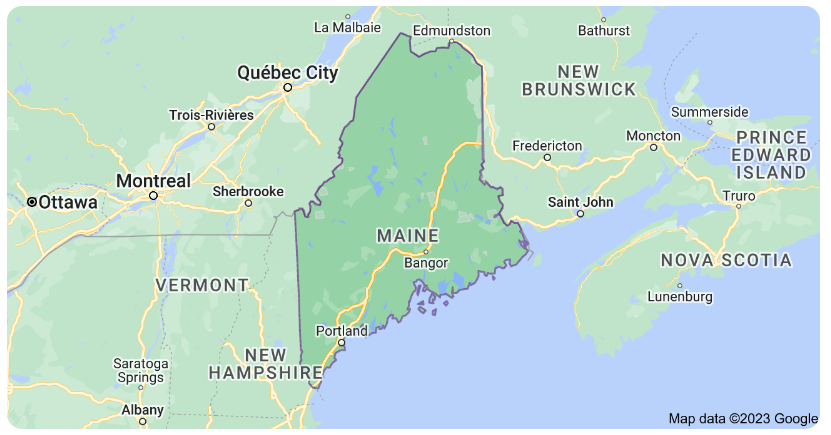
Nestled in the northeastern corner of the United States, Maine is a birder's paradise, offering an unparalleled diversity of habitats and species. From the rugged, rocky coastline and offshore islands to vast, dense boreal forests and expansive salt marshes, the state's unique geography creates a haven for hundreds of bird species year-round.
Whether you're a seasoned enthusiast seeking rare sightings or a beginner hoping to spot a charismatic puffin, Maine's extensive network of bird-watching locations provides an unforgettable experience.
This article will guide you through some of the best places to go birding in Maine, highlighting the specific birds and ecosystems that make each destination a must-visit for any bird lover.
Hamilton Audubon Sanctuary
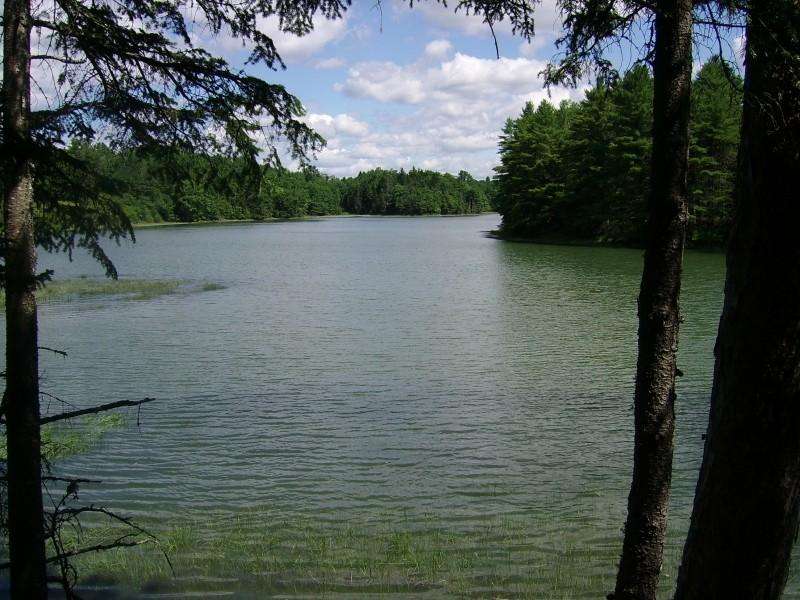
Located in West Bath, Maine, Hamilton Audubon Sanctuary is a hidden gem for bird watchers and nature lovers. Spanning 86 acres on a peninsula between the New Meadows River and Back Cove, the sanctuary's geography is defined by a rich mosaic of coastal habitats.
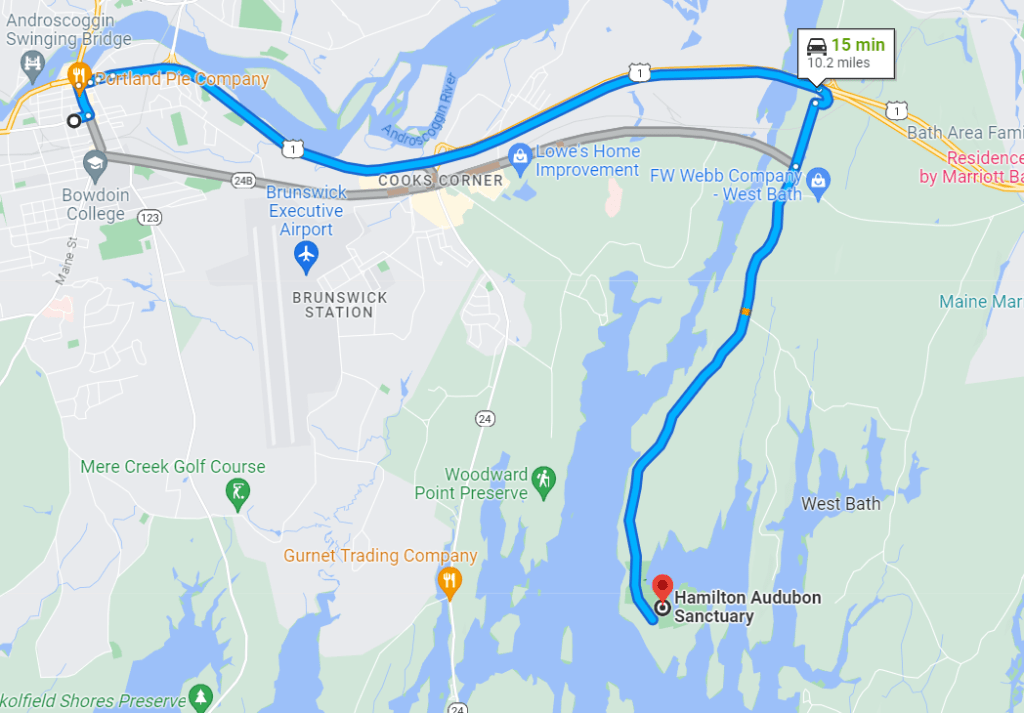
A 2.75-mile trail system winds through a coastal forest of pine, spruce, and fir, leading visitors to stunning vistas overlooking salt marshes, tidal mudflats, and open water. A former ice pond has reverted to a freshwater marsh, further diversifying the landscape.
The sanctuary was generously bequeathed to Maine Audubon by Millicent Hamilton, an avid birder and naturalist who cherished the property for its peaceful beauty and wildlife.

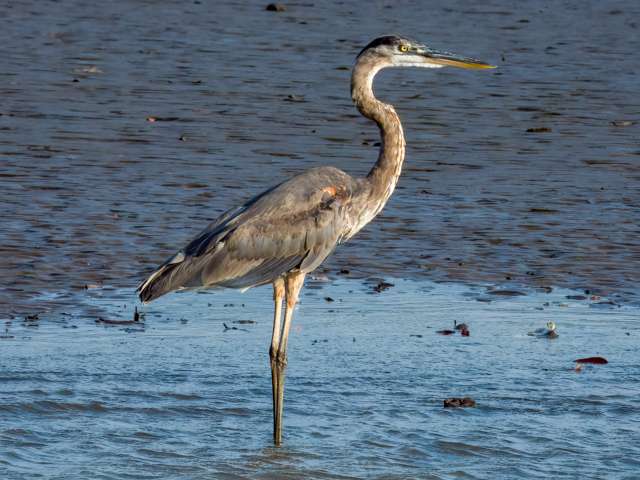
Hamilton Audubon Sanctuary offers outstanding bird watching opportunities due to its unique blend of ecosystems. The coastal marsh and mudflats at Back Cove are prime locations for observing wading birds, shorebirds, and waterfowl, including species like Great Blue Herons, Ospreys, and various migratory birds. The freshwater marsh provides a different but equally rich habitat, attracting American Bitterns and other wetland species.
The coastal forest is a haven for a variety of migratory songbirds such as warblers, sparrows, and flycatchers, which can be particularly abundant during the spring and fall migration seasons. Whether you're scanning the tidal flats for a flock of sandpipers or listening for the call of a warbler in the woods, Hamilton Audubon Sanctuary provides a rewarding experience for birders of all levels.
Target Birds
Common Eider
Piping Plover
Great Northern Diver
Surf and White-winged Scoter
Brown Creeper
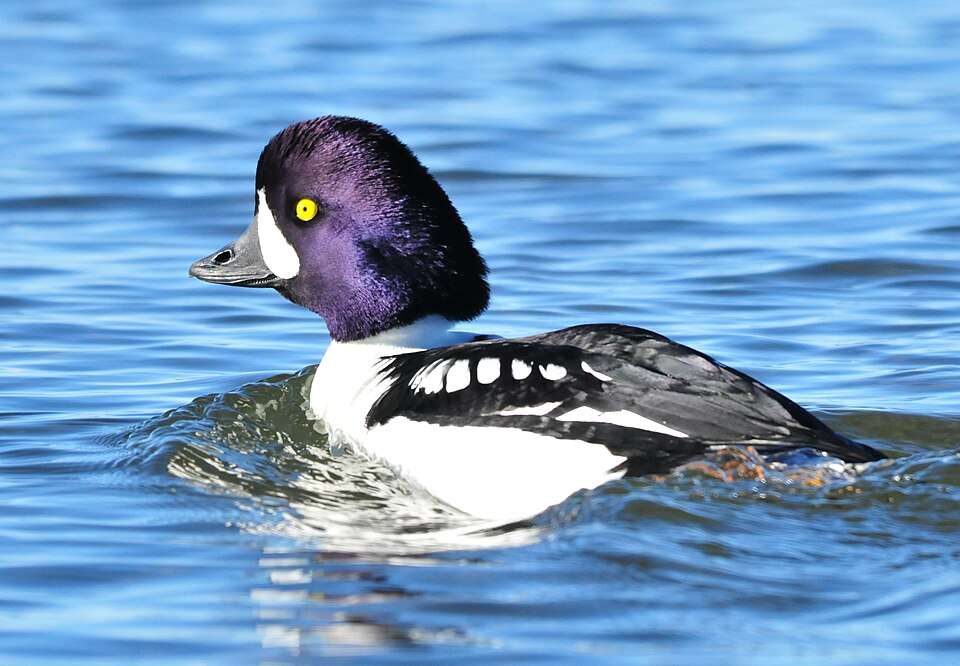
Barrow's Goldeneye
The Maine Audubon Society has a page dedicated to the sanctuary.
Mackworth Island
Mackworth Island is a 100-acre island located in Casco Bay, just off the coast of Falmouth, Maine. The island is easily accessible from the mainland via a narrow causeway, making it a convenient and popular destination for both local residents and tourists. The island's geography is a charming mix of dense woodlands, open fields, and a stunning shoreline that provides sweeping views of Casco Bay and the city of Portland.
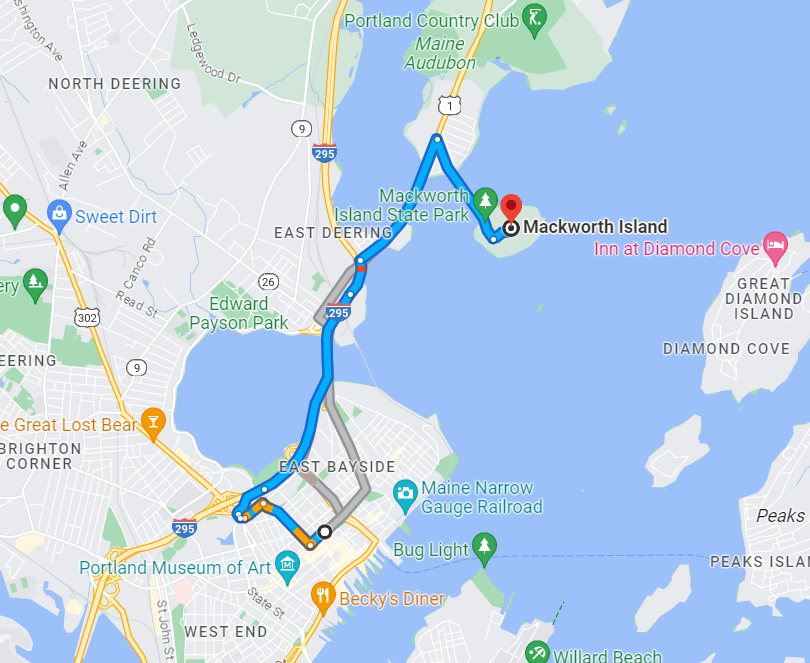
A 1.25-mile loop trail encircles the island, offering a leisurely walk and a chance to experience its diverse habitats. This unique blend of ecosystems—from rocky shores to protected woods—makes it a microcosm of coastal Maine and a fantastic spot for a variety of outdoor activities, including bird watching.
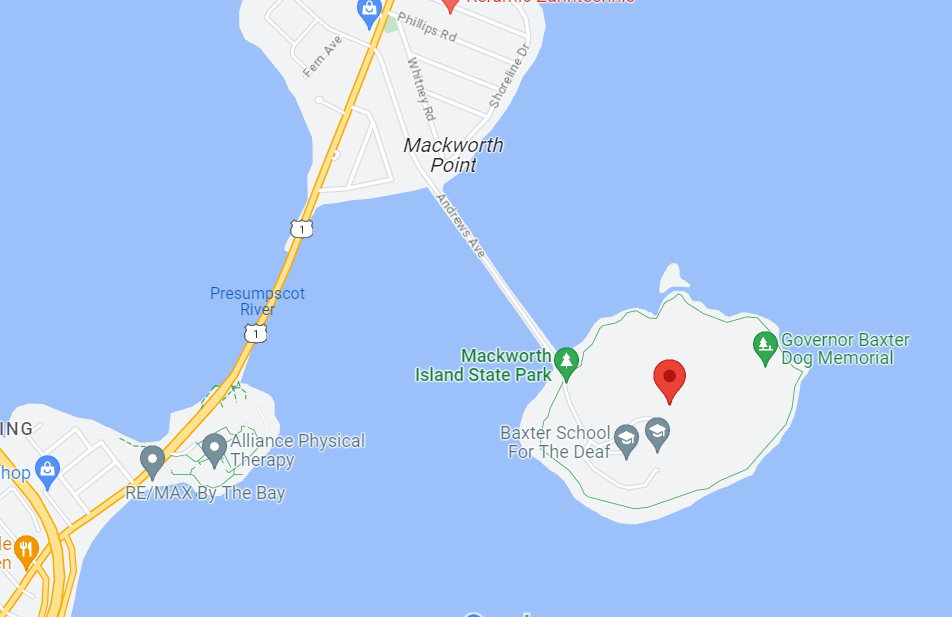
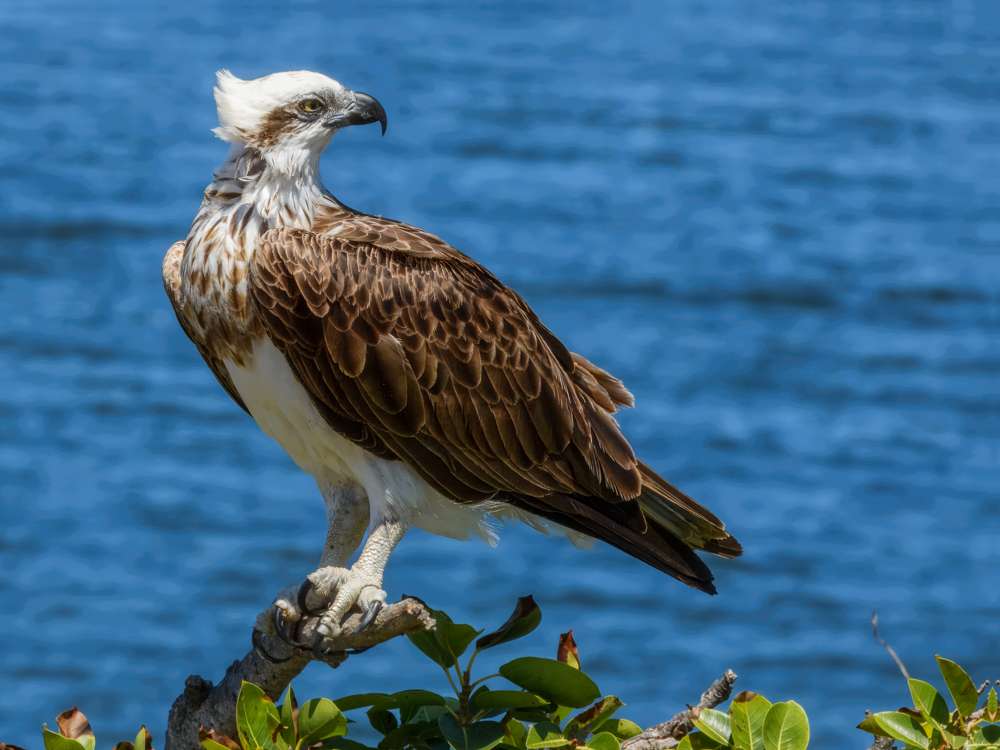
Designated as a state public park and a "sanctuary for wild beasts and birds" by its donor, former Governor Percival P. Baxter, Mackworth Island is a productive birding location year-round. The shoreline is a prime spot for observing a wide range of seabirds and waterfowl, including gulls, cormorants, and various diving ducks. During the winter, birders can spot species like Common Eiders, scoters, Buffleheads, and goldeneyes.
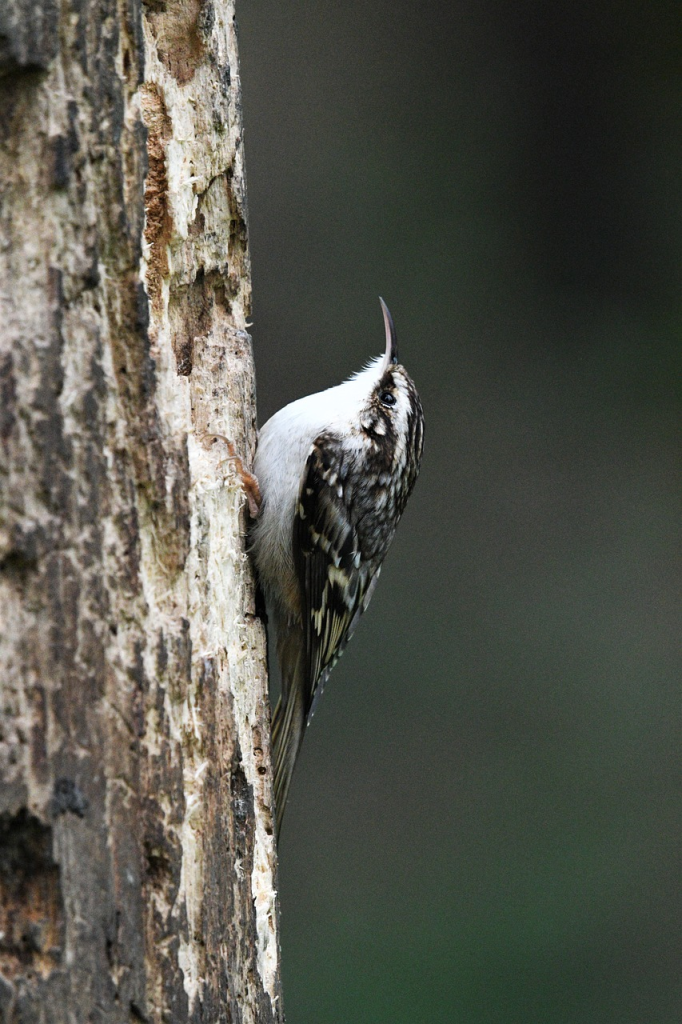
The island's forested interior attracts woodland species such as warblers, thrushes, and Ruffed Grouse, especially during the spring and fall migrations. At low tide, the mudflats near the causeway are an excellent place to find shorebirds, including plovers and sandpipers. With its easily navigable trail and diverse habitats, Mackworth Island offers an accessible and rewarding bird-watching experience for all skill levels.
Target Birds
Long-tailed Duck
Double-crested Cormorant
Osprey
Brown Creeper
Red-necked Grebe
Golden-crowned Kinglet
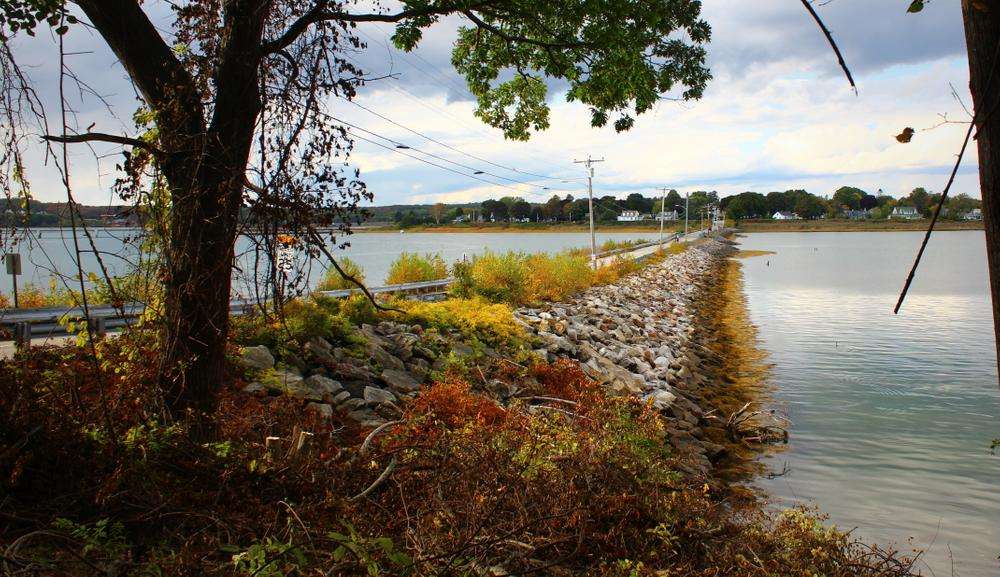
The Falmouth website has details about access to the island, trails and associated fees.
Quoddy Head State Park
Quoddy Head State Park, located in the charming town of Lubec, Maine, holds the unique distinction of being the easternmost point of land in the continental United States. This 541-acre park is defined by its dramatic, rugged geography, featuring towering black cliffs, extensive forests, and two distinct bogs.
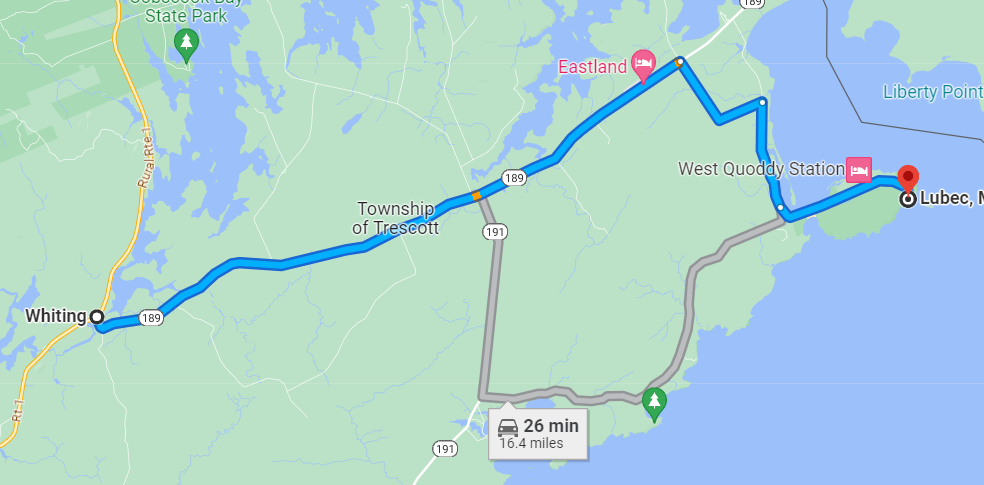
The most iconic landmark is the candy-striped West Quoddy Head Light, an active lighthouse that has guided mariners since its construction in 1808. From the park's scenic trails, visitors can look out over the Quoddy Channel to the red cliffs of Grand Manan Island in New Brunswick, Canada, and experience some of the world's most powerful tides, which create a rich and dynamic marine environment.
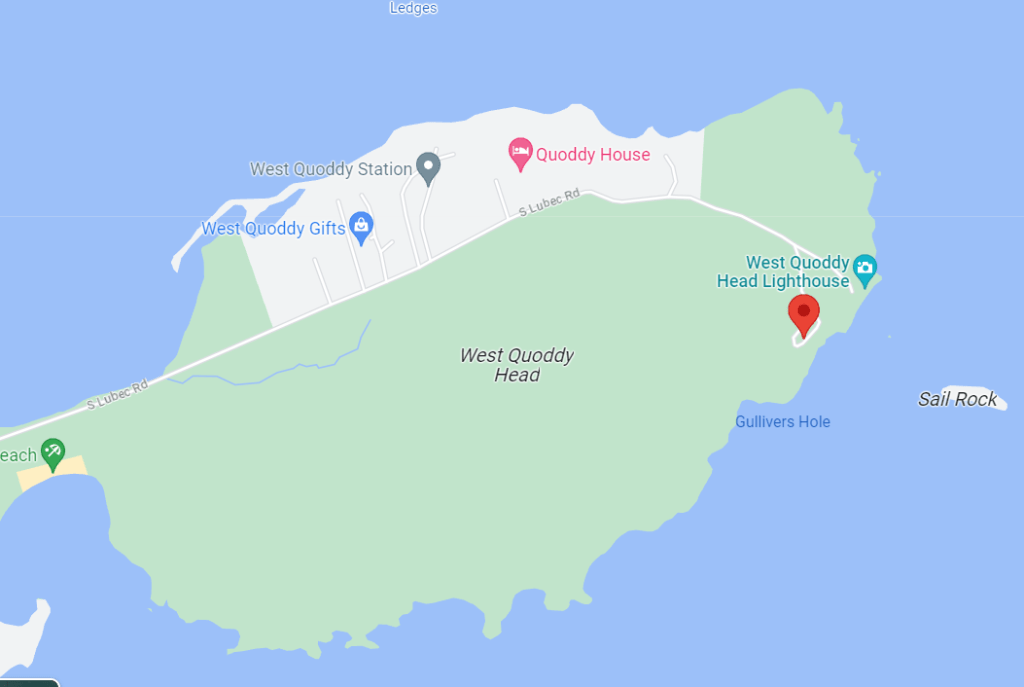
For bird watchers, Quoddy Head State Park offers a spectacular and diverse array of opportunities. The park’s location on the "Bold Coast" makes it a prime spot for viewing both coastal and boreal forest species. The offshore waters are a haven for seabirds, with sightings of Black Guillemots, Common Eiders, and various gulls and terns.

During spring and fall migration, the area becomes a critical stopover for a wide range of species. The nearby Lubec Flats and Carrying Place Cove, with their vast tidal mudflats, are a magnet for hundreds of migrating shorebirds, including Black-bellied Plovers and Ruddy Turnstones. Meanwhile, the park's dense spruce and fir forests are home to sought-after northern residents like the Boreal Chickadee and Spruce Grouse, making Quoddy Head a year-round destination for birding enthusiasts.
Target Birds
Razorbill
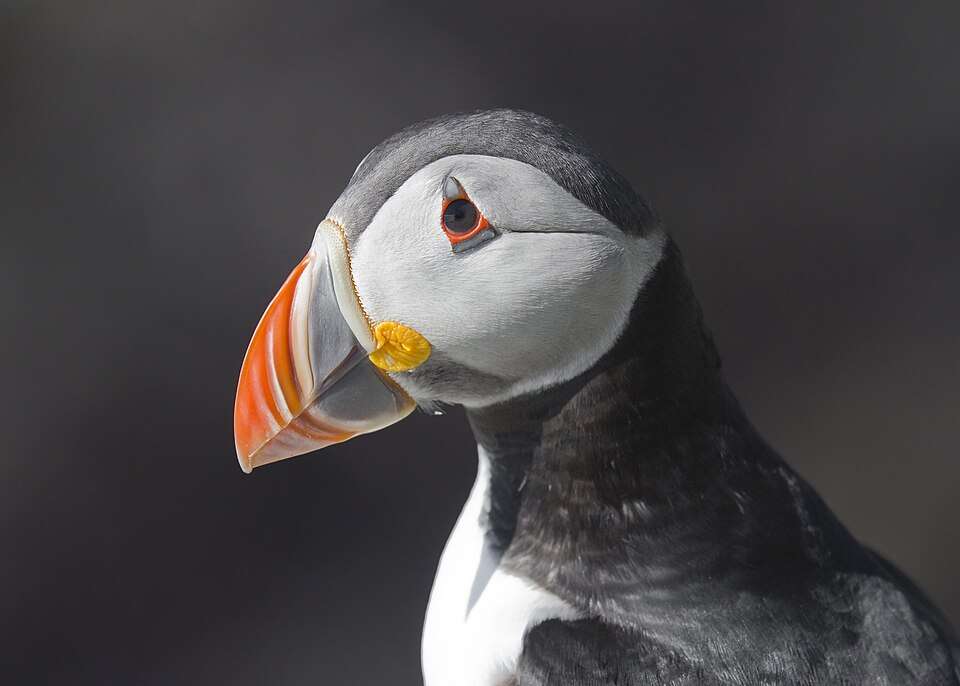
Atlantic Puffin
Winter Wren
Slavonian Grebe
Northern Harrier
American Golden Plover
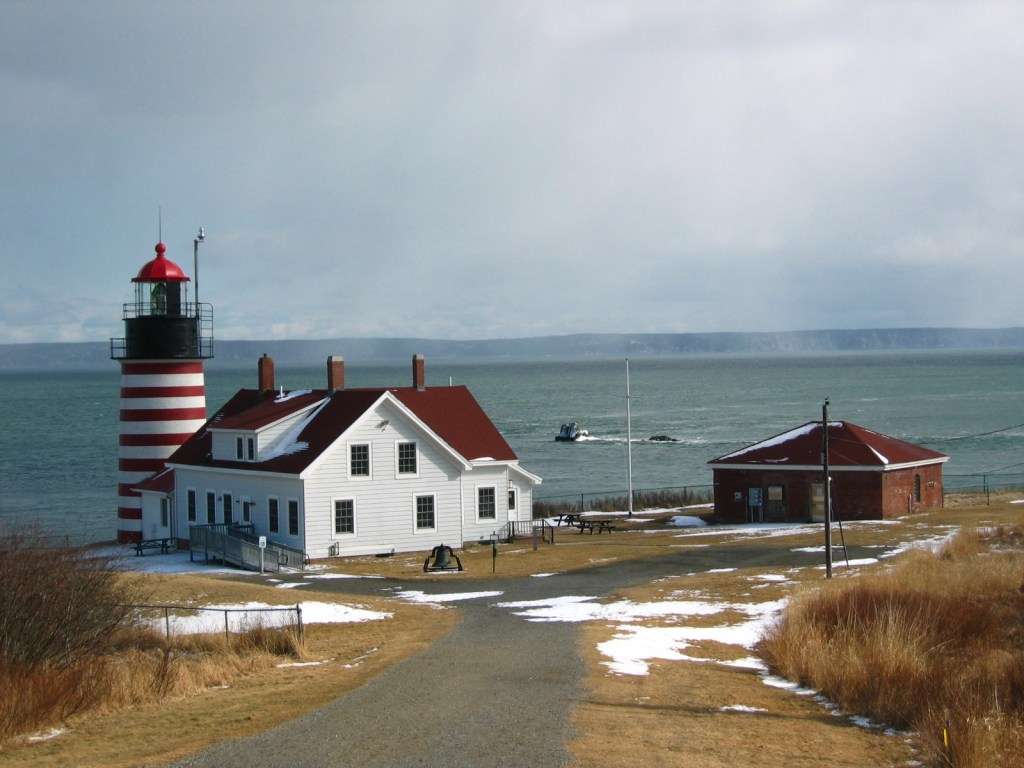
Maine State Parks has a lovely page about the area with interesting history and facts about the area.
Gilsland Farm Audubon Center
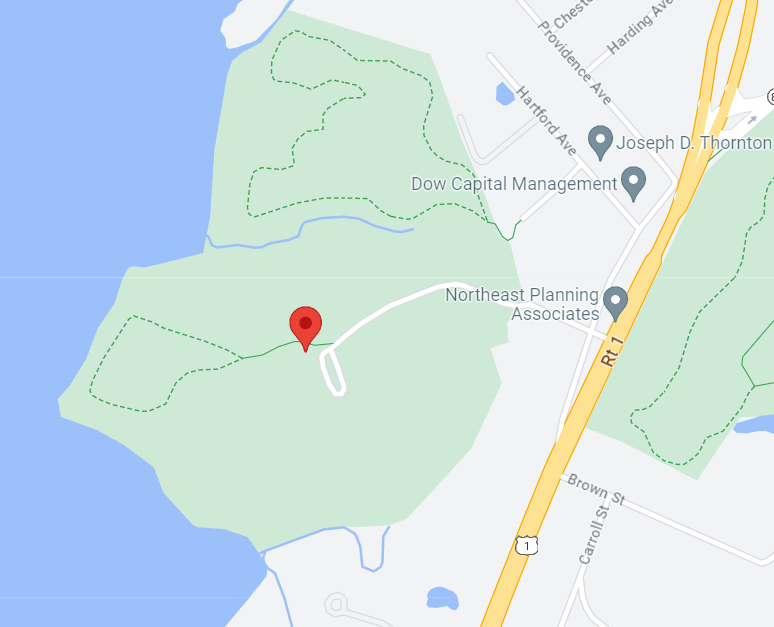
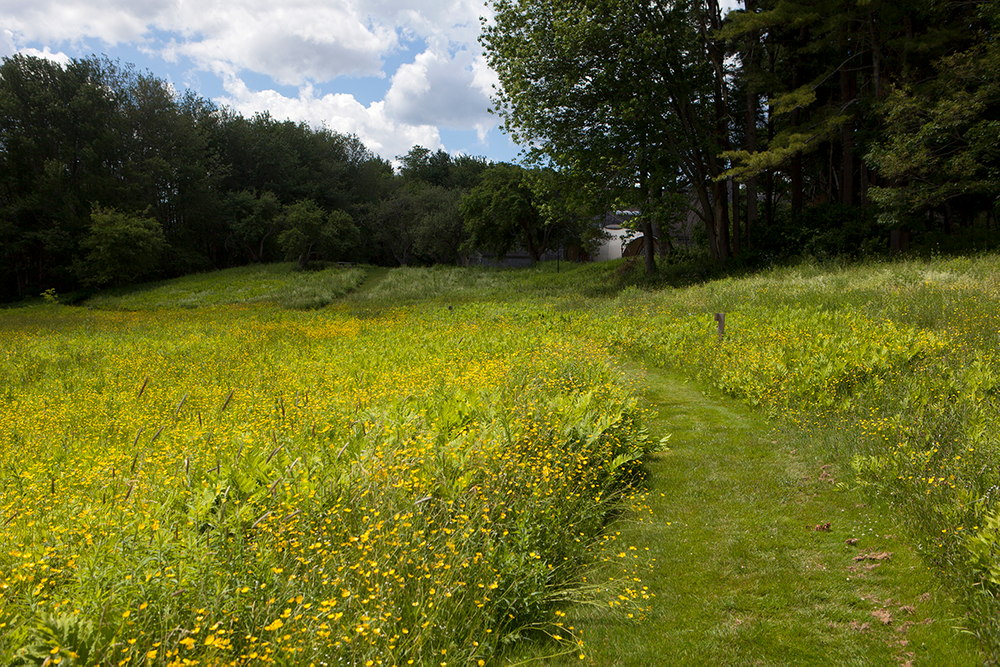
Located in Falmouth, just a short drive from Portland, the Gilsland Farm Audubon Center serves as the headquarters for Maine Audubon. This 65-acre sanctuary offers an incredibly diverse geography, packed into a relatively small area. Its habitats include rolling meadows, mature woodlands, an apple orchard, a pond, and a salt marsh with bluffs overlooking the Presumpscot River estuary.
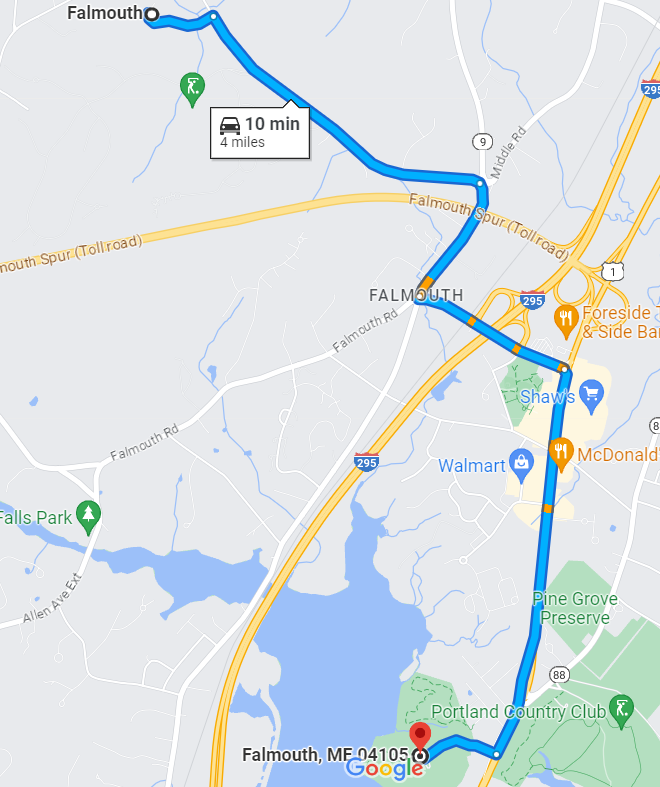
These varied ecosystems are connected by over two miles of gentle trails, making the center accessible for birders of all skill levels. The combination of coastal, wetland, and forest habitats makes it a prime location for observing a wide array of birds throughout the year.
The birdwatching opportunities at Gilsland Farm are excellent due to its diverse habitats. The salt marsh and estuary areas are fantastic for spotting waterfowl and shorebirds, especially during migration. The meadows provide crucial nesting grounds for species like Bobolinks and Eastern Meadowlarks and serve as hunting grounds for raptors such as the Red-tailed Hawk.
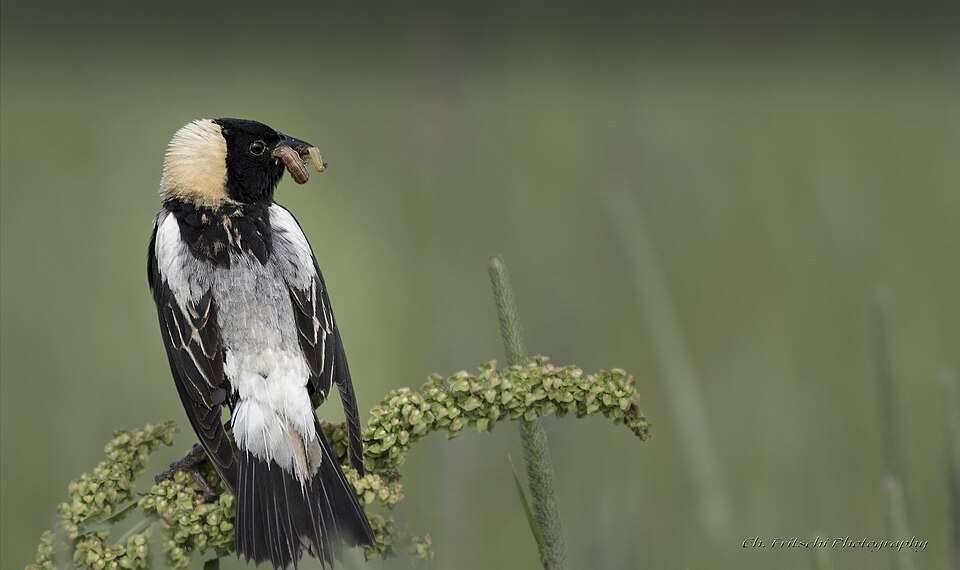
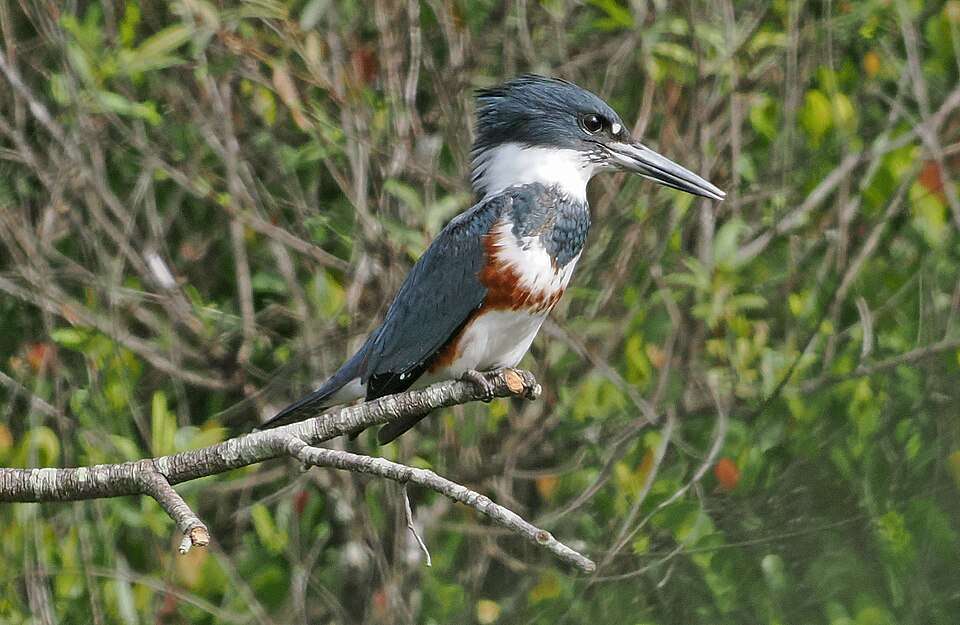
The woodlands attract numerous warblers, thrushes, and finches, particularly during the spring and fall migrations. Additionally, bird feeders around the visitor center are a reliable spot to see common backyard birds like finches, sparrows, and chickadees. Observation blinds along the trails offer secluded viewpoints for discreetly watching birds in the marsh and on the pond.
Target Birds
Belted Kingfisher
Olive-sided, Willow and Least Flycatcher
Bobolink
Cedar Waxwing
Nashville, Chestnut-sided, Black-throated Blue and Prairie Warbler
The Gisland Farm Audubon Center has lots of information about possible activities and the events held at the farm.
Biddeford Pool
Biddeford Pool is a unique coastal community in southern Maine, situated at the end of a peninsula that juts out into Saco Bay. Its geography is defined by a large tidal pool, for which it is named, and a diverse shoreline that includes sandy beaches, rocky outcroppings, and expansive salt marshes.
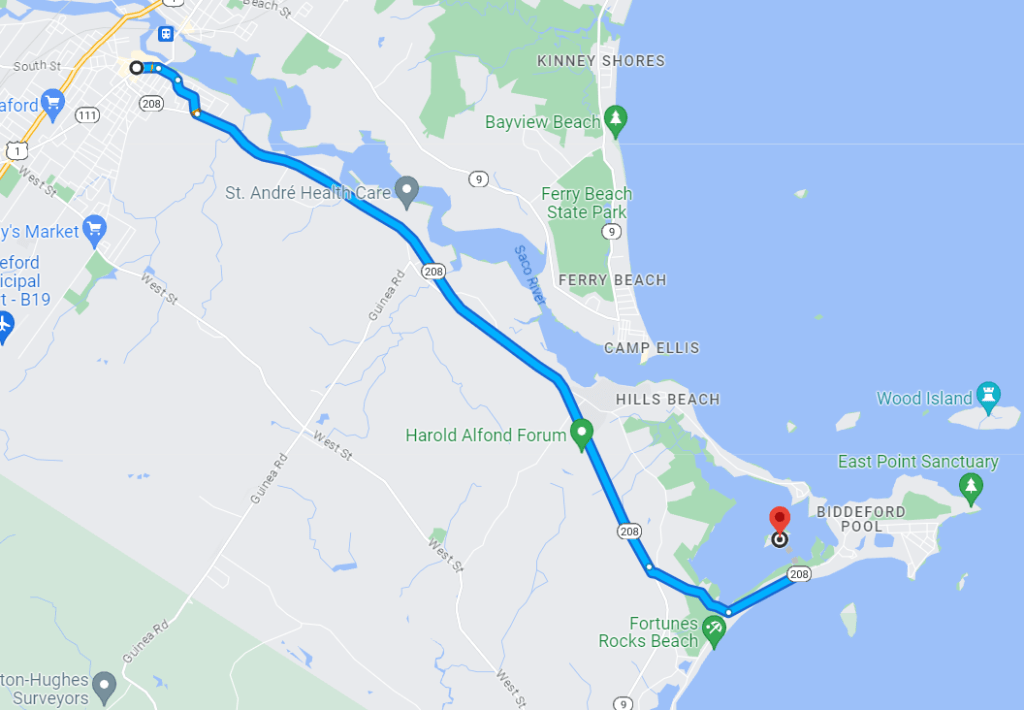
The area's main features, including the tidal pool itself, the "gut" (a narrow channel connecting the pool to the ocean), and the adjacent East Point, create a variety of habitats in a compact area. This combination of protected waters and open ocean makes Biddeford Pool a prime location for both resident and migratory birds, offering a rich and varied bird-watching experience throughout the year.
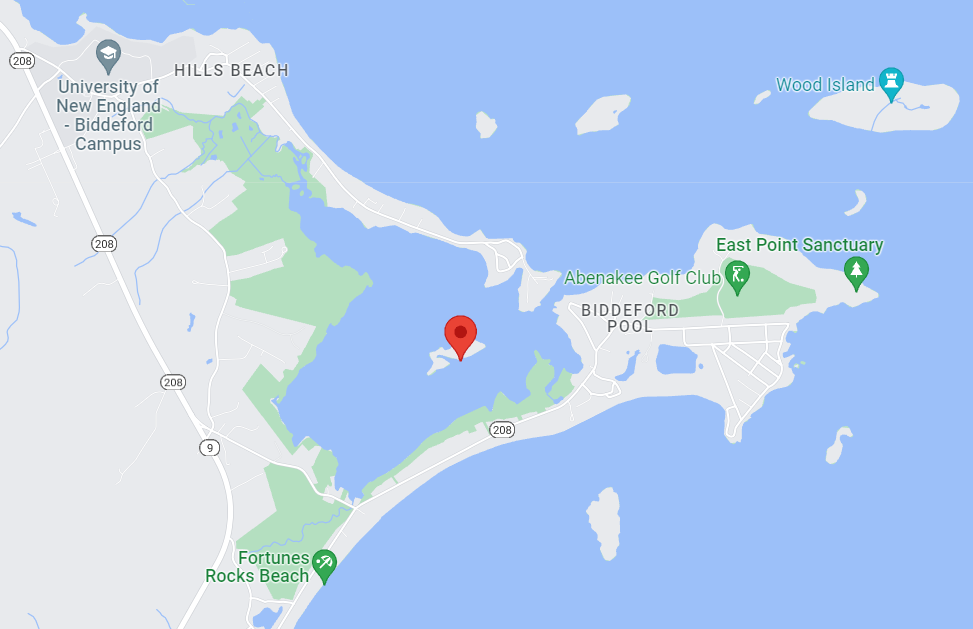
The bird-watching opportunities at Biddeford Pool are exceptional, particularly at the renowned East Point Sanctuary, a Maine Audubon property. This small but spectacular sanctuary provides unobstructed views of the open ocean and the channel toward Wood Island, making it an excellent spot for observing seabirds.
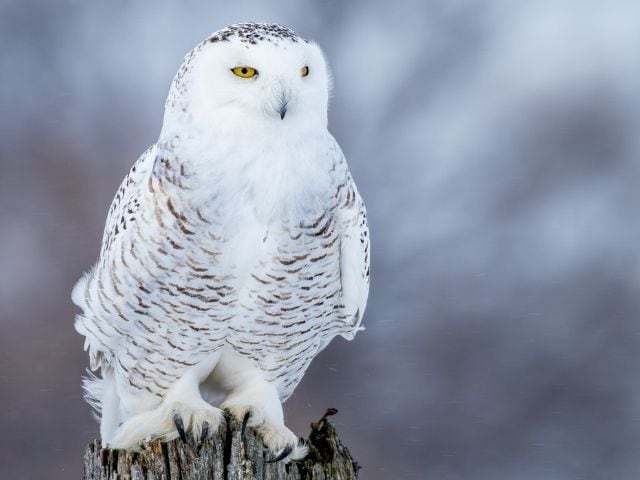
In the fall and winter, birders can spot species like Northern Gannets, Razorbills, and various sea ducks, with occasional sightings of rarities like King Eiders and even Snowy Owls perched on rooftops or the Wood Island Lighthouse. During spring and fall migration, the sanctuary's mix of shrub and open field habitat becomes a magnet for a wide range of passerines, including numerous warblers and sparrows, making Biddeford Pool a must-visit destination for any serious birder.
Target Birds
Willet
Rose-breasted Grosbeak
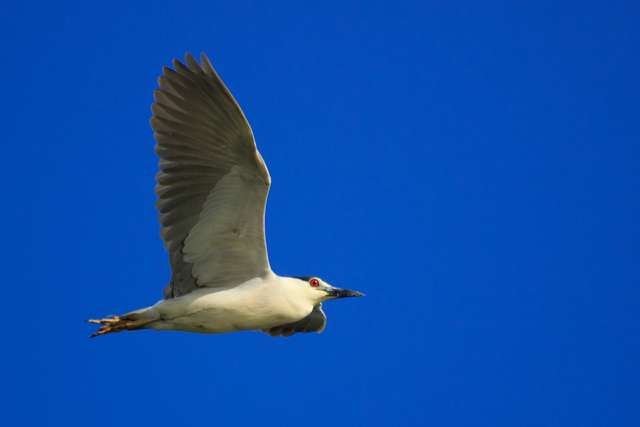
Black-crowned Night Heron
Tree and Barn Swallow
Ovenbird
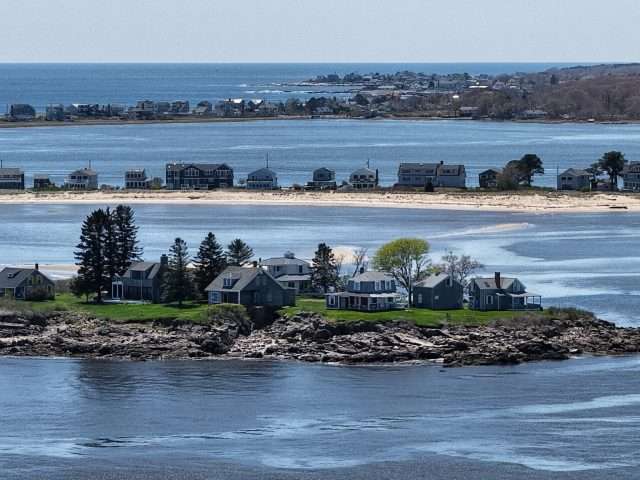
York County Audubon has a page for the Biddeford Pool area with lots of details about the area and bird watching.
Monhegan Island
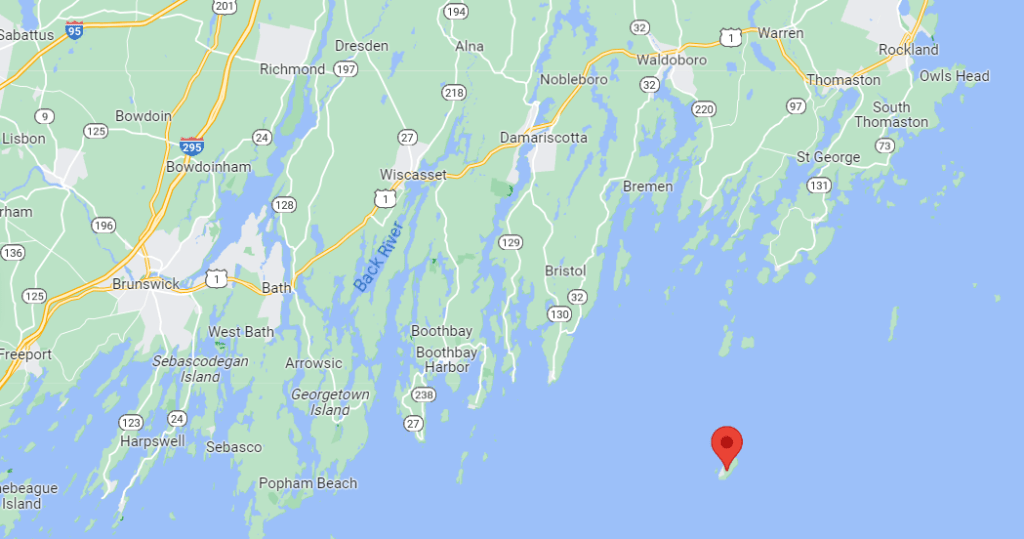
ocated ten miles off the mainland in the Gulf of Maine, Monhegan Island is a one-square-mile, car-free oasis famous for its dramatic coastal cliffs, dense spruce forests, and tranquil village. Its remote location and position along a major migratory pathway make it a renowned "migrant trap."
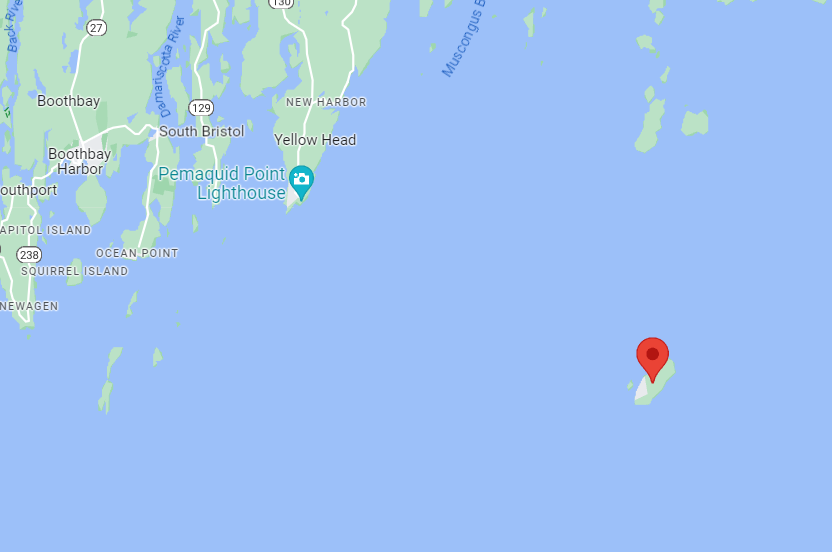
As birds travel south in the fall, or north in the spring, unfavorable winds can push them offshore. Monhegan Island, an isolated patch of green in a vast ocean, becomes a critical stopover where these exhausted birds can land, refuel, and rest. The island's diverse habitats, including rocky shorelines, dense woods, and a freshwater pond, provide a variety of food and shelter for both resident and migratory species. With over 17 miles of interwoven hiking trails, birders can explore the island's varied landscapes, from the headlands of Lobster Cove to the interior's spruce and fir stands.
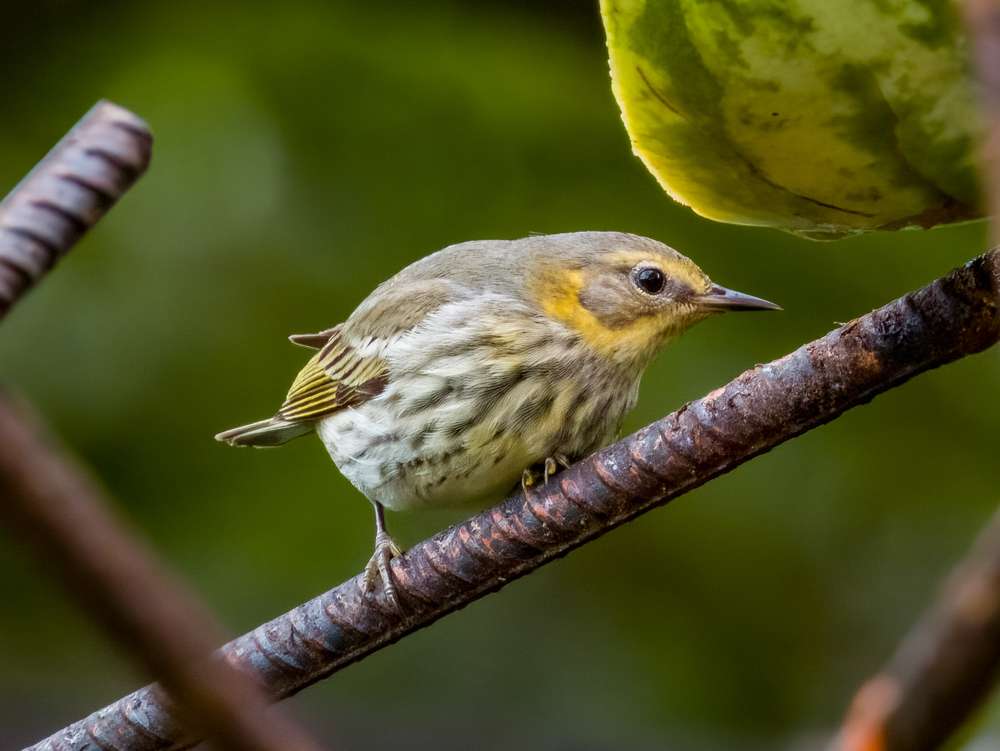
Bird watching opportunities on Monhegan are exceptional, particularly during the spring and fall migrations. A morning on the island during peak migration can yield dozens of warbler species, including Black-throated Blue, American Redstart, and Cape May Warbler, as well as a variety of thrushes, vireos, and flycatchers. Raptors like Sharp-shinned Hawks, Merlins, and Peregrine Falcons also follow the coastal route, often stopping to hunt the smaller migrants.
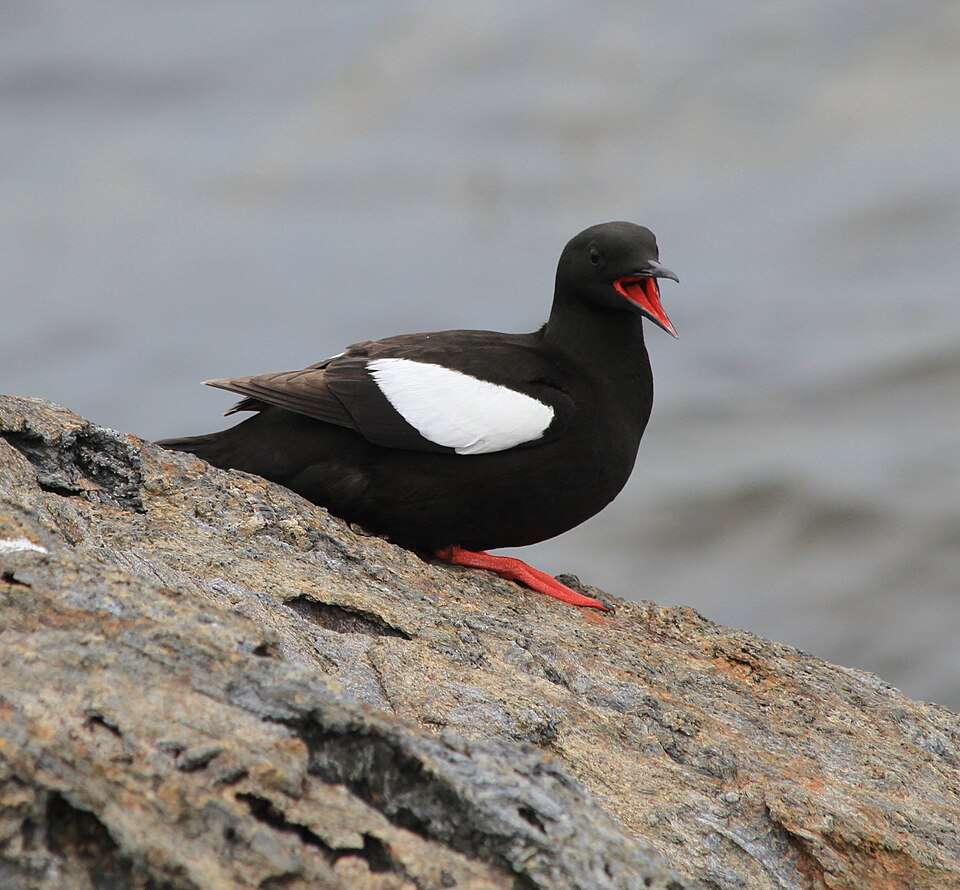
Beyond the passerines and raptors, the island's coastal location offers sightings of seabirds and waterfowl. From the cliffs, birders can spot Northern Gannets, Common Eiders, and Black Guillemots, while a ferry ride to and from the island provides a chance to see pelagic species like Great Shearwaters and storm-tossed jaegers. For birders seeking a peaceful, immersive experience with the chance of rare and unexpected sightings, Monhegan Island is an unmissable destination.
Target Birds
Black Guillemot
Atlantic Puffin
Yellow-bellied Sapsucker
Common Crossbill
Virginia Rail
American Woodcock
Great and Manx Shearwater

Monhegan Island has its own website with lots of helpful facts about visiting the island.
Stratton Island
Stratton Island, part of the Phineas W. Sprague Memorial Sanctuary, is a small, 24-acre island located in Saco Bay, off the coast of Old Orchard Beach in southern Maine. Its low-lying geography is a mix of rocky bluffs, sandy beaches, and marshy wetlands, creating a perfect environment for a diverse range of nesting birds.
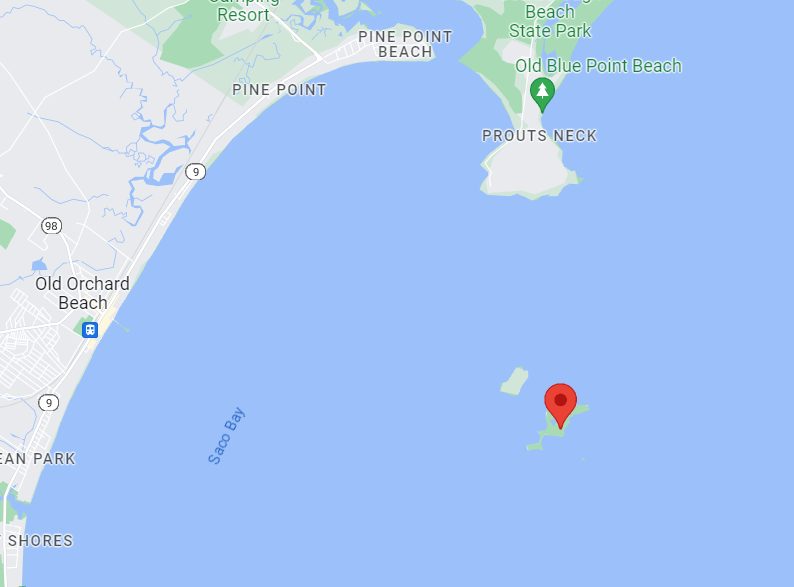
The island is owned and managed by the National Audubon Society, which maintains it as an important seabird research station. Access to Stratton Island is strictly controlled, and public visitation is generally not permitted, with the exception of special guided tours. This limited access helps protect the fragile nesting habitats and ensures the island remains a crucial sanctuary for its avian inhabitants.
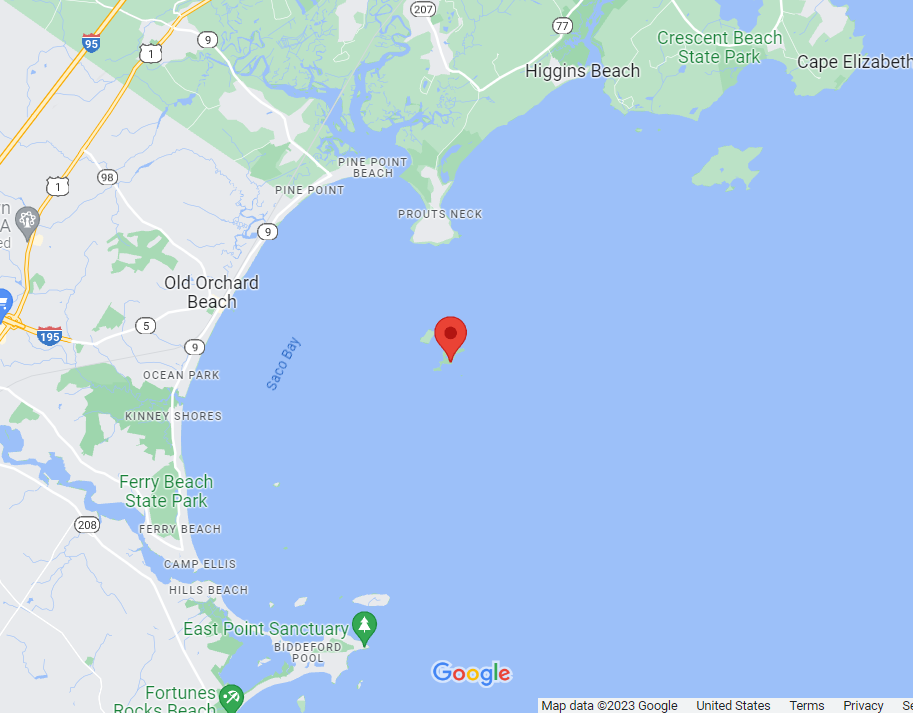
Stratton Island is a premier location for bird watching, especially for those interested in coastal and migratory species. It hosts the most diverse wading bird colony in Maine and serves as a vital stopover on the Atlantic Flyway. During the breeding season, the island's beaches and interior wetlands are a spectacle of activity, with nesting Common, Roseate, Arctic, and Least Terns.
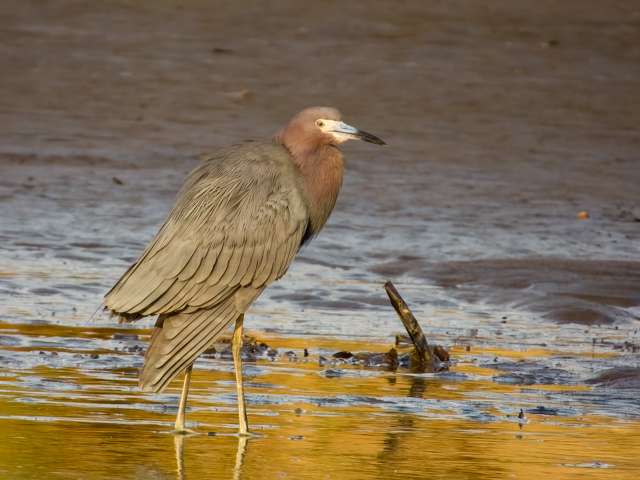
It is also a key breeding ground for species at the northern edge of their range, such as the Glossy Ibis, Little Blue Heron, and Great Egret, while simultaneously serving as the southern limit for others like the Black Guillemot and Common Eider. Birders who are able to secure a spot on a guided tour can witness this unique convergence of species and observe a bustling colony of seabirds and wading birds in their natural nesting environment.

Target Birds
Least, Roseate, Common, Black and Arctic Tern
Purple, Upland and Solitary Sandpiper
Yellow-crowned Night Heron
Alder Flycatcher
Buff-bellied Pipit
Sanderling
- Atlantic Puffin

The Audubon website - Project Puffin is dedicated to preserving the wildlife on the island, in particular the birds that nest there.
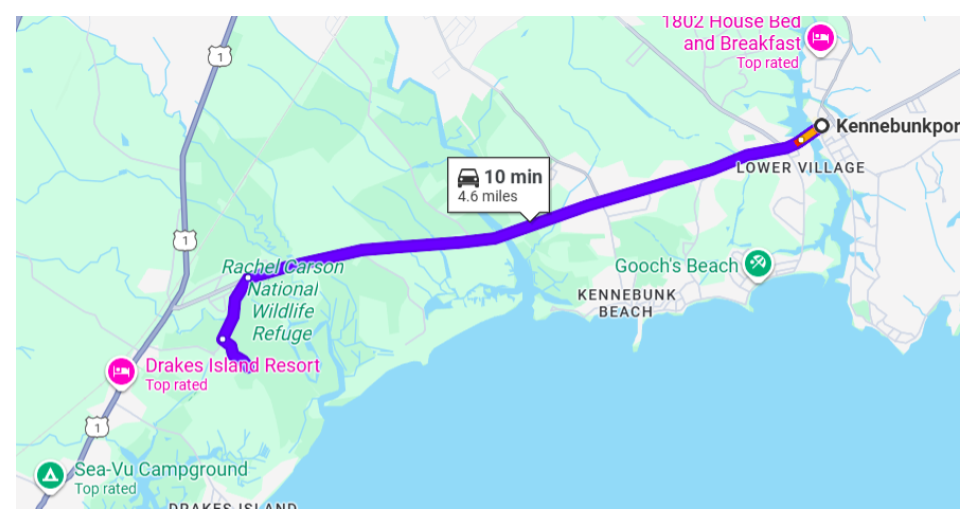
Rachel Carson NWR
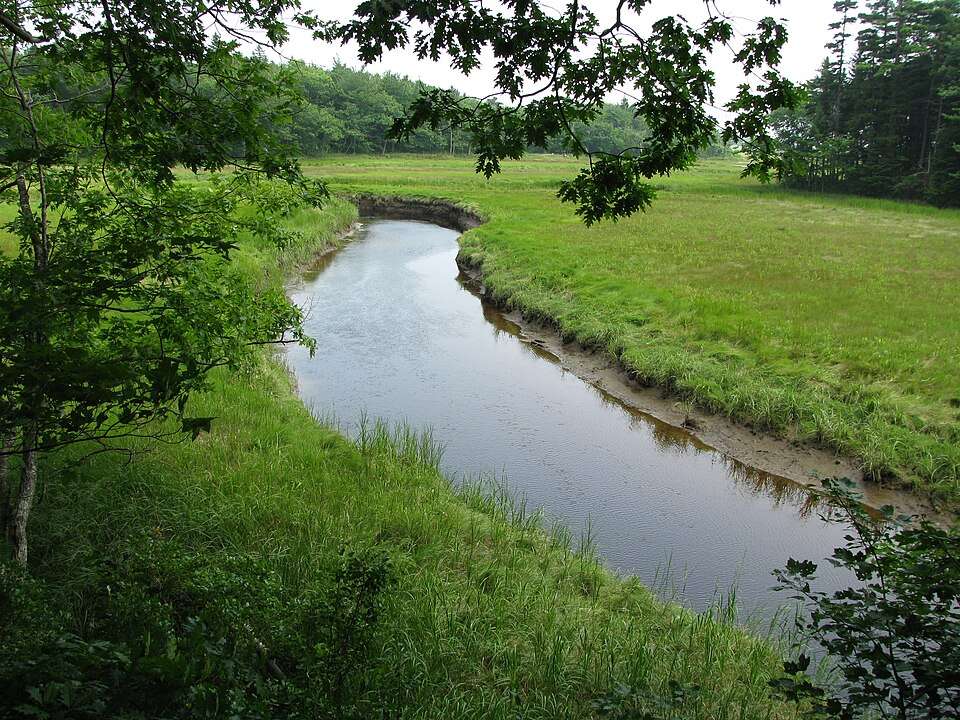
The Rachel Carson National Wildlife Refuge, a mosaic of protected lands spanning 50 miles of southern Maine's coastline, is a critical haven for migratory birds. Established in 1966, the refuge's geography is a unique blend of habitats where the eastern deciduous forest meets the boreal forest. This includes a variety of ecosystems such as tidal salt marshes, barrier beaches, dunes, and coastal meadows.
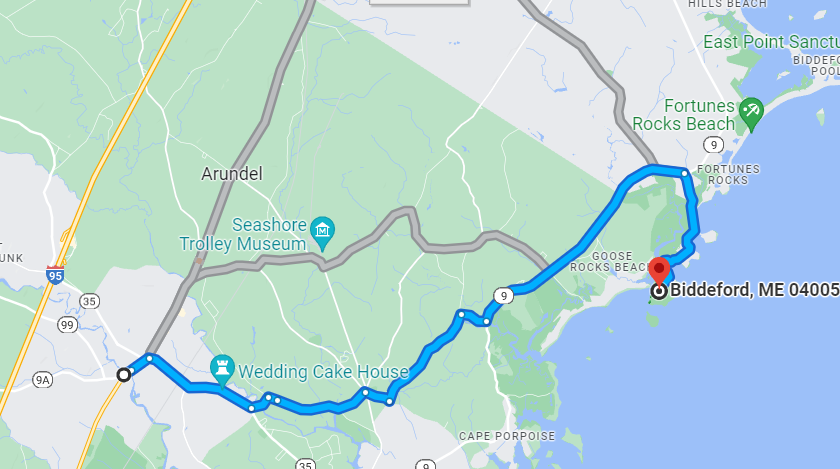
The refuge is comprised of eleven separate divisions from Kittery to Cape Elizabeth, protecting valuable estuaries and coastal lands that have been largely preserved from the encroaching development of this populous region. This fragmented yet strategic location ensures a network of safe havens for wildlife across a wide swathe of the southern Maine coast.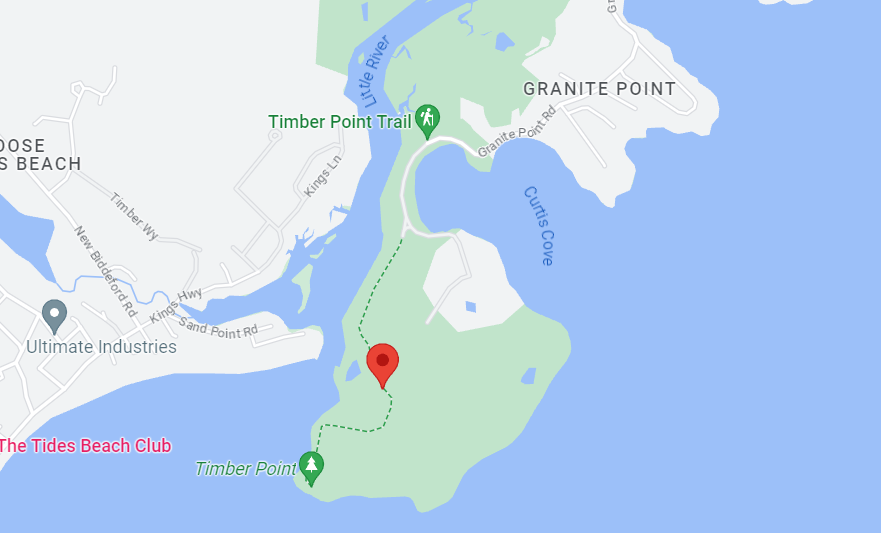
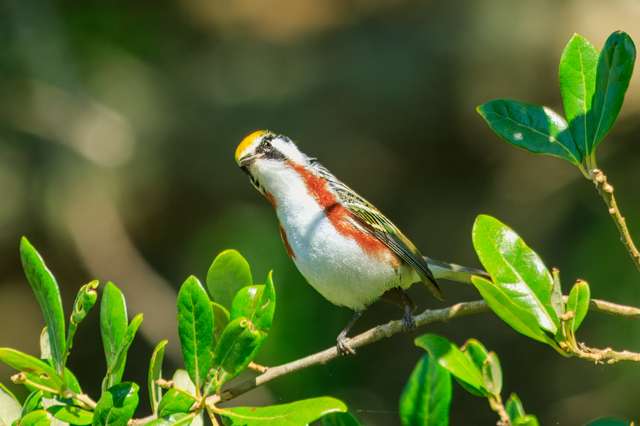
Birdwatching opportunities at Rachel Carson NWR are abundant and varied throughout the year, with more than 250 species of birds recorded on or from refuge lands. The refuge's marshes, in particular, are a key feature for birders, offering excellent viewing of waterfowl, shorebirds, and wading birds. During the spring and fall migrations, the refuge becomes an essential stopover point for species such as sandpipers, plovers, and herons.

The Biddeford Pool division is particularly renowned for its concentration of shorebirds. The refuge also provides crucial nesting habitat for endangered species like the Piping Plover and Saltmarsh Sparrow. With well-maintained trails, including the accessible Carson Trail, and numerous observation platforms, the refuge offers a chance to experience a diverse array of coastal and woodland birds in a relatively undeveloped and tranquil setting.
Target Birds
Greater Yellowlegs
Blue-headed and Red-eyed Vireo
Surf Scoter
Magnolia, Chestnut-sided and Wilson's Warbler
The U.S. Fish and Wildlife Service has good up to date information about the area.
Wells Reserve at Laudholm Farm
Located on the southern coast of Maine, the Wells Reserve at Laudholm Farm is a protected area of over 2,250 acres, encompassing a remarkable diversity of coastal habitats. The reserve's geography includes open fields and forests that transition into freshwater wetlands, extensive salt marshes, and eventually, a sandy barrier beach.
This unique combination of ecosystems is what makes the Wells Reserve so special. The historic Laudholm Farm, with its classic New England buildings, serves as the headquarters and a hub for research, education, and conservation. The reserve’s seven miles of trails are a birdwatcher's delight, offering easy access to these varied environments and the many species they attract.
Bird watching at Wells Reserve is a year-round activity, with over 285 species recorded to date. In the spring and summer, the grasslands and woodlands are alive with the songs of Bobolinks, Eastern Meadowlarks, and various warblers. The reserve's beaches and salt marshes are particularly important for nesting birds, providing crucial habitat for threatened species like the Piping Plover and Least Tern.
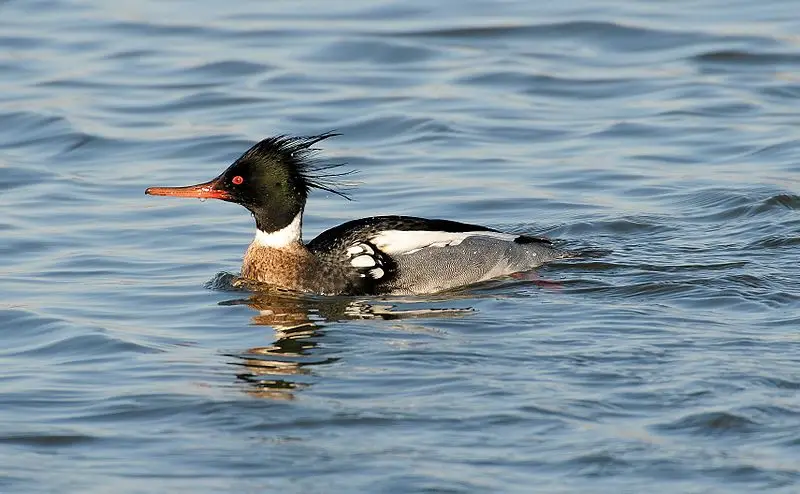
As fall migration begins, the open fields and coastline become prime spots for observing raptors, while the salt marshes fill with a variety of shorebirds. Even in the winter, the reserve offers excellent birding opportunities, with species like Common Eider, Red-breasted Merganser, and different species of gulls taking advantage of the sheltered coastal waters. The Wells Reserve also hosts a long-running bird-banding station, offering a rare opportunity to see scientists at work and learn about bird research firsthand.
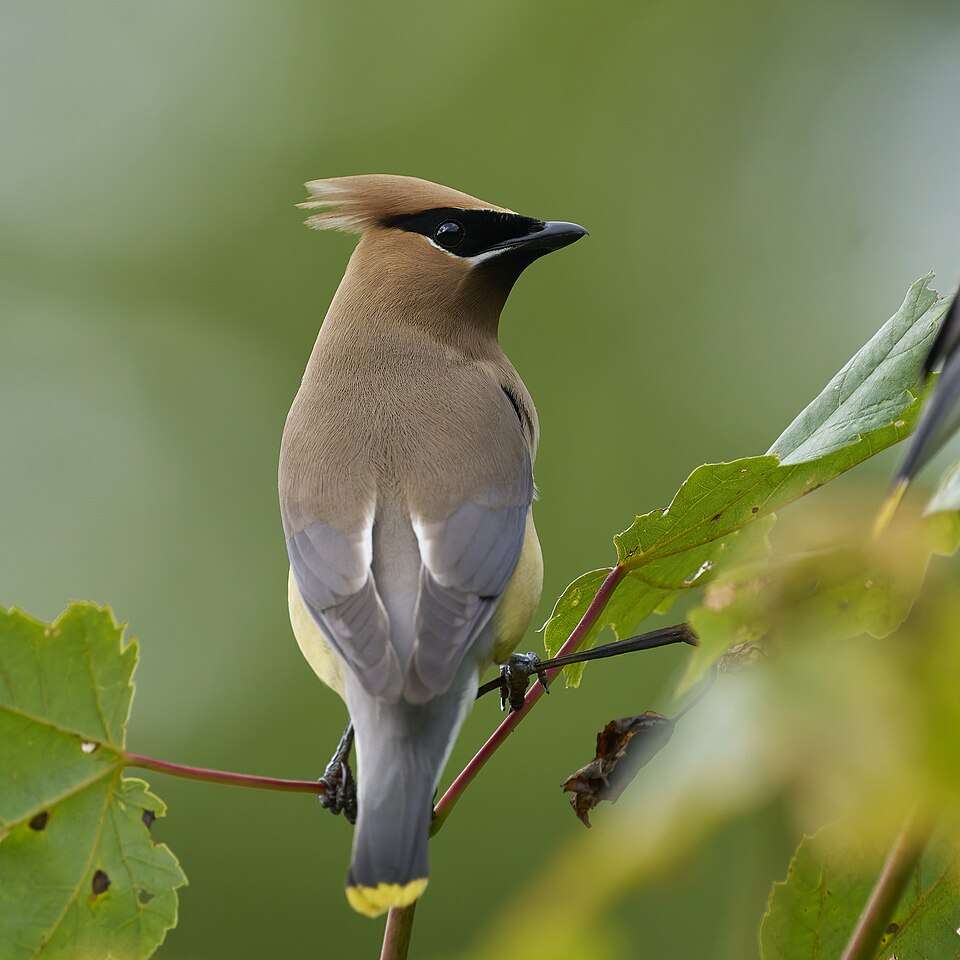
Target Birds
Red-throated Diver
House and Marsh Wren
Cedar Waxwing
Scarlet Tanager
Wilson's Snipe
Broad-winged Hawk
Northern Waterthrush

The Wells Reserve website details the trails available in the area, directions and fees as well as the conservation programs run there.
Fort Foster Park
Fort Foster Park, located in Kittery, Maine, sits on the southwestern tip of Gerrish Island, offering a prime coastal location where the Piscataqua River meets the Atlantic Ocean. Its geography is a diverse mix of habitats within its 88 acres, including sandy beaches, rocky shorelines, mature hardwoods, evergreen forests, and even a freshwater marsh.
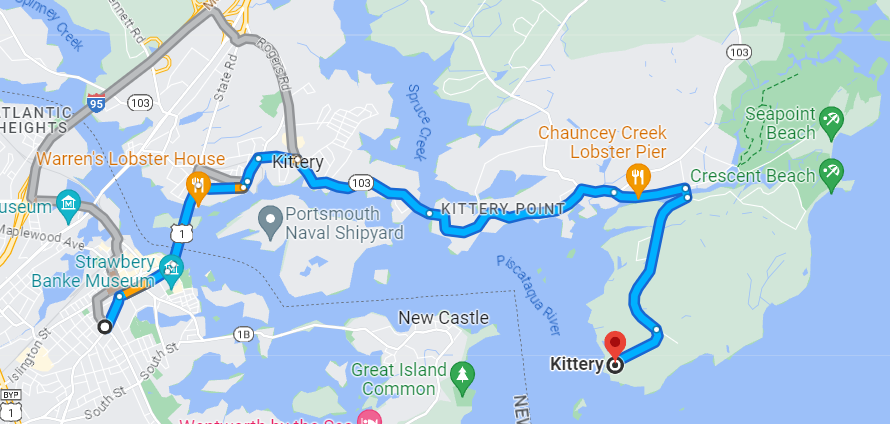
This variety creates an ideal setting for bird watching, as different species are attracted to the distinct ecosystems. The park also features a 565-foot pier that extends into the water, providing excellent vantage points for spotting seabirds and other marine life.
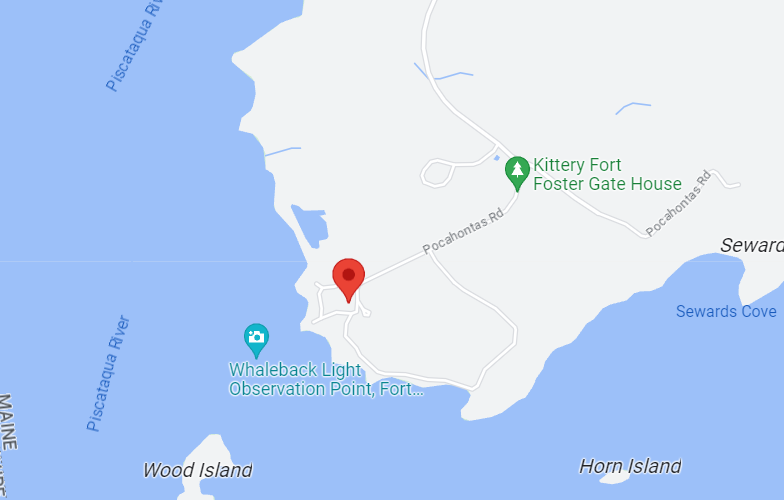
Due to its location and diverse habitats, Fort Foster is a fantastic bird-watching destination year-round. It's particularly known as a "migrant trap" during spring and fall migration, when it attracts a wide array of passerines, including warblers, thrushes, and sparrows. In the winter, birders flock here to see sea ducks and auks offshore.
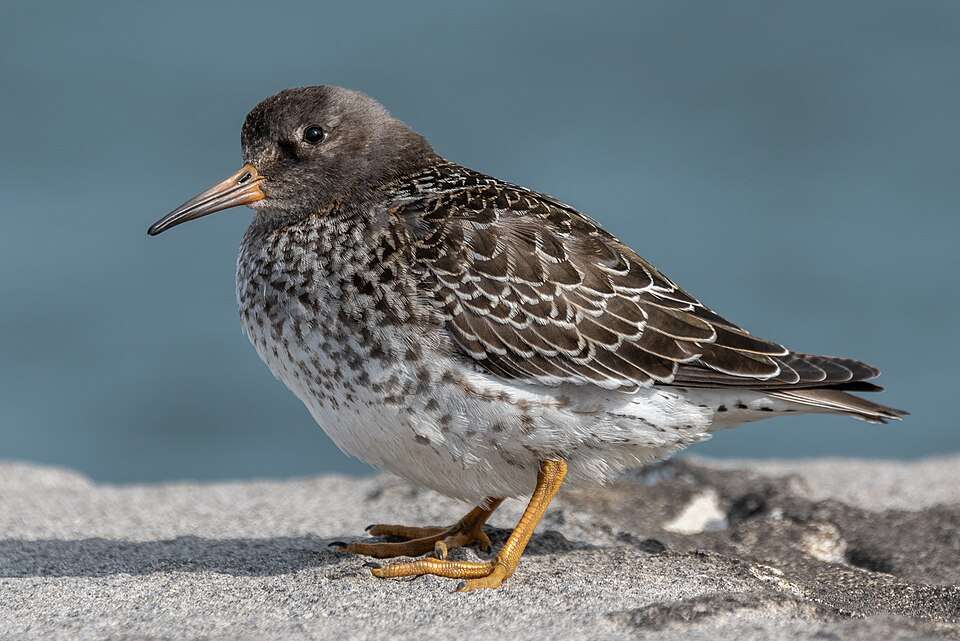
The rocky coasts are a great place to find Purple Sandpipers and other shorebirds. The park's well-maintained trails and roads, combined with its relatively open viewing conditions, make it a very accessible and rewarding spot for birders of all experience levels.
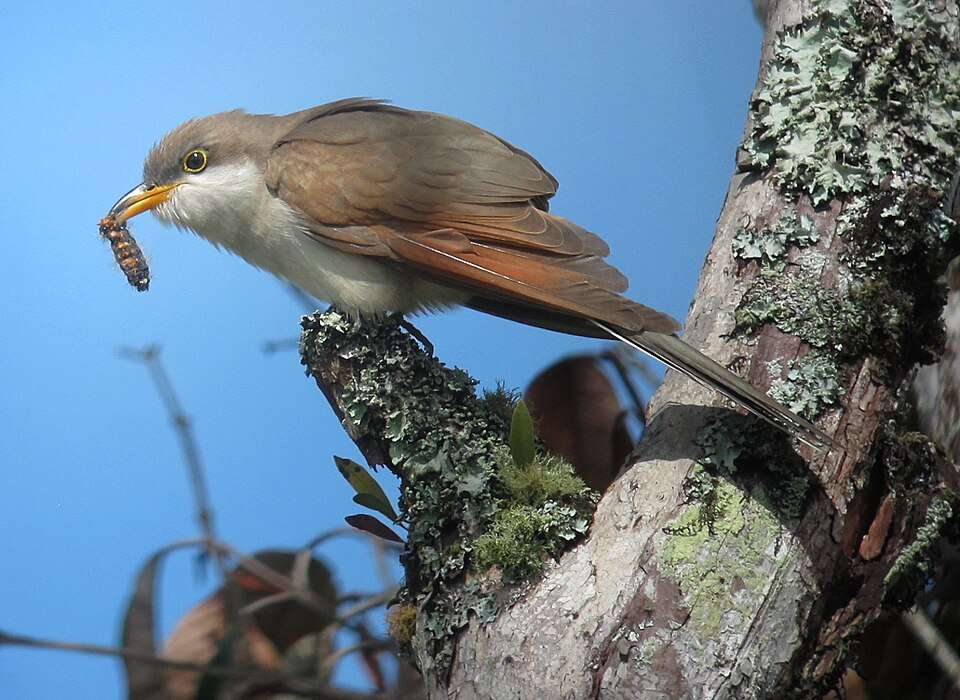
Target Birds
Yellow-billed Cuckoo
Indigo Bunting
Red-breasted Nuthatch
Red-shouldered Hawk
Brown Thrasher
Short-billed Dowitcher

The Kittery website has good details about visiting the area.
Wrapping Up
Maine's landscape is a mosaic of different ecosystems, each attracting its own unique set of birds. The state's famous coastline and islands are critical for seabirds like the Atlantic Puffin and various gulls, terns, and auks. In contrast, the extensive boreal forests of northern and western Maine are home to sought-after species such as the Spruce Grouse, Black-backed Woodpecker, and numerous warblers.
Meanwhile, the state's numerous salt marshes and wetlands provide essential breeding and migratory stopover sites for wading birds, waterfowl, and shorebirds, including herons, egrets, and sandpipers. This rich variety of habitats is what makes Maine one of the premier bird-watching destinations in the country.
