
Louisiana, often known as Cajun Country or the Bayou State, is defined by its water. Located at the terminus of the mighty Mississippi River, the state’s geography is a dynamic, shifting tapestry of coastal marshlands, freshwater swamps, winding bayous, and barrier islands. This immense hydrological system, constantly recharged by river sediment and shaped by the tides of the Gulf of Mexico, creates an environment of unparalleled richness—an ecological powerhouse that sustains a phenomenal diversity of life.
For birdwatching enthusiasts, this means Louisiana is a crucial part of the Mississippi Flyway, but its true distinction lies in its role as a permanent and seasonal home for vast colonies of wading birds—the herons, egrets, ibises, and spoonbills that give the bayous their iconic, graceful profile. No other state in the continental U.S. offers such intimate and abundant viewing opportunities of these magnificent birds.
The Great Wader Colonies: Rookeries and Nesting Success
The true spectacle of Louisiana birding lies in its rookeries—the communal nesting sites where hundreds, sometimes thousands, of wading birds gather to breed. The density of these breeding colonies is a testament to the immense productivity of the surrounding wetlands, which provide the endless supply of fish, crustaceans, and amphibians needed to raise their young.
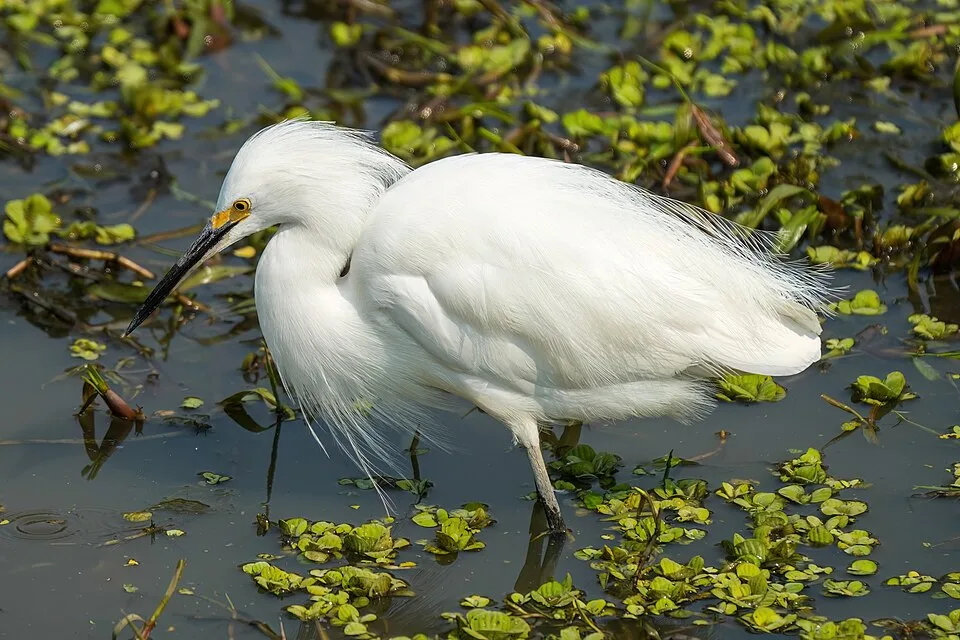
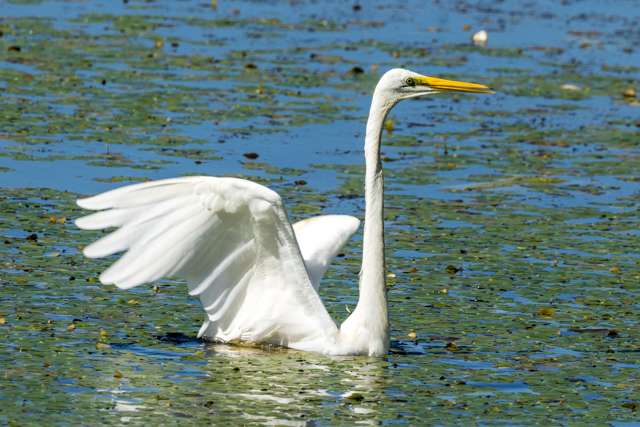
The most visible and beautiful residents of these rookeries are the egrets and herons. The elegant Great Egret, with its pure white plumage and imposing stature, nests alongside the smaller, more delicate Snowy Egret, easily identified by its bright yellow feet, which it uses to "foot-paddle" and stir up prey in the shallow water.
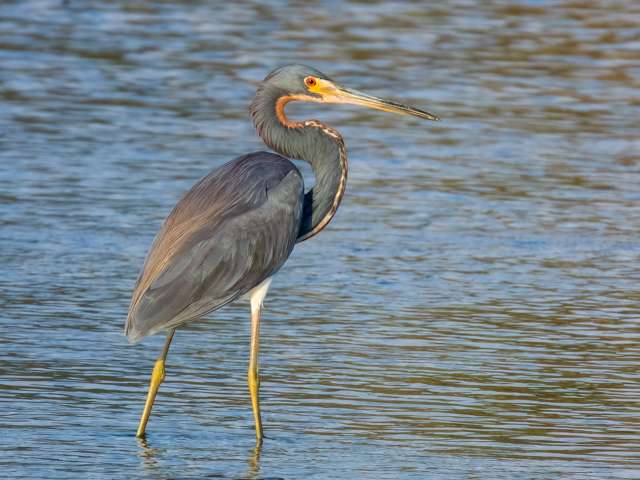
Another common sight is the Great Blue Heron, the largest of North America’s herons, often seen standing statue-like at the edge of a canal. In contrast, the Tricolored Heron (formerly Louisiana Heron) is a slimmer, more active forager, known for its distinctive blue-gray, maroon, and white colouring. The sheer volume of nesting activity, the cacophony of calls, and the sight of countless birds returning to the nest with food make visiting a public rookery site during the spring breeding season (March to June) an essential Louisiana birding experience.
Iconography of the Bayou: Ibises and Spoonbills
Beyond the ubiquitous herons and egrets, Louisiana's wetlands host two of the most spectacular wading birds in the United States: the White Ibis and the Roseate Spoonbill.
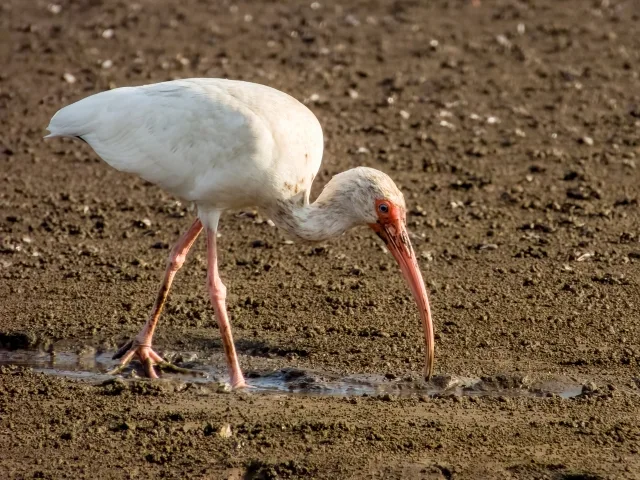
The White Ibis is easily spotted with its snow-white body, black wingtips (visible in flight), and distinctive down-curved, pink bill. These highly social birds are often seen probing the mud in large, synchronized flocks. Their abundance in Louisiana highlights the health of the state's muddy marsh bottoms.
The Roseate Spoonbill is the undisputed "pink icon" of the Bayou State. With its startlingly brilliant pink plumage and uniquely flattened, spoon-shaped bill, it looks like a creature flown straight from the tropics. Spoonbills feed by sweeping their open bills side-to-side through shallow water, filtering out tiny aquatic life. While once confined to Florida and Texas, the Spoonbill population has expanded into the Louisiana coast, making the state an increasingly reliable place to observe these magnificent birds, often concentrated in the vast southern marshes.

Premier Birding Locations in Cajun Country
The opportunities to view these wading birds are distributed across the state’s massive coastal plain. However, a few key locations stand out as essential stops for any birding itinerary:
Cameron Parish and the Creole Nature Trail
The southwest corner of Louisiana, particularly Cameron Parish, is often called the "Birding Jewel of Louisiana." Located just east of the Texas border, it features the Creole Nature Trail All-American Road, which traverses thousands of acres of federally protected habitat, including the Sabine National Wildlife Refuge and Cameron Prairie National Wildlife Refuge. The coastal marshes, rice fields, and cheniers (relict beach ridges) here are prime habitat for immense numbers of wading birds, as well as rails, bitterns, and migrating shorebirds. The observation deck at Cameron Prairie NWR provides an excellent vantage point.
Grand Isle
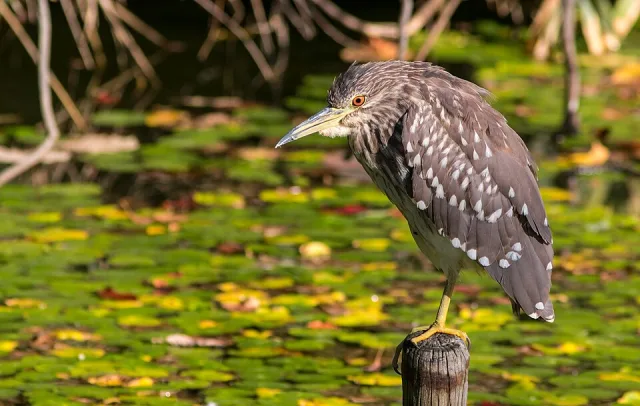
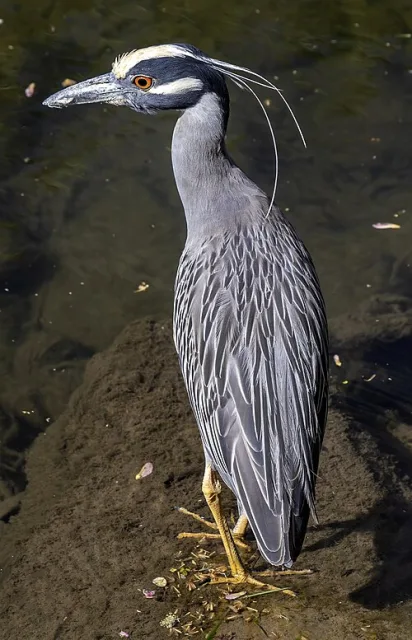
Situated at the mouth of Barataria Bay, Grand Isle is Louisiana’s only inhabited barrier island and functions as another vital migrant trap, much like Dauphin Island in Alabama. During the spring, when neotropical songbirds—warblers, tanagers, and vireos—arrive exhausted after the Gulf crossing, the protected live oak groves and riparian habitats provide immediate sanctuary. While famous for songbirds, the nearby marsh and coastline host significant numbers of Black-crowned Night Herons, Yellow-crowned Night Herons, and wintering Brown Pelicans.
Acadiana and the Atchafalaya Basin
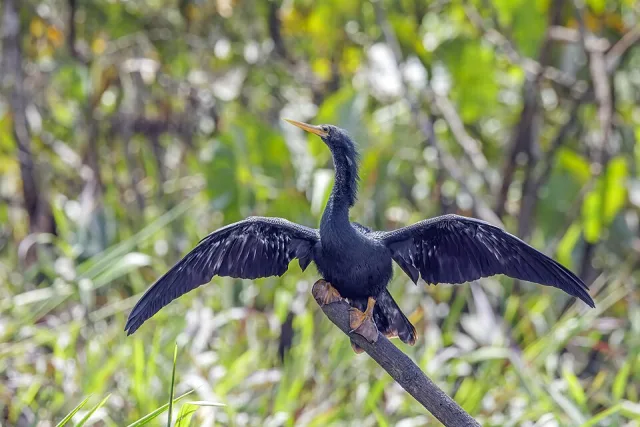
In the heart of Cajun Country, the Atchafalaya Basin is the largest contiguous river swamp in North America. This vast, flooded forest is a breeding stronghold. Accessing the basin, often by kayak or guided boat, allows birders to witness the most remote rookeries and observe wading birds like the Anhinga (or 'snakebird') and various cormorants, which share nesting space with the herons and egrets in the towering cypress trees. Locations like Lake Martin near Lafayette are famous for their accessible, dense rookeries.
The Wetland Crisis and Conservation
Despite the abundance of its birdlife, the Louisiana coast faces the most severe environmental threat in the contiguous United States: coastal land loss. The combination of sea-level rise, sinking land (subsidence) due to the levees on the Mississippi River, and hurricane erosion is causing the marshes to disappear at an alarming rate. This habitat destruction directly threatens the millions of wading birds and other wildlife that rely on these marshes for feeding and nesting.
Conservation efforts are massive and ongoing. State and federal agencies are investing billions in coastal restoration projects—from diverting Mississippi River sediment to rebuild land to planting marsh grasses to stabilize existing wetlands. Birding organizations and environmental groups play a crucial role in monitoring bird populations and advocating for the protection of critical nesting and foraging sites.
The sight of a thousand White Ibises taking flight against a cypress backdrop is a powerful reminder of Louisiana's spectacular biodiversity, but it is also a call to action. By visiting and supporting the state’s protected areas, birders directly contribute to the conservation efforts ensuring that Cajun Country remains a sanctuary for its beloved herons, egrets, and all the wonders of the bayou. The ecological health of the entire Mississippi Flyway is, in many ways, secured by the preservation of this unique and irreplaceable coastal landscape.
