
In an era defined by "doomscrolling," the relentless ping of notifications, and a political climate that feels perpetually polarized, a quiet revolution is taking place in American backyards, city parks, and wildlife refuges. Millions of people are putting down their phones and picking up binoculars.
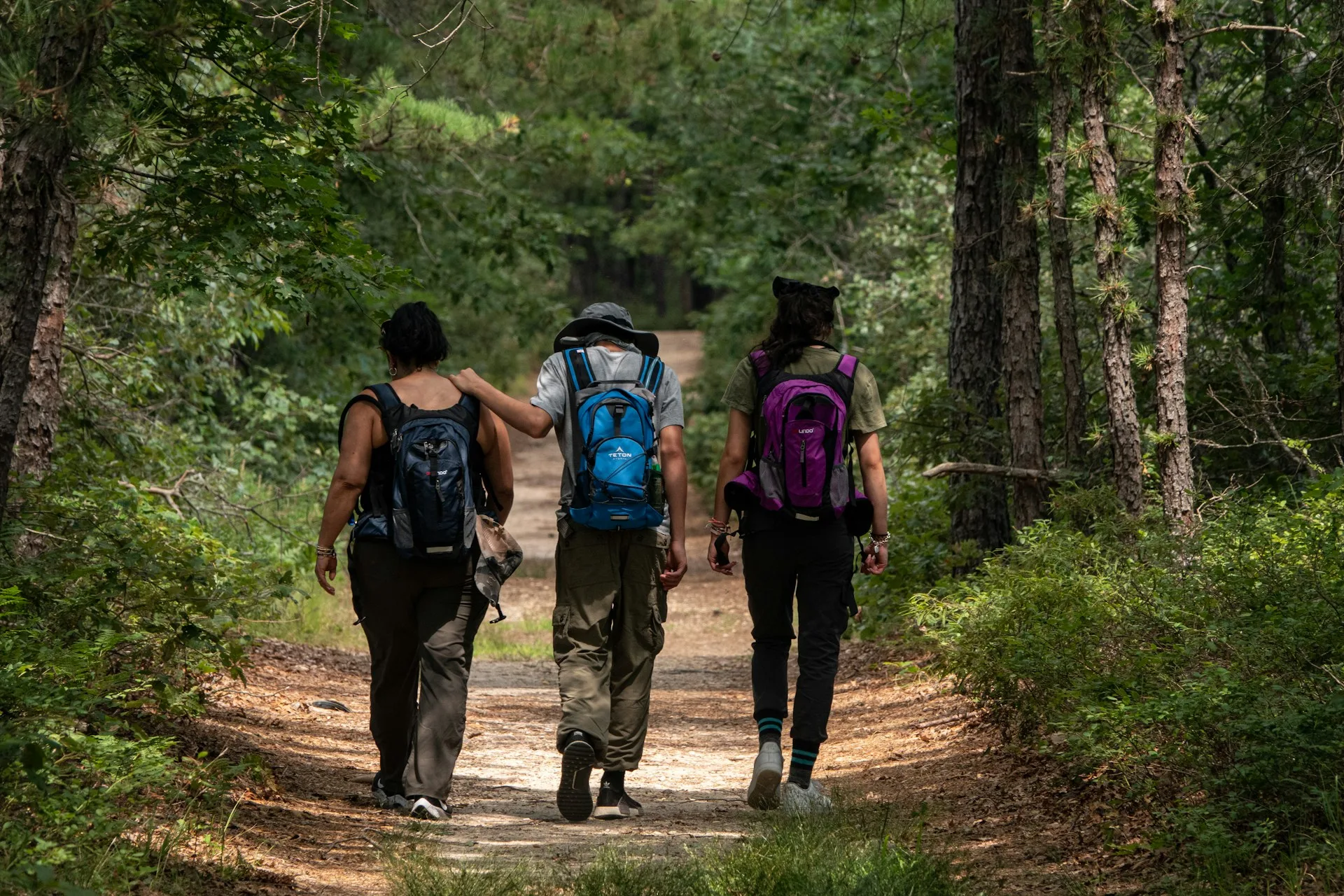
While birdwatching—or "birding," as the enthusiasts call it—was once stereotyped as a niche hobby for retirees in khaki vests, it has transformed into a mainstream wellness movement. In 2026, birding has become the premier "slow hobby" for a fast world. But why are birds, specifically, the balm for our collective burnout?
1. The Antidote to "Attention Fragmentation"
The modern American brain is under siege. We juggle multiple tabs, streaming services, and work messages simultaneously, leading to what psychologists call "attention fragmentation." This state of constant partial attention leaves us feeling frazzled and spiritually depleted.
Birding requires the exact opposite: Deep, singular focus.
When you are looking for a Northern Parula hidden in a dense canopy, you cannot multi-task. You must listen for the rising buzz of its song and watch for the slight tremor of a leaf. This "soft fascination"—a term coined by environmental psychologists—allows the mind to recover from the cognitive fatigue of urban life.

2. A Connection to the "Real" World
As we spend more time in digital environments (and now, increasingly, in AI-generated spaces), there is a growing "nature deficit" in our daily lives. Birds serve as a tangible, feathered bridge back to the physical world.
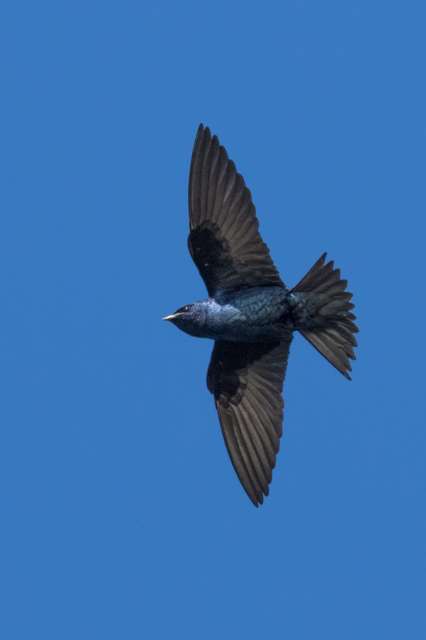
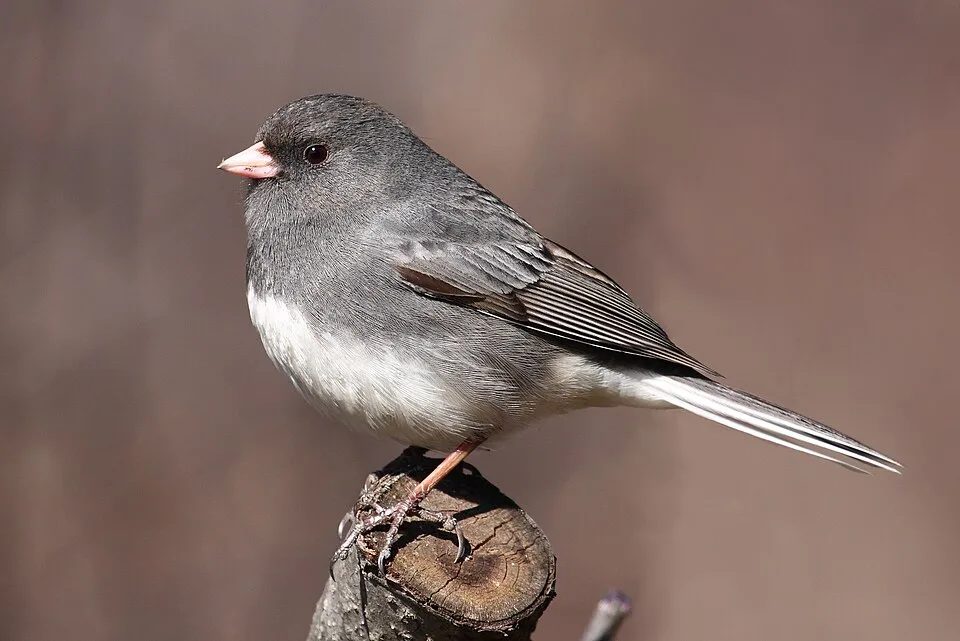
The Seasonal Pulse: Watching the arrival of Dark-eyed Juncos in the fall or the return of Purple Martins in the spring reminds us that there is a rhythm to the planet that exists independently of our news cycles.
The Unscripted Moment: Unlike a Netflix show, a bird’s behavior isn't scripted. Seeing a Peregrine Falcon hunt over a skyscraper or a Carolina Chickadee defend its nest provides a raw, authentic thrill that digital entertainment can’t replicate.
3. The Science of "Bird-Therapy"
The peace Americans are finding in birds isn't just anecdotal; it’s backed by a growing body of data. Multiple studies published in recent years have quantified the mental health benefits of avian encounters.
| Benefit | How it Works |
| Lowered Cortisol | Research shows that listening to birdsong significantly reduces levels of the stress hormone cortisol. |
| Anxiety Reduction | A 2022 study found that seeing or hearing birds improved mental well-being for up to eight hours. |
| Enhanced Mindfulness | Birding acts as a form of "active meditation," grounding the observer in the present moment. |
"Birds are the most vivid expression of life. To watch them is to be reminded that we share this planet with a vast, beautiful, and non-human intelligence." — Anonymous Birding Enthusiast
4. Accessibility and Community
One of the reasons birding has exploded in popularity across the U.S. is its low barrier to entry. Unlike skiing, golfing, or high-end cycling, birding is democratic.
Inclusive Spaces: From the "Feminist Bird Club" to "Black Af In STEM," new birding collectives are ensuring that the peace found in nature is accessible to everyone, regardless of race, gender, or physical ability.
Urban Oases: You don’t need a flight to a national park to find birds. Some of the best birding in the country happens in the middle of Manhattan, Chicago, and Los Angeles. For a stressed city dweller, a Red-tailed Hawk perched on a streetlight is a reminder that wildness is never far away.
5. Finding Hope in Conservation
Finally, looking to birds for peace involves a sense of purpose. In a world facing significant environmental challenges, taking care of birds offers a way to take "micro-actions" that yield "macro-rewards."
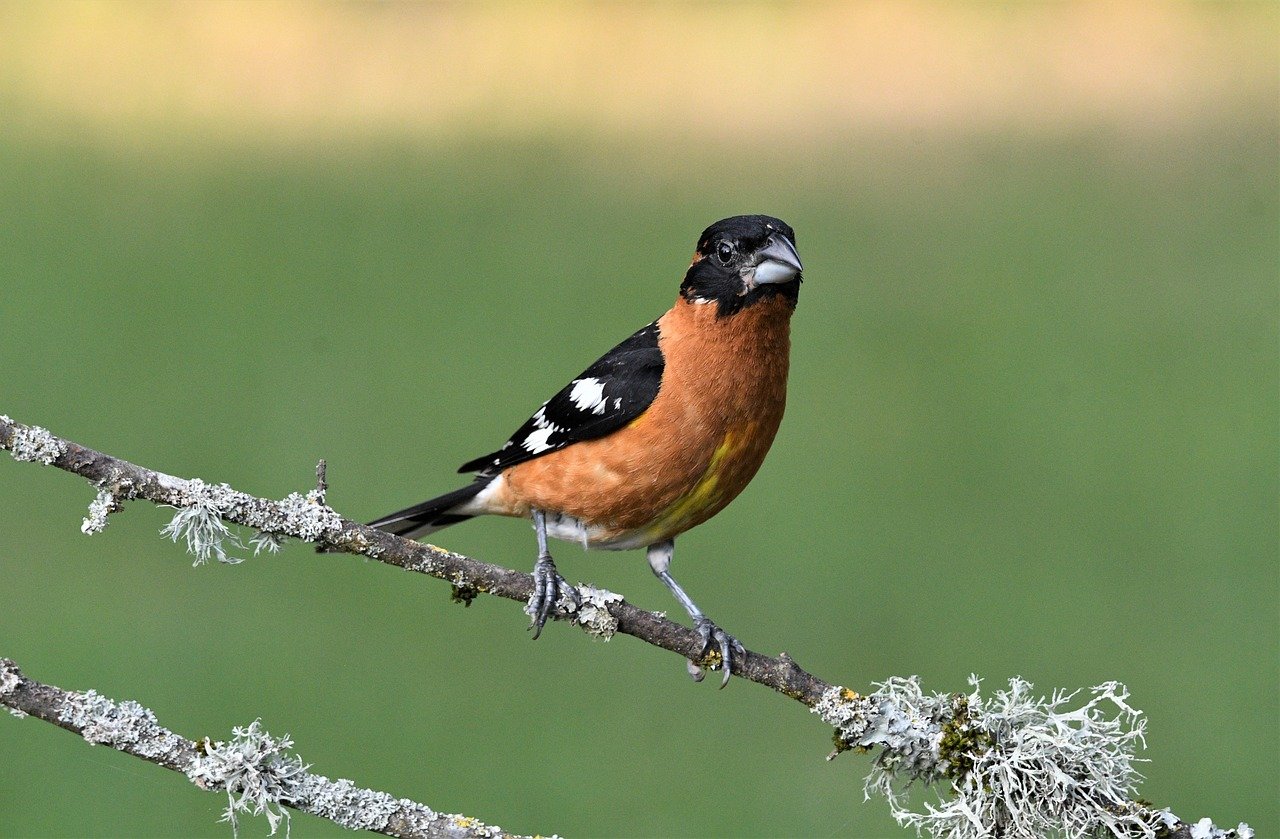
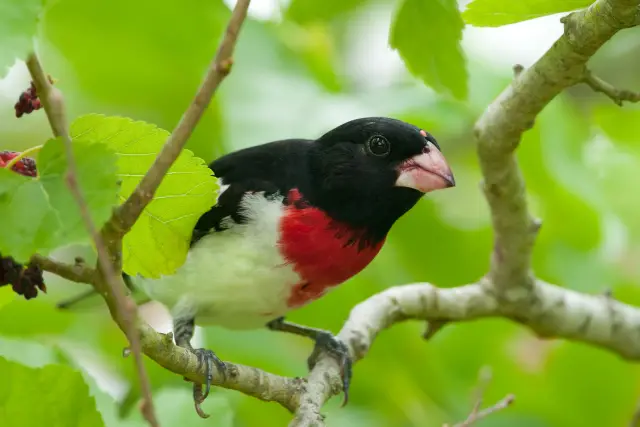
By hanging a feeder, planting native milkweed, or keeping a cat indoors, Americans are finding a sense of agency. There is a profound peace that comes from knowing you have provided a meal for a migrating Rose-breasted Grosbeak that has traveled thousands of miles.
How to Start Your Bird-Peace Journey
If you’re feeling the weight of the world, try these three simple steps:
The 10-Minute Sit: Sit in your yard or on a park bench for 10 minutes without your phone. Try to count how many different bird sounds you hear.
Download an App: Use free tools like Merlin Bird ID to help identify what you see. It turns a walk into a gentle scavenger hunt.
Focus on the Common: Don't worry about rare species. There is just as much peace to be found in the iridescent throat of a common Pigeon or the playful antics of a Blue Jay.
In 2026, we are realizing that we don't need a digital detox retreat to find tranquility. We just need to look up.
How has your local birdlife changed your perspective on daily stress lately?
