
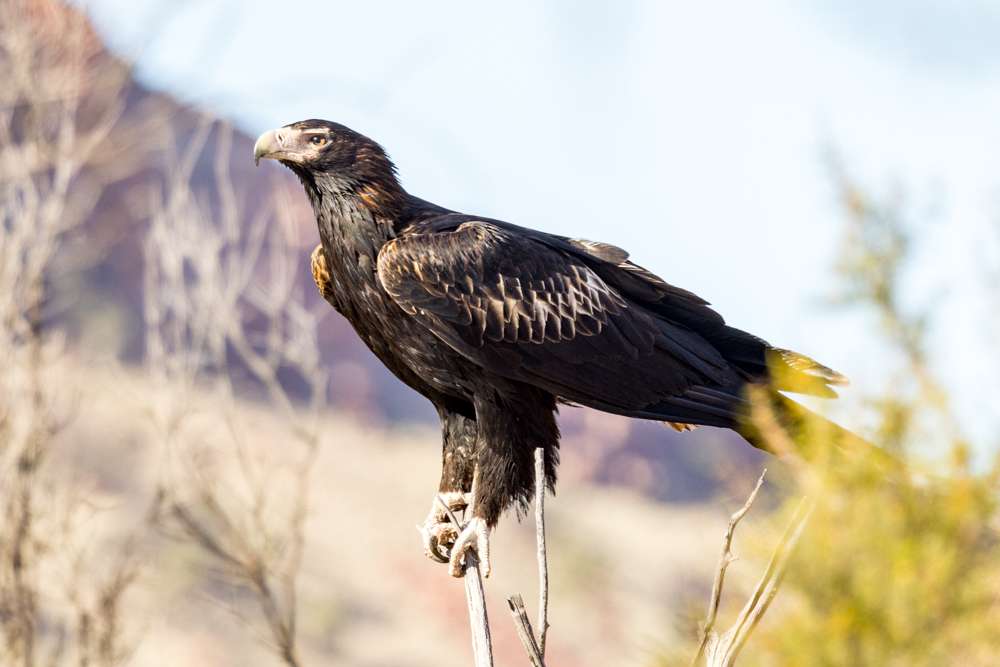
Some birds are known for their extended parental care, looking after their young for a significant amount of time after they hatch. This prolonged dependency is a fascinating aspect of avian biology, and it's particularly pronounced in certain species. The reasons for this prolonged care vary, but they often relate to the chicks' developmental needs, the complexity of their social structures, and the challenges of their environment.
We detail some of the birds that provide the longest parental care, exploring the species, the duration of their care, and the unique circumstances that necessitate such an extended period of nurturing.
California Condor
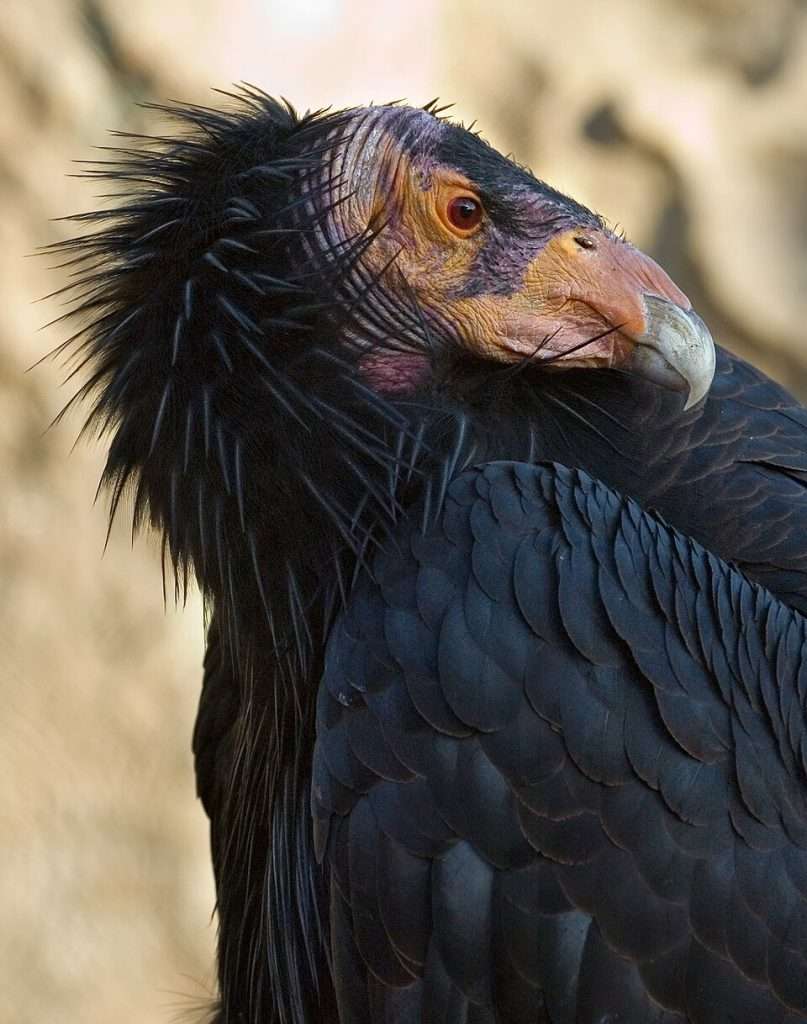
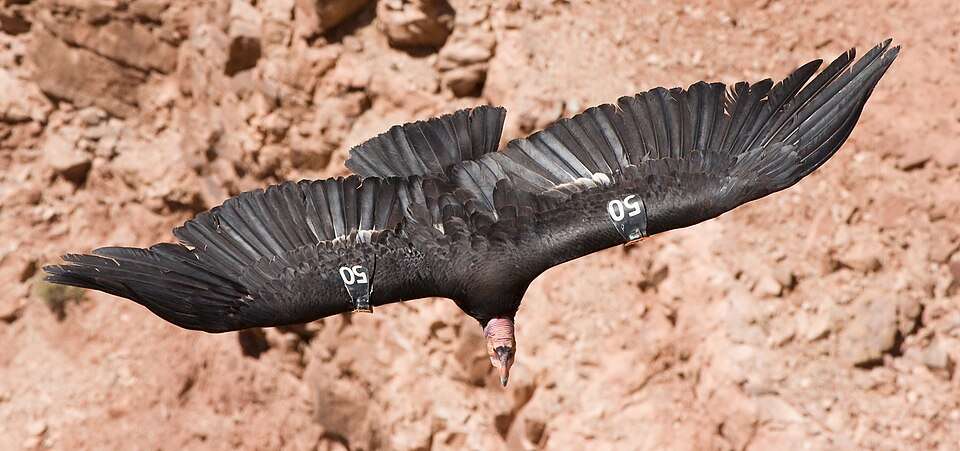
The champion of prolonged parental care is the California Condor (Gymnogyps californianus). These massive birds, with a wingspan of up to 9.8 feet (3 meters), are a critically endangered species and have a unique life history. After a chick hatches, it stays in the nest for about six months. However, the parents continue to feed and care for their fledgling for up to a year and a half after it leaves the nest. This is one of the longest periods of post-fledging care known in the avian world.
This extended care is crucial for the condor's survival. The young condor needs to learn complex foraging behaviors and social dynamics from its parents. Condors are scavengers, and finding carcasses in their vast territory is a skill that takes time to master. The parents guide the young bird to food sources and teach it the social etiquette of communal feeding. This long apprenticeship ensures the young condor has the skills and knowledge to survive on its own. The slow reproductive rate of condors—they typically only produce one egg every one to two years—also makes each chick's survival incredibly important, further justifying the extensive parental investment.
Wedge-tailed Eagle
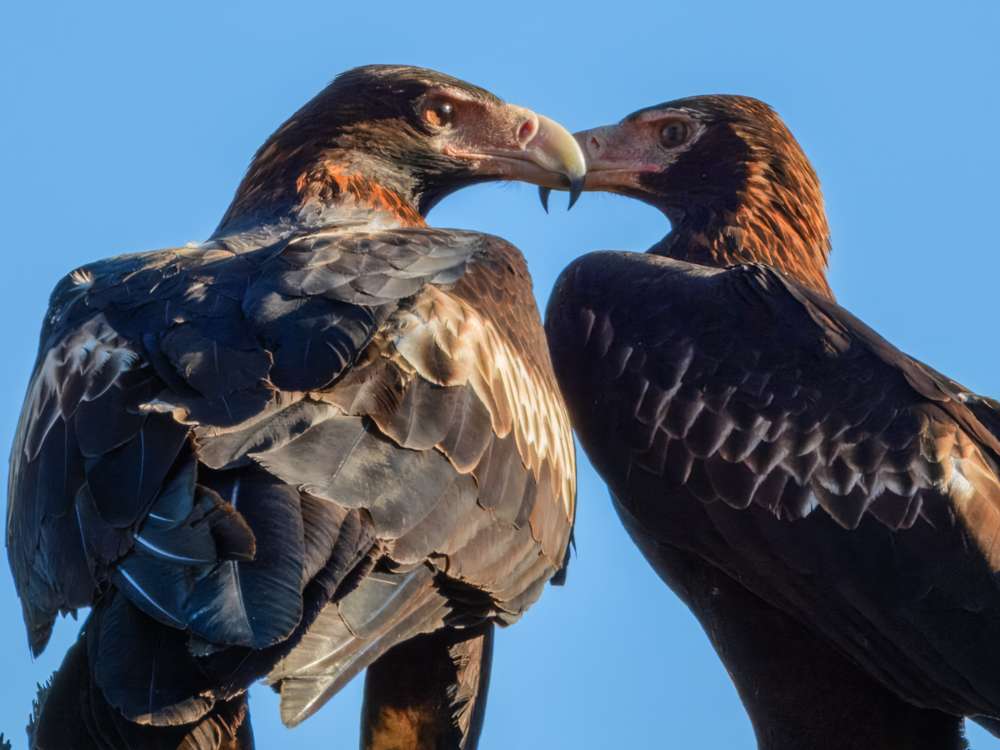
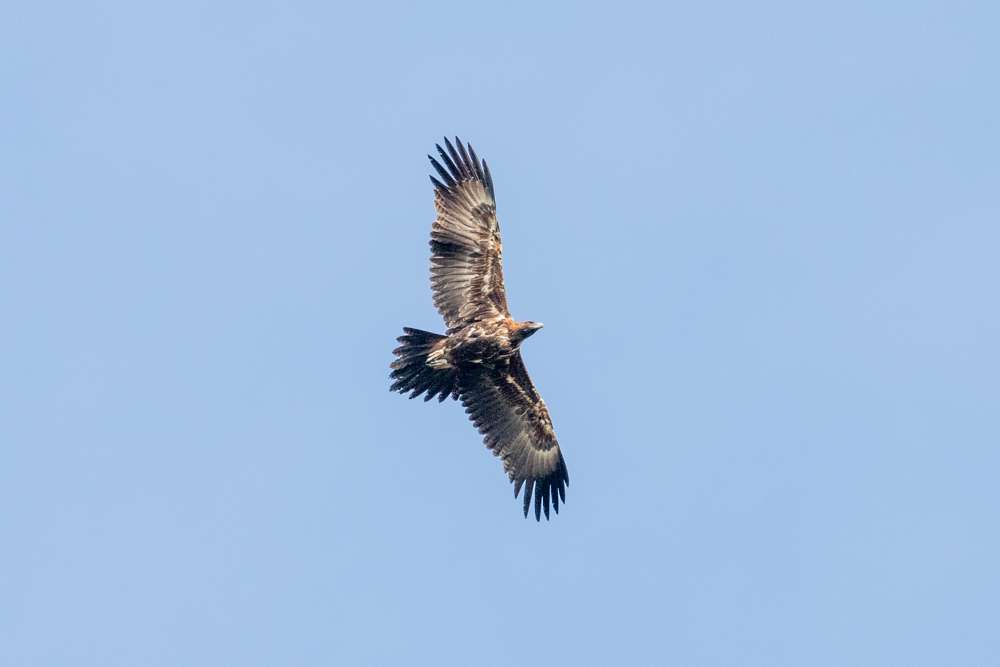
Another contender for the longest-caring bird is the Wedge-tailed Eagle (Aquila audax). Found in Australia, these are some of the largest eagles in the world. Their chicks fledge at about 70 to 80 days old, but they remain dependent on their parents for food for six to eight months after leaving the nest. The parents continue to provide prey, teaching the young eagle how to hunt and navigate its territory. This prolonged training is essential for a top predator that needs to master complex hunting techniques to catch its prey, which can include kangaroos, wallabies, and other large animals.
The young eagle learns to identify suitable prey, stalk it, and execute a successful kill. The parents also teach the young bird the boundaries of their territory and how to defend it from rivals. This extended period of learning and dependency increases the young bird's chances of survival and eventual reproductive success. The parents' dedication ensures that the next generation of eagles is well-equipped to face the challenges of a difficult and competitive environment.
Emperor Penguin

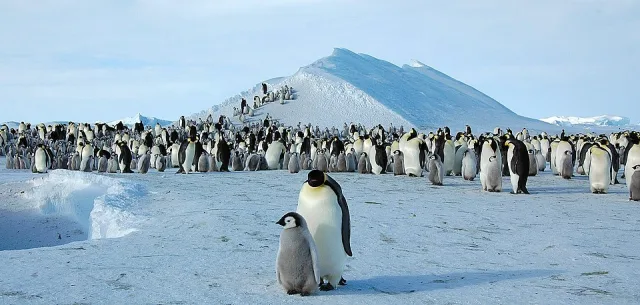
Emperor Penguins (Aptenodytes forsteri) are renowned for their remarkable parental care in one of the most extreme environments on Earth. The male penguin incubates the egg on his feet for over two months during the harsh Antarctic winter, without eating. After the chick hatches, both parents take turns foraging and feeding the chick for about five to six months. This extended period is vital because of the challenges of raising a chick in such a cold and desolate environment.
The chick needs constant warmth and a steady supply of food to grow and develop its thick layer of down and adult feathers, which are necessary for insulation. The parents must travel long distances to find food, and their ability to regurgitate food for the chick ensures it has a consistent energy source. The huddling behavior of the adults also provides a protective barrier for the chick against the biting winds and frigid temperatures. The prolonged care ensures the chick is large enough and has developed its waterproof feathers before it can be left to fend for itself in the treacherous polar sea.
Great Hornbill
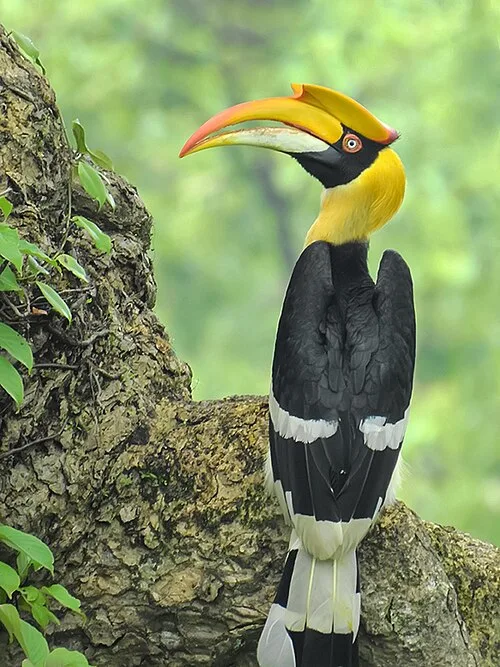
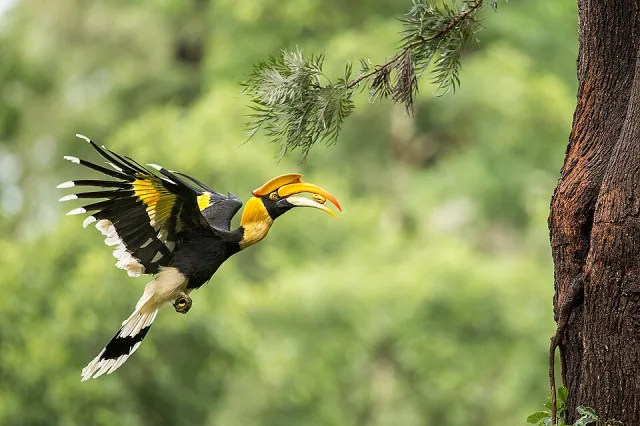
The Great Hornbill (Buceros bicornis) provides a unique example of extended parental care, especially the role of the female. After laying her eggs, the female hornbill seals herself inside a tree cavity using a mixture of mud, droppings, and food, leaving only a small slit. The male then provides all the food for the female and the chicks for the entire nesting period, which can last for up to four months.
Once the chicks are large enough to fledge, the female breaks out of the cavity, and the young birds remain dependent on both parents for food for an additional two to three months. This extended period of care is necessary for the chicks to develop their large beaks and learn to forage for the variety of fruits and small animals that make up their diet. The male's dedication in feeding his family through the small slit is a testament to the immense parental investment in this species. The enclosed nest provides protection from predators, but it also necessitates a long period of dependency on the male.
Ostrich
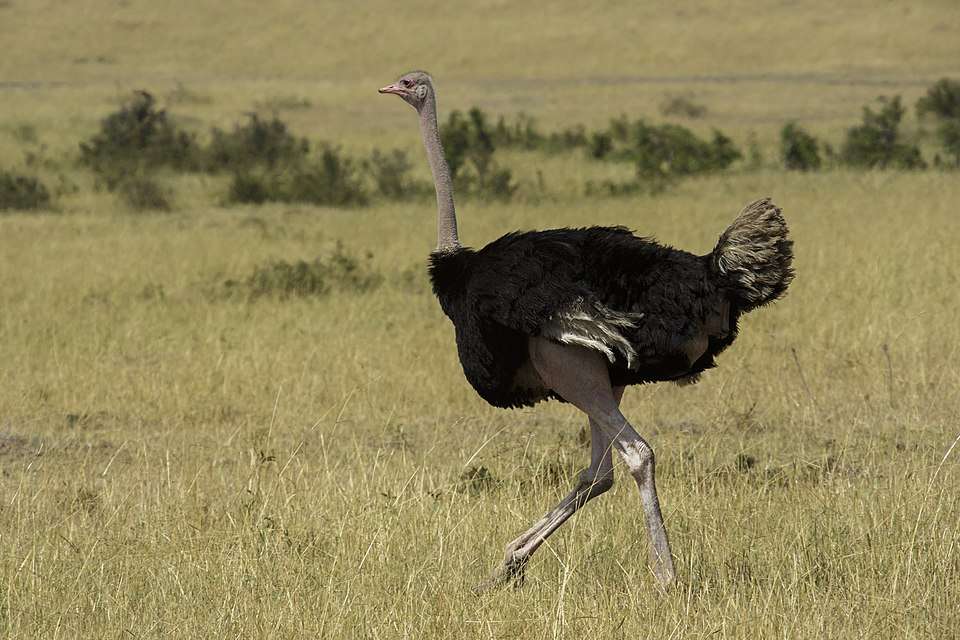
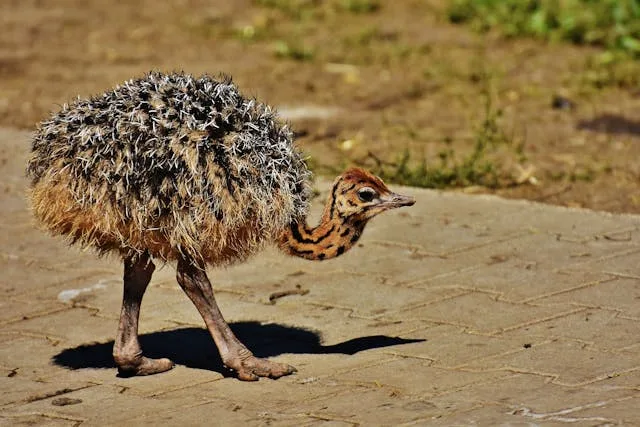
Ostriches (Struthio camelus) exhibit a different type of extended care. While the chicks are precocial (meaning they are relatively mature and mobile from birth), they are not left to their own devices. The male and female ostriches share the responsibility of caring for the chicks, and they may even take in chicks from other clutches, forming large crèches. The parents, particularly the male, will protect the young for up to three months after they hatch.
This parental protection is crucial in the open savanna where predators are numerous. The adult ostriches' large size and aggressive defensive behavior provide a significant deterrent to predators like lions, hyenas, and jackals. The chicks need this protection to learn foraging skills and to grow large enough to outrun or defend themselves against predators. The communal care in crèches also adds a layer of safety, as there are more adults to watch for danger. The duration of this care, though shorter than some other species, is essential for the young ostrich's survival in a dangerous environment.
Why Extended Parental Care?
The reasons for such long periods of parental care are multifaceted. In many cases, it's a trade-off: a species may produce fewer offspring but invest more heavily in each one. This strategy is particularly effective for long-lived species with low reproductive rates. The extensive parental investment increases the likelihood that each offspring will survive to maturity and reproduce, ensuring the continuation of the species.
For species that are apex predators or have a complex diet, such as the condor and the eagle, the prolonged care is a form of apprenticeship. The young bird needs to learn a wide range of skills, from hunting and foraging to social interactions and territorial defense. These are not innate behaviors but learned skills that are passed down from one generation to the next.
In harsh environments, like the Antarctic for the emperor penguin, extended care is a matter of survival. The young bird simply cannot survive the extreme cold or find food on its own until it has reached a certain size and level of development. The parents' tireless efforts are a direct response to the environmental challenges.
Finally, for species like the hornbill, the nesting strategy itself dictates the duration of care. The enclosed nest, while providing protection, also creates a long period of dependency for the young birds. The parents must provide all the food until the chicks are large enough and developed enough to fledge and begin to forage for themselves.
Wrapping Up
The length of parental care in birds is a fascinating evolutionary adaptation. It's a testament to the diverse strategies that birds have evolved to ensure the survival of their offspring. From the vast apprenticeship of a condor to the protective crèche of an ostrich, each example highlights the unique and often demanding challenges that different species face in raising their young. The dedication of these parents is a powerful reminder of the intricate and often beautiful ways that life adapts to thrive in its environment.
Ever wondered?
