

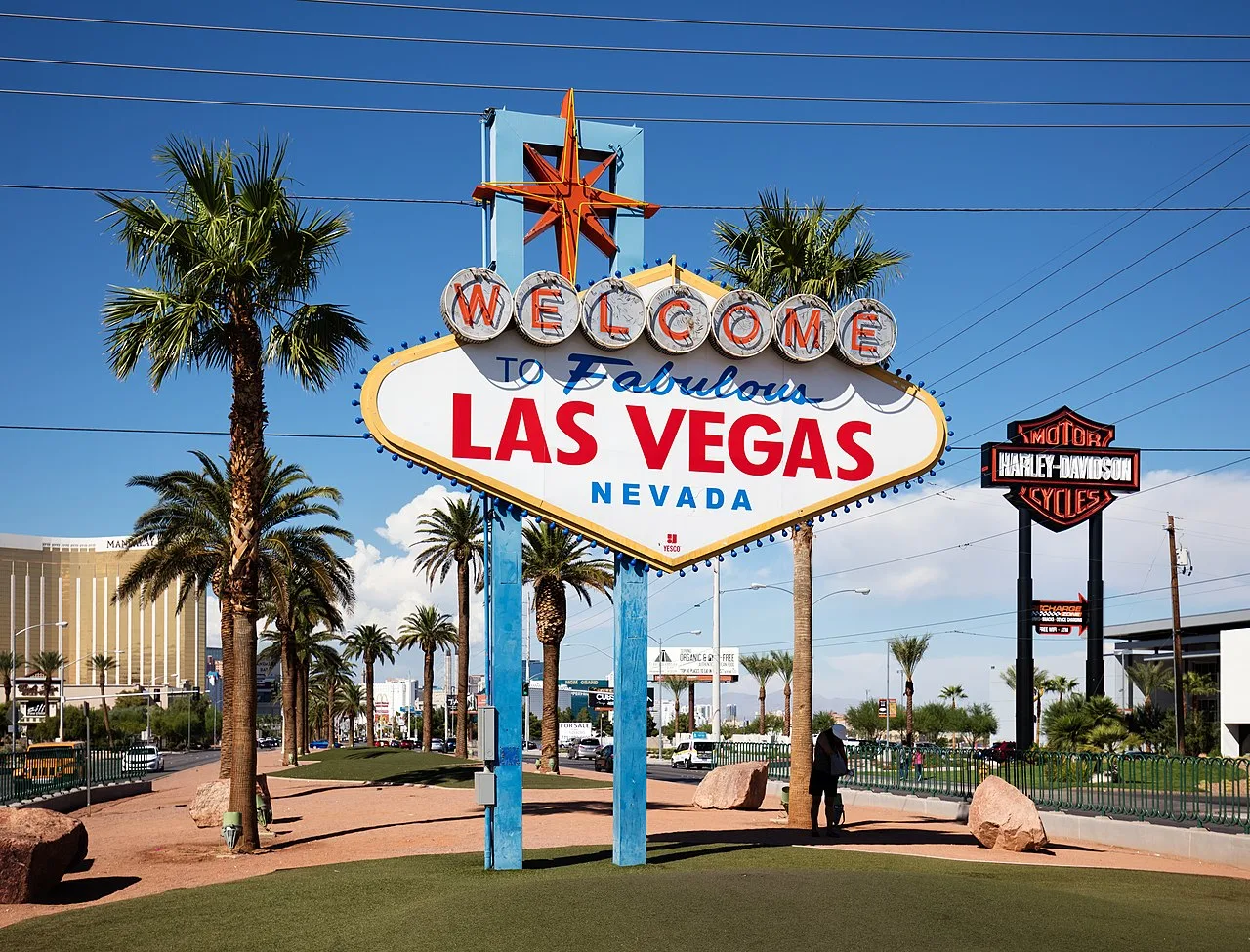
When most people think of Las Vegas, they picture neon lights, high-stakes poker, and climate-controlled casinos. But for millions of travelers on the Pacific Flyway, Las Vegas represents something entirely different: a literal life-saver.
As birds migrate between their wintering grounds in the south and their breeding grounds in the north, the Mojave Desert can be a daunting, dry expanse. To a bird, the Las Vegas Valley looks like a series of glittering emeralds. These "urban oases"—parks, preserves, and wetlands—provide the food, water, and rest necessary for survival.
If you’re a birder visiting Southern Nevada, put down the dice and grab your binoculars. Here are the best spots to find migratory gems in the heart of the desert.
1. Henderson Bird Viewing Preserve

Located just south of Las Vegas, this is arguably the "crown jewel" of Southern Nevada birding. It consists of nine large ponds surrounded by native vegetation and paved, accessible paths.
The Draw: Over 270 species have been recorded here. Because it’s a managed wetland, it provides a consistent water source in an otherwise parched landscape.
What to Look For: During spring and fall migration, the ponds are alive with American Avocets, Black-necked Stilts, and a dizzying variety of ducks (look for Cinnamon Teal and Northern Shovelers). You might even spot the rare Yuma Ridgway’s Rail clicking away in the reeds.
Pro Tip: Go early. The preserve opens at 6:00 AM in the spring, and you’ll want to finish before the desert sun gets too high.
2. Clark County Wetlands Park
This 2,900-acre park is a massive riparian corridor along the Las Vegas Wash. It feels less like a city park and more like a wild river delta.
The Draw: The diversity of habitats—from open water and marsh to mesquite scrub—attracts everything from shorebirds to songbirds.
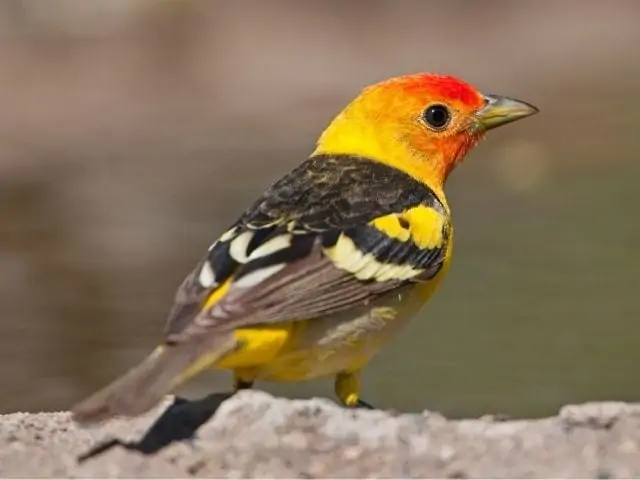
What to Look For: This is a fantastic spot for "warbler neck." In the spring, the cottonwoods and willows are full of Yellow Warblers, Wilson’s Warblers, and the stunning Western Tanager. Keep an eye on the sky for Ospreys and Northern Harriers patrolling the water.
Fun Fact: The park’s Nature Center is world-class and offers great maps for the miles of intersecting trails.
3. Corn Creek (Desert National Wildlife Refuge)
Drive about 30 minutes northwest of the Strip and you’ll hit Corn Creek, the field office for the largest wildlife refuge in the lower 48 states.
The Draw: Corn Creek is a natural spring that has been a desert stopover for humans and birds for thousands of years. It’s an "island" of green in a sea of Mojave scrub.
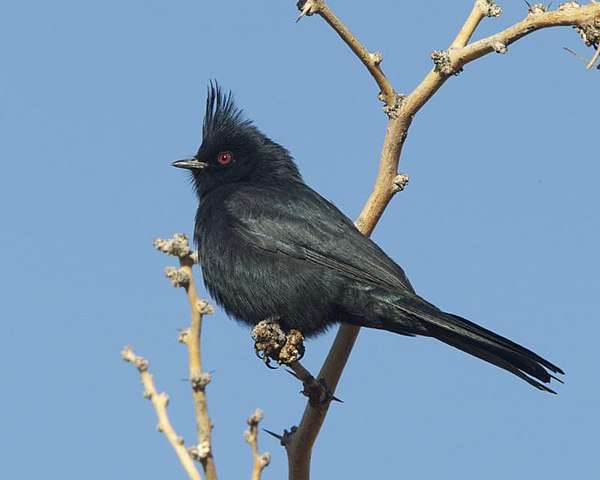
What to Look For: This is the place for desert specialists and high-desert migrants. You’ll see Phainopeplas, Gambel’s Quail, and various hummingbirds. During peak migration, the fruit trees at the old ranch site can be dripping with migrating flycatchers and grosbeaks.
4. Floyd Lamb Park at Tule Springs
In the northwest valley, Floyd Lamb Park offers a lush, historic landscape complete with four ponds and groves of mature trees.
The Draw: The park’s history dates back to the Ice Age, and the permanent water has always made it a biological hotspot.
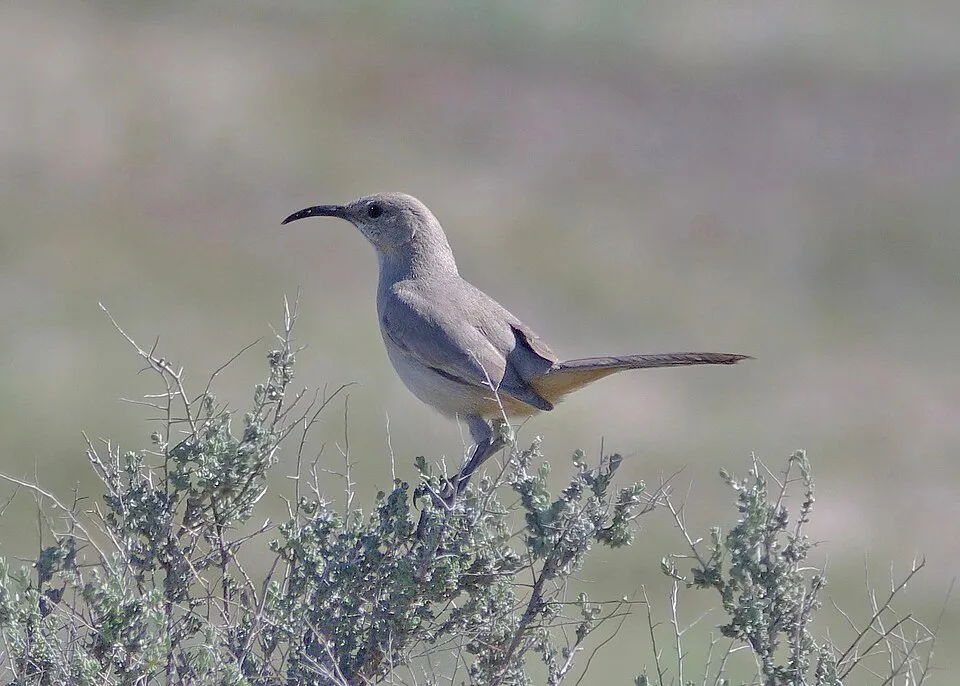
What to Look For: Beyond the resident (and very loud) peacocks, the park is excellent for seeing Woodhouse’s Scrub-Jays, Red-tailed Hawks, and Great Egret. It’s also one of the more reliable spots in the valley to see the LeConte’s Thrasher if you venture into the desert scrub at the park’s edges.
Seasonal Timing: When to Visit
To see Las Vegas at its birding peak, timing is everything:
| Season | What’s Happening |
| Spring (March–May) | Peak migration. The trees are full of songbirds, and the wetlands are bustling with shorebirds in breeding plumage. |
| Fall (Sept–Oct) | The "return trip." Less singing, but often higher numbers of birds as juveniles head south for the first time. |
| Winter (Nov–Feb) | A haven for waterfowl. Northern species like the American Robin and various sparrows settle in to escape the mountain snow. |
Conclusion
Las Vegas proves that nature is resilient. Even in a city famous for artificiality, these urban oases provide a critical bridge for the natural world. Whether you have a full day to explore the Wetlands or just an hour to kill at a local park, the migratory birds of the Colorado River Basin and the Mojave Desert are waiting to be discovered.
Have you ever gone birding in a "desert oasis"? Tell us about your favorite urban birding spot in the comments!
