

The skies and landscapes of the United States are home to a breathtaking array of avian life, from hummingbirds to eagles. While the Bald Eagle might be the most recognizable symbol of size and majesty, the title of "Largest Bird" varies dramatically depending on the state and whether the metric is wingspan, weight, or height.
Defining the single largest bird for all 50 states is complex, as a few massive species dominate large regions. However, by looking at key geographical areas and focusing on the three metrics of size, we can spotlight some of the heaviest, tallest, and most awe-inspiring avian giants found across the nation. These birds are not just large; they are ecological keystone species with remarkable survival stories.
The Giants of the Sky: Dominance by Wingspan
Wingspan is often the most spectacular metric, demonstrating a bird’s mastery of the air.
1. The Condor: Massive Flyers of the West
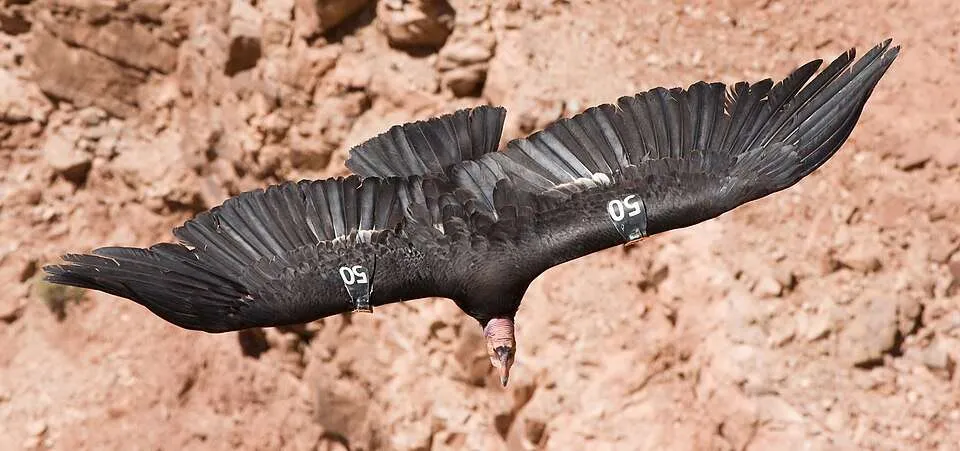
The undisputed champion of wingspan in North America is the California Condor (Gymnogyps californianus).
- Size: Wingspan averages 9.5 feet (nearly 3 meters), with some individuals reaching 10 feet. They are also among the heaviest flyers, weighing up to 26 pounds.
- Where to Spot Them: Though nearly extinct in the 1980s (with only 22 surviving individuals), aggressive conservation efforts have established wild populations in the mountains of California, Arizona, and Utah. Seeing one of these prehistoric giants soar over the Grand Canyon or the central Californian ranges is a truly humbling experience.
- Fascinating Fact: Condors practice obligate scavenging (they eat only carrion) and are vital to ecosystem health, cleaning up the environment. They can live up to 60 years in the wild, making them one of the longest-living bird species.
2. The Pelicans: Broad Wings of the Coasts and Rivers

While less renowned than the Condor, the American White Pelican (Pelecanus erythrorhynchos) rivals the largest eagles in wingspan.
- Size: Wingspan averages 9 feet. They are also incredibly heavy, sometimes weighing over 30 pounds, especially just before migration.
- Where to Spot Them: They breed on inland lakes and wetlands across the northern U.S. (e.g., Montana, North Dakota) and migrate in massive flocks to winter along the Gulf Coast (Florida, Texas, Louisiana).
- Fascinating Fact: Unlike the Brown Pelican, which dives for fish, the White Pelican is a master of cooperative fishing. Groups herd fish toward the shallows, using their massive, pouched bills to scoop up the catch simultaneously.
The Heaviest Flyers: Weight and Power
Weight is a key indicator of raw power and body mass, often defining the bird’s top size limit.
3. The Trumpeter Swan: Heavyweights of the Wetlands

The heaviest native bird in the United States is the Trumpeter Swan (Cygnus buccinator).
- Size: They can weigh between 20 and 35 pounds, with some large males exceeding 38 pounds. Their sheer bulk makes them the definitive heavyweight champion.
- Where to Spot Them: Their breeding range spans the northern tier of the U.S., including Alaska, Wyoming, Montana, and Minnesota. Conservation programs have helped reestablish populations in the Great Lakes region.
- Fascinating Fact: They are named for their loud, clear, bugle-like call that can travel for miles. Like the Condor, they were pushed to the brink of extinction due to overhunting for their feathers and meat but have successfully rebounded.
4. The Bald Eagle: Widespread Majesty
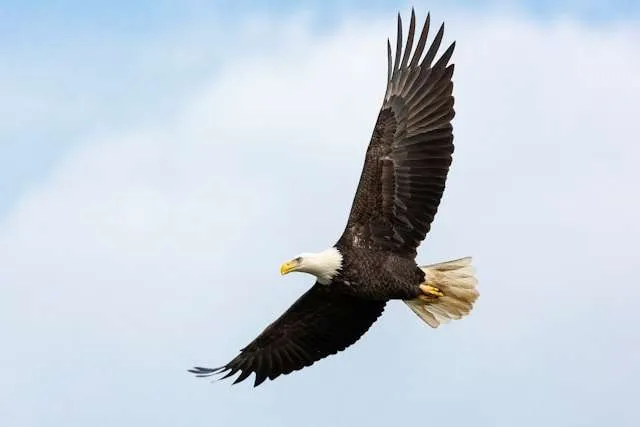
Though not the heaviest or longest wingspan, the Bald Eagle (Haliaeetus leucocephalus) is the largest avian predator that is universally widespread across the lower 48 states.
- Size: Weighs up to 14 pounds with a wingspan of up to 7.5 feet.
- Where to Spot Them: Found in every state, though they are particularly concentrated near large bodies of water in the Pacific Northwest, Alaska, and along major river systems (like the Mississippi River).
- Fascinating Fact: The female is always noticeably larger than the male, a phenomenon known as reverse sexual dimorphism, common in raptors.
Birds of New York: Common, Migratory and Rare Birds Across the State
The Tallest Standers: Height and Long Legs
In the Southern and coastal states, the title of largest bird often belongs to tall, long-legged waders.
5. The Great Blue Heron: Ubiquitous Wader

The Great Blue Heron (Ardea herodias) is a common sight but remains one of the tallest birds in the majority of Eastern and Central U.S. states.
- Size: Stands up to 4.5 feet tall with a wingspan of 6 feet.
- Where to Spot Them: Virtually every state with sufficient wetland habitat.
- Fascinating Fact: They hunt with incredible precision, often standing motionless for long periods before striking with a rapid thrust of their dagger-like bill. They are adaptable, sometimes even hunting rodents in open fields far from water.
6. The Whooping Crane: The Ultimate Southern Giant
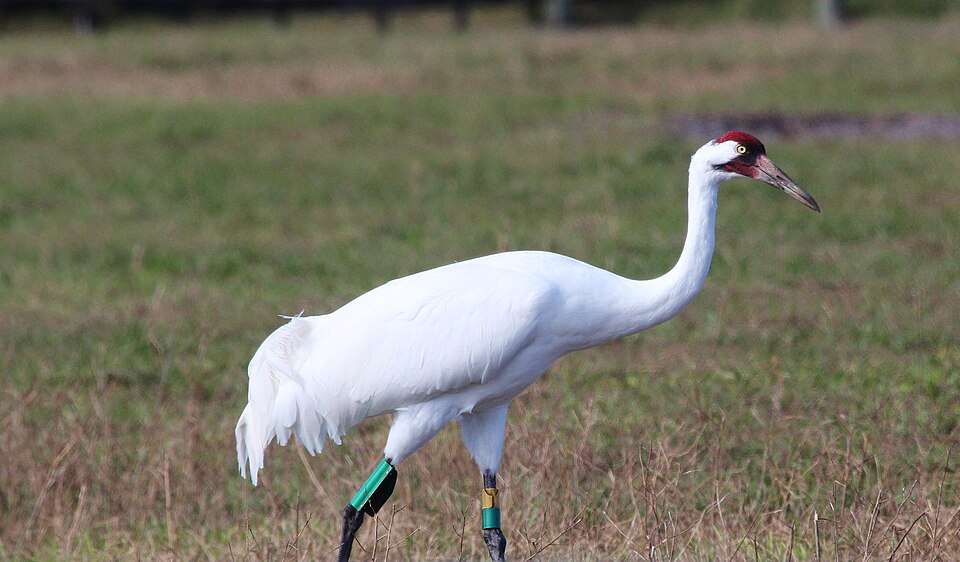
The Whooping Crane (Grus americana) is the tallest bird in North America and a critically endangered conservation success story.
- Size: Stands over 5 feet tall and can reach a weight of 17 pounds.
- Where to Spot Them: The primary wild flock winters almost exclusively at the Aransas National Wildlife Refuge in Texas and migrates to Wood Buffalo National Park in Canada. Reintroduced, non-migratory populations exist in Louisiana and Florida.
- Fascinating Fact: Their recovery is one of the most celebrated conservation efforts. In the 1940s, only 15 individuals survived in the wild. Today, thanks to intensive management, the wild migratory population exceeds 500 birds.
Regional Giants Spotlight
Beyond these continental heavyweights, specific regions feature unique contenders:
Wrapping Up: Size as a Measure of Ecosystem Health
The largest birds in the U.S. are more than just impressive; they are sentinels of environmental health. The historical near-extinction of the Bald Eagle and the Whooping Crane, and their subsequent recovery, demonstrates the effectiveness of human conservation efforts. Conversely, the size and power of the Condor and the Swan underscore the high ecological cost when such massive species are lost.
Whether it’s the massive wings of a California Condor over the Sierras or the towering height of a Whooping Crane on the Texas coast, these avian giants remind us that wildness, scale, and complexity still dominate vast corners of the American landscape. Protecting their large habitats remains one of the most critical challenges for U.S. conservation today.
