
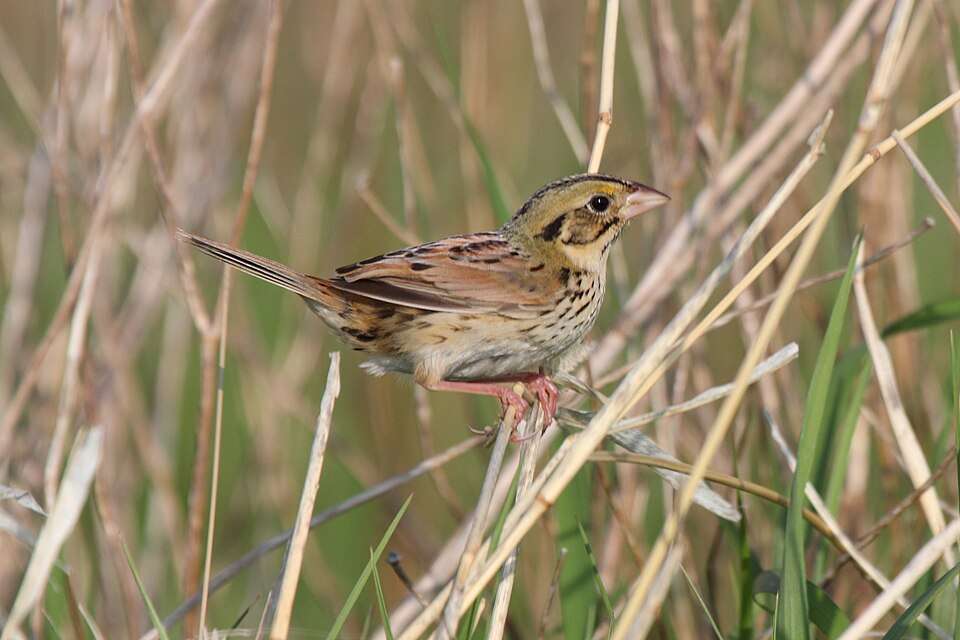
Kentucky's diverse landscapes, from the rolling hills of the Bluegrass to the rugged peaks of the Appalachians and the vast wetlands of the west, make it an exceptional, yet often overlooked, destination for avian enthusiasts. With a rich array of habitats supporting over 300 species throughout the year, the state offers rewarding sightings for both novice and experienced birders. From the rare Henslow's Sparrow and Bobolink in protected grasslands to masses of wintering waterfowl and majestic Bald Eagles along the major river systems, Kentucky presents a surprising density of birding hotspots.
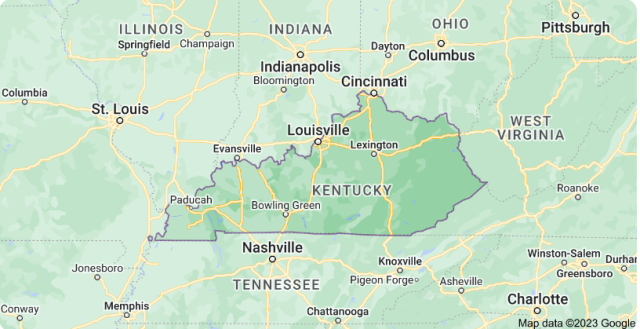
This article guides you through the Commonwealth's premier birdwatching destinations, showcasing the top spots to observe migrating songbirds, nesting raptors, and unique wetland species. Grab your binoculars and prepare to explore the best of Kentucky's wild side, including famous locations like the Red River Gorge, the expansive Land Between the Lakes National Recreation Area, and the historically significant John James Audubon State Park.
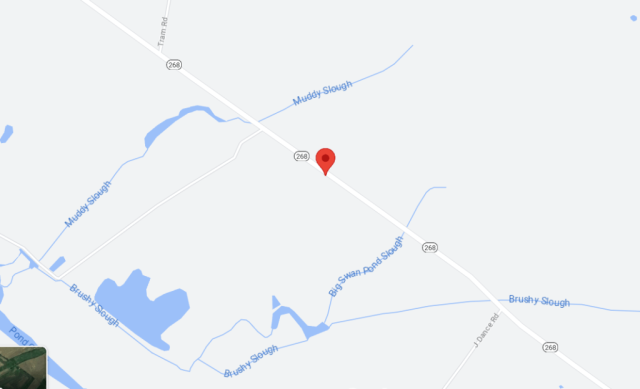
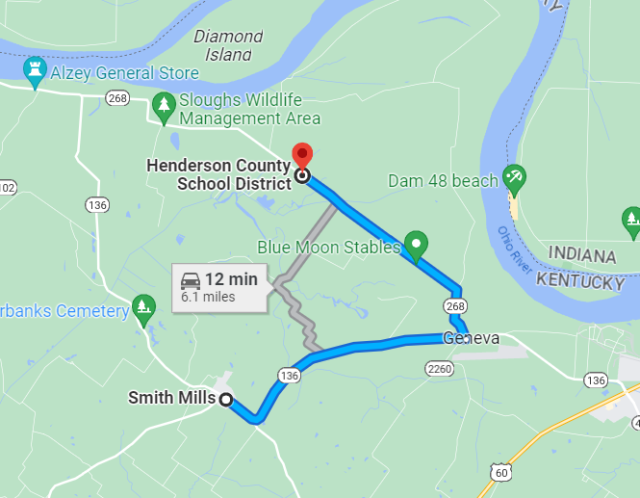
Sloughs WMA
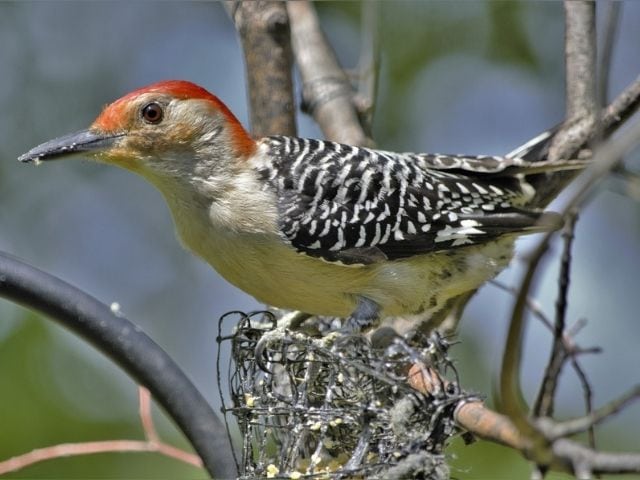
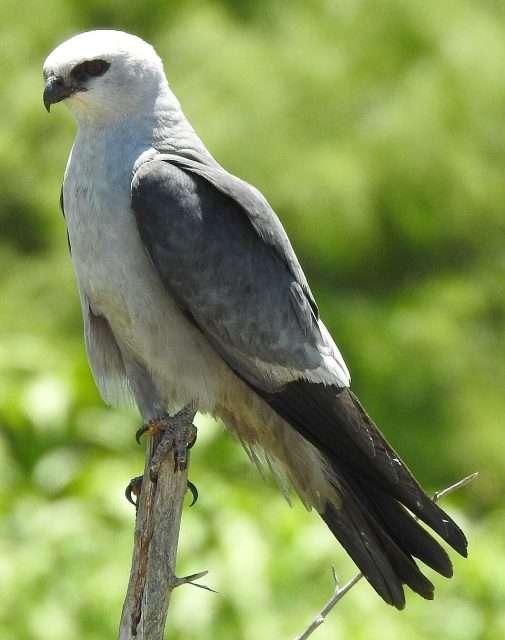
Target Birds
Stilt Sandpiper
Sora
Mississippi Kite
Warbling Vireo
Red-shouldered Hawk
Blue Grosbeak
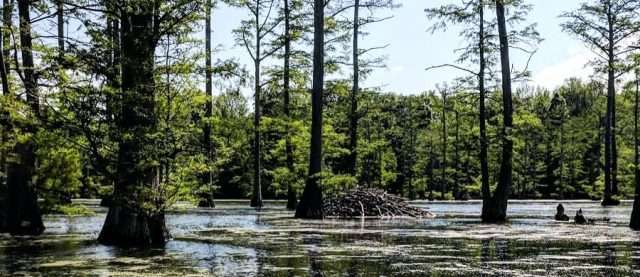
The Kentucky Department of Fish and Wildlife Resources has really helpful information about different spots around the Sloughs.
Peabody WMA
The Peabody Wildlife Management Area (WMA) is a massive, multi-county conservation success story located in the Western Coal Field region of Kentucky, primarily across Muhlenberg, Hopkins, and Ohio counties. Spanning over 40,000 acres, its geography is a distinctive mix of reclaimed surface-mined land. This past use has resulted in a unique, undulating topography, ranging from low, wet bottomlands to rolling hills and steep excavated ridges.
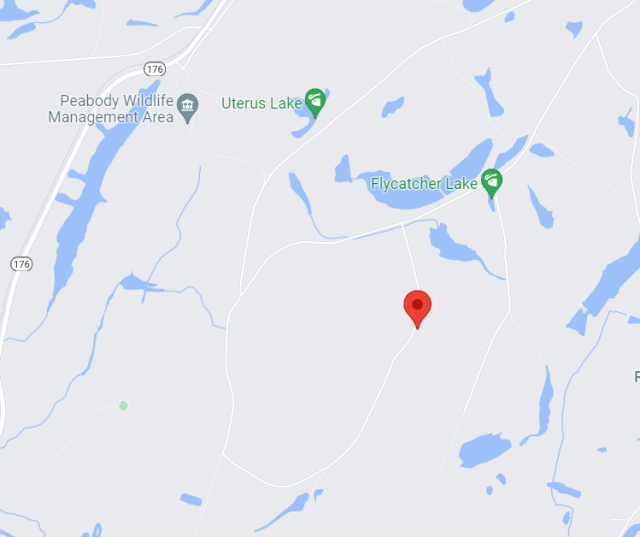
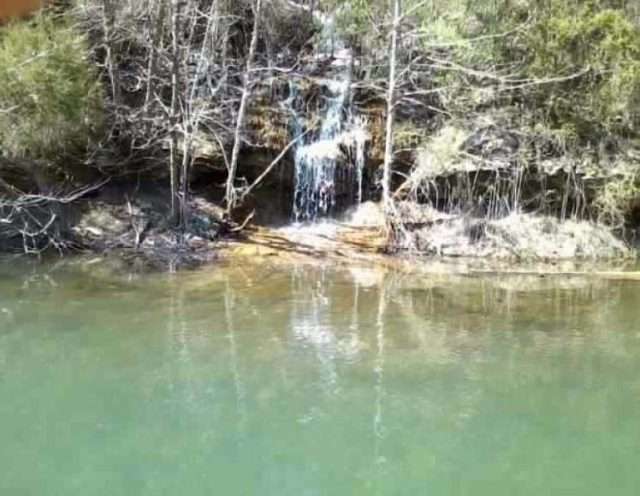
The landscape is dotted with countless water bodies—primarily small lakes, ponds, and pits formed by the mining process—creating a patchwork of habitats. These diverse conditions include large tracts of maturing second-growth oak-hickory forest, extensive warm-season native grasslands, shrubby cover, and critical wetland areas along rivers like the Pond River.
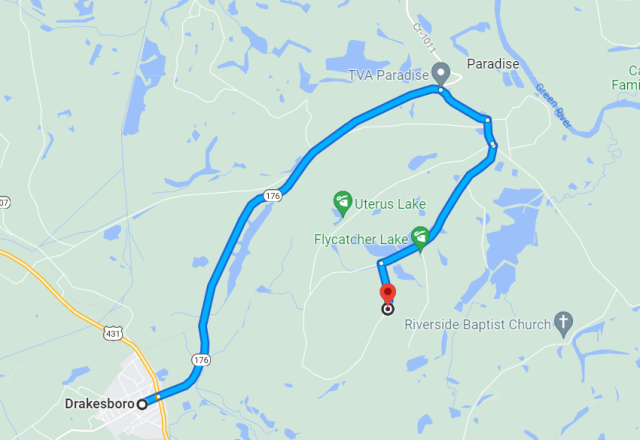
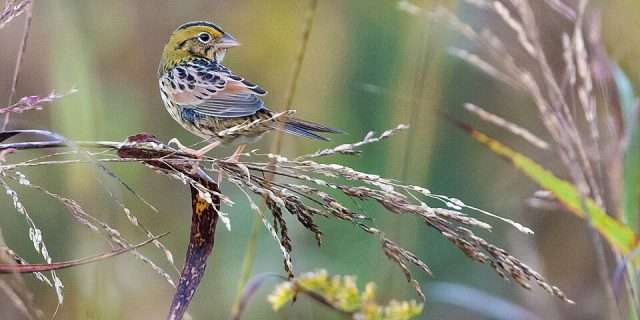
This unusual, reclaimed landscape makes Peabody WMA an excellent and diverse birdwatching destination, especially for species that thrive in open and transitional habitats. The vast grasslands of the Sinclair Unit are particularly well-known, providing essential nesting grounds for species like the Henslow's Sparrow, Dickcissel, and Grasshopper Sparrow, as well as hosting wintering Short-eared Owls and Northern Harriers.
Find out more about the birds of Kentucky here.
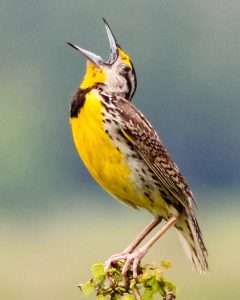
The countless ponds and lakes are magnets for waterfowl, shorebirds, and wading birds, including various ducks, geese, Great Blue Herons, and Double-crested Cormorants, especially during migration. Furthermore, the combination of thickets, shrubby cover, and regenerating forests supports a wealth of songbirds, including Bell's Vireo, Blue-winged Warbler, and various raptors like the Mississippi Kite and Bald Eagle.
Target Birds
Pied-billed Grebe
Eastern Meadowlark
Orange-crowned Warbler
Northern Bobwhite
Willow Flycatcher
The Fish and Wildlife website above has information about hunting but the Energy and Environment site has better detail about birding.
Ballard WMA
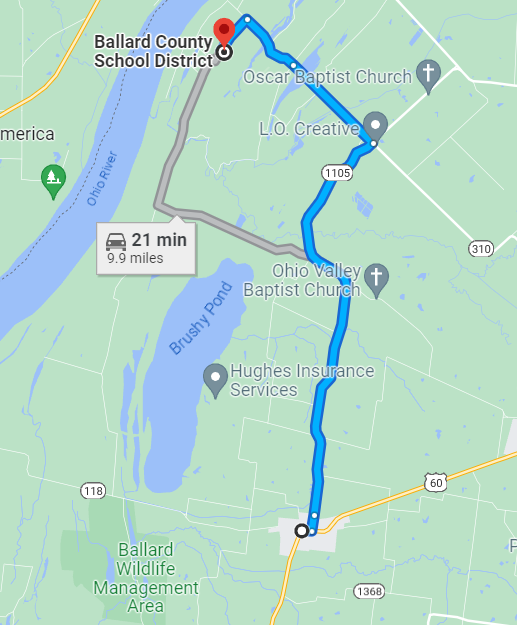
Located in Kentucky's far western corner, approximately 30 miles west of Paducah and bordering the Ohio River, Ballard Wildlife Management Area (WMA) is a critical wetland complex within the Mississippi River floodplain. This expansive 8,000+ acre area features a geography dominated by bottomland hardwood forests, numerous oxbow lakes, sloughs, and cypress/tupelo swamps, interspersed with agricultural fields.
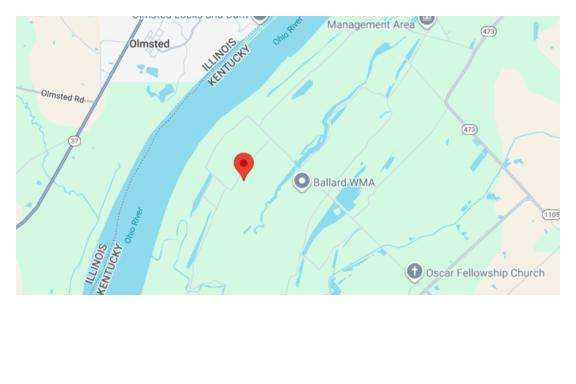
As a key stopover on the Mississippi Flyway, its primary management goal is to provide crucial wintering habitat for migratory waterfowl. The WMA's low-lying, watery geography makes it vulnerable to seasonal flooding, a natural process that enriches the wetland ecosystem but requires visitors to be aware of occasional access restrictions.
Ballard WMA is perhaps best known for its spectacular winter birding, offering some of the state’s most impressive concentrations of waterfowl and raptors. An annual host to thousands of Canada Geese and various duck species, it is also a premier spot in Kentucky to observe nesting and wintering Bald Eagles, often seen soaring over the water or perched in the bottomland hardwoods.
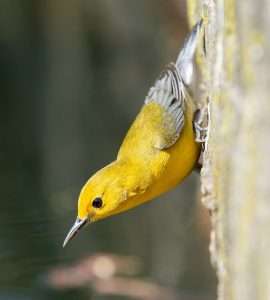
While the main body of the WMA is closed to visitation from mid-October to mid-March to protect the wintering wildlife, birders can still access a year-round viewing loop, which includes an observation platform and an elevated wetland walkway for glimpses of the action. Beyond the winter spectacle, the area is excellent for spring and summer birding, offering sightings of woodland species like the Prothonotary Warbler and Yellow-throated Warbler, along with a variety of herons and egrets in the open water and sloughs.
Target Birds
Chipping, LeConte's, Henslow's and Field Sparrow
Wilson's Snipe
Snow and Greater White-fronted Goose
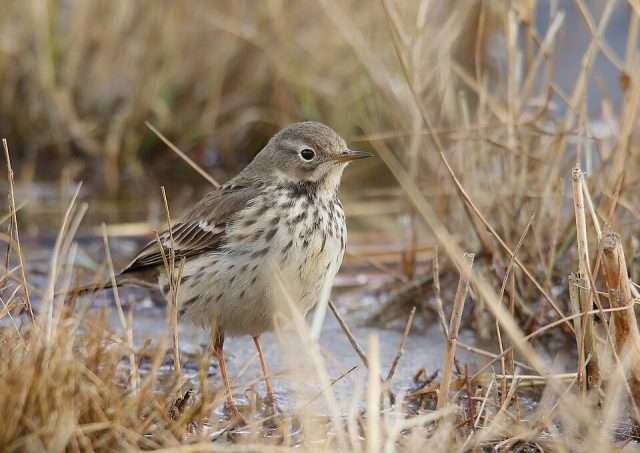
Buff-bellied Pipit
Sandhill Crane
Black Scoter
Eastern Whip-poor-will
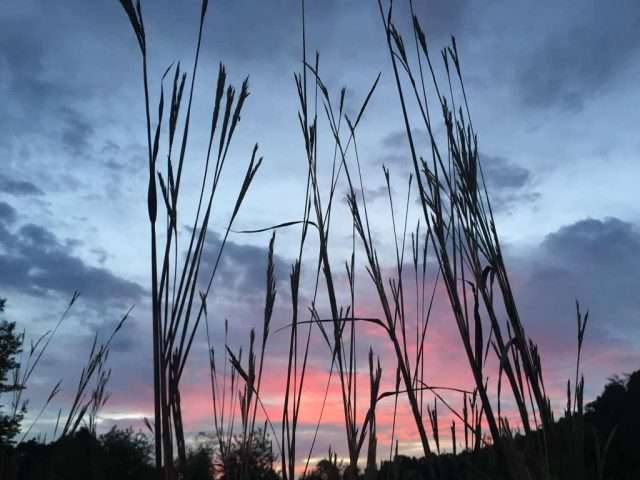
Kentucky Tourism has details about the area as well as links to other sites.
Crappie Hollow
"Crappie Hollow" is not a designated state park or wildlife management area in Kentucky, but rather a lakeside subdivision and local landmark near the city of Murray in Calloway County, Western Kentucky. Geographically, its significance stems from its close proximity to the vast Kentucky Lake and Lake Barkley—the heart of the Land Between the Lakes National Recreation Area.
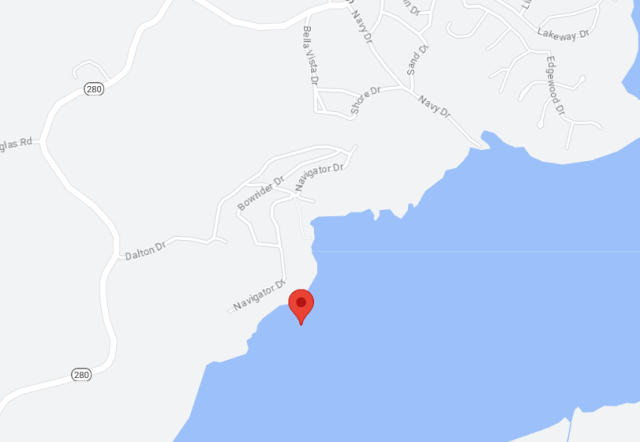
The area's topography is defined by the western Pennyroyal Plateau, featuring gently rolling, wooded hillsides that slope dramatically down to the lake's deeply indented shoreline. This creates a diverse environment of bottomland forest, upland hardwoods, and extensive aquatic habitat at the nexus of the Tennessee and Cumberland Rivers, which are separated by a narrow strip of land.
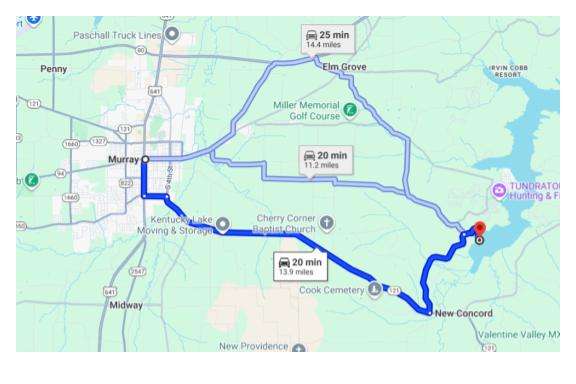
This distinctive geography provides excellent, though informal, birdwatching opportunities, particularly for species tied to large bodies of water and extensive forested cover. Birders visiting the Crappie Hollow area and the nearby Kentucky Lake shoreline can anticipate spectacular seasonal migrations of waterfowl, including various species of ducks and geese. The rich aquatic ecosystem attracts year-round raptors such as Osprey and Bald Eagles, which nest in the mature timber near the lake's edge.
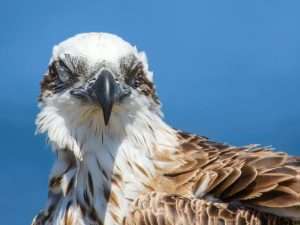
Additionally, the surrounding hardwood forests serve as critical habitat for numerous woodland songbirds, including Prothonotary Warblers and Northern Parula in the summer, making the "Crappie Hollow Shores" a valuable, localized site for observing the broader avian life of Western Kentucky's renowned lake region.
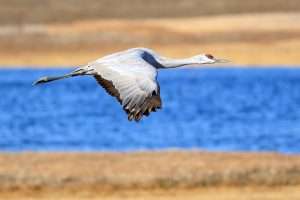
Target Birds
Scarlet Tanager
Indigo Bunting
Boneparte's Gull
Worm-eating Warbler
Rusty Blackbird
Sandhill Crane
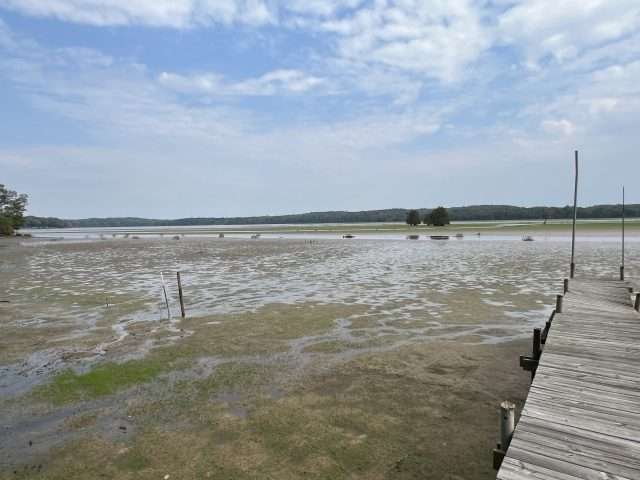
Most information online is regarding fishing in the area. The eBird list gives up to date sightings.
Falls of the Ohio National Wildlife Conservation Area
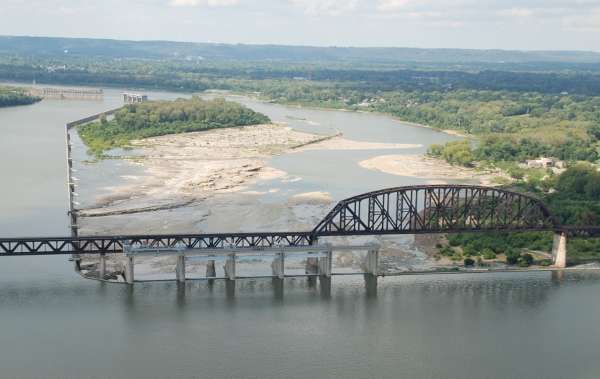
The Falls of the Ohio National Wildlife Conservation Area (NWCA) occupies a unique and historically significant geographical position on the Ohio River, forming a bi-state area with the adjacent Falls of the Ohio State Park in Clarksville, Indiana, directly across from Louisville, Kentucky. The area is defined by the geological feature known as the Falls of the Ohio—a series of rapids created by the river's erosion of 390-million-year-old Devonian fossilized coral reef beds.
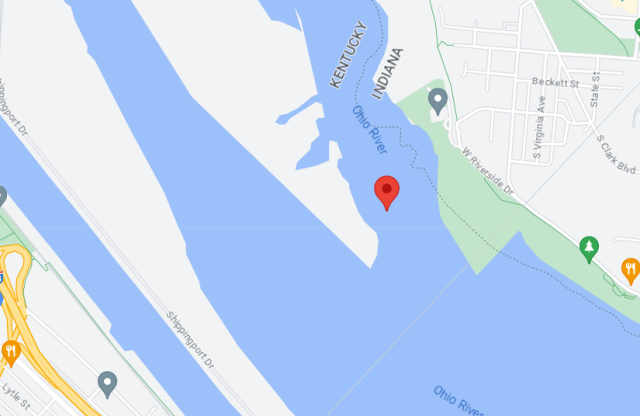
Although largely covered by the McAlpine Locks and Dam built for navigation, these rocky ledges are the core of the NWCA. When river levels are low, typically between August and October, this large expanse of exposed rock and gravel becomes a vital stopover for migrating birds, contrasting sharply with the riparian woodlands and developed urban areas on either bank. The conservation area's geography—a major inland waterway interrupted by exposed ancient rock—creates an ecological convergence zone that is critical for avian life.
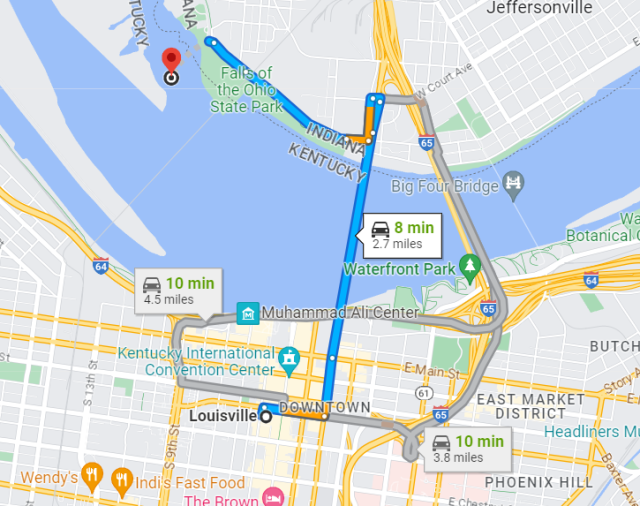
This unique combination of a massive river, exposed mudflats, and surrounding woodlands makes the Falls of the Ohio one of the region's premier birding hotspots, with over 275 species documented. The low-water season, particularly in late summer and early fall, attracts a spectacular array of wading birds and shorebirds, including numerous species of sandpipers, plovers, and terns, as they pause to forage on the expansive fossil beds.
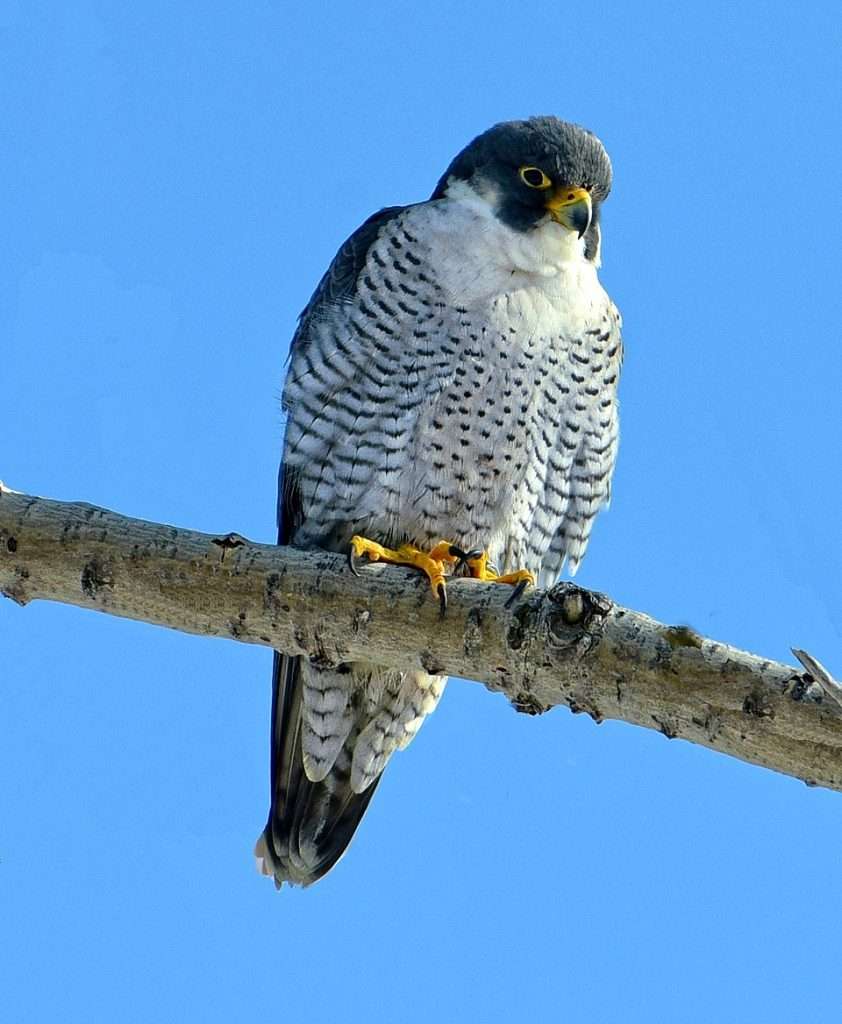
Year-round residents include Bald Eagles and Peregrine Falcons that often perch on the nearby railroad bridge, while the calm waters above the dam provide habitat for large flocks of wintering waterfowl, such as scaup, loons, and gulls. The site’s historical significance is also tied to birding, as it was a favorite area of legendary naturalist John James Audubon, who made many of his famous sketches while living in nearby Louisville. A bird viewing room inside the Interpretive Center offers an accessible way to observe feeding songbirds and raptors drawn to the river habitat.
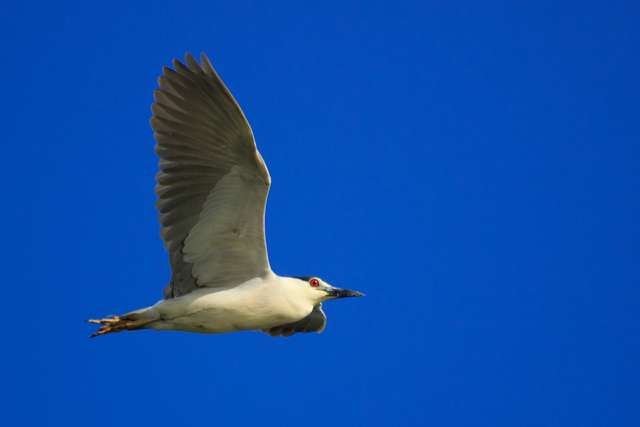
Target Birds
Black-crowned Night Heron
Marbled Godwit
Ovenbird
American Avocet
Shore Lark
Cackling Goose
The Falls of the Ohio website has general information about visiting the area including outdoor activities.
Jacobson Park
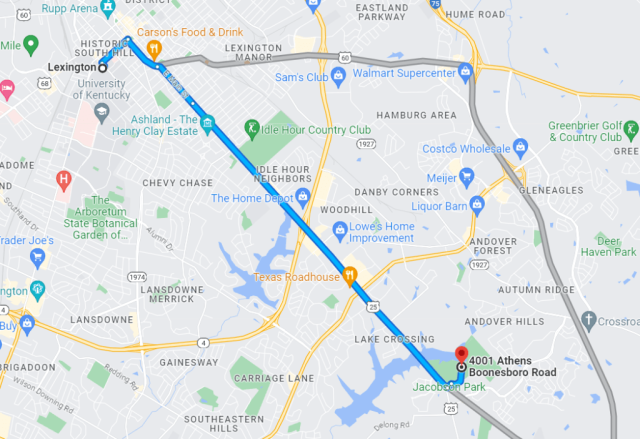
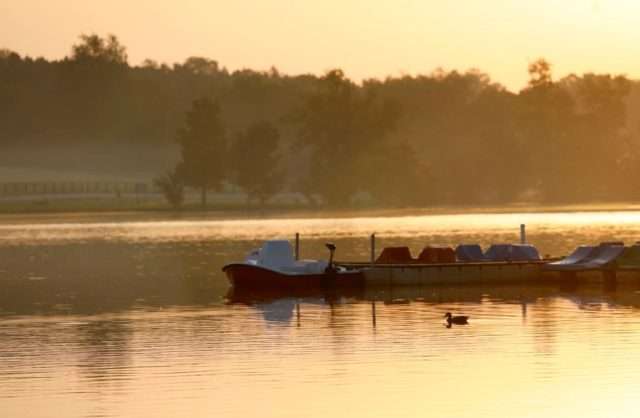
Jacobson Park is a popular, 216-acre urban park located in Lexington, Kentucky, specifically in Fayette County in the heart of the Bluegrass region. Situated on Athens Boonesboro Road, the park's central geographical feature is the 46.3-acre Jacobson Park Lake, a reservoir that serves as a major draw for both people and wildlife.
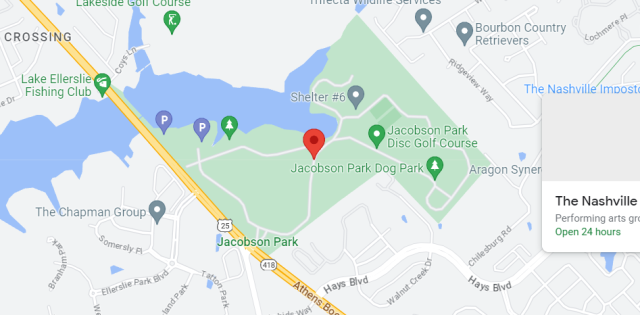
The park's terrain consists of gently rolling parkland, open green spaces, and pockets of trees, providing a diverse, though somewhat cultivated, habitat. This juxtaposition of a large body of water with managed green spaces creates an important migratory stopover and wintering ground within an otherwise heavily developed urban and agricultural area, making it a critical local birding spot. The accessibility of the park, including paved paths and various recreational facilities, makes birdwatching here easy for all skill levels.
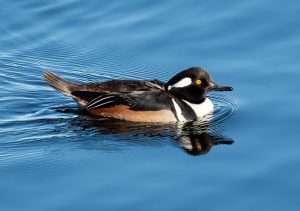
The main birdwatching opportunities at Jacobson Park center around its aquatic features, making it one of the best spots in Lexington for viewing waterfowl and waterbirds. Birders frequently visit for sightings of species like ducks and geese, including Hooded Merganser, Pied-billed Grebe, and Gadwall, particularly during the non-breeding seasons. The lake also attracts other aquatic species, such as the Belted Kingfisher.
Beyond the water, the park's wooded edges and open fields provide habitat for various songbirds and raptors. Birders have reported seeing Northern Flicker, Downy Woodpecker, Northern Harrier, Red-tailed Hawk, and Cooper's Hawk in the park's forested and grassy sections. Local Audubon groups often host bird walks here, specifically targeting wintering ducks and other seasonal visitors, confirming its reputation as a consistent and productive urban birding location.
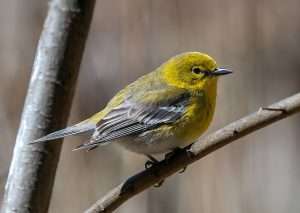
Target Bird
Chimney Swift
Pine, Canada and Tennessee Warbler
Summer Tanager
Baltimore Oriole
Snowy Egret
Rusty Blackbird
The Kentucky Ornithological Society has a brief pdf file with details of the birds found in the park.
Jonathan Creek Embayment
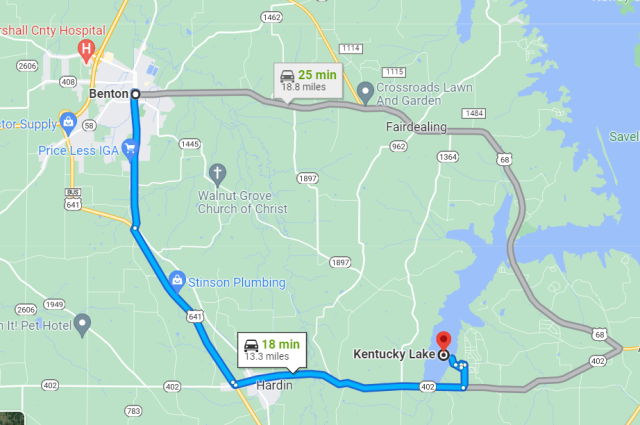
The Jonathan Creek Embayment is a prominent, large inlet on the western side of Kentucky Lake in Marshall County, Kentucky. This location is geographically significant as it is situated just east of the Land Between the Lakes National Recreation Area (LBL), a narrow peninsula between Kentucky Lake and Lake Barkley.
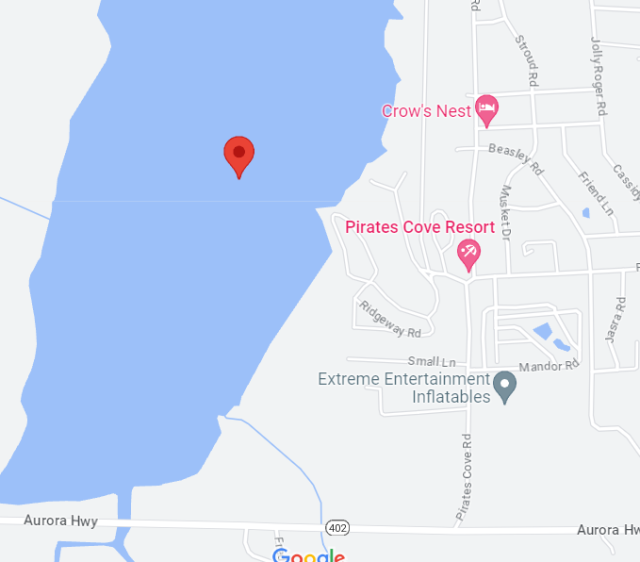
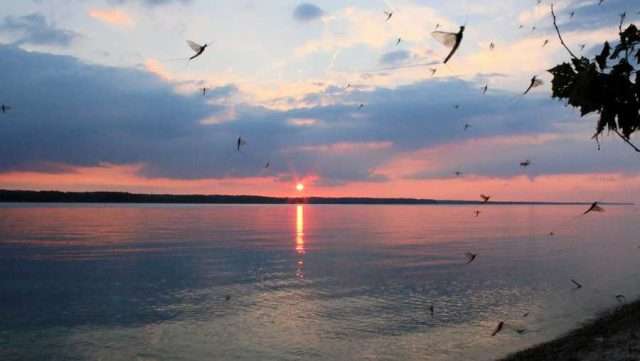
The embayment's geography is defined by the expansive, man-made Kentucky Lake, which was created by damming the Tennessee River. The area is characterized by a mix of open water, extensive forested shorelines consisting primarily of bottomland hardwoods, and areas of cove and marsh habitat created by the fluctuating lake levels. This diversity of terrestrial and aquatic environments provides rich feeding and cover resources, making it a critical ecological zone.
Due to its protected position and variety of habitats, Jonathan Creek Embayment offers exceptional bird watching, particularly for waterfowl and raptors. During fall and winter, the open waters and coves are major wintering and migratory staging areas for thousands of ducks and geese, attracting species like Mallard, Gadwall, Canvasback, and various Mergansers.

The presence of large flocks of waterfowl makes it a prime feeding ground for predatory birds; therefore, Bald Eagles are a common sight, frequently seen soaring over the water or perched in shoreline trees. During spring and fall migration, the surrounding woodlands host an array of passerines, including numerous species of warblers and vireos, making the adjacent trails and shorelines excellent spots for songbird observation. Birders often focus on the areas near the US 68 bridge and the numerous boat ramps and campgrounds that line the embayment's edge for optimal viewing access.
Target Birds
Greater White-fronted Goose
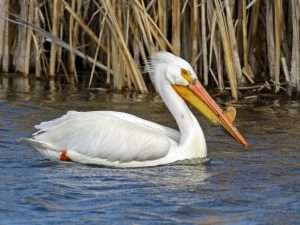
American White Pelican
Merlin
Ovenbird
- Pine Siskin
The Ornithological Society has another downloadable pdf with more detailed introductory information.
KY Lake Dam
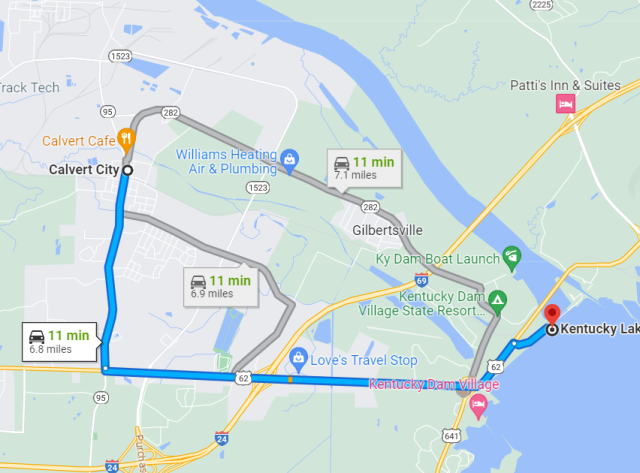
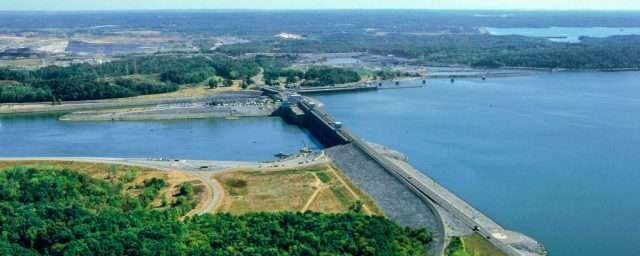
The area surrounding Kentucky Lake Dam is a geographical marvel and a prime birding location, situated in the western part of the state where the Tennessee River is impounded. The dam's construction created Kentucky Lake, one of the largest man-made lakes in the eastern United States, covering over 160,000 acres.
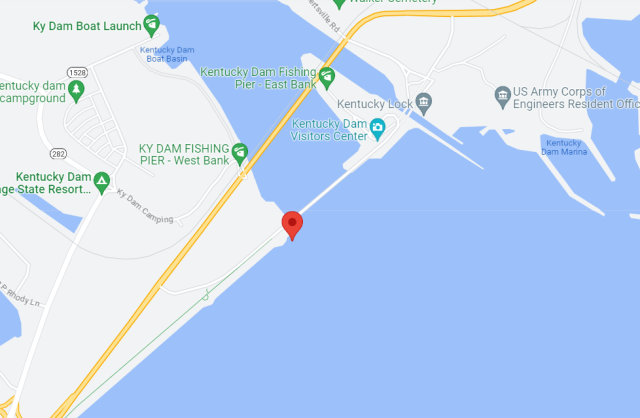
The Land Between the Lakes National Recreation Area—a vast, 170,000-acre forested peninsula—begins immediately across the lake's eastern shore, creating a diverse matrix of upland forests, agricultural fields, lakeshore, and open water habitat. The confluence of the massive water body, the rich riparian corridor of the Tennessee River tailwaters below the dam, and the surrounding mixed-hardwood forests of the Land Between the Lakes draws an exceptional variety of avian life, making the dam a critical waypoint on the Mississippi Flyway.
The unique location offers fantastic year-round birdwatching, though it is particularly famous during the winter months. The dam area is renowned for hosting the largest inland concentration of gulls in North America, with species like the Ring-billed and Herring Gull being common, and birders often spotting less common species like Bonaparte's Gull.
More notably, the open waters and tall snags are a major wintering ground for the Bald Eagle; groups of over a hundred eagles are often observed in January and February, attracting annual "Eagle Watch" events. Beyond the raptors and gulls, the site is excellent for viewing waterfowl, loons, grebes, and in spring and fall, spectacular flocks of American White Pelicans resting and feeding along the main lake and river channels. The various pull-off locations and viewing points on and below the dam provide easy access to this dynamic ecosystem, ensuring memorable sightings in any season.
Target Birds
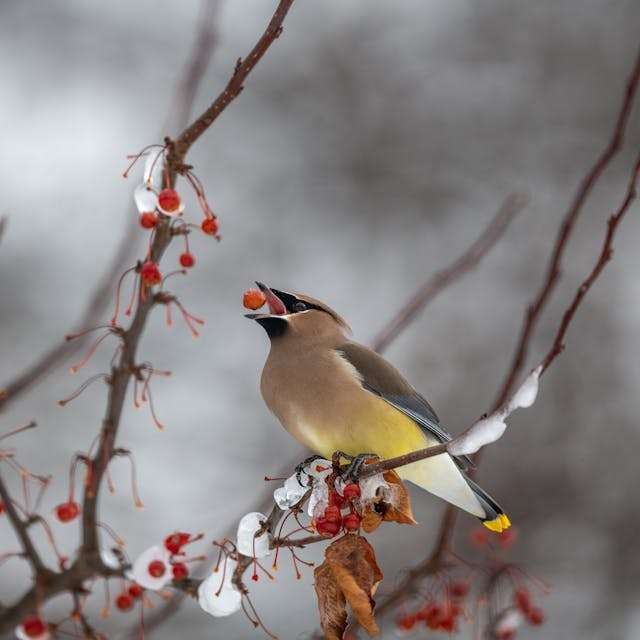
Cedar Waxwing
Great White Egret
Fish Crow
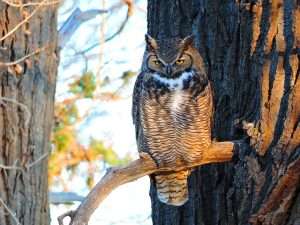
Great Horned Owl
Iceland Gull
Northern Pintail
The Kentucky State Parks website gives some guidance to birders visiting the area.
Pulaski County Park
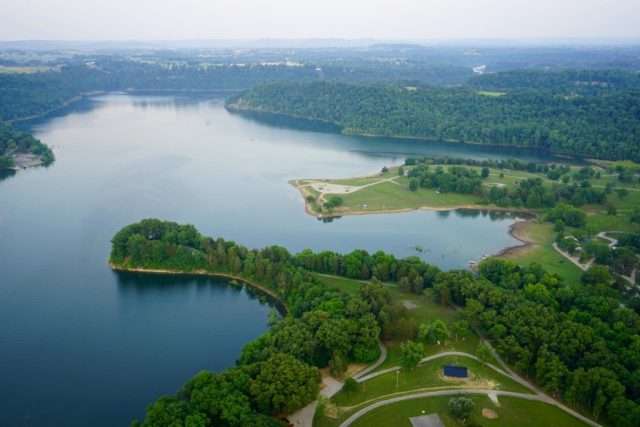
Pulaski County Park is an 804-acre "hidden gem" nestled in western Pulaski County, Kentucky, strategically bordering the vast Lake Cumberland. The park is primarily characterized by rugged, wooded terrain that slopes down to the lake's shoreline, specifically along the Fishing Creek leg of the massive reservoir.
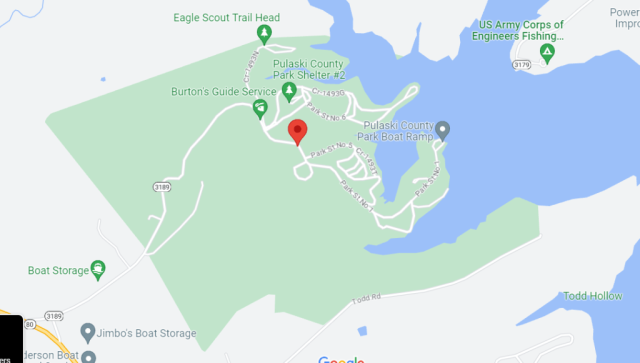
This geography—a blend of extensive forested uplands and significant freshwater access—creates a variety of habitats ideal for avian observation. Located near the community of Nancy, the park is part of a larger network of outdoor attractions in the Lake Cumberland region, placing it in a key area for both local wildlife and migratory species traveling through the state.
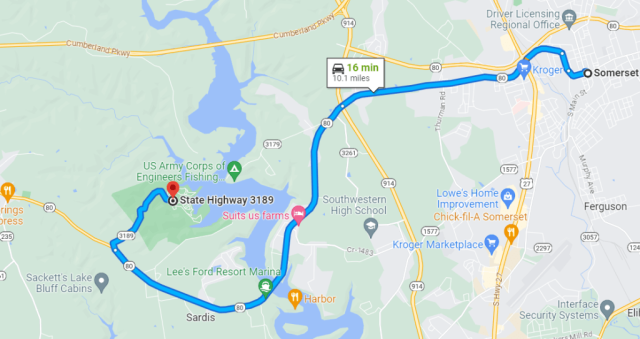
The park's diverse landscape offers excellent birdwatching opportunities year-round, catering to enthusiasts of both woodland and water birds. Over 16 miles of wooded hiking and mountain biking trails traverse the area's hills and ravines, providing secluded access to prime forest habitat for spotting songbirds, woodpeckers, and raptors.
The proximity to Lake Cumberland's "Fishing Creek" arm attracts a variety of waterfowl, gulls, and waterbirds, especially during migration and wintering periods. Visitors can specifically look for species that frequent bottomland hardwood forests and lake edges, such as Prothonotary Warblers, various herons, and Belted Kingfishers, making this a well-rounded destination for birders in south-central Kentucky.

Target Birds
Black-bellied Whistling Duck
Warbling Vireo
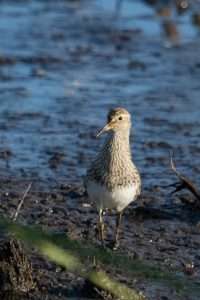
Pectoral Sandpiper
Great Northern Diver
Broad-winged Hawk
Yellow-bellied Sapsucker
The Pulaski County Park Website has lots of details for visitors including those wishing to camp there.
Wrapping Up
Kentucky's diverse topography—from the riverine wetlands of the west to the Appalachian highlands of the east—cements its status as a premier, year-round birdwatching destination. As a critical part of the Mississippi Flyway, the state offers spectacular seasonal viewing, hosting massive concentrations of waterfowl, gulls, and raptors at vast reservoirs like Lake Barkley and the Land Between the Lakes during winter and migration. Conversely, the dense, unfragmented forests provide vital breeding strongholds for an array of colorful warblers and vireos in the spring and summer.
Read more about other states.
