

Kansas, often described as the heart of America's Great Plains, offers much more than just endless fields of wheat. For birdwatching enthusiasts, the state is an unexpectedly crucial and world-renowned destination, sitting squarely within the Central Flyway—the avian equivalent of a superhighway for migrating birds traveling from the Arctic to the Gulf Coast.
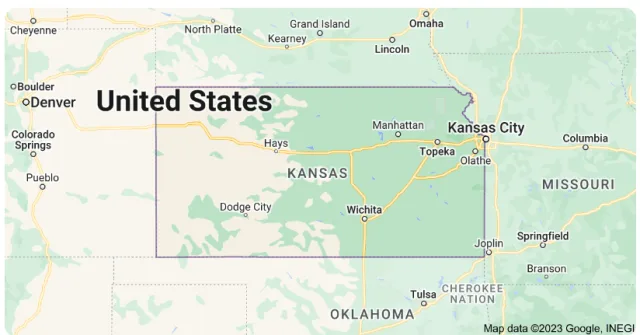
This central location and the presence of immense, protected wetland basins create one of the most vital stopovers on the entire continent, particularly for shorebirds and waterfowl. As we explore the state's premier birding opportunities, we will highlight two globally important sites: Cheyenne Bottoms, the largest freshwater marsh in the interior United States, and the nearby Quivira National Wildlife Refuge, a unique complex of saline marshes and sand dunes. Together, these locations provide a critical oasis for millions of birds, including the majestic, endangered Whooping Crane, solidifying Kansas's reputation as a true birding mecca.
Baker Wetlands
The Baker Wetlands, also known as the Haskell-Baker Wetlands, is a vital nature preserve spanning approximately 927 acres on the southern edge of Lawrence, Kansas. Its geography is defined by a floodplain environment associated with the Wakarusa River, a tributary of the Kansas River. While partially a natural wetland, the current complex is also sustained by artificially managed habitats, including levees and flood control systems developed in the 1990s as mitigation for nearby infrastructure projects.
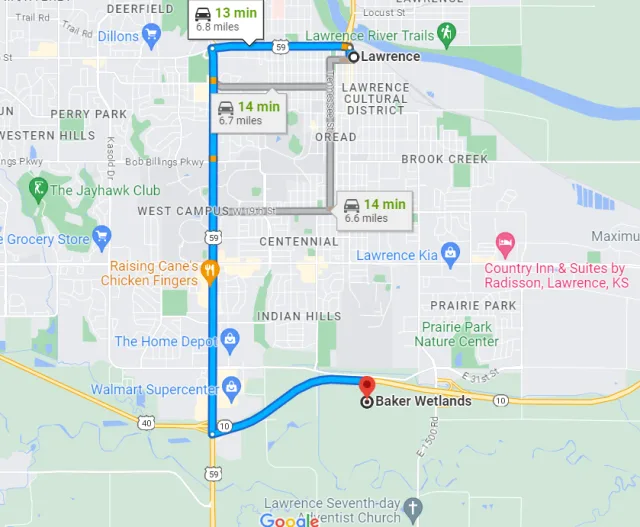
This management sustains a rich mosaic of inland fresh meadow and shallow fresh marsh, along with areas of upland prairie and riparian woodland, creating an unusually diverse habitat right next to an urban center. Designated a National Natural Landmark, the wetlands are a testament to the ecological value of protected areas within the Central Flyway.
With 278 species of birds identified, the Baker Wetlands offers exceptional and highly accessible birdwatching opportunities throughout the year. The open water and extensive marsh are a major draw for migratory waterfowl and shorebirds during spring and fall, providing essential resting and refueling points near the end of their long journeys. Visitors can spot various ducks, geese, and, with luck, rails and bitterns concealed in the dense cattails.
The adjacent woodlands and grasslands provide critical habitat for songbirds, especially during migration when warblers, vireos, and various sparrow species pass through. The site features over eleven miles of well-maintained trails, including boardwalks and observation blinds near the Discovery Center, allowing birders to get up close to the action without disturbing the wildlife.
Target Birds
Bell's Vireo
Fish Crow
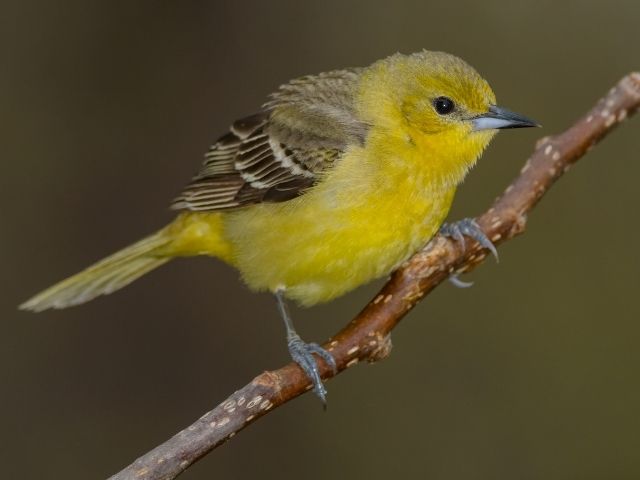
Orchard and Baltimore Oriole
Mississippi Kite
Mourning Warbler
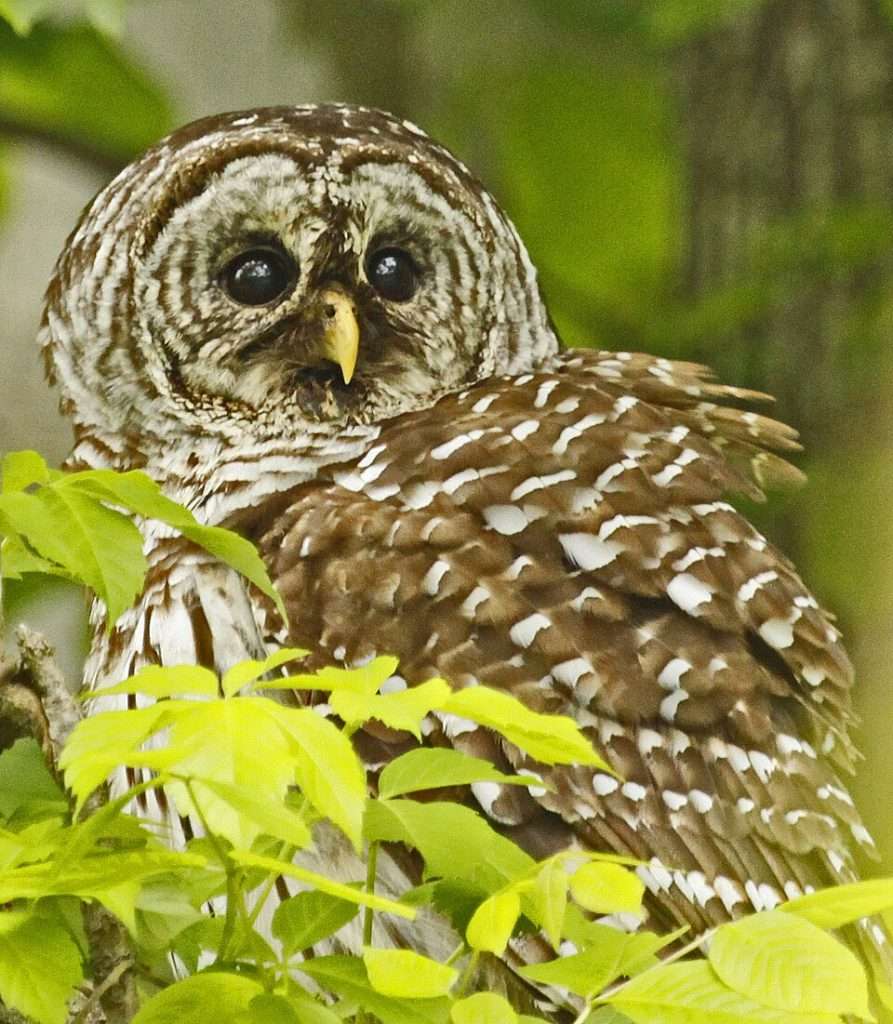
Barred Owl
Baker University has interesting information about the wetlands and its protection.
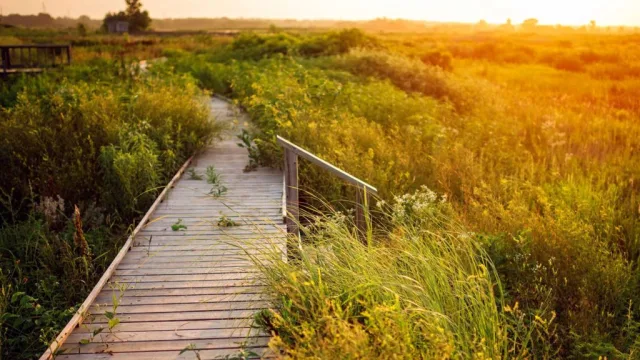
Quivira National Wildlife Refuge, Kansas: The Inland Salt Marsh
Cheney Wildlife Area
The Cheney Wildlife Area is a fantastic spot for birding and is located in south-central Kansas, approximately 20 miles west of Wichita, spanning parts of Kingman, Reno, and Sedgwick counties. Its geography is defined by the massive Cheney Reservoir, a roughly 9,500-acre lake built on the North Fork Ninnescah River.
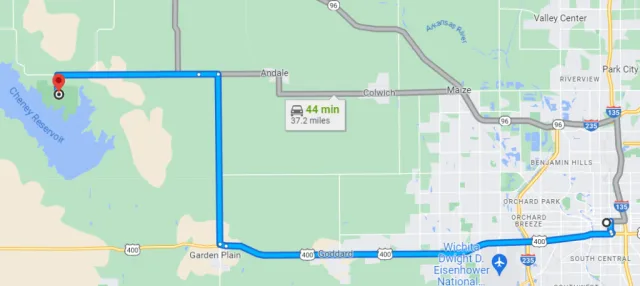
The surrounding 5,400-acre Wildlife Area consists of a mix of terrestrial habitats, including prairie grasslands, riparian woodlands, and cropland, all centered around the open water and shoreline of the reservoir. This blend of aquatic and upland environments creates a crucial transition zone that attracts a high diversity of bird life.
The open waters of Cheney Reservoir make the area an excellent birdwatching location, particularly for water-dependent species. During migration, the reservoir is a significant stopover for a tremendous number of ducks and geese, with species like American White Pelicans often using the lake for resting and feeding throughout the warmer months. Birders also look for various species of gulls that are attracted to the large body of water, including less common wintering visitors.
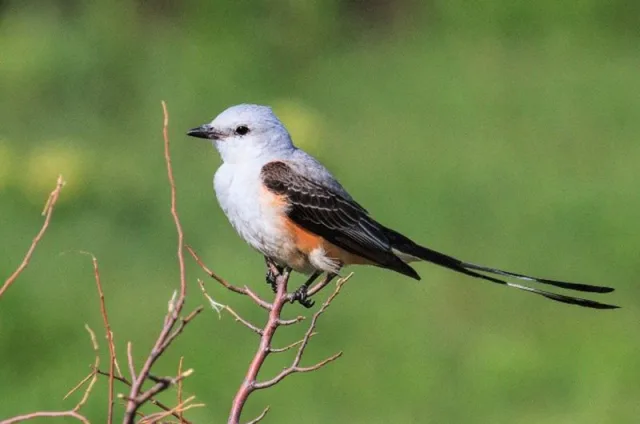
The adjacent grasslands and woodlands of the Wildlife Area provide habitat for many passerines, including the distinctively patterned Scissor-tailed Flycatcher in the summer and various species of sparrows and raptors in the cooler months. The entire area operates as a designated refuge for migratory waterfowl from September 15th to March 1st, providing them a protected, undisturbed place to rest, with the roads along the refuge boundary being key viewing spots for birders.

Target Birds
Wilson's Phalarope
Scissor-tailed Flycatcher
Buff-bellied Pipit
Common Nighthawk
Black Tern
The Kansas Department of Wildlife and Parks has information about the Wildlife Area and wider State Park. It is mainly for hunters but does give some general detail.
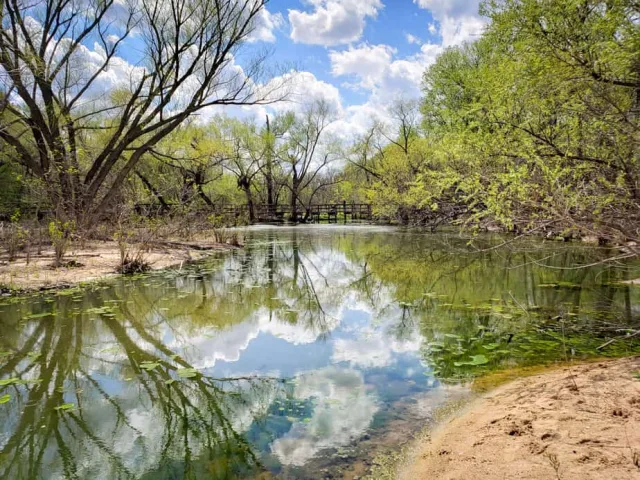
Perry Lake
Perry Lake is a large US Army Corps of Engineers reservoir located in the comparatively humid, wooded region of northeast Kansas, primarily in Jefferson County. Situated conveniently between the state's capital, Topeka, and the city of Lawrence, its geography is distinct from the vast open plains of Central Kansas.

The lake itself covers over 11,000 acres, boasting more than 160 miles of shoreline formed by the flooded valleys of the Delaware River and its tributaries. Unlike the treeless plains to the west, the reservoir is bordered by rolling, extensively forested hills of classic Kansas hardwood, which is maintained as Perry State Park and the Perry Wildlife Area. This combination of expansive open water, deep woods, and the specialized wetland habitats within the Wildlife Area creates a diverse environment unique to the region.
This varied landscape makes Perry Lake an outstanding destination for birders looking to view both waterbirds and land birds. During fall through spring, the open waters of the reservoir become a key stopover for thousands of migrating waterfowl, including numerous species of ducks, geese, Common Loons, and various grebes (such as Horned and Eared Grebes).

Bald Eagles and Osprey are commonly observed around the lake, utilizing the rich fishery. Perhaps the most exceptional birding opportunity is found in the surrounding upland forests and the restored Delaware Marsh below the dam. These areas are excellent for spotting woodland species like Pileated Woodpeckers and various songbirds, while the marsh attracts shallow-water waders and shorebirds during migration, making Perry Lake a year-round hotspot with distinct seasonal specialties.
Target Birds
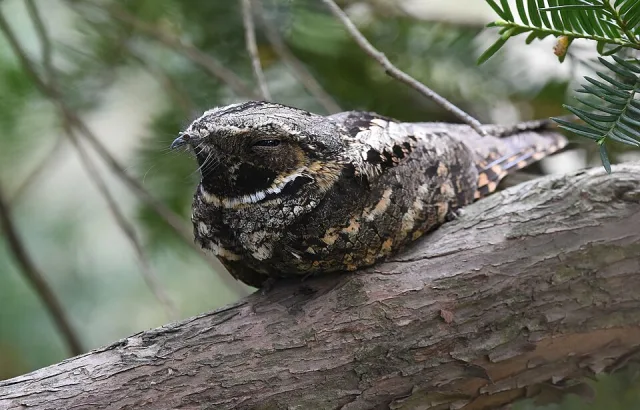
Eastern Whip-poor-will
Great Horned Owl
Double-crested Cormorant
Tree, Barn and Cliff Swallow
Red-headed Woodpecker
Northern Harrier
The Kansas DWP has very up to date information on conditions around the lake and access to it.
El Dorado State Park
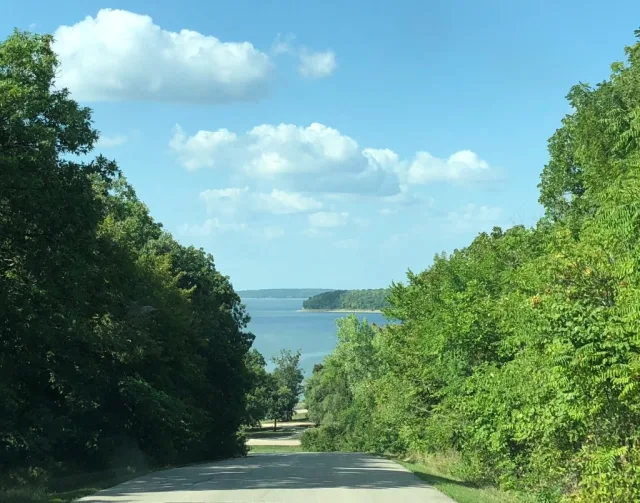
El Dorado State Park, the largest state park in Kansas, is situated on the western edge of the scenic Flint Hills in Butler County, just northeast of the city of El Dorado. Its location provides a unique blend of eastern Kansas's wooded areas and the open, rolling tallgrass prairie of the Flint Hills. The park sprawls across approximately 4,500 acres along the shores of the El Dorado Reservoir, a sprawling lake with nearly 8,000 surface acres of water.
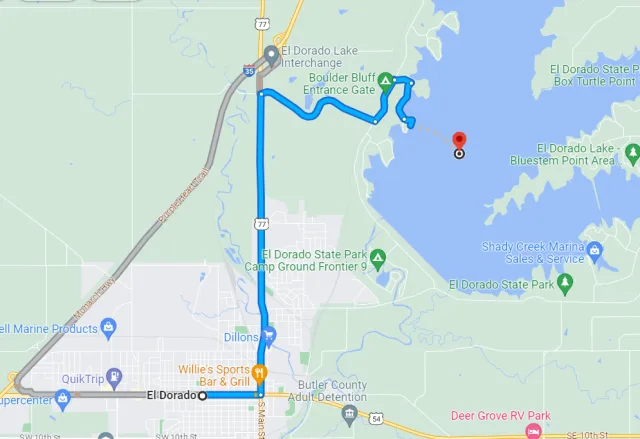
The geography is characterized by steep, rocky shorelines, forested bottomlands along the Walnut River, and managed wildlife areas of native grassland. This diversity of habitats—from open water and shoreline to dense riparian timber and prairie—creates an ecological mosaic that attracts a wide range of bird life.
The park and its surrounding wildlife area offer excellent, easily accessible birdwatching. With over 200 bird species recorded in the area, it is a key site for observing both resident and migratory birds. The open waters and mudflats attract significant numbers of waterfowl and shorebirds, especially during the spring and fall movements.

The numerous trails, such as the Teter Nature Trail and Walnut Ridge Trail, wind through the vital riparian timber, offering birders the chance to spot woodland species like the Pileated Woodpecker, Barred Owl, and various warblers. The surrounding prairie is home to upland species, including game birds and nesting Western Kingbirds and Scissor-tailed Flycatchers, making El Dorado State Park a rewarding spot to observe the diversity found at the intersection of water and prairie.
Target Birds
Bufflehead
Common Goldeneye
Northern Bobwhite
Grey Catbird
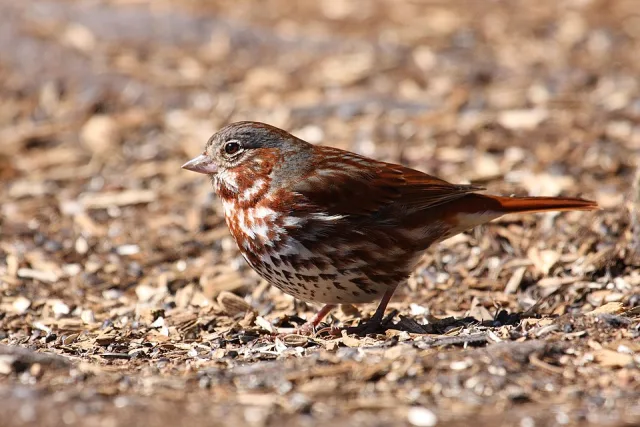
Fox Sparrow
Rough-legged Hawk
Again, the KDWP is the best place to start with lots of facts about visiting the area.
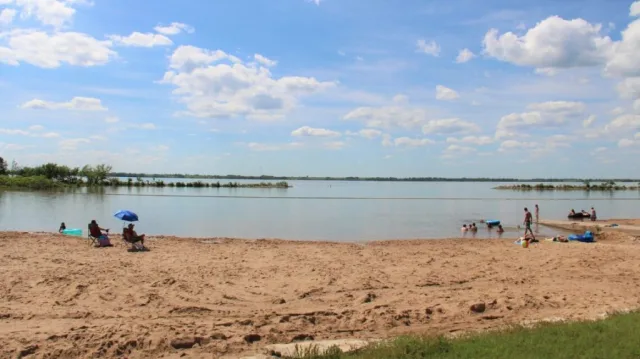
Neosho WA
The Neosho Wildlife Area (WA) is a vital, man-made marsh spanning approximately 3,246 acres on the broad, flat floodplain below the junction of Flat Rock Creek and the Neosho River in southeastern Kansas, near the town of Saint Paul. Geographically, it is situated in a major river valley, a region characterized by fertile bottomland and a complex of meandering waterways.
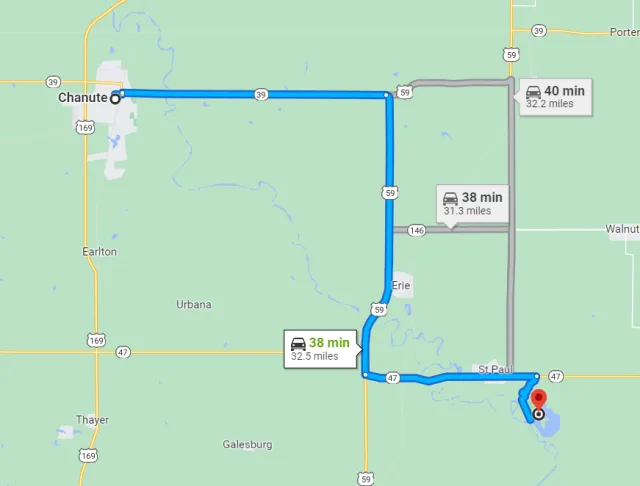
The area is intensively managed by the Kansas Department of Wildlife, Parks & Tourism, with its geography meticulously manipulated into 15 independently managed wetland pools, covering over 1,700 acres, plus four green tree marshes. This managed environment, which includes moist soil units and cultivated grain fields that are intentionally flooded in the fall, creates a rich and dependable food source, distinguishing it as a crucial resource along the Central Flyway.
Neosho WA is managed first and foremost to serve as a resting and feeding place for migratory waterfowl, making it a premier birdwatching destination for duck and goose enthusiasts. During the fall and spring migrations, observers can witness impressive numbers of ducks, including Mallards, Wood Ducks, Northern Pintails, and various teal and diver species.
The area is also known for large flocks of migrating pelicans that stop to rest and feed. While an 800-acre refuge pool is closed to all hunting and foot/vehicle traffic during waterfowl season to provide sanctuary, access points and designated viewing areas allow birders to observe the large concentrations of birds from a distance. The surrounding riparian corridors and bottomland timber also host resident bird species, providing a diverse viewing experience beyond just the wetland specialists.
Target Birds
Black Tern
Blue-winged Warbler
Trumpeter Swan
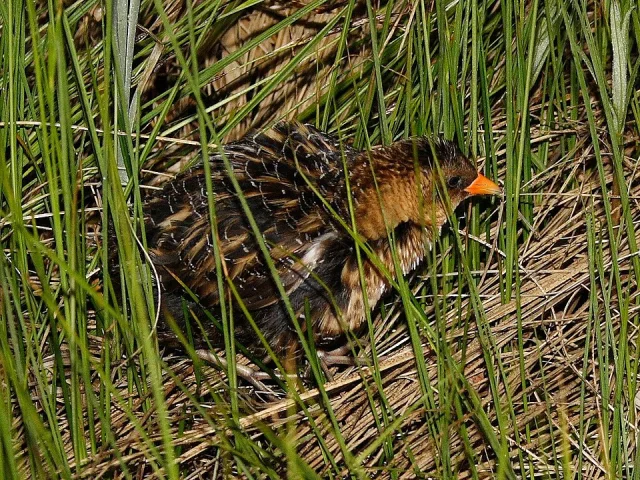
Yellow Rail
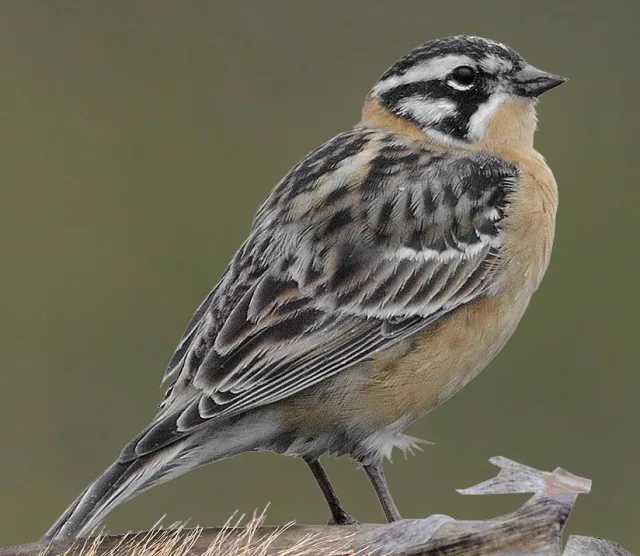
Smith's Longspur
- Barn Owl
The KDWP has really good information about the accessibility of the area for all visitors.
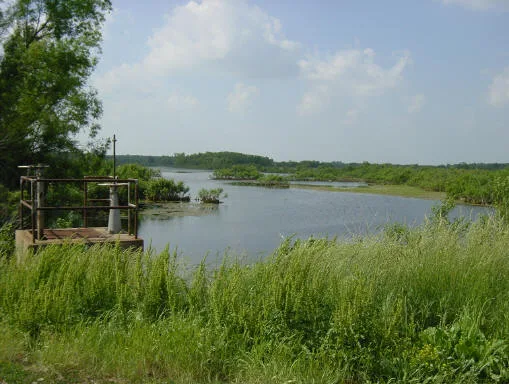
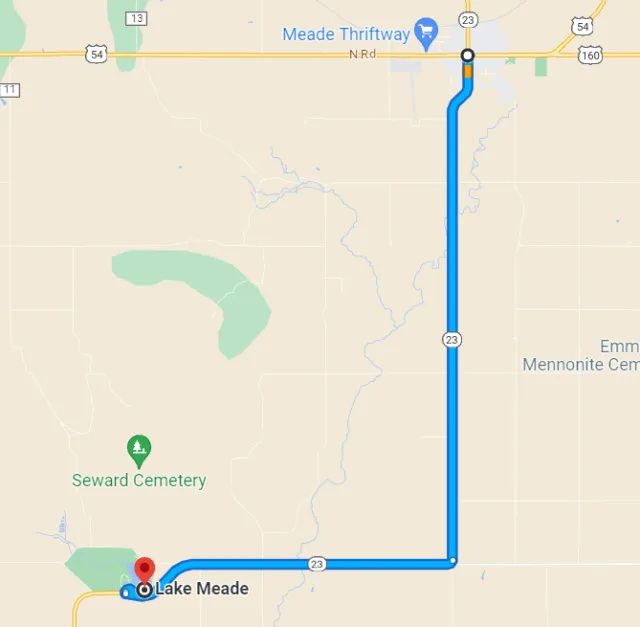
Meade State Park
Meade State Park is a vital 803-acre oasis nestled in the High Plains of southwestern Kansas, roughly 13 miles south and 5 miles west of the town of Meade. Its geographic importance lies in its striking contrast to the surrounding shortgrass prairie and agricultural fields. The park's main feature is the 80-acre Meade State Fishing Lake, which, along with the adjacent Meade Fish Hatchery, is sustained by historically artesian conditions—an unusual geological feature for this arid region.
The overall geography is a mix of open water, surrounding dense cottonwood and deciduous tree groves that offer shade and cover, and the adjacent 360-acre wildlife area composed of grasslands and upland habitat. This combination of water and woodland makes it a crucial patch of cover and sustenance for wildlife in a vast, open landscape.
This diverse, isolated environment makes Meade State Park an excellent spot for birdwatching in an area where prominent birding locations are few. The lake and its no-wake speed restrictions provide a tranquil resting area, attracting various species of waterfowl and shorebirds, particularly during migration. Furthermore, the tree groves around the lake—rare in the high-desert plains—serve as an important migrant trap for songbirds passing through the Central Flyway.
While the surrounding wildlife area is managed for upland hunting (dove and quail), it also provides opportunities to spot grassland species like the Western Meadowlark (Kansas's State Bird) and various raptors that hunt the open fields. The park features a nature trail around the lake, specifically marked for identifying the local trees, grasses, flowers, and birds, making it accessible for birders of all experience levels.
Target Birds
Shore Lark
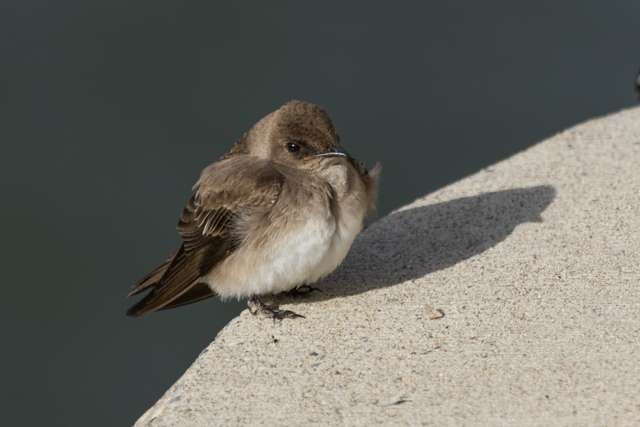
Norther Rough-winged Swallow
White-winged Dove
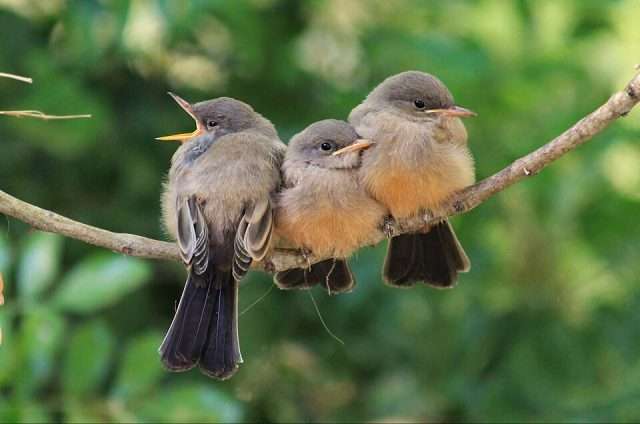
Say's Phoebe
Clay-colored Sparrow
Orange-crowned Warbler
The KDWP has information primarily for hunters but should be reviewed before visiting for access information.
Shawnee Mission Park
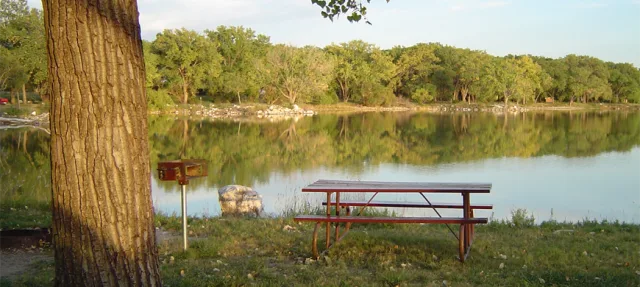
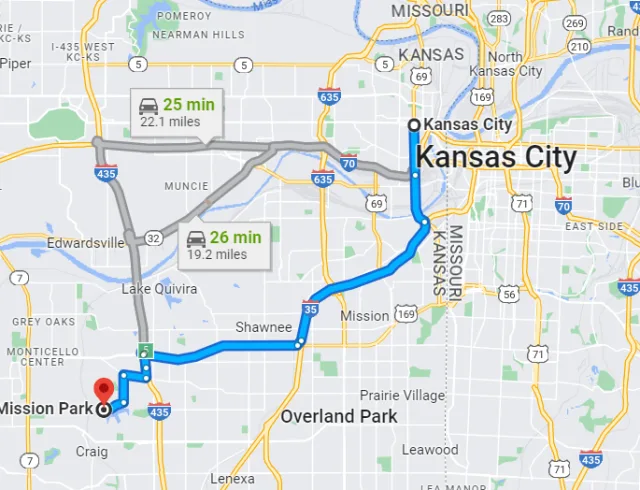
Shawnee Mission Park is a sprawling 1,600-acre multi-use park located in Johnson County, right in the heart of the Kansas City metropolitan area. Despite its urban setting, the park's diverse geography makes it a phenomenal and highly accessible location for birdwatching in Eastern Kansas.
Its landscape is defined by its central, beautiful 120-acre lake, surrounded by a variety of critical habitats, including mature woodlands along its numerous trails, open grasslands and meadows, and sheltered picnic areas. Positioned near the edge of the Central Flyway, the park acts as a vital "green island" for both resident and migratory birds passing through the suburban environment, offering food, water, and nesting sites that are increasingly scarce in developed areas.
The blend of habitats at Shawnee Mission Park supports a remarkably high bird diversity, with over 260 species documented within its boundaries. The large lake is the main draw for waterfowl and waterbirds, especially during the spring and fall migrations, when species like Horned Grebes, Osprey, and various ducks and geese can be spotted.

The extensive trail system through the deciduous woodlands is excellent for observing songbirds; look for resident species like Northern Cardinal and Tufted Titmouse, as well as migrating species such as Summer Tanager, Orchard Oriole, and Louisiana Waterthrush in the riparian areas. Because of its accessibility and consistent habitat, Shawnee Mission Park is a year-round birding destination, providing valuable opportunities for local birders to track seasonal changes and enjoy the avian life without leaving the Kansas City area.
Target Birds
LeConte's Sparrow
Brewer's Blackbird
Neotropic Cormorant
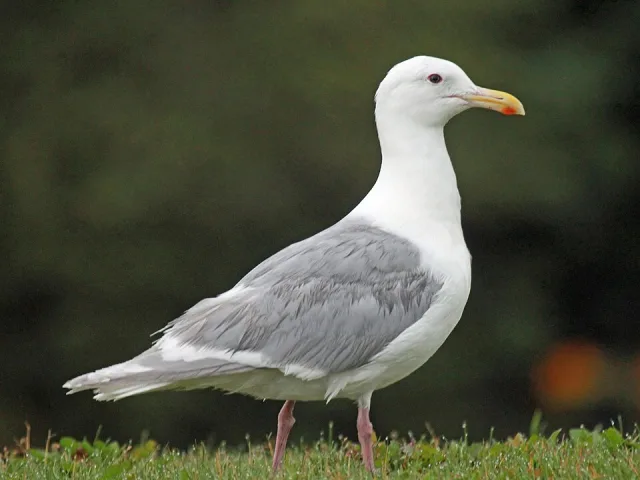
Glaucous Gull
Baird's Sandpiper
Short-eared Owl
The Johnson County Park and Recreation website has really good information about the area including pdf trail map.
Cheyenne Bottoms
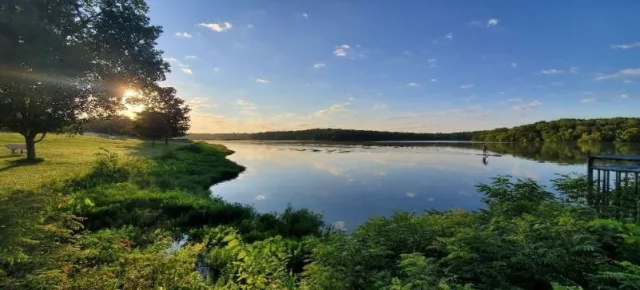
Cheyenne Bottoms is a globally significant wetland complex situated in Barton County, Central Kansas, roughly six miles northeast of Great Bend. Occupying a vast 41,000-acre natural land sink, it is the largest freshwater marsh in the interior United States. The unique geography of the Bottoms is an elliptical basin formed by ancient geological movements, which now relies on intermittent streams like Blood Creek and Deception Creek, supplemented by an inlet canal from the Arkansas River system.
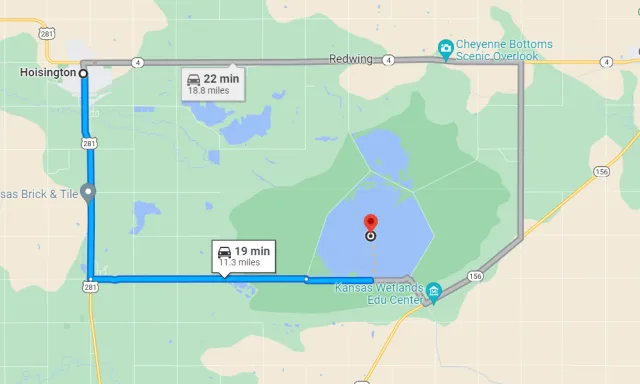
The area is managed as a patchwork of approximately 20,000 acres by the Kansas Department of Wildlife and Parks (as the Wildlife Area) and over 8,000 acres by The Nature Conservancy (as the Preserve). This intensive water management, using a system of dikes and canals, is vital for maintaining the shallow pools and mudflats critical for migrating birds in this arid region.
The primary management goal—providing diverse marsh habitat—makes Cheyenne Bottoms a world-class destination for birdwatching. It has been designated a Wetland of International Importance (Ramsar Site) and a site of Hemispheric Importance in the Western Hemisphere Shorebird Reserve Network (WHSRN).
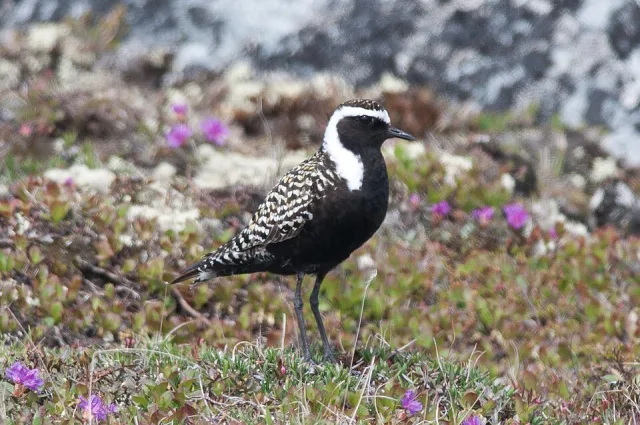
Annually, this location hosts an astonishing 45% to 90% of the entire North American shorebird population during spring migration, leading to spectacular concentrations of species like American Avocets, sandpipers, and plovers. The site has recorded over 350 bird species, including endangered visitors like the Whooping Crane and large numbers of migrating Sandhill Cranes, especially in spring and fall. Birders can utilize observation towers, driving tours along the dikes, and the nearby Kansas Wetlands Education Center for an unforgettable experience with one of the Central Flyway's most vital stopovers.
Target Birds
American Golden and Snowy Plover
Franklin's Gull
Lesser Yellowlegs
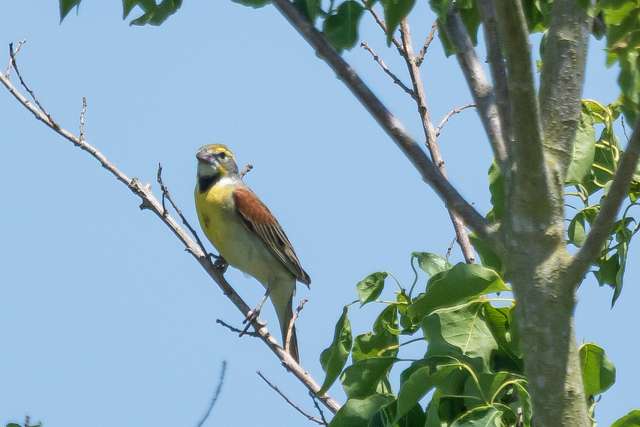
Dickcissel
Red-necked Phalarope
- Virginia Rail
The Nature Conservancy website states that it owns and manages the wetlands. Consequently, there is a lot of great information here.
Quivira National Wildlife Refuge
Quivira National Wildlife Refuge (NWR) is a protected area of over 22,135 acres situated in south-central Kansas, primarily in Stafford County, and is recognized as a Wetland of International Importance by the Ramsar Convention. Its geography is rare and unique for the American interior, featuring a mix of inland salt marsh, sand prairie, and managed freshwater wetlands.
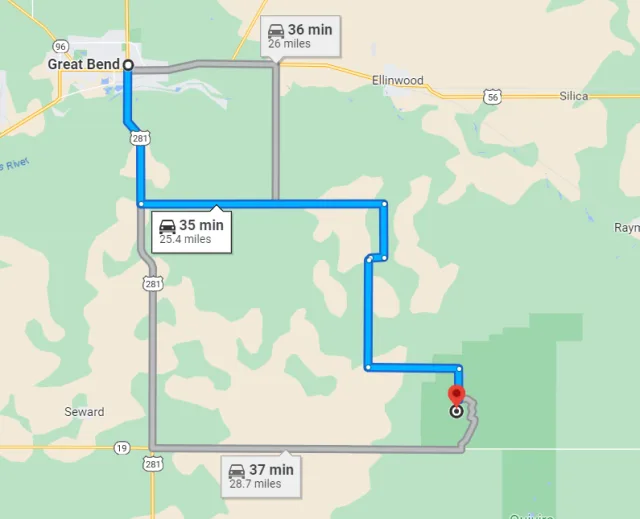
The refuge’s salt marshes, including the Big Salt Marsh and Little Salt Marsh, are sustained by the flow of the Rattlesnake Creek and by local geological conditions that bring naturally saline groundwater near the surface. This creates a fascinating and highly productive ecosystem where eastern and western prairie flora and fauna meet and blend, providing a critical oasis within the semi-arid Great Plains environment.
This unique combination of saline marshes, freshwater impoundments, and native sand prairie makes Quivira NWR an essential stopover point on the Central Flyway, attracting more than 300 species of birds. It is especially famous for the massive spring and fall migrations of shorebirds and waterfowl, often hosting millions of individuals.
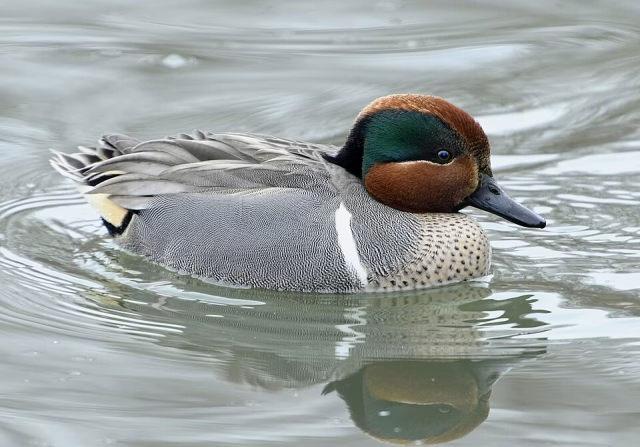
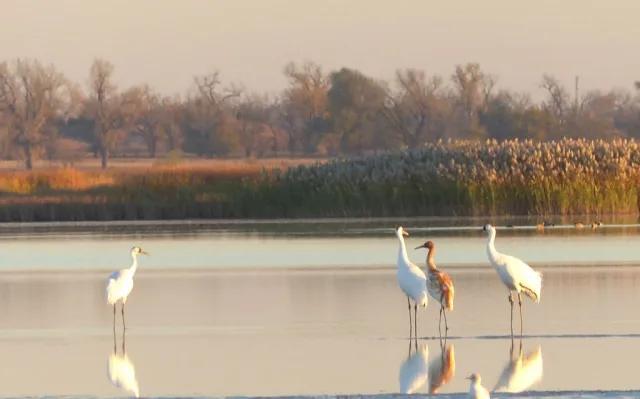
Key species for birders include the nesting American Avocet, Black-necked Stilt, and the threatened Western Snowy Plover in the salt flats. During migration, the refuge is also designated critical habitat for the endangered Whooping Crane, making sightings of these majestic birds a rare but thrilling possibility, typically in mid-to-late fall. Visitors can explore the area via auto tour routes, a wildlife observation tower, and walking trails that pass through all the refuge's diverse habitats.

Target Birds
Blue-winged and Green-winged Teal
Northern Bobwhite
Silt Sandpiper
Forster's Tern
- Burrowing Owl
- Blue Grosbeak
The U.S. Fish and Wildlife Service gives good background about the area.
Wrapping Up
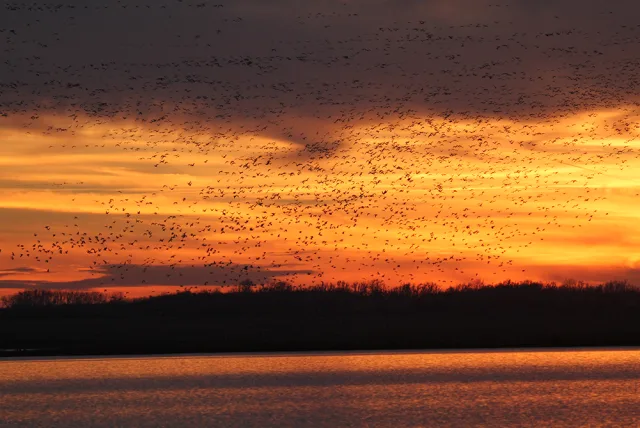
The vast, sweeping landscapes of Kansas—from its shortgrass prairies to its expansive marshlands—cement its standing as a globally significant destination for birdwatchers. The state's location at the heart of the Central Flyway ensures a spectacular, year-round avian performance. Whether you are gazing upon the dense clouds of migrating shorebirds at Cheyenne Bottoms or scanning the salt flats of Quivira National Wildlife Refuge for a glimpse of the majestic Whooping Crane, Kansas offers an unparalleled experience. These essential wetland complexes are not merely local attractions; they are vital arteries in the continent's ecological network, sustaining millions of birds on their epic journeys. We encourage all nature lovers to look beyond the state's agricultural reputation and discover the feathered wealth that makes Kansas truly the Shorebird Capital of the interior United States. Its commitment to conservation ensures that these dynamic, life-filled skies will continue to awe visitors for generations to come.
