
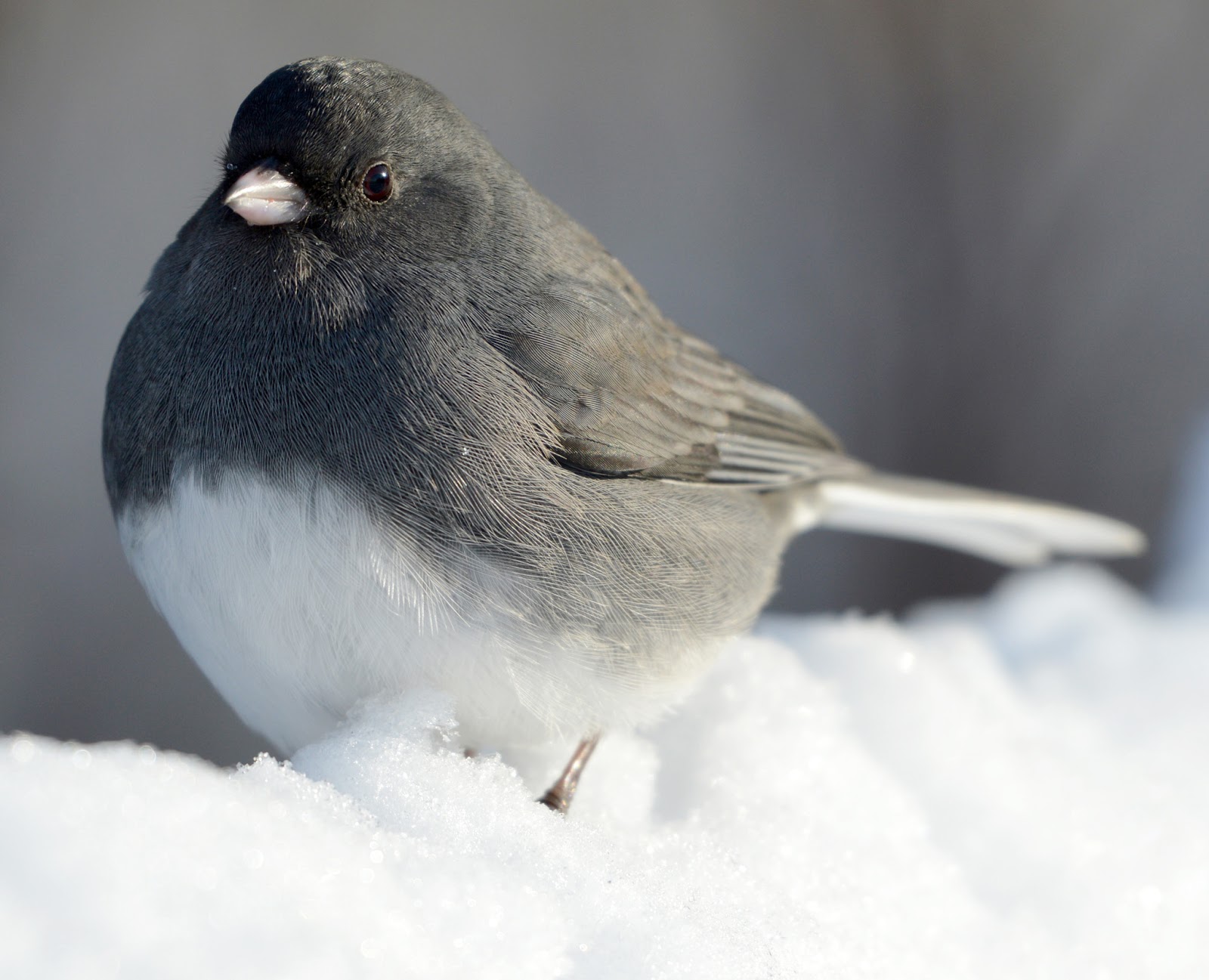
A common birdwatcher's question is: How do you tell a junco vs a chickadee? While both birds are small and lively, a junco typically has a dark hood and a white belly, while a chickadee often sports a black cap and bib with white cheeks.
Recognizing these birds by sight and sound can make your birdwatching experience more enjoyable.
Identifying Characteristics of Juncos and Chickadees
Juncos and chickadees often share habitats, making it important to recognize their differences. You will learn about their physical features and the sounds they make that set them apart.
Physical Characteristics
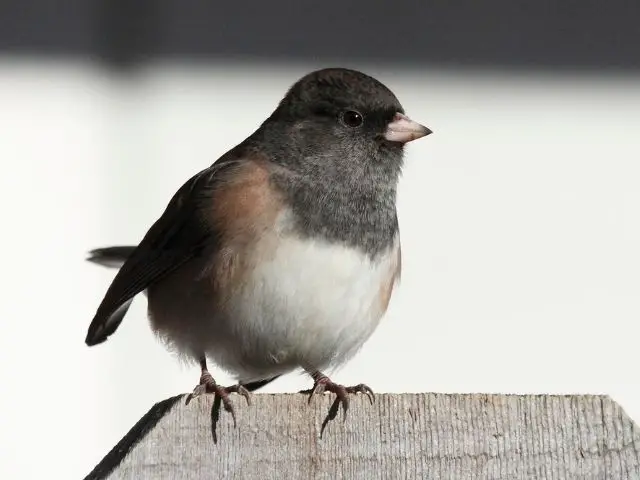
Juncos and chickadees have unique physical traits. Juncos typically have a small size and round shape. The Dark-eyed Junco is a common type, with a distinct gray body and white belly, and a noticeable pink beak. The Oregon junco features a darker head, making it stand out.
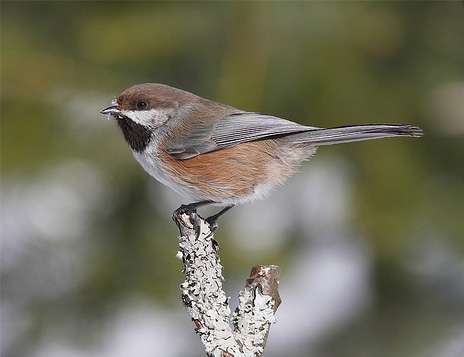
Chickadees, like the Black-capped Chickadee, are small birds with a signature black cap and bib. Their cheeks are white, contrasting with their dark-colored head and throat. Chickadee species vary, but they generally share this black-white coloring.
The Chestnut-backed Chickadee has a reddish-brown back, whereas the Mexican Chickadee displays subtle differences in size and pattern. Understanding chickadee size helps in distinguishing them from other birds similar to chickadees.

Vocalization and Communication
The sounds these birds make help you tell them apart. Juncos produce a sweet, musical trill. The Dark-eyed Juncos are often silent in winter, but during the breeding season, you can hear their clear, repetitive songs.
Chickadees are named after their familiar "chick-a-dee" call, which varies with mood and context. The Black-capped Chickadees have a more complex song, a clear whistling “fee-bee” sound, often heard in pairs. Poecile species, including the gray-headed chickadee, have their unique variations on these calls. Listening to these vocal patterns improves your ability to identify these bird species in the wild.
Behavioral and Habitat Comparisons
Juncos and chickadees differ in their behaviors and habitats. Understanding these differences can help you identify and appreciate these birds more effectively.
Feeding and Diet
Juncos are versatile ground feeders and often eat seeds and insects. In North America, you might see them hopping on the ground, picking away at fallen seeds. They have an affinity for foraging in open areas or under trees.
Chickadees, especially those in the Poecile genus like the Carolina and Mountain Chickadee, are quite adaptive. They visit feeders for sunflower seeds and suet, often alongside nuthatches and woodpeckers. Chickadees are also known for hanging on branches to pick insects, making them more agile in their feeding behavior.
Breeding and Migration Patterns
The breeding habits of these birds vary widely. Juncos often build their nests on the ground, hidden by foliage. They’re quite migratory, with some traveling long distances during seasonal changes.
Chickadees typically nest in tree cavities or birdhouses, sometimes using old woodpecker holes. Most chickadees are less migratory and show more territorial behaviors, staying within the same area year-round. They may be seen frequently flitting through coniferous forests, maintaining a relatively stable territory even in winter.
Interactions with Humans and the Environment
Both juncos and chickadees are common backyard birds. You might find juncos foraging beneath your feeders. They adapt reasonably well to urban and suburban environments.
Chickadees, being gregarious and curious, often visit feeders and interact openly with humans. Their calls and vocalizations are easy to identify, making them a favorite among birdwatchers.
While both birds adapt to environments with human presence, juncos and chickadees have different habitat preferences and behaviors that set them apart in gardens and natural habitats.
Frequently Asked Questions
Juncos often have gray or brown bodies with lighter underparts. Chickadees have black caps and bibs, with white cheeks. Their wings and backs are gray. Pay attention to these color patterns to tell them apart.
What are the size comparisons between juncos and chickadees?
Juncos are usually around 5 to 6 inches long. Chickadees measure slightly smaller, ranging from 4 to 5 inches. Chickadees tend to be lighter with a wingspan close to 7 inches, whereas juncos have a broader wingspan up to 9 inches.
What are some behavior differences between juncos and chickadees?
Juncos often forage on the ground, searching for seeds and insects. Chickadees are more likely found in trees, moving swiftly as they hunt. Chickadees are known for their curiosity and might be seen hanging upside down. Juncos typically move in flocks, particularly during winter.
Wrapping Up
Visually, chickadees and junco differ in that juncos have a dark hood and white belly, chickadees have a black cap and bib.
Each bird has unique behaviors and prefers different habitats and they are easily distinguishable by sight and sound for birdwatching.
Once you have seen a species of chickadee and junco, you should be able to spot the difference.
