

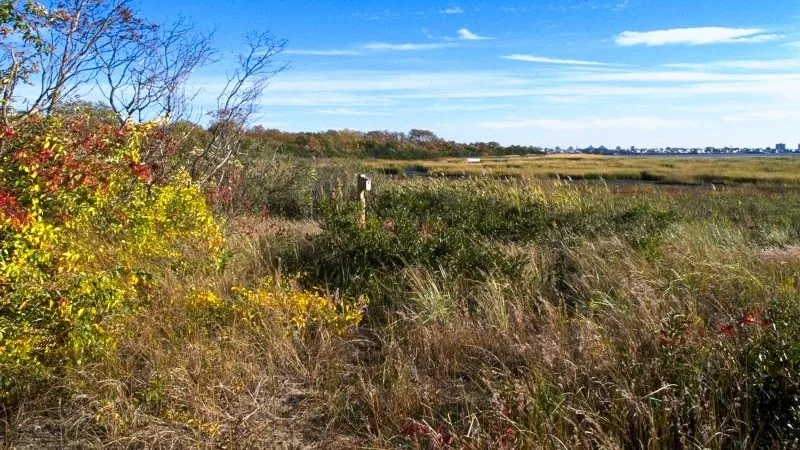
Located in Queens, New York, within the boundaries of Gateway National Recreation Area, Jamaica Bay Wildlife Refuge encompasses over 12,600 acres of salt marshes, mudflats, open bay waters, and brackish ponds. Positioned directly along the Atlantic Flyway, it stands as one of the most important urban avian sanctuaries in North America, with over 330 recorded species. Just minutes from JFK Airport and accessible via public transit, Jamaica Bay offers mobility-impaired birders a premier coastal habitat equipped with accessible infrastructure and panoramic views of the Manhattan skyline.
Accessible Infrastructure & Trail Features
Jamaica Bay Wildlife Refuge balances sensitive marsh restoration with modern accessibility design, providing smooth, barrier-free routes around its main viewing zones and visitor facilities.
ADA-Compliant Visitor Center: The Ryan Visitor Contact Station features smooth ramp entrances, automatic doors, low-profile information counters, and accessible public restrooms. The center also maintains indoor glass viewing areas overlooking native plantings and feeding stations.
Paved & Hard-Packed Trail System: The main trails around the West Pond area offer smooth, level surfaces. Paved concrete walkways transition to wide, hard-packed crushed stone pathways designed to support manual and power wheelchairs without sinking into soft soil.
Elevated Boardwalk & Marsh Overlooks: Re-engineered boardwalk sections cross sensitive wetland fringes. These features include low-profile safety kick-rails and wide viewing platforms that allow seated observers unobstructed sightlines over the mudflats and open water.
Mass Transit & Parking Access: The main parking lot provides paved, van-accessible spaces. Additionally, the refuge is uniquely accessible via public transit, connected by the MTA Q53-SBS bus route and nearby subway connections with curb ramps and paved access pathways along Cross Bay Boulevard.
Target Birds at Jamaica Bay Wildlife Refuge
Because Jamaica Bay spans freshwater, brackish, and marine environments, target species vary significantly by season:
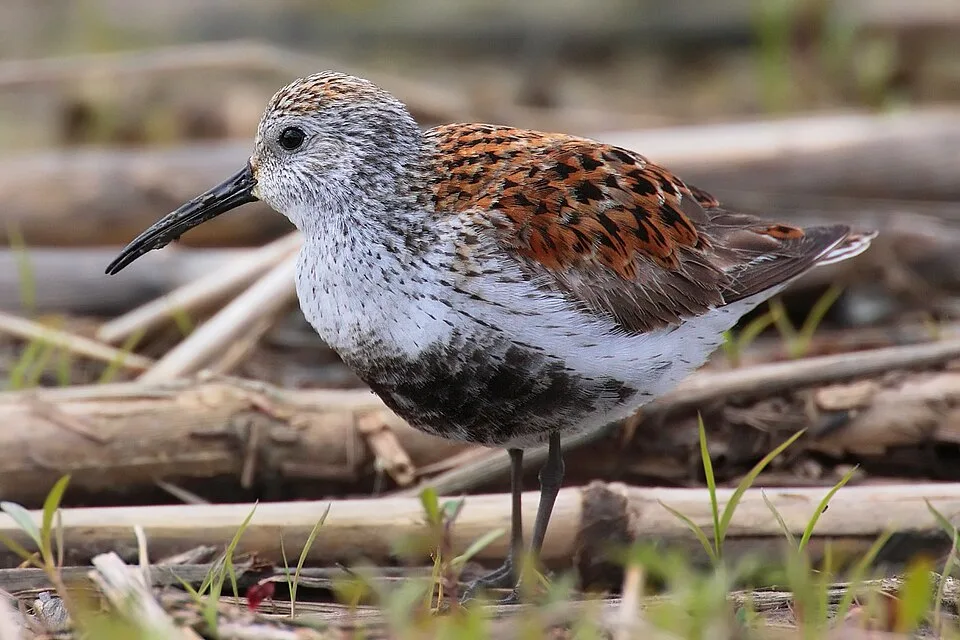
Migratory Shorebirds: Semipalmated Sandpiper, Black-bellied Plover, Dunlin, Greater and Lesser Yellowlegs, Short-billed Dowitcher, American Oystercatcher, and Willet.
Wading Birds & Marsh Specialists: Glossy Ibis, Snowy Egret, Tricolored Heron, Yellow-crowned Night-Heron, Little Blue Heron, Great Egret, and Clapper Rail.
Wintering Waterfowl & Geese: Brant (thousands wintering in the bay), Snow Goose, American Black Duck, Bufflehead, Canvasback, and Greater Scaup.
Raptors, Terns & Songbirds: Osprey (nesting on elevated platforms), Peregrine Falcon, Northern Harrier, Forster's Tern, Tree Swallow, and Saltmarsh Sparrow.
Seasonal Highlights
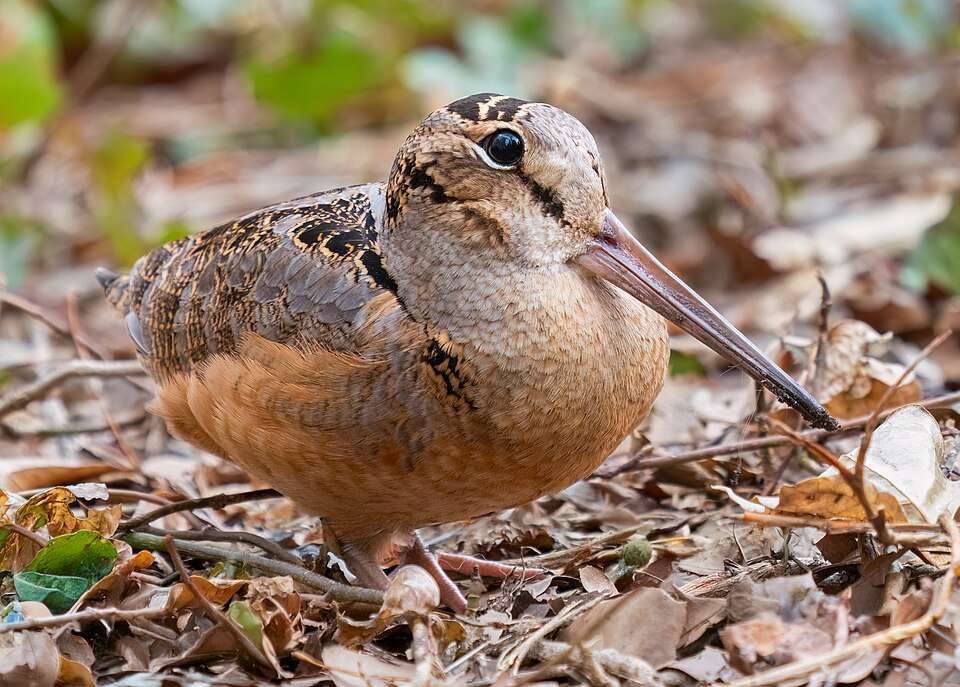
Spring Display: In mid-spring, the clearings surrounding the Visitor Center parking area serve as prime habitat for the evening courtship flight displays of the American Woodcock.
Summer & Fall Shorebird Staging: From July through October, falling tides expose broad mudflats where thousands of shorebirds feed mere yards from the boardwalk edges.
Winter Waterfowl Aggregations: Cold winter months bring massive rafts of Brant and diving ducks into the open bay waters, easily viewable from the West Pond trail overlooks.
Visiting Tips for Accessible Birding
Check the Tides: Shorebird viewing along the mudflats and West Pond is heavily dependent on the tidal cycle. Plan your visit around mid-to-high tide when water pushes shorebirds closer to the accessible trail edges.
Wind Protection: Being situated on an exposed coastal bay, the refuge can be windy and cooler than mainland NYC. Dressing in windproof layers ensures a comfortable outing on open boardwalks.
Visitor Center Sightings Board: Stop inside the Visitor Center to check the white board log for daily bird sightings and trail conditions before heading out on the paths.
