

Often characterized by its vast cornfields and rolling prairies, Iowa might not be the first state that comes to mind for spectacular birdwatching. However, for those in the know, the Hawkeye State is a surprisingly rich and rewarding destination for avian enthusiasts. Strategically located within the Mississippi Flyway, Iowa offers crucial habitat for a dazzling array of migratory birds, alongside a robust population of resident species.
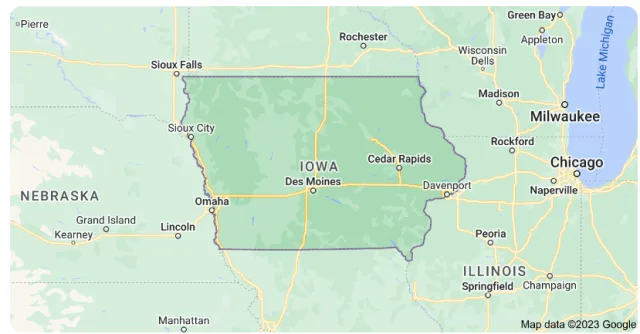
From expansive wetlands teeming with waterfowl to dense woodlands echoing with song, Iowa's diverse ecosystems provide exceptional opportunities for birders of all levels. We'll explore some of the state's premier birding hotspots, including the expansive Green Island Wildlife Management Area along the Mississippi River and the vital interior wetlands of Big Marsh Wildlife Management Area, revealing why Iowa is a hidden gem waiting to be discovered by every birding adventurer.
Hawkeye WMA
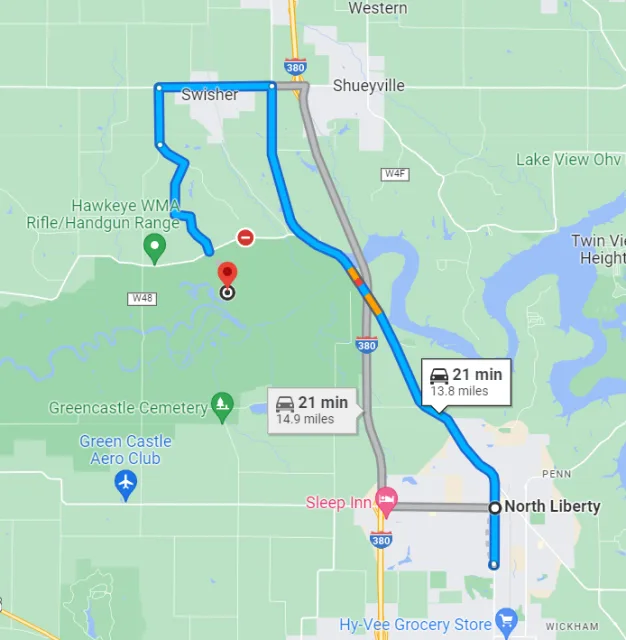
Hawkeye Wildlife Management Area (WMA) is a significant public land holding in east-central Iowa, located in Johnson County near the communities of Swisher and the Amana Colonies. Situated along the Iowa River valley, much of its 14,000-plus acres lies adjacent to the Coralville Lake reservoir, with a portion of the land owned by the U.S. Army Corps of Engineers and managed by the Iowa DNR.
The geography is characterized by a mix of riparian habitats, including moist woodlands, scrub-shrub areas, and vital wetlands fed by the river's flow. Uniquely, the WMA also features sandy soils—deposits from post-glacial flow—which support rare habitats like remnant native prairie on elevated sand dunes, notably in the Mallard Pools and Greencastle sub-sections. This mosaic of water, forest, and unique prairie makes Hawkeye WMA an ecological hotspot.
This diverse landscape makes Hawkeye WMA one of the most reliable and exciting birding destinations in the area, boasting a species list approaching 300. The wetlands and the fluctuations of the Coralville Reservoir are magnets for waterfowl, shorebirds, and waders.
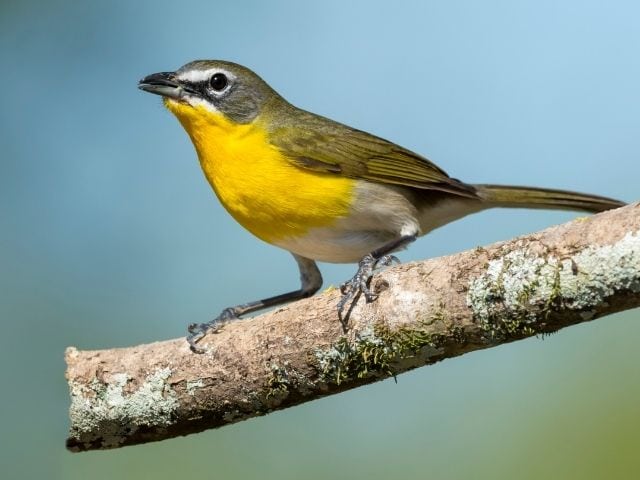
During migration, the pools and mudflats (especially when water levels are low) attract a wide array of shorebirds, while the riparian woodlands serve as crucial stopover points for migrating passerines, including numerous warblers, vireos, and flycatchers. Furthermore, the combination of habitats provides nesting grounds for species like Yellow-breasted Chats, Bell's Vireos, and Lark Sparrows in the brushy and prairie-sand areas. Birders also frequent the site to observe raptors, including Bald Eagles, particularly during the winter months when open water is available.

Target Birds
Red-headed Woodpecker
Rose-breasted Grosbeak
American Woodcock
Lark Sparrow
Rough-legged Hawk
Much of the information online is regarding shooting and hunting in the area. There is a really good guide from the local newspaper however.
Cone Marsh WMA
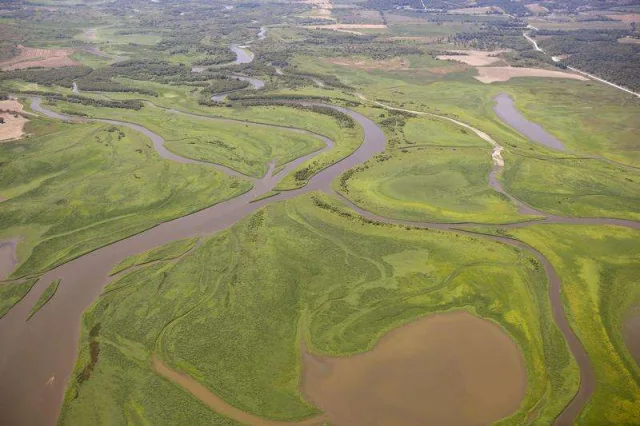
Cone Marsh Wildlife Management Area (WMA) is a premier 728-acre wetland and birding hotspot located in southeastern Iowa's Louisa County, approximately three miles west of Conesville. Geographically, it is situated in a region defined by the convergence of the Iowa and Cedar Rivers as they flow toward the Mississippi River, placing it directly in a major migration corridor—the Mississippi Flyway.
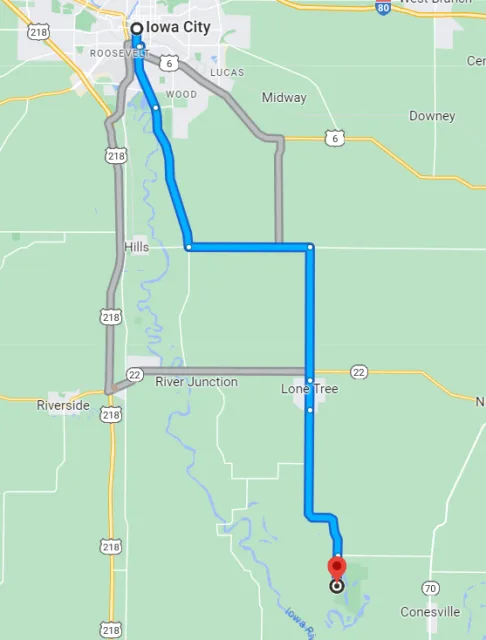
The WMA's geography is deliberately managed and highly productive: it is roughly divided into half marsh/wetland, a quarter upland prairie/grassland, and a quarter timber. This habitat diversity is enhanced by a state-of-the-art water control structure that allows wildlife managers to manipulate water levels, creating optimal conditions for vegetation and food sources critical to migrating waterfowl and wetland-dependent species. Its effectiveness is multiplied by adjoining privately owned marshes, bringing the combined habitat to over 1,800 acres of wetland complex.
The combination of its strategic location and well-managed habitat makes Cone Marsh WMA a must-visit for birders, especially during migration. The area is renowned for attracting massive numbers of waterfowl in spring and fall, including various species of ducks, geese, and swans. Beyond the spectacular concentrations of migratory birds, the WMA's diverse landscape provides excellent opportunities to find other key species. The open marsh is a reliable location for viewing Sandhill Cranes and a variety of shorebirds when mudflats are exposed, while its timbered edges and managed grasslands support raptors and songbirds. Recent habitat restoration in the uplands has successfully promoted native prairie plants, leading to a noticeable increase in grassland birds such as Bobolinks, solidifying Cone Marsh's reputation as the most diverse wetland in Southeast Iowa.
Target Birds
Least, Semipalmated, Pectoral and White-rumped Sandpiper
American White Pelican
Least Flycatcher
Sand Martin
Lapland Bunting
Smith's Longspur
Iowa Audubon has access information for visitors.
Saylorville Reservoir
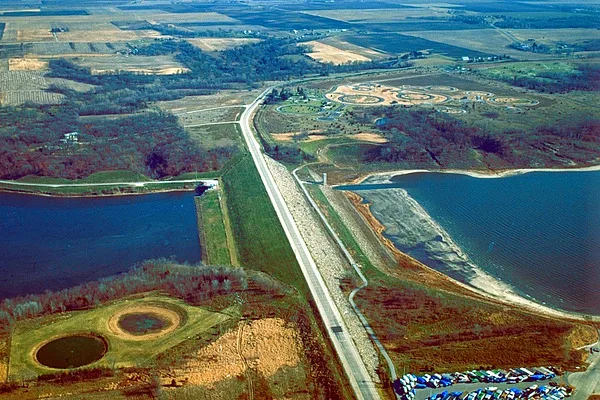
Saylorville Reservoir, or Saylorville Lake, is a major birding hotspot strategically located in central Iowa, just north of the state capital, Des Moines. This U.S. Army Corps of Engineers project, constructed for flood control on the Des Moines River, creates a long, narrow body of water stretching for up to 24 miles at its normal level and covering nearly 6,000 acres.
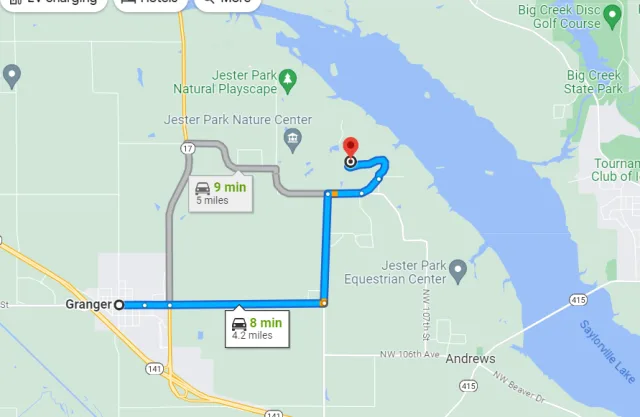
The surrounding 20,000 acres of public land are managed to include a diverse mosaic of habitats: the main reservoir and dam area, extensive riparian woodlands along the river, restored tallgrass prairies like the Red Feather Prairie, and various recreation areas such as Jester Park and Big Creek State Park. This crucial combination of open water, mudflats (especially when water levels drop in late summer), and varied terrestrial habitats makes it a magnet for migratory and resident birds.
Saylorville Reservoir’s size and central location on an interior migration corridor of the Mississippi Flyway make it an indispensable stopover for more than 300 recorded bird species. During spring and fall migration, the open water hosts spectacular concentrations of waterfowl, including loons, grebes, and an impressive list of gulls—such as Bonaparte’s and Franklin’s—often drawing rare inland vagrants. The area around and below the dam is particularly famous for viewing these gulls.

The lake is also a consistent wintering and nesting area for Bald Eagles and hosts large numbers of American White Pelicans in the late summer. The surrounding uplands and woodlands provide excellent viewing for migrating songbirds and are home to grassland birds like the Dickcissel and Bobolink, making Saylorville an excellent year-round destination that appeals to all segments of the birding community.
Target Birds
Black-billed Cuckoo
Yellow-throated Vireo
Red-breasted Nuthatch
Lincoln's Sparrow
Baltimore Oriole
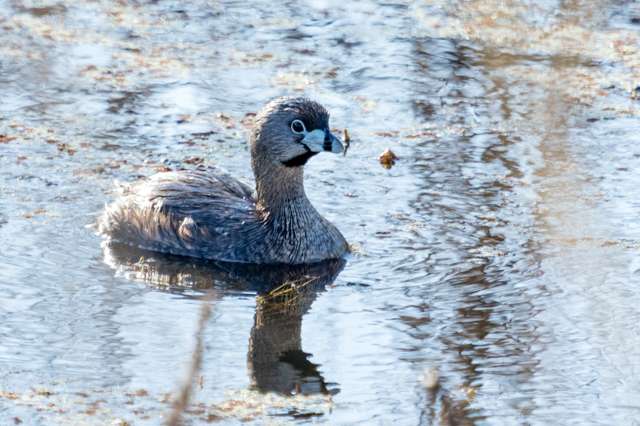
Pied-billed Grebe
Recreation.gov has detail about recreational activities at the park and reservoir as well as places to stay. It is a good place to start if you want to visit.
Deere Dike
Deere Dike, often referred to as John Deere Marsh, is a small but vital birding hotspot located just north of Dubuque, Iowa, directly behind the John Deere plant that gives it its name. Geographically, it sits at a critical point: the confluence of the Little Maquoketa River and the mighty Mississippi River. This 35-acre complex is primarily a cattail marsh, historically developed when John Deere Inc. leased the land from the U.S. Army Corps of Engineers and constructed a water inlet from the Mississippi.
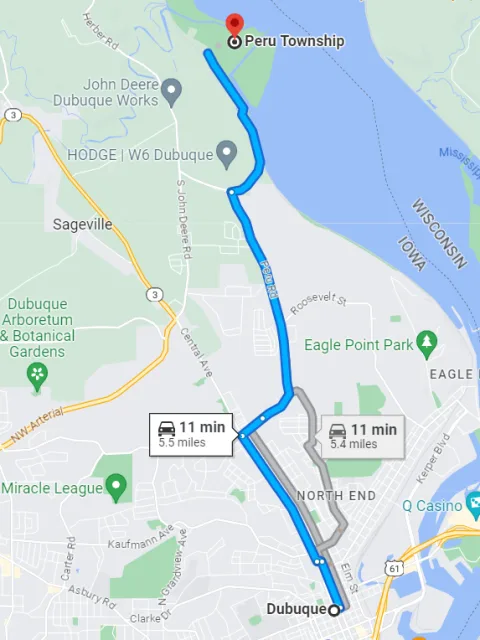
Today, this dike-enclosed marsh system provides protected, shallow-water habitat adjacent to the large river corridor, creating a dynamic ecological intersection. The geography of a small, managed wetland next to a major river flyway ensures a reliable and concentrated viewing experience for migrating species.
This prime location makes Deere Dike an exceptional spot for birdwatching, particularly during spring and fall migration. The marsh attracts numerous species of shorebirds and waterfowl throughout the year, making it a favorite for local bird enthusiasts. The area is known for hosting thousands of birds that use the Mississippi Flyway as a resting and refueling stop.

A crushed limestone hiking trail, approximately one and a half miles long, offers excellent access along the dike, placing birders between the calm marshlands and the flowing river. Target species often include various ducks, geese, and the raptors, like Bald Eagles and different species of hawks, that hunt over the productive wetlands. The site is a great example of an accessible urban-edge green space offering high-quality birding.

Target Birds
Hudsonian Godwit
Eastern Meadowlark
Goosander
Virginia Rail
Boneparte's Gull
Ross's Goose
The IOU has a little access information and a printable checklist.
Hendrickson Marsh WMA
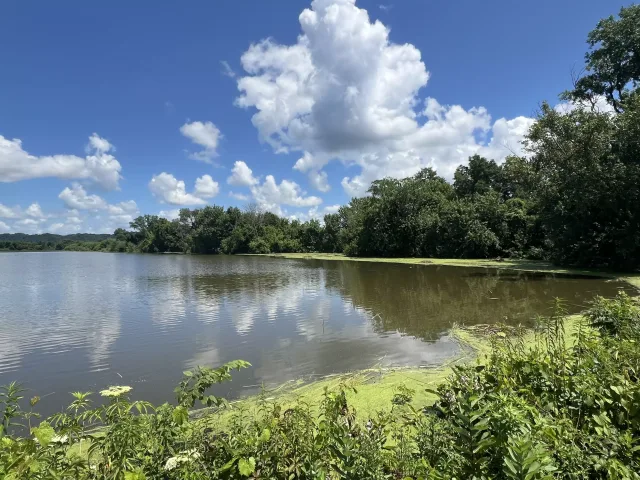
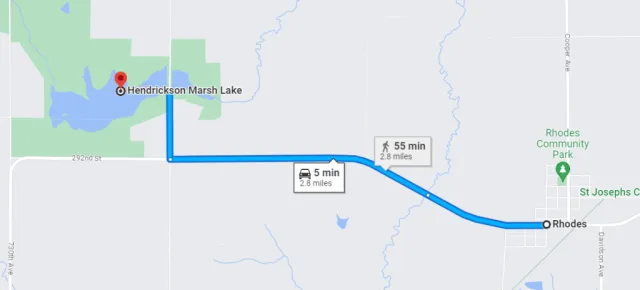
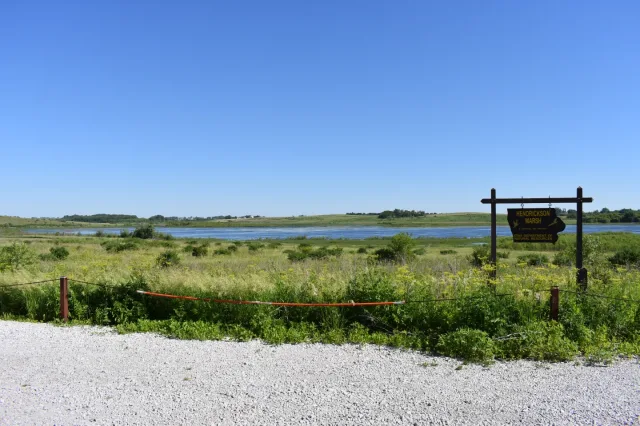
Hendrickson Marsh Wildlife Management Area (WMA) is an approximately 850-acre state-owned complex centrally located in Story County, Iowa, just northeast of the town of Collins and easily accessible from major highways. Geographically, it sits within the Prairie Pothole Region's edge, characterized by a mix of shallow wetland basins, reconstructed prairie uplands, and some surrounding woodland areas, primarily along the South Skunk River watershed.
The shallow, 200-250 acre marsh basin itself is a crucial feature, with its water levels actively managed by the Iowa Department of Natural Resources to enhance wetland health, control invasive species, and maximize habitat quality. The area's terrain, resulting from Wisconsinan glaciation, features gently rolling hills and deep, rich soils that support the diverse habitats necessary for migrating and nesting species.
As a significant "stepping stone" along the migratory flyway, Hendrickson Marsh offers excellent year-round birdwatching opportunities, though the spring and fall migrations are particularly spectacular. The managed wetlands are a magnet for waterfowl, with thousands of migrating ducks, geese, and Tundra and Trumpeter Swans stopping to rest and refuel.
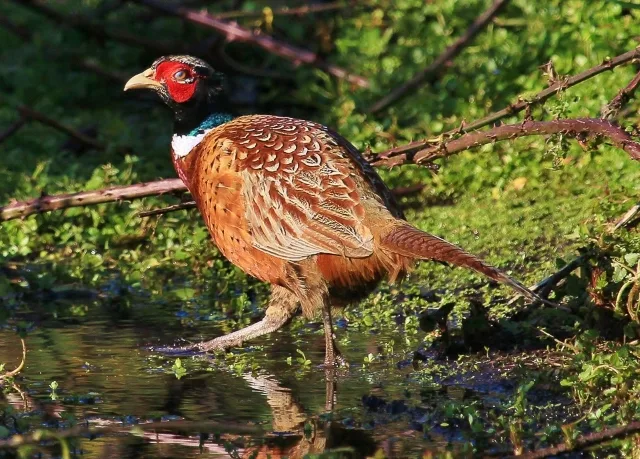
The WMA's diverse upland habitats, including new and established prairie plantings, are essential for grassland birds like Ring-necked Pheasants and various sparrows. Furthermore, the marsh and surrounding timber host raptors like Bald Eagles (a nest is known to be near the main boat ramp) and herons and egrets in the warmer months. Its convenient central location makes it a popular birding destination for observing a high volume of wetland and prairie species in a relatively small, accessible area.
Target Birds
Swainson's Thrush
Chipping, Vesper, Savannah and Lincoln's Sparrow
Northern Waterthrush
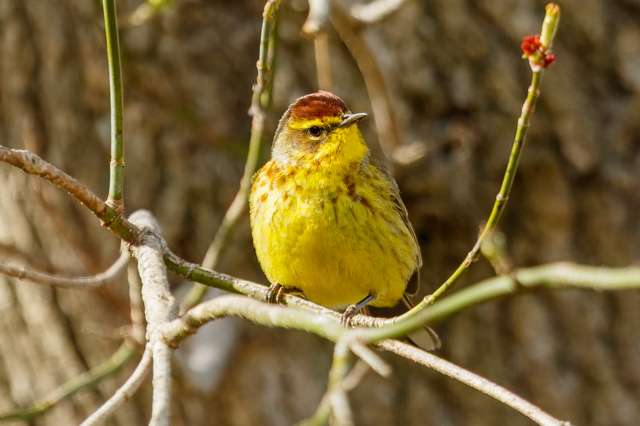
Palm, Canada and Wilson's Warbler
Lesser Scaup
Sedge Wren
Black Tern
The Birding Spots website has some dated but still interesting information about the area.
Sweet Marsh WMA
Sweet Marsh State Wildlife Management Area (WMA) is a significant wetland complex located in Bremer County, Iowa, near the town of Tripoli, northeast of Waterloo. Its geography is defined by the confluence of Plum Creek and the Wapsipinicon River, which feeds and maintains the expansive marshes, lakes, and associated uplands that cover a total area of several thousand acres.
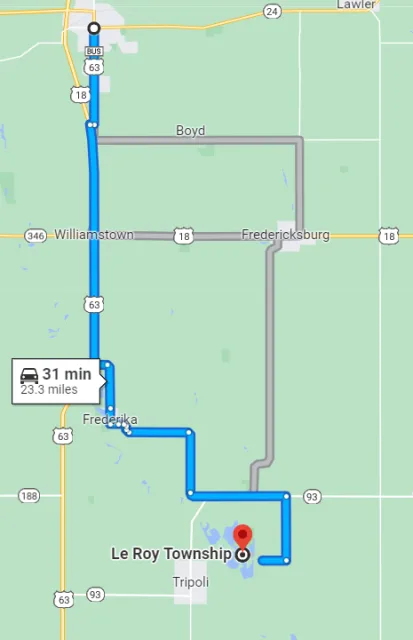
Managed by the Iowa Department of Natural Resources (DNR), the WMA is engineered with water control structures to manipulate water levels, creating diverse and productive wetland cells and open water areas like Martens Lake. This manipulation provides vital, varied habitats—from open water and deep marsh to shallow mudflats and adjacent lowland timbers and restored grasslands—all crucial for the vast number of birds that utilize the area.
Sweet Marsh WMA's size, habitat diversity, and location along the Wapsipinicon River corridor make it one of Iowa's premier birdwatching and conservation areas. It is particularly renowned as a top spot for waterfowl, serving as an important stopover point along the migration flyway, with thousands of ducks and geese passing through during the spring and fall.
The spring migration, in particular, attracts large numbers of birders to witness this spectacle. Beyond waterfowl, the diverse habitat supports species like Sandhill Cranes, which have been confirmed nesting here, as well as several species of warblers and other neotropical migrants found in the timbered areas. Raptors, including nesting Bald Eagles and Red-shouldered Hawks, are also regularly seen, solidifying the marsh's reputation as a rich and accessible birding destination.

Target Birds
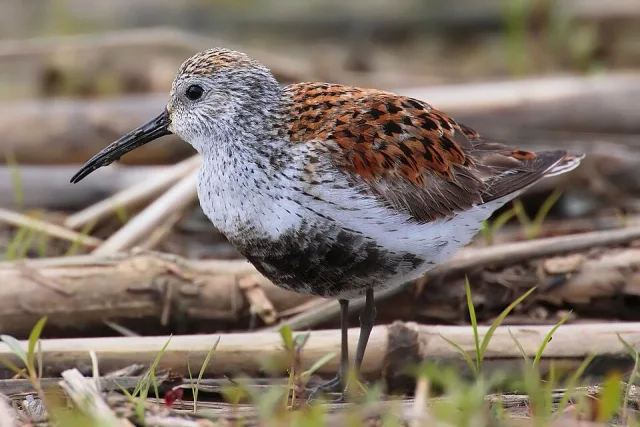
Dunlin
Bobolink
Osprey
Black-throated Green Warbler
Scarlet Tanager
The local community newspaper has an interesting article on the area.
Green Island WMA
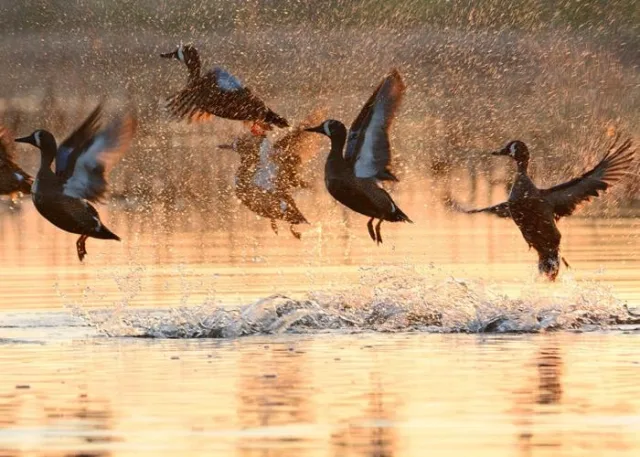
The Green Island Wildlife Management Area (WMA) is a premier 4,064-acre birding complex located in Jackson County, Iowa, right along the Upper Mississippi River. Its location is critical, as it sits entirely within the vast Mississippi Flyway, a major migratory corridor for North American birds. The geography of the WMA is defined by its floodplain environment, bordered by the Mississippi River to the northeast and the Maquoketa River to the northwest.
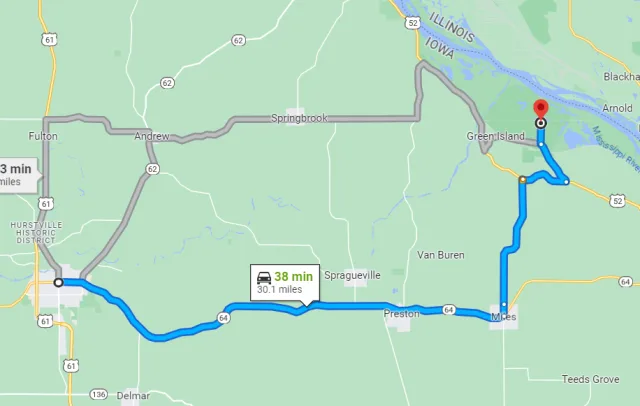
Its habitat is a rich mosaic, comprised roughly of 50% marsh, 25% timber, and 25% upland fields, all maintained by a system of levees and water control structures. These levees serve the dual purpose of managing water levels for wildlife and providing miles of flat, easily accessible roads and trails for birders, allowing for excellent "car birding" and hiking throughout the area.
Green Island WMA offers outstanding birdwatching opportunities throughout the year due to its diverse habitats. During spring and fall migration, the managed wetlands become saturated with waterfowl—thousands of ducks, geese, and swans utilize the refuge as a vital resting and feeding stop. Impressive congregations of American White Pelicans and various species of wading birds, such as Great Egrets, are common sights.
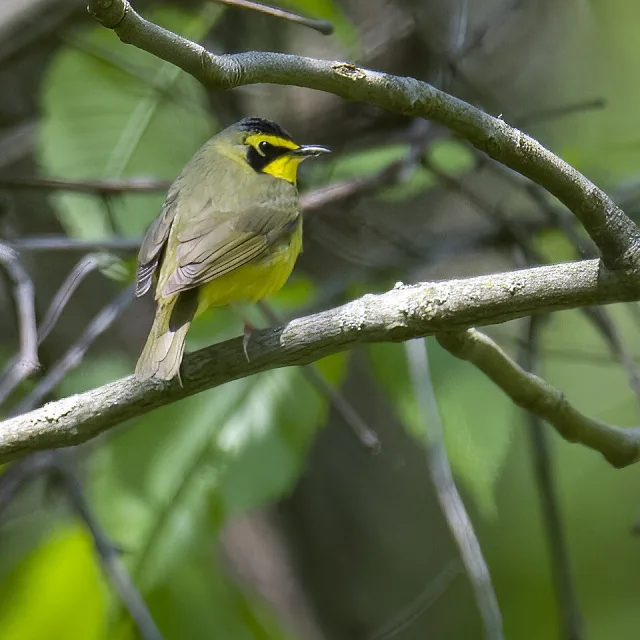
The timber and bottomland forests are particularly exciting during the breeding season and songbird migration, hosting numerous species of warblers that are uncommon elsewhere, including Cerulean Warblers, Kentucky Warblers, and Yellow-throated Warblers. In winter, the proximity to the Mississippi River often attracts Bald Eagles and other raptors that forage along the river's open waters, cementing Green Island WMA as one of Iowa's most essential and productive birding hotspots.

Target Birds
Yellow-throated and Warbling Vireo
American Redstart
Prothonotary and Blackpoll Warbler
Sandhill Crane
Olive-sided Flycatcher
Yellow-bellied Sapsucker
An interesting wilderness website has information about the area.
Ada Hayden Heritage Park
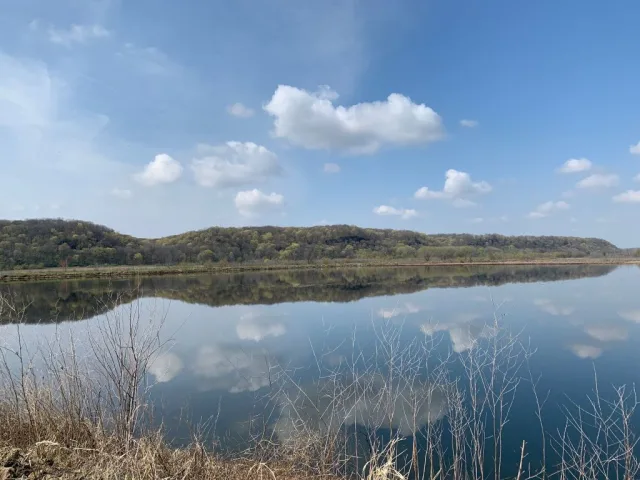
Ada Hayden Heritage Park is a prominent 437-acre recreational and naturalized area located on the northern edge of Ames, Iowa. The park's geography is defined by its origin as the former Hallett's Quarry, an abandoned sand and gravel operation that has been successfully transformed into a diverse and vibrant natural space.
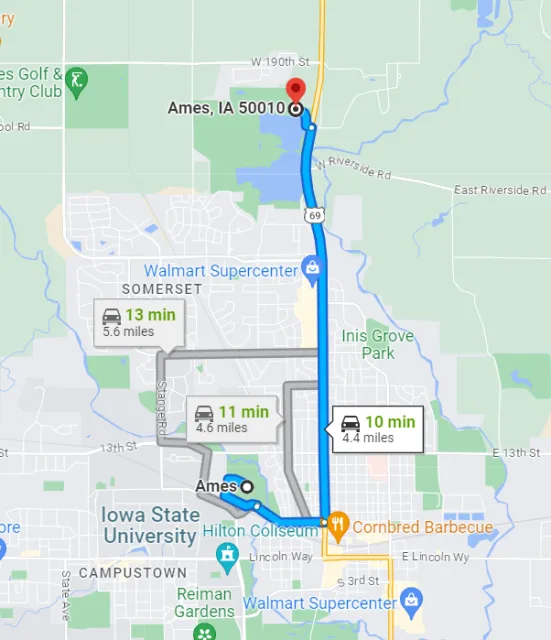
The central feature is a large, deep lake (once the quarry pit) surrounded by several restored wetlands, upland prairie, and some wooded areas. This thoughtful conversion into a mixed-habitat sanctuary has made it an ecological jewel within Central Iowa's largely agricultural landscape. The park offers visitors over five miles of trails—a mix of hard-surface and crushed rock paths—allowing for easy access to various viewing areas, fishing docks, and non-motorized boat launches on the lake.
This combination of open water, marshy wetlands, and native prairie provides exceptional birdwatching opportunities year-round. Given its central location, the park attracts an impressive number of migratory species; as of a few years ago, over 274 bird species had been documented at the site, making it one of the most species-rich comparable areas in Iowa.
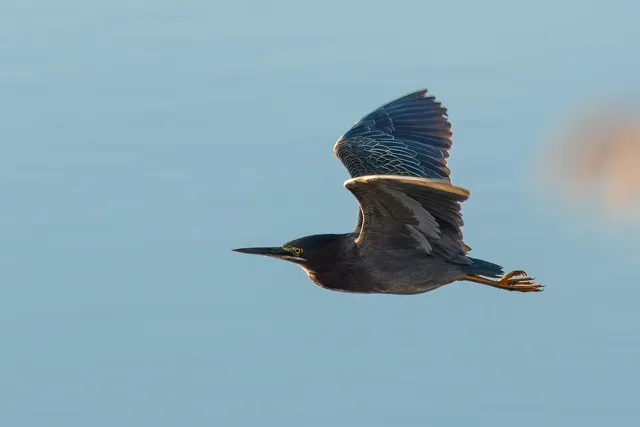
Waterfowl like American White Pelicans, various ducks, and less common visitors such as loons and Sandhill Cranes are frequently observed on the lakes and wetlands during migration. In the upland and wooded areas, birders can spot raptors like Bald Eagles and various hawk species, as well as a diverse community of passerines, including numerous migrating sparrows and warblers. Active habitat management, including the removal of invasive species and planting native vegetation, continues to enhance the bird diversity and overall ecological health of this valuable urban park.
Target Birds
Green Heron
Indigo Bunting
American Woodcock
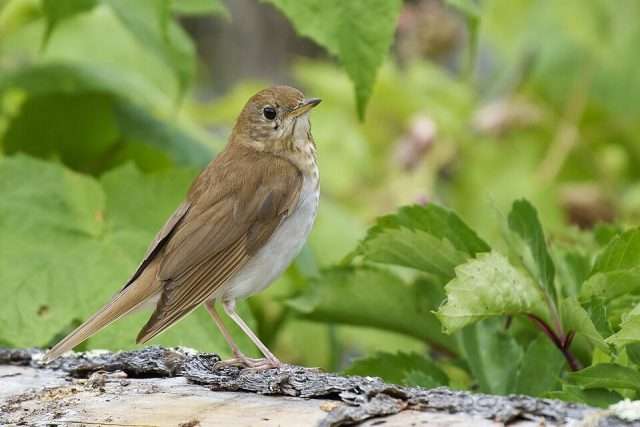
Veery
Sora
- Northern Parula
The Iowa Audubon website has a full list of birds seen here.
Rock Creek SP
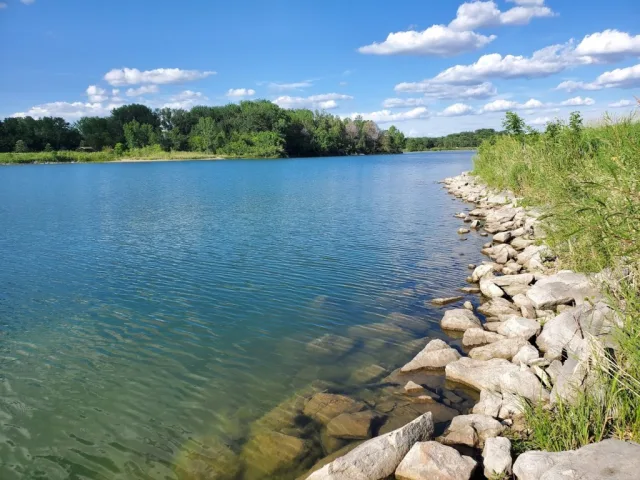
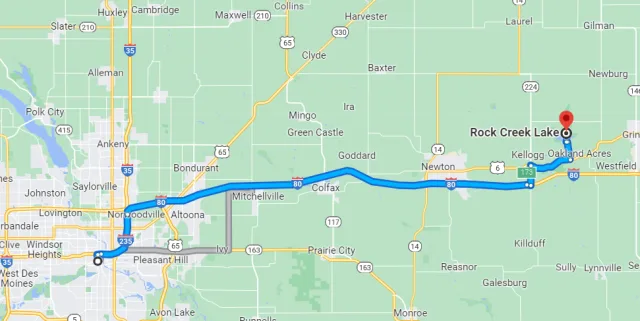
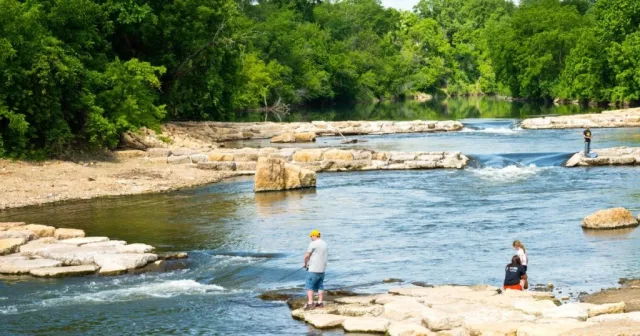
Rock Creek State Park (SP) is a popular 1,697-acre recreational area nestled in Jasper County, Central Iowa, near the town of Kellogg. Geographically, the park is defined by its central feature: the 602-acre Rock Creek Lake, one of the region's largest man-made lakes. The lake's irregular shoreline and associated creek valleys create a variety of habitats, including riparian woodlands, restored tallgrass and shortgrass prairies on the western side, and dedicated wildlife management areas at the northern and southern ends.
This mixture of large open water, dense timber, and grassy uplands provides a crucial, relatively undisturbed oasis in a landscape otherwise dominated by agriculture, making it a key stopover for migratory birds in the heart of the state.
The park offers excellent birdwatching, particularly during the spring and fall migrations. Thousands of ducks, including large concentrations of Teal, Bluebills (Scaup), and Mallards, utilize the lake's open waters as a vital refuge on their journey north to their breeding grounds. In the springtime, birders can observe the ducks in their full breeding plumage as they perform courtship displays.

The wildlife management areas, especially at the lake's north end, are important for viewing, as are the forested areas, which attract various songbirds and woodland species throughout the year. Even in winter, the spillway area at the south end often remains relatively free of ice, providing a rare gathering point for hardy wintering Mallards.

Target Birds
Red-breasted Merganser
Willow Flycatcher
Eastern Towhee
Golden-winged Warbler
Cedar Waxwing
Philadelphia Vireo
The Iowa Department of Natural Resources has a list of recreational activities that are available.
Big Marsh WMA
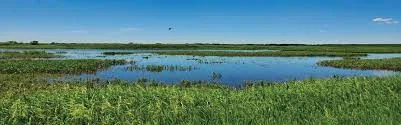
The Big Marsh Wildlife Management Area (WMA) is a crucial public recreation area and Iowa's largest marsh, encompassing over 3,000 acres in Butler County, located roughly six miles north of Parkersburg. Its geography is dominated by an extensive mosaic of wetlands, which includes open water, cattail and emergent marsh, providing vital hydrological function to the surrounding agricultural landscape.

This extensive marsh system is fed by the West Fork Cedar River and serves as a major wetland complex in the Prairie Pothole Region's eastern fringe, a landscape historically defined by numerous small wetlands and grasslands. This size and location make it an indispensable stopover point for migratory birds, particularly waterfowl, along the Mississippi Flyway.
The sheer scale of the wetland habitat at Big Marsh makes it an outstanding location for birdwatching, particularly during spring and fall migration. The refuge supports massive concentrations of waterfowl, including various species of ducks, geese, and Trumpeter Swans. Beyond the spectacle of migrating flocks, the managed wetlands and adjacent patches of timber and grassland provide a sanctuary for sensitive species.
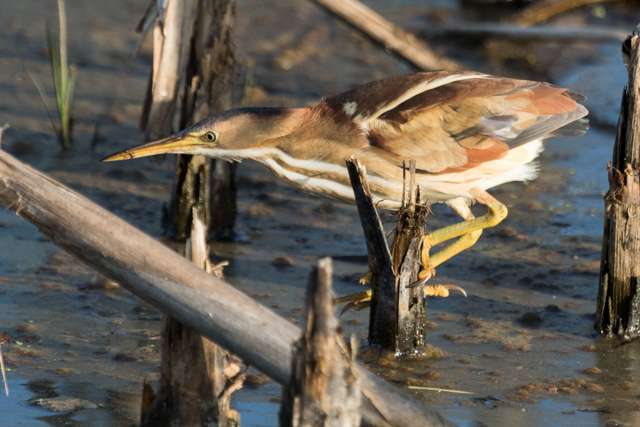
Birders often visit the area specifically to seek out secretive marsh birds like the Virginia Rail and Least Bittern, which rely on the dense emergent vegetation for cover. Raptors like Red-shouldered Hawks and large wading birds, such as Great Blue Herons, are also commonly seen, utilizing the rich water resources and diverse surrounding cover for nesting and foraging throughout the year.

Target Birds
Golden-crowned Kinglet
Sandhill Crane
Pectoral Sandpiper
Boneparte's Gull
Broad-winged Hawk
- Snow Goose
The Iowa DNR has an interesting history of the development of the WMA.
Wrapping Up
As we've explored, Iowa is far more than an agricultural expanse; it is a vital, diverse, and often overlooked destination for birdwatching. Positioned strategically within the Mississippi Flyway, the state's protected lands provide crucial feeding, nesting, and resting habitat for millions of migratory birds. The sheer spectacle of waterfowl at vast wetland complexes like Green Island Wildlife Management Area along the Mississippi River, combined with the excellent opportunities to spot secretive marsh species at interior havens like Big Marsh WMA, demonstrates Iowa's essential role in avian conservation. The state's commitment to managing these varied landscapes—from tallgrass prairie and oak savanna remnants to expansive managed wetlands—ensures that the diverse birdlife remains accessible to all. So, pack your binoculars, consult your field guide, and make Iowa your next birding destination. The sight of a soaring Bald Eagle or a newly arrived Prothonotary Warbler will confirm that the Hawkeye State truly is a hidden gem in the heartland.
