
The history of International Bird Rescue (IBR) is inextricably linked to the environmental crises that plague coastal environments. Unlike organizations focused on policy or general conservation, IBR was born purely out of emergency response, recognizing the devastating and immediate threat that oil spills pose to aquatic birds.
The organization’s roots trace back to the 1971 San Francisco Bay oil spill, when two Standard Oil tankers collided beneath the Golden Gate Bridge, coating thousands of birds in heavy crude oil. A small, grassroots team of volunteers, led by Alice Berkner, quickly recognized that existing wildlife agencies were unprepared to handle the massive influx of contaminated animals. They established an improvised facility and began the arduous, specialized work of washing and rehabilitating oiled birds. Their success proved that these animals could be saved, challenging the widely held notion at the time that oiled birds were beyond help.
This single event catalyzed the formal founding of the organization, which was originally known as the International Bird Rescue Research Center. Since 1971, IBR has expanded its mission and capabilities dramatically, responding to over 250 oil spills and environmental disasters worldwide. The organization has established itself as the global authority on oiled wildlife rehabilitation and continues to be the first call for disaster management teams when oil threatens marine bird populations. This history of crisis response remains the foundation of its identity, preparing IBR for the predictable, yet always devastating, impact of human industry on vulnerable coastal ecosystems.
Aims and Mission: Saving Lives, Advancing Science
International Bird Rescue’s mission is centered on saving individual lives while leveraging that hands-on experience to benefit wild populations globally.
1. Immediate Emergency Response
IBR’s primary aim is to maintain a state of readiness to mobilize for oil spills or environmental disasters anywhere in the world. They provide expert guidance, on-site personnel, and specialized equipment to rapidly establish triage and rehabilitation centers. Their protocols, developed through decades of trial and error, are considered the gold standard for treating oiled birds. This includes the patented process for safely washing away oil without causing further harm to the bird’s sensitive feathers and internal systems.
2. Rehabilitation and Release
At its core, IBR is a hospital and rescue center. Its daily operations focus on the year-round rescue and rehabilitation of injured, sick, or orphaned aquatic birds in its permanent U.S. facilities. The goal is always to provide intensive care and ultimately return the bird to the wild. This includes stabilizing dehydrated birds, treating fractures, managing illnesses, and preparing orphaned chicks for release. IBR believes that every individual life saved is a victory for conservation and public education.
3. Education and Research
IBR uses the massive amounts of data collected from decades of patient intake to advance the field of avian medicine and conservation. They collaborate with veterinarians, scientists, and universities to study the short- and long-term effects of oil and other pollutants on birds. Furthermore, IBR is committed to educating the public about the threats aquatic birds face and how people can mitigate those threats, whether through preventing litter or securing fishing gear. They also train other wildlife professionals in their proven rehabilitation techniques, ensuring their expertise is widely distributed.
Permanent Facilities and Core Activities
IBR maintains two state-of-the-art permanent care centers in the United States, which serve as the hub for their ongoing activities and major disaster preparedness.
The San Francisco Bay-Delta Wildlife Center (Fairfield, CA)
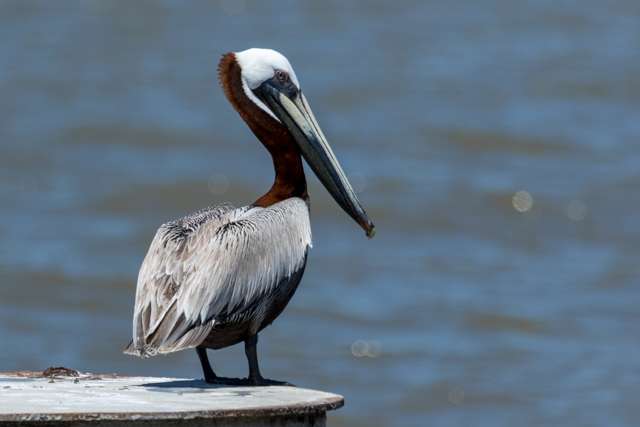
This facility serves the northern and central California coasts and the vast, ecologically important Sacramento-San Joaquin River Delta. It is a large, purpose-built center equipped with specialized pools, intensive care units, and necropsy labs. The facility regularly treats everything from common gulls and pelicans to less common species like loons and scoters.
The Los Angeles Wildlife Center (San Pedro, CA)
This facility handles cases along the southern California coast, including the highly populated Los Angeles and Orange County areas. Its location near major ports and the dense urban environment means it deals with a high volume of birds affected by human-wildlife conflict, such as fishing line entanglement, plastic ingestion, and collisions.
Daily Activities
On a day-to-day basis, IBR's teams are engaged in three primary activities:
Patient Intake and Triage: Receiving up to 5,000 birds annually across their facilities, often including endangered or sensitive species like the California Brown Pelican and the Western Grebe.
Medical and Surgical Care: Providing complex medical treatment, including specialized surgery for common injuries like fishing hook ingestion and wing fractures.
Husbandry and Rearing: Operating large outdoor aviaries and pools where birds are conditioned for release. This includes a major program for rearing orphaned chicks, ensuring they are strong and skilled enough to survive in the wild.
Membership, Volunteers, and Impact
The backbone of International Bird Rescue is its dedicated team of professionals and its vast network of committed volunteers.
Professional Staff and Expertise
IBR employs a core staff of licensed wildlife rehabilitation professionals, veterinary technicians, and researchers. This staff maintains the year-round operations and forms the first-response team deployed to disaster zones. Their unique, institutional knowledge of avian trauma and toxicology makes them invaluable during large-scale emergencies.
https://lovethebirds.com/iowa-best-bird-watching-locations/
The Volunteer Corps
IBR relies heavily on a passionate volunteer corps, which can number in the hundreds across its two facilities. Volunteers assist with everything from cleaning enclosures and preparing specialized diets to supporting the medical staff during critical periods. During a major oil spill, this network allows IBR to quickly scale up its operations, sometimes processing thousands of birds in a matter of weeks. The organization's ability to activate and manage a huge number of temporary, compassionate workers is crucial to its success in crisis management.
Global Reach
While based in the U.S., IBR’s expertise is international. Over the years, IBR teams have responded to major spills, including:
The Exxon Valdez oil spill (Alaska, 1989)
The Prestige oil spill (Spain, 2002)
The Deepwater Horizon disaster (Gulf of Mexico, 2010)
In these disasters, IBR staff trained local responders, established rehabilitation protocols, and managed large-scale operations, leaving behind a legacy of improved local preparedness.
Beyond Oil: Adapting to Modern Threats
While oil remains a primary concern, IBR has increasingly focused on treating birds affected by emerging, non-spill threats caused by human activity and climate change.
Entanglement and Ingestion: The rise of marine plastic debris and improperly discarded fishing line (monofilament) is now a daily threat. Many pelicans, gulls, and cormorants are admitted with severe injuries from entanglement or internal damage from ingesting hooks and plastic fragments.
Harmful Algal Blooms (HABs): Warmer ocean temperatures exacerbated by climate change contribute to toxic red tides and other HABs. Birds that consume contaminated fish are often admitted suffering from neurological disorders and paralysis, requiring specialized supportive care.
“Mystery” Murre Mortality Events: In recent years, massive die-offs of seabirds, particularly Common Murres, have been linked to shifting ocean conditions and food shortages. IBR has been instrumental in rescuing and studying the sick and starving birds that wash ashore during these large-scale events, contributing data that helps scientists understand how climate change impacts marine food webs.

Common Murre

International Bird Rescue is therefore not just a clean-up crew; it is a vital healthcare provider for the feathered inhabitants of our rapidly changing coasts. By combining decades of trauma experience with a flexible, science-based approach to new environmental challenges, IBR remains the essential first and last line of defense for aquatic birds caught in the complex crosscurrents of the modern world.
Birding Off the Beaten Path: Exploring the U.S.'s Most Unusual Avian Hotspots
