
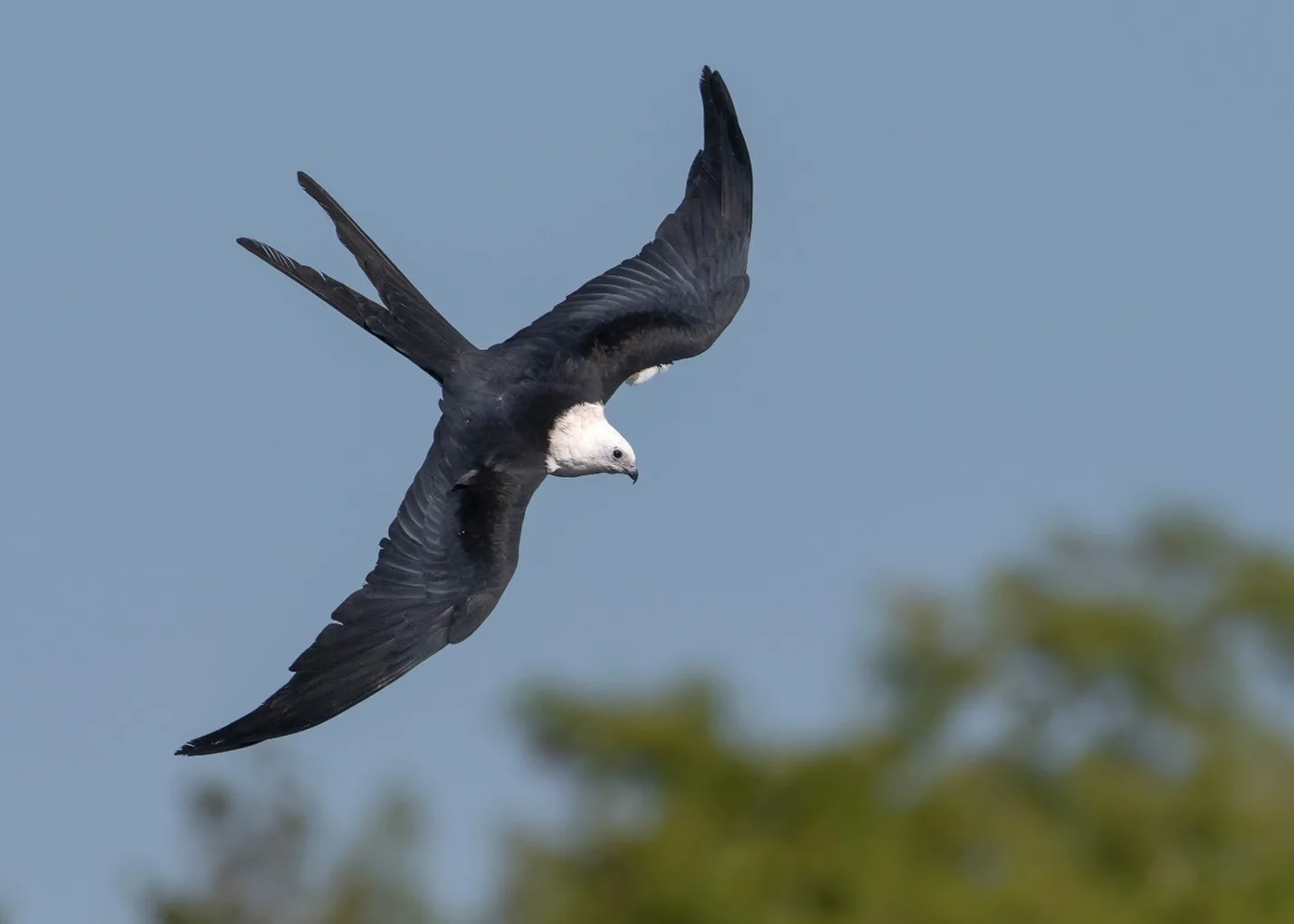
For generations, birdwatching meant a pair of binoculars, a field guide, and a patient stakeout in a local park. While the core joy of spotting a rare species remains, technology has revolutionized the practice, extending the field of observation far beyond the limits of our local patch.
Today, innovative tools and digital platforms are providing new avenues for discovery, turning every armchair into a remote research station. From using smartphone apps to decoding complex bird calls, to virtual expeditions across continents, the hobby of birding has never been more accessible or exciting.
We explore some of the most innovative ways birdwatchers are connecting with and documenting avian life, proving that sometimes, the best view is found through a screen.
Sound ID: The Revolution of the Acoustic Birding
Perhaps the most significant technological leap for casual birders comes in the form of acoustic identification (ID). Historically, identifying a bird by ear was a skill that took years to develop; now, a smartphone can do much of the heavy lifting.
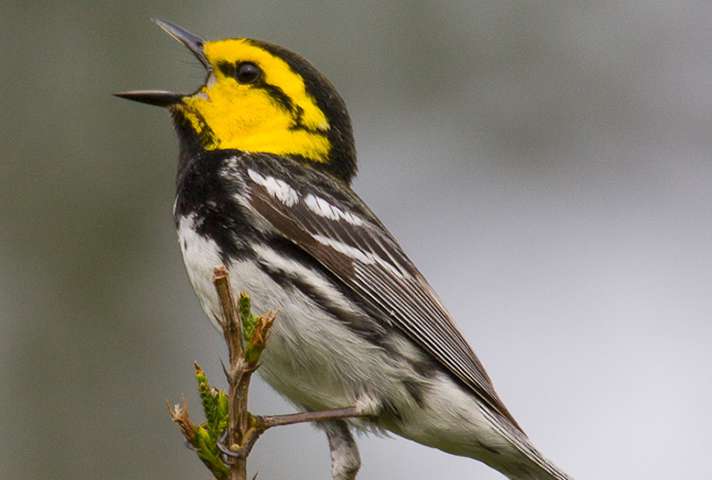
Merlin Bird ID App (Sound ID)
The Cornell Lab of Ornithology’s Merlin Bird ID app has fundamentally changed how people interact with bird calls. By leveraging machine learning, the app can listen to the ambient sounds of a backyard, forest, or marsh and provide a real-time list of probable species. The user simply hits a record button, and the app visually displays the spectrograms of detected calls and songs, identifying species with high accuracy. This is particularly useful for:
* Secretive Species: Identifying shy birds that sing from deep cover, like thrushes or rails, which are nearly impossible to spot visually.
* Night Birding: Deciphering nocturnal calls, such as owls and migrating water birds.
* Learning: Helping beginners rapidly associate a sound with a species, effectively compressing years of audio training into a few weeks of practice.
The use of Sound ID has led to an explosion in citizen science data, allowing more people to contribute accurate species records without needing to be master ornithologists.
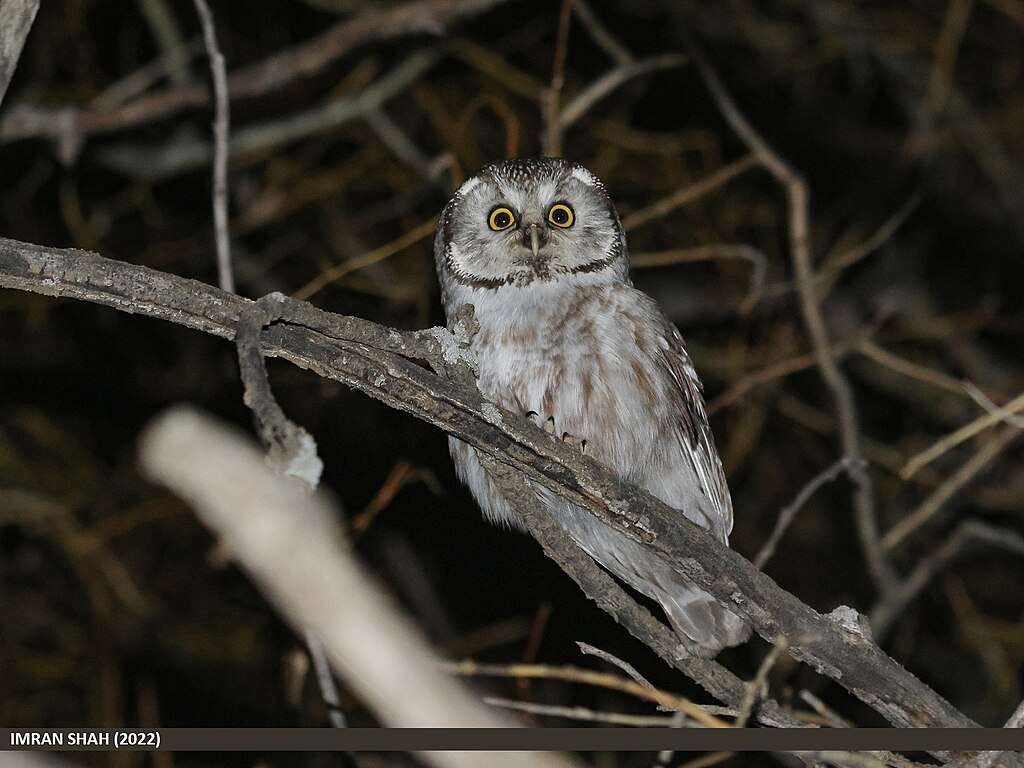
Virtual Field Trips: Birding from the Armchair
While real-world travel remains the gold standard, digital tools now offer birders the ability to scout locations, track rare sightings, and even "walk" remote trails from the comfort of their homes.
Google Street View Birding
The Google Street View project has created a surprisingly effective tool for virtual birding expeditions. Birders can use Street View to:
* Scout Habitat: Before traveling to a new area—say, the foothills of the Chiricahua Mountains in Arizona—a birder can navigate Street View to examine the quality of the habitat, identify key viewing points, and determine which trails are most accessible.
* Study Micro-Habitats: For species tied to very specific environments (like the riparian zones frequented by the Elegant Trogon), Street View allows the birder to inspect the exact vegetation and water sources in a target area.
* Post-Mortem Analysis: After an unsuccessful trip, a birder can review the area on Street View to check for features they might have missed, or to understand the local context of a rare bird that was reported nearby.
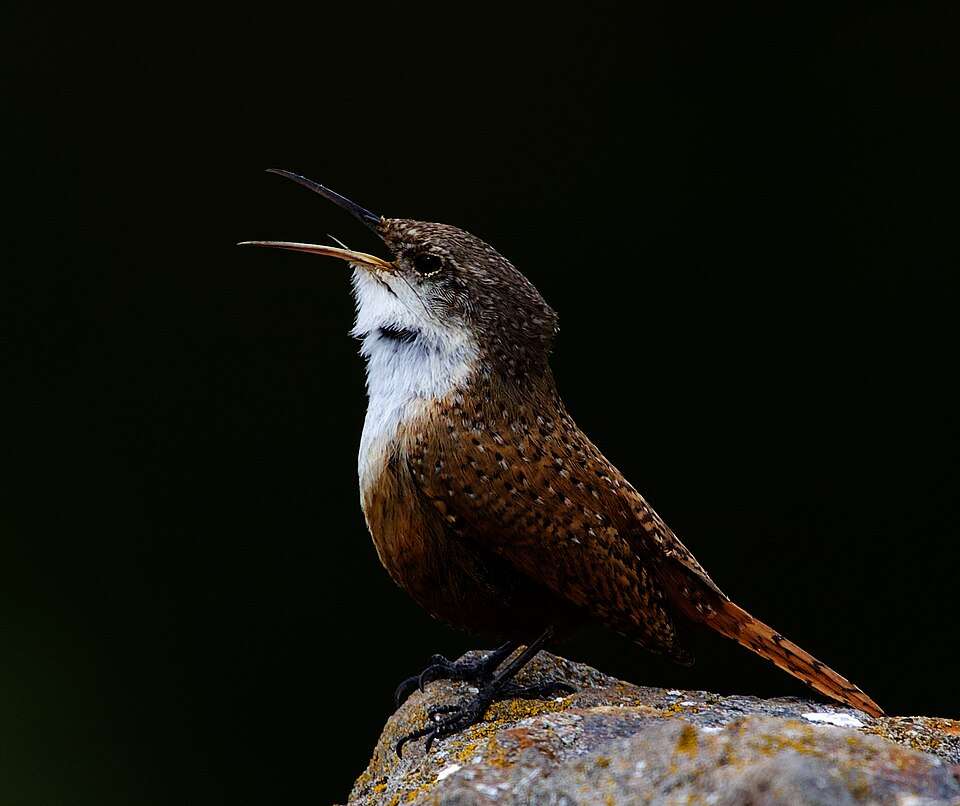
Remote Webcams and Live Streams
An increasing number of conservation organizations and nature centers have installed high-definition webcams pointed at nests, feeders, or migratory bottlenecks. These live streams offer incredible, sustained views of bird behavior that would be impossible to witness in person without causing disturbance. Popular examples include:
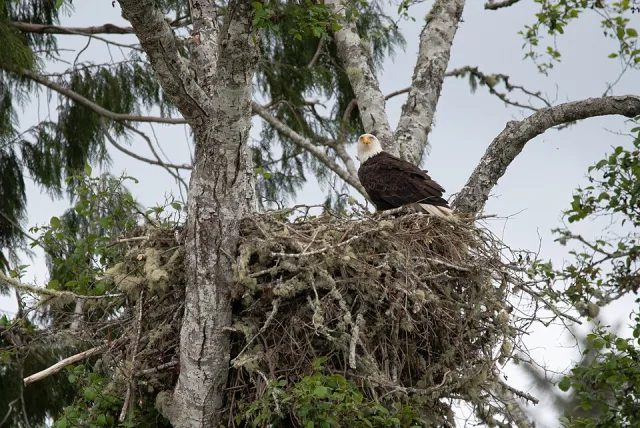
* Bald Eagle Nests: Viewers can watch the entire nesting cycle, from egg-laying to fledging, offering intimate insights into parental care.
* Puffin Colonies: Webcams set up on remote islands provide views of these charismatic seabirds bringing fish back to their burrows.
* Migration Hotspots: Cameras positioned at major raptor or waterfowl flyways allow thousands of people to participate in the spectacle of mass migration in real time.
Citizen Science: Collaborative Birding at Scale
Modern birding is inherently collaborative, with global data platforms allowing individual sightings to contribute to massive scientific datasets. This collaborative approach transforms every birder into a potential data scientist.
eBird: The Global Barometer
The eBird platform, also from the Cornell Lab of Ornithology, is the engine of modern birding. It allows users to submit checklists from anywhere in the world, generating a real-time, global map of bird distribution and abundance. Innovative uses of eBird data include:
* Targeting Rarities: The "Target Species" and "Hotspot" features guide birders to known locations of specific sought-after birds, drastically reducing the time spent searching randomly.
* Migration Tracking: Scientists use the collective data to produce animated maps showing the precise timing and routes of migration for hundreds of species, a revolutionary tool for conservation planning.
* Data Quality: The system is overseen by regional experts who review unusual sightings, ensuring the quality and reliability of the massive dataset.

Digital Photography and AI
High-resolution digital photography and artificial intelligence (AI) have become critical identification tools. Instead of struggling with a distant bird in poor light, birders can snap a quick photo with a smartphone or a camera and then:
* Submit to ID Apps: Apps like Merlin and others use computer vision to analyze plumage, shape, and structure directly from the photo, providing an ID instantly.
* Post to Online Communities: Platforms like iNaturalist and specific birding forums use community-based crowdsourcing, where hundreds of experienced birders review photos and offer consensus identification.
This digital loop—Photo - AI ID - Community Review—ensures rapid and accurate documentation of sightings.
Micro-Birding: Deepening the Backyard Connection
Innovation isn’t just about the grand expedition; it’s also about gaining deeper insights into common species right at home.
High-Speed Video and Remote Monitoring
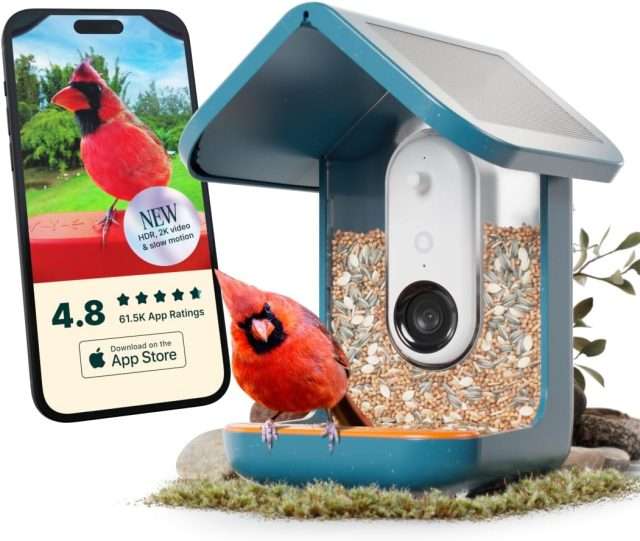
The falling cost of high-speed cameras and motion-activated feeders allows backyard enthusiasts to capture subtle behaviors that are invisible to the naked eye. Birders can set up trail cameras or high-frame-rate phone cameras near feeders or water sources to:
* Resolve IDs: Capture the specific wing bars or tail patterns needed to distinguish tricky species like the Empidonax flycatchers or common sparrows.
* Study Behavior: Observe complex feeding hierarchies, subtle courtship displays, or the way different species interact with one another.
Automated Listening Stations (Acoustic Monitoring)
For serious enthusiasts and professional researchers, small, low-power automated acoustic recorders can be left in a remote location for weeks or months. These devices record all bird calls and songs, and the resulting audio files are then processed by specialized software to create a comprehensive list of every species detected. This technology is crucial for monitoring fragile or remote ecosystems, providing a biodiversity census without requiring constant human presence.
The Future is Collaborative and Automated
The rise of these innovative methods demonstrates a clear trend: birding is becoming less about individual, isolated observation and more about global, collaborative documentation. Technology not only aids in individual identification but also contributes to a massive, self-correcting scientific record.
By integrating apps, webcams, and citizen science platforms, the modern birdwatcher is equipped not only with better tools but with a shared, powerful community. The future of birding will likely see even more sophisticated AI systems, widespread acoustic monitoring, and seamless integration between the field experience and the digital database, guaranteeing that the wonder of avian life remains accessible to everyone, everywhere.
Unlocking the Secrets of Bird Identification: The 5 S's for Birdwatching
