
Indiana, often associated with cornfields and hardwood forests, holds a powerful story of ecological redemption in its southwestern corner. For generations, the vast, historic wetlands that once dominated the landscape were drained, tiled, and converted into agricultural land. However, starting in the early 2000s, a monumental conservation effort began to reverse this trend, culminating in the creation of the Goose Pond Fish & Wildlife Area (FWA). Located primarily in Greene County, Goose Pond FWA is arguably the most significant wetland restoration project in Indiana's history, covering over 9,000 acres where a huge, shallow lake and marsh once dominated.
This area, which had essentially been erased from the map through intensive farming, has been meticulously restored to its former glory as a functional, vibrant marsh. Today, it serves as a critical biological hub—a magnet for migratory birds, a haven for threatened wildlife, and a testament to the power of human intervention in ecological repair. Goose Pond has not only changed the landscape of the region but has fundamentally altered the birding map of the entire Midwest, transforming Indiana into a nationally recognized destination for birders.
A Hydrological History: From Swamp to Soybeans and Back
The history of the Goose Pond site is a classic narrative of American agricultural expansion. The area was once part of the Grand Marsh, an extensive system of oxbow lakes, sloughs, and seasonally flooded wetlands along the White River. By the early 1900s, state and private efforts to "reclaim" land for farming led to the installation of drainage tiles, deep ditches, and levee systems. The water was successfully removed, and the land was farmed for nearly a century.
The modern revival began in 2000 when the Indiana Department of Natural Resources (IDNR), supported by conservation organizations and federal grants, acquired the initial tracts of land. The restoration process was simple in concept but massive in scale: break the drainage tiles, breach the levees, and stop pumping the water out. The shallow bowl of the land, once drained, eagerly filled back up with rainwater and seepage, re-establishing the hydrological cycle.

The resulting habitat is a mosaic of open water, emergent marsh (cattails and rushes), moist soil units (managed mudflats), and upland grasslands. This intentional diversity ensures that Goose Pond can support a wider variety of species throughout the year, from deep-water divers to terrestrial raptors.
The Birding Phenomenon: Why Goose Pond is a Magnet
The revival of Goose Pond was an immediate and staggering success for birdlife. Situated just east of the Mississippi Flyway, the newly restored, massive marsh provided an irresistible stopover point for birds that had previously bypassed the region.
Waterfowl Spectacle
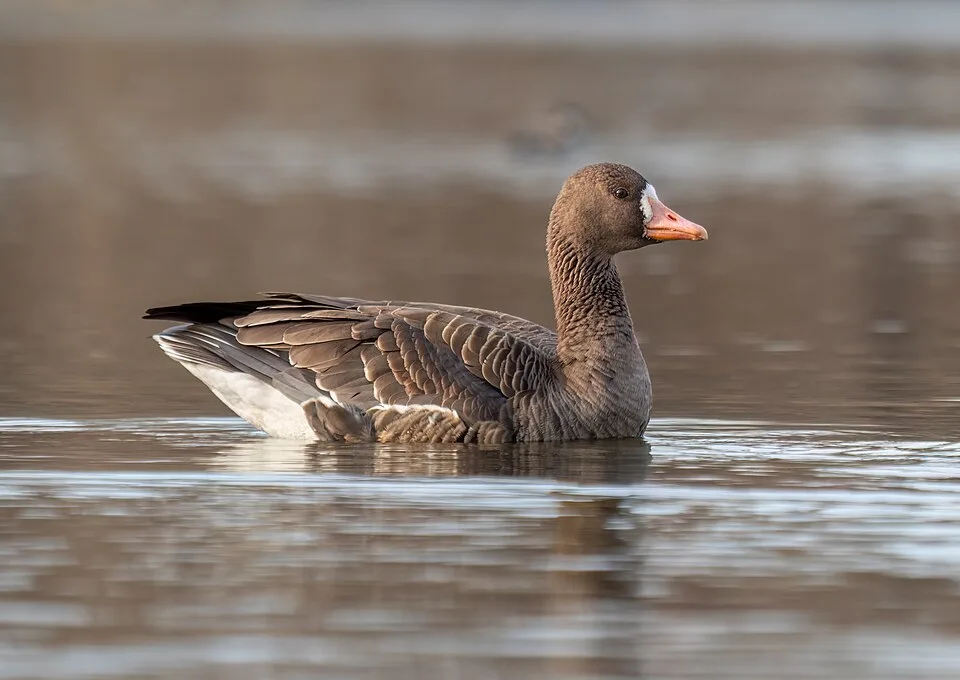
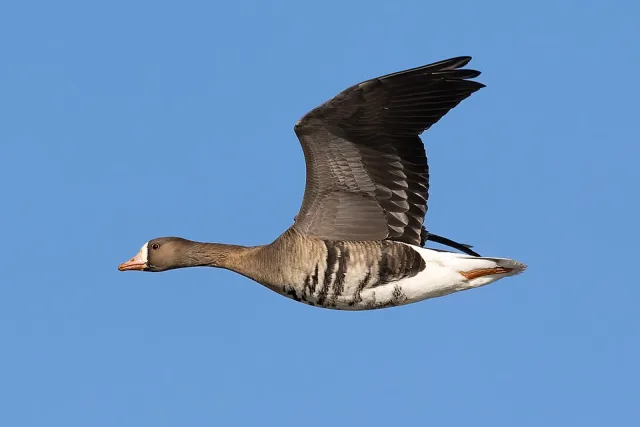
During the fall and spring migrations (October-December and February-April), the marsh is dominated by waterfowl. Goose Pond regularly hosts immense numbers of ducks, including huge concentrations of Mallards, Northern Shovelers, Green-winged Teal, and Northern Pintails. Thousands of Tundra and Trumpeter Swans often use the area during their northward spring migration, creating a majestic visual and auditory spectacle. The name is well-earned, as thousands of Canada Geese and Greater White-fronted Geese utilize the ponds and surrounding farm fields.
Shorebird Heaven
The carefully managed moist soil units are arguably the most critical feature for birders. By controlling water levels, managers can create vast expanses of shallow water and mudflats at peak migration times, which are essential for shorebirds. Goose Pond has become Indiana’s premier location for these species, hosting thousands of Pectoral Sandpipers, Least Sandpipers, and Dunlin. Rarity seekers also flock here to find less common migrants like the American Avocet and the Wilson’s Phalarope.

Rarities and Waders
Goose Pond’s rapid transformation has made it an attraction for species rarely seen in Indiana. It regularly supports large nesting colonies of Wading Birds—including Great Egrets, Snowy Egrets, and the occasional White-faced Ibis—which now have a stable, rich feeding ground.
North Dakota: Prairie Potholes and North America’s Duck Factory
Perhaps the most exciting developments have been the vagrant sightings. Goose Pond has hosted numerous casual and accidental species for the state, drawing birders from across the country. These have included the Western Grebe, Black-bellied Whistling-Duck, and the Glossy Ibis, cementing its reputation as a hotspot for the unexpected.
Beyond the Birds: Ecological Impact
The success of Goose Pond is measured by more than just bird lists; it represents a major boost for regional biodiversity and environmental health.
Threatened and Endangered Species
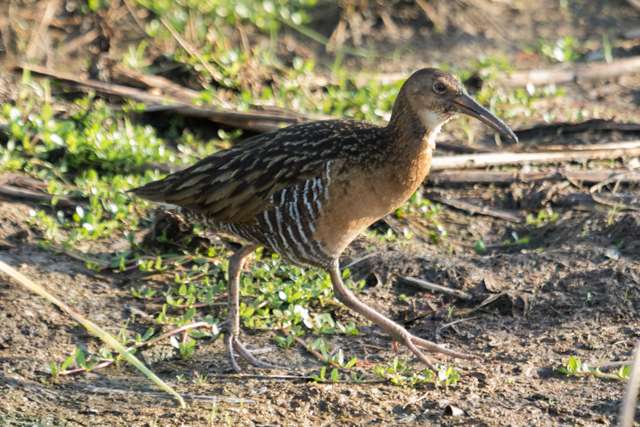
The restoration efforts directly benefit several state and federally threatened species. The marsh provides ideal breeding and foraging habitat for the Least Bittern and the King Rail, two secretive marsh birds whose populations have plummeted due to habitat loss. The abundant water and vegetation also support huge populations of amphibians and reptiles, including various species of frogs, turtles, and non-venomous snakes that form the base of the food chain.
Flood Control and Water Quality
Ecologically, the FWA provides vital ecosystem services that the original marsh once did. As a vast, natural sponge, it absorbs and slows floodwaters from the White River, protecting downstream communities and reducing flood damage. Furthermore, the wetlands act as natural water filters, trapping sediment and absorbing excess nutrients, such as nitrogen and phosphorus from surrounding agriculture, which improves the water quality flowing into the larger river system.
Accessibility and Stewardship
Goose Pond FWA is a public asset managed by the IDNR, and its design prioritizes accessibility for birders and nature enthusiasts.
Auto Tour Routes: The FWA features several miles of well-maintained gravel roads that function as auto tour routes, allowing visitors to drive slowly along the dikes and wetlands for observation.
Observation Platforms: Strategic viewing platforms and blinds have been constructed, offering elevated perspectives of the open water and mudflats without disturbing the resting wildlife.
Hunting and Fishing: The area also fulfills its statutory mission as a Fish & Wildlife Area by offering regulated hunting (especially waterfowl) and fishing opportunities, ensuring it serves multiple conservation and recreation stakeholders.
The Goose Pond story is an ongoing narrative of stewardship. It proves that major, deliberate ecological restoration is possible and highly effective. The return of the marsh has not only brought back the birds but has renewed the region's connection to its wild heritage, ensuring that the ghost of the Grand Marsh is now a vibrant, feathered reality.
Indiana's 2025 Fall Waterbird Survey: Tracking the Great Migration
