
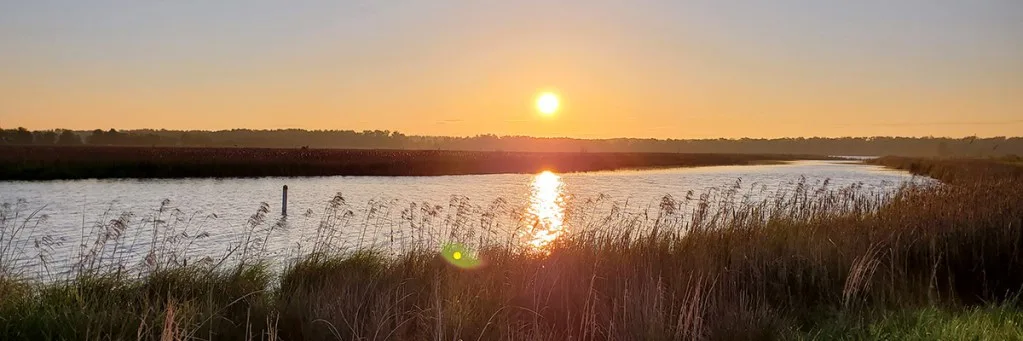
As autumn leaves turn and a chill settles over the Hoosier state, Indiana once again serves as a vital corridor in the Mississippi Flyway, hosting one of North America's most impressive natural spectacles: the fall waterbird migration. The Indiana Department of Natural Resources (DNR), along with dedicated birding organizations and citizen scientists, conducts annual waterbird surveys to monitor the health and movement of these migratory populations.
While specific, day-to-day results of the 2025 survey are ongoing throughout the season (typically late August through January), the overall monitoring effort is crucial for conservation and resource management.
The Purpose of the Waterfowl Counts
Indiana's Waterfowl Monitoring Program is a vital part of state and federal conservation efforts. Data gathered during these surveys are essential for:
Setting Hunting Seasons: The data helps the DNR align waterfowl hunting seasons (for ducks, geese, and other migratory game birds) with the average timing of migration in the state's North, Central, and South hunting zones.
Population Management: Tracking the abundance and distribution of species provides critical information on population trends and habitat use.
Identifying Conservation Needs: Monitoring helps pinpoint important stopover sites that require protection and informs management practices on state properties like Fish & Wildlife Areas (FWAs) and Reservoirs.
2025 Migration Highlights and Key Species
Fall migration over Indiana often sees tens of millions of birds flying south nightly during the peak weeks in late September and October, with ducks, geese, and shorebirds featuring heavily later in the season.
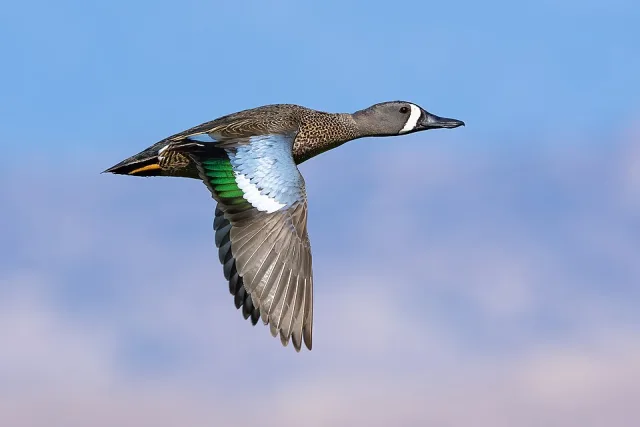
Waterfowl: Birders alike watch for the arrival of various duck species (Mallards, Wood Ducks, Blue-winged Teal, and diving ducks) and the massive flocks of Canada and light geese. The early Teal season in early September is a direct result of monitoring the arrival of species like Blue-winged and Green-winged Teal.
Lake Michigan's Coastal Spectacle: The southern shores of Lake Michigan, particularly sites like the Indiana Dunes and Miller Beach, are a major draw for waterbird enthusiasts. The geography of the lake forces birds to concentrate here, creating opportunities for remarkable sightings of:
Jaegers: These aggressive seabirds, cousins to gulls, are a highlight for birders in the region.
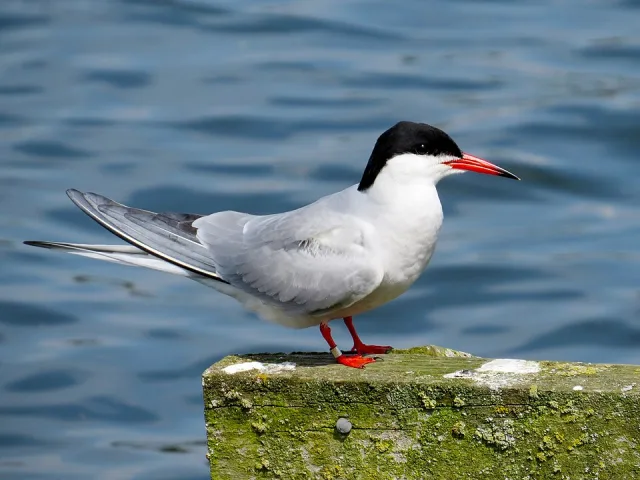
Terns: Graceful species like Common Terns and potentially the rare Least Tern (a state endangered species that nests in southern Indiana) pass through.
Diving Ducks and Grebes: Large rafts of scoters, mergansers, and grebes are often seen hugging the coastline.
Monitoring Locations
Waterfowl migration surveys in Indiana are conducted across multiple state and national properties, including:
State Fish & Wildlife Areas (FWAs): Key areas include Goose Pond FWA, Jasper-Pulaski FWA, and properties along the major flyway corridors.
State Reservoirs and Parks: Large bodies of water attract diverse groups of resting and feeding waterbirds.
National Wildlife Refuges: Muscatatuck National Wildlife Refuge is another important site for gathering data.

How to Follow the Survey and Help
Citizen scientists and the general public play a significant role in supporting bird conservation.
"Lights Out" Initiatives: During peak nighttime migration, organizations like Indiana Audubon urge residents to turn off non-essential outdoor lights between 11 p.m. and 6 a.m. to prevent migrating birds from becoming disoriented and colliding with buildings.
Reporting Banded Birds: Anyone who encounters a banded goose, duck, or other migratory game bird (whether finding a dead bird, or simply observing) is encouraged to report the band number to the USGS Bird Banding Lab. This data is invaluable for tracking migration routes, survival rates, and population trends.
Avian Influenza Alert: The DNR also uses this time to monitor for any outbreaks of Highly Pathogenic Avian Influenza (HPAI), especially in waterfowl. The public is asked to report any observations of sick or dead birds to the DNR's Fish & Wildlife Health team.
The 2025 Indiana Fall Waterbird Survey is more than just a count; it's an annual check-up on the health of the entire migratory ecosystem, providing the essential data needed to ensure these spectacular journeys continue for future generations.
Goose Pond Fish & Wildlife Area (FWA)
Goose Pond FWA, located in Greene County is Indiana's largest wetland restoration project. It's a relatively young property, having been established in 2005, but it has rapidly become a premier birding destination in the Midwest.
Central Flyway Focus
Primary Attraction (The "Crane Capital"): Goose Pond is most famous for hosting the largest numbers of Sandhill Cranes in Southern Indiana. The previous high count reached over 25,000 individuals, though the fall migration is a spectacular sight. It is also an important wintering site for a small, but critically important population of the federally endangered Whooping Crane.
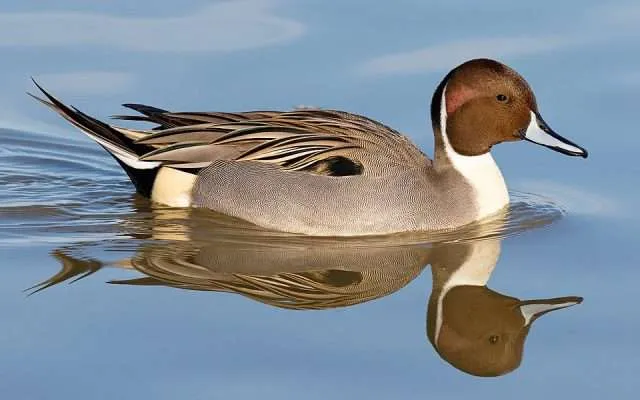
Waterfowl Habitat: The area features vast expanses of prairie and marsh habitat (over 9,000 acres). This environment provides excellent foraging and resting grounds for a massive variety of ducks, including Mallards, Northern Pintails, and various Teal species.
Survey Significance: Goose Pond's weekly waterbird surveys are crucial for tracking the recovery and stability of the Eastern Greater Sandhill Crane population and for monitoring habitat use by migratory waterfowl within the central part of the state.
Visitor Experience: The property features a modern Visitor's Center with a panoramic observation deck, allowing birders to view wildlife with minimal disturbance to the birds.
Jasper-Pulaski Fish & Wildlife Area (FWA)
Jasper-Pulaski FWA, situated in the North Hunting Zone near Medaryville, is legendary for its massive congregations of Sandhill Cranes. Acquisition of this property for wildlife management began in 1929, giving it a long history of conservation focus.
The Great North Migration Stopover
The Signature Spectacle: Jasper-Pulaski is the single most important staging area for Sandhill Cranes in Indiana during their fall migration. Located at a key junction in the flyway, it sees daily crane counts regularly swell to over 15,000 during peak season (typically late November). Some years, peak counts can reach 30,000 or more.
Cranes at Sunset: The most dramatic time to visit is at sunset, when thousands of cranes kite in from surrounding fields to roost safely in the marshland, creating an incredible cacophony of sound and a dense aerial display.
Waterfowl Diversity: While the cranes steal the show, J-P also provides critical wetland, upland, and woodland habitat for other species. Large numbers of Canada Geese and various Ducks stop here, making the weekly waterfowl inventory essential for determining the timing of the North Zone's waterfowl season.
Visitor Experience: An observation tower and platform are provided specifically for crane viewing, complete with accessible parking and a paved interpretive trail, making it one of the most accessible major migration sites in the state.
Comparison of the Two Sites
| Feature | Goose Pond FWA | Jasper-Pulaski FWA |
| Location (DNR Zone) | Central Zone | North Zone |
| Primary Attraction | Sandhill Cranes, Whooping Cranes, Diverse Ducks | Massive Sandhill Crane Staging |
| Habitat | Large-scale Restored Marsh & Prairie | Wetland, Upland, and Woodland Mix |
| Purpose in Survey | Monitoring Central Zone migration and habitat use | Critical for North Zone hunting season timing; Crane population tracking |
| Peak Fall Viewing | October - March (especially for Whoopers) | Late October - Mid-December (peak in November) |
Both of these Fish & Wildlife Areas serve as monumental indicators of Indiana's health within the Mississippi Flyway, providing essential data for both game management and endangered species conservation efforts.
