
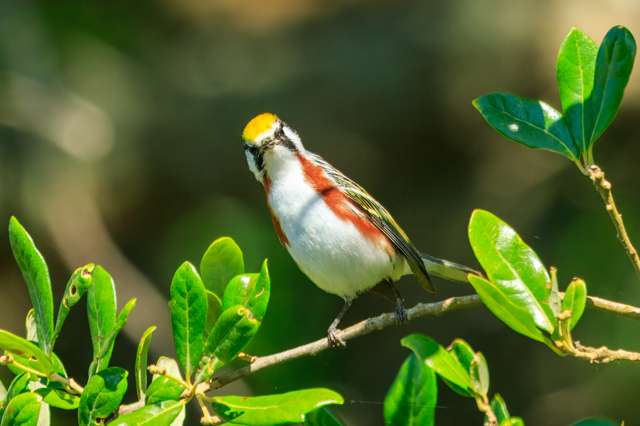
Often considered merely a waypoint between the Great Lakes and the Ohio River Valley, Indiana holds a surprising and rich secret for the dedicated birdwatcher. Situated strategically at the intersection of major eastern ecosystems—the vast central hardwood forests, the remnants of the tallgrass prairies, and the influence of the Great Lakes—the Hoosier State serves as a critical stopover and breeding ground for hundreds of bird species. From its sandy dunes along Lake Michigan to its deep southern ravines, Indiana is a vibrant ecological crossroads that connects northern breeders with southern migrants.

This diversity ensures exceptional birding opportunities year-round. Whether you are searching for the dazzling colors of migrating warblers in the spring or the spectacular sight of thousands of Sandhill Cranes gathering in the fall, Indiana consistently delivers. Premier locations, such as Eagle Creek Park in Indianapolis, which offers a vital urban refuge for neo-tropical songbirds, and the legendary Jasper-Pulaski Fish and Wildlife Area in the northwest, famed for its breathtaking autumn crane staging, cement Indiana's status as a hidden gem on the eastern birding circuit.
Willow Slough FWA
Willow Slough Fish and Wildlife Area (FWA) is a significant protected area spanning over 10,000 acres in Newton County, Indiana, strategically located in the northwest corner of the state near the Illinois border. The geography is characterized by a mosaic of habitats, including rolling dunes, restored oak savanna, forest, and extensive wetland complexes. At its heart is the J.C. Murphey Lake, a large, managed reservoir and wetland area of over 1,200 acres that serves as a critical stopover for migratory waterfowl. The property's diverse landscape is a remnant of the region's historical ecology, with portions of formerly grazed and cultivated land now undergoing restoration, particularly the valuable oak savanna habitat, which supports species reliant on open, grassy woodlands.
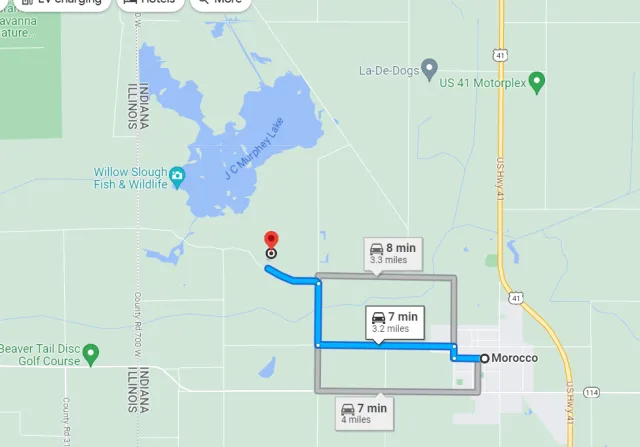
The property falls within the Central Time Zone and is easily accessible from the Chicago metropolitan area, making it a popular destination for regional outdoor enthusiasts.
The wide variety of habitat types at Willow Slough FWA—from open water and deep marsh to forest and savanna—provides exceptional bird watching opportunities year-round, with over 250 species documented.

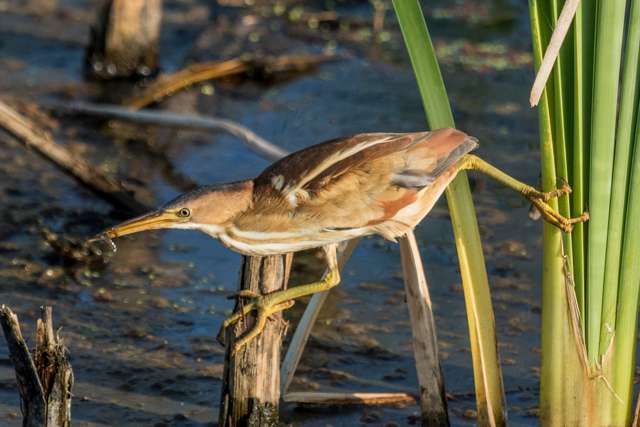
The centerpiece, J.C. Murphey Lake, acts as an oasis that draws in thousands of waterfowl during migration, with common sightings including numerous ducks, geese, and large flocks of American White Pelicans in the early spring. The wetlands host secretive marsh birds, with breeding evidence for species like Common Gallinule, Virginia Rail, and Least Bittern. Moving to the restored oak savanna and grassland mosaics, birders can find species more typical of open country, such as Blue Grosbeaks, Bell's Vireos, and Lark Sparrows. Furthermore, the property is a local stronghold for Whip-poor-wills and attracts raptors like Bald Eagles and Osprey, utilizing the lake's resources, confirming Willow Slough's status as a premier birding destination in the region.
Target Birds
Sandhill Crane
Marsh Wren
Bald Eagle
Eastern Meadowlark
Trumpeter Swan
Short-billed Dowitcher
The Indiana Department of Natural Resources has details about the accessibility of the Fish and Wildlife Area.
Cane Ridge WMA
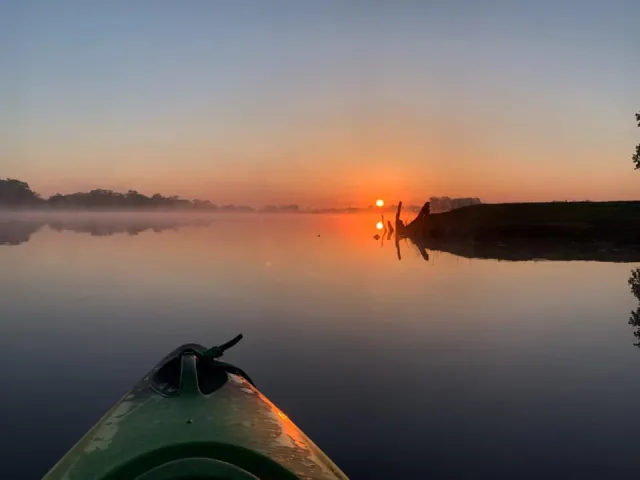
Cane Ridge Wildlife Management Area (WMA) is located in the southwestern corner of Indiana, near the city of Evansville and the Wabash River. Situated in the floodplains of the river, its geography is characterized by rich alluvial soils, creating a landscape dominated by bottomland hardwood forests, shallow wetlands, and agricultural fields interspersed with managed moist-soil units. This specific geographical location places the WMA within a highly productive ecological zone known for supporting dense wildlife populations, particularly those reliant on both flooded and forested environments.
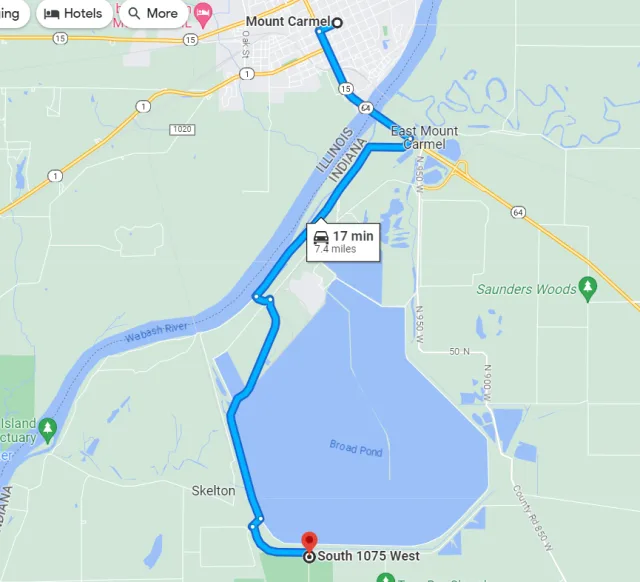
The flat topography, often subject to seasonal flooding, ensures a dynamic habitat mix that changes throughout the year, cycling between dry field, shallow marsh, and mature forest—a diversity critical for attracting various bird groups during migration.
The varied geography of Cane Ridge WMA translates directly into excellent bird watching opportunities, primarily focused on waterfowl, wading birds, and forest songbirds. During the spring and fall migration, the managed wetlands and flooded fields attract large numbers of ducks and geese, including Mallards, Northern Pintails, and Greater White-fronted Geese, making it a key stopover point along the Mississippi Flyway.
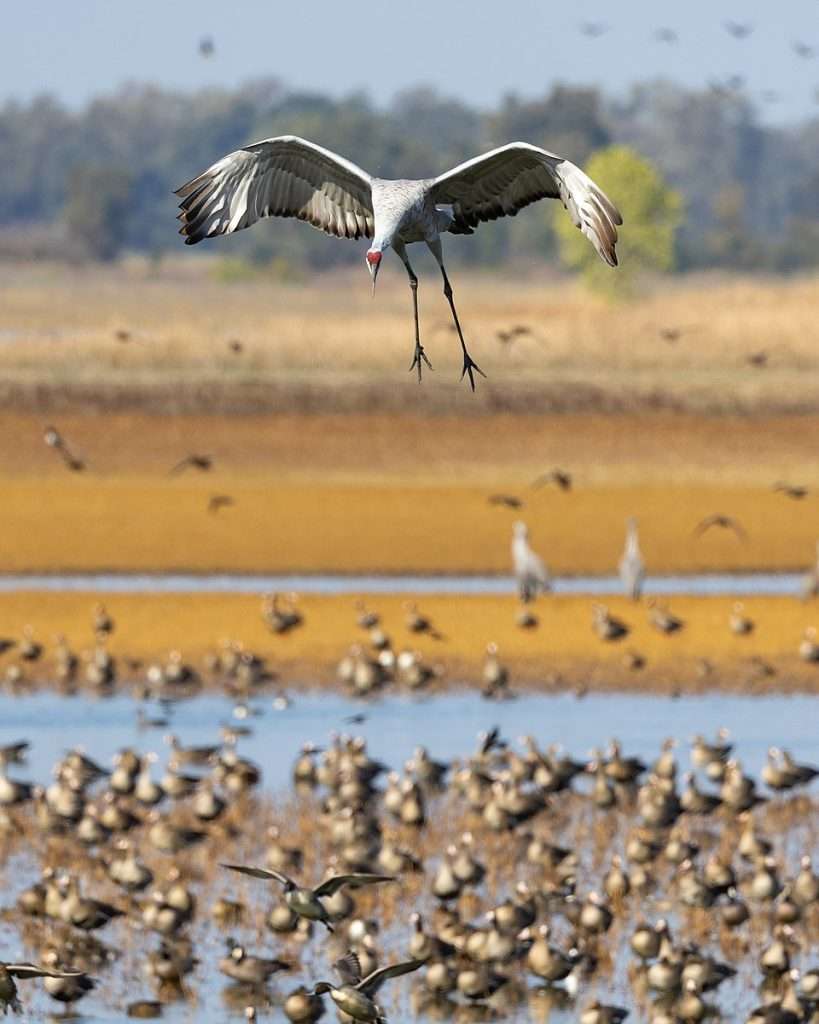
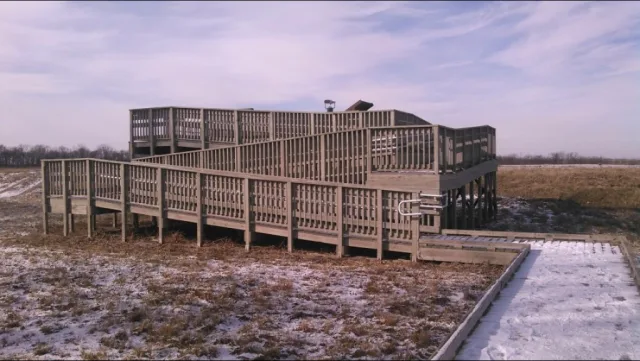
The bottomland forests provide crucial nesting and foraging habitat for a variety of neotropical migrants, such as various species of warblers, vireos, and tanagers. Birders can expect to find resident species like the Red-shouldered Hawk and various woodpeckers, and during the winter, the open water and crop fields attract large numbers of raptors and sometimes spectacular concentrations of Sandhill Cranes. The presence of accessible trails and observation points allows for easy viewing of these seasonal avian spectacles.

Target Birds
Least Tern
White-rumped Sandpiper
Wilson's Snipe
Barred Owl
Red-headed Woodpecker
Dickcissel
The Gibson County website has details about the observation deck and directions to it.
Eagle Creek Park
Eagle Creek Park is strategically located on the northwest side of Indianapolis, Indiana, making it one of the largest urban parks in the United States and a critical green space within a major metropolitan area. Encompassing approximately 3,900 acres of forested land and 1,350 acres of water, the park's geography is defined by the Eagle Creek Reservoir, which serves as a vital water source and a massive aquatic habitat. Surrounding the reservoir are large tracts of mature second-growth deciduous forest, dense ravines, successional fields, and expansive shoreline areas.
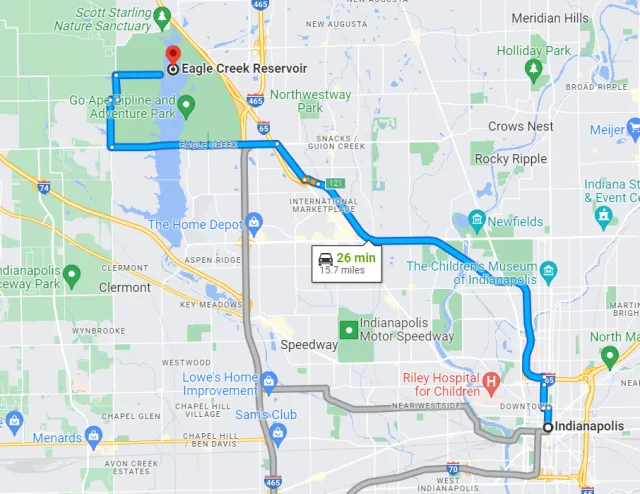
This mix of habitats—wetlands, open water, and diverse woodlands—is fed by the Eagle Creek watershed, creating a remarkably rich ecological "island" that contrasts sharply with the surrounding urban sprawl. The park's accessibility and its sheer size ensure that it functions as an ecological anchor for the central Indiana region.
This unique urban location and diverse geography translate into exceptional bird watching opportunities, particularly during spring and fall migration. Over 280 species of birds have been recorded at Eagle Creek Park, a testament to its value as a crucial migratory stopover for neo-tropical songbirds passing through the state. Birders can expect to find a wide variety of species throughout the year: the reservoir hosts numerous species of waterfowl (ducks, geese, and grebes) and wading birds (herons and egrets), while the expansive forests are excellent for seeking out Wood Thrush, Pileated Woodpeckers, and Barred Owls.

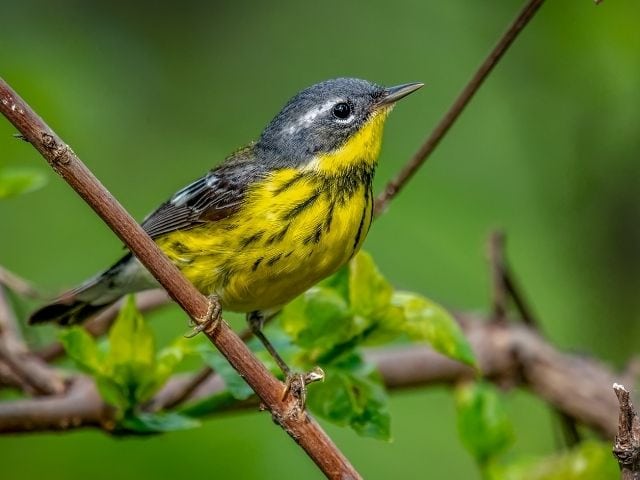
During migration, the park is famous for its concentrations of warblers (such as the Magnolia and Black-throated Green Warblers) and vireos as they utilize the extensive canopy for resting and refueling. Its easy accessibility and well-maintained trail system allow birders to explore varied habitats, from the reservoir's observation areas to the quiet, forested ravines, all within minutes of the city center.
Target Birds
Greater and Lesser Yellowlegs
Green Heron
Osprey
Alder and Willow Flycatcher
Gray Catbird
Swainson's Thrush
The indy.gov and the Eagle Creek Foundation websites have all the information you will need to visit the area, including all about the ornithology center.
Goose Pond Fish and Wildlife Area
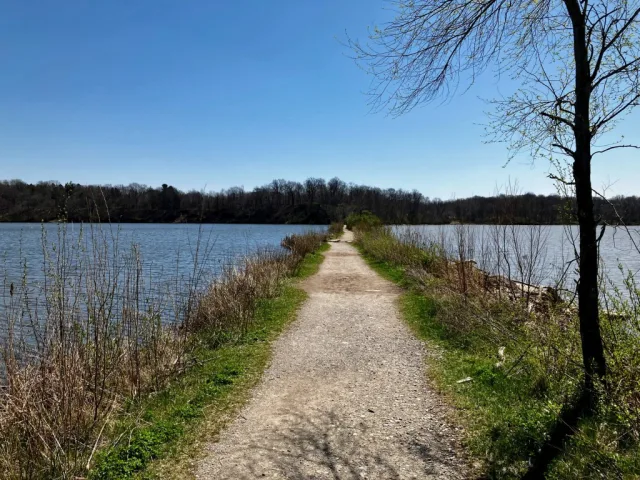
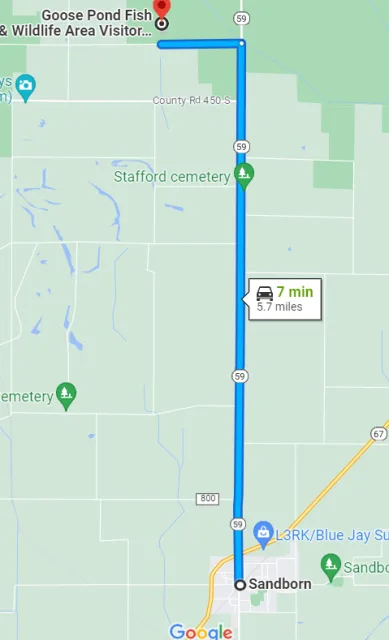
The Goose Pond Fish and Wildlife Area (GPFWA) is a massive, highly successful wetland restoration project covering over 9,000 acres in Greene County, Indiana, near the town of Linton. Geographically, it is located in the southwestern part of the state. The area was historically characterized by marsh, prairie, and forested wetland before being extensively drained for agriculture in the late 1800s. The current geography is a managed landscape featuring nearly 5,000 acres of shallow water wetlands, controlled by over 30 miles of constructed levees, alongside 1,300 acres of reconstructed tallgrass prairie.
The site's poorly drained, heavy clay soils were ideal for the restoration, which began in the early 2000s under the federal Wetland Reserve Program (WRP) to re-establish the ecological function of this former wetland. The diverse mosaic of shallow water, marsh, and prairie habitats makes GPFWA one of the largest and most significant inland wetland conservation areas in the United States.
The restoration success at Goose Pond has created outstanding bird-watching opportunities, rapidly establishing the area as a major staging point on the Central Flyway. Over 260 species of birds have been documented on the property, attracting approximately 12,000 wildlife viewers annually. The massive shallow wetlands are critical stopover sites for huge numbers of migratory waterfowl and shorebirds in the spring and fall.
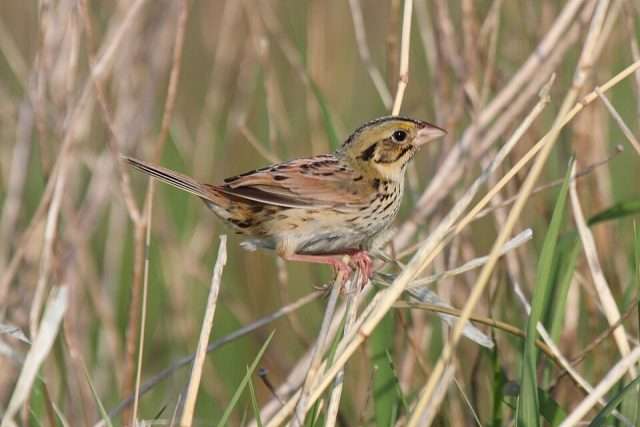
Key seasonal sightings include significant numbers of Sandhill Cranes and large flocks of American White Pelicans. GPFWA also hosts several sensitive breeding specialties like the state-endangered Least Tern, Henslow's Sparrow (in the reconstructed prairie), and the Black-necked Stilt. The site is easily birded via the numerous levees that crisscross the property and the Visitor Center, which features a panoramic observation deck and viewing scopes to enhance the experience.
Target Birds
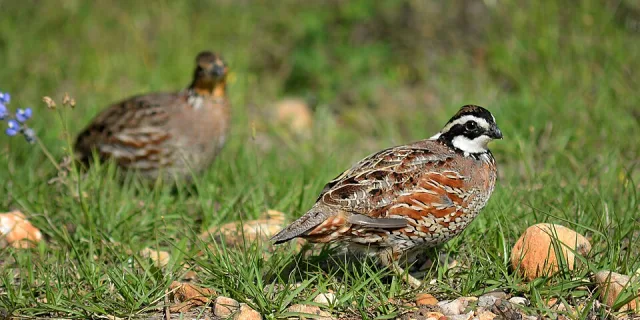
Northern Bobwhite
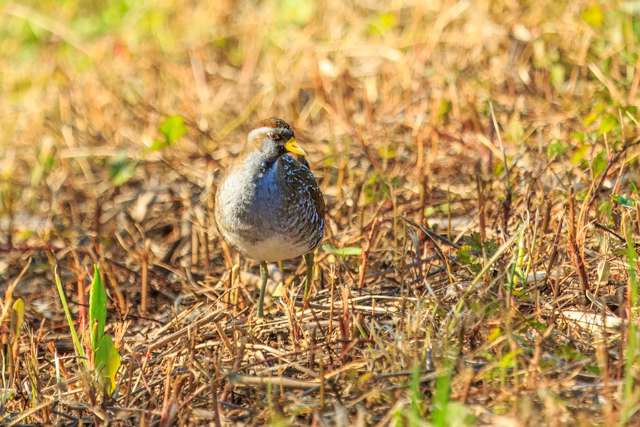
Sora
White-eyed, Bell's and Red-eyed Vireo
Cedar Waxwing
Henslow's Sparrow
Sedge Wren
Rough-legged Hawk
The Indiana DNR website has details for visitors and about the Visitor Center.
Jasper-Pulaski Fish and Wildlife Area
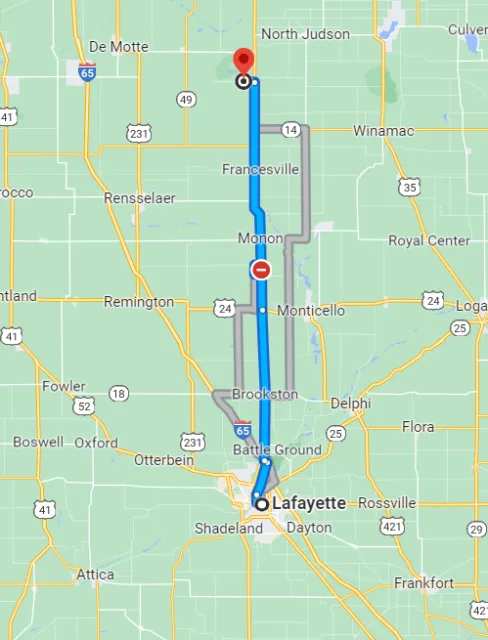
The Jasper-Pulaski Fish and Wildlife Area (FWA) is a sprawling conservation success story located in northwestern Indiana, with its 8,179 acres spanning parts of Pulaski, Jasper, and Starke counties. Geographically, it sits at a critical junction of historical habitats, comprising remnants of marshlands, wetland complexes, upland game habitat, and woodlands, a landscape historically shaped by the influence of glacial meltwater and the Kankakee River basin.
This mix of habitats—including restoration efforts that began as early as 1929—creates an ideal stopover refuge for migratory birds traveling the Central and Mississippi Flyways. The low-lying wetlands, interspersed with leased crop rows and managed uplands, make the FWA a vital energy refueling and resting point for thousands of species, most famously the cranes.
The FWA is an internationally recognized birding hotspot primarily due to the spectacular fall migration of Sandhill Cranes. The location, with its large, undisturbed roosting marshes, serves as the single largest staging area for the Eastern Population of Sandhill Cranes outside of the primary wintering grounds.

From mid-October through mid-December, visitors can witness a breathtaking wildlife spectacle as daily peak counts often surpass 15,000 birds, sometimes exceeding 30,000, as the cranes gather before making their final push south. Viewing is best at sunrise or sunset from the dedicated Crane Observation Tower, where thousands of the large, noisy birds fly in and out of the refuge's protected areas. Additionally, birders often spot other waterfowl and raptors, including Canada Geese and even the rare Whooping Crane, making the FWA a compulsory autumn destination for any serious Indiana birder.
Target Birds
Eastern Whip-poor-will
Northern Pintail
Greater White-fronted Goose
Lapland Bunting
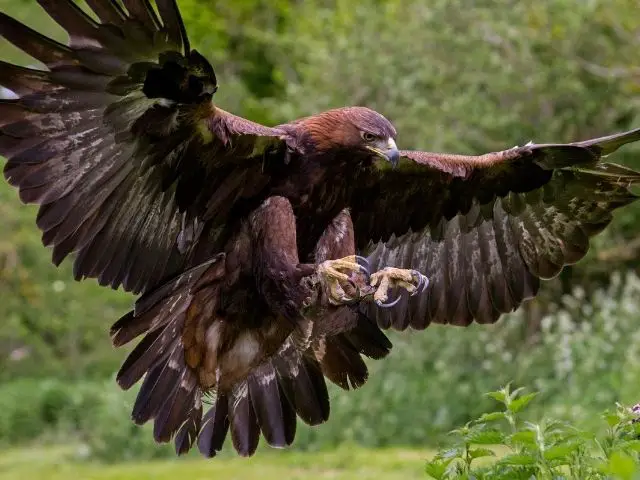
Golden Eagle
Eastern Screech-Owl
Indiana DNR again has detail about the observation deck, possible bird sightings and general information.
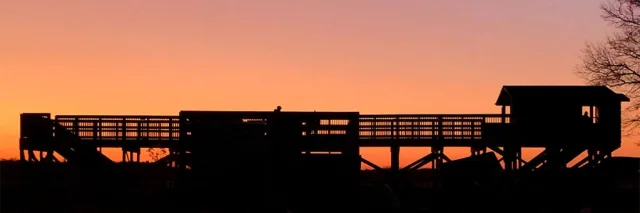
Kankakee Sands Nature Preserve
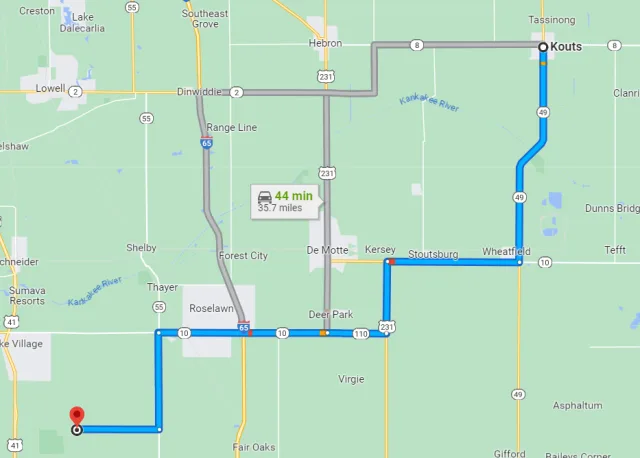
The Kankakee Sands Nature Preserve, managed by The Nature Conservancy, is a massive restoration complex situated in the northwest corner of Indiana, primarily spanning Newton County near the town of Morocco, with portions extending into Illinois. Geographically, it is located within the historical footprint of the Grand Kankakee Marsh and Beaver Lake, an area once known as the "Everglades of the North."
The preserve's unique sandy soil, sand prairies, and black oak savannas are remnants of the dramatic Kankakee Torrent, a massive glacial flood that deposited these sands thousands of years ago. Today, this distinctive geography, featuring dry, mesic, and wet sand prairies alongside restored wetlands, is carefully managed with techniques like prescribed fire and bison grazing to maintain the open, diverse structure necessary for specialized wildlife.
The restoration efforts have cemented Kankakee Sands as a premier destination for birdwatching in the Midwest, offering habitat for over 240 bird species. It is globally recognized for its grassland specialties that are difficult to find elsewhere in Indiana. Birders frequently report species like Bobolink, Dickcissel, Blue Grosbeak, and several endangered sparrows, including the state-endangered Henslow's Sparrow and the secretive Lark Sparrow.

Seasonal visitors offer exceptional spectacles: early summer is best for listening to the breeding songs of Grasshopper and Henslow's Sparrows, while the winter months bring in significant numbers of raptors, including Rough-legged Hawk, Northern Harrier, and the prized Short-eared Owl hunting over the open fields at dusk.

Target Birds
Snowy Owl
Orchard and Baltimore Oriole
Scarlet Tanager
Shore lark
Bobolink
Black-throated Green Warbler
The Nature Conservancy has fascinating facts about this incredible prairie.
LaSalle Fish and Wildlife Area
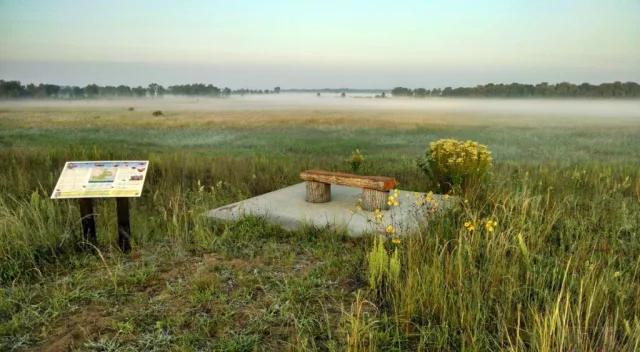
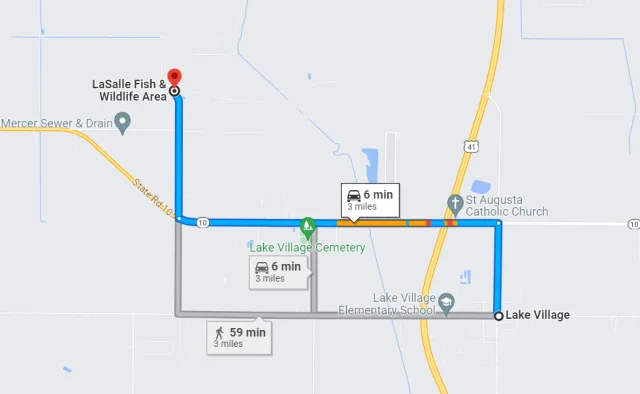
The LaSalle Fish and Wildlife Area (FWA) is a vital conservation property spanning over 4,500 acres in Lake and Newton counties, Indiana, near the town of Lake Village. Geographically, its identity is inseparable from the historic Grand Kankakee Marsh, once one of the largest freshwater wetlands in North America. LaSalle FWA represents a precious remnant of this ecosystem, dominated by wetlands, hardwood forests, brush, fallow fields, and open water, all bisected by the Kankakee River.
The property's landscape is heavily managed with levees and ditches, a consequence of past efforts to drain the marsh, but the current management focuses on manipulating water levels to mimic natural seasonal flooding. This diverse and strategically located geography, positioned along a major river corridor, makes LaSalle FWA an ideal stopover point for migratory species traveling the Mississippi Flyway.
LaSalle FWA's diverse mix of habitats creates exceptional opportunities for birdwatching, particularly for waterfowl and marsh birds. Birders can expect excellent viewing during the spring and fall migrations, when the managed wetlands and open water attract thousands of ducks, geese, and various shorebirds. Species commonly seen include numerous types of ducks, geese, Sora, and Woodcock. Raptors like the Bald Eagle are also regularly sighted along the Kankakee River corridor.
Visitors can utilize the roadside viewing areas along State Line Road or walk the footpaths along the levees (such as the one along the south side of the Kankakee River), which provide elevated views over the marsh and wetland units. However, birders should be aware that the property is primarily a hunting ground, and certain wetland areas and fishing access points are seasonally closed during waterfowl hunting season (typically Sept 1 through the end of the season).
Target Birds
Red-shouldered Hawk
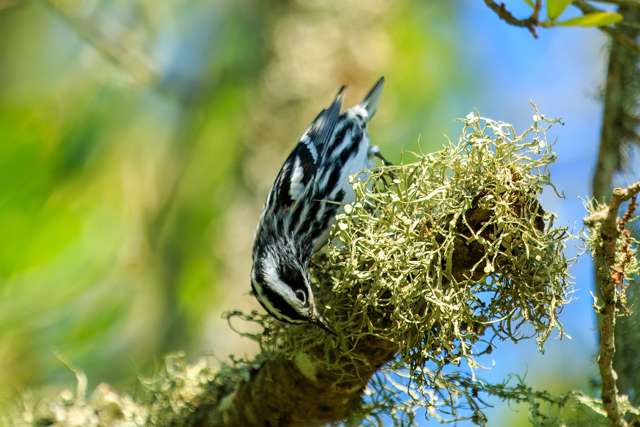
Black and White Warbler
Chimney Swift
Rusty Blackbird
- Veery
- Ovenbird
The Indiana DNR has a good description of the area and the amenities available on site.
Lakefront Park and Sanctuary, Hammond
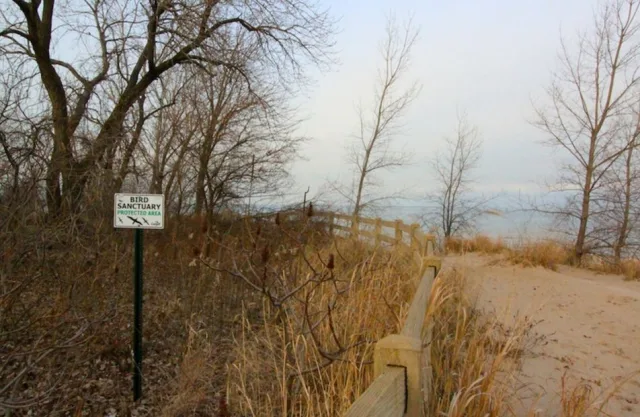
The Hammond Lakefront Park & Bird Sanctuary, sometimes known simply as "The Migrant Trap," is a small but ecologically critical site located on the southern shore of Lake Michigan in the city of Hammond, Northwest Indiana. Geographically, this 600-meter wooded strip is a rare oasis of vegetation sandwiched between heavy industrial and urban sprawl, specifically lying just west of the Hammond Marina and Horseshoe Casino, and near a Commonwealth Edison power plant.
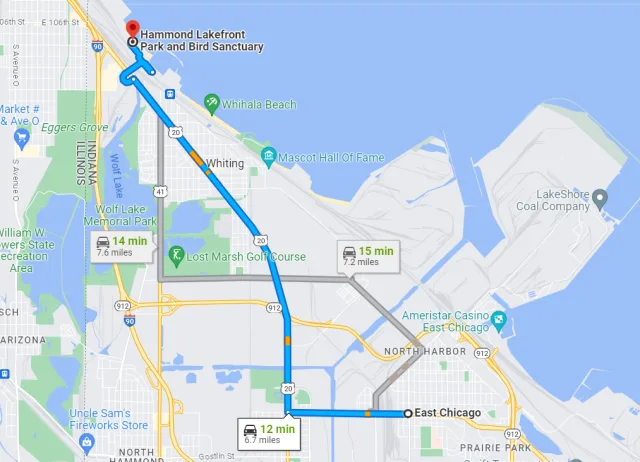
Its northern boundary is the lakefront itself, while the rest is surrounded by a dense urban footprint, including nearby rail lines. This placement creates a potent funnel effect at the lake's edge, making the sanctuary an essential, last-chance refuge for birds preparing to cross the expanse of Lake Michigan or resting immediately after the flight.
The sanctuary's unique geography makes it arguably the best location in the Calumet region for observing migrating passerines. During the peak migration periods of May (spring) and September (fall), great numbers of songbirds like warblers (including Connecticut and Mourning Warblers), thrushes, vireos, and sparrows are concentrated into this small wooded area as they search for food and cover.

Birding opportunities are excellent year-round, however, as the lakefront position also draws migrating and overwintering waterfowl (ducks, geese, and divers) that utilize the Hammond Marina and Lake Michigan for rest and feeding. Visitors typically walk the interior mulched trail or the adjacent paved bike path to search the shrubbery for skulking songbirds and scan the open water for waterfowl and gulls, ensuring a high diversity of sightings in a small, easily accessible area.
Target Birds
Double-crested Cormorant
American Redstart
Northern Parula
Chestnut-sided and Wilson's Warbler
Spotted Sandpiper
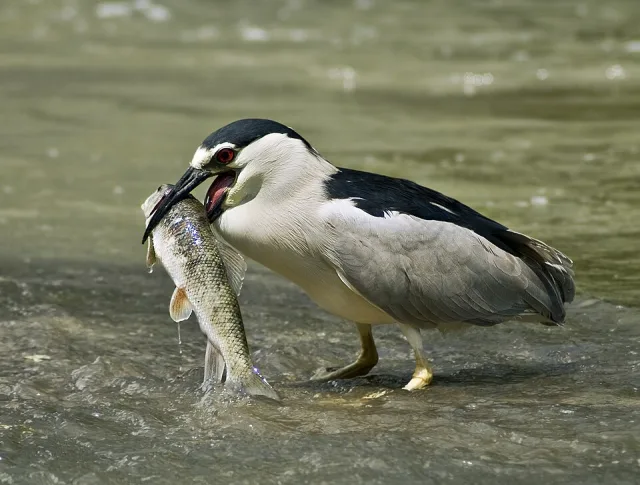
Black-crowned Night Heron
The Indiana Birding Trail has advice on when and where to go bird watching.
Oxbow Nature Conservancy
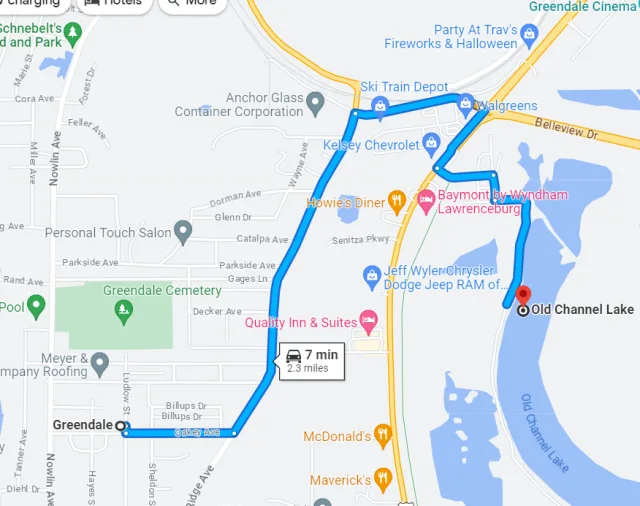
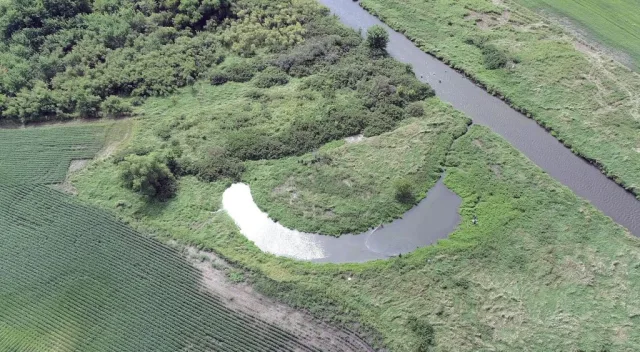
The site in question is officially known as Carlson Oxbow Park, an 89-acre nature park located in the Hessville neighborhood of Hammond, Indiana, just south of the Borman Expressway. Its key geographic feature is the oxbow lake, a U-shaped body of standing water created when the Little Calumet River was straightened for flood control in the 1970s, leaving the original sharp river bend isolated.
This unique hydrology has created a crucial patchwork of habitats, including wetlands, riparian forest, and scrub, all surrounded by an otherwise dense urban and industrial landscape in Northwest Indiana. This positioning—an oasis of protected nature amidst metropolitan sprawl—makes its birding opportunities exceptionally rich, serving as a vital green space and food source for migratory species.
The diverse geography of the Oxbow Nature Conservancy makes it an important destination for birdwatching, as over 50 species of birds have been recorded here. The combination of open water in the oxbow lake and the surrounding wetland vegetation attracts a variety of avian life, particularly waterfowl and wading birds (such as the Blue-winged Teal and various frogs and herons).

Wetland habitats are particularly important in this industrialized region, offering shelter and foraging ground for resident species like the Cardinal and House Wren, as well as providing stopover points for migrants moving through the Calumet region. Visitors may also spot raptors like the Peregrine Falcon utilizing the nearby urban structures, demonstrating the ecological connectivity of this preserved urban wetland.

Target Birds
Hooded Merganser
Belted Kingfisher
Hermit Thrush
Fox Sparrow
Red-breasted Nuthatch
Tennessee Warbler
Oxbow Inc. is an organization dedicated to protecting and preserving wetlands. Their website gives more detail about their purpose and activities.
Wrapping Up
Indiana offers a compelling tapestry of habitats that transform the state from an agricultural heartland into an indispensable stop on the North American flyway. The enduring story of birding here is one of successful conservation, where remnants of the vast Grand Kankakee Marsh and managed wetlands persist as essential sanctuaries. This success is perhaps nowhere more evident than at the two major Fish and Wildlife Areas in the state's northwest.
LaSalle Fish and Wildlife Area, once part of the massive marsh, provides over 4,500 acres of hardwood forests, marshes, and open water along the Kankakee River. This rich riverine environment is an ideal stopover for thousands of migratory birds, particularly waterfowl, making it a critical location for tracking transient species. Equally important is the immense Willow Slough Fish and Wildlife Area to the southwest, recognized for having one of the highest diversity of birds among state properties, with over 250 species recorded. Its mosaic of wetlands and oak savanna surrounding the 1,200-acre J.C. Murphey Lake attracts huge numbers of migrating waterfowl, along with less common species like the Least Bittern and various grassland birds. Ultimately, birdwatching in Indiana is a journey through dedicated conservation—a chance to witness not just a vast array of species, but the powerful, successful restoration of a vital ecological crossroads.
