

The heartland of America, Illinois, is often recognized for its vast prairies and bustling urban centers. But is also holds a surprising wealth of diverse habitats that make it a premier destination for birdwatchers across the United States.
From the expansive wetlands along the Mississippi River to the ancient forests of the Shawnee National Forest and the tranquil shores of Lake Michigan, the Prairie State offers a captivating array of birdlife year-round.
Whether you're a seasoned birder seeking elusive migrants or a novice eager to identify your first sparrow, Illinois boasts numerous locations where the skies and woodlands come alive with feathers and song.
This article will explore some of the most celebrated and productive birding hotspots in Illinois, providing insights into what makes each location unique and the avian treasures that await discovery.
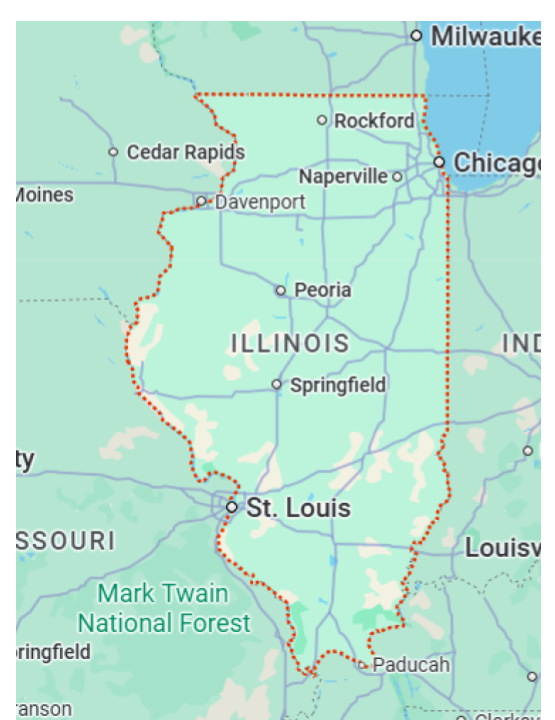
Let's get into our pick of bird watching locations in the Prairie State!
Crab Orchard NWR
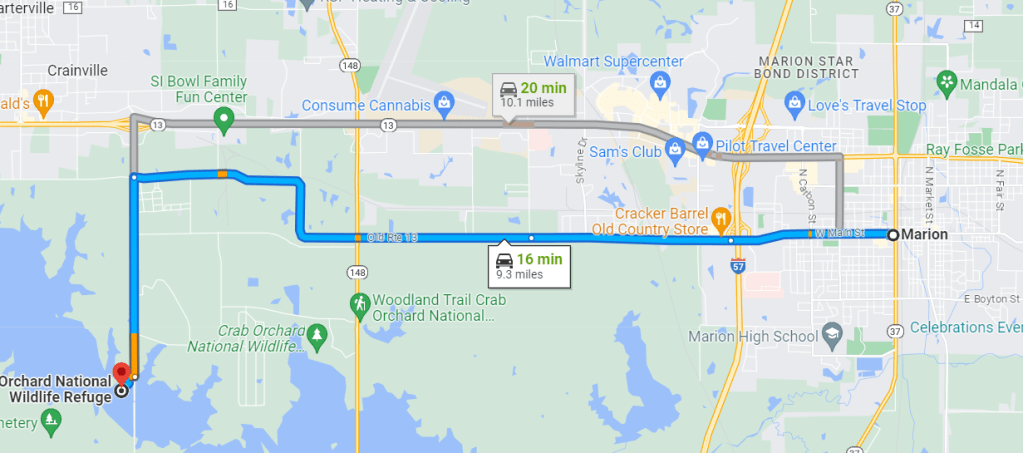
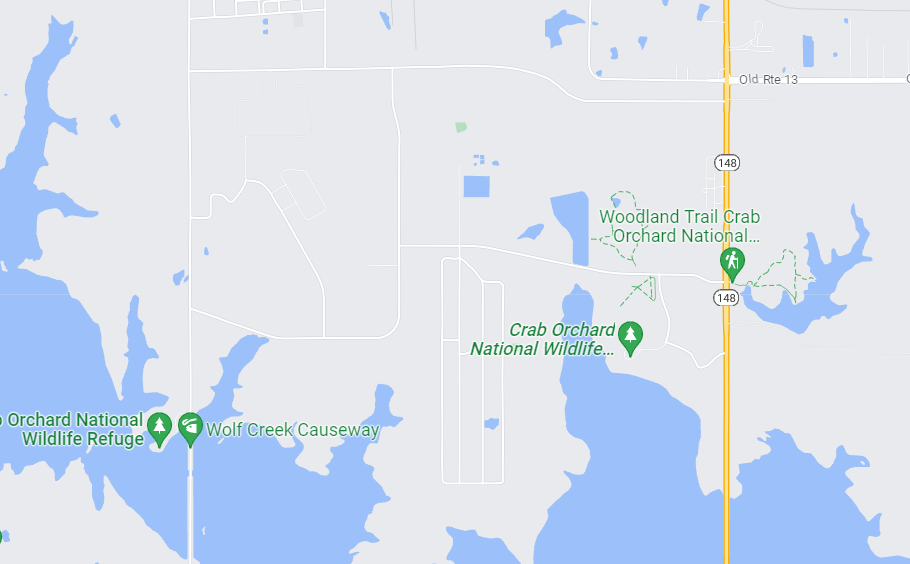
Crab Orchard National Wildlife Refuge is a vast, 44,000-acre protected area in southern Illinois, near the city of Marion. Its geography is a mosaic of different habitats, which is a key reason for its rich birdlife. The refuge is centered around three large lakes—Crab Orchard, Little Grassy, and Devil's Kitchen—which make up a significant portion of the refuge's total area.
Beyond the water, the landscape features rolling hills, oak-hickory upland forests, bottomland hardwood forests, wetlands, and prairies. This diverse mix of environments creates a unique ecosystem within the region, providing a variety of ecological niches for different species.
These varied habitats make Crab Orchard National Wildlife Refuge a premier birding destination, especially for those interested in the Mississippi Flyway. The refuge is a critical stopover for a wide variety of migratory birds. During the winter, it's a major haven for waterfowl, with wintering populations of Canada geese sometimes peaking at 200,000.
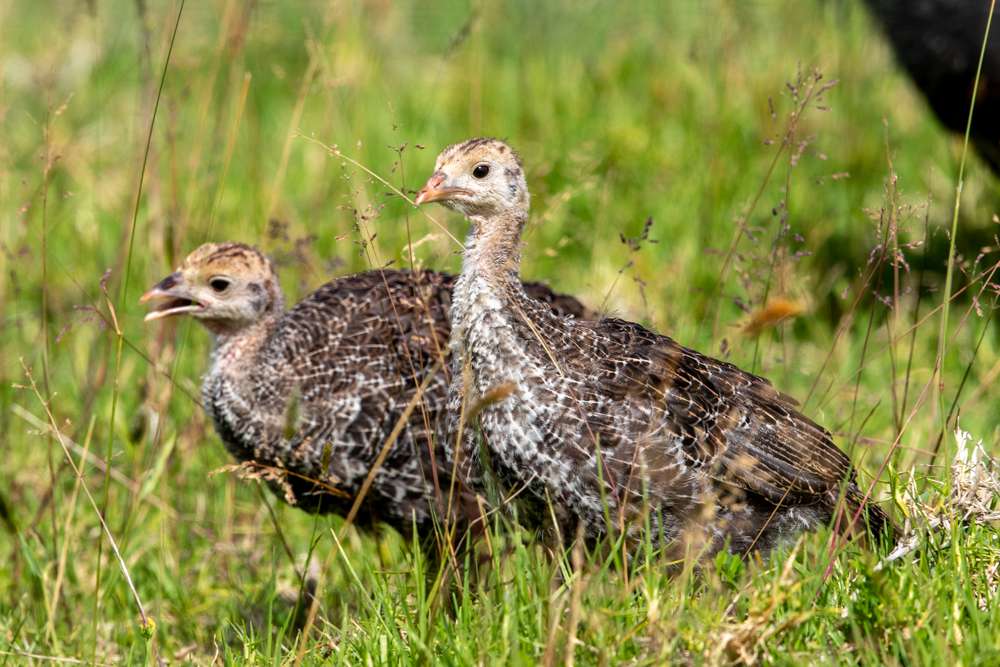
It's also an excellent place to see Bald Eagles, which have several active nests within the refuge and are a common sight, particularly during the colder months. Birders can spot other species such as Wild Turkeys, various songbirds like the Eastern Bluebird and Indigo Bunting, and a number of waterfowl, shorebirds, and raptors throughout the year. The refuge offers several trails and public roads, including a wildlife drive, which provide excellent opportunities for viewing and photography.
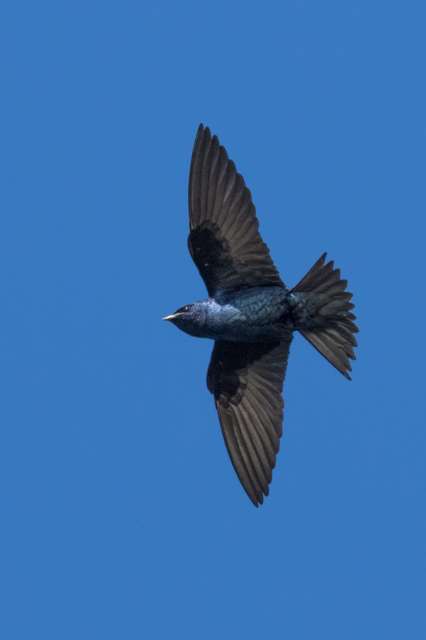
Target Birds
Northern Bobwhite
Common Nighthawk
Chimney Swift
Black and Forster's Tern
Barred Owl
Purple and Sand Martin
The U.S. Fish and Wildlife Service website has visitor information.
Hennepin & Hopper Lakes
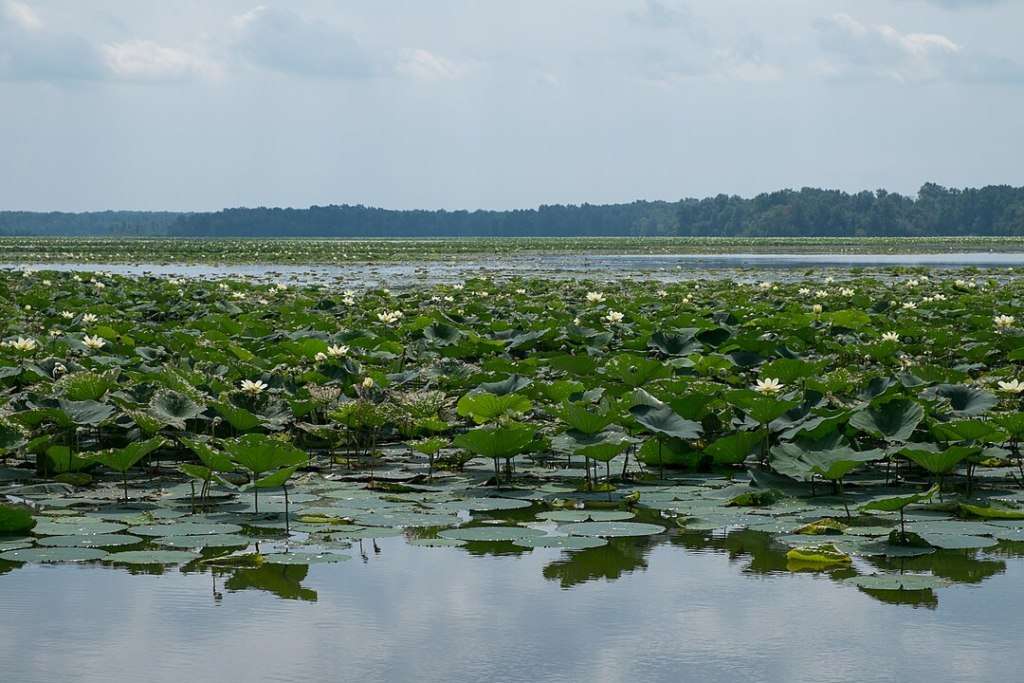
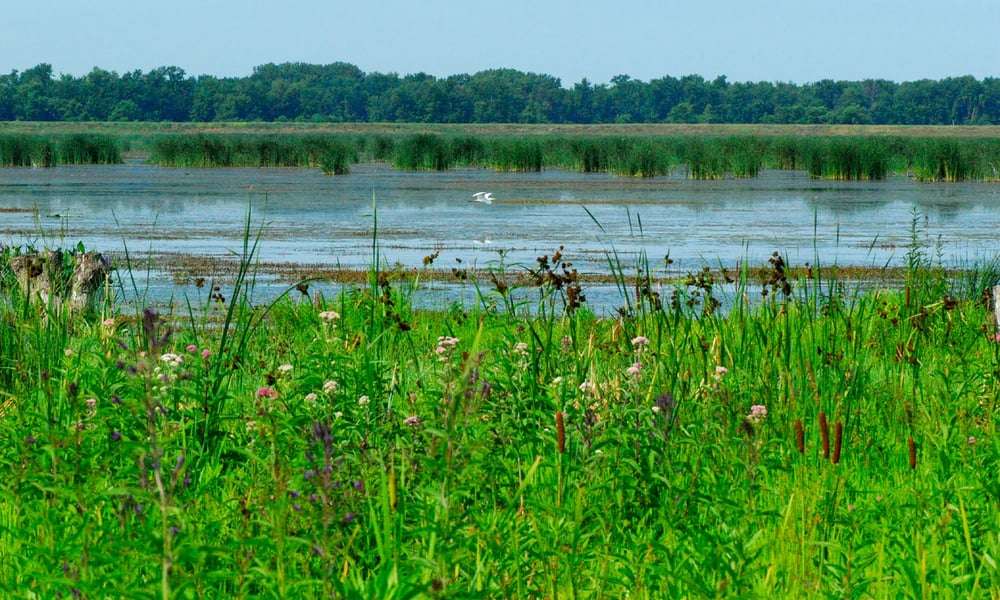
Hennepin & Hopper Lakes, also known as the Sue and Wes Dixon Waterfowl Refuge, are located in Putnam County, Illinois, about 40 miles north of Peoria. This area is a prime example of a successful large-scale ecological restoration project. For nearly a century, the historic backwater lakes were drained and used for row crops. However, since 2001, a massive effort has been underway to restore the 3,000-acre floodplain to a mosaic of lakes, marshes, seeps, savannas, and prairies.
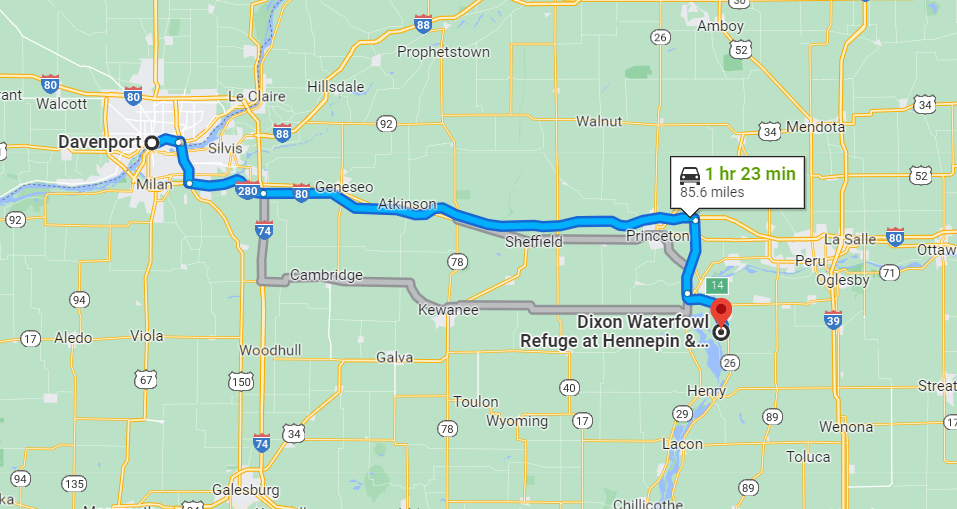
This geographical location within the Illinois River floodplain is a critical component of the Mississippi Flyway, making it a vital stopover for migrating birds. The unique combination of diverse habitats, from open water to dense marshland, creates an ideal environment for a wide array of species.
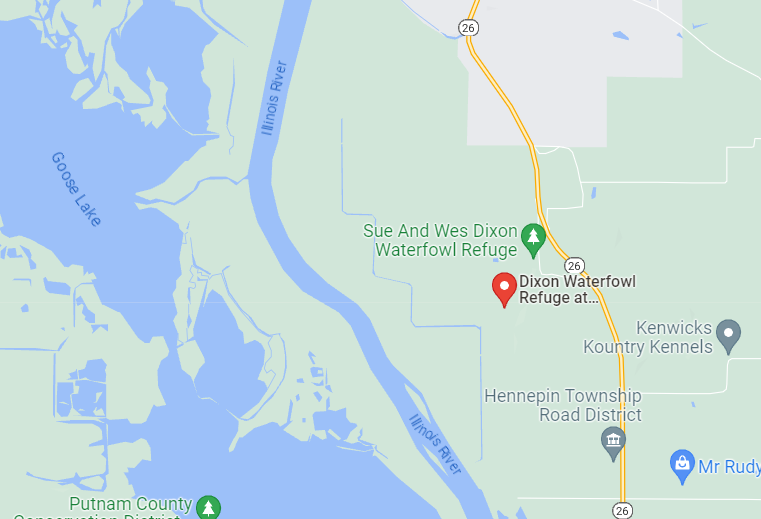
The restored refuge is an exceptional destination for bird watching, with over 270 species of birds documented. The prime opportunities for birders occur during the spring and fall migrations, when tens of thousands of waterfowl, including ducks, geese, and American White Pelicans, use the lakes as a feeding and resting ground.
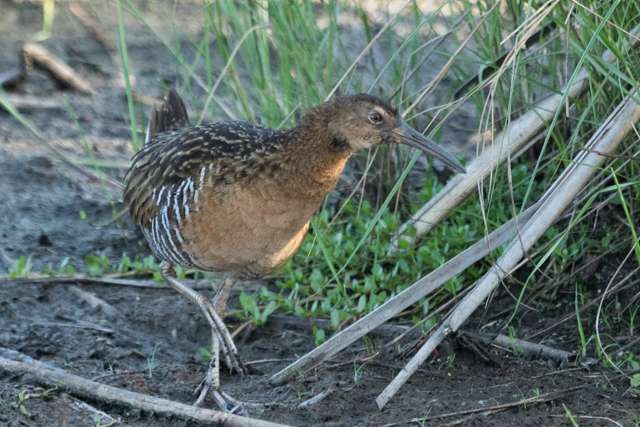
The site is a designated Audubon Important Bird Area and a Ramsar Wetland of International Importance, highlighting its global significance. Birders can take advantage of seven miles of hiking trails and a 30-foot observation tower to view the expansive wetlands. The refuge also provides habitat for several state-listed threatened and endangered species, such as the King Rail, American Bittern, and Yellow-headed Blackbird, making it a must-visit for serious birders.
Target Birds
Bufflehead
Sora
Red-headed and Red-bellied Woodpecker
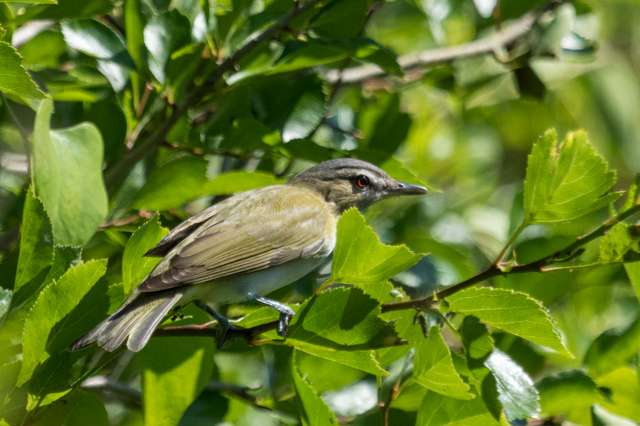
Yellow-throated, Warbling and Red-eyed Vireo
Veery
Yellow-headed Blackbird
The Dixon Waterfowl Refuge website has visitor information.
Eldon Hazlet State Park
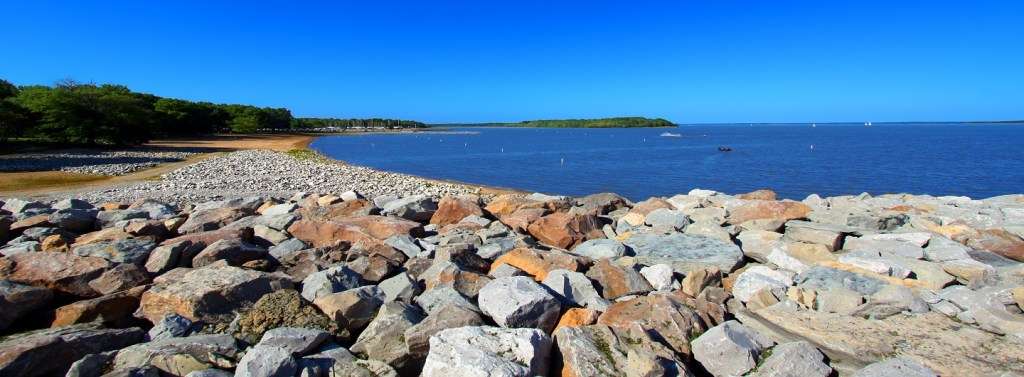
Eldon Hazlet State Park, located in Clinton County on the western shore of Carlyle Lake, is a 3,000-acre haven for both wildlife and recreation enthusiasts. Its geography is defined by its relationship with Carlyle Lake, the largest man-made lake in Illinois.
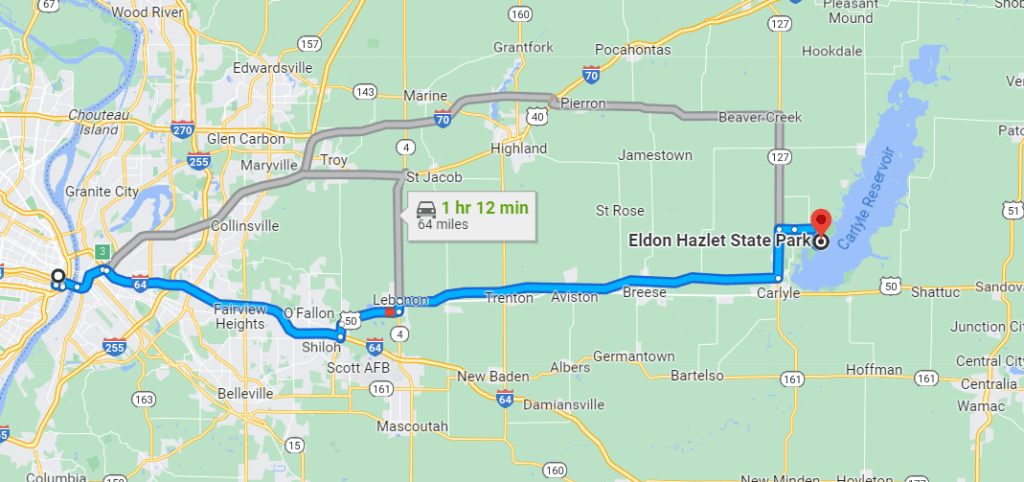
The park's landscape features a mix of habitats, including mature oak-hickory forests, restored prairies, and managed wetlands, all of which contribute to its rich biodiversity. This mix of woodlands, grasslands, and extensive shoreline makes it a prime location for observing a wide variety of species throughout the year.
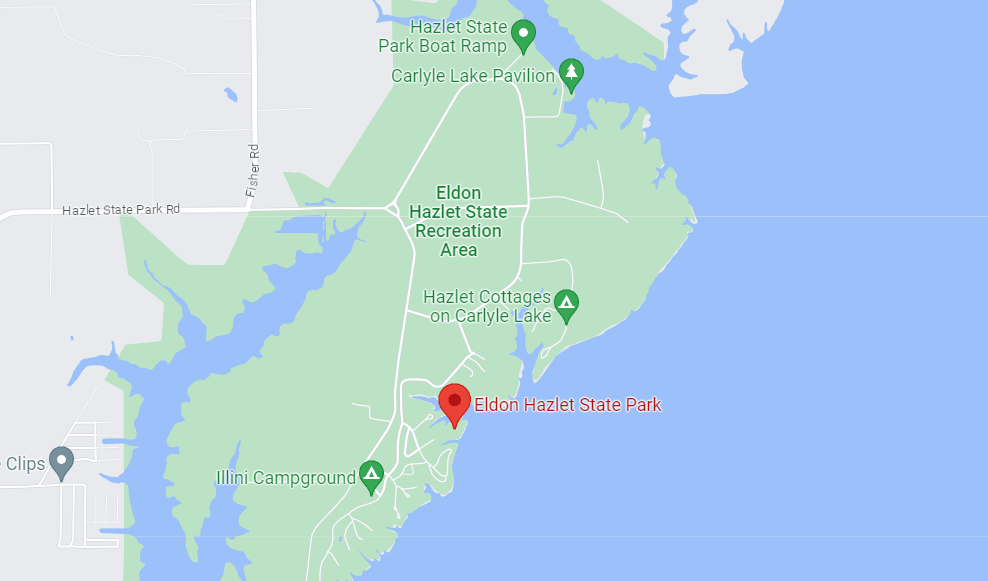
For birdwatchers, Eldon Hazlet State Park and the larger Carlyle Lake area are a top-tier destination, especially during migration seasons. The park is a critical stopover point on the Mississippi Flyway, with over 200,000 waterfowl stopping at the lake on their journey north and south each year.
This makes for spectacular birding opportunities, with a chance to see a massive concentration of ducks, geese, and other water birds. In addition to waterfowl, birders can find wading birds like herons and egrets, a variety of shorebirds along the lake's edge, and numerous songbirds and raptors in the park's diverse habitats. The park's dedicated Wetland Educational Trail and other hiking paths provide excellent access to these different ecosystems, making it easy to search for everything from Bald Eagles to Bluebirds.
Target Birds
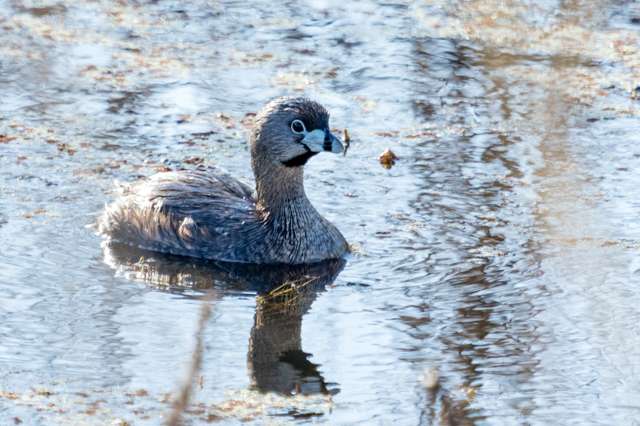
Pied-billed Grebe
Acadian and Great Crested Flycatcher
Swainson's and Wood Thrush
Summer and Scarlet Tanager
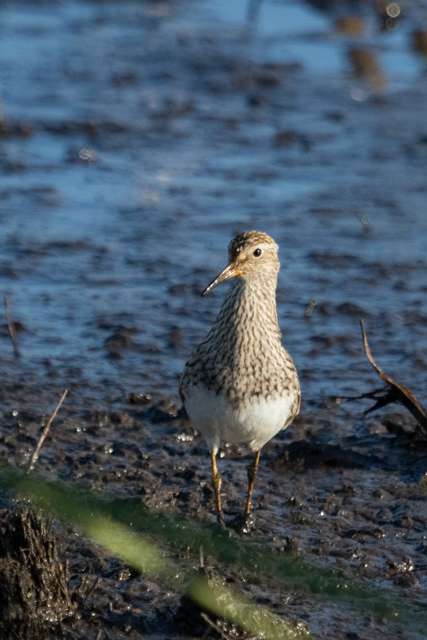
Least and Pectoral Sandpiper
Palm, Chestnut-sided and Yellow-throated Warblers
The Illinois Department of Natural Resources manages the area.
Fort Sheridan Forest Preserve
Located along the shores of Lake Michigan in Lake County, Illinois, Fort Sheridan Forest Preserve is a remarkable example of coastal and inland geography. The preserve is a mosaic of habitats, featuring steep bluffs towering 70 feet above the lake, a series of deeply carved ravines, and a vast expanse of restored oak savanna and grassland prairie.
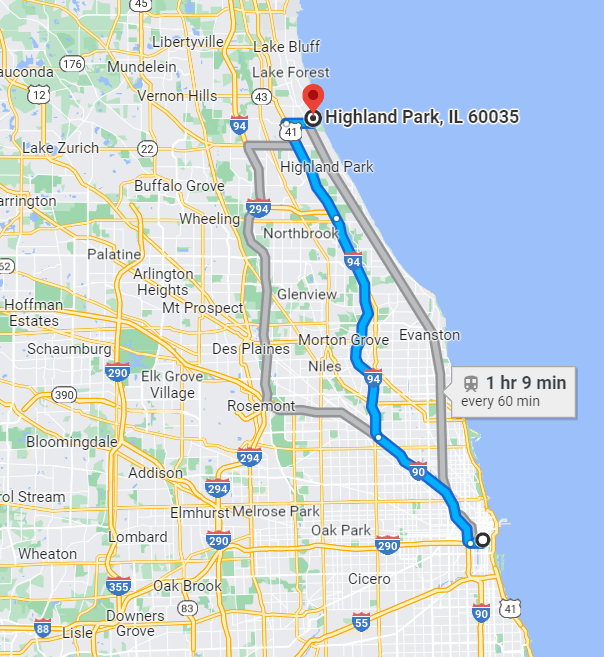
This unique combination of lakefront and inland ecosystems creates a diverse landscape. A 0.75-mile stretch of public shoreline offers sandy beaches and scenic views, while an extensive trail system winds through the preserve's different ecological zones. This distinct geography, shaped by ancient glaciers, makes Fort Sheridan a captivating destination for hiking and nature observation.
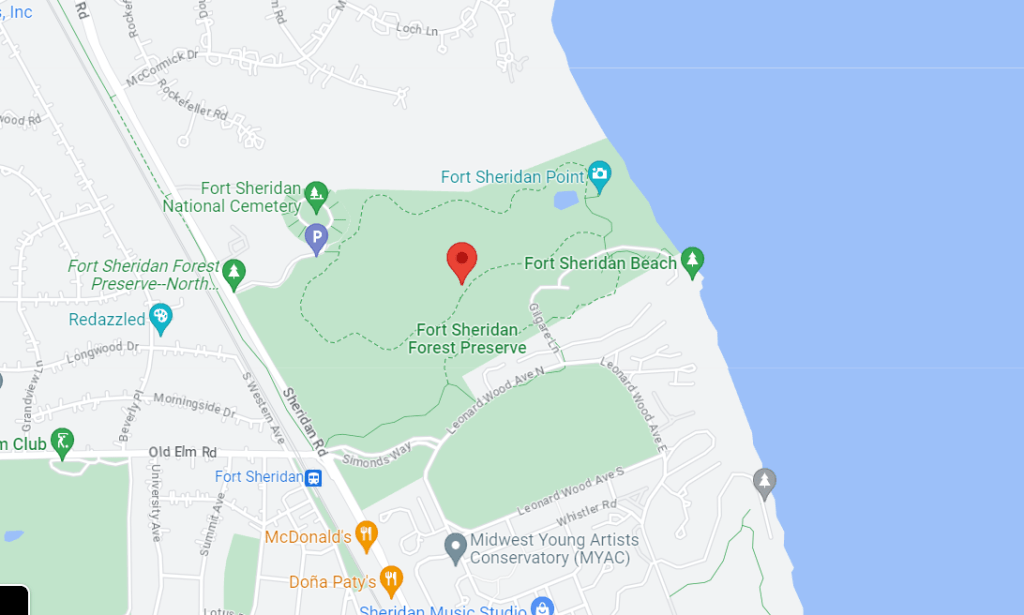
Fort Sheridan's geography makes it one of the premier birdwatching locations in northeastern Illinois. Its location on the Lake Michigan shoreline places it directly in the path of one of North America's busiest migratory flyways, making it a critical stopover for a wide variety of birds during migration. Birders can spot a spectacular array of species, from migratory waterfowl on the lake to raptors soaring overhead during the fall hawk watch.
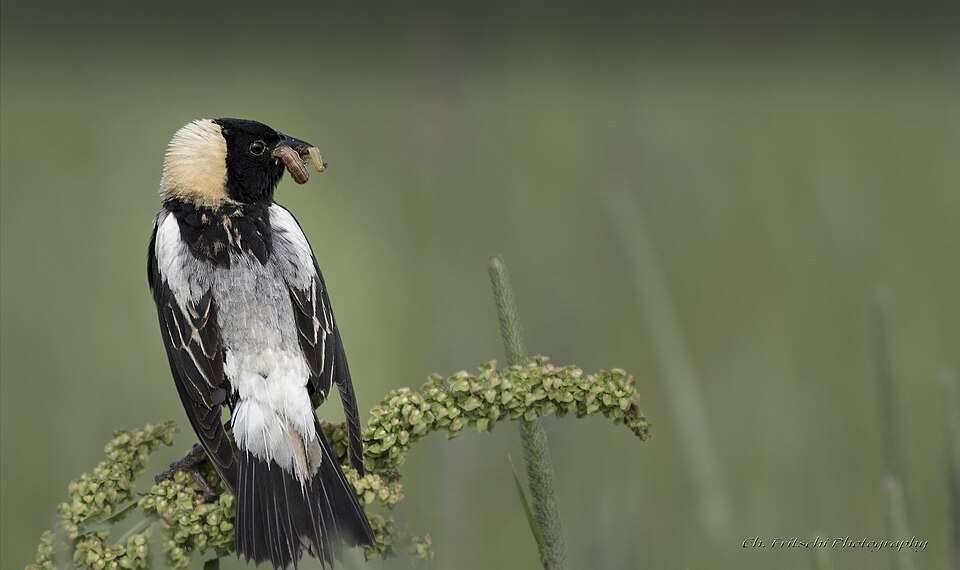
The preserve's diverse habitats also support many year-round residents and breeding birds. The grasslands attract sparrows and Bobolinks, while the woodlands and ravines are home to woodpeckers like the endangered Red-headed Woodpecker, and various warblers and vireos during the spring migration. The preserve even features a dedicated 1.7-mile "Birding Trail Loop" that guides visitors through the best habitats for spotting these feathered residents and visitors.
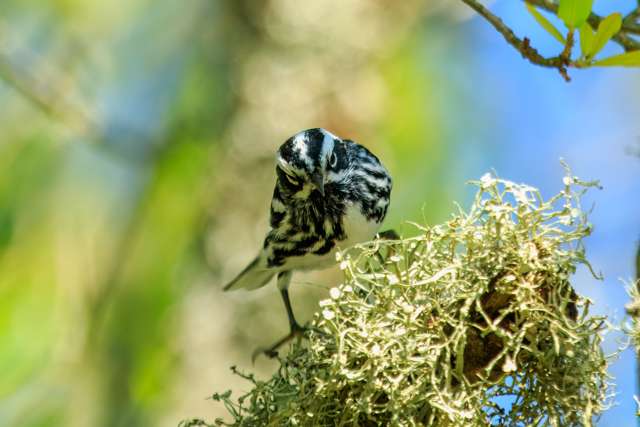
Target Birds
Belted Kingfisher
Eastern Meadowlark
Nashville, Prothonotary and the Black and White Warbler
Least Flycatcher
Buff-bellied Pipit
Slavonian Grebe
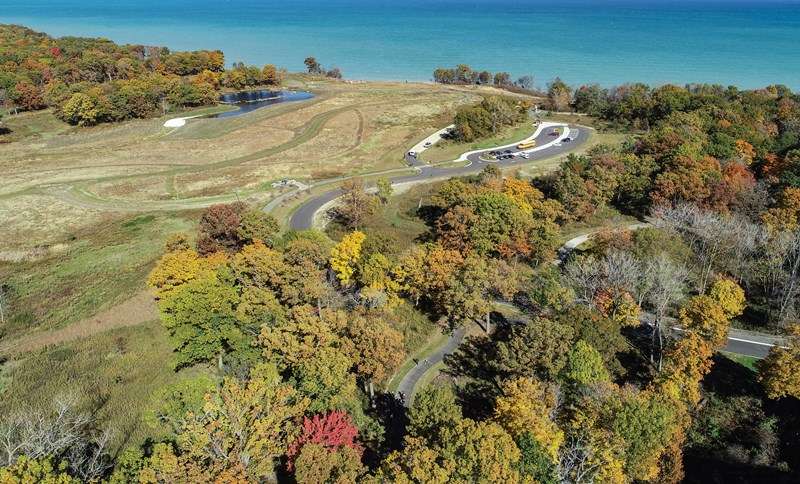
Fort Sheridan offers a wide range of activities and opportunities. Find out more here Lake County Forest Preserves.
Emiquon Preserve
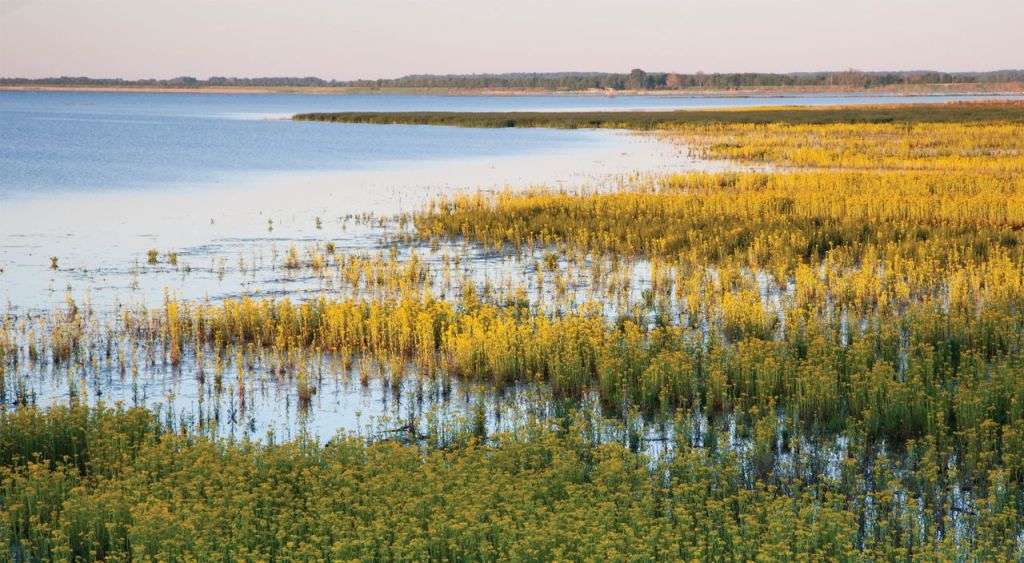
miquon Preserve, located in west-central Illinois along the Illinois River, is a prime example of a successful large-scale wetland restoration project. Managed in partnership by the U.S. Fish & Wildlife Service and The Nature Conservancy, the preserve's geography is defined by a massive floodplain that was historically drained for agriculture. The restoration effort involved shutting off pumps and allowing the area to refill, recreating a mosaic of shallow lakes, backwater sloughs, and bottomland forests that were once the dominant features of the region.
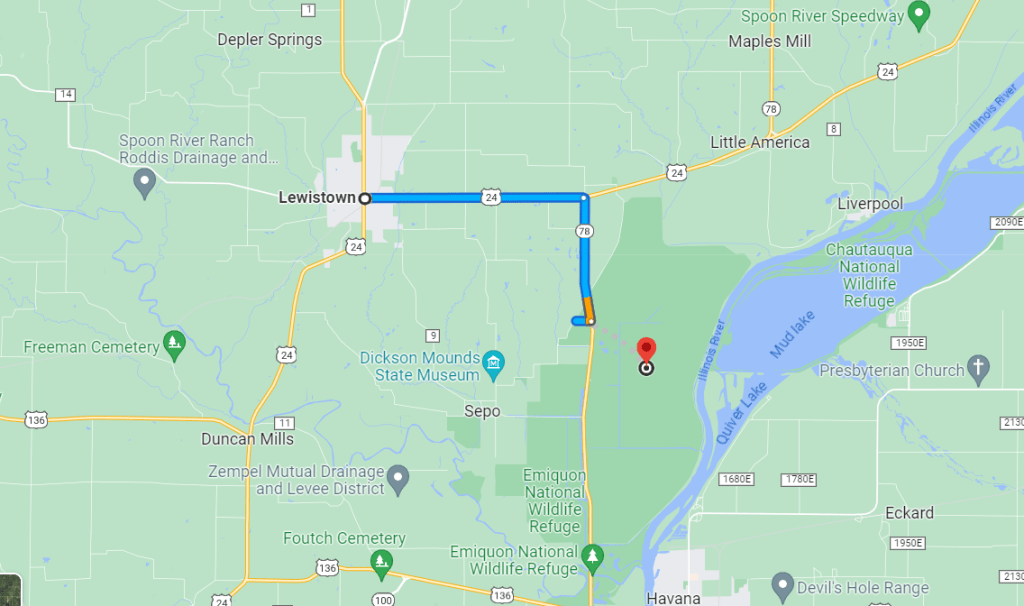
This dynamic landscape, where water levels fluctuate seasonally, is a crucial component of the Illinois River's ecosystem and a designated Ramsar Wetland of International Importance. The preserve's location within the Mississippi Flyway, a major North American migratory bird route, makes its restored wetlands a vital stopover for countless species.
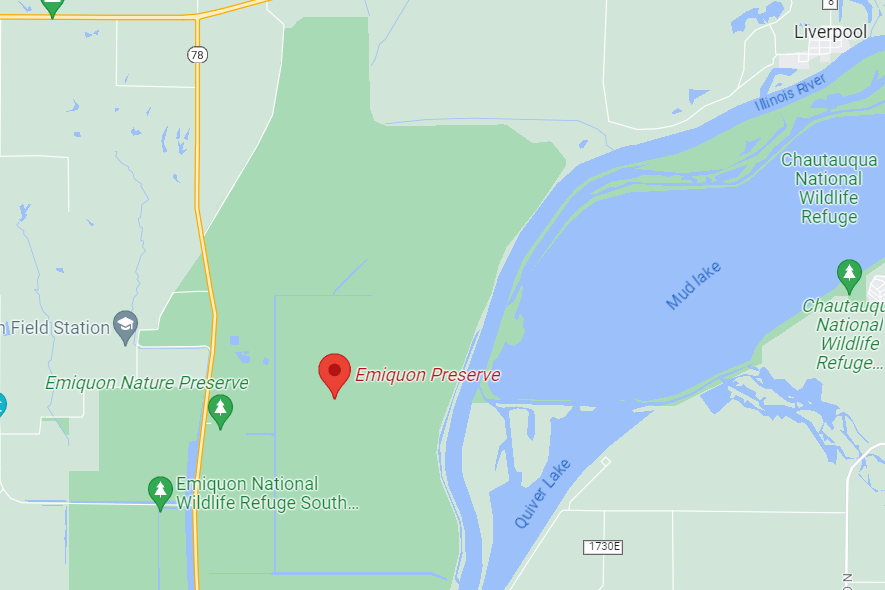
The diverse habitats of Emiquon—from open water and emergent vegetation to mudflats and restored prairie uplands—create exceptional birdwatching opportunities year-round. The spring and fall migrations are particularly spectacular, with hundreds of thousands of waterfowl, including Snow Geese, Tundra Swans, and a wide variety of ducks, descending upon the preserve to rest and refuel.
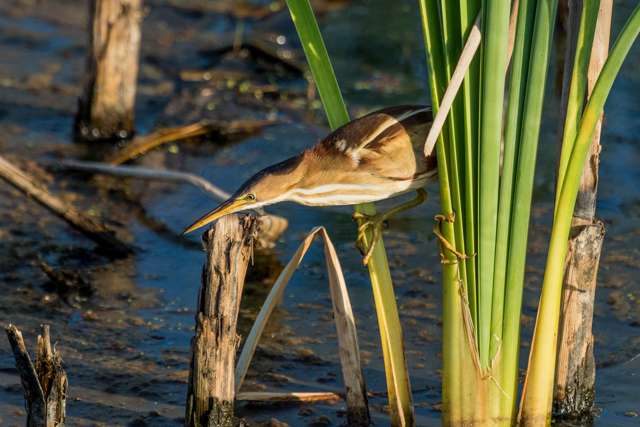
Summer brings nesting marsh birds like the Least Bittern and Black-crowned Night-Heron, while the adjacent grasslands host species such as Henslow's and Grasshopper Sparrows. Winter is a prime time for raptor viewing, with Bald Eagles being a common sight. Visitors can explore the preserve from hiking trails, observation decks, and by non-motorized boat, offering an immersive experience into a truly remarkable landscape that was once lost to agriculture but is now a thriving sanctuary for birds.
Target Birds
Snow Goose
Cliff Swallow
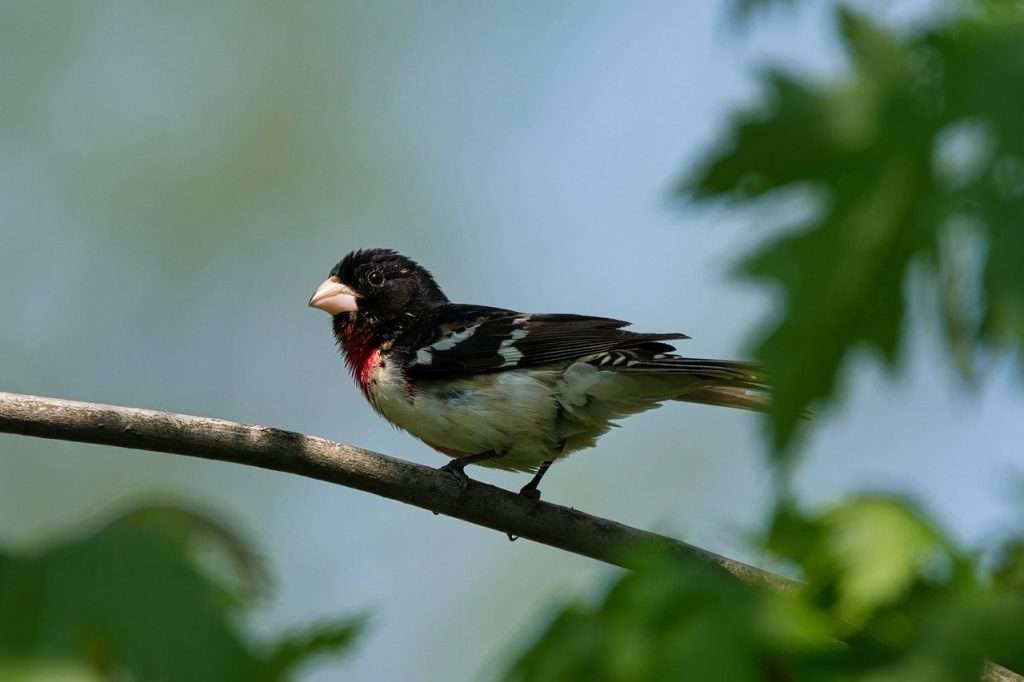
Rose-breasted Grosbeak
Indigo Bunting
Virginial Rail
Bell's Vireo
The Nature Conservancy has more information.
Chautauqua National Wildlife Refuge
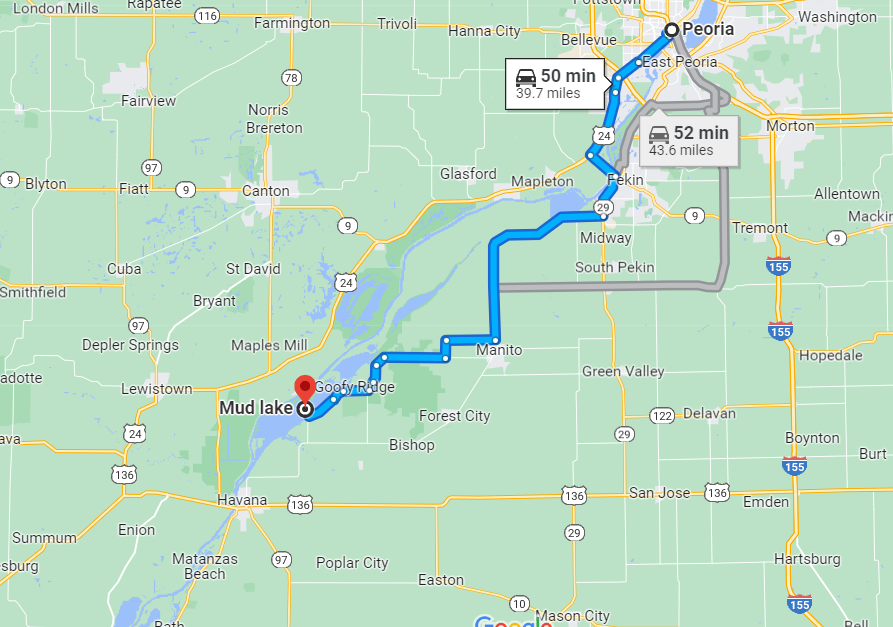
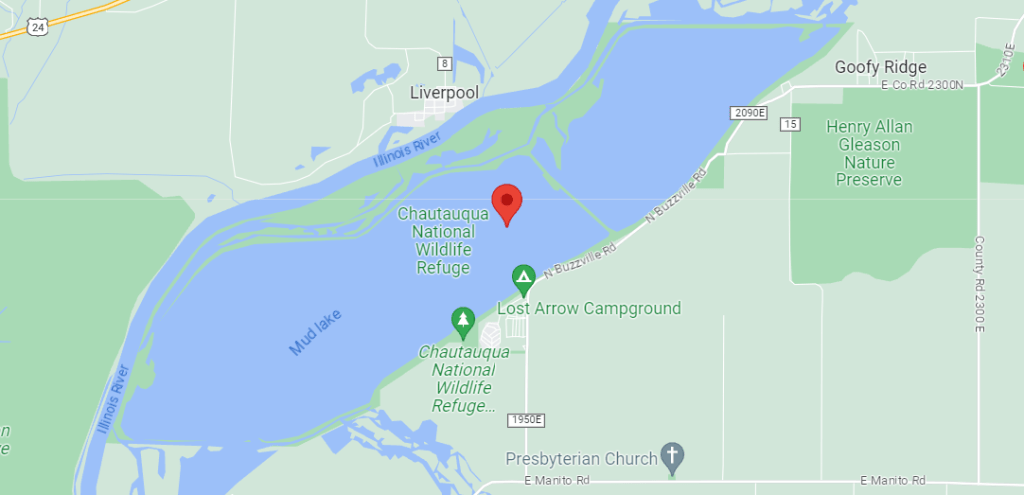
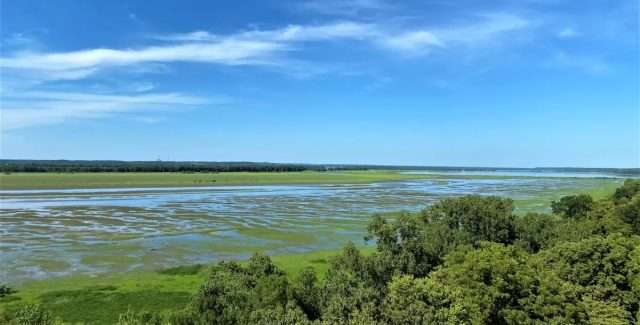
Chautauqua National Wildlife Refuge is a significant birding destination located on the Illinois River in Mason County, Illinois, near the town of Havana. The refuge's geography is defined by its Illinois River bottomland, consisting of nearly 4,400 acres of diverse habitats, including backwater lakes, wetlands, bottomland forests, and some upland areas. Originally a failed agricultural polder, the area was reclaimed by the Illinois River and established as a refuge in 1936.
The refuge is managed to mimic the river's historic flood cycle, with summer drawdowns exposing extensive mudflats that are crucial for migratory birds. This dynamic landscape of water and land creates a mosaic of habitats, making it a globally recognized Important Bird Area.
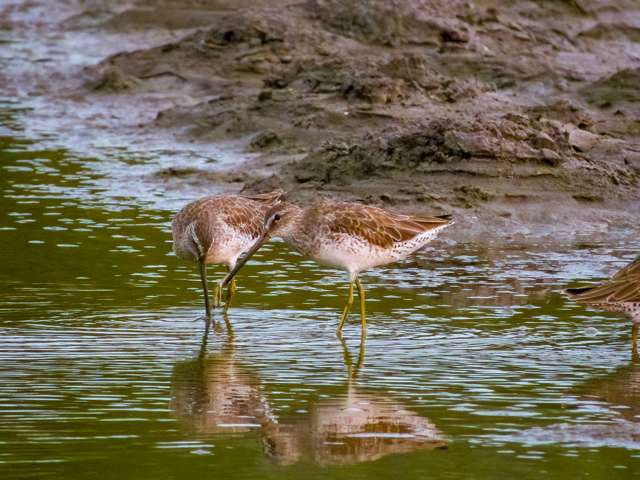
The refuge offers exceptional birdwatching opportunities year-round, but it is particularly famous for its spectacular fall migration. During this time, the mudflats teem with shorebirds and waterfowl, with as many as 250,000 waterfowl observed at one time. In the winter, the open water attracts impressive numbers of Bald Eagles, along with ducks and geese.
Spring migration brings a flush of songbirds, including a wide variety of warblers, to the refuge's forests. The refuge provides viewing platforms and accessible trails, such as the Chautauqua Nature Trail, for visitors to observe the incredible avian diversity.
Target Birds
Blue-headed, Bell's and Yellow-throated Vireo
Philadelphia, Warbling and Red-eyed Vireo
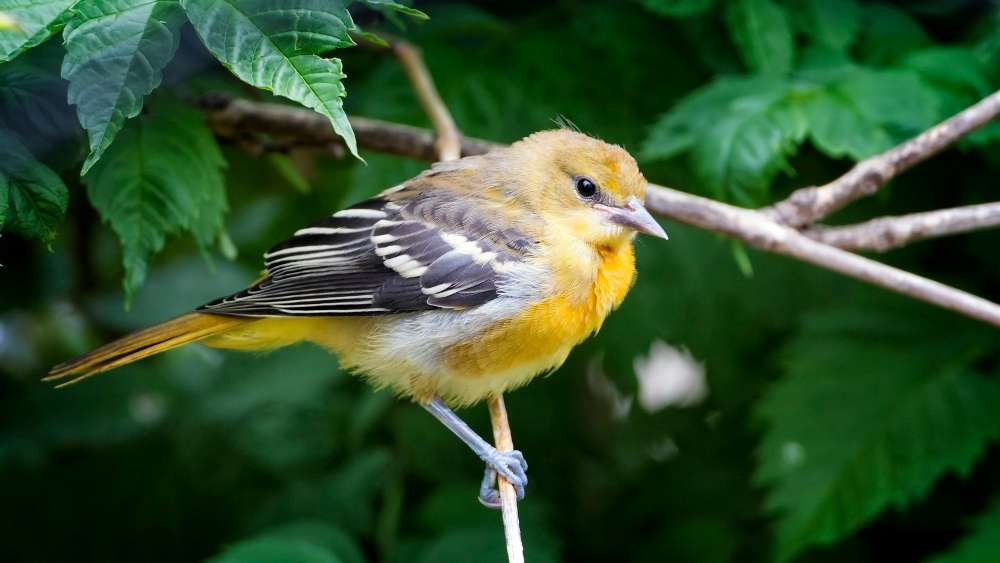
Baltimore Oriole
Bay-breasted and Chestnut-sided Warbler
Short-billed and Long-billed Dowitcher
The U.S Fish and Wildlife Service manage the refuge.
Waukegan Beach
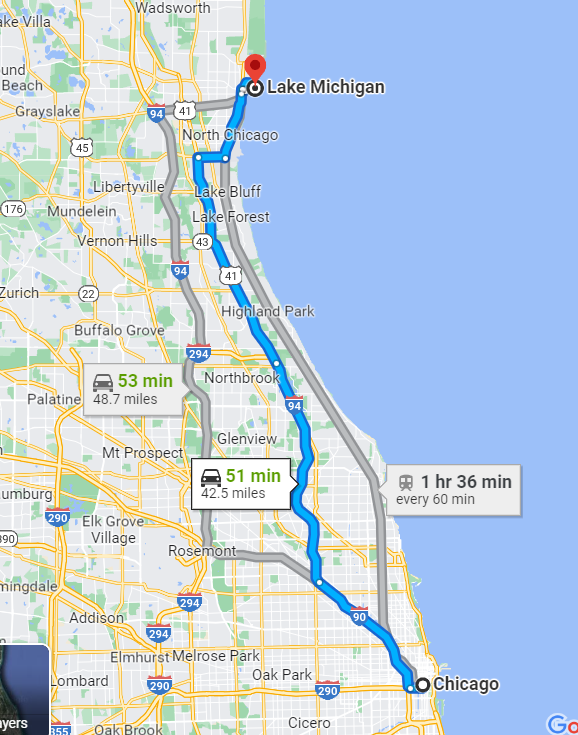
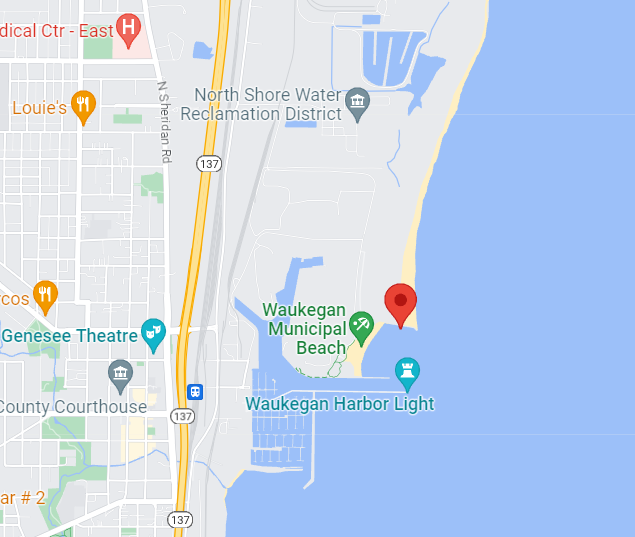
Waukegan Beach, located in northern Illinois along the shore of Lake Michigan, is a surprising gem for birdwatchers. Despite its history of industrial development, the area's geography provides a rich and varied habitat for a wide range of avian species. The site features a mile-long stretch of sandy beach, with some of the state's last remaining natural dunes and swales.
The presence of the Waukegan Harbor and the pier provides a unique vantage point, offering opportunities to observe both open-water species and birds that utilize the rocky shoreline. This juxtaposition of sandy beach, dunes, scrubby trees, and open water creates a critical stopover and refuge for migratory birds, making it a highly productive birding location throughout the year.
The birdwatching opportunities at Waukegan Beach are exceptional, particularly during the spring and fall migrations. The area is renowned as a magnet for a diverse array of shorebirds, waterfowl, and gulls. Birders can scan the open waters of Lake Michigan for migrating ducks like Long-tailed Ducks and all three species of scoters, while the rocky pier is a reliable spot to find winter rarities such as the elusive Purple Sandpiper.

The dunes and small wooded lots can act as a crucial "migrant trap" for songbirds, with over 20 species of warblers, vireos, and other passerines possible on a good day. The location has a reputation for attracting rarities and has even hosted federally endangered Piping Plovers, making it a must-visit destination for serious birders and a testament to the resilience of nature in an urbanized landscape.
Target Birds
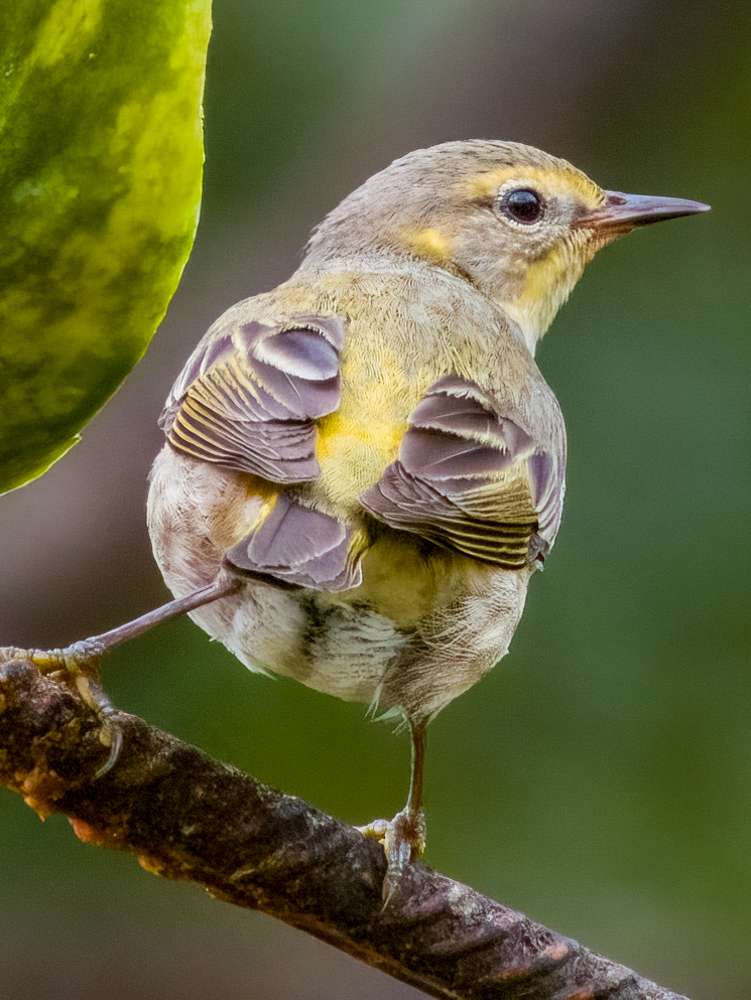
Ring-billed, Boneparte's and Herring Gull
Least and Willow Flycatcher
Marsh Wren
Sora
Cape May Warbler
Bobolink
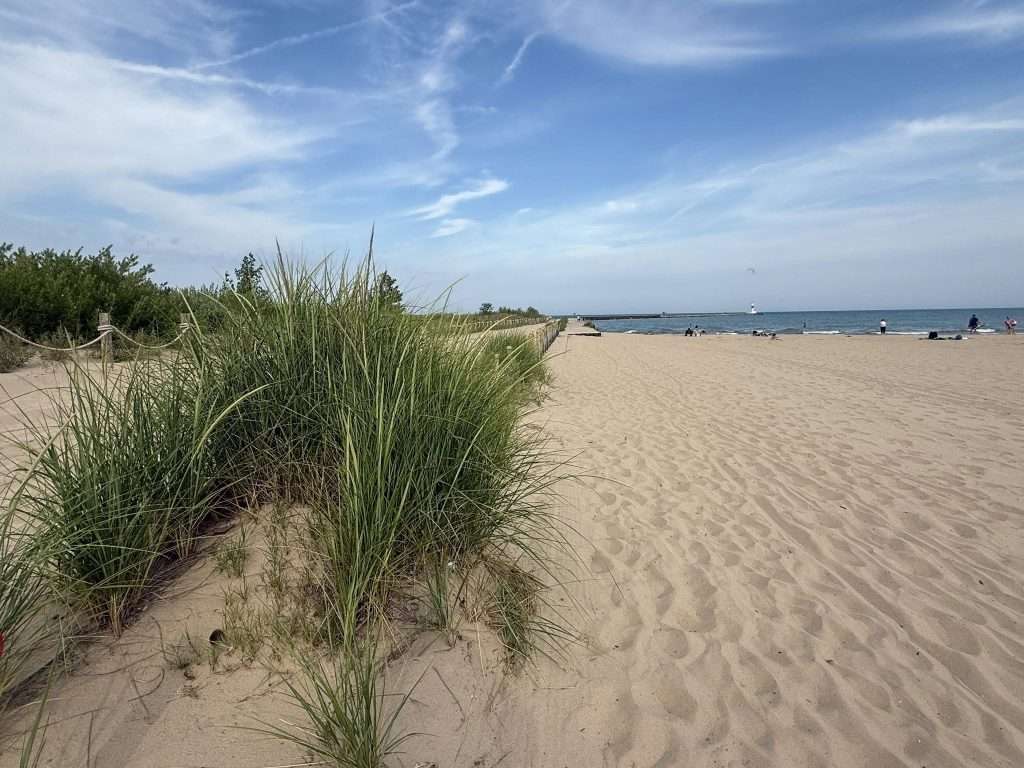
The Waukegan City Council offers a range of facilities and activities in the beach area including a self-guided walk.
Jackson Park, Chicago
Jackson Park is a massive urban park located on the South Side of Chicago, bordering the Hyde Park, Woodlawn, and South Shore neighborhoods. Situated directly on the western shore of Lake Michigan, its geography is a key reason for its birdwatching appeal. The park, designed by Frederick Law Olmsted and Calvert Vaux, features a varied landscape that includes open lawns, wooded areas, and a system of interconnected lagoons and harbors.
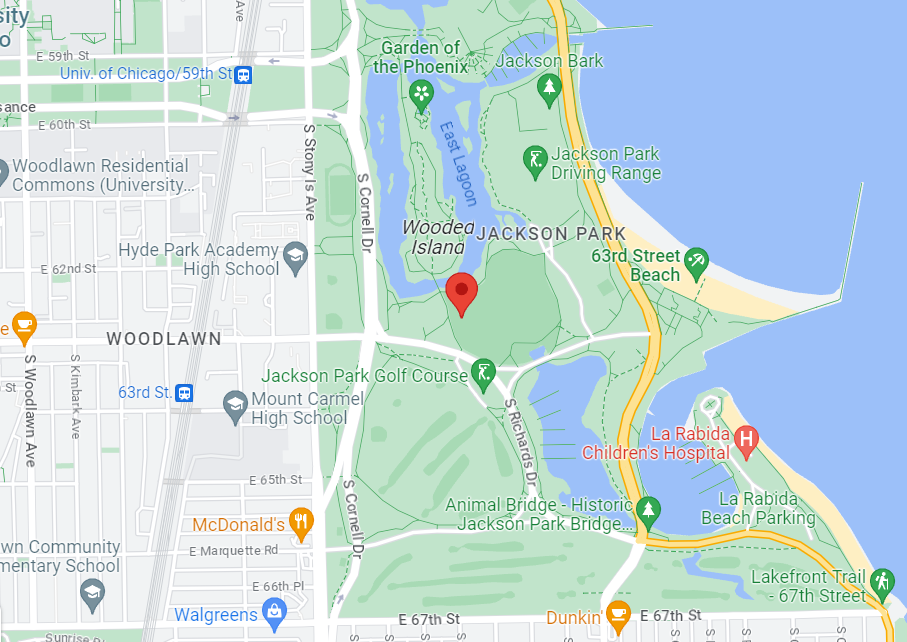
A central feature is the Wooded Island, a haven of trees and shrubbery surrounded by water, which serves as a vital stopover for migrating birds. The park also encompasses the 63rd Street Beach, providing shoreline habitat that attracts a different suite of species.
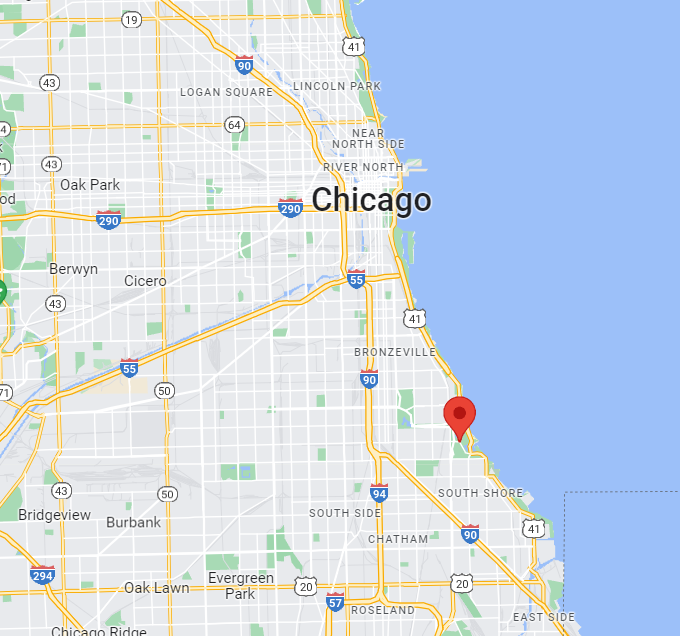
The diverse geography of Jackson Park creates an exceptional birding opportunity, especially during the spring and fall migration seasons. Its location along the Lake Michigan flyway means it acts as a critical stopover point for neotropical migrants, with birders regularly spotting a wide variety of warblers, vireos, and other songbirds on the Wooded Island.
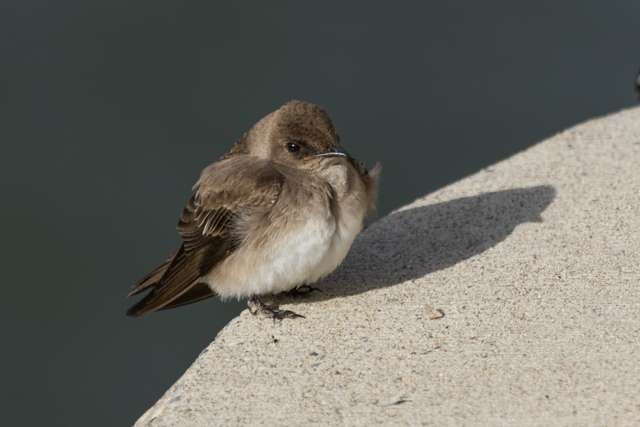
The lagoons and harbors are excellent for viewing waterfowl, gulls, and terns, while the open fields and shorelines attract shorebirds and raptors. The park is a top eBird hotspot for the Chicago area, with over 250 species recorded. For over 50 years, the Chicago Bird Alliance has hosted free, year-round bird walks at Jackson Park, making it an accessible and well-supported location for birders of all experience levels.
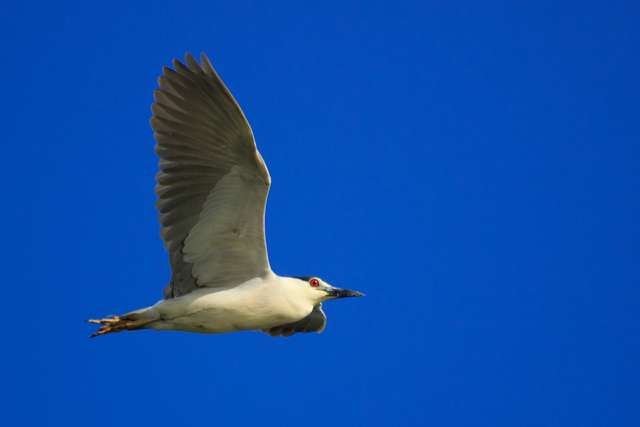
Target Birds
Tree, Barn, Cliff and Northern Rough-winged Swallow
American Redstart
Gray-cheeked Thrush
Ovenbird
Black-crowned Night-Heron
- Ovenbird

The Jackson Park Birding website offers checklists and birding information.
Horseshoe Lake State Park
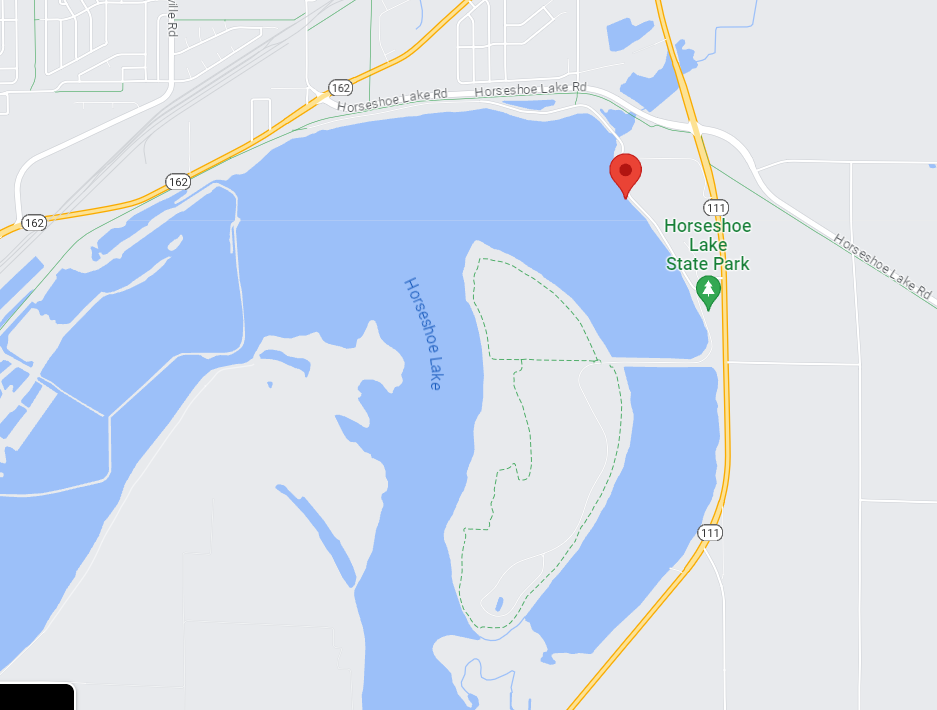
Horseshoe Lake State Park is a significant birdwatching destination located in southwestern Illinois, just northeast of St. Louis, Missouri. The park's main feature is Horseshoe Lake, the second-largest natural lake in Illinois. This oxbow lake is a remnant of a former Mississippi River meander, giving it a distinctive horseshoe shape.
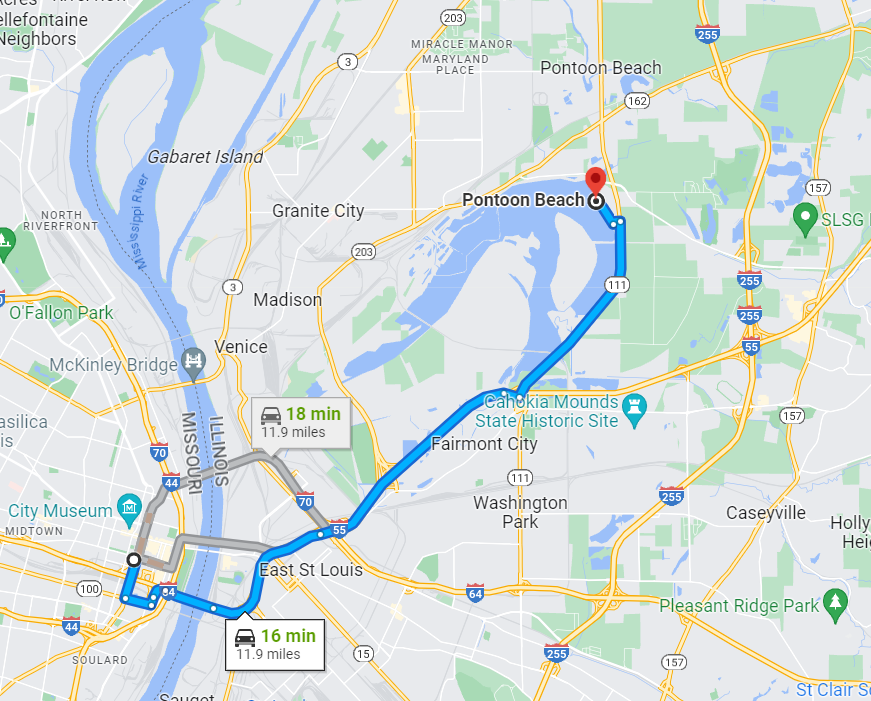
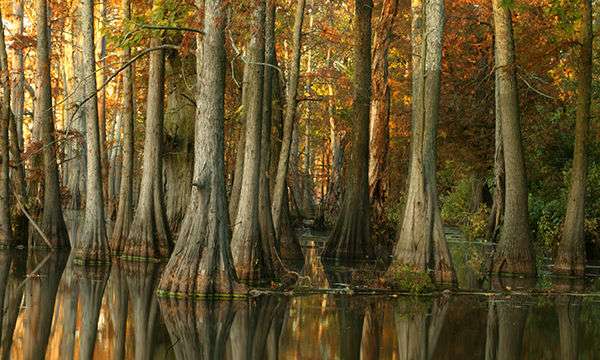
The park and lake are situated in the American Bottom, a floodplain that follows the Mississippi River, which is a major factor in its rich biodiversity. The area's low elevation and shallow lake create ideal wetland and marsh habitats. The park also includes Walker's Island, which is connected by a causeway and features hiking trails. The geography, with its mix of open water, mudflats, and shoreline, makes it a critical stopover for a wide variety of migratory birds.
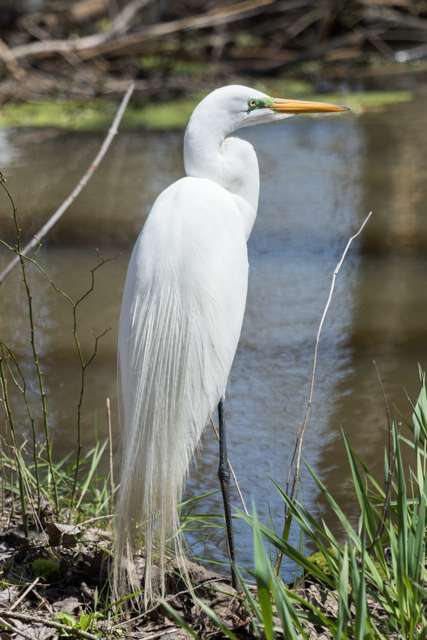
Target Birds
American Bittern
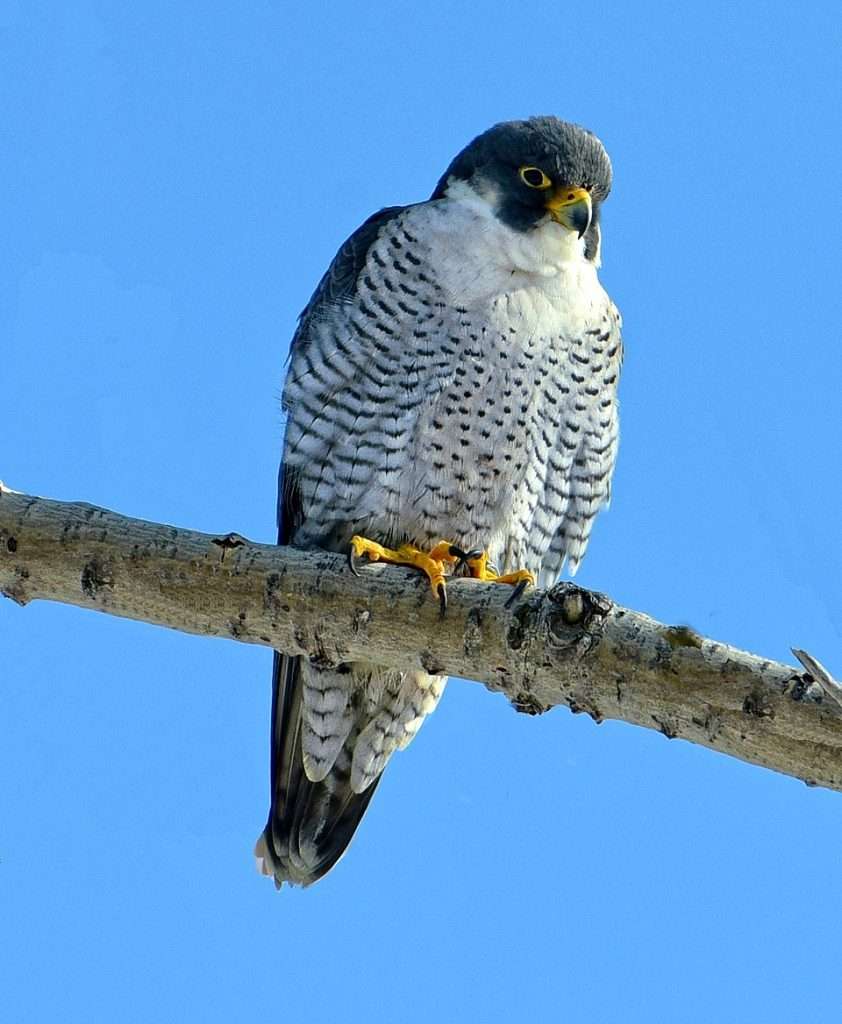
Peregrine Falcon
Bell's and Warbling Vireo
Redhead
Ring-necked Duck
Great Northern Diver
The Illinois Department of Natural Resources has lots of information about activities and facilities at the park.
Montrose Point Bird Sanctuary
Montrose Point Bird Sanctuary is a 15-acre nature preserve located within Lincoln Park in Chicago. Geographically, its position is what makes it so special for birding; it's a man-made peninsula that juts out into Lake Michigan. This unique geography makes it a crucial stopover point for migratory birds traveling along the Mississippi and Atlantic Flyways.
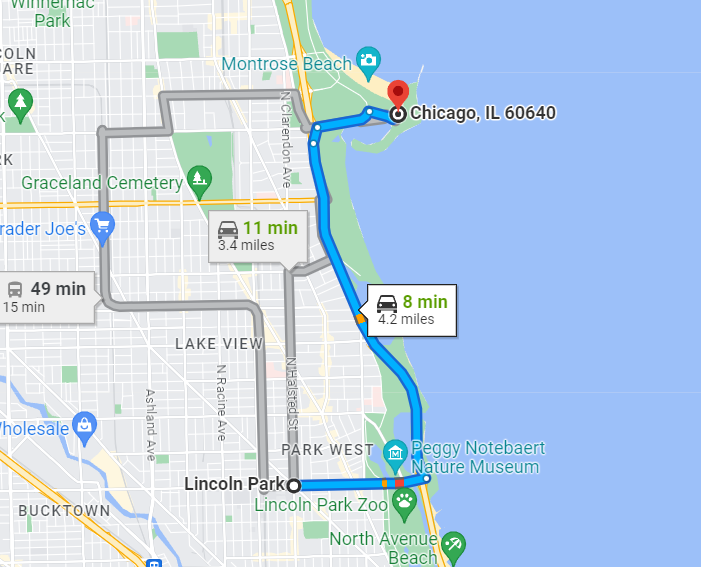
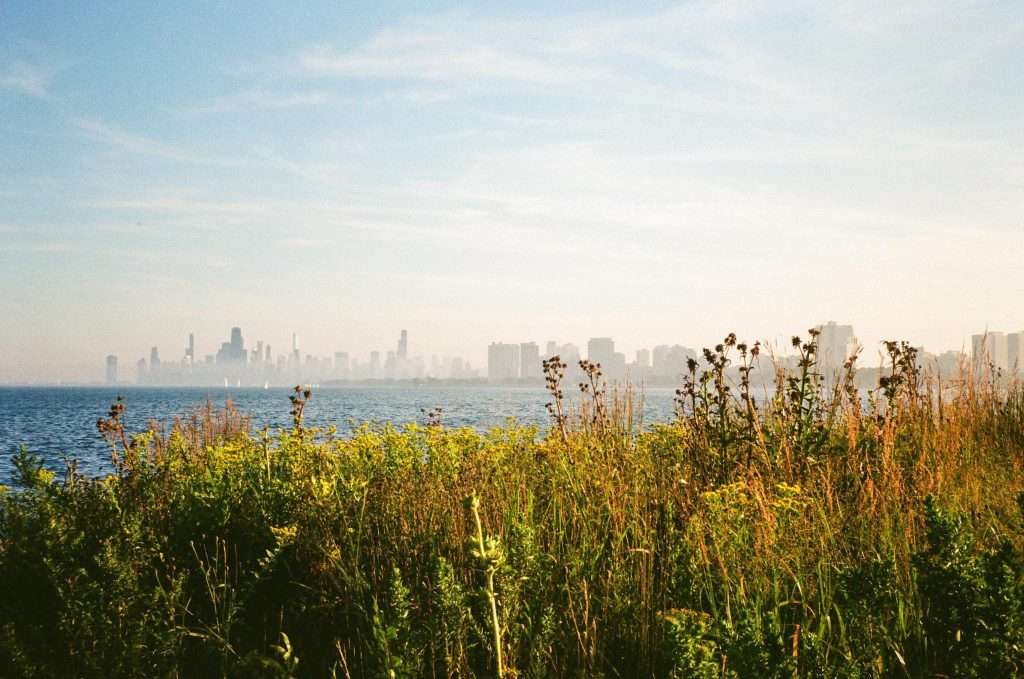
The diverse habitats within the sanctuary, including prairie, savanna, woodland, and shoreline, provide essential food and shelter for birds that are often exhausted from their long journeys. This combination of a prominent lakeshore location and varied habitats creates a perfect "funneling" effect for birds.
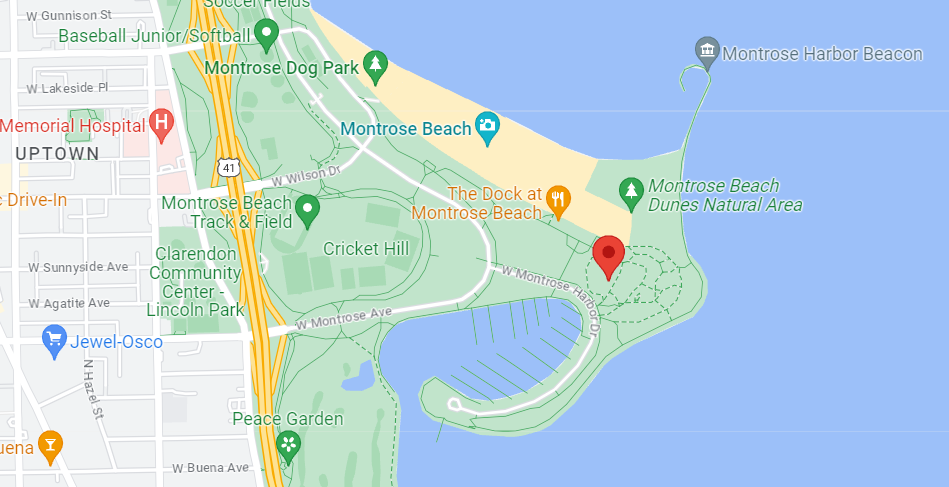
Birdwatching opportunities at Montrose Point are exceptional year-round, but it's particularly famous for its spectacular spring and fall migrations. The sanctuary, often called "the Magic Hedge" due to a dense stretch of shrubs and trees, is an eBird hotspot with over 340 recorded species. Birders can spot a wide variety of migrants, including most species of warblers, thrushes, and sparrows that pass through the Chicago area.

The adjacent Montrose Beach Dunes Natural Area and a stone pier also offer fantastic opportunities to see shorebirds, waterfowl, and gulls. Winter months can bring sightings of owls like the Northern Saw-whet, Short-eared, and even the rare Snowy Owl, making it a productive birding spot in all seasons.

Target Birds
Song, Swamp and Lincoln's Sparrow
Nashville, Cape May, Magnolia and Tennessee Warbler
Ruddy Turnstone
Dunlin
Sand Martin
Piping Plover
The Chicago Park District has more information.
Wrapping Up
From the urban oases of Chicago to the vast, open spaces of the state's interior, Illinois offers an impressive and varied landscape for birdwatching. The state's unique position along the Mississippi Flyway makes it a critical migration corridor, providing spectacular opportunities to witness the twice-yearly passage of countless birds.
Whether you're drawn to the concentrated spectacle of Montrose Point Bird Sanctuary in the spring, the winter majesty of Bald Eagles along the Mississippi River, or the chorus of grassland birds on a summer morning in the prairie, Illinois has something to offer every birder. Its network of state parks, national forests, and local preserves provides a diverse range of habitats, from dense woodlands to wetlands and savannas, ensuring that no two birding experiences are ever the same.
For those willing to explore, the Prairie State reveals itself as a true haven for birds and a rewarding destination for anyone passionate about a deep connection with the natural world.
