
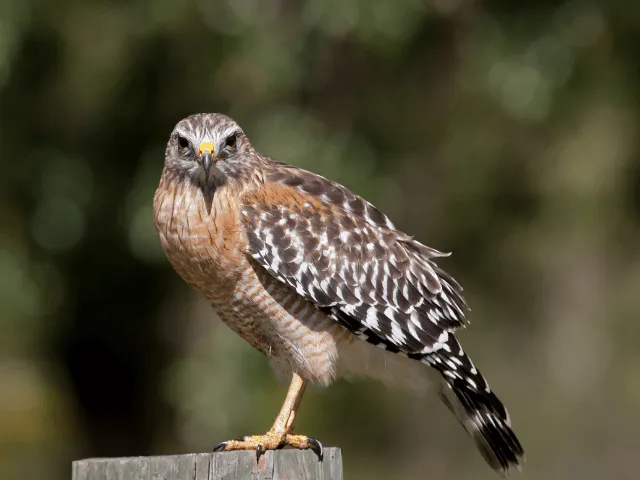
The vast and varied landscapes of the United States are home to a diverse and spectacular array of raptors, or birds of prey, with hawks being among the most commonly encountered. Identifying these majestic hunters can be one of birding's most rewarding, yet challenging, endeavors. Unlike identifying static songbirds by color, hawk identification often relies on fleeting views of a bird in flight, requiring a keen understanding of silhouette, flight style, and size.
To master hawk identification, one must first learn to categorize them into their primary groups—the sleek, agile Accipiters and the broad-winged, soaring Buteos—and then focus on the fine details of specific common species.
Understanding the Two Main Hawk Groups
Most hawks found in the U.S. fall into two major genera, each reflecting a distinct hunting strategy and habitat preference.
1. Buteos: The High-Flying Soarers
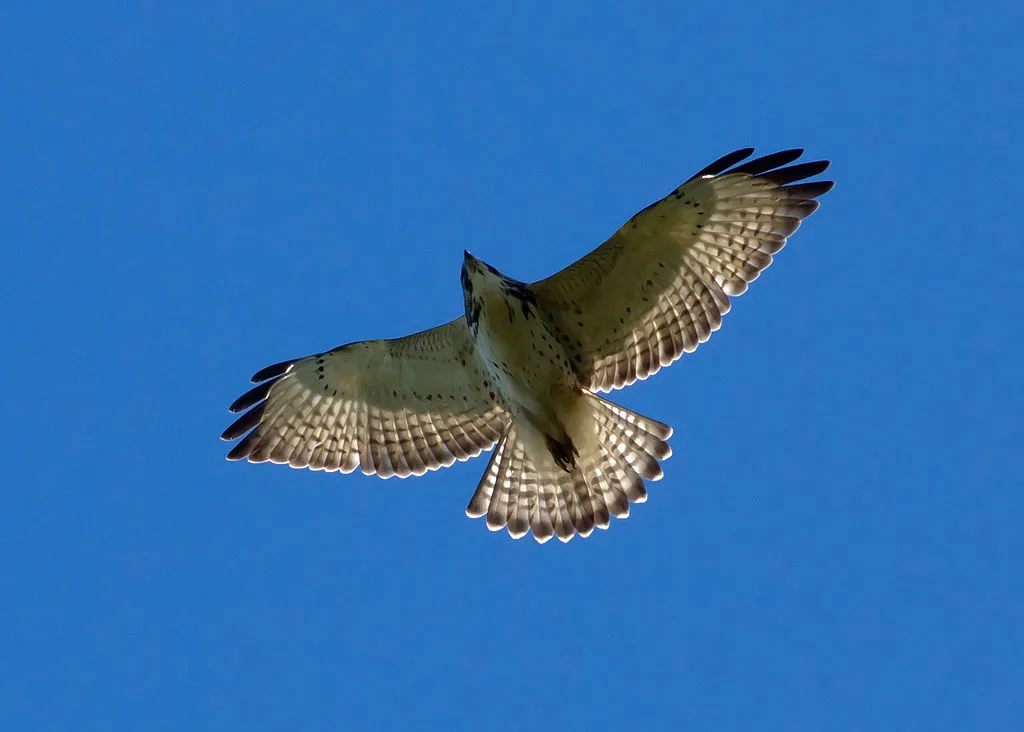
Buteos are the archetypal, stocky, and often large hawks you see circling high overhead or perched on telephone poles along highways. Their physical adaptations are built for open country and energy-efficient flight.
- Silhouette and Shape: They possess broad, rounded wings and relatively short, wide tails. Their shape is ideal for catching thermals (columns of warm, rising air) and soaring with minimal flapping.
- Flight Style: Buteos are masterful soarers. Their wing beats are typically slow, deep, and measured, often interspersed with long, effortless glides.
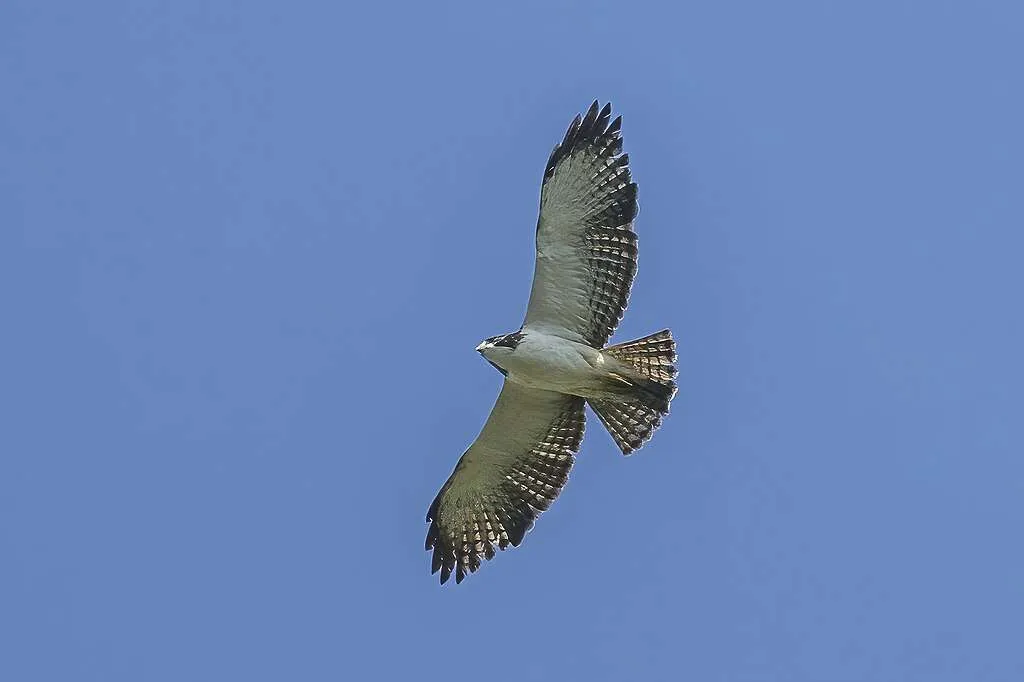
2. Accipiters: The Forest-Dwelling Hunters
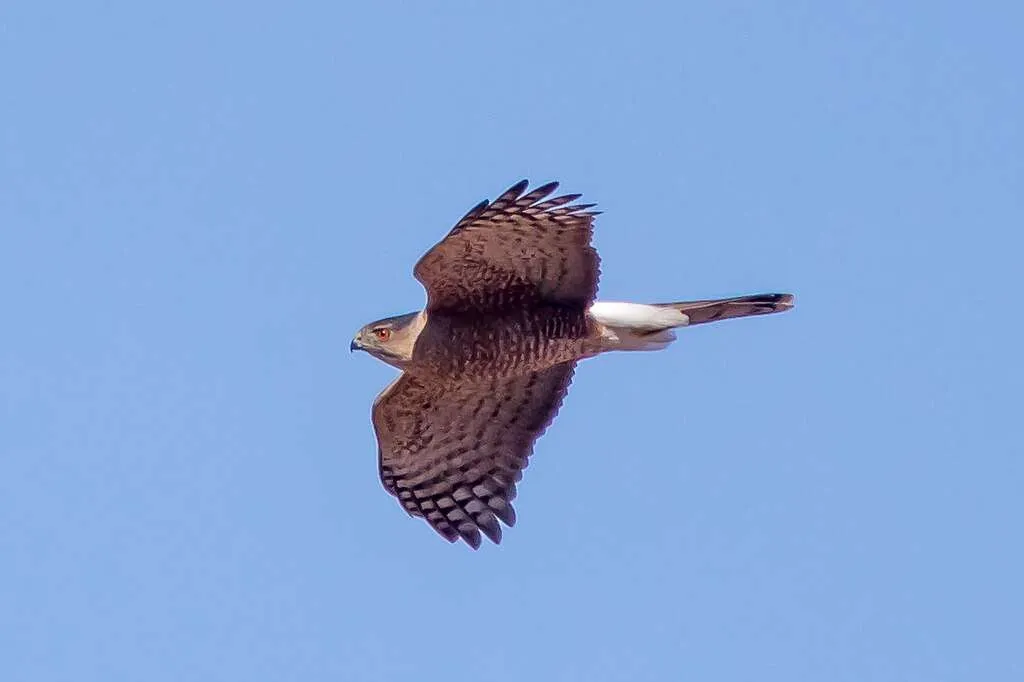
Accipiters are the woodland specialists, built for speed and maneuverability within dense tree cover. They are bird predators that rely on surprise attacks.
- Silhouette and Shape: They have short, rounded wings and long tails. This shape allows for quick, tight turns and rapid acceleration through the forest.
- Flight Style: Their signature flight pattern is a distinctive "flap-flap-glide," consisting of a burst of rapid wing beats followed by a glide on level or slightly descending wings. They are less likely to soar high in the open than Buteos.

Essential Identification Clues in the Field
When you spot a raptor, especially in flight, your identification process should focus on a series of observable clues, moving from the general to the specific.
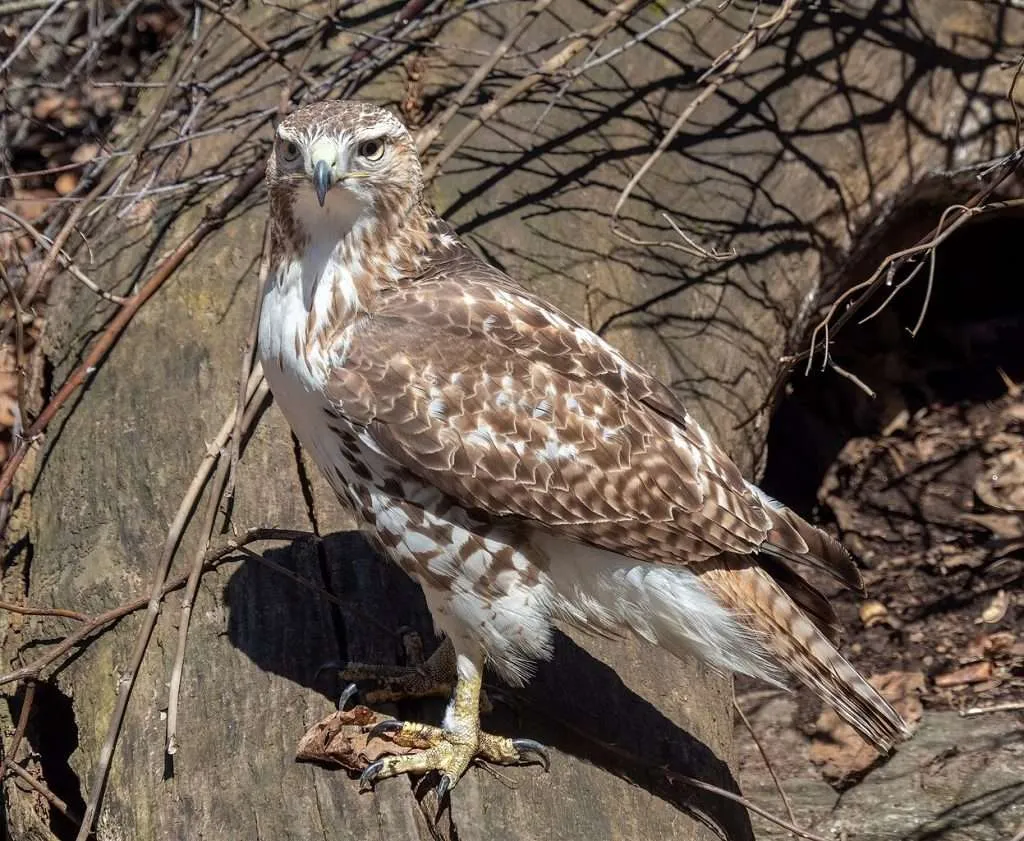
1. Shape, Size, and Proportion
This is your most reliable starting point, particularly for distant birds. Comparing a hawk's head size to its body or its tail length to its wing chord can immediately eliminate many species.
- Head Projection: On a soaring Buteo, the head often appears small and barely projects past the wings. For Accipiters, look at how the head relates to the wings' leading edge. A Sharp-shinned Hawk's small head often does not project past the wrists of the wings, creating a "flying capital T" shape. In contrast, a Cooper's Hawk has a larger, blockier head that does project past the wings' leading edge, forming more of a "flying cross" silhouette.
- Tail Shape: Buteos have short tails, but Accipiters are distinguished by their long tails. A crucial distinction between the two most common Accipiters is the tail tip: A Sharp-shinned Hawk often has a tail that appears squared-off or notched at the tip, while a Cooper's Hawk typically has a noticeably rounded tail.
2. Flight Style and Wing Beat
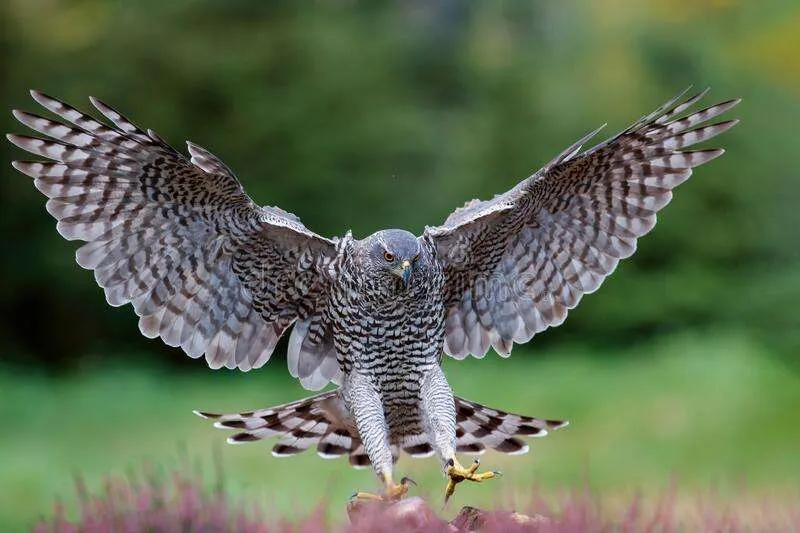
The way a hawk moves through the air is a signature trait, often more diagnostic than color.
- Soaring vs. Flapping: If the hawk is soaring effortlessly for long periods, it is likely a Buteo. If it is flying low with rapid, powerful bursts of flapping and then a short glide, it is likely an Accipiter.
- Wing Profile: Red-tailed Hawks are known for their thick, "bulging" wings that appear muscular, giving them confident mastery of the air. Northern Harriers (another group, sometimes referred to as 'harrier-hawks') fly low over fields with their wings held in a shallow 'V' shape, reminiscent of a Turkey Vulture.
3. Plumage and Markings
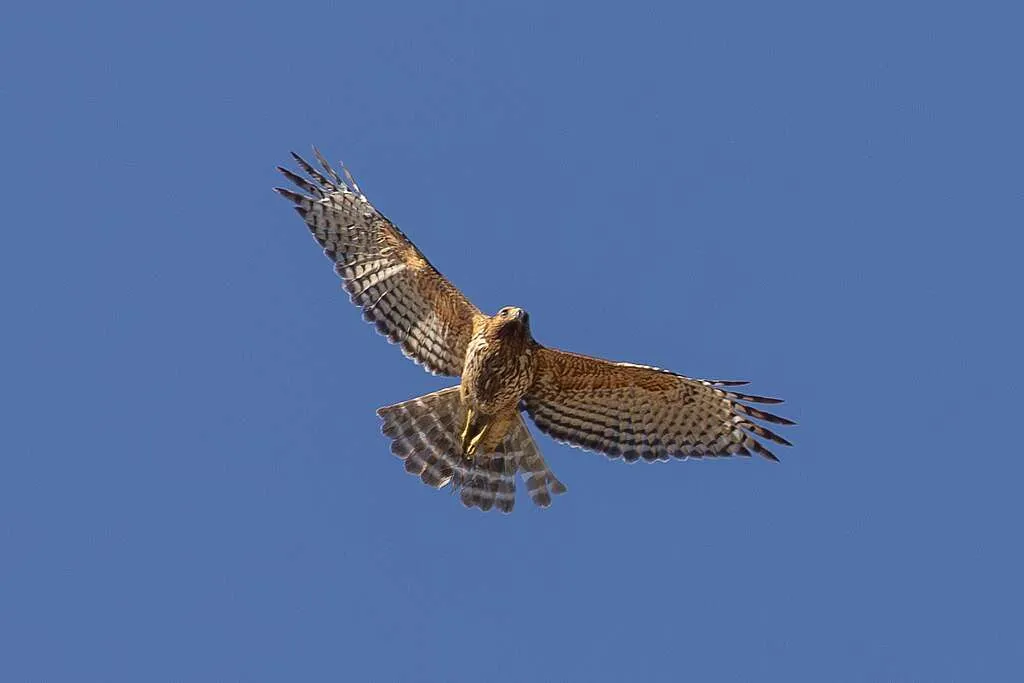
Once the bird is close enough, specific color patterns, or "field marks," become the final confirmation. Note that plumage varies by age (juvenile vs. adult) and region (color morphs).
- Belly Bands and Patagial Marks: Red-tailed Hawks (the most common Buteo in the U.S.) are often identified by a distinctive dark band of streaks across the belly and, in flight, dark patagial marks (on the leading edge of the underwing near the body).
- Tail Color: The adult Red-tailed Hawk's famous brick-red tail is visible from above, but juveniles have a brown, barred tail. The Red-shouldered Hawk has a boldly banded black and white tail.
- Underwing Pattern: Red-shouldered Hawks in flight show a striking, dense checkered black-and-white pattern on their flight feathers and a pale crescent near the wingtips.
U.S. Hawk Examples and Key Distinctions
Understanding the subtle differences between similar-looking, widespread species is the pinnacle of hawk identification.
The Buteo Duo: Red-tailed vs. Red-shouldered Hawk
These two are frequently confused but occupy different habitats and show distinct features.
The Accipiter Challenge: Sharp-shinned vs. Cooper's Hawk
These agile forest hawks are famously difficult to distinguish, especially juveniles. Size dimorphism (females being much larger than males) adds to the confusion, as a large female "Sharpie" can be the size of a small male "Coop."
The Harrier Exception: Northern Harrier
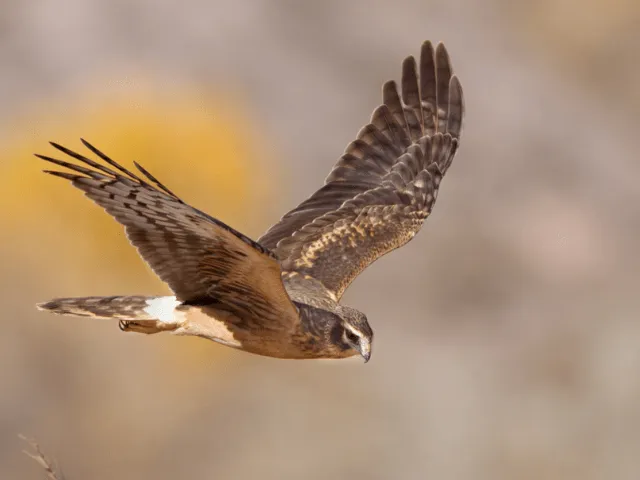
The Northern Harrier (Circus hudsonius) represents a distinct group, known for its owl-like face and low-level hunting. The definitive field mark is the large white rump patch, visible as it flies low over marshes and grasslands. Males are pale gray ("Gray Ghosts"), while females and juveniles are brown. They hunt by listening, flying with wings held in a slight V.
Mastering hawk identification is a cumulative process. Start by determining the broad category (Buteo or Accipiter) and flight pattern, then focus on key field marks like the Red-tail's belly band or the Sharpie's squared tail. Practice observing these birds at hawk-watch sites during migration for the best repetitive experience.
Wrapping Up
In summary, identifying hawks successfully requires moving beyond simple color observation to a more holistic assessment of silhouette and flight style . While a perched bird allows close inspection of plumage, the majority of field identifications depend on recognizing key structural groups: the broad-winged, short-tailed Buteos (like the Red-tailed Hawk); the slender, long-tailed Accipiters (like the Cooper's Hawk); and the streamlined, pointed-winged Falcons.
The definitive identification of any hawk relies on integrating these observations: noticing the bird’s size, assessing its characteristic flight pattern (soaring, flapping, or gliding), and confirming with key markings like the belly band or tail pattern. By synthesizing these structural and behavioral cues, observers can confidently classify and appreciate the diversity of these magnificent aerial predators in the field.
Learn all about the sounds hawks make.
