
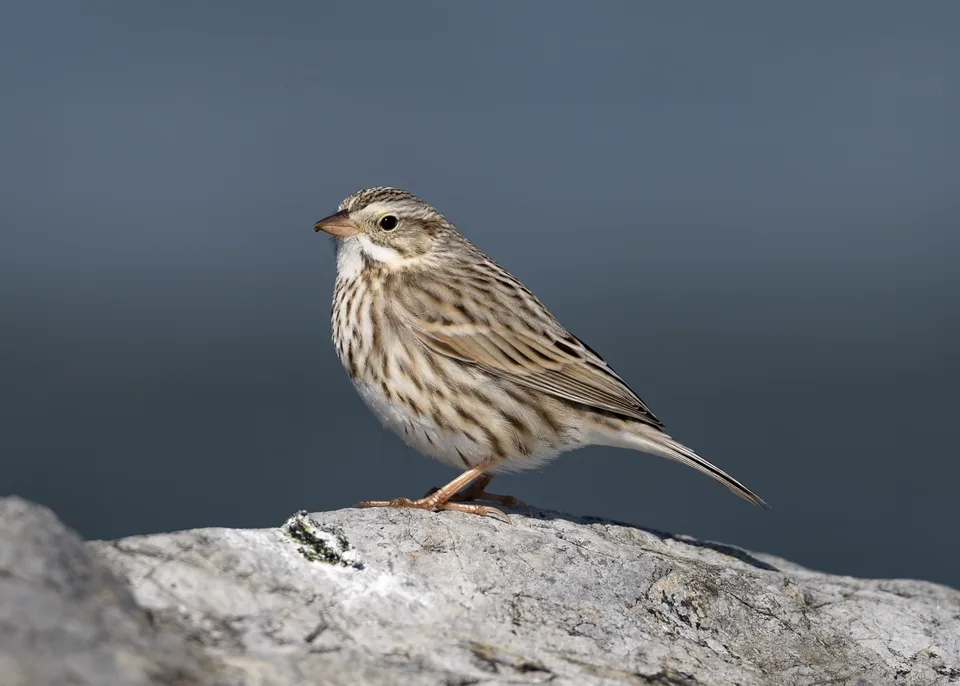
Idaho, often celebrated for its rugged mountains and pristine wilderness, holds a spectacular secret for nature enthusiasts: some of the finest bird watching opportunities in the American West. Straddling the Pacific Flyway, the Gem State serves as a critical resting and refueling point for countless migratory species, while its diverse habitats support a rich array of year-round residents.
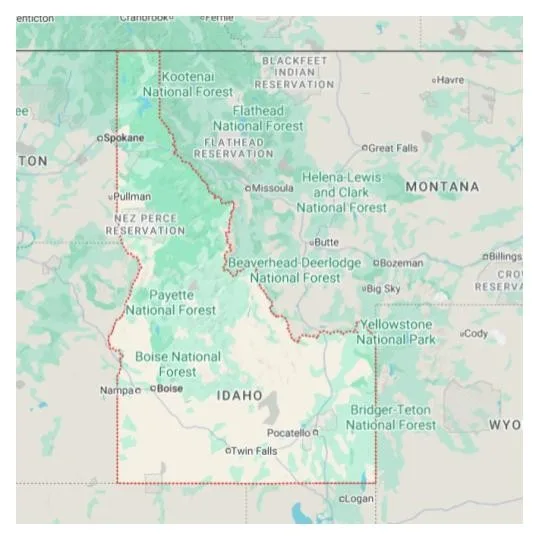
Whether you are an experienced birder seeking a new state for your life list or a casual observer hoping to connect with nature, Idaho's wildlife refuges offer unparalleled access. From the spectacular seasonal waterfowl concentrations at Deer Flat National Wildlife Refuge in the southwest to the renowned diversity and vagrant songbirds found at the Camas National Wildlife Refuge in the eastern high desert, Idaho is a true avian destination waiting to be explored.
Bruneau Dunes State Park
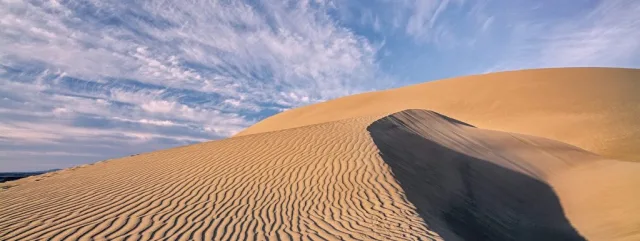
Bruneau Dunes State Park presents one of Idaho's most geographically unique landscapes, situated in the high desert of Owyhee County, about an hour south of Boise. The park's centerpiece is a vast sand dune complex, including the tallest single-structured sand dune in North America, rising approximately 470 feet above a natural basin known as Eagle Cove.
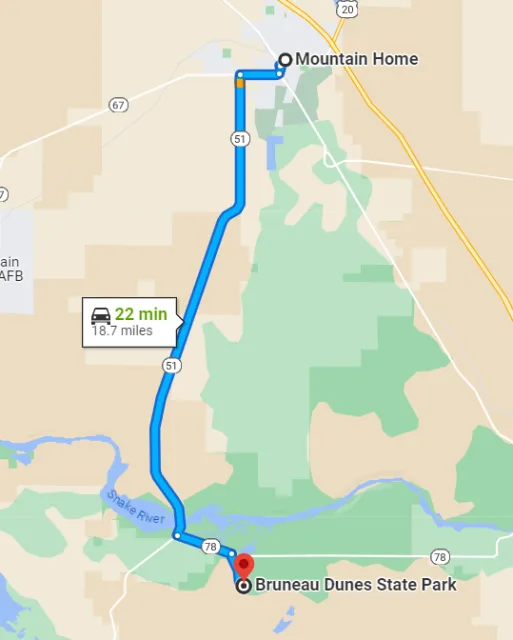
This unusual feature is sustained by a unique geological trap where prevailing winds from the northwest and southeast blow sand back and forth, preventing the dunes from migrating away. The surrounding habitat is classic sagebrush steppe, but critically, two small, marshy lakes are nestled at the base of the dunes. This juxtaposition of arid, wind-swept sand and life-giving water creates a vital micro-oasis, attracting wildlife from the surrounding, harsher environment.
For birdwatchers, the park's small, spring-fed lakes and their bordering marsh and riparian growth are the primary draw. As a crucial stopover point for migratory birds, the water features host a variety of waterfowl, including Teal, Mallards, Buffleheads, and different species of grebes and herons.
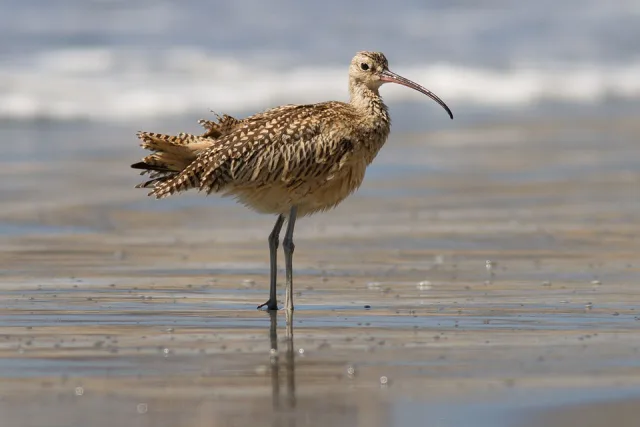
The adjacent sagebrush steppe and prairie habitats also support desert-adapted species such as Long-billed Curlews, various raptors that hunt over the open terrain, and the occasional Burrowing Owl. This diversity, all within a compact area, makes Bruneau Dunes a surprisingly rewarding addition to the Idaho Birding Trail, offering a striking contrast to the state's mountainous regions.
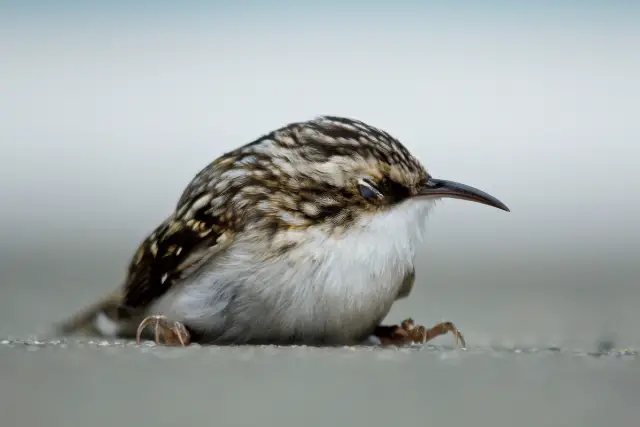
Target Birds
Brown Creeper
Golden Eagle
Lazuli Bunting
Caspian Tern
Orange-crowned Warbler
Western Bluebird
The Idaho Parks and Recreation website has very up to date information about conditions at the park. It is a great place to start for visitors.
C.J. Strike Reservoir
C.J. Strike Reservoir and its surrounding Wildlife Management Area (WMA) are situated in southwestern Idaho, spanning parts of Elmore and Owyhee counties, approximately 65 miles southeast of Boise. This crucial wetland complex is formed by the impoundment of both the Snake River and the Bruneau River by the C.J. Strike Dam. The geography is characterized by the expansive 7,500-acre reservoir nestled within a landscape of arid, low sagebrush uplands and dramatic river canyons.
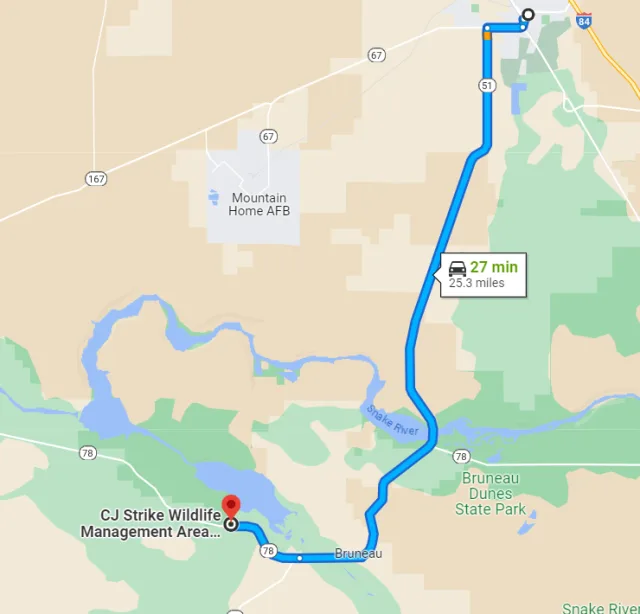
The juxtaposition of the vast, relatively shallow reservoir, its intricate river arms, and the lush riparian and wetland habitats along the banks creates an essential oasis in the high desert environment, making it a powerful magnet for migratory and resident wildlife. Furthermore, the area overlaps with the renowned Morley Nelson Snake River Birds of Prey National Conservation Area, underscoring its importance for raptor populations.
The diverse habitats of the C.J. Strike WMA make it a year-round haven for birders, with over 200 species recorded annually. The reservoir is particularly critical as a wintering and migratory stopover point along the Pacific Flyway, routinely hosting between 30,000 to 90,000 ducks and geese during peak season (typically November through early February).
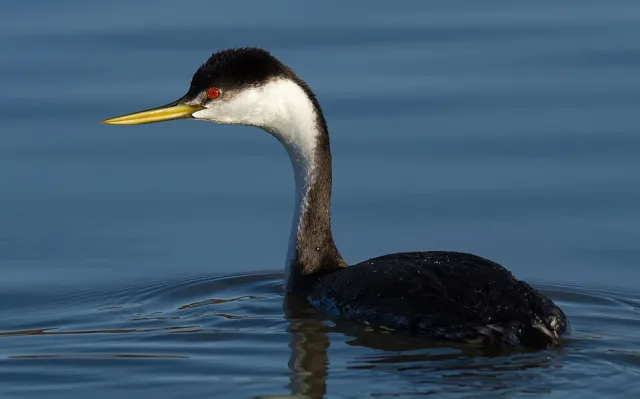
Birders frequently spot numerous species of diving ducks—including Bufflehead and Common Goldeneye—near the dam's spillway, as well as Tundra and even rare Trumpeter Swans. The warmer months bring opportunities to observe hundreds of breeding Western and Clark's Grebes, and in the surrounding riparian areas and marshlands (such as the Bruneau Duck Ponds), birders can look for rails (Virginia and Sora), American Avocets, Black-necked Stilts, and various neo-tropical migrant songbirds. Finally, being adjacent to the Birds of Prey NCA, the WMA offers outstanding viewing of raptors like Bald and Golden Eagles, Northern Harriers, and various hawks.

Target Birds
Cinnamon Teal
Western and Clark's Grebe
Violet-green Swallow
Wilson's Phalarope
Cedar Waxwing
Ross's Goose
The Idaho.gov website has general information, mainly for anglers. The Idaho Power has a great pdf checklist with locations around the lake for the best birding.
Fort Boise WMA
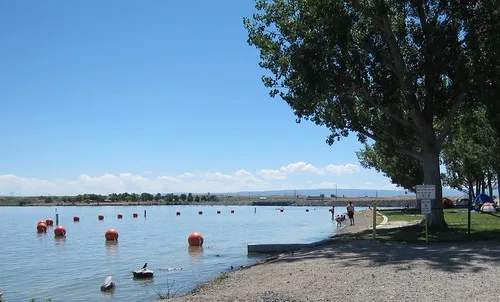
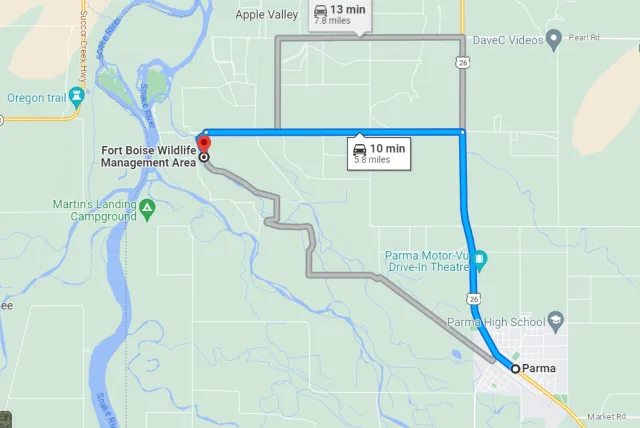
The Fort Boise Wildlife Management Area (WMA) is geographically significant, situated in Canyon County in the southwestern corner of Idaho, just five miles northwest of Parma. This approximately 1,600-acre site is uniquely positioned at the vital confluence of the Boise River and the mighty Snake River, placing it directly within the major Pacific Flyway corridor. Its habitat is a rich mix of fertile wetlands, riparian corridors thick with vegetation, and adjacent upland habitat.
The WMA was established primarily to replace goose nesting islands lost to dam construction and consists of shallow water ponds, sloughs, and a portion of Gold Island in the Snake River. This riverine geography ensures the area is consistently moist and serves as a critical stopover and nesting ground in Idaho's generally arid, high-desert agricultural region.
Fort Boise WMA is widely celebrated as one of Idaho's premier birding hotspots, particularly during the spring migration when the area hosts a spectacular "goose show." Thousands of Snow Geese and Greater White-fronted Geese descend upon the ponds and fields in the early spring, creating a truly memorable sight. Year-round and seasonal residents include a diverse range of waterfowl, such as nesting Canada Geese, Mallards, Cinnamon Teal, and Gadwalls.
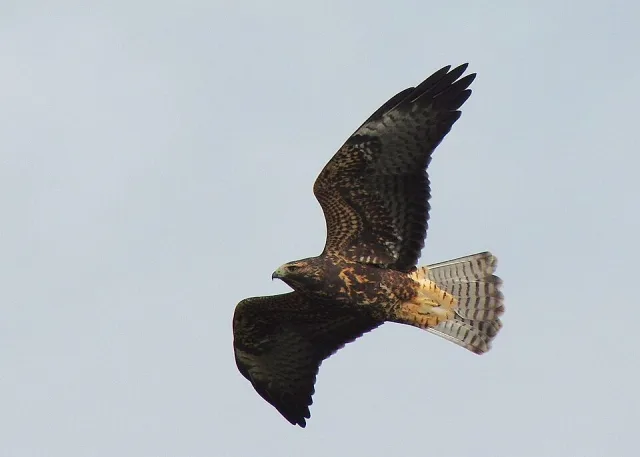
The expansive wetlands also attract wading birds and shorebirds like Great Blue Herons and a large rookery of Double-crested Cormorants at the western end. Furthermore, the combination of open fields and riparian trees supports impressive raptor populations, including nesting Red-tailed and Swainson’s Hawks, and wintering Bald Eagles, cementing Fort Boise's reputation as a cornerstone of Idaho's diverse birdwatching opportunities.
Target Birds
American Avocet
White-faced Ibis
Snowy Egret
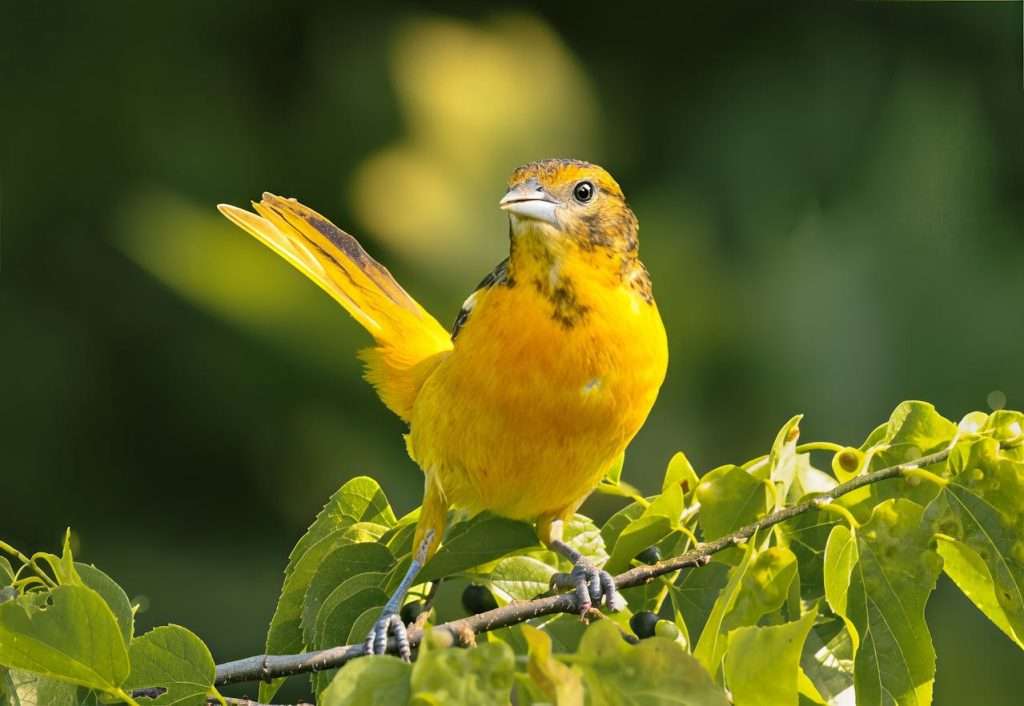
Bullock's Oriole
Bufflehead
Swainson's Hawk
The Idaho Government website has lots of details about the area for nature enthusiasts and others including closures to protect nesting birds.
Deer Flat National Wildlife Refuge
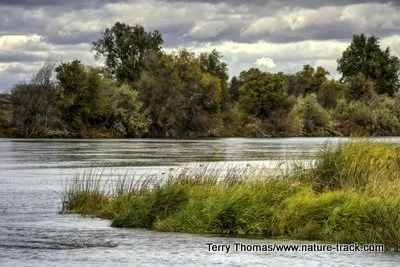
Established in 1909 by President Theodore Roosevelt, Deer Flat National Wildlife Refuge (NWR) is one of the oldest in the National Wildlife Refuge System, an urban oasis strategically placed in southwestern Idaho’s fast-growing Treasure Valley, just outside the city of Nampa. The refuge is split into two distinct, non-contiguous units. The main unit centers around Lake Lowell, a nearly 9,000-acre irrigation reservoir.
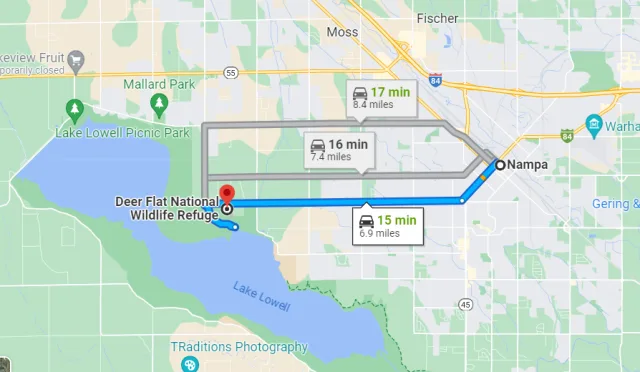
This man-made lake provides a critical expanse of open water, surrounded by diverse habitats including edge wetlands, riparian forests, and sagebrush uplands, all surrounded by agricultural and suburban development. The secondary unit consists of over 100 small, non-contiguous Snake River Islands stretching along 113 miles of the river, offering a protective, pristine environment for nesting colonial birds. This unique geography, positioned on the Pacific Flyway, makes Deer Flat an essential resting and wintering area for migratory birds.
The opportunities for birdwatching at Deer Flat NWR are spectacular and seasonal. In the winter, the refuge hosts vast, globally important concentrations of waterfowl, with populations of up to 150,000 ducks (primarily Mallards, Northern Pintails, and American Wigeon) and over 15,000 Canada Geese relying on the open water and cooperative croplands for survival. These large wintering flocks in turn attract predatory raptors, including easily spotted Bald Eagles.
Summer brings the magnificent sight of dancing Western and Clark’s Grebes, which form one of Idaho's largest nesting colonies on Lake Lowell. As the lake level drops in late summer and fall for irrigation, the exposed mudflats create ideal foraging habitat, attracting large numbers of migrating shorebirds, such as dowitchers, sandpipers, and plovers, making every season a rewarding visit for birders.

Target Birds
Hooded and Red-breasted Merganser
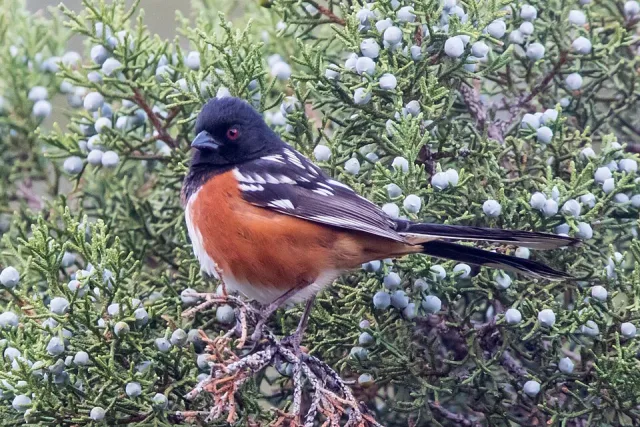
Spotted Towhee
Western Meadowlark
Greater White-fronted Goose
Black-crowned Night Heron
Say's Phoebe
Great Horned Owl
The U.S. Fish and Wildlife Service has the latest news on the area.
Hells Gate State Park
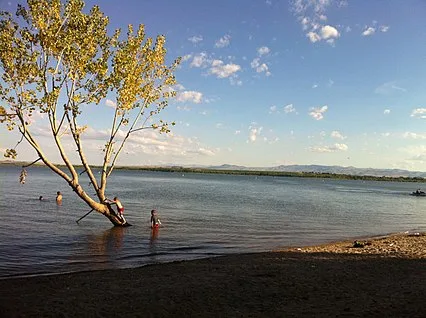
Hells Gate State Park is situated at the southern edge of Lewiston, Idaho, marking the downstream entrance to the formidable Hells Canyon, the deepest river gorge in North America. Its unique geography is defined by its low elevation—at just 733 feet above sea level, it is the lowest point in Idaho, contributing to the region's mild, "Banana Belt" climate.
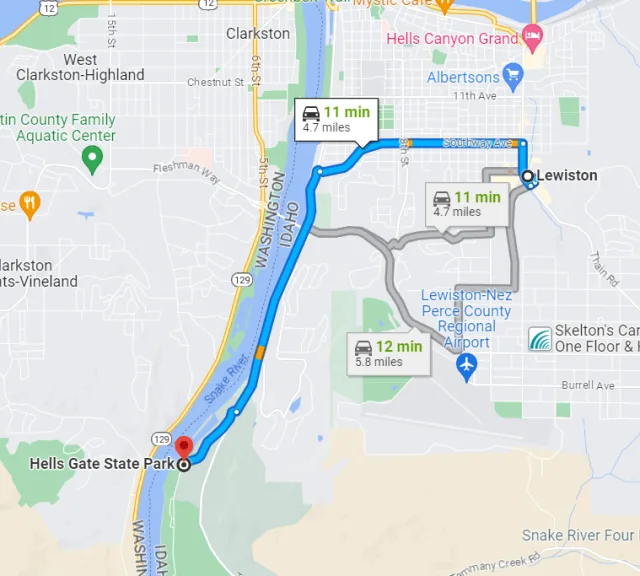
The park's 960 acres hug the banks of the Snake River, featuring a mix of riparian habitat along the water, interspersed with grassy campsites and historic basaltic rock formations from ancient lava flows. This juxtaposition of river corridor and surrounding semi-arid terrain creates a crucial ecological transition zone, offering birders a concentrated and easily accessible area to observe diverse species.
The prime location along the Snake River makes Hells Gate an excellent spot for birding, particularly for species tied to aquatic and cliff-side environments. The river itself attracts various waterfowl and wading birds, including Great Blue Herons and Double-crested Cormorants. Perhaps the most compelling birding draw is the abundance of raptors that utilize the canyon and its cliffs for nesting and hunting.
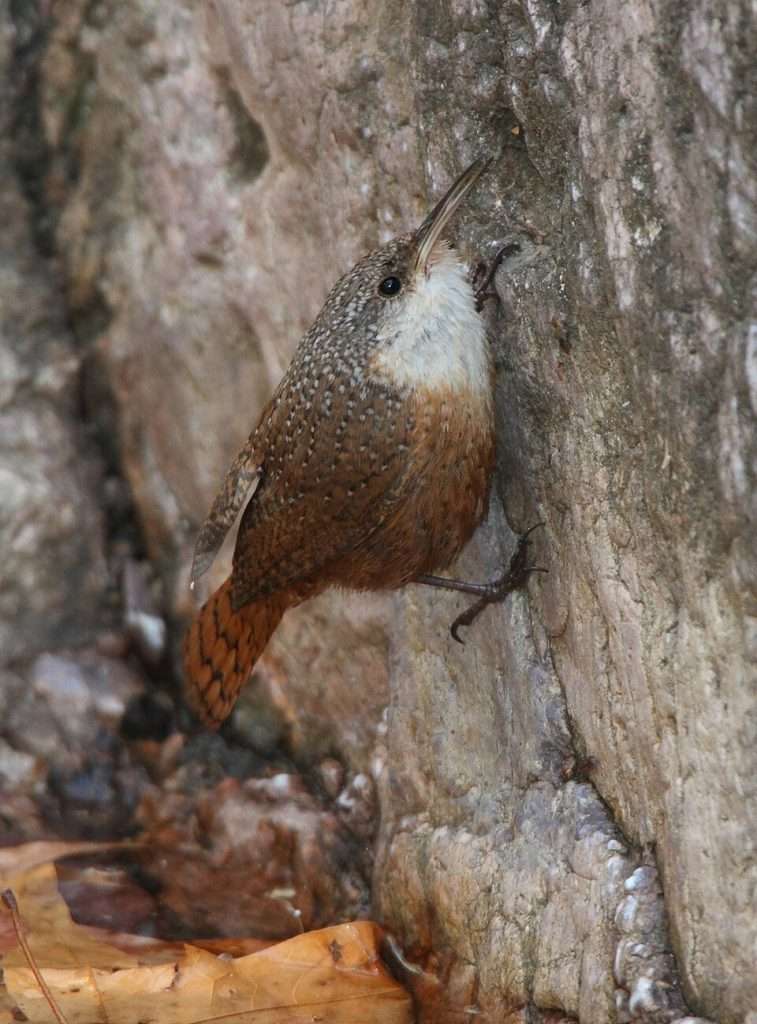
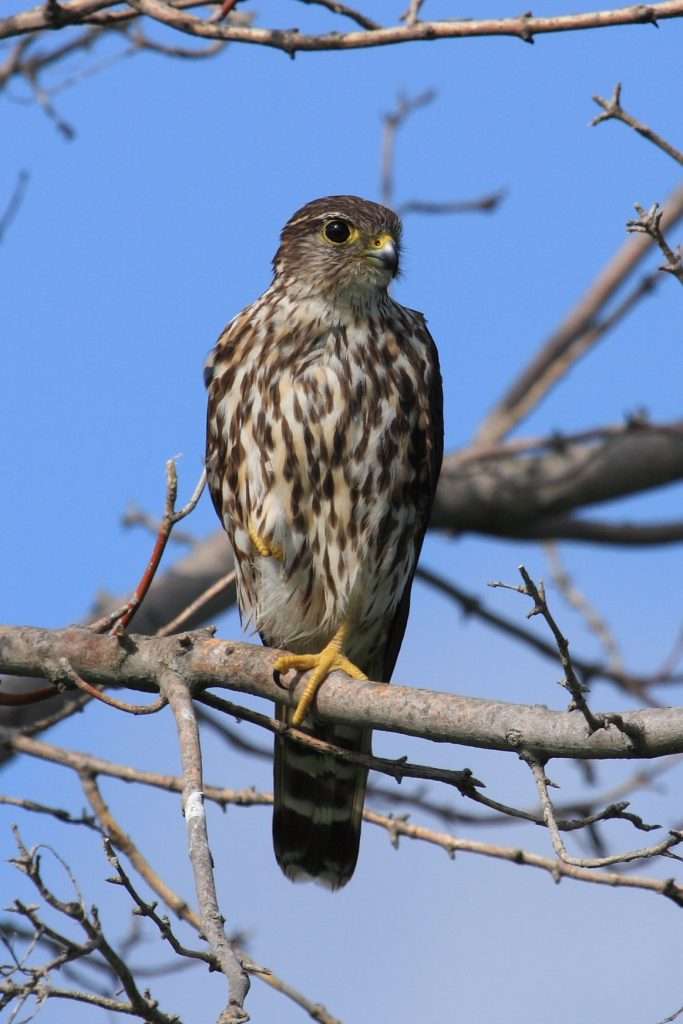
Birders should look to the surrounding rugged hillsides and river gorges for sightings of Hawks, Falcons, and occasionally Eagles. The mix of habitat—from the river bottom trails to the rocky uplands—ensures good opportunities for both riparian songbirds and open-country species, making a day spent on the park’s hiking and biking trails a rewarding experience for any Idaho birding itinerary.
Target Birds
Bewick's Wren
Northern Harrier
Canyon Wren
Mountain Chickadee
Black-billed Magpie
- Merlin
The Parks and Recreations website has great information for visitors including camping and birding.
Mann Lake
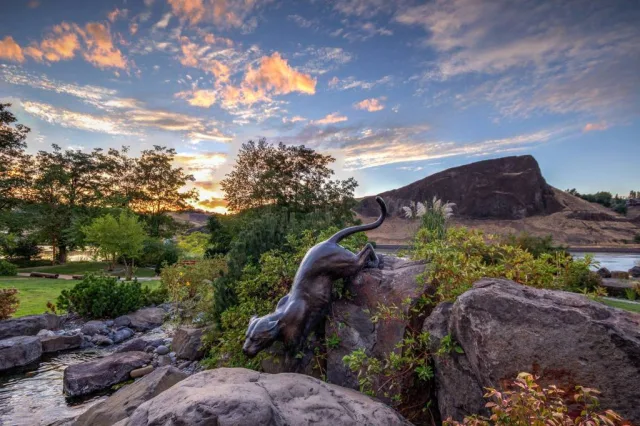
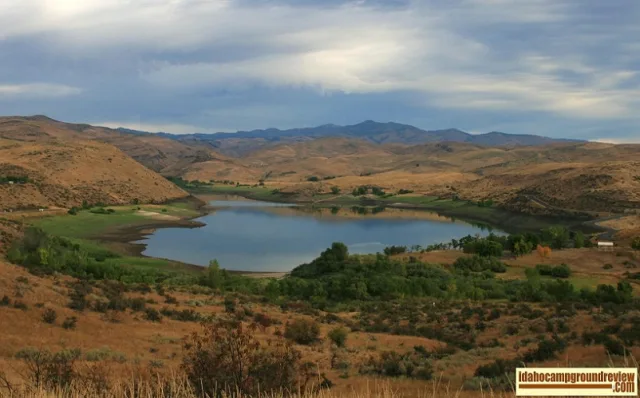
Mann Lake is a small but critical birding hotspot located in Nez Perce County, in the rolling hills of the Idaho Panhandle near the city of Lewiston. This 137-acre public fishing area, managed by the Idaho Department of Fish and Game, is an impoundment that creates a valuable pocket of aquatic habitat surrounded by an otherwise agricultural and brushy landscape.
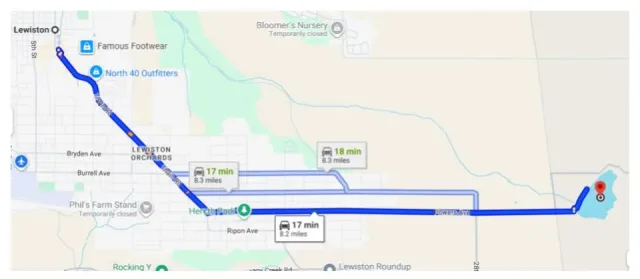
Its location within the larger Columbia Plateau region, though inland, makes it an attractive stopover for birds following migratory routes. The geography is characterized by the lake itself, its marshy edges, and the surrounding brushy and wooded areas, providing a diverse mix of open water, mudflats (especially when water levels drop), and dense cover vital for transient species.
The birdwatching opportunities at Mann Lake are surprisingly rich, earning it recognition as a key destination on the Idaho Birding Trail, particularly noted for its excellent potential year-round and especially during migration. Waterfowl are abundant in fall and spring—when the lake is ice-free—with varied duck and goose species moving through. However, the lake's true fame comes from its consistent production of migrant shorebirds from July through November, when lowered water levels expose mudflats.
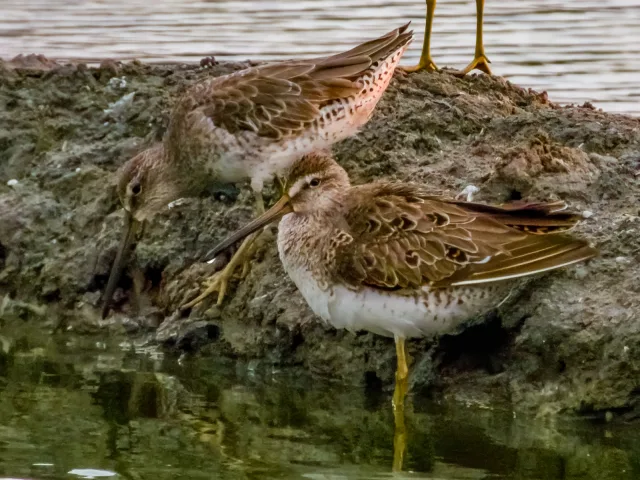
Species like Short-billed Dowitcher and American Golden-Plover, which can be rare elsewhere, have been recorded here. Furthermore, the brushy, willow-lined shores act as a migrant trap for landbirds, yielding a nice variety of sparrows, warblers, and flycatchers, often including regional rarities that have cemented Mann Lake’s reputation as the premier birding location in the region.
Target Birds
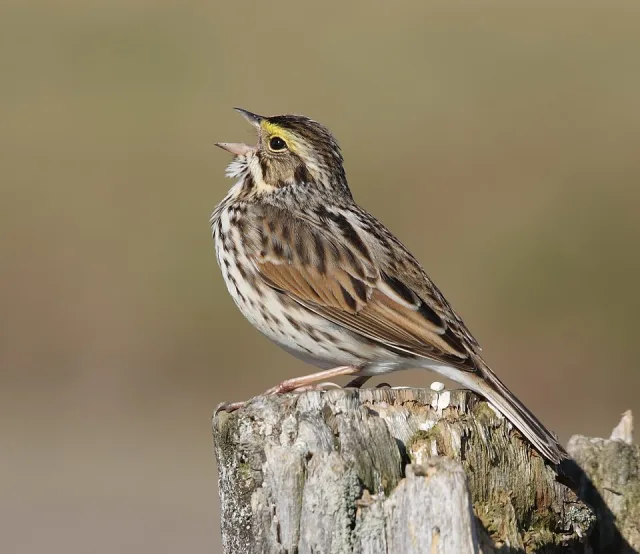
Savannah Sparrow
Black-headed Grosbeak
Vaux's Swift
Western Tanager
Forster's Tern
- Black-necked Grebe
The Idaho Birds webpage has the latest access information and birds spotted at the lake.
Kootenai National Wildlife Refuge
The Kootenai National Wildlife Refuge is a compact yet exceptionally diverse sanctuary situated in the northern Idaho Panhandle, approximately five miles west of Bonners Ferry and just 20 miles south of the Canadian border. Its geography is defined by a striking contrast: the western edge abuts the steep, forested foothills of the Selkirk Mountains, while the eastern boundary lies along the floodplains of the Kootenai River.
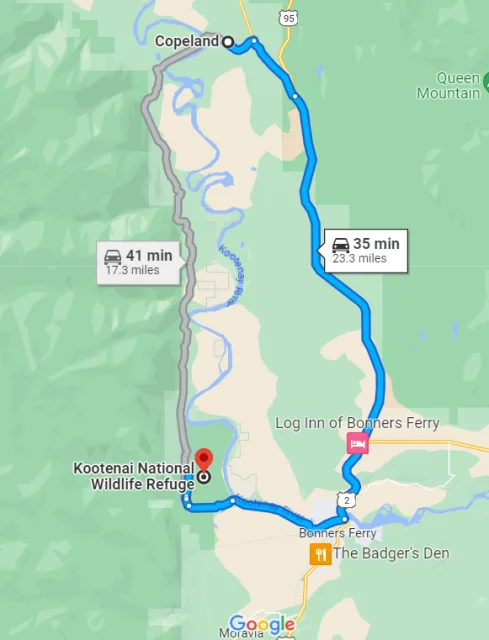
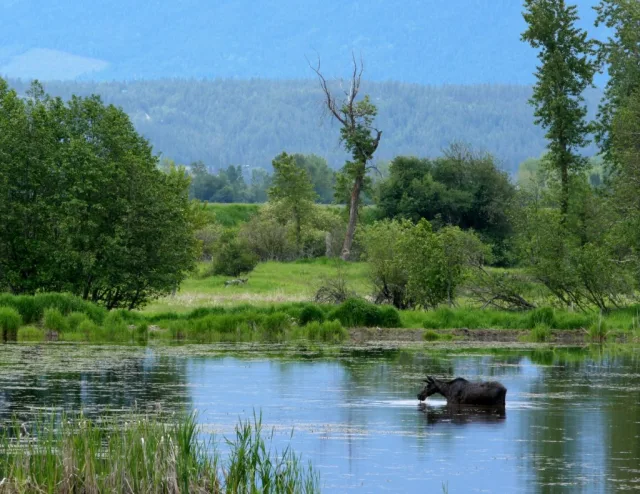
Established in 1964, the refuge's 2,774 acres are a rich mosaic of habitats, including managed wetlands, open-water ponds, dense cattail and bulrush marshes, riparian cottonwood and willow forests, and cultivated grain fields grown specifically for wildlife. This varied landscape—climbing from the valley bottom into the coniferous forests—provides critical cover and food resources throughout the year, making it a vital stopover on the Pacific Flyway.
This unique confluence of river valley and mountain foot translates into exceptional birdwatching opportunities, with over 220 avian species documented on the refuge. Spring and fall migrations are particularly spectacular, with waterfowl concentrations peaking at up to 40,000 birds. Birders can expect to find a massive array of ducks, including Northern Pintail, Gadwall, Wood Duck, and various teals, alongside large flocks of Canada Geese and Tundra Swans.

Beyond the wetlands, the forested trails, such as the path to Myrtle Falls, offer sightings of breeding landbirds like Red-eyed Vireo, Least Flycatcher, and American Redstart. Throughout the year, visitors can observe majestic raptors such as nesting Bald Eagles and Ospreys hunting over the water, cementing the Kootenai NWR’s reputation as a premier destination in the heart of the Selkirks.
Target Birds
Pied-billed Grebe
Western Wood-Peewee
Hammond's Flycatcher
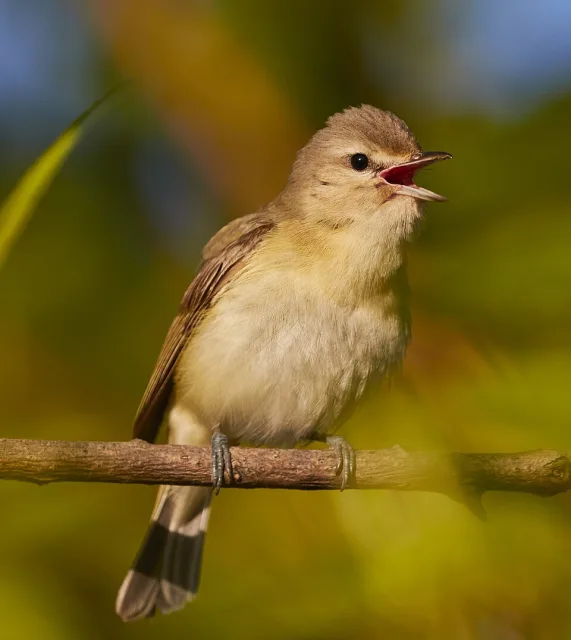
Warbling Vireo
- Sora
- Osprey
The USFWS has useful information for visitors.
Lake Cascade State Park
Lake Cascade State Park is a sprawling recreational area located in the scenic Long Valley of west-central Idaho, approximately 75 miles north of Boise, near the towns of Cascade and Donnelly. The park's geography is defined by the massive Lake Cascade, a 27,000-acre man-made reservoir created by the Cascade Dam on the North Fork of the Payette River, sitting at an elevation of 4,828 feet.
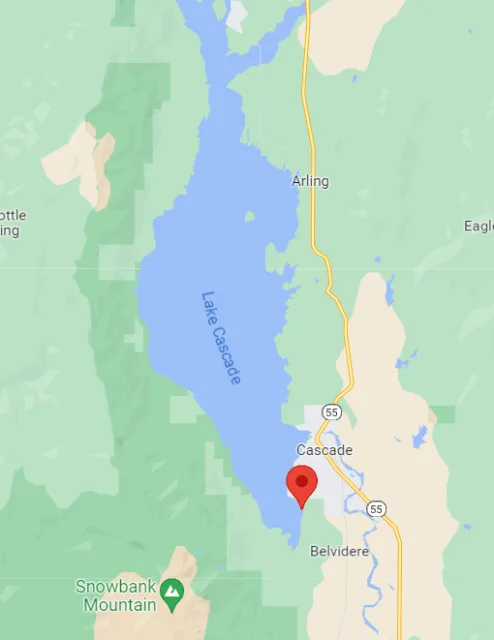
The park itself is composed of numerous distinct units scattered along the lake's 86-mile shoreline. The surrounding landscape features a compelling mix of habitats, from the open water and mudflats of the reservoir to the forested slopes and riparian corridors of the adjacent Boise National Forest, providing a rich, diverse setting for wildlife viewing throughout the year.
The mixing of aquatic, wetland, and forest environments makes Lake Cascade State Park a crucial birding destination, recognized as an Important Bird Area (IBA) by the National Audubon Society. The reservoir is a major draw for migratory and nesting waterbirds. Birders commonly observe high numbers of waterfowl, including various duck species, grebes (Western, Clark's, Horned, and Eared), and thousands of American Coots, especially during migration.

Raptors like Bald Eagles and Osprey are frequently seen, with the latter nesting in the area. Furthermore, the park's diverse habitats support species such as Sandhill Cranes, American White Pelicans (in summer), and a variety of songbirds and woodpeckers, including the impressive Pileated Woodpecker in the surrounding forests.

Target Birds
Barrow's Goldeneye
Salvonian Grebe
Great Northern Diver
Buff-bellied Pipit
Golden-crowned Kinglet
Wilson's Snipe
Western Sandpiper
The Idaho DPR has details for campers and visitors.
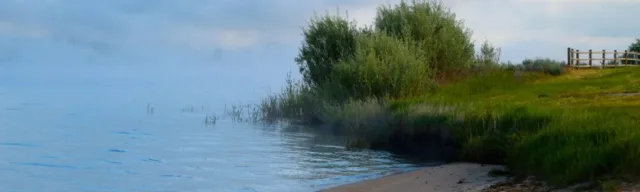
Blacks Creek Bird Reserve
Located just ten miles southeast of Boise, the Blacks Creek Bird Reserve is an accessible and vital 600-acre "jewel of the desert" nestled within the rugged sagebrush steppe of Ada County. The geography of the reserve centers on the seasonal Blacks Creek Reservoir, a key water feature in this otherwise arid environment. This juxtaposition of a temporary wetland against the backdrop of the high desert creates a unique and crucial habitat mosaic.
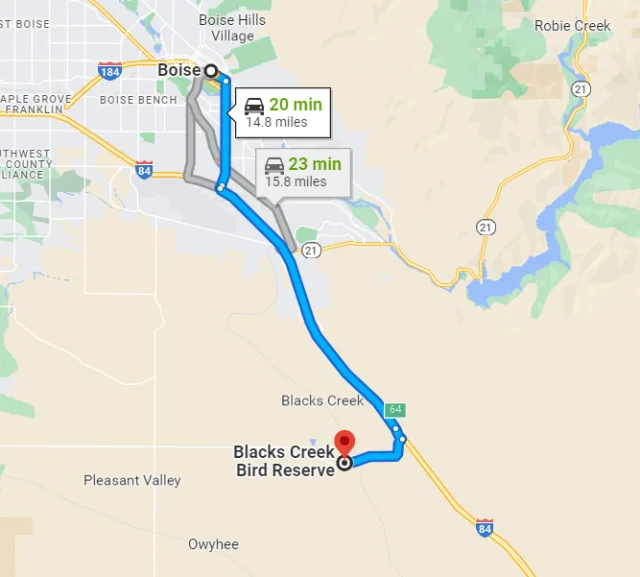
The surrounding landscape, managed in part by the Bureau of Land Management (BLM), is characterized by rolling hills of native sagebrush and grasses, providing essential cover and foraging grounds. The reserve's proximity to a major metropolitan area and its position within the vast Idaho desert makes it an indispensable stopover point for migratory species.
The diverse habitat supports over 150 recorded bird species, solidifying its status as an Audubon Important Bird Area. Birdwatching opportunities are particularly excellent during the spring and fall migrations, when the water levels fluctuate, creating ideal mudflats for shorebirds.
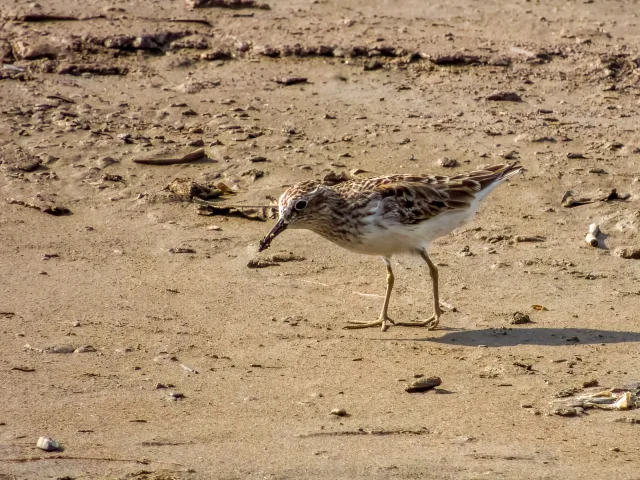
Expect to find a spectacular array of waterfowl, including Gadwalls and Green-winged Teal, along with shorebirds like Long-billed Dowitchers, Western Sandpipers, and Pectoral Sandpipers utilizing the reservoir's margins. Year-round residents of the sagebrush biome, such as Savannah Sparrows, Western Meadowlarks, and various raptors like the Swainson's Hawk, are commonly sighted, making Blacks Creek a rewarding birding experience in every season.
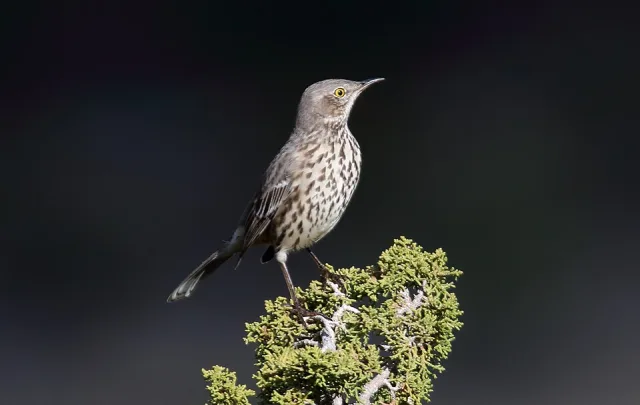
Target Birds
Long-billed Curlew
Wilson's Phalarope
Willow Flycatcher
Brewer's Sparrow
Ferruginous Hawk
- Sage Thrasher
The Golden Eagle Audubon site has great information about the area and how it works to protect the reserve
Camas NWR
Camas National Wildlife Refuge (NWR) is a critical 10,578-acre oasis nestled in the high-altitude, cold semi-arid environment of the Eastern Snake River Plain in southeastern Idaho, about 36 miles north of Idaho Falls. Established in 1937, its geography is a dynamic mix of managed habitats fed by the winding Camas Creek.
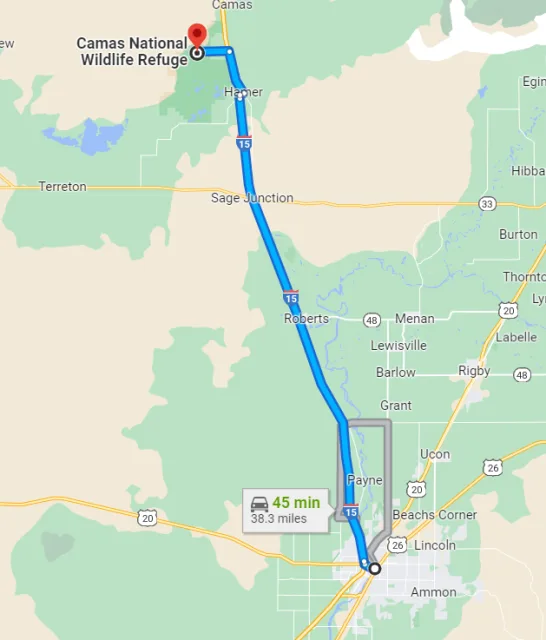
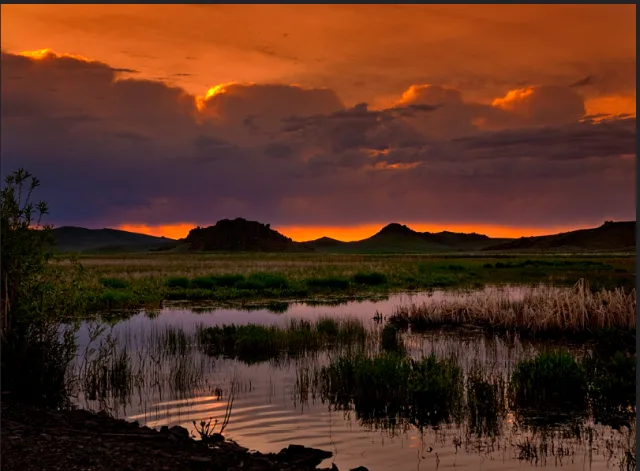
Approximately half of the refuge is comprised of lakes, ponds, and marshlands, with the remainder consisting of upland sagebrush-steppe, meadows, and farm fields. This juxtaposition of aquatic and arid environments creates a biological intersection that attracts and sustains a rich diversity of wildlife. The refuge sits at an elevation of about 4,800 feet, making it a unique stopover point on the Pacific Flyway, critical for birds traversing the mountains and deserts of the West.
The varied landscape and its location make Camas NWR a renowned birding destination, with over 300 species identified over the years. During the peak migration periods in spring and fall (March–April and October), the wetlands swell with spectacular numbers of waterfowl; observers can frequently witness up to 50,000 ducks and thousands of geese, including massive flocks of Snow Geese, and hundreds of Tundra and Trumpeter Swans.

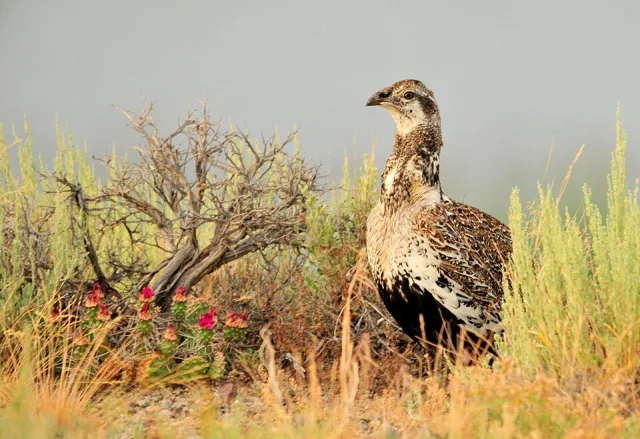
Beyond the impressive waterbird spectacles, Camas is famous among local birders for the exceptional viewing of migrating songbirds, particularly around the refuge headquarters' cottonwood groves, where state record vagrant species are occasionally sighted. Year-round opportunities include observing raptors like Bald Eagles and Rough-legged Hawks that utilize the area's winter roosts, and searching the uplands for species like Long-billed Curlews and Greater Sage-Grouse.
Target Birds
Sandhill Crane
Loggerhead Shrike
Grasshopper and Vesper Sparrow
Franklin's Gull
Trumpeter Swan
Olive-sided Flycatcher
The Friends of Camas has an excellent website with an active group dedicated to the preservation and promotion of bird life in the area, making Idaho's top birding destination.
Idaho’s Airborne Sovereigns: Why the Gem State is the World’s Raptor Mecca
