

Southern Arizona is unequivocally the premier destination for hummingbird enthusiasts in the United States. This region, a sprawling landscape of sky islands, deep canyons, and lush riparian corridors, acts as a dynamic biological crossroads, earning it the well-deserved nickname "America's Hummingbird Capital." While most parts of the U.S. might regularly host one or two species of hummingbird, southern Arizona consistently records up to 15 different species annually, providing a spectacle of color and speed unmatched anywhere else north of Mexico.
The Geographic Crossroads: Sky Islands and the Sierra Madre
The primary reason for this phenomenal diversity lies in the unique geography and climate of the region, specifically within the Madrean Sky Islands.
Sky Islands: These are isolated mountain ranges (such as the Huachucas, Chiricahuas, and Santa Ritas) surrounded by lower-elevation desert grasslands. They function like true islands, with distinct ecological zones rising from the desert floor to cool, high-elevation pine-oak forests. This vertical diversity creates a wide array of habitats and nectar sources, attracting hummingbirds at different elevations throughout the summer.
The Sierra Madre Influence: Crucially, southern Arizona sits at the northern terminus of the Sierra Madre Occidental mountain range that runs through Mexico. This connection allows many Mexican and Central American species to easily push north across the border into the cool, floral abundance of the Sky Islands during their summer breeding season. This geographical pipeline turns Arizona into a temporary extension of the tropics.
Nectar, Water, and Elevation: A Perfect Habitat
Hummingbirds require two things above all else: abundant nectar for fuel and water for survival. Southern Arizona provides both in excess, particularly during the critical summer breeding and migratory months.
Monsoon Rains: The arrival of the North American Monsoon (typically July through September) transforms the region. The summer rains fuel explosive plant growth in the canyons and mountains, creating a continuous supply of nectar from specialized, tubular flowers perfect for the hummingbirds’ long bills.
Riparian Corridors: The canyons, such as those found in the Huachuca Mountains (e.g., Ramsey Canyon, Miller Canyon), retain moisture and support dense, lush riparian (streamside) habitats. These canyons act as green funnels, concentrating both water-dependent flora and the migrating hummingbirds that rely on them.
The Star-Studded Lineup: High Diversity
The most exciting aspect of birding in southern Arizona is the sheer variety of hummingbirds, many of which are rarely or never seen elsewhere in the U.S.
Common Residents and Breeders
These species are the backbone of the region's population, often seen year-round or breeding reliably throughout the summer:
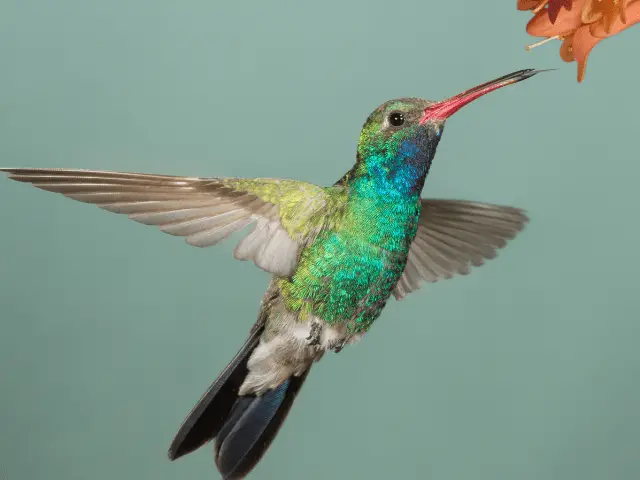
Broad-billed Hummingbird (Cynanthus latirostris): Known for its stunning metallic green body and bright red bill with a black tip. It is a signature bird of the Arizona canyons.
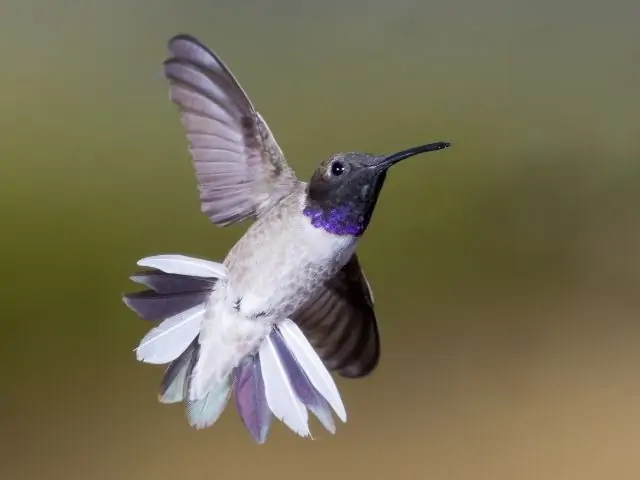
Black-chinned Hummingbird (Archilochus alexandri): The most widespread breeder, recognized by the black gorget (throat patch) bordered by iridescent purple.
Anna's Hummingbird (Calypte anna): A year-round resident, particularly in suburban areas, famous for its rose-pink head and spectacular aerial dive display.

The Rare Mexican Gems

The Sky Islands are famous for reliably hosting rare Mexican species that are highly sought after by birders:
Rivoil's Hummingbird (Rivoli's) (Eugenes fulgens): The largest species regularly found in the U.S., easily recognized by its large size, dark body, and the male's iridescent green gorget and velvety purple crown.
Violet-crowned Hummingbird (Amazilia violiceps): A beautiful white-breasted species named for its bright violet crown. It relies heavily on sycamore-lined canyons.
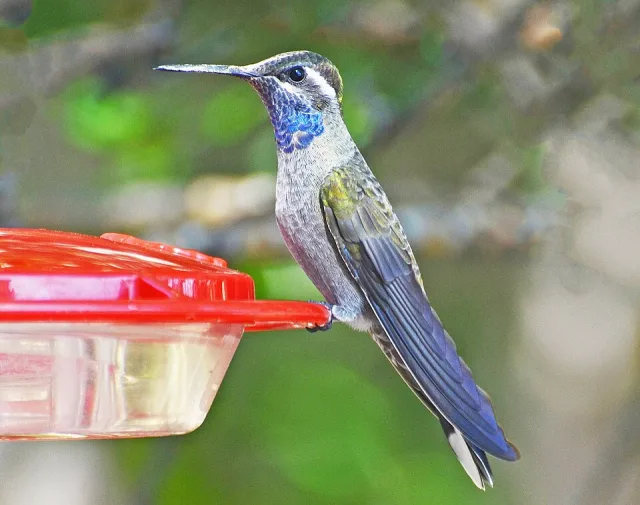
Blue-throated Mountain-gem (Blue-throated Hummingbird) (Lampornis clemenciae): Another large species that nests high in the canyons. It is identified by its white post-ocular stripe and prominent blue gorget (male).
Seasonal Visitors
Other species are commonly seen passing through during spring and fall migration, adding to the total count:
Rufous Hummingbird (Selasphorus rufus): Migrates through Arizona in massive numbers, covering thousands of miles from Mexico to Alaska and back. The male is entirely rufous-orange.
Broad-tailed Hummingbird (Selasphorus platycercus): Nests at high elevations and is known for the distinctive, loud trill created by the male's wing feathers in flight.

Birding Hotspots: Feeders and Canyons
The unique birding culture in southern Arizona is built around accommodating these tiny avian visitors.
Private Feeders and Commercial Sites: Many private homes and commercial establishments in areas like Sierra Vista, Patagonia, and Portal maintain extensive hummingbird feeder setups. These reliable food sources provide crucial support, especially during dry periods, and offer spectacular, close-up viewing opportunities for the public. Places like the Patagonia Hummingbird Sanctuary and private ranches are world-famous for their density of rare hummingbirds.
National Forests and Preserves: Crucial canyon habitats within the Coronado National Forest (such as Ramsey Canyon Preserve, managed by the Nature Conservancy) are protected, ensuring the perennial flow of water and the integrity of the nesting habitat for the rarest species.
Southern Arizona's designation as the Hummingbird Capital is richly deserved. It is a region where climate, geology, and floristic diversity conspire to create an ecological magnet, drawing the continent's largest and most colorful assemblage of these high-octane fliers. For the birder, a trip to the Sky Islands offers not just sightings, but an immersion in the vibrant, speedy heart of North American avian life.
