
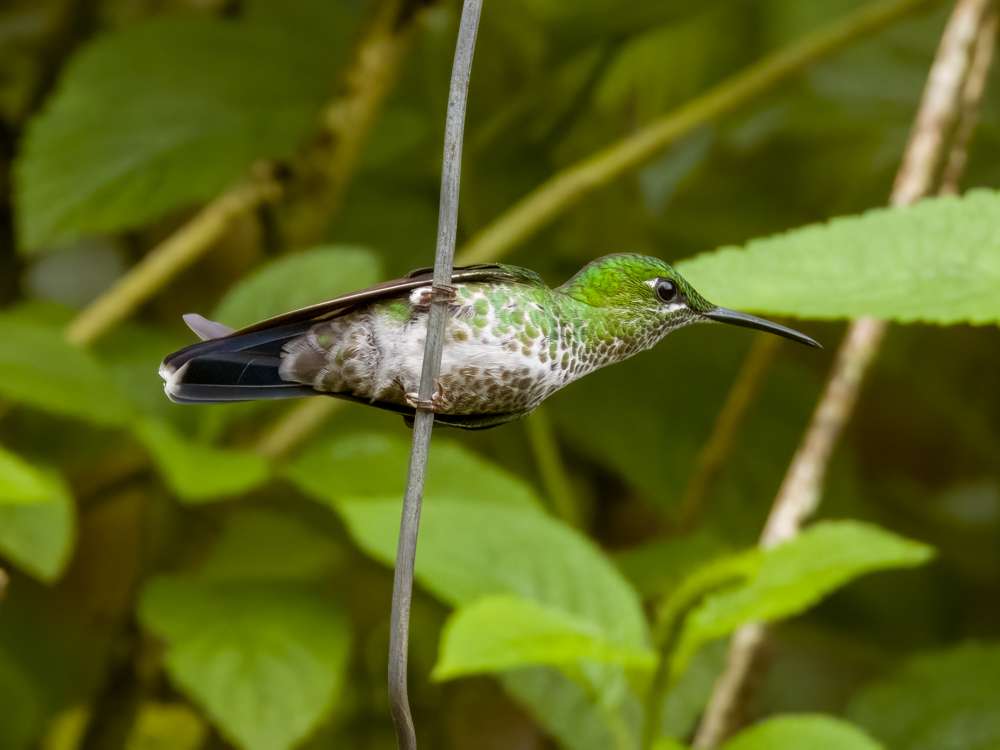
Hummingbirds are a marvel of the natural world, known for their dazzling iridescent feathers, incredible aerial acrobatics, and astonishing speed. But beyond their beauty and biological wonders lies another fascinating aspect: their names. While some are straightforward, like the Ruby-throated or Broad-tailed Hummingbird, others are so bizarre and whimsical that they sound like they belong in a fantasy novel.
Hummingbird Names
From the elegantly named Long-tailed Sylph to the comically descriptive Booted Racket-tail, the names of these tiny birds are a testament to the vivid imaginations of the naturalists who discovered them. This article will explore the most unusual hummingbird names, delving into the stories behind the monikers that make these extraordinary creatures even more memorable.

The Clades
Hummingbirds belong to a single family, Trochilidae, which is part of the order Apodiformes, along with swifts. However, within this single family, hummingbirds are a incredibly diverse group, and ornithologists have classified them into several major clades or subfamilies, which can be thought of as "family names" in a less formal sense.
Based on modern molecular phylogenetic studies, the hummingbird family is often divided into nine major clades. These clades represent distinct evolutionary lineages and are often referred to by the names of the species that define them. They are:
Topazes and Jacobins
A basal group that is sister to all other hummingbirds.
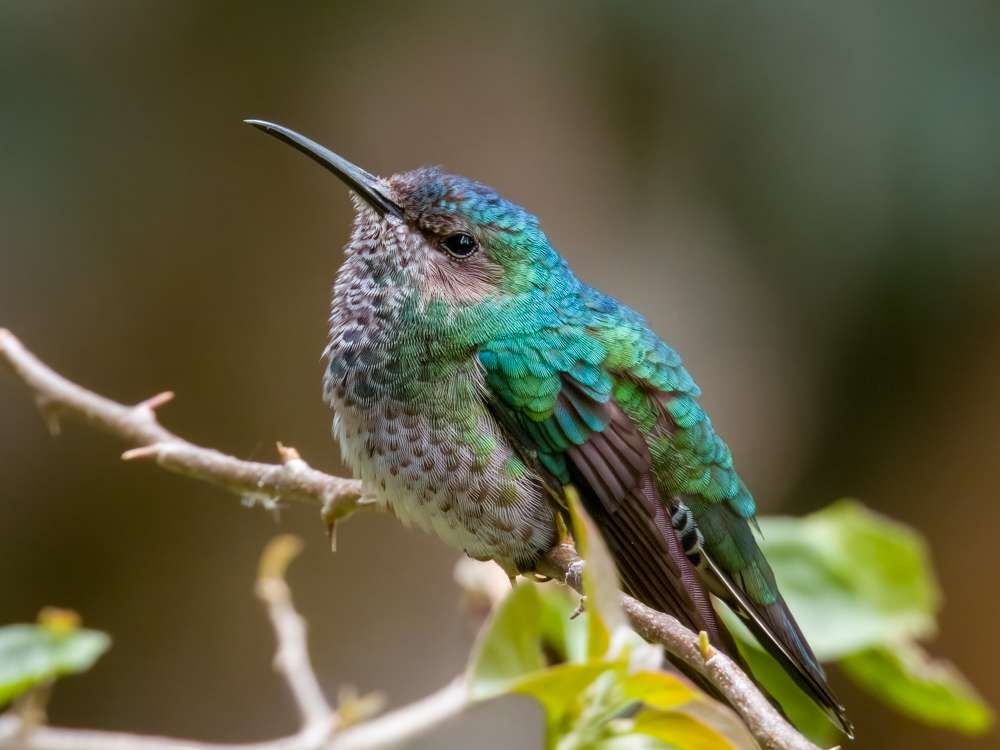
Hermits
A well-known group, typically characterized by their duller plumage and long, decurved bills.
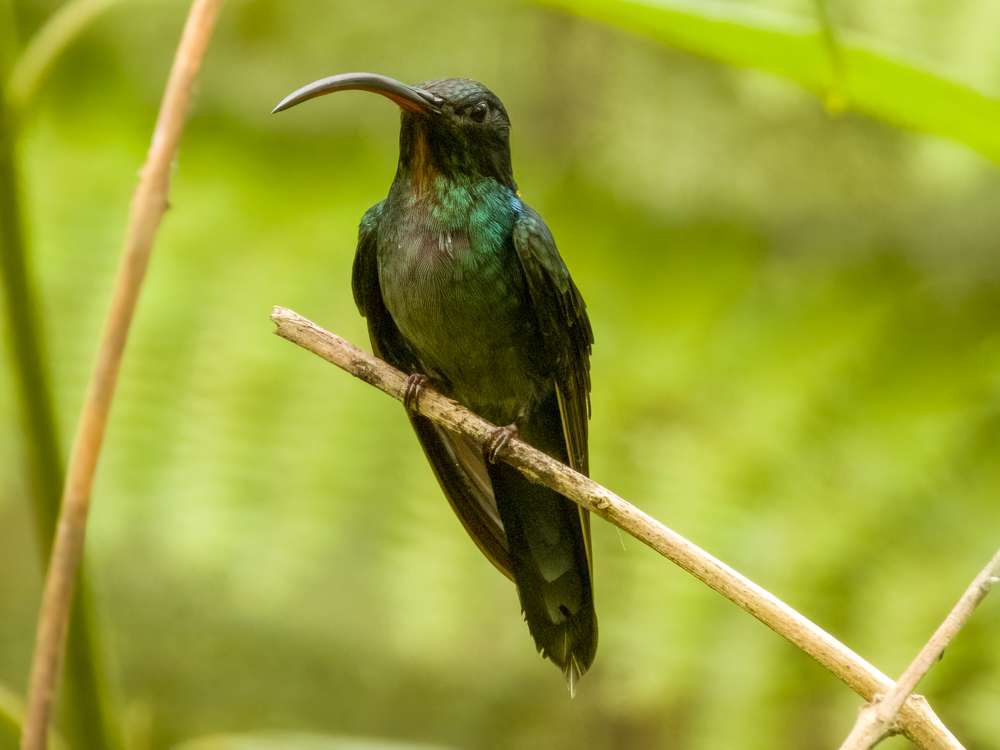
Mangoes
A clade of mostly iridescent, brightly colored hummingbirds.
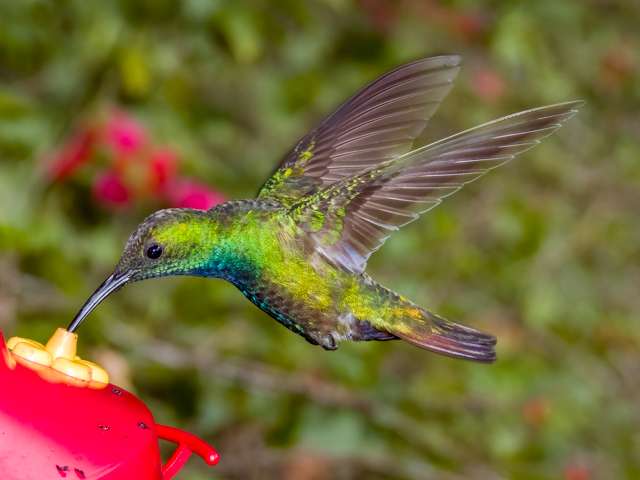
Coquettes
Known for their elaborate, crest-like feathers and small size.
Brilliants
A group of medium-sized hummingbirds with glittering plumage.
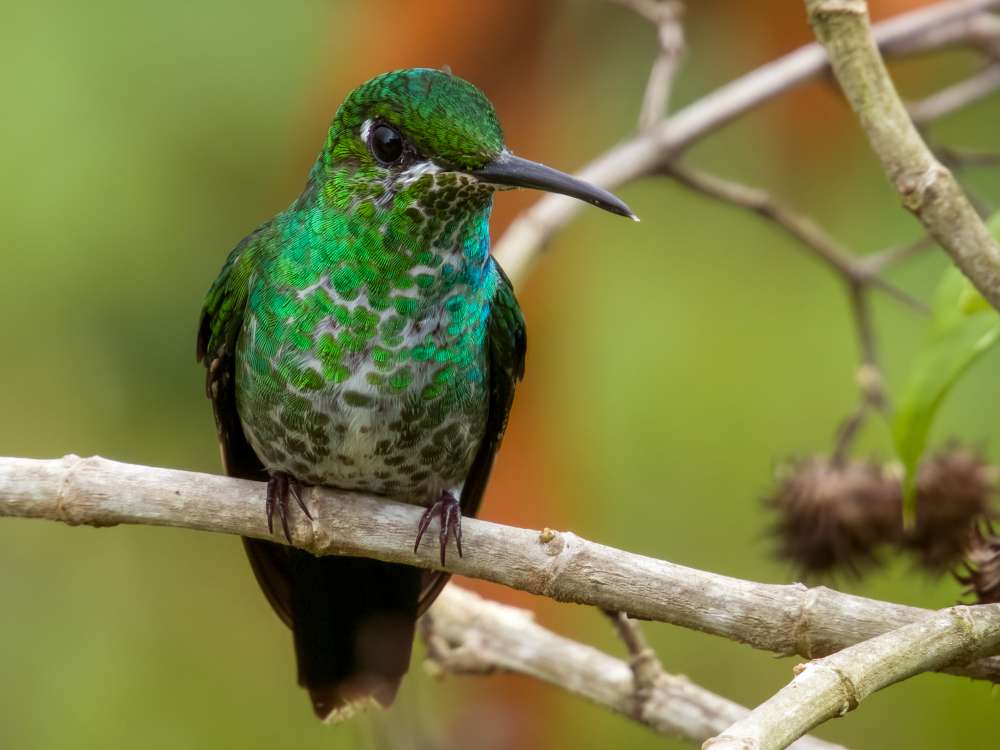
Giant Hummingbird
This clade contains only one species, the exceptionally large Giant Hummingbird (Patagona gigas).

Mountain-gems
A group of hummingbirds found in the higher elevations of the Central and South America.
Bees
This clade includes some of the smallest hummingbirds, such as the Bee Hummingbird, the smallest bird in the world.
Emeralds
A very large and diverse group of hummingbirds, often with a brilliant green color.
These clades help scientists understand the evolutionary history and relationships of the more than 375 hummingbird species that exist today, all of which are native to the Americas.
Names Based on Appearance or Adornments
Hummingbird names are often a delightful mix of the descriptive, the poetic, and the downright peculiar. While many are named for their colors (Ruby-throated, Sapphire-bellied), their appearance can inspire truly unique monikers. Here are some of the most unusual and memorable hummingbird names.
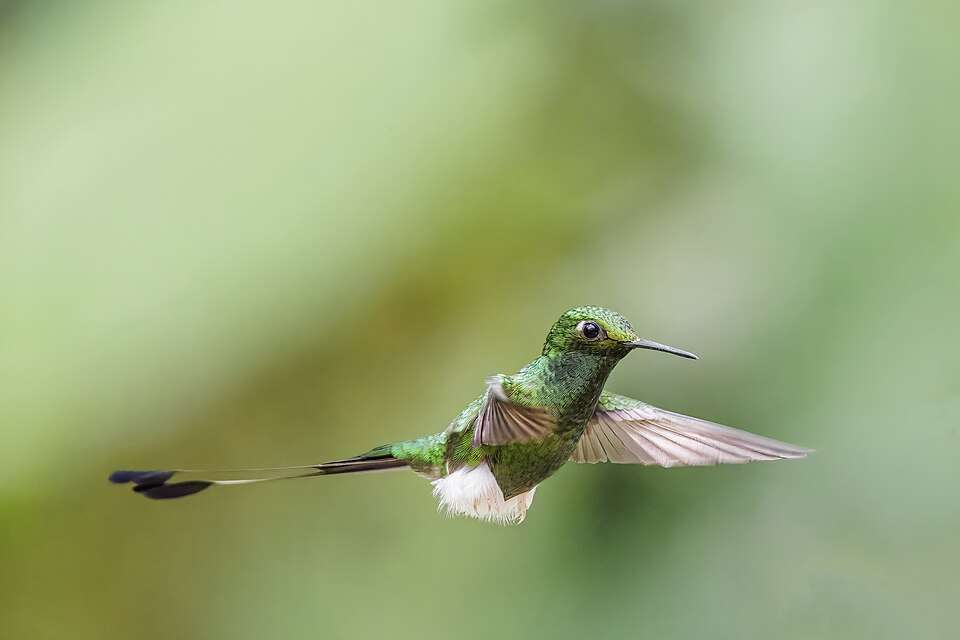
Booted Racket-tail
This name perfectly describes the bird's appearance, which features wispy "boots" of downy feathers on its legs and two long tail feathers that end in a racket-like shape.
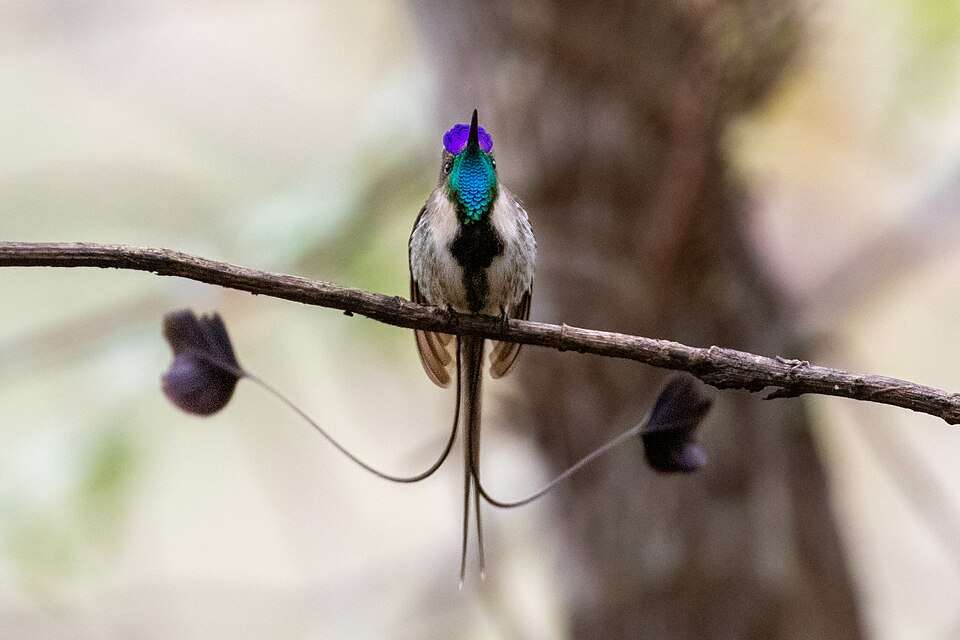
Marvelous Spatuletail
Found only in a small region of Peru, the male of this species has four tail feathers, two of which are incredibly long and end in large, iridescent, spatula-like discs.
Hoary Puffleg
Another name that paints a clear picture. "Hoary" refers to its grayish-white color, and "puffleg" describes the fluffy tufts of feathers on its thighs, making it look as though it's wearing puffy pants.
White-whiskered Hermit
The name describes a prominent feature: a long, white malar stripe that looks like a whisker.
White-necked Jacobin
This hummingbird's name is said to have originated from the white hood and collar that reminded people of the white cowls worn by the Jacobin friars.
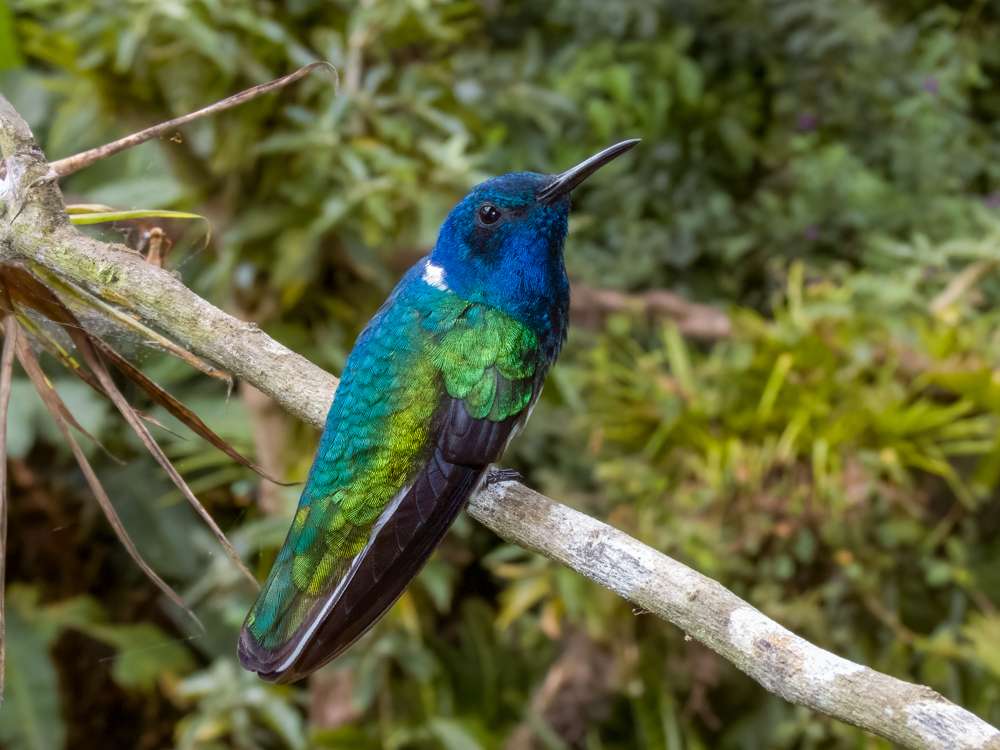
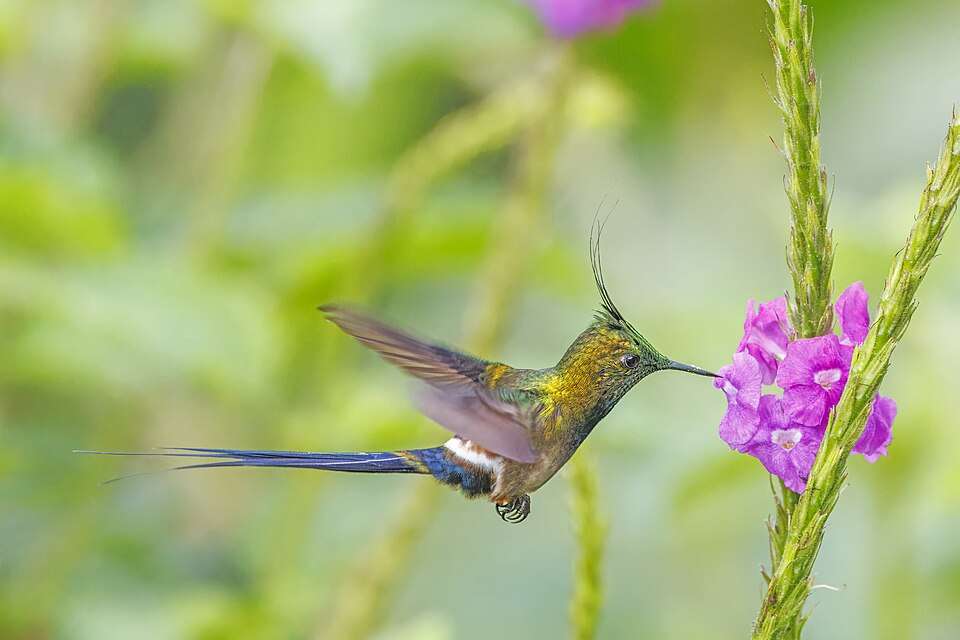
Wire-crested Thorntail
This bird is named for its distinctive head feathers, which are long, thin, and wiry, resembling a wire crest.
Sword-billed Hummingbird
While perhaps not "unusual" in its description, the name is startling because the bird's bill is so long it's longer than the rest of its body, making it one of the most morphologically extreme birds in the world.
Names with a Mythological or Poetic Flair
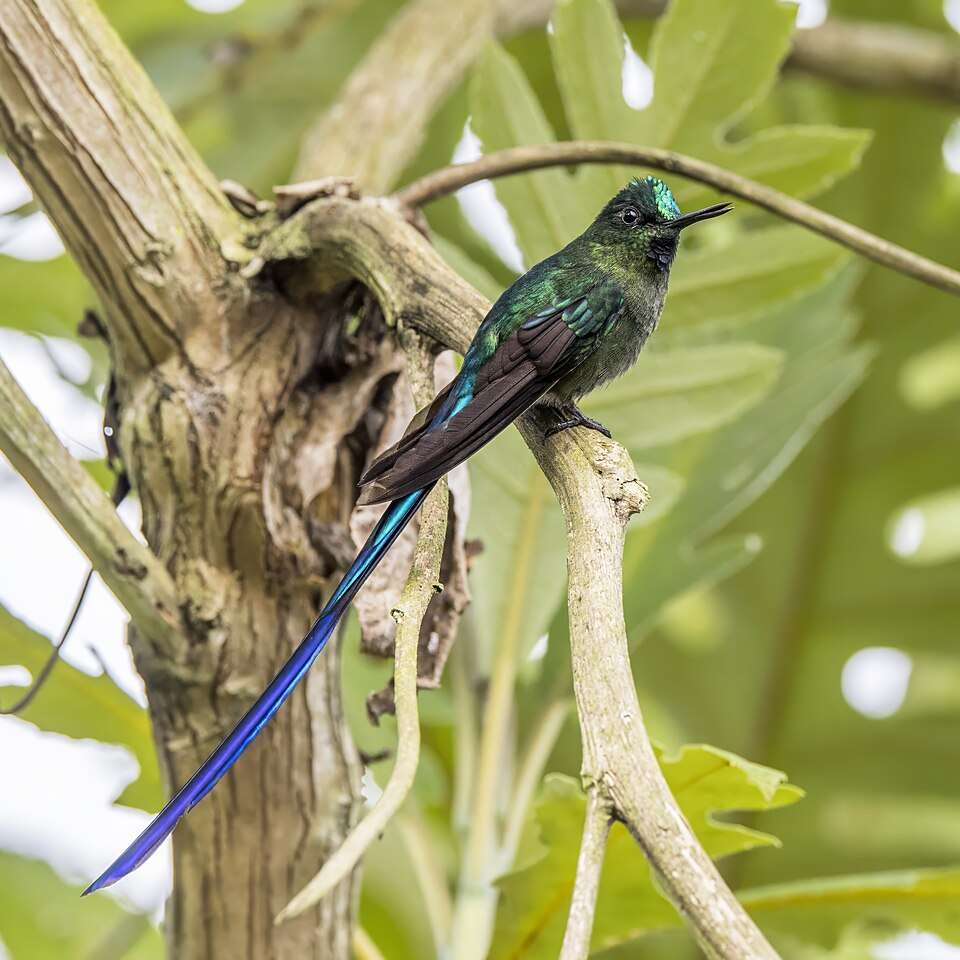
Long-tailed Sylph
"Sylph" is a term for an imaginary spirit of the air. This name, combined with its long, shimmering tail, gives the bird a magical, ethereal quality.
Coquette
The name comes from the French word for a flirtatious woman. Several species, like the Rufous-crested Coquette, have elaborate crests and plumes that give them a flamboyant, flirty appearance.
Sunangel
This name evokes an image of a divine, celestial being, fitting for hummingbirds that often have bright, glittering plumage.
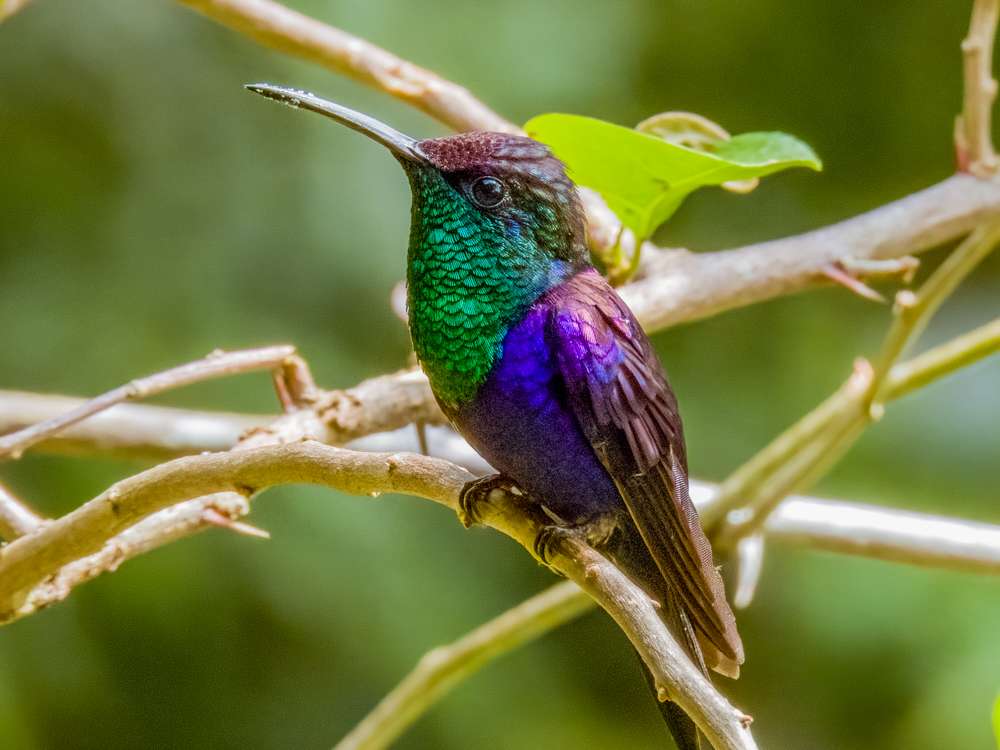
Woodnymph
A nymph is a mythological spirit of nature, and a woodnymph is one that lives in the forest. The name perfectly suits these small, often iridescent hummingbirds that dart through the forest understory.
Streamertail
The name for Jamaica's national bird, this refers to the two extremely long tail feathers on the male that trail behind it like streamers.
Lucifer Hummingbird
The name, which means "light-bearing," likely refers to the iridescent purple gorget of the male, which shines brilliantly in the light, but it definitely stands out among other bird names.
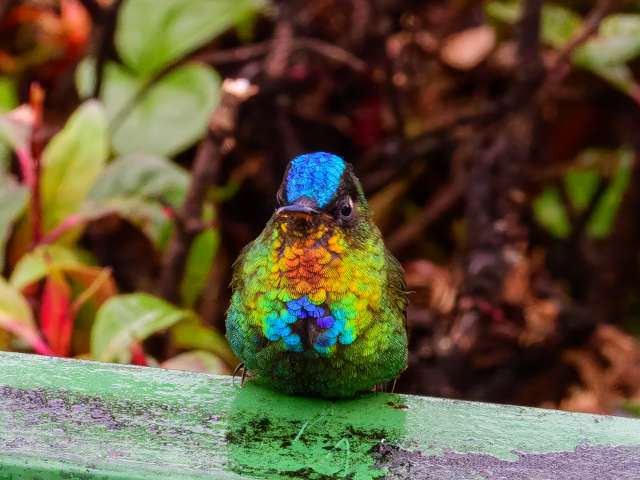
Fiery-throated Hummingbird
While many hummingbirds have brightly colored throats, this one's name suggests a particularly intense, almost mythical blaze of color.
Wrapping Up
So, while a hummingbird's existence is a breathtaking blend of biology and beauty, their names add another layer of intrigue. From the whimsical Marvelous Spatuletail to the almost mythical Long-tailed Sylph, these monikers are more than just labels; they're echoes of the moments of wonder experienced by the people who first encountered them.
They remind us that the natural world isn't just about scientific classification but also about storytelling, poetry, and the simple joy of giving a fantastic creature a name that's just as fantastic. The next time you spot a flash of iridescent color in your garden, remember that its name might be as enchanting as the bird itself.
Read here about the incredible way hummingbirds sleep.
