
Finding a bird that appears to be in distress can be a heart-wrenching experience. Our natural instinct is often to help, but knowing the right steps to take is crucial for the bird's well-being and your own safety. This guide will walk you through what to do if you encounter an injured, sick, or seemingly abandoned bird in the United States.
First, Assess the Situation: Is it Truly in Trouble?
Before you intervene, take a moment to observe. Not every bird that appears alone or still is actually in need of rescue.
For Adult Birds: An adult bird might be stunned, resting, or simply foraging quietly. Look for clear signs of injury:
Visible wounds or blood.
A drooping wing or leg.
Difficulty breathing or gasping.
Lethargy, unresponsiveness, or inability to fly.
A bird that has been caught by a cat or other predator. (Even if there are no visible wounds, cat saliva contains bacteria that can be fatal to birds.)
Trembling or shivering.
Fluffed-up feathers for an extended period, indicating illness.
If you see any of these signs, the bird likely needs help.
For Baby Birds (Nestlings and Fledglings): This is where it gets a bit more nuanced.
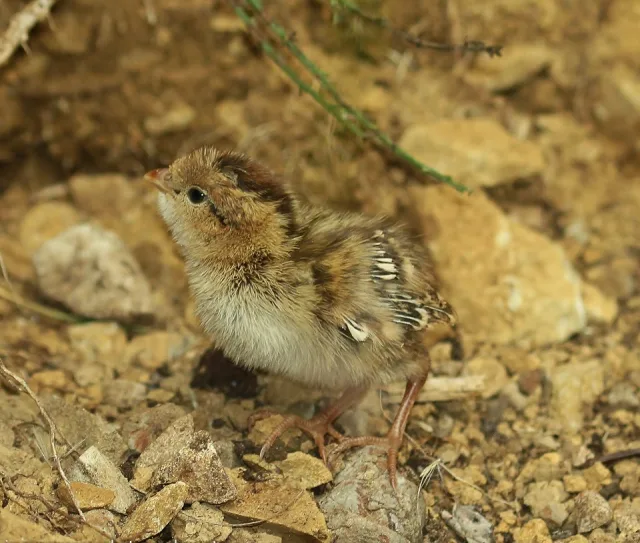
Nestlings are very young birds, typically featherless or with sparse down, eyes possibly closed, and unable to hop or perch. If you find a nestling on the ground, it almost certainly needs help, as it has fallen from its nest too early.
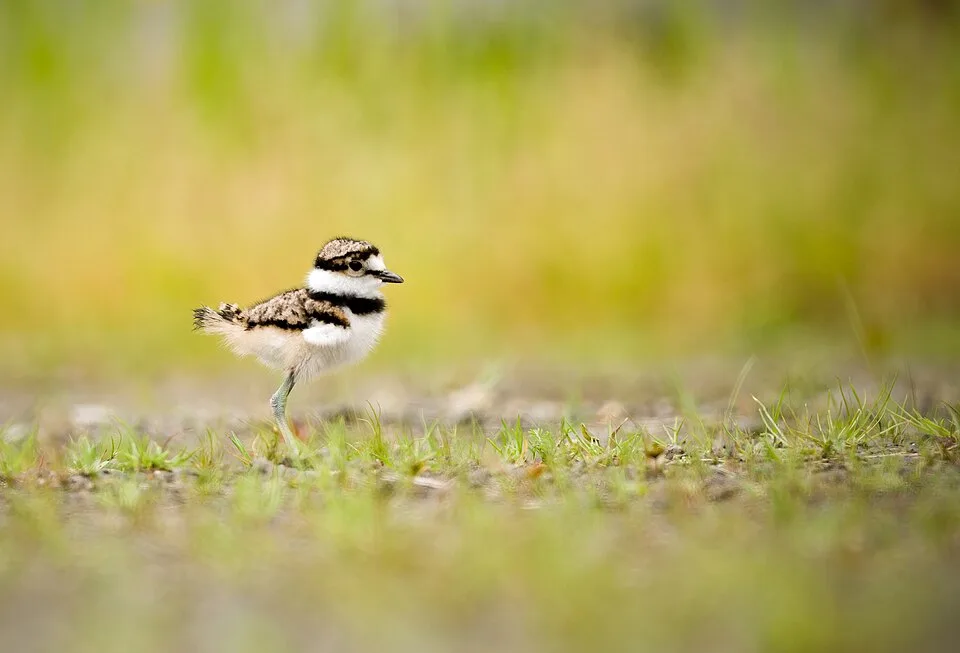
Fledglings are older baby birds, fully or mostly feathered, with short tails and wings. They are learning to fly and will often spend time on the ground for a few days before they can truly take to the air. Their parents are usually nearby, watching and feeding them. A fledgling on the ground without any signs of injury is generally best left alone. Observe from a distance for an hour or two to see if parents return. If it's in immediate danger (e.g., in a busy street or near a predator), you can gently move it to a safer, elevated spot nearby, like a bush.
Your Immediate Actions: Safety First!
If you've determined the bird needs help, your next steps are critical.
Safety for You and the Bird:
Wash your hands thoroughly before and after handling any bird.
Wear gloves if possible. Birds can carry diseases, and their beaks and talons can inflict scratches.
Approach cautiously. Even an injured bird can be stressed and try to escape, potentially worsening its condition.
Keep pets away. Confine cats and dogs indoors while you are assessing and securing the bird.
Containment (If Necessary and Safe to Do So):
For a small bird, gently place a box or laundry basket over it.
For an adult bird, approach from behind and gently grasp it with both hands, cupping its wings against its body to prevent further injury.
Place the bird in a small, well-ventilated container like a shoebox or cardboard box.
Punch small air holes in the lid if the box doesn't have existing gaps.
Line the bottom with a soft cloth (an old t-shirt, paper towels, or a soft rag – avoid terrycloth as it can snag tiny claws).
Keep the bird warm, dark, and quiet. This minimizes stress and shock. Do not offer food or water unless specifically instructed by a rehabilitator. Giving an injured bird the wrong food or forcing water can be harmful or even fatal.
Do NOT Attempt to "Fix" the Bird Yourself:
Resist the urge to splint a broken wing, clean a wound, or force-feed. Without proper training, you could cause more harm than good.
Wild birds are easily stressed by human contact. Your goal is to provide a safe, temporary haven until professional help arrives.

The Most Important Step: Contact a Licensed Wildlife Rehabilitator
This is the single most crucial piece of advice. Wildlife rehabilitators are trained and licensed professionals equipped to provide the specialized care injured and orphaned wild animals need. They have the medical knowledge, permits, and facilities to properly treat, rehabilitate, and eventually release birds back into the wild.
How to Find a Rehabilitator:
Search Online: Use terms like "wildlife rehabilitator near me," "bird rescue [your city/state]," or "ornithological rehabilitation."
Contact Your Local Animal Shelter or Humane Society: Even if they don't treat wildlife directly, they often have lists of local rehabilitators or can guide you to the right resources.
State Wildlife Agencies: Your state's Department of Natural Resources (DNR) or Fish and Wildlife Service often maintains lists of licensed rehabilitators.
National Wildlife Federations/Audubon Societies: These organizations sometimes have resources or can point you in the right direction.
What to Expect When You Call:
Be prepared to describe the bird's condition, the location where you found it, and any observable injuries or behaviors.
The rehabilitator will give you specific instructions on what to do next. They may ask you to transport the bird to their facility, or they might send a volunteer to pick it up.
They will also advise you on whether the bird truly needs intervention or if it's best left alone.
What About Baby Birds That Can Be Returned to the Nest?
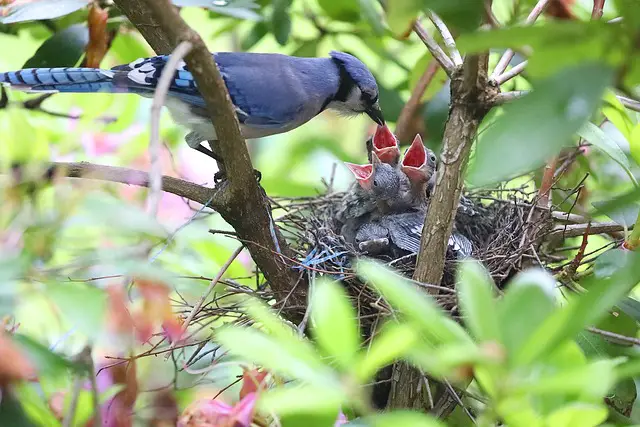
If you find a nestling (a very young, unfeathered or barely feathered bird) on the ground, and you can locate the nest nearby:
Check the nest: If it's still intact and accessible, you can gently return the nestling to its nest.
Dispelling a Myth: It is a myth that parent birds will reject their young if a human has touched them. Most birds have a poor sense of smell, and their parental instinct to care for their young is very strong.
If the nest is destroyed or unreachable: Create a "substitute nest" using a small plastic container (like a margarine tub) with drainage holes, lined with soft material. Secure it firmly in a nearby tree or shrub, as close to the original nest site as possible, out of direct sunlight. Observe from a distance for an hour or two to see if the parents return to feed it. If they don't, contact a rehabilitator.
Why Not Keep It As a Pet?
Keeping wild birds as pets is not only illegal in most cases (under the Migratory Bird Treaty Act) but also incredibly detrimental to the bird. Wild birds have very specific dietary, environmental, and social needs that are almost impossible to meet in a typical home setting. Hand-rearing a wild bird can also lead to imprinting, where the bird identifies with humans and loses its natural instincts, making it impossible to release back into the wild.
Wrapping Up
Your compassion for wildlife is admirable, but responsible intervention is key. By understanding when to help, how to safely contain a bird, and most importantly, by connecting with a licensed wildlife rehabilitator, you give an injured or orphaned bird the best possible chance of recovery and a return to its natural habitat. Remember, your primary role is to be a temporary custodian, facilitating professional care for these vulnerable creatures.
5 Mistakes That Make Your Bird Feeder a 'Pink Eye Pathogen' Risk This Winter
