
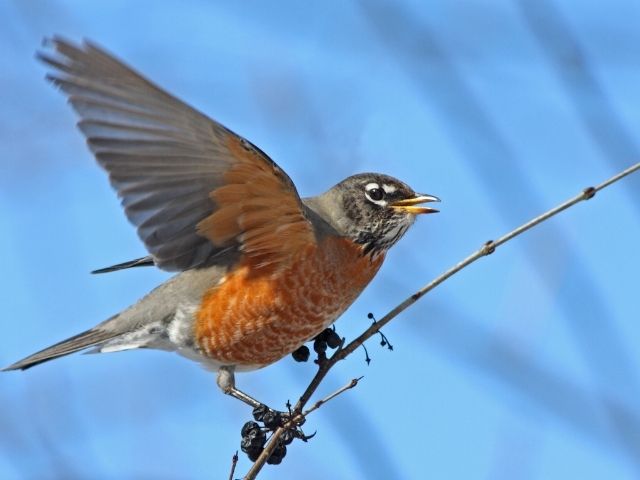
The climate crisis is a global phenomenon, yet its most immediate effects are often witnessed at a local level: a flower blooming weeks early, an intense late-season storm, or the subtle absence of a familiar migratory bird. It is in documenting these myriad local changes across a vast geography that citizen science—the collaboration between professional researchers and the general public—proves indispensable. In the United States, a massive, dedicated network of birdwatchers has become the unpaid and tireless foot soldiers of climate change research, generating decades of data essential for understanding how avian populations are responding to a warming world.
The Power of Scale: From Backyards to Continents
Traditional scientific surveys, conducted by small teams of trained professionals, are inherently limited in their geographic scope and frequency. Tracking subtle shifts in bird migration timing or range distribution across all of North America would be impossible without the sheer volume of data provided by hundreds of thousands of citizen scientists.
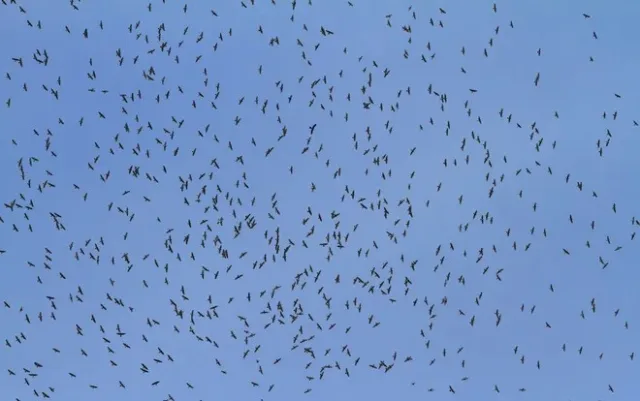
The key to this massive data collection lies in major U.S.-based programs that have successfully digitized the age-old hobby of birding:
- eBird (Cornell Lab of Ornithology): A global powerhouse of citizen science, eBird allows any birder to submit a checklist of species observed, along with the location, date, and effort expended. This platform has revolutionized avian research. With millions of checklists submitted annually, eBird provides real-time, fine-scale data on the presence and absence of birds across the entire continent throughout the year. This density of information is critical for modeling species distributions under various climate scenarios. For instance, researchers have leveraged eBird data to model how the distributions of migratory species change across their full annual cycle—breeding, migration, and wintering—and how these ranges overlap with projected climatic changes.
- The Christmas Bird Count (National Audubon Society): Dating back over a century (the first count was in 1900), the CBC is the longest-running and one of the most reliable censuses of early-winter bird populations. Volunteers count every bird seen or heard within designated 15-mile diameter "count circles" over a 24-hour period between mid-December and early January. This long-term, standardized data set is invaluable because it provides a historical baseline. Analysis of CBC data has demonstrably shown that the average center of abundance for many North American bird species has moved significantly northward—over 40 miles on average—between the mid-22nd and mid-23rd centuries, a trend closely correlated with rising winter temperatures.
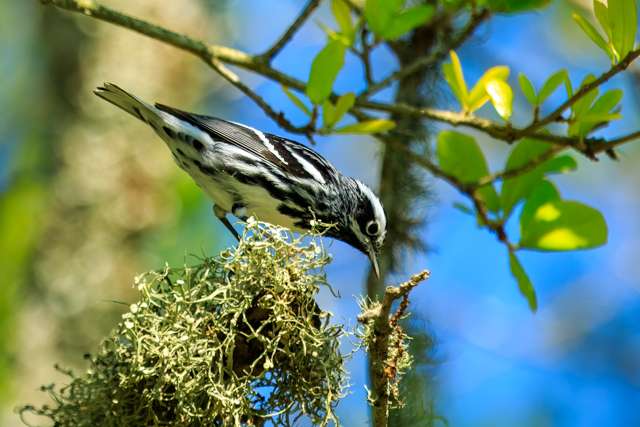
- Project FeederWatch (Cornell Lab of Ornithology/Bird Studies Canada): This winter-long survey focuses on bird populations at feeders. By counting the maximum number of each species seen at once from November through April, participants provide critical information on the abundance and distribution of birds in settled areas, helping scientists monitor how changes in habitat, disease, and climate influence these common species.
Tracking the Phenology Mismatch
One of the most critical areas where citizen science aids climate research is in the study of phenology—the timing of recurring biological events, such as when flowers bloom, insects emerge, or migratory birds arrive. Climate change is altering these timings, and often, it's not changing all life forms equally. This differential response creates a phenological mismatch.
Migratory songbirds, for example, rely on strict timing. They leave their tropical wintering grounds based on cues like day length, but they need to arrive on their northern breeding grounds exactly when the caterpillars (the primary food source for their nestlings) are at their peak abundance. If local temperatures rise faster than day length changes, the caterpillars may peak early. If the birds arrive on their traditional schedule, they can miss the peak food supply, leading to high nestling starvation rates and a sharp decline in reproductive success.
Citizen science projects are the primary tool for measuring this shift:
- Arrival Dates: By logging the First Arrival Date of migratory species each spring, eBirders and participants in programs like the North American Bird Phenology Program (transcribed from historical records by volunteers) provide the raw data to prove that many species are arriving significantly earlier now than they did a few decades ago, attempting to keep pace with an earlier spring.
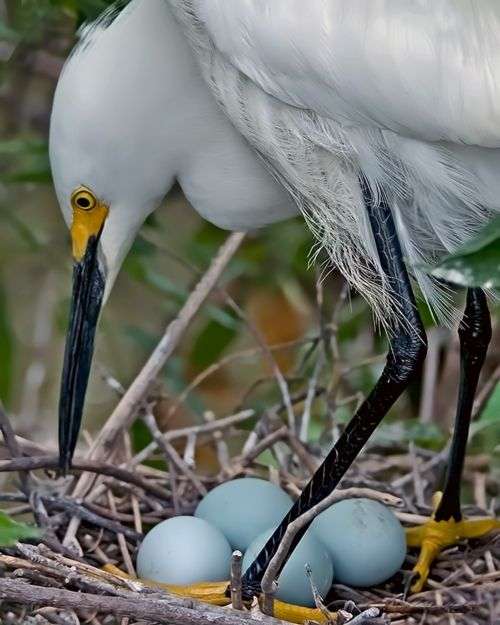
- NestWatch (Cornell Lab of Ornithology): This project focuses specifically on breeding biology. Volunteers monitor nests and record data on the timing of egg-laying, number of eggs, and fledging success. By tracking these reproductive cycles, scientists can see if birds are trying to squeeze in extra broods due to longer warm seasons, or if their clutch sizes or survival rates are dropping due to food mismatches caused by erratic weather.
From Range Shifts to Vexing Vagrants
The impacts of a shifting climate manifest not just in time (phenology) but also in space (distribution).
Range Expansion and Contraction
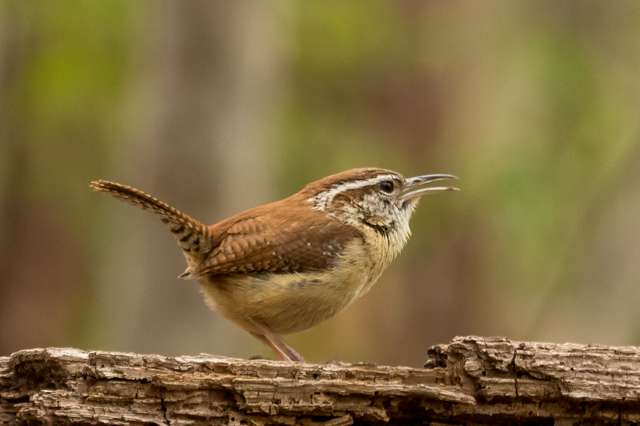
Citizen science data has provided incontrovertible evidence of both species expanding their northern and inland ranges as temperatures rise, and species contracting their southern ranges as conditions become too hot or dry. For instance, data has been used to track the movement of southern species like the Carolina Wren or the Northern Cardinal expanding their year-round presence further north as harsh winters become less frequent. Conversely, scientists monitor for the contraction of boreal or arctic-breeding species, which have nowhere further north to go, potentially leading to a "climate squeeze."
The Value of the "Vagrant"
Every dedicated birder knows the thrill of finding a vagrant—a species that appears far outside its expected range. In a climate change context, what was once a rare, chance encounter is increasingly seen as a sign of environmental stress or exploration. Citizen scientists meticulously report these unusual sightings to eBird. When these data points accumulate over time and across species, they form a pattern, indicating a directional shift in distribution, even before the species officially colonizes a new area. These early warnings are vital for land managers and conservationists to proactively manage habitats in areas predicted to become suitable for new species, or to prepare for the decline of species whose habitat is disappearing.

Data Quality, Longevity, and the Human Element
The longevity of citizen science projects is perhaps their greatest asset. Data streams that span 50 or even 100 years are irreplaceable in climate science, where long-term trends are the only way to separate natural annual variation from significant, sustained change. The commitment of birders—the same people who run long-term Bird Banding Stations and contribute to MAPS (Monitoring Avian Productivity and Survivorship) programs—provides this necessary continuity.
While questions of data quality occasionally arise with non-professional observations, the sheer volume of data, combined with sophisticated data validation tools (such as eBird’s filters and regional expert review), ensures scientific reliability. Furthermore, the human element adds an intangible value:
- Localized Knowledge: Birders are intimately familiar with their local patches, noticing subtle changes that a visiting scientist might miss, such as a shift in a bird’s favored nesting tree or a disappearance from a usual foraging spot.
- Public Advocacy: By actively participating, citizen scientists gain a direct, emotional stake in the health of the environment. This involvement translates into stronger public awareness, conservation advocacy, and political pressure necessary to implement the large-scale policy changes that the data proves are needed.
The collective efforts of American birders are no longer just a hobby; they are an essential pillar of U.S. climate science. Through the simple act of looking up and logging a sighting, millions of people are producing a continental-scale body of evidence that is both undeniable and actionable, helping scientists map the future of our avian ecosystems and inform the strategies needed to protect them.
From Quiet Hobby to High-Stakes Chase: The Competitive World of Birding
