
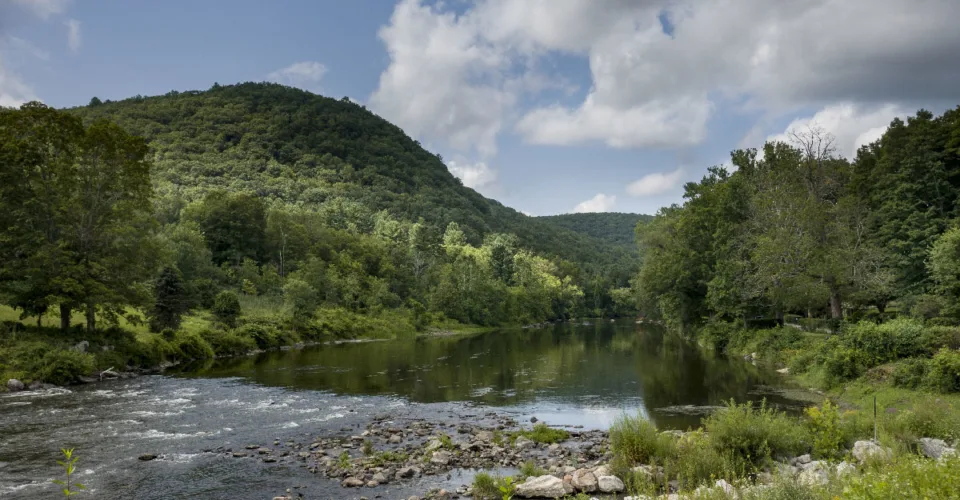
Winding through the rugged hills of Litchfield County and spilling down toward the Long Island Sound, the Housatonic River serves as the lifeblood of western Connecticut. The valley it carved—the Housatonic Valley—is a landscape of deep hemlock ravines, rolling oak-hickory forests, and high-altitude calcareous meadows. For the birdwatcher, this region represents one of the most vital corridors for forest songbirds in the Northeast.
During the peak of spring migration, the valley acts as a funnel. While the coastal marshes of Connecticut draw the shorebirds, the "Housie" (as locals call the river) draws the singers. From the rare Cerulean Warbler to the ethereal Wood Thrush, the Housatonic Valley is a sanctuary where the ancient rhythms of the Atlantic Flyway are felt in every trill and whistle.
1. The Warbler Capital: High-Canopy Specialists
If you visit the Housatonic Valley in May, the air is thick with the high-pitched "zray-zray-zray" of wood-warblers. This region is a critical breeding ground for several species that are increasingly rare elsewhere in New England.
The Cerulean Warbler: The Sky-Blue Mystery
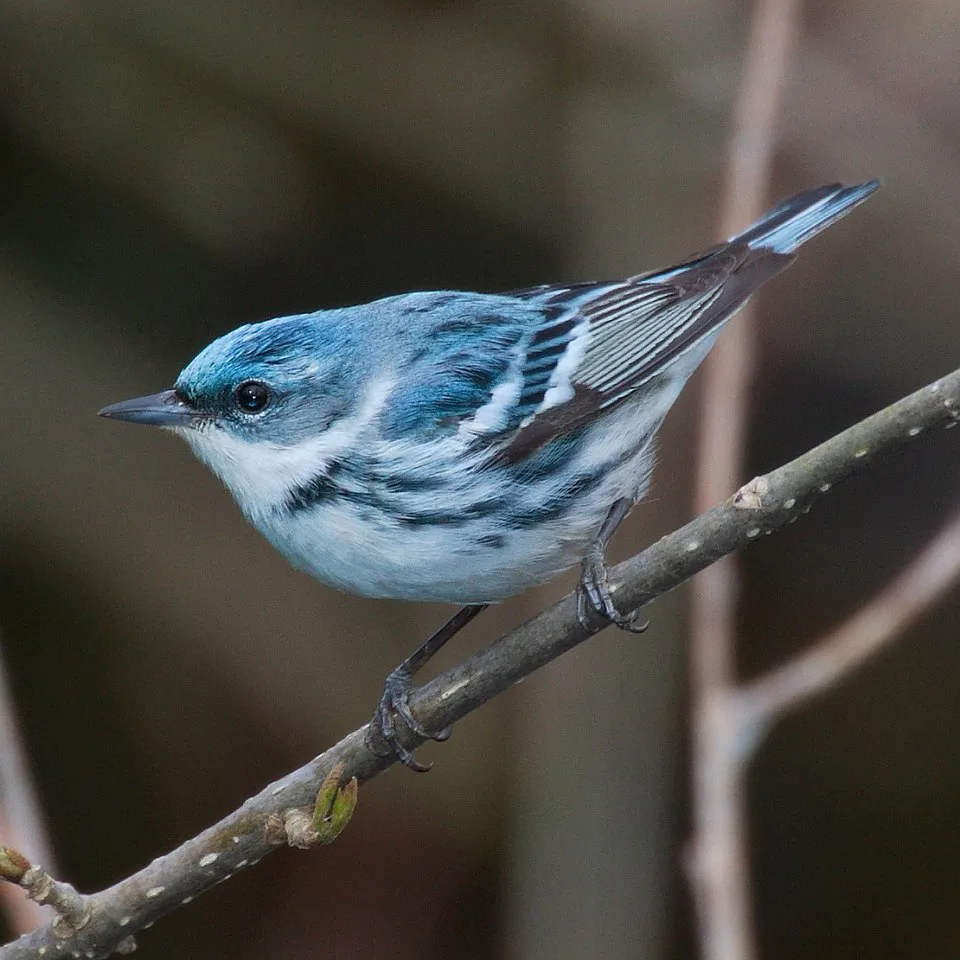
The Cerulean Warbler (Setophaga cerulea) is the holy grail of the Housatonic. These birds are canopy specialists, spending their lives in the highest reaches of mature deciduous trees. The steep, forested hillsides overlooking the river—particularly around the town of Kent and the Housatonic Meadows State Park—host one of the most stable breeding populations in the state.
Identification: Look for a tiny bird with sky-blue upperparts and a distinct dark "necklace" across a white breast.
Conservation Note: Because they require large, unfragmented tracts of mature forest, they are a primary indicator of the valley's ecological health.
The Louisiana Waterthrush: The Spirit of the Stream
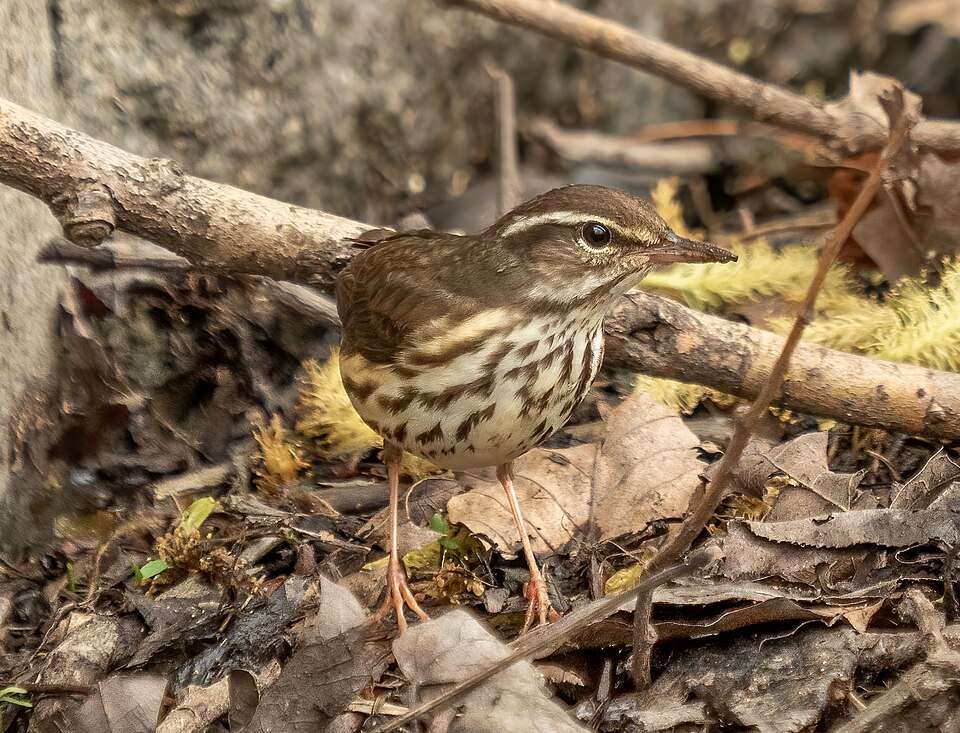
Unlike most warblers, the Louisiana Waterthrush is tied to the water. In the rocky, hemlock-shaded tributaries that feed into the Housatonic, this bird arrives earlier than almost any other migrant. Its loud, ringing song is often the first sign that spring has truly arrived in the valley. They are masters of the "tail-wag," constantly bobbing as they forage for aquatic insects along the water’s edge.
2. The Voices of the Understory: Thrushes and Vireos
While warblers dominate the canopy, the forest floor and mid-story of the Housatonic Valley belong to the thrushes. There is no sound more evocative of a New England summer than the song of the Wood Thrush.
The Wood Thrush: A Flute in the Forest

The Wood Thrush is the "soul" of the Connecticut woods. Its song is a flute-like, three-part melody that ends in a metallic trill. These birds prefer the damp, shaded interiors of the valley’s broadleaf forests. Despite being the official bird of Washington D.C., many would argue it truly belongs to the quiet ravines of western Connecticut.
Where to listen: The Audubon Center in Bent of the River in Southbury offers nearly 15 miles of trails through prime Wood Thrush habitat.
The Blue-headed Vireo
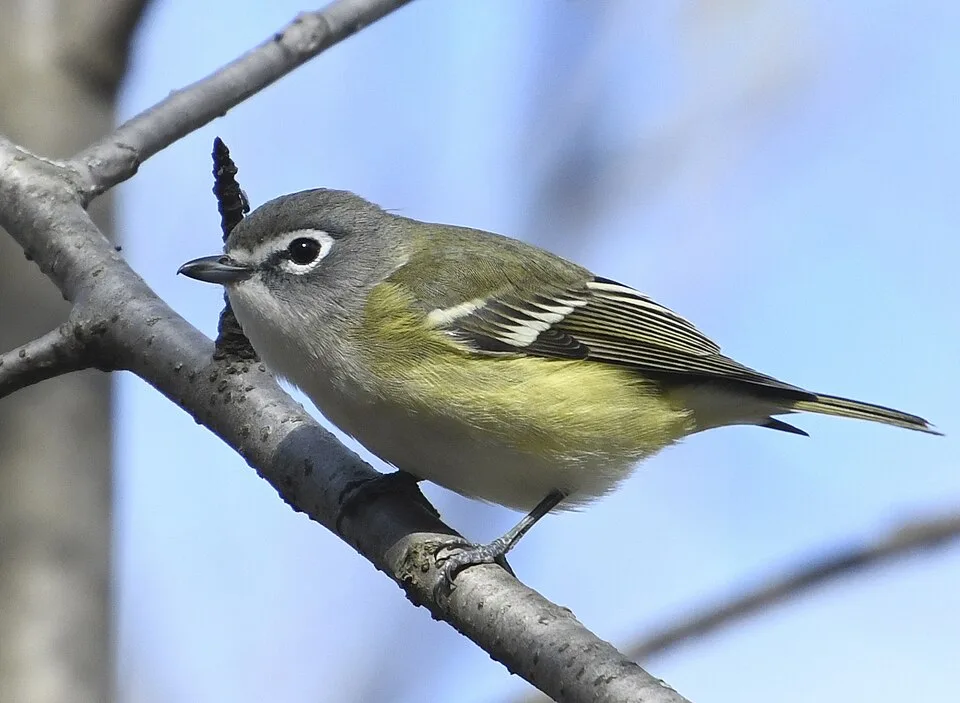
In the cooler, higher elevations of the valley where hemlock and white pine become more dominant, the Blue-headed Vireo makes its home. Recognizable by its slate-blue head and crisp white "spectacles," this bird is a slow, methodical forager. Its song is a series of deliberate, questioning whistles that can be heard throughout the mid-day heat when other birds have gone silent.
3. The "Edge" Effect: Scrub and Meadow Migrants

The Housatonic Valley isn't just dense forest; it’s a patchwork of historical farmland and limestone glades. This "edge" habitat is vital for species that are losing ground in a rapidly developing state.
Blue-winged Warbler: Found in the overgrown pastures and powerline cuts of the valley, this bird is a splash of brilliant yellow with a sharp black eye-line. It is often at the center of a fascinating genetic story, hybridizing with the Golden-winged Warbler to produce the "Brewster’s" and "Lawrence’s" hybrids.
Scarlet Tanager: Perhaps the most breath-taking bird in the valley, the male Scarlet Tanager is a shocking, tropical red with jet-black wings. They favor the canopy of mature oaks, where they hunt for bees and wasps.
4. Key Birding Hotspots of the Valley
If you’re planning a trip to western Connecticut, these locations offer the highest density of species:
Miles Wildlife Sanctuary (Sharon): A hidden gem with boardwalks through beaver swamps and mature forests, perfect for spotting nesting Barred Owls and Northern Waterthrushes.
Kent Falls State Park: While famous for its waterfall, the surrounding hills are a magnet for migrating warblers and vireos.
River Road (Kent): This is arguably the most famous birding road in Connecticut. Running parallel to the Housatonic River, it offers easy access to bottomland forest where Cerulean and Yellow-throated Warblers are frequently found.
White Memorial Conservation Center (Litchfield): With over 4,000 acres of protected land, this is a massive reservoir of biodiversity, featuring everything from Wood Ducks in the marsh to Pileated Woodpeckers in the deep woods.
5. Conservation and the Future of the Valley
The forest songbirds of the Housatonic Valley face a modern "triple threat": habitat fragmentation, invasive species, and climate change.
The Hemlock Crisis: The Hemlock Woolly Adelgid, an invasive insect, has devastated the hemlock groves of western Connecticut. This has a direct impact on birds like the Black-throated Green Warbler and Acadian Flycatcher, which rely on the cool, dark microclimates these trees provide.
Forest Maturity: Many of Connecticut’s forests are roughly the same age. To support a diverse bird population, the valley needs a mix of "young" forest (for shrub-nesting birds) and "old-growth" forest (for canopy nesters).
Migratory Bridges: Organizations like the Housatonic Valley Association (HVA) and Audubon Connecticut work tirelessly to protect "green corridors." These corridors ensure that a bird nesting in Kent has a safe path of continuous forest as it migrates through the state.
The Seasonal Rhythm
Birding the Housatonic Valley is an exercise in timing.
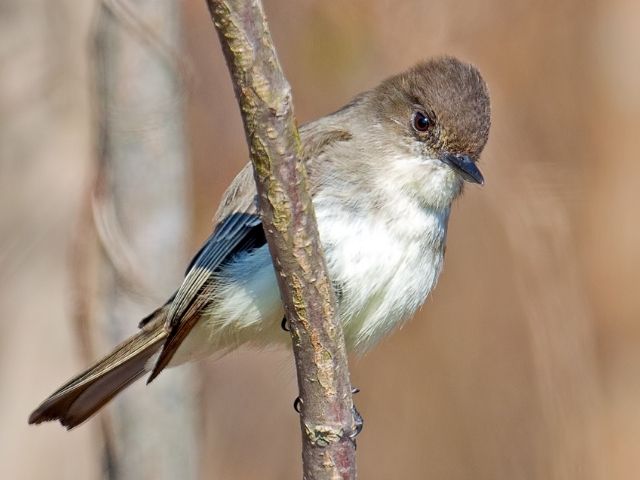
In April, the focus is on the return of the Phoebes and the first Waterthrushes.
In May, the "warbler wave" hits, turning the valley into a kaleidoscope of color.
By June, the frenzy of nesting begins, and the woods are filled with the begging calls of fledglings.
In September, the reverse migration begins, as birds use the river once again to navigate their way south toward the coast and beyond.
The Housatonic Valley reminds us that Connecticut’s beauty isn't just found on its shoreline. The deep, green heart of the state—with its mossy ravines and sun-dappled oaks—is a place of international importance. To listen to a Wood Thrush sing as the sun sets over the Housatonic is to hear the true, wild voice of New England.
