

The US skies are patrolled by some of the most awe-inspiring avian predators on Earth. But which of these formidable hunters and silent nocturnal figures capture the human imagination enough to dominate the digital realm? An analysis of online search trends reveals that public interest in birds of prey is driven not just by local sightings, but by a blend of sheer size, iconic looks, cultural resonance, and intriguing behavior. Some raptors and owls have transcended mere birdwatching to become true "celebrities" in the vast ecosystem of the internet.
The Raptors: Icons of Power and Resilience
Raptors—the eagles, hawks, and falcons—are the day-shift hunters, commanding attention with their powerful flight and sharp vision. Among them, a few species soar far above the rest in terms of online searches.
The Bald Eagle: America's Undisputed Superstar

No raptor in the US can compete with the Bald Eagle (Haliaeetus leucocephalus) for name recognition. As the national bird and emblem, its cultural importance is immense. The image of the adult eagle, with its striking white head and dark body, is instantly recognizable, making it a constant subject of curiosity and research. The Bald Eagle's dramatic recovery from near-extinction, thanks to conservation efforts after the ban of the pesticide DDT, also makes it a powerful symbol of environmental resilience and a frequent topic in conservation searches. Its massive size and impressive nests only add to its popular appeal.
The Golden Eagle: The Wilderness Monarch

A close competitor in terms of grandeur is the Golden Eagle (Aquila chrysaetos). While less associated with national symbolism than its white-headed cousin, its immense size, powerful build, and association with rugged, mountainous wilderness give it a high-ranking spot. Internet searches often focus on its impressive hunting prowess, especially its ability to take down large prey, fueling its mystique as a true apex predator of the American West.
The Peregrine Falcon: The Speed Demon
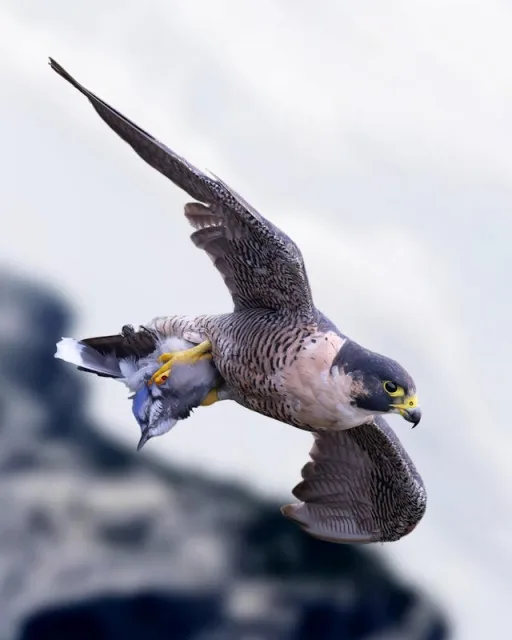
The Peregrine Falcon (Falco peregrinus) is a perennial favorite, celebrated as the fastest animal on the planet. Its stunning stoop, or dive, which can reach speeds over 200 mph, is a spectacular sight and a source of constant online fascination. Its adaptability, nesting successfully on urban skyscrapers as well as coastal cliffs, also places it in unexpected places, leading to local search spikes and national interest in urban wildlife.
The Red-tailed Hawk: The Backyard Familiar
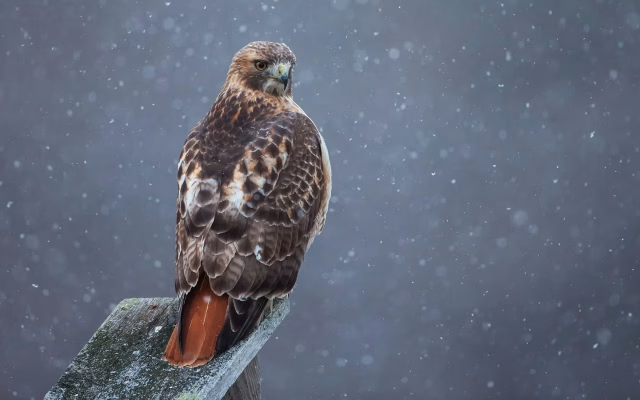
Often seen soaring over highways or perched on utility poles, the Red-tailed Hawk (Buteo jamaicensis) is arguably the most ubiquitous and commonly seen raptor. Its high search ranking is less about rarity and more about sheer frequency of encounter. People search for identification guides, as its call is often used in movies, and its presence is a common feature of suburban and rural life, prompting countless queries of "What hawk is this?"
The Owls: Silent Hunters and Cultural Enigmas
Owls, with their cryptic nocturnal lives and large, forward-facing eyes, possess a special kind of allure that translates powerfully into public curiosity. Researchers have found that owls, as a group, are often the subject of more public curiosity than any other bird group.
The Snowy Owl: The Pop Culture Icon
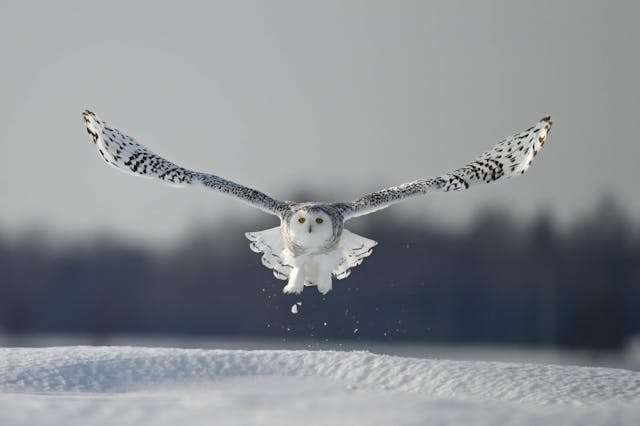
Unquestionably, the Snowy Owl (Bubo scandiacus) is one of the most Googled owls, largely due to a single, powerful cultural phenomenon: Hedwig from the Harry Potter series. This fictional celebrity status has cemented the real bird's place in the public consciousness.
Beyond its literary fame, the Snowy Owl's appearance—large, striking white plumage, and piercing golden eyes—makes it incredibly photogenic. Its dramatic winter irruptions into the northern US are major birding events that create massive spikes in online searches, with people tracking their whereabouts and seeking information on their arctic origins.
The Barn Owl: The Face of Ghostly Elegance

The Barn Owl (Tyto alba) is a true "celebrity bird" popular even outside its range. Its high search ranking is driven by its distinctive, heart-shaped face, ghostly white appearance, and its tendency to roost in man-made structures like barns and silos, making encounters—and searches—more frequent. Its unique screeching vocalizations—a far cry from the classic "who-who"—also lead to many "What is that sound?" queries. Its reliance on sound to hunt in complete darkness is a frequent topic of technical interest.
The Great Horned Owl: The Original "Who"

As one of the largest and most widespread owls in North America, the Great Horned Owl (Bubo virginianus) is a classic. Its prominent ear tufts (often mistaken for horns) and its deep, resonant hoo-h'hoo-hoo-hoo call make it the stereotypical owl. Its immense predatory strength—it preys on everything from small rodents to skunks and other raptors—piques the interest of those fascinated by the wild hierarchy of the food chain.
The Driving Forces Behind the Fame
Why do these specific species attain "celebrity" status online?
Size and Spectacle: Large birds, like eagles and Great Horned Owls, inherently draw more attention. Their imposing presence translates into search queries.
Aesthetics: The striking white plumage of the Snowy Owl or the clean, iconic look of the Bald Eagle make them highly shareable and searchable.
Cultural Tie-ins: Fictional characters (Hedwig) and national symbols (Bald Eagle) create a massive built-in audience.
Intriguing Behavior: The Peregrine's speed, the Barn Owl's silent flight, and the Snowy Owl's nomadic winter journeys all provide unique hooks for researchers and curious minds alike.
Ultimately, these highly Googled raptors and owls serve as important ambassadors for wildlife conservation. Their online fame highlights a deep public connection to the natural world. By satisfying curiosity about these majestic "celebrities," we can better understand and protect all the aerial hunters that share our skies.
