
The world's highest mountains are some of the most unforgiving environments on Earth. With thin air, brutal cold, intense solar radiation, and scarce resources, these peaks seem utterly inhospitable to life. Yet, for a select group of birds, they are home. These avian high-altitude specialists have evolved an astonishing array of physiological and behavioral adaptations that allow them to not only survive but thrive in environments that would be fatal to most other creatures. In the United States, from the rugged heights of the Rocky Mountains to the windswept peaks of the Sierra Nevada, these birds represent the ultimate example of evolutionary resilience. They are the true mountaineers of the sky.
The Physiological Challenges and Their Solutions
The primary obstacle for any animal at high altitude is hypoxia, or a lack of oxygen. At elevations above 10,000 feet, the air pressure is significantly lower, meaning that with every breath, a bird takes in fewer oxygen molecules. The ability to fly and maintain a high metabolic rate in such conditions requires a biological system optimized for oxygen intake and delivery.
Birds have a fundamentally more efficient respiratory system than mammals, which gives them a head start. Their lungs have a unique one-way airflow, meaning fresh air is constantly moving through the lungs during both inhalation and exhalation. This prevents the mixing of oxygen-rich and oxygen-poor air. For high-altitude birds, this system is even more fine-tuned. Many species have larger lungs relative to their body size, providing a greater surface area for gas exchange.
Perhaps the most crucial adaptation is in their blood. High-altitude birds possess a specialized form of hemoglobin, the protein in red blood cells that carries oxygen. This hemoglobin has a much higher affinity for oxygen, allowing it to "grab" oxygen molecules from the thin air more effectively. It can bind to oxygen even when the partial pressure is very low, ensuring that the bird's cells receive the oxygen they need to power flight and metabolism. Additionally, these birds often have larger hearts and denser blood vessels, which work together to pump the oxygenated blood more efficiently throughout their bodies.
Surviving the cold is another major challenge. Temperatures can plunge far below freezing, especially at night. To combat this, high-altitude birds have exceptional insulation. Their feathers are incredibly dense, and they possess a thick layer of down feathers beneath their contour feathers, which traps a layer of insulating air against their bodies. Behaviorally, they may huddle together in communal roosts or find sheltered nooks in rocks and snow to minimize heat loss. Some species can even enter a state of torpor, a form of controlled hypothermia, to conserve energy during the coldest parts of the night.
Masters of the Alpine: U.S. High-Altitude Specialists
The United States is home to several species that exemplify these high-altitude adaptations, each with its own unique survival strategy.
The Black Rosy-Finch: A High-Elevation Nomad
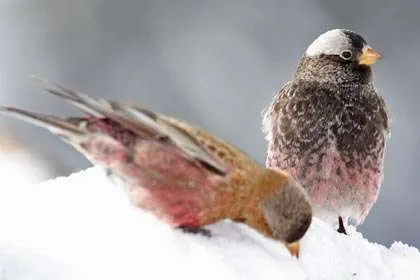
The Black Rosy-Finch is a quintessential high-altitude bird. Found in the Rocky Mountains and other western ranges, these finches spend their summers nesting in the most extreme, remote alpine areas, often on cliffs and rock faces near permanent snowfields. In winter, they descend to lower elevations but still remain in high country, relying on communal foraging. Their diet consists of seeds from alpine plants and insects that have been blown onto snowfields, a food source that is available even in the harshest conditions. They have a powerful gizzard for grinding down hard seeds and an incredible tolerance for cold. At night, they often huddle together in large flocks in sheltered rock crevices to share warmth.
The White-tailed Ptarmigan: The Alpine Ghost
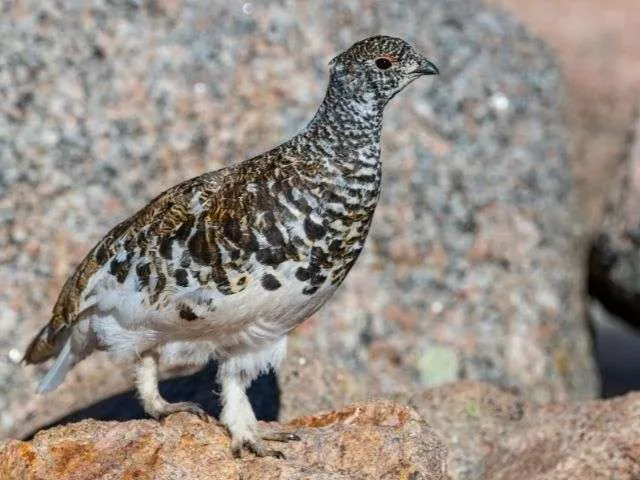
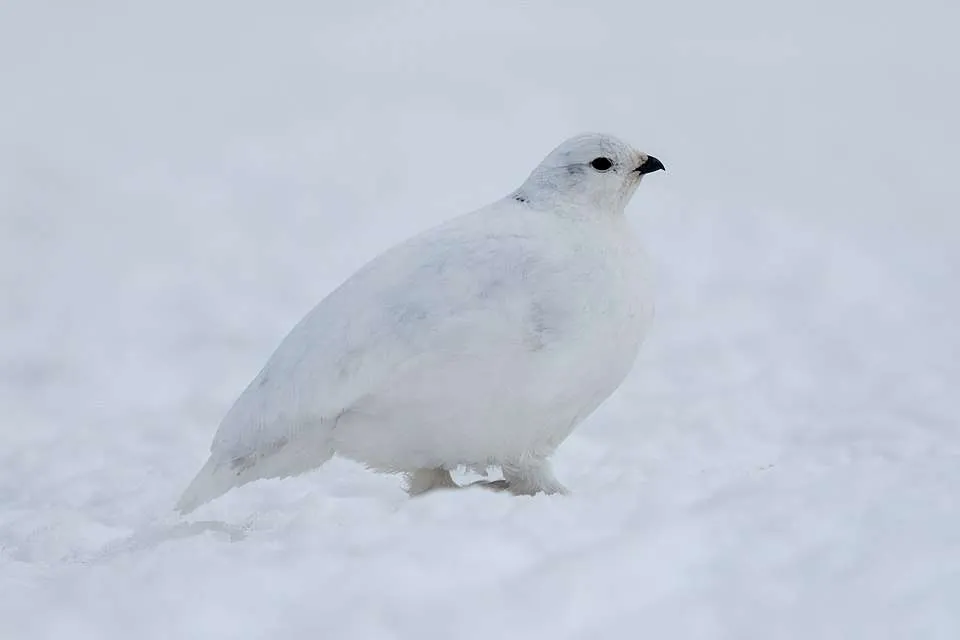
The White-tailed Ptarmigan is a true year-round resident of the high alpine. Found above the treeline in the Rocky Mountains, from New Mexico to Alaska, this bird is a master of camouflage. Its plumage changes with the seasons, from a speckled brown in summer to a pure white in winter, allowing it to blend seamlessly with its snowy environment. This ptarmigan's feet are completely covered in dense feathers, which not only provides insulation but also acts like a snowshoe, distributing its weight and allowing it to walk effortlessly on snow. Its most remarkable survival tactic, however, is its ability to dig burrows in the snow to roost for the night, where temperatures can be as much as 50 degrees Fahrenheit warmer than the outside air.
The Clark's Nutcracker: The Caching King
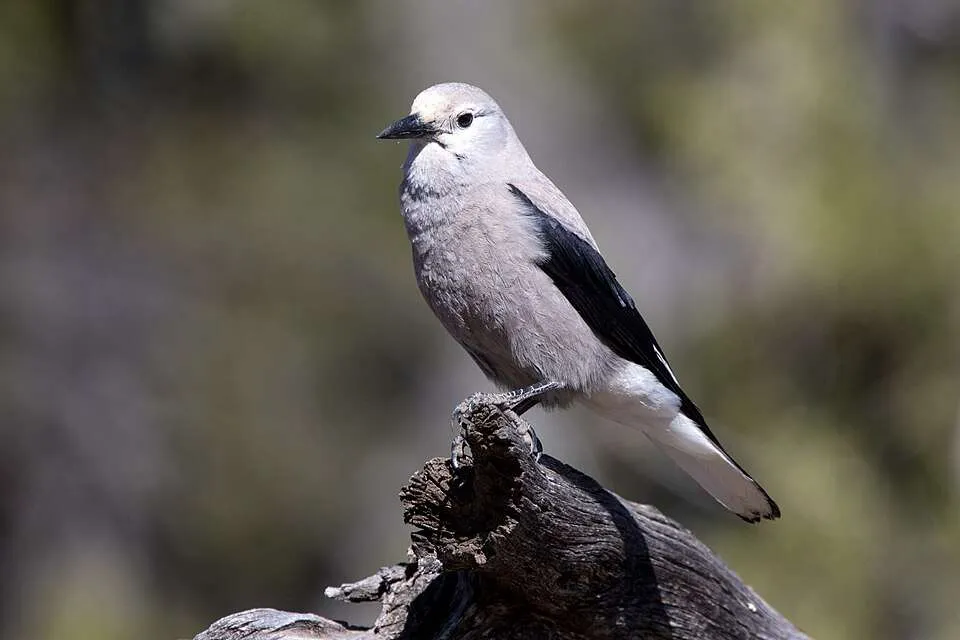
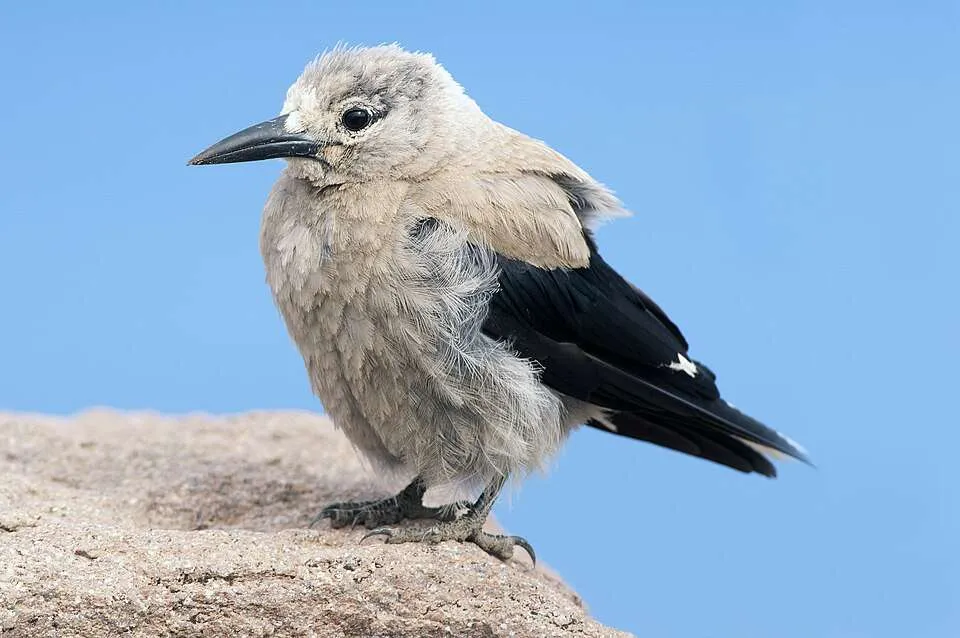
The Clark's Nutcracker, a relative of the jay, is a vital resident of the high-elevation pine forests of the western U.S. This bird’s entire existence is tied to the seeds of the whitebark and limber pines. Its most famous adaptation is its phenomenal memory and caching behavior. In late summer and fall, a single nutcracker will harvest and bury tens of thousands of pine seeds in thousands of different locations across its high-altitude territory. It can remember the locations of these caches for up to nine months, allowing it to survive the long, harsh winters. This behavior not only ensures the nutcracker’s survival but also plays a crucial role in the regeneration of the high-elevation pine forests, as many unrecovered seeds will sprout.
The California Condor: The High-Flying Scavenger
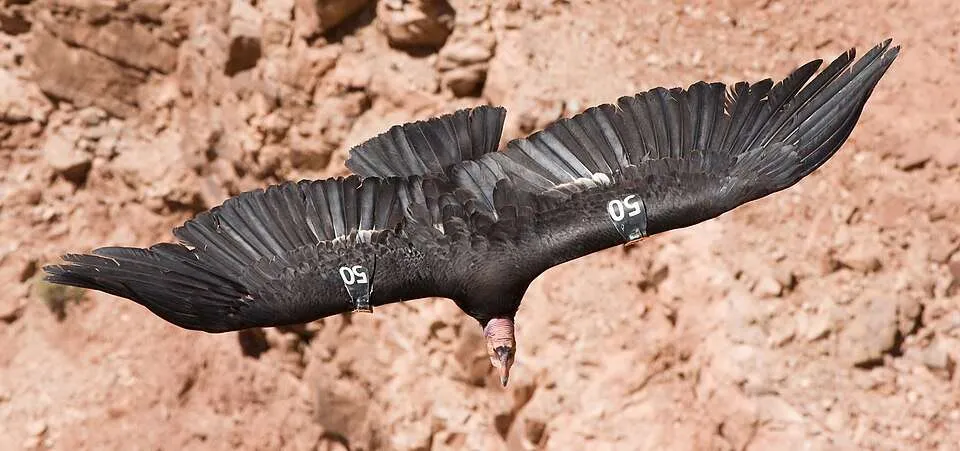
While not a high-altitude resident, the California Condor is a testament to the adaptations for high-altitude flight. With a wingspan of nearly 10 feet, these massive birds regularly soar at altitudes of 10,000 to 15,000 feet as they search for carrion. Their long, broad wings are perfectly suited for riding thermal updrafts, allowing them to glide for hours without flapping. While their physiology is adapted for flight at these heights, the condors' main challenge is their vulnerability to lead poisoning from ingesting bullet fragments in carcasses, a struggle that highlights the unique threats faced by these high-flying birds in a human-dominated landscape.
Behavioral Strategies for Survival
Beyond their physiological advantages, high-altitude birds employ a suite of clever behaviors to survive. These are just as important as their physical adaptations.
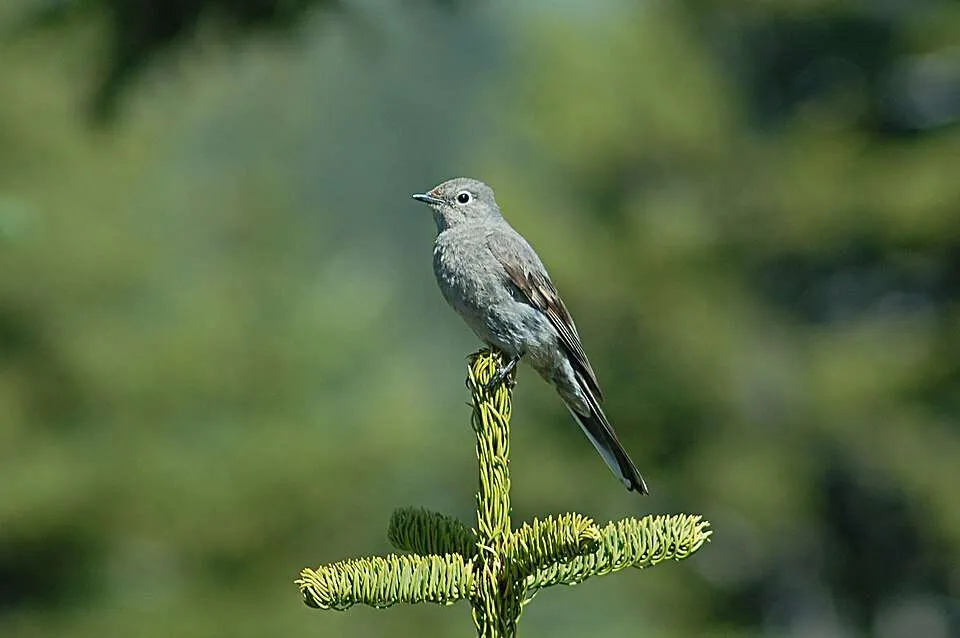
Altitudinal Migration: Many high-altitude birds are not true migrants in the traditional sense, but they do engage in altitudinal migration. As winter approaches, they simply move down the mountain to a lower elevation where temperatures are less severe and food is more accessible. This is a common strategy for species like the Townsend's Solitaire and the Mountain Chickadee, which will move from their breeding grounds near the treeline to foothills and valleys for the winter, a much shorter journey than migrating thousands of miles south.

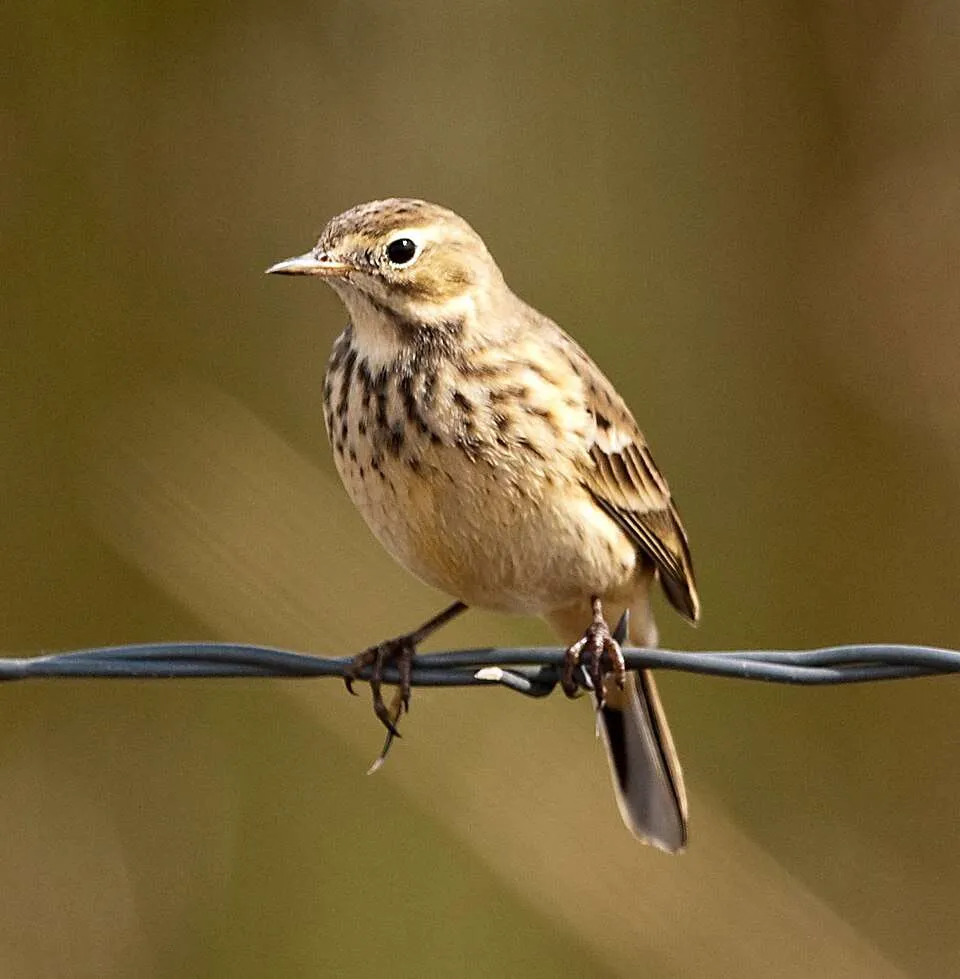
Specialized Foraging: The food sources at high altitudes are often sparse and seasonal. Birds like the American Pipit, which breeds in alpine meadows, have to be opportunistic feeders, searching for insects, spiders, and seeds on the ground. The Rosy-Finch's behavior of foraging on snowfields for insects is a perfect example of a highly specialized strategy that exploits a unique, though challenging, food source.
Communal Behavior: The social and communal behavior of many of these birds is a critical survival mechanism. The large flocks of Rosy-Finches and the group roosting of Ptarmigans not only provide warmth but also shared vigilance against predators like the Golden Eagle, which is another high-altitude specialist that soars and hunts in these same mountain environments.
Wrapping Up
The birds that inhabit the highest altitudes are far more than just resilient; they are biological wonders. Their ability to overcome the immense challenges of hypoxia, cold, and limited resources is a perfect demonstration of the power of evolution. From the specialized blood of a Rosy-Finch to the snow-burrowing instinct of a Ptarmigan, every adaptation, whether physical or behavioral, is a testament to the ingenuity of nature. These "mountaineers of the sky" are a powerful reminder that even in the most extreme and unforgiving corners of our planet, life not only endures but flourishes.
Want more? Read about birds in extreme climates.
