
The U.S. birding landscape is rightly dominated by legendary names: the Everglades, Big Bend National Park, and the vast refuges along the Gulf Coast. However, some of the most spectacular, surprising, and fruitful birding experiences are found not in major national parks, but in obscure municipal parks, remote ecological preserves, and unexpected urban green spaces.
These "hidden hotspots" offer incredible diversity, often boast unique specialties, and, best of all, are generally less crowded, providing the peace and quiet essential for quality observation. If you’re looking to boost your life list and discover a new corner of North American ornithology, here are ten hidden U.S. bird-watching hotspots you won’t believe exist.
The Unexpected West: Deserts and Mountains
1. Patagonia-Sonoita Creek Preserve, Arizona
Everyone flocks to the well-known canyons of Southeast Arizona, but the Nature Conservancy’s Patagonia-Sonoita Creek Preserve offers a unique oasis. This riparian forest, a corridor of cottonwood and willow trees, cuts through the arid landscape, creating an essential magnet for migrants and specialty birds.
Why It's Hidden: It’s tucked away in a tiny town and often overshadowed by larger preserves.
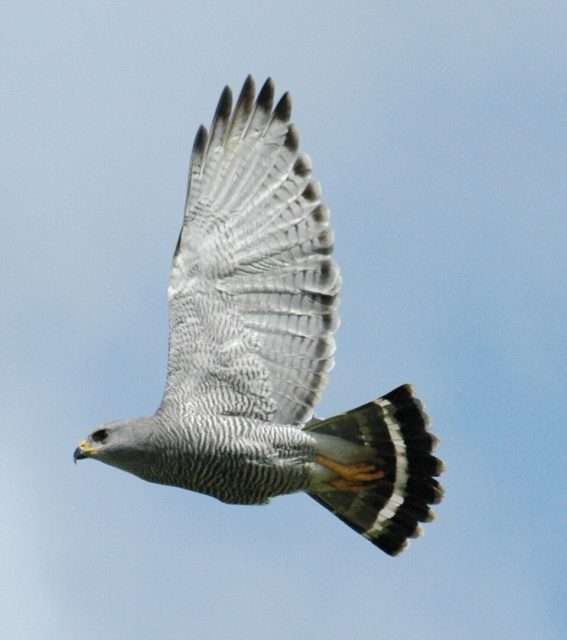
Target Species: This is the most reliable place in the country to find the striking Gray Hawk. Look also for the dazzling Violet-crowned Hummingbird and rare Mexican specialties.
2. Malheur National Wildlife Refuge, Oregon
Located in the remote high desert of southeastern Oregon, Malheur is a massive, federally protected wetland complex. Though vast, its sheer distance from major cities keeps crowd numbers low.
Why It's Hidden: Its extreme isolation in the Harney Basin.
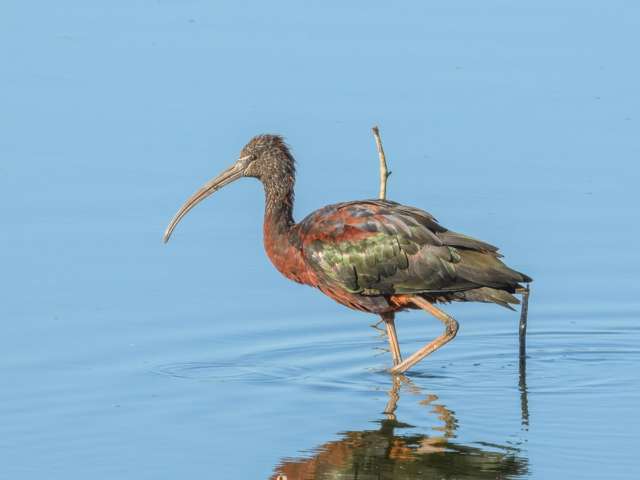
Target Species: Offers spectacular viewing of breeding White-faced Ibis, Sandhill Cranes, American White Pelicans, and vast numbers of waterfowl. It’s also a key stopover for migratory shorebirds.

White-faced Ibis

The Central Flyway Secrets: Plains and Prairies
3. Fort Worth Nature Center & Refuge (FWNCR), Texas
A true ecological gem preserved within an urban setting, FWNCR is one of the largest municipal parks in the country. It encompasses over 3,500 acres of protected land representing the Cross Timbers and Prairies ecoregion.
Why It's Hidden: It’s an urban park often overlooked by birders heading straight to the Texas coast or the Valley.
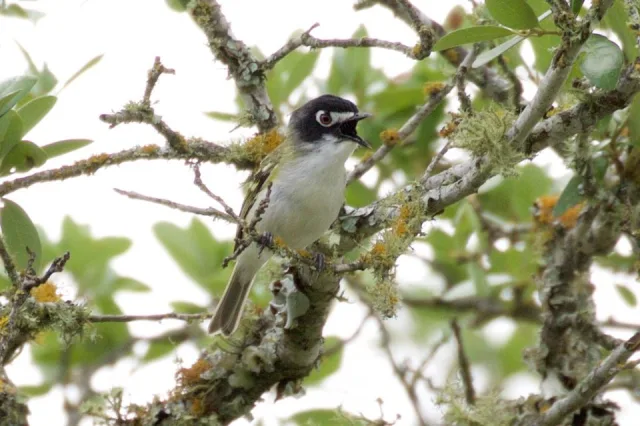
Target Species: The refuge harbors a resident herd of bison and is a top spot for spotting the locally declining Black-capped Vireo during the breeding season, as well as a great variety of winter sparrows and raptors.
4. Cheyenne Bottoms, Kansas
Forget about Kansas being flat and boring. Cheyenne Bottoms is the largest inland marsh in the U.S. and a crucial staging area for migrating shorebirds and waterfowl in the Central Flyway. Its vast, shallow basin attracts an unbelievable diversity of species.
Why It's Hidden: It's located far from interstates in the middle of the state.
Target Species: Thousands of Sandpipers, Plovers, and American Avocets stop here. It’s also a crucial spot for rare sightings of Whooping Cranes during migration.

Northeast Treasures: Forests and Coastal Stops
5. Cape May Point State Park, New Jersey
While Cape May itself is famous, the little-known State Park at the very tip of the peninsula provides incredible access to one of the world's greatest migratory bottlenecks. It's often quieter than the crowded nearby hawk-watching platforms.
Why It's Hidden: The larger, busier surrounding areas pull focus.
Target Species: Phenomenal raptor migration in the fall, including thousands of Sharp-shinned Hawks and Peregrine Falcons. It’s also a reliable location for spotting overwintering seabirds and loons.

6. Jamaica Bay Wildlife Refuge, New York
It seems impossible that a premier wildlife refuge exists inside the borders of New York City, but Jamaica Bay, part of the Gateway National Recreation Area, is an incredible urban oasis.
Why It's Hidden: It’s located in Queens, under the flight path of JFK Airport, but its managed wetlands are superb.
Target Species: Excellent variety of wading birds (herons, egrets, Glossy Ibis), nesting Osprey, and large congregations of shorebirds during peak migration.

The Southern Specialties: Swamps and Mountains
7. Congaree National Park, South Carolina
Protecting the largest tract of old-growth bottomland hardwood forest left in the U.S., Congaree is a silent, towering, and often overlooked park. The high canopy and floodwaters create a unique habitat.
Why It's Hidden: It lacks the dramatic scenery of western parks and requires navigating boardwalks over swampy terrain.
Target Species: Look up for nesting Barred Owls and listen for the elusive calls of the Swallow-tailed Kite and Prothonotary Warbler, which thrive in this water-filled woodland.

8. Wheeler National Wildlife Refuge, Alabama
This refuge lies along the Tennessee River and provides a crucial wintering ground for waterfowl in the Southeast. Its location is a pleasant surprise tucked into northern Alabama.
Why It's Hidden: Alabama is not traditionally seen as a major birding destination.
Target Species: Wheeler is the best place in the Southeast to see concentrations of Greater White-fronted Geese and massive numbers of ducks. It also hosts the southernmost wintering population of Sandhill Cranes.

The Northern Fringe: Lakes and Islands
9. Point Pelee National Park, Ontario (Honorary Mention – Border Region)
While technically in Canada, Point Pelee is geographically a stone's throw across Lake Erie from Michigan and Ohio, and its birding is deeply tied to the U.S. Great Lakes region. It's a migrant magnet on the Great Lakes peninsula.
Why It's Hidden: Its location in Canada means many U.S. birders overlook its proximity.
Target Species: One of the continent’s best spots for warbler migration in May. Nearly every species of eastern warbler passes through, often at eye-level.

10. Apostle Islands National Lakeshore, Wisconsin
This collection of islands on Lake Superior offers spectacular birding, particularly for specialties of the boreal forest. The islands act as important stopovers and breeding grounds.
Why It's Hidden: The difficulty of access via ferry and the remoteness of the location.
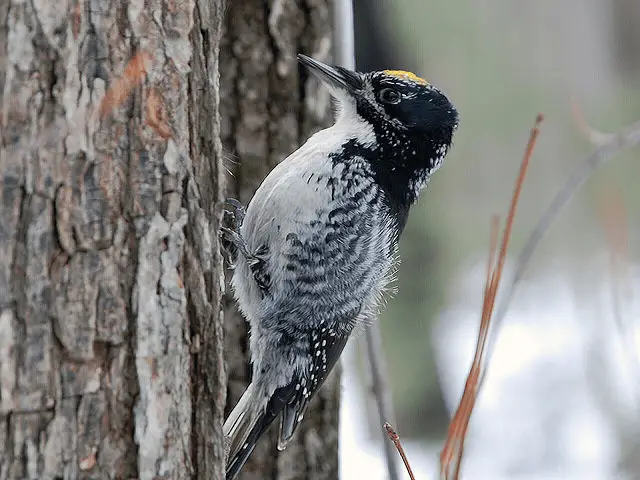
Target Species: Excellent chances to see Boreal Chickadees, Spruce Grouse, and three-toed Woodpeckers. The islands are also a critical breeding site for many gulls and terns.
These ten locations prove that the next great birding adventure isn't always found on a well-worn path. A little research into local preserves and unexpected habitats can yield rewarding sights, unique species, and the simple joy of discovery.
