
From the sun-drenched canyons of the Southwest to the dense, pine-scented forests of New England, a powerful and keen-eyed predator silently patrols the American landscape: the hawk. In this article, we'll take a closer look at the species that define the American skies. We'll explore the impressive Red-tailed Hawk, the soaring titan often seen perched on highway signs; the secretive, forest-dwelling Cooper's Hawk, a blur of feathers as it chases smaller birds through backyard feeders; and the powerful American Goshawk, whose sheer size and speed make it a legendary hunter. Understanding these raptors—their unique hunting styles, their complex migrations, and the conservation challenges they face—offers a profound appreciation for the wild beauty that is still very much alive, soaring high above the United States. We have also included the Northern Harrier as it is a hawk in all but name.
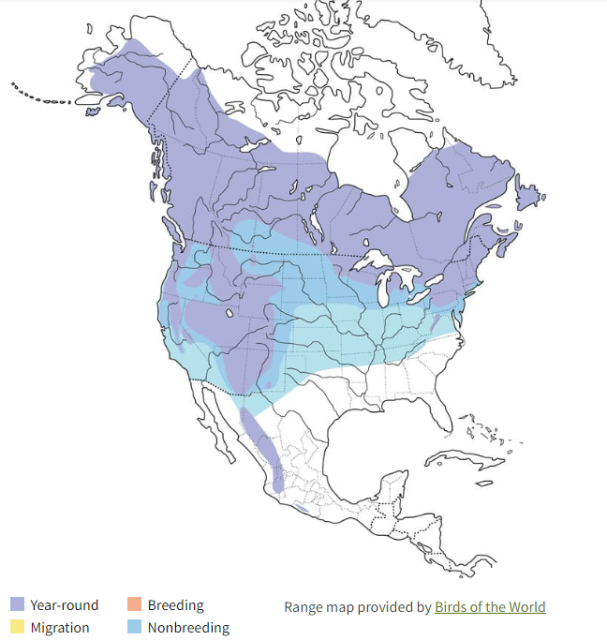
American Goshawk
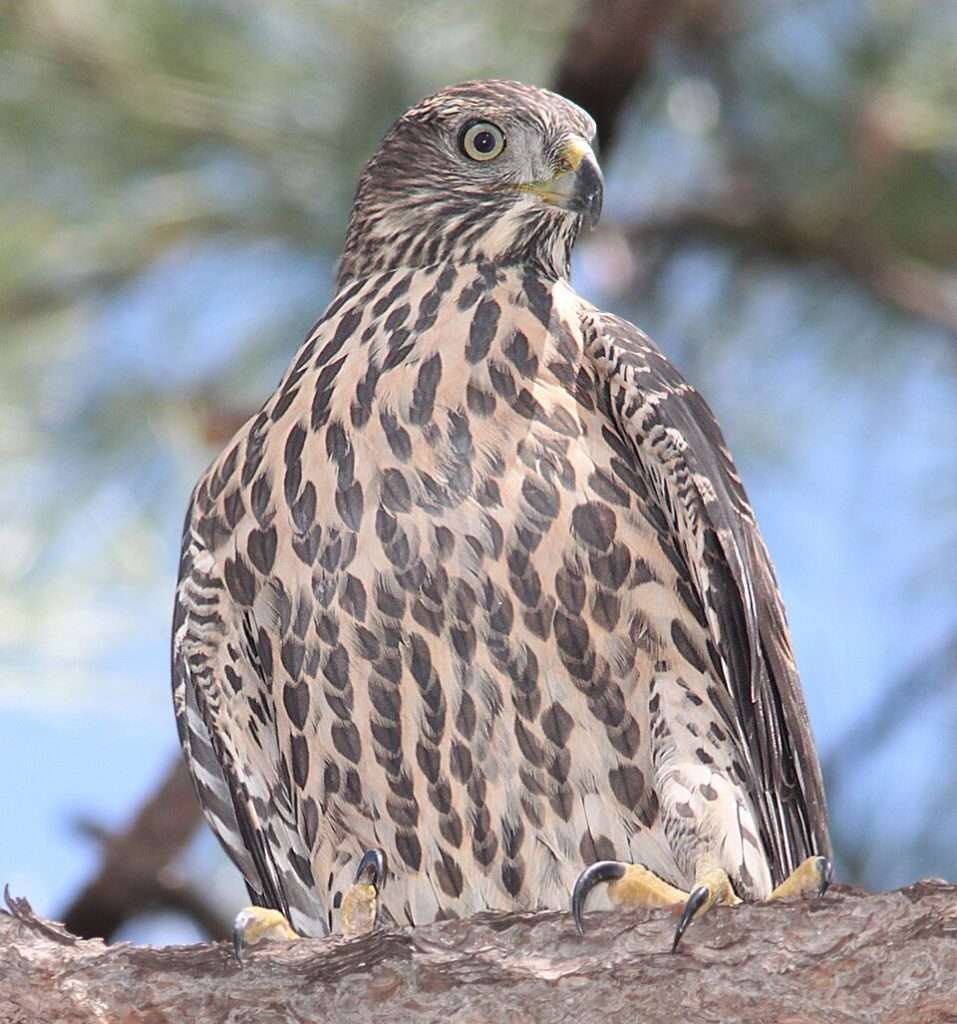
The American Goshawk (Accipiter gentilis), often simply called the "Goshawk" in North America, is the largest and fiercest of the continent's accipiters—the group known for their short, broad wings and long tails suited for agile, high-speed maneuvers through dense woods. With its intense red eyes, pale gray plumage, and commanding presence, the Goshawk is a highly effective forest predator, renowned for its fearless defense of its nest and its swift pursuit of prey like grouse, squirrels, and snowshoe hares. Due to its preference for remote, extensive tracts of mature forest across the northern and western US, this powerful bird remains one of the more elusive and rarely seen hawks in America, earning it a legendary, almost mythical status among birders and falconers.
Broad-winged Hawk
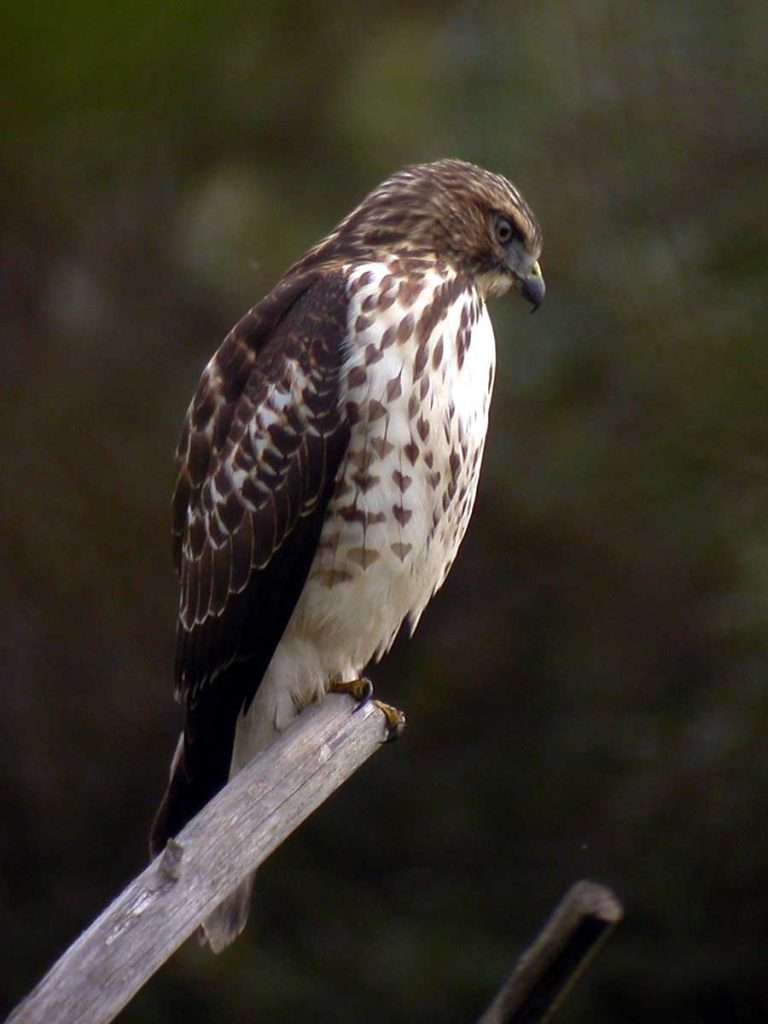
The Broad-winged Hawk (Buteo platypterus) is one of North America's smaller and stockier Buteo species, easily recognized by its broad, rounded wings and a tail marked by bold black and white bands. Though a shy, forest-dwelling bird during the breeding season, often heard giving its distinctive, high-pitched whistle, the Broad-winged Hawk is most famous for its incredible fall migration. As autumn approaches, these raptors congregate into massive flocks known as "kettles," sometimes numbering in the tens of thousands, soaring effortlessly on thermal updrafts as they undertake a long journey to their wintering grounds in Central and South America. This spectacular mass movement makes them a favorite sight for birdwatchers at observation points like Hawk Mountain, Pennsylvania.
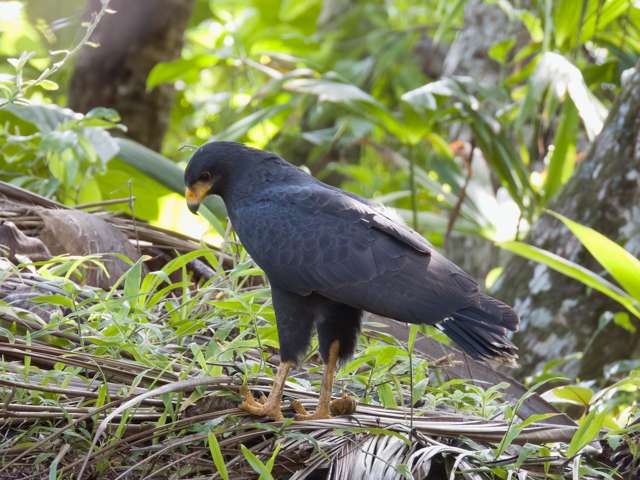
Common Black Hawk
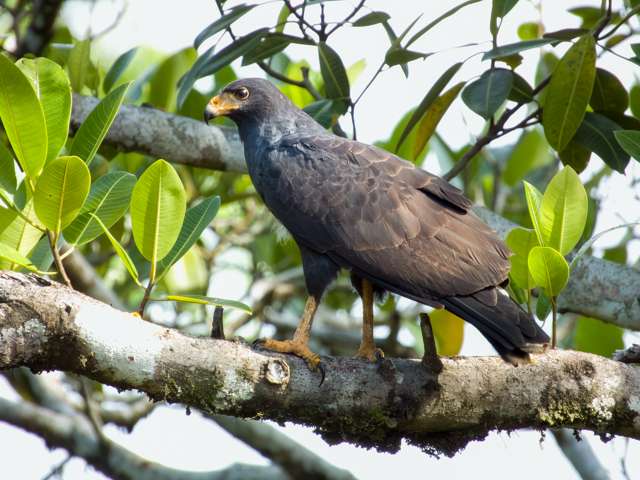
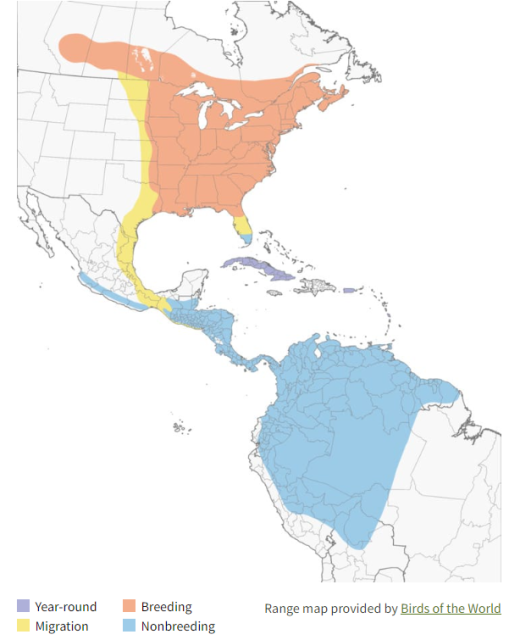
The Common Black Hawk (Buteogallus anthracinus) is a striking raptor primarily found in the southern border states of the U.S., particularly Arizona, New Mexico, and Texas, extending down through Central and South America. Distinctively colored, this medium-sized hawk is almost entirely sooty black, contrasting sharply with a prominent white band across its tail—a key field mark. Unlike many of its soaring relatives, the Common Black Hawk has a particular affinity for riparian (streamside) habitats, where it specializes in hunting aquatic prey such as fish, frogs, and crabs. Its reliance on healthy river ecosystems makes it a charismatic indicator of the biological richness of the desert southwest's limited waterways.

Cooper's Hawk
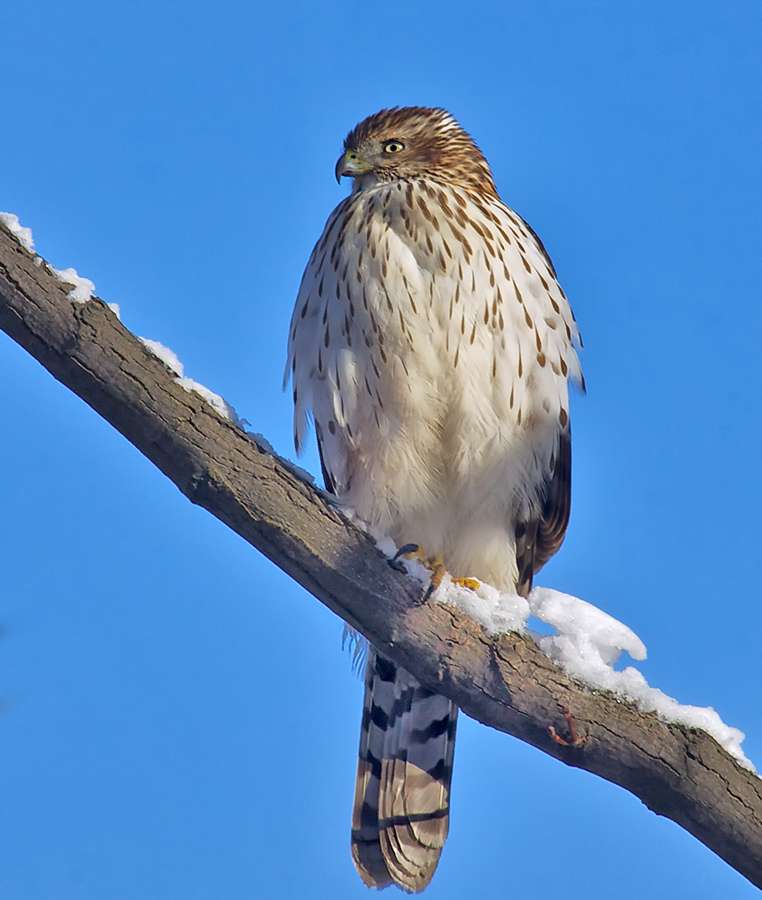
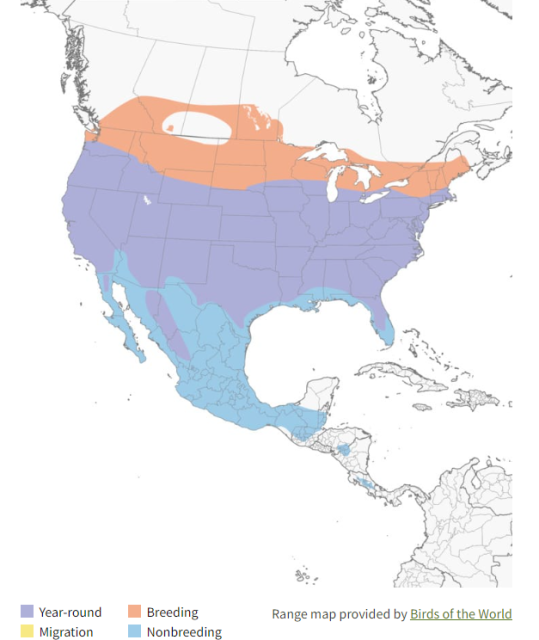
The Cooper's Hawk (Accipiter cooperii) is the quintessential "phantom of the forest," a medium-sized raptor renowned for its incredible agility and speed. With a distinct long tail that acts as a rudder, this hawk navigates dense woodlands and suburban backyards with ease, primarily preying on medium-sized birds like robins, jays, and starlings. Adults display striking slate-blue backs and barred reddish-orange chests, while juveniles sport brown backs and streaked breasts. Often identified by a rapid flap-flap-glide flight pattern, the Cooper's Hawk is a successful and increasingly common predator in areas where its diet of smaller birds is abundant, making it a frequent, yet often fleeting, sight near bird feeders across North America.
Crane Hawk
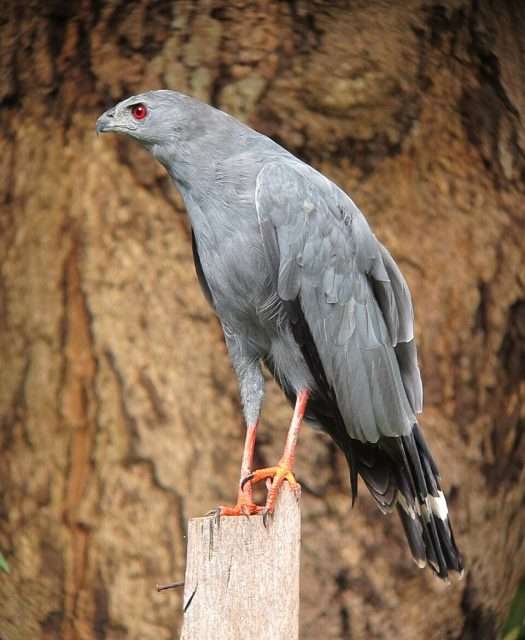
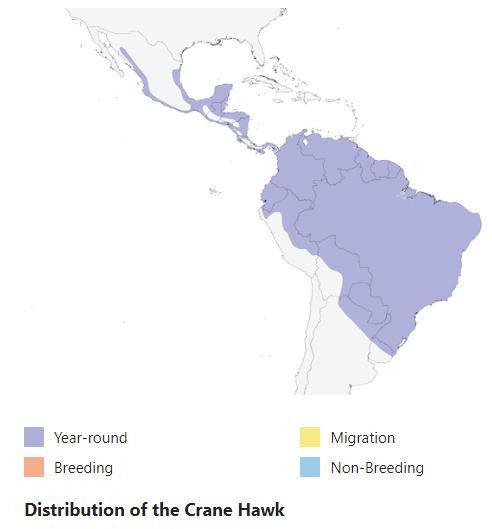
The Crane Hawk (Geranospiza caerulescens) is one of the most distinctive and uniquely adapted raptors found in the Americas, though in the U.S. its range is limited primarily to the southern tip of Texas. Unlike most other hawks, it possesses unusually long, slender legs and small feet, an adaptation that gives it its name and aids in its specialized hunting style. This lanky hawk primarily preys on arboreal animals, especially tree frogs, lizards, and insects, which it skillfully extracts from crevices and bromeliads by probing with its flexible legs. Its plumage is a striking slate gray, often with barring on the belly, and it has a distinctive small, round head and a contrasting orange or red cere (the waxy skin above the beak) and legs. Rarely seen soaring high, the Crane Hawk is typically observed stealthily moving through the middle and lower canopy of forests near water.
Ferruginous Hawk

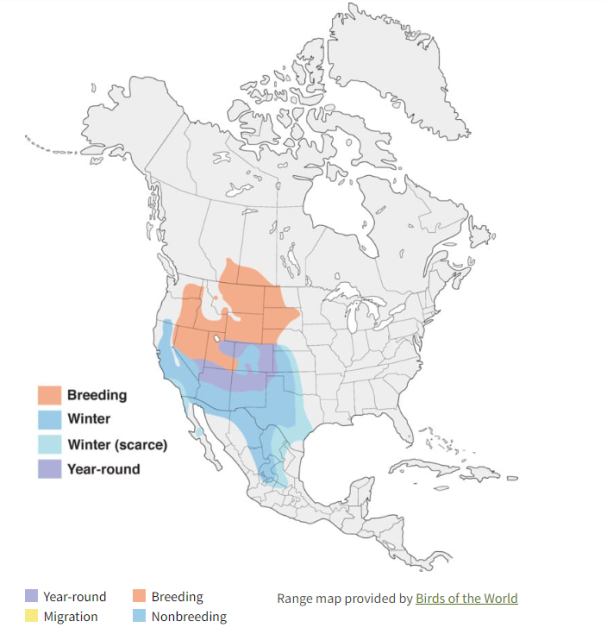
The Ferruginous Hawk (Buteo regalis) is the largest hawk in North America, a majestic raptor primarily associated with the dry, open grasslands and sagebrush steppe of the American West. Named for the striking, rusty, or "ferruginous" color often seen on its back, legs, and shoulder patches, this hawk has a notably wide gape and a distinctively feathered shank that extends all the way down to its feet. Unlike many other Buteos, it prefers to hunt in a relatively flat, low-flying glide or from a low perch, preying heavily on ground squirrels, prairie dogs, and jackrabbits. Unfortunately, due to habitat loss from agriculture and energy development, populations of this magnificent bird have declined in some areas, making conservation efforts crucial for its survival.
Gray Hawk
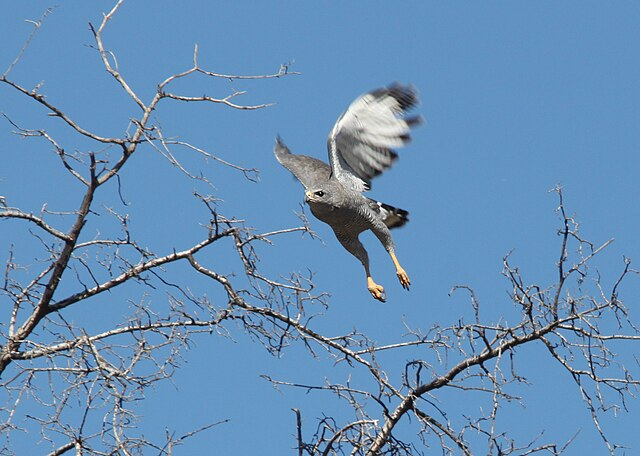
The Gray Hawk (Buteo plagiatus), a medium-sized raptor, is a beautiful and somewhat stocky bird primarily found in the brushy woodlands, riparian areas, and deserts of the American Southwest, especially in Arizona, New Mexico, and Texas. With its distinctive appearance—a smooth gray back contrasting with fine, bar-like markings on its chest, and a tail banded in black and white—it's easily distinguishable from other Buteo species. This hawk is a graceful hunter, often perching inconspicuously before making short, swift flights to capture its favored prey, which consists mostly of lizards, frogs, and small rodents. Though relatively common in its range, its populations are sensitive to habitat loss, particularly the destruction of the streamside trees and brush where it prefers to nest.
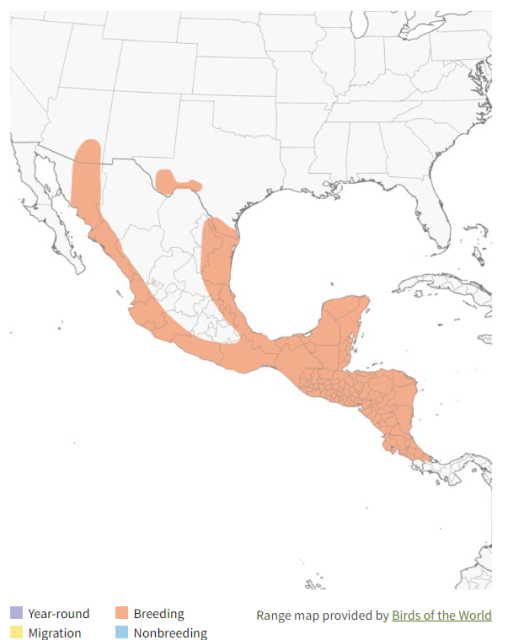
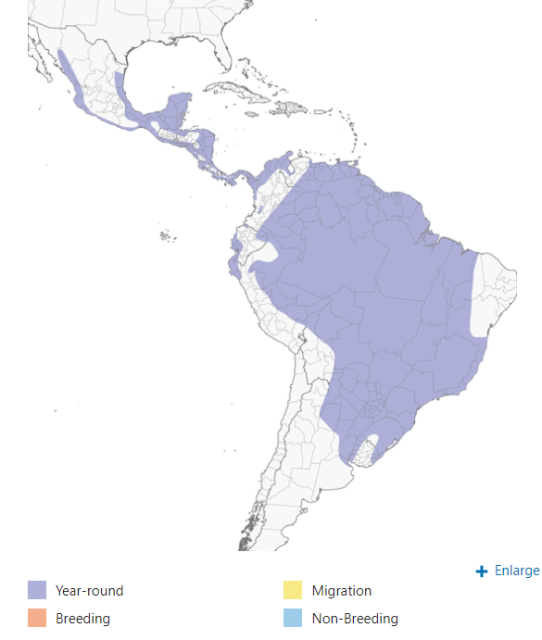
Great Black Hawk
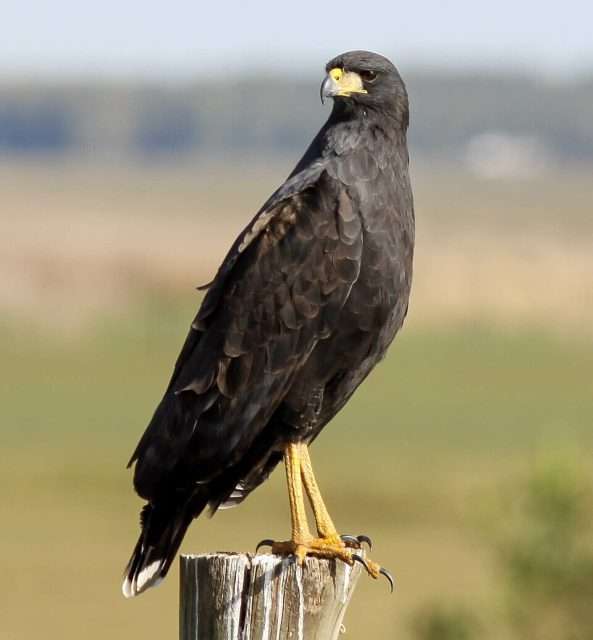
The Great Black Hawk (Buteogallus urubitinga) is a striking raptor found primarily in Central and South America, though it occasionally makes appearances in the southernmost parts of the United States, particularly Texas. A large, robust bird, it is easily recognized by its uniform, glossy black plumage, except for a distinct white band on its tail. Unlike some of its high-flying hawk relatives, the Great Black Hawk typically hunts from low perches along rivers and wetlands, specializing in prey like reptiles, amphibians, and fish. Its powerful legs and relatively short wings are well-suited for maneuvering through dense riparian habitats, making it an impressive and stealthy hunter of the tropical understory.
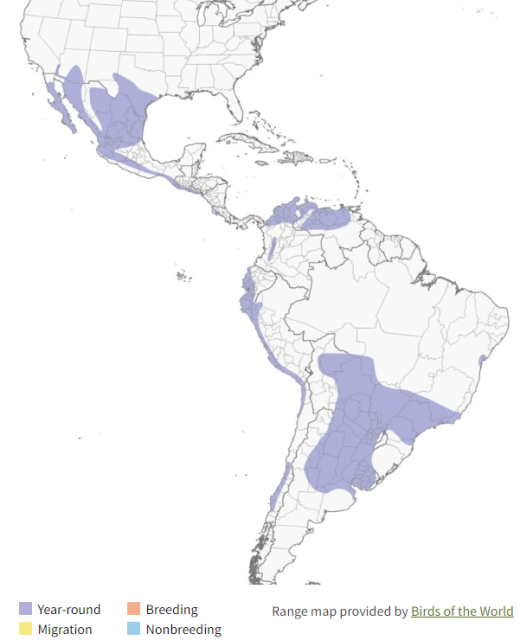
Harris's Hawk

The Harris's Hawk (Parabuteo unicinctus) is one of the most distinctive and cooperative raptors found in the American Southwest, primarily ranging from Arizona and Texas south into Central and South America. Easily recognized by its rich, dark brown plumage, chestnut-colored "shoulders" (wing linings), thighs, and leg feathers, and a white band at the base and tip of its tail, this bird is unique among North American raptors for its social behavior. Unlike most hawks that hunt alone, Harris's Hawks often hunt in family groups of two to six individuals, a behavior known as "cooperative hunting." This pack-like strategy allows them to efficiently pursue and catch larger, more agile prey, like rabbits and ground squirrels, making them highly effective hunters in their arid desert and scrubland habitats.
Hawaiian Hawk
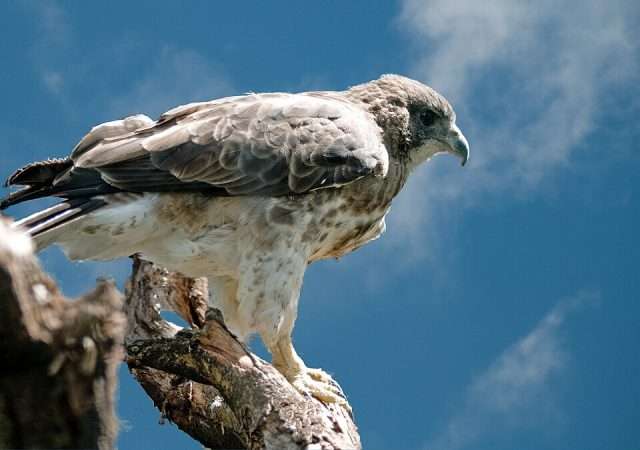
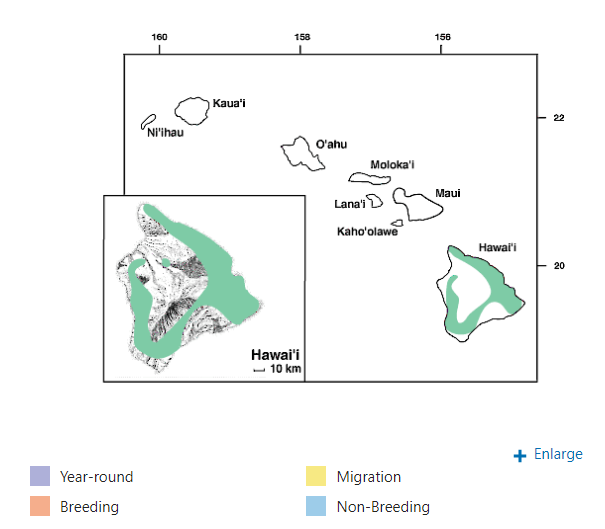
The Hawaiian Hawk (Buteo solitarius), or Io (pronounced EE-oh) in Hawaiian, is a remarkable bird of prey, unique because it is the only hawk species native to Hawaii. Unlike its mainland relatives, the Io is an endemic species, meaning it is found nowhere else in the world, primarily inhabiting the forests of the Big Island of Hawai'i. While it exhibits two distinct color morphs—a dark phase that is nearly solid black-brown, and a light phase with a dark back and pale chest—both forms share a broad-winged, heavy-bodied silhouette typical of the Buteo genus. Historically revered in Hawaiian culture, the Io is now a protected species under U.S. law, representing a vital and vulnerable part of the islands' distinct natural heritage.
Northern Harrier
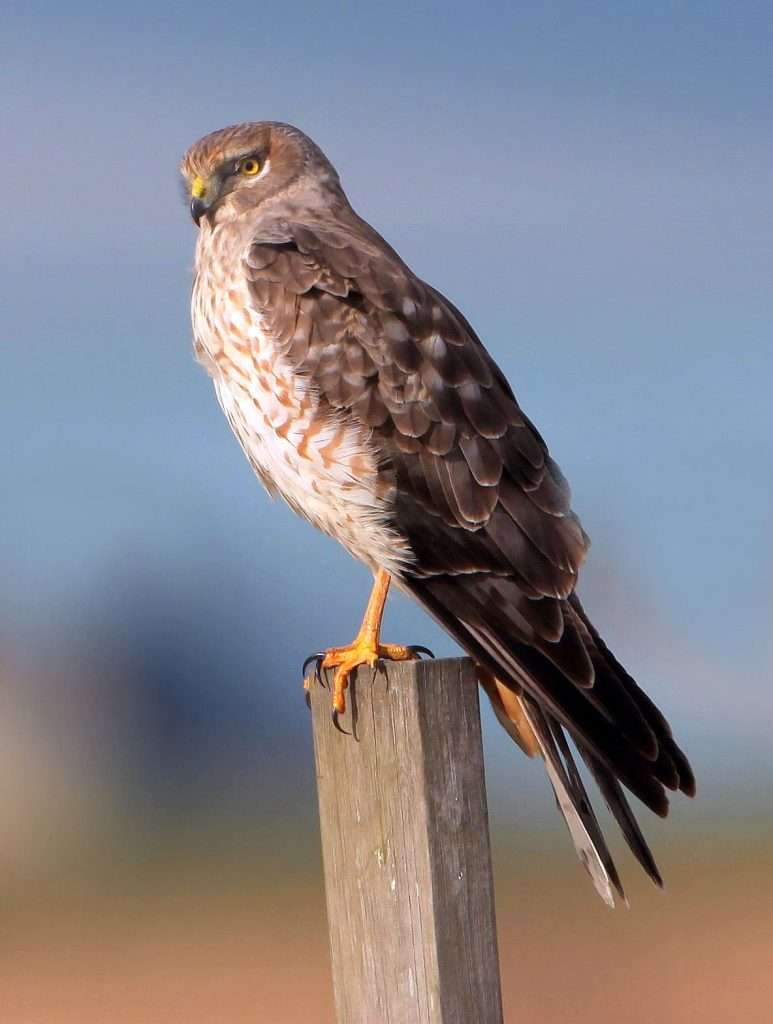
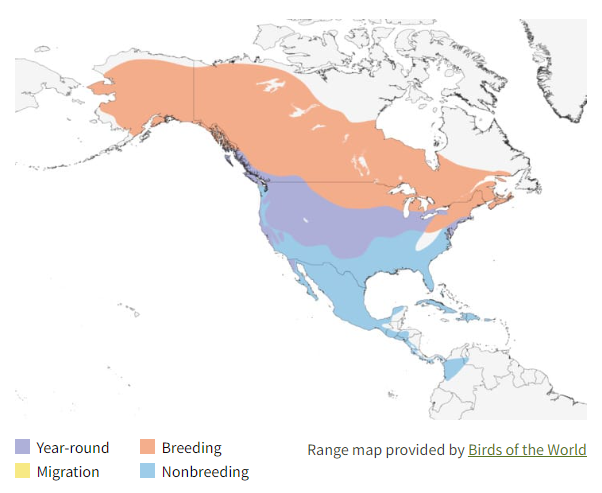
The Northern Harrier (Circus hudsonius) is one of North America's most distinctive raptors, easily recognized by its slim body, long wings and tail, and its characteristic owl-like facial disk which helps it locate prey by sound. Unlike many other hawks, the harrier flies low over open fields, marshes, and grasslands, performing a slow, rocking, almost buoyant flight as it scans the ground below. This hunting method, known as "quartering," is a tireless search for small mammals and birds. The male is a striking pale gray with black wingtips, while the female is a larger, mottled brown; however, both sexes display a conspicuous white patch on the rump that is a key identifying feature, especially when seen from behind as it dips and rises over the horizon.
Red-shouldered Hawk
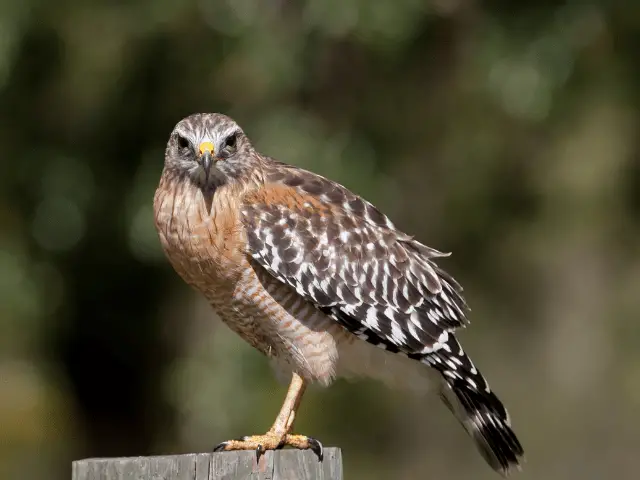
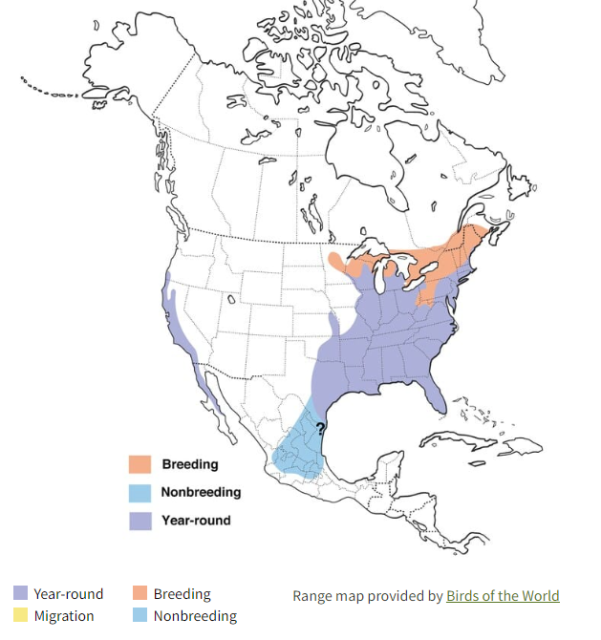
The Red-shouldered Hawk (Buteo lineatus) is one of North America's most visually striking and vocal raptors, often identified not just by sight but by its distinctive, piercing keer-a, keer-a, keer-a call. Found primarily in wooded areas, especially near water sources across the eastern U.S. and down the California coast, this medium-sized hawk is easily recognized by the reddish barring on its chest and the eponymous reddish-orange patch on its "shoulders" (the bend of the wing) visible on perching adults. Unlike the open-country hunting style of the Red-tailed Hawk, the Red-shouldered prefers to hunt in dense forests, swooping down from a perch to catch small mammals, amphibians, and reptiles, making it a key indicator of a healthy, complex woodland ecosystem.
Red-tailed Hawk

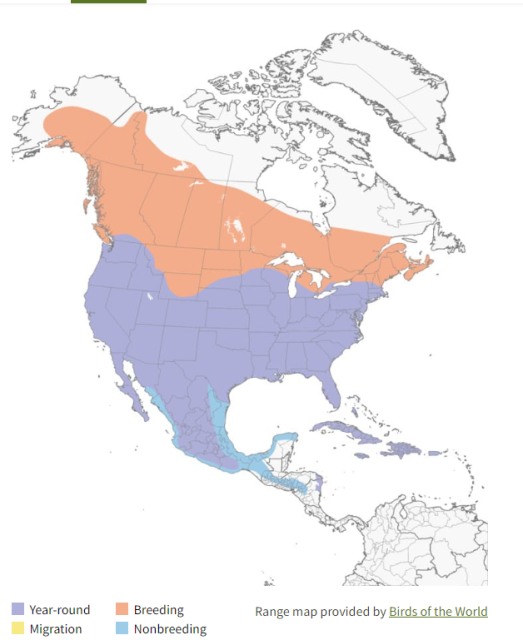
The Red-tailed Hawk (Buteo jamaicensis) is arguably the most recognizable and widespread raptor across North America, a true aerial icon often seen soaring in lazy circles or perched conspicuously on telephone poles and high trees along highways. Characterized by its broad, rounded wings and the telltale rusty-red upper side of its tail (a feature that is sometimes absent in younger birds), this large hawk is a superb generalist hunter. It possesses remarkable adaptability, thriving in habitats ranging from dense forests to open deserts and urban parks, where it primarily preys on small mammals like rodents and rabbits. Its powerful silhouette and piercing, high-pitched scream make it an unmistakable and majestic presence in the American sky.
Roadside Hawk
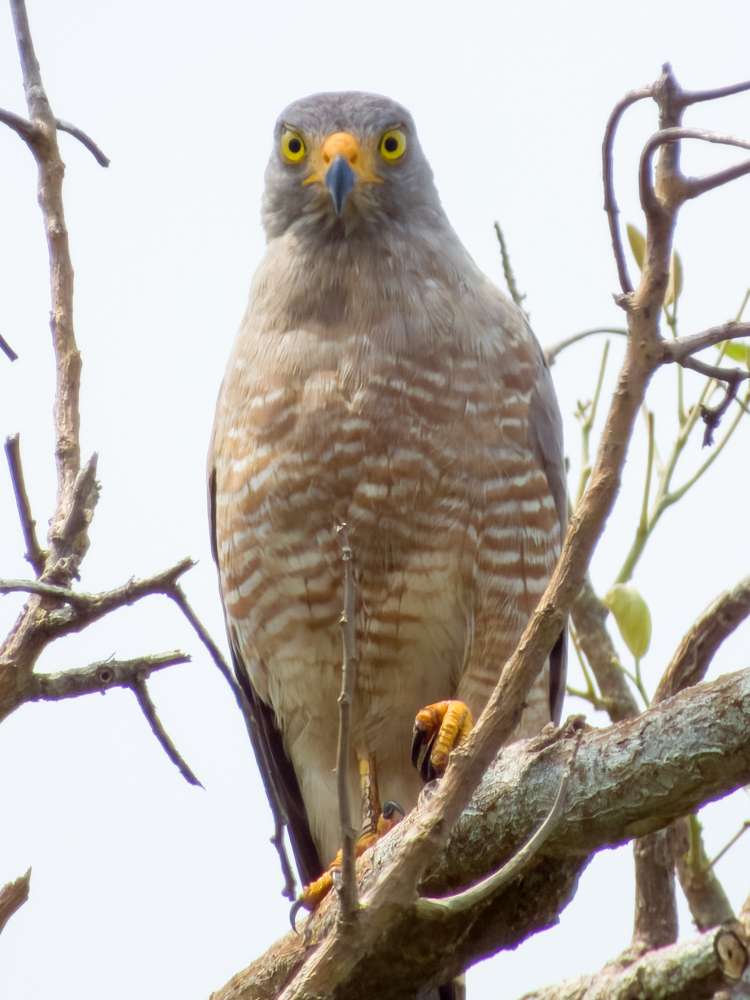
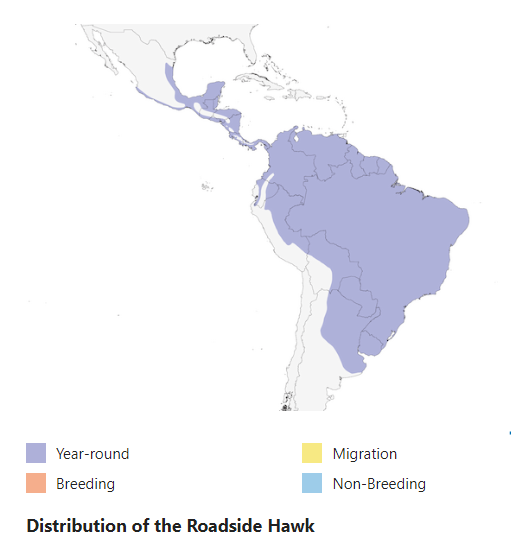
The Roadside Hawk (Rupornis magnirostris) is one of the most common and widespread raptors found throughout Central and South America, with its range extending up into parts of southern Mexico. As its name suggests, this small, stocky hawk is frequently seen perched on utility poles, wires, or low branches right alongside roads, patiently watching for its prey. It is an opportunistic hunter with a diet consisting mainly of large insects, lizards, and small rodents, often relying on a sit-and-wait hunting strategy rather than high-soaring flight. Though it is not found within the United States, its adaptability to disturbed and urbanized habitats makes it a familiar and ubiquitous sight across the bustling tropical landscapes it inhabits.
Rough-legged Hawk

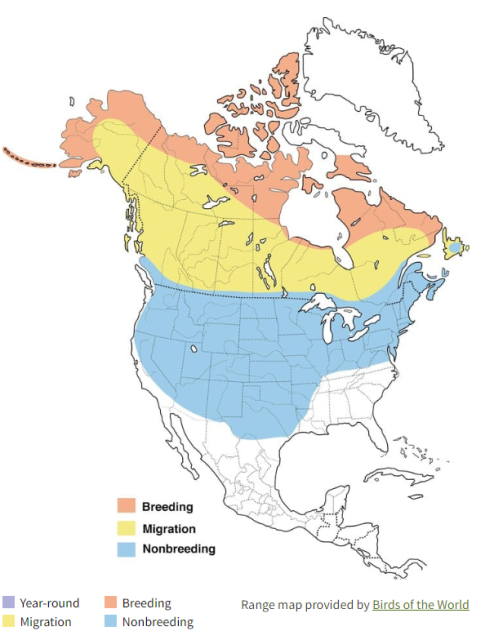
The Rough-legged Hawk (Buteo lagopus) is a distinctive winter visitor to the lower 48 U.S. states, migrating south from its Arctic and sub-Arctic breeding grounds in Alaska and Canada. Its name comes from the dense feathers that extend all the way down its legs to its talons—a unique adaptation among North American Buteo hawks that provides insulation against the intense cold of its preferred habitats, which include open fields and prairies. Often seen hovering gracefully on steady wingbeats, the Rough-legged Hawk specializes in hunting small mammals like voles, and can be easily identified by its broad wings, dark belly patch, and a conspicuous dark band near the tip of its tail, making it a welcome sight for birdwatchers braving the winter chill.
Sharp-shinned Hawk

The Sharp-shinned Hawk (Accipiter striatus) is the smallest of North America's three main Accipiter species, barely larger than a jay, yet it possesses the fierce determination of a top aerial predator. Known for its small head, short, rounded wings, and long tail, this hawk is a master of acrobatic flight, using thick forest cover to ambush its favorite prey: small songbirds. Its secretive nature and blistering speed make it a difficult bird to spot, but it's a regular, if often unseen, presence near feeders, where it can cause a sudden, momentary panic among the smaller avian visitors before vanishing back into the trees.
Short-tailed Hawk
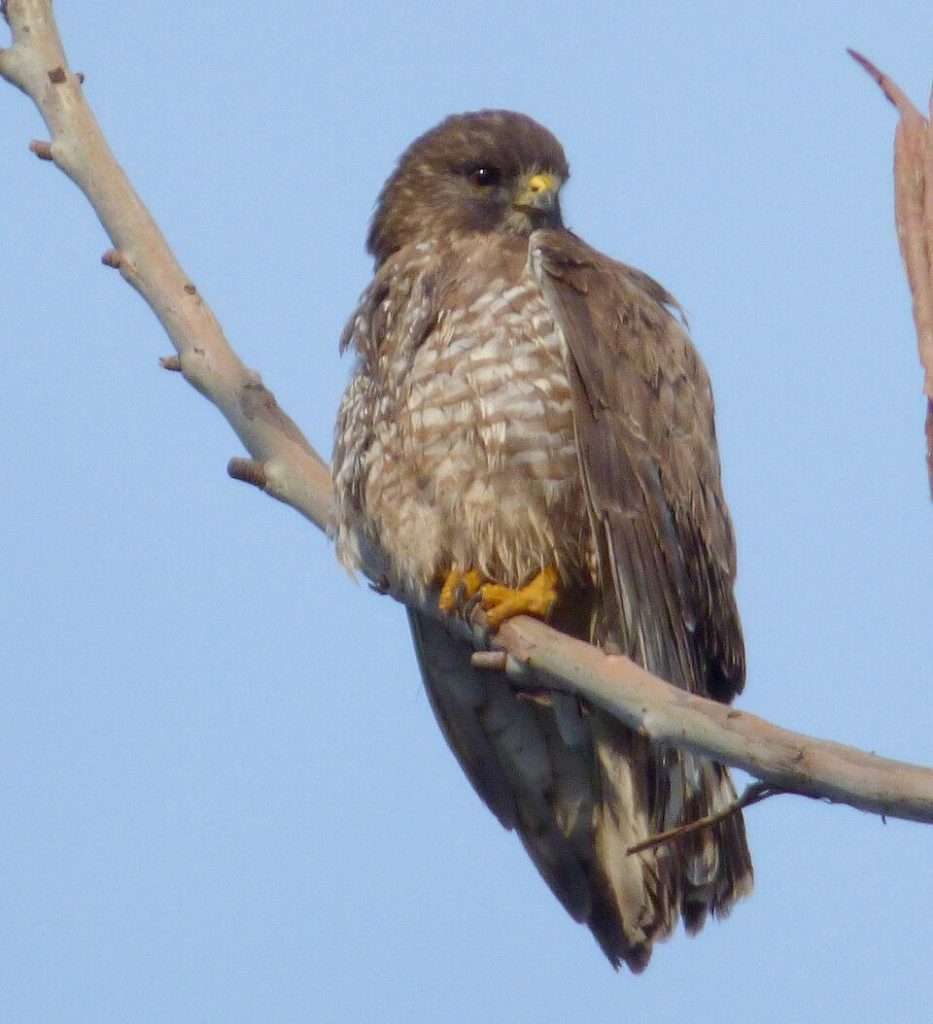
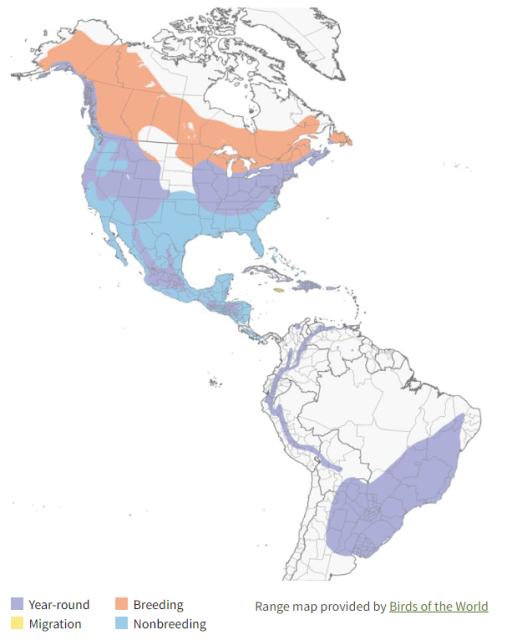
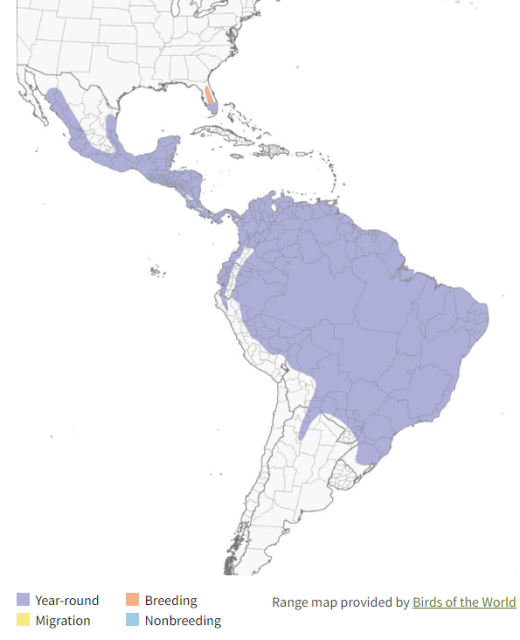
The Short-tailed Hawk (Buteo brachyurus) is a master of aerial stealth, primarily found in the tropical and subtropical forests of Florida, Central America, and South America. In the U.S., its range is confined almost exclusively to the extreme southern tip of Florida, making it one of the rarest raptors to spot north of the Caribbean. These hawks are renowned for their distinct hunting technique: they often fly at great heights, appearing as tiny specks in the sky, before plunging down in a sudden, spectacular dive to ambush small birds. They exist in two color morphs—a dark morph that is almost entirely black, and a light morph with a white chest and dark back—a variation that makes field identification a unique challenge for bird enthusiasts.
Swainson's Hawk

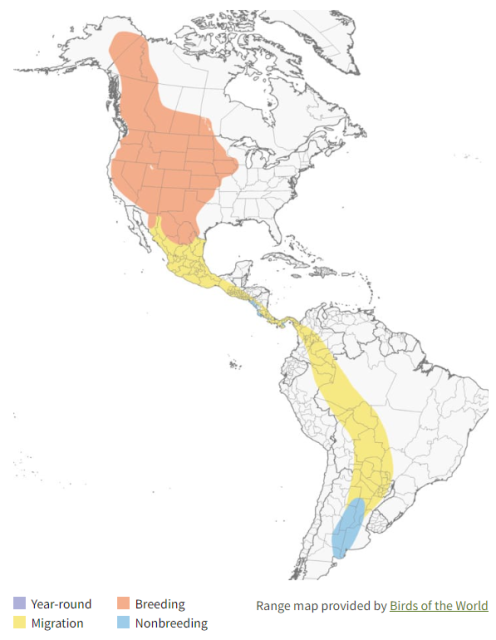
The Swainson's Hawk (Buteo swainsoni) is an iconic raptor of the North American West, best known for undertaking one of the longest avian migrations in the world. Weighing about two pounds, this medium-sized hawk is often seen soaring over open grasslands, agricultural fields, and deserts, where it primarily hunts large insects like grasshoppers and crickets during the breeding season. Its plumage is highly variable, ranging from light-morph birds with a striking white chest to dark-morph individuals that are almost entirely brown. However, what truly distinguishes the Swainson's Hawk is its epic annual journey: massive flocks, sometimes numbering in the thousands, migrate from their nesting grounds in the U.S. and Canada down to wintering sites in the Pampas region of Argentina, a round trip of up to 14,000 miles.
White-tailed Hawk
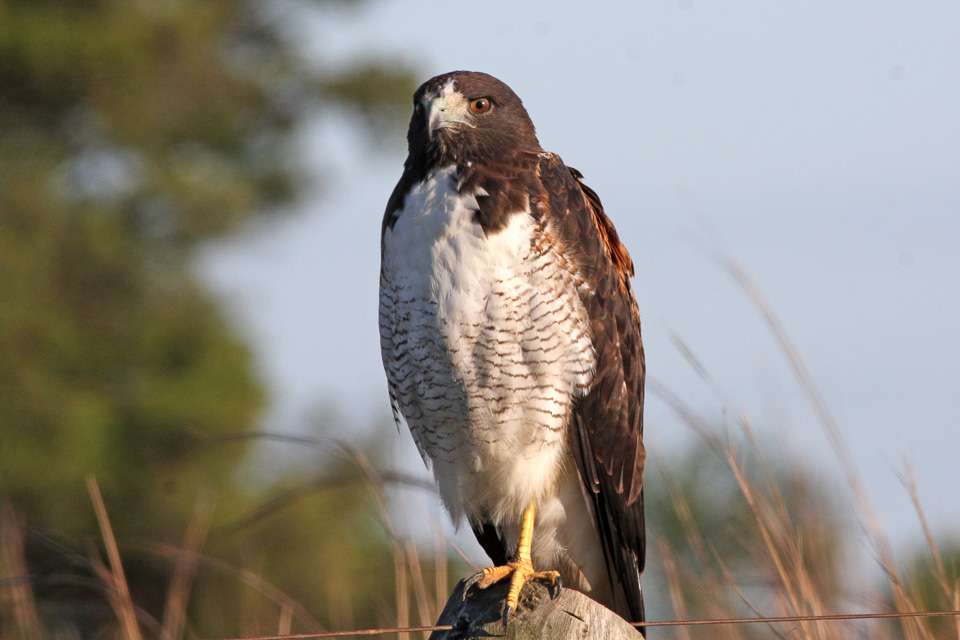
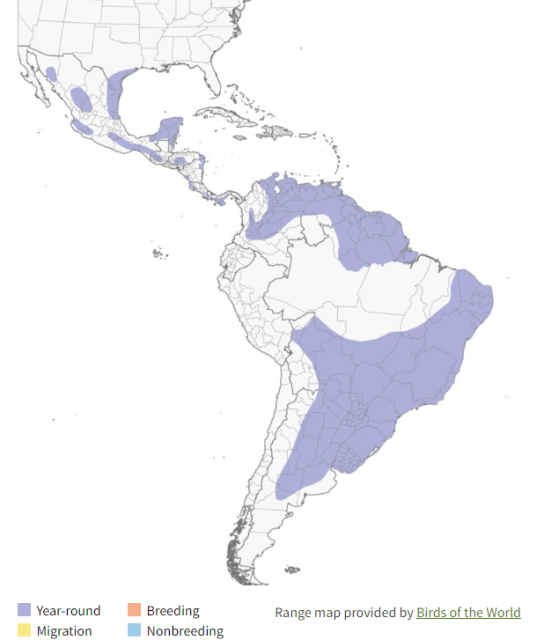
The White-tailed Hawk (Geranoaetus albicaudatus) is a striking raptor primarily found soaring over the open grasslands, savannas, and coastal prairies of the southern United States, particularly Texas, extending down through Central and South America. Distinctive for its broad, pale-gray wings, it gets its common name from the mature adult's namesake feature: a relatively short, brilliant white tail with a narrow black terminal band. These hawks are opportunistic hunters, employing a soaring and diving strategy to prey on small mammals, lizards, snakes, and large insects. While their range is limited within the U.S., their majestic, high-altitude flight makes them an unmistakable and powerful presence in the unique brushlands they call home.
Zone-tailed Hawk

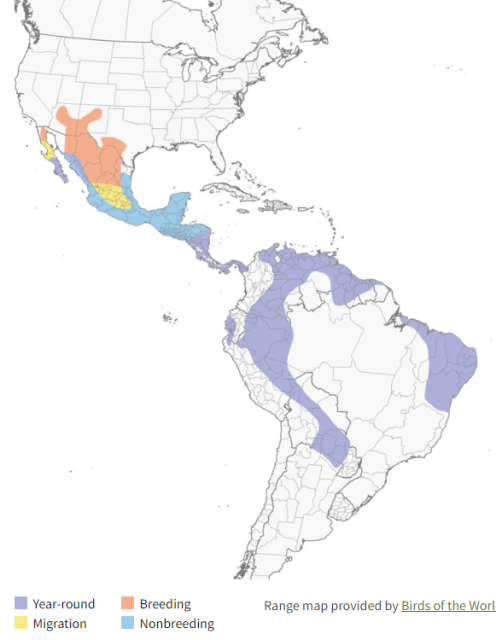
The Zone-tailed Hawk (Buteo albonotatus) is a sleek, medium-sized raptor predominantly found across the southwestern United States, Mexico, and Central and South America. Superficially, it bears a striking resemblance to a Turkey Vulture, with its all-black plumage, elongated wings, and slight dihedral (V-shape) in flight—a feature that often allows it to hunt undetected. This masterful mimicry is no accident; by soaring alongside the harmless vultures, the Zone-tailed Hawk is able to approach its prey, typically small birds and rodents, by surprise before making a swift, fatal plunge. Its most distinctive field mark, visible in flight, is the light gray or white banding on its tail, which gives the species its common name.
Wrapping Up
he hawks of America are more than just magnificent apex predators; they are a bellwether for the health of our environment. From the soaring Red-shouldered Hawk that relies on healthy wetlands to the solitary Goshawk that demands undisturbed old-growth forests, their survival is inextricably linked to our commitment to conservation. Their dramatic recovery following the DDT crisis decades ago stands as a powerful testament to the effectiveness of environmental protections, yet new challenges—including habitat loss, climate change, and window collisions—demand our continued vigilance.
To see a hawk circle effortlessly overhead is to connect with a primal, untamed aspect of the American landscape. They are a living, breathing symbol of the wild beauty that endures across our diverse states. Whether you are an avid birdwatcher on a mountain ridge or simply glance up from a city park, the presence of a raptor reminds us that these majestic hunters still rule the skies. By protecting their habitats and appreciating their role in nature, we ensure that the piercing cry and powerful silhouette of the American hawk will remain an essential part of our nation's wild heritage for generations to come.
Want more information? Read all about hawks here.
