
If you’ve been scrolling through birding forums or checking the mainstream news lately, you’ve likely seen the tragic and alarming headlines. A luxury wildlife expedition cruise ship, the MV Hondius, became the epicenter of a global health response following a deadly outbreak of Hantavirus.
As investigators pieced the timeline together, the trail led back to a location that might surprise non-birders, but is intimately familiar to hardcore listers: a rubbish dump in southern Argentina.
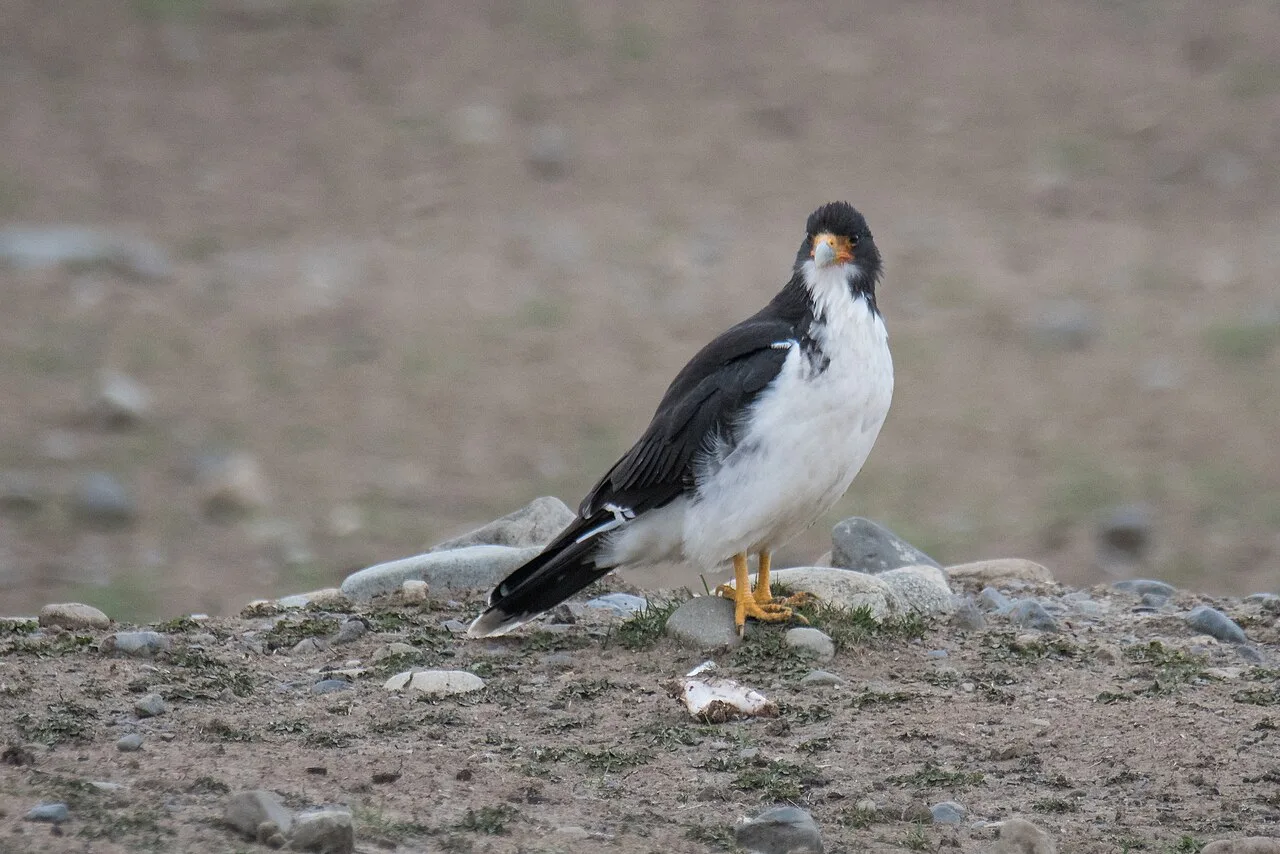
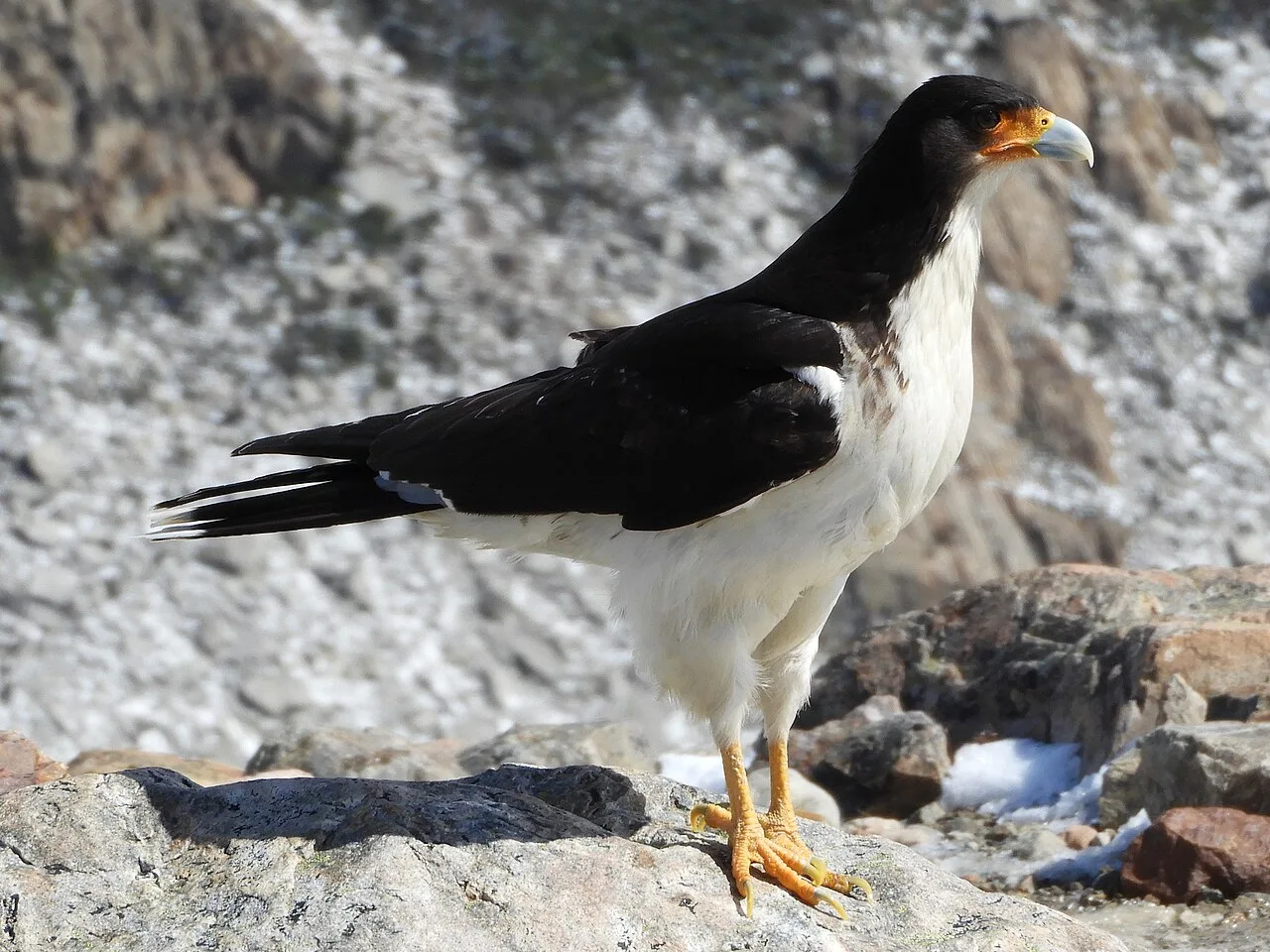
Two highly experienced Dutch ornithologists, who were visiting the landfill outside of Ushuaia to spot the rare White-throated Caracara (or Darwin’s caracara), are believed to have been the initial source of the infection. Tragically, the outbreak resulted in multiple deaths and a shipwide quarantine as it sailed across the Atlantic.
For the bird watching community, this is a somber wake-up call. Landfills and waste facilities are legendary birding hotspots, but they also carry unseen dangers. Here is what you need to know about the outbreak, the actual risk zones, and how to keep yourself safe on your next birding adventure.
Why Do Birders Visit Dumps Anyway?
To the general public, spending a vacation day at a landfill sounds bizarre. Mainstream media hosts have even poked fun at the idea. But as any seasoned birder knows, trash heaps are avian goldmines.
Landfills, water treatment plants, and fishing docks provide an immense, reliable food source. They attract massive flocks of gulls, raptors, starlings, and rare scavengers. In the case of the Argentine outbreak, the birders weren't being reckless—they were chasing a highly sought-after raptor known to frequent that specific site.
However, where there is rotting food and garbage, there are rodents. And where there are certain species of rodents, there is Hantavirus.
High-Risk Areas for Birders
Hantavirus is not spread by birds. Instead, it is carried by wild rodents (like deer mice, cotton rats, and long-tailed pygmy rice rats). Humans contract Hantavirus Pulmonary Syndrome (HPS) by inhaling airborne particles of dried rodent urine, droppings, or saliva.
The specific strain involved in the cruise ship outbreak is the Andes variant, which is uniquely dangerous because, in rare cases, it can spread person-to-person in close quarters.
When you are out in the field, the highest-risk areas include:
Landfills and Waste Transfer Stations: Massive concentrations of rodents burrowing in disturbed garbage and soil.
Abandoned Bird Blinds and Sheds: Closed, unventilated structures where rodents may have nested over the winter.
Rural Packing Houses and Barns: Common stopovers when tracking owls or swallows.
Dense Brush and Cloud Forests: Specifically in Central and South America (Patagonia/Chile/Argentina) and parts of rural North America where carrier mice thrive.
How to Keep Safe on the Trail
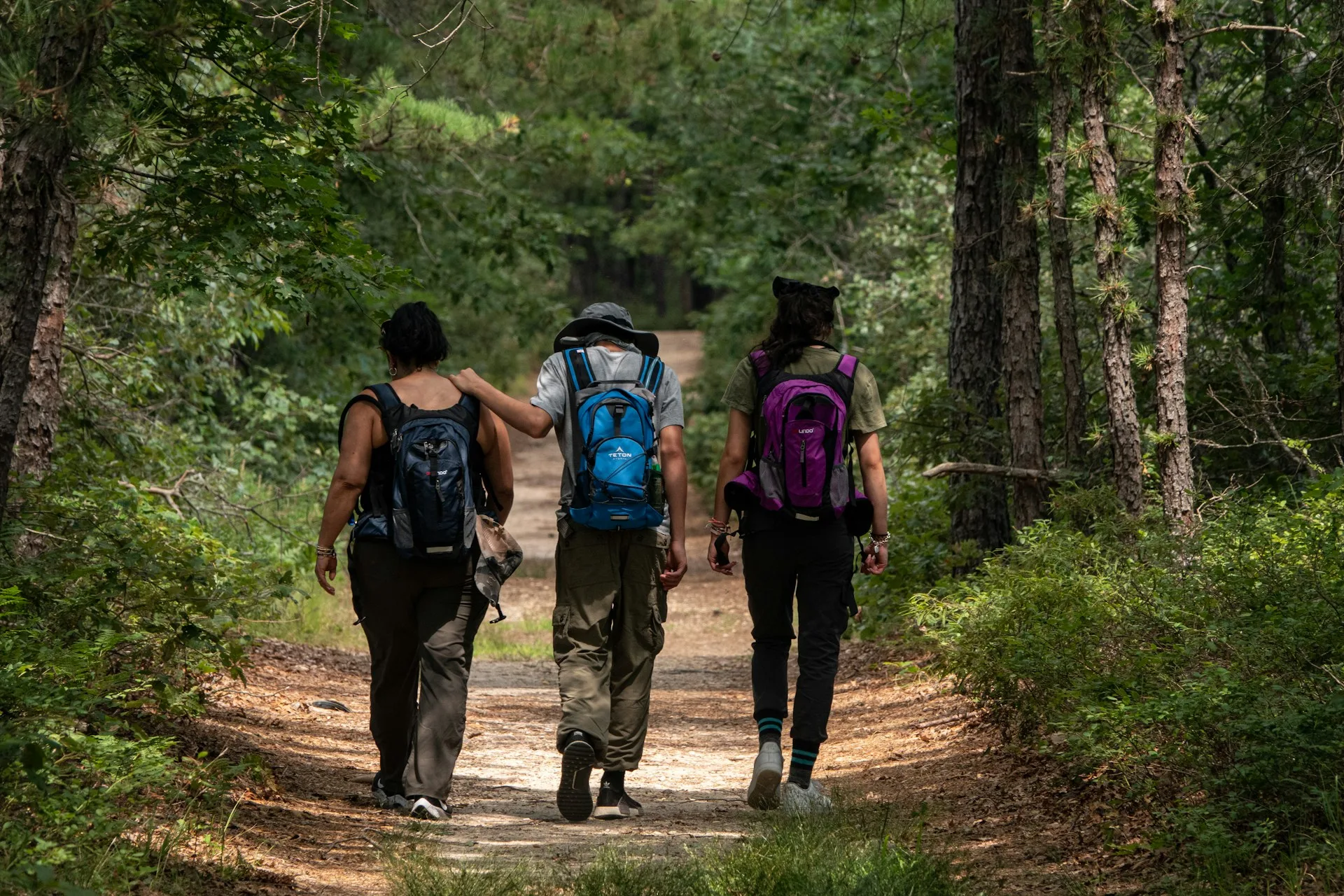
You do not need to give up chasing rare birds, nor do you need to completely cross landfills off your list. However, you do need to change how you approach these environments.
1. Mask Up in Dusty, Enclosed, or Waste Areas
If you are birding near a landfill, an open dump, or entering an old, dusty bird blind, wear a well-fitted N95 or KN95 respirator mask. Because Hantavirus is contracted by inhaling aerosolized dust containing rodent waste, a high-quality mask is your best line of defense.
2. Avoid Stirring Up Dust
Do not kick up dust, sweep, or use binoculars in a way that forces you to trudge through heavy, dry undergrowth where rodent nests are visible. If you are cleaning out a birdhouse or a blind, never sweep it dry. Dampen the area with a bleach solution first to keep the dust from becoming airborne.
3. Maintain Good Hand Hygiene
Keep a bottle of high-alcohol hand sanitizer in your birding vest or backpack. Wash your hands thoroughly before eating your trail mix or handling your camera gear, especially if you’ve been leaning on structures or trekking through high-traffic waste areas.
4. Know the Symptoms
Hantavirus has an incubation period of anywhere from one to eight weeks. Early symptoms look a lot like the flu:
Fever and chills
Severe muscle aches (especially in the thighs, hips, and back)
Headaches and dizziness
Gastrointestinal issues (stomach pain, vomiting, diarrhea)
Important: If you develop these symptoms after birding in a high-risk area, seek medical attention immediately and explicitly tell your doctor that you have been in an environment with potential rodent exposure. Early detection drastically improves outcomes.
The Takeaway
Our hearts go out to the families of the birders and passengers affected by the MV Hondius tragedy. It is a stark reminder that nature photography and birding—while incredibly rewarding—require respect for the entire ecosystem we are stepping into.
The next time you head out to check a rare gull or caracara off your life list at a local or international dump site, pack your mask alongside your spotting scope. Stay safe out there, and happy birding!
Have you ever birded at a landfill or a water treatment plant? What safety precautions do you usually take? Let’s talk about it in the comments below.
