
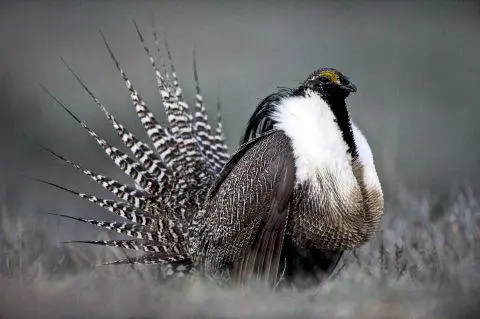
In the vast, windswept sagebrush ecosystems of the American West, a unique and ancient ritual plays out each spring, but for one species, this sacred dance is an endangered spectacle. The Gunnison Sage-Grouse (Centrocercus minimus), a lesser-known but distinct relative of the more widespread Greater Sage-Grouse, is a bird on the brink. Found in only a handful of isolated populations in southwestern Colorado and southeastern Utah, this species has become a flagship for conservation in an arid landscape increasingly threatened by human development. Its story is a powerful reminder of how delicate ecosystems and the species that depend on them can be, and how a monumental, collaborative effort is required to save them.
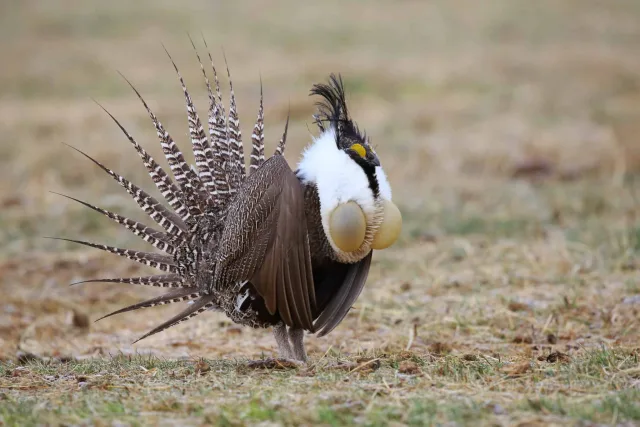
The Gunnison Sage-Grouse was first officially recognized as a separate species in the year 2000, a landmark moment in ornithology. Scientists had long observed subtle differences in size, plumage, and most notably, the male's elaborate courtship display, or "lek," which sets it apart from its larger cousin. The Gunnison male is about two-thirds the size of the Greater Sage-Grouse, with a more intricate tail feather pattern and longer, more prominent "filoplumes"—the decorative plumes on its head. The sound of its courtship is also distinct, with a more frequent popping sound from its inflated air sacs. This discovery, however, came at a perilous time for the bird. Its population had already declined by over 90% from its historic range, with fewer than 4,000 birds remaining today. The largest population, containing over 87% of all individuals, is found in Colorado's Gunnison Basin.
The Lek: A Springtime Pageant of Survival
The most captivating aspect of the Gunnison Sage-Grouse's life cycle is the lek, a communal breeding ground where males gather each spring to perform an intricate courtship ritual for the females. These ancestral sites, often open areas within a sea of sagebrush, have been used for generations. At dawn, the males arrive and begin their mesmerizing display. They fan their spiky tail feathers into a starburst, inflate two bright yellow air sacs on their chest, and strut with a bizarre combination of swishing, popping, and cooing sounds. The sound is an otherworldly symphony, a primal call that echoes across the sagebrush plain.
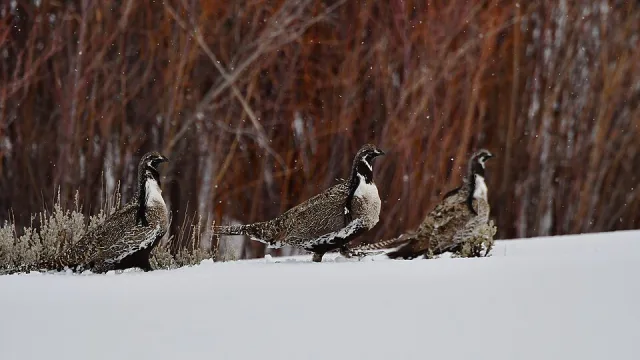
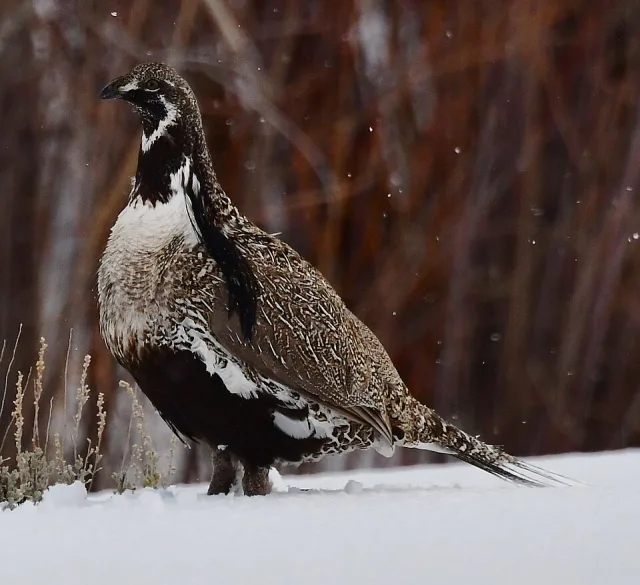
Females, known as hens, watch from the perimeter, carefully observing the performance. The majority of hens will select a mate from only a few dominant males, leading to intense competition. This lekking system is a double-edged sword: while it ensures that only the most fit males reproduce, it also makes the species particularly vulnerable to population decline, as it relies on a small genetic pool. After mating, the hens disperse to nearby sagebrush habitat to build their nests on the ground and raise their young alone. The survival of the chicks is entirely dependent on the health and quality of the surrounding sagebrush, which provides both food and cover.
Threats to an Iconic Species: The Fragility of a Habitat
The primary threat to the Gunnison Sage-Grouse is the loss and fragmentation of its habitat. The bird is a sagebrush-obligate species, meaning it depends on healthy sagebrush ecosystems for every stage of its life—from food and cover to nesting and lekking sites. Human activities have relentlessly chipped away at this critical habitat.
* Habitat Conversion and Fragmentation: Rural development, oil and gas drilling, and associated infrastructure like roads and power lines have led to the direct loss and subdivision of sagebrush land. This fragmentation isolates populations, reducing genetic diversity and making them more susceptible to localized threats.
* Invasive Species: Invasive plants, particularly cheatgrass (Bromus tectorum), pose a significant threat. Cheatgrass outcompetes native plants, altering the ecosystem and increasing the risk of large-scale wildfires. After a fire, cheatgrass can quickly recolonize an area, preventing the return of native sagebrush and creating a monoculture that is useless to the sage-grouse.
* Human Disturbance: The birds are extremely sensitive to human disturbance, especially during the crucial lekking season. Noise from vehicles, machinery, and even human foot traffic can disrupt their mating rituals, leading to reduced reproductive success.
* Climate Change and Drought: A warming and drying climate in the American West has exacerbated the threats. More frequent droughts reduce the availability of food and water for chicks, while hotter, drier conditions increase the risk of devastating wildfires.

A Collaborative Path to Recovery: Saving the Sage-Grouse
The plight of the Gunnison Sage-Grouse has spurred a massive, multi-faceted conservation effort across the United States. In 2014, the U.S. Fish and Wildlife Service officially listed the bird as a threatened species under the Endangered Species Act (ESA), providing it with federal protection and a clear mandate for conservation. This listing was a pivotal moment, galvanizing action from federal, state, and private entities.
Conservation efforts are highly collaborative, focusing on both habitat protection and direct species management. The Bureau of Land Management (BLM), U.S. Forest Service, and state wildlife agencies in Colorado and Utah work with private landowners to manage and restore sagebrush habitat. Many of the most successful projects have involved partnerships with ranchers, who are often the stewards of the land where the grouse resides. These partnerships are crucial, as a significant portion of the bird's habitat is on private land.
Projects include:
* Habitat Restoration: Efforts to remove invasive species and replant native sagebrush and other vital plants.
* Land Preservation: The establishment of conservation easements and preserves to protect critical habitats from development.
* Translocation Programs: In some cases, grouse from larger populations are translocated to smaller, more isolated ones to boost genetic diversity and increase population numbers.
* Lek Management: Strict regulations and community education campaigns are in place to minimize human disturbance at and around lek sites, particularly during the breeding season.
Wrapping Up
The Gunnison Sage-Grouse remains a conservation-reliant species, its future tied to the success of these ongoing efforts. Its existence is a living barometer of the health of the sagebrush ecosystem, which provides a home for hundreds of other species, including mule deer, elk, and pronghorn. The struggle to save this unique bird is not just about one species; it's about preserving a vital and irreplaceable part of the American West. The dance of the Gunnison Sage-Grouse is a powerful symbol, a call to action to protect a landscape and a heritage that is on the verge of fading into the wind.
