
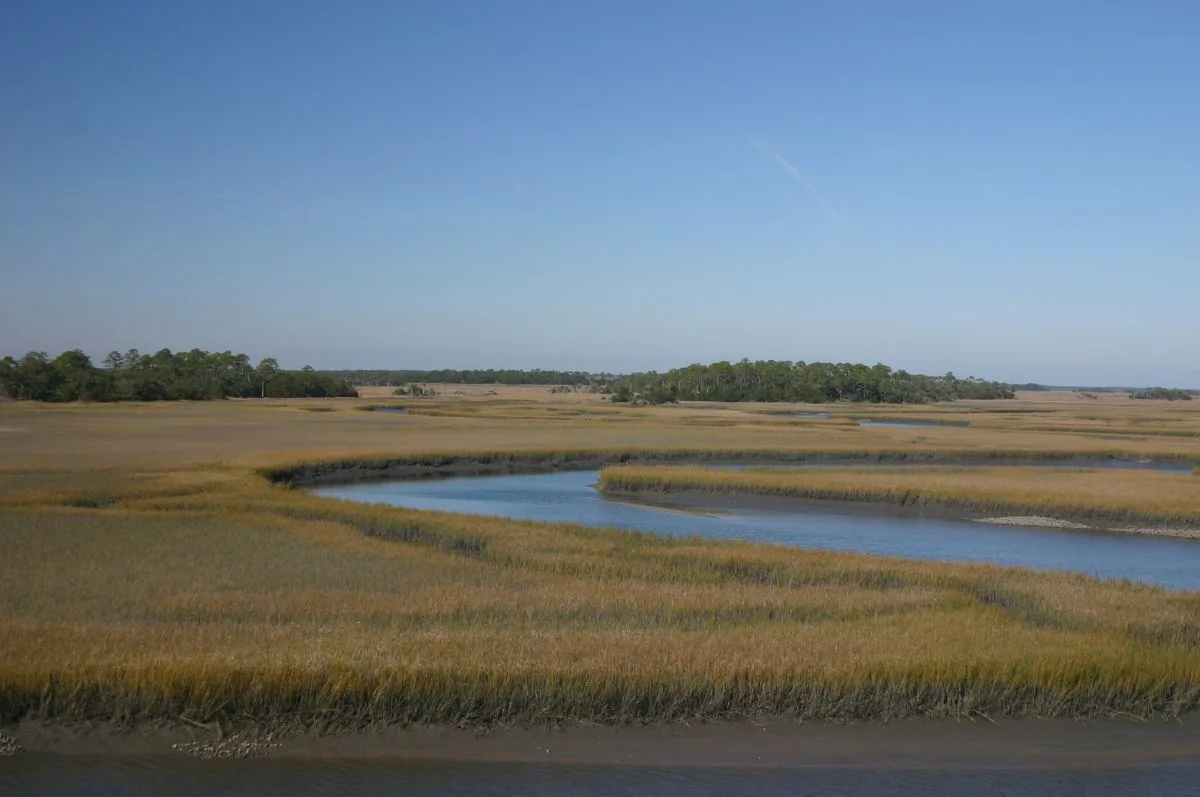
Between the Atlantic Ocean and the Tolomato River in northeast Florida lies a sprawling coastal landscape that feels like a window into the state’s prehistoric past. The Guana River Wildlife Management Area (WMA), part of the larger Guana Tolomato Matanzas National Estuarine Research Reserve (GTM Research Reserve), covers approximately 9,500 acres of uplands and wetlands.
It is a place where 40-foot sand dunes overlook the sea, and ancient maritime hammocks provide shade for trails that have been walked for over 5,000 years.
A Landscape Forged by Water and Time

The geography of the Guana River WMA is a rare cross-section of a relatively undisturbed barrier island. To the east, the Atlantic Ocean continuously reshapes the coastline; to the west, the Tolomato River (part of the Intracoastal Waterway) creates a vast network of salt marshes.
In the center lies the Guana River and Guana Lake (also known as Lake Ponte Vedra). The lake is a 2,400-acre man-made impoundment created in 1957 by the construction of an earthen dam. This dam transformed the upper reaches of the river into a brackish-to-freshwater reservoir, creating a unique hybrid ecosystem where saltwater and freshwater species coexist.
The Wildlife: A Birder’s Paradise
Guana River is a premier site on the Great Florida Birding and Wildlife Trail. Its strategic location along the Atlantic Flyway makes it a vital rest stop for migratory species.
1. The Peregrine Falcon Watch
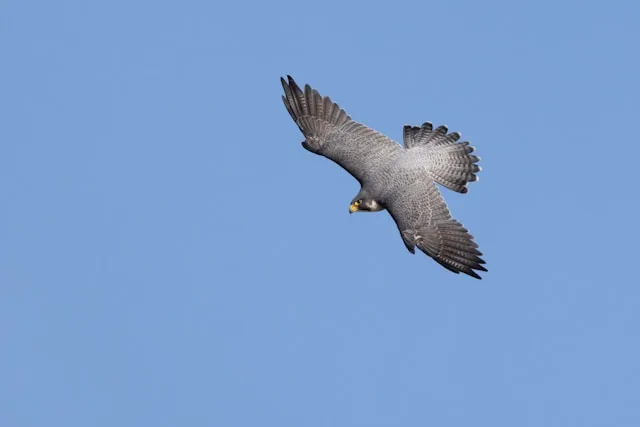
During April and October, Guana River is arguably the best place in Northeast Florida to witness the Peregrine Falcon. When the wind blows from the west after a cold front, these high-speed hunters can be seen "stooping" over the marshes at speeds exceeding 150 mph.
2. Wintering Waterfowl
As the temperature drops, the sanctuary becomes a winter home for over 3,000 migratory ducks. Look for:
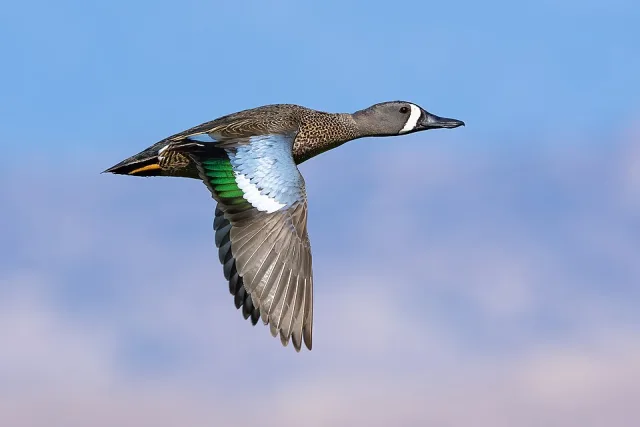
Blue-winged Teal and Lesser Scaup on the open waters of Guana Lake.
American White Pelicans (January and February) floating like ivory armadas.
Wood Storks and Roseate Spoonbills in the shallower ponds like Big Savannah.
3. Coastal Residents
The high dunes provide nesting grounds for sea turtles and shorebirds like the Least Tern. Inland, the pine flatwoods and maritime hammocks are home to:
Gopher Tortoises (a keystone species).
Eastern Indigo Snakes and American Alligators.
Anastasia Island Beach Mice (an endangered subspecies found only in this region).

Human History: 5,000 Years on the Peninsula
The "Guana Tract" has a rich archaeological record. Long before it was a state-managed WMA, it was home to the Timucua people. Evidence of their presence is everywhere in the form of shell middens—massive heaps of oyster, clam, and conch shells left behind from centuries of harvests.
Archaeologists have even discovered a "shell ring" in the area, believed to be the foundation of an ancient circular village. When Europeans arrived in the 16th century, they documented Timucuan villages surrounded by fields of corn and squash. Over the centuries, the land transitioned through various roles:
Spanish Missions: Reaching into the colonial era.
Indigo Plantations: Managed by British Governor James Grant in the 1770s.
Pine Silviculture: Intensive harvesting that occurred from the 1930s through the 1970s.
Today, the FWC works to restore these pine forests to their natural state through prescribed burns and invasive species management.
Recreation: Hiking, Biking, and Paddling
With over 20 miles of trails and scenic roads, Guana River WMA is a playground for outdoor enthusiasts.
| Activity | Best Location | Notes |
| Hiking | Big Savannah & Hammock Road | Trails offer views of both the lake and the marsh. |
| Biking | Interior service roads | Best suited for gravel or off-road bicycles. |
| Paddling | Guana Lake / Guana River | Launch from the dam; check tides for the river side. |
| Fishing | Guana Dam | Popular for Redfish, Black Drum, and Sea Trout. |
The View from the Towers
A highlight of any hike is the Capo Creek Observation Tower. Located on the west side of the WMA, it provides a panoramic view of the tidal creeks and salt marshes. It is one of the few places where you can truly appreciate the scale of the estuarine system without a building in sight.
Planning Your Visit
The WMA is located at 505 Guana River Road, Ponte Vedra Beach, FL, roughly midway between Jacksonville and St. Augustine.
Fees: There is a $3 per vehicle parking fee at the Guana Dam entrance.
Hours: Generally open from sunrise to sunset.
Hunting Seasons: Note that the upland portion of the WMA is closed to the general public during certain hunting seasons (archery, muzzleloading, and general gun). Always check the FWC Hunt Calendar before planning a hike in late fall or winter.
Pro-Tip: Bring heavy-duty bug spray and plenty of water. The "real Florida" is beautiful but can be buggy, especially from April through September.
To see the birds at Guana River without the sound of gunfire (or the orange vests), you’ll want to time your visit around the Waterfowl and Small Game seasons, which are the primary active hunting periods on the peninsula.
The good news is that hunting at Guana is highly regulated and restricted to specific dates and times, leaving most of the week open for peaceful birdwatching.
Hunting Dates to Avoid
During these specific dates, the upland trails (the wooded interior) are generally restricted to permit holders. On waterfowl days, duck hunting occurs on the northern portion of Guana Lake.
Waterfowl Season (Duck, Goose, Coots)
Most waterfowl hunting at Guana River occurs on Wednesdays, Saturdays, and Sundays from November through January.
Note: Shooting hours for waterfowl end at noon. If you must go on these days, the afternoons are significantly quieter, though the birds may be more skittish.
Best "Safe" Windows for Birding

If you want to avoid hunters entirely, your best bet is to visit on Mondays, Tuesdays, Thursdays, or Fridays during the winter months.
The "Safe" Zones (Open Year-Round)
Even on hunting days, certain parts of the sanctuary remain accessible and safe for birders:
Guana Dam & South Lake: The first 2 miles of Lake Ponte Vedra (north of the dam) are always open for recreational use. This is where you’ll see the largest concentrations of White Pelicans and Wood Storks.
The GTM Research Reserve Trails (West Side): The trails immediately around the Visitor Center are generally separate from the WMA hunting zones and offer excellent maritime hammock birding.
The Beach Dunes: Across A1A, the beach and dune overlooks are never part of the hunting area. This is the spot for spotting Gannets and Terns over the ocean.
Birding Highlights for Your Trip
Since you are heading out soon, here is what is currently active:
White Pelicans: Look for them "rafting" in large groups on the southern end of the lake.
Peregrine Falcons: Check the power lines and the tops of dead snags along the marsh edges.
Roseate Spoonbills: Often found in the shallow impoundments like "Big Savannah" if water levels are low.
The Guana River Wildlife Management Area stands as a critical buffer against the development of Florida's coast. It is a place where you can stand on a shell mound built thousands of years ago, watch a falcon dive for its dinner, and hear nothing but the wind through the pines.
7 Most Seen Florida Owl Species: Types (With Pictures & Videos)
