
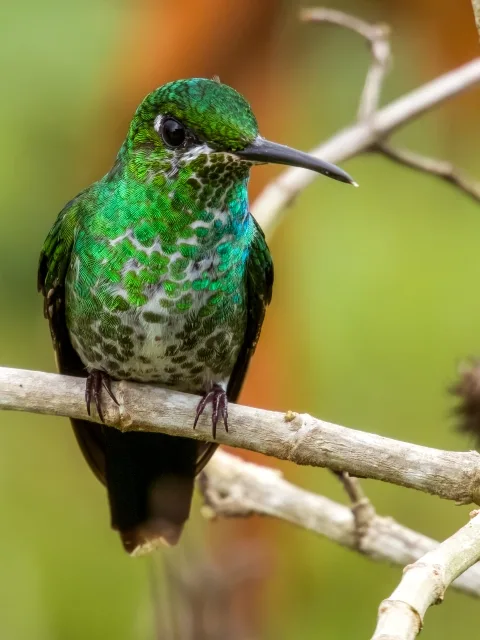
Green is the most common color in the plant world, but in the bird world, it’s one of the most complex colors to create. While a leaf is green because of chlorophyll, birds don't have a "green pigment" in their DNA.
To look like an emerald, a bird has to combine two of the techniques we’ve already discussed: physics and chemistry.
The Recipe: Yellow + Blue = Green
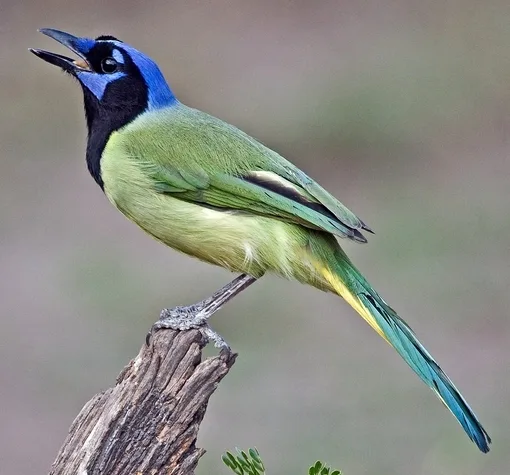
For most birds (excluding parrots), green is a "mixed" color. It is created by layering a structural color over a pigment.
The Pigment Layer: The bird grows a feather that contains yellow carotenoids (from its diet).
The Structural Layer: Above that yellow pigment, the feather has the same microscopic keratin structures that create blue light through scattering.
The Result: When light hits the feather, the structure reflects blue light, which then passes through the yellow pigment filter. Just like mixing paint on a palette, the combination of blue light and yellow pigment reaches our eyes as green.
The Parrot Exception: Psittacofulvins
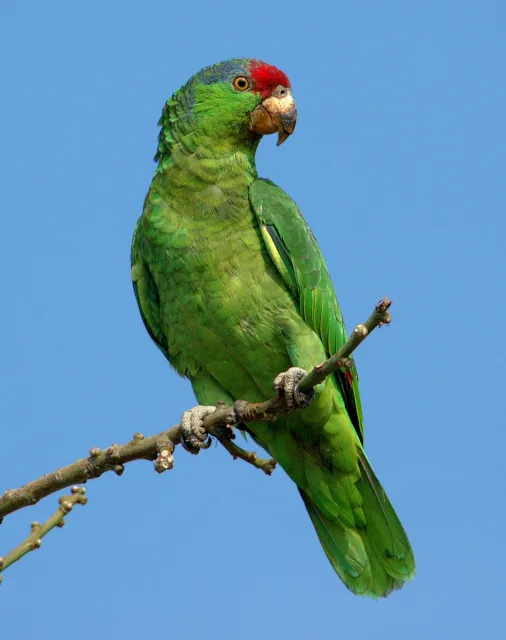
As with red feathers, parrots like to do things differently. They don't use the "blue + yellow" trick. Instead, they produce a unique class of pigments called psittacofulvins. These are synthesized internally and can produce a true green pigment directly in the feather. This is why parrot greens often look much more "neon" or saturated than the olive greens of a songbird.
Iridescent Green: The Jewel Effect
Then there are the "shimmering" greens, like the gorget of a Ruby-throated Hummingbird or the head of a Mallard. This isn't a mix of yellow and blue; it is purely structural.
These feathers are covered in microscopic, plate-like structures of melanin. When light hits them at a specific angle, it interferes with itself, reflecting a brilliant metallic green. If the bird turns its head and the angle of light changes, the green might "turn off" and look completely black.
Why Be Green?

The most obvious reason for green plumage is camouflage.
The Jungle Hideout: For tropical birds living in the canopy, being green makes them nearly invisible to hawks circling above.
The Grassland Sneak: For birds like the Female Painted Bunting, a greenish-yellow coat allows her to sit on a nest in tall grass without being detected by predators.
Different Shades: From Olive to Lime
The specific "vibe" of the green depends on the balance of the ingredients:
Olive/Drab Green: This occurs when a bird adds a little bit of melanin (black/brown) to the mix. It dulls the brightness and creates the "army fatigue" look common in female songbirds.
Bright Lime Green: This happens when the yellow pigment layer is very thick and the blue structure is highly efficient.
Skin Color: Once again, the skin color doesn't play a role in the "mix." The yellow pigment and blue structure are both housed entirely within the feather's architecture.
American Icons of Green

If you’re looking for the "Green Lanterns" of the bird world, keep an eye out for these species:
| Bird | Shade of Green | Where to Find Them |
| Green Jay | Brilliant Grass Green | Deep South Texas |
| Ruby-throated Hummingbird | Iridescent Emerald | Backyards (Eastern U.S.) |
| Mallard (Male) | Metallic Forest Green | Ponds and lakes nationwide |
| Painted Bunting (Female) | Soft Neon Green | Southern brushlands |
Fun Fact: The "Glow-in-the-Dark" Green
Because green feathers often rely on a structural blue component, many green birds are highly reflective in the Ultraviolet (UV) range. While a Green Jay looks like it blends into the leaves to us, to another Jay, it might stand out like a glowing emerald against a dull background, allowing them to find each other in the dense brush.
