
A recent sighting of a European Golden Plover in eastern Canada has set the birding world abuzz! While these gold-flecked beauties are famous for their marathon migrations, seeing all three species of "Golden Plovers" in the lower 48 states is a rare feat that requires a mix of good timing, sharp eyes, and occasionally, a massive storm.
A recent and confirmed report of this plover on an eBird checklist from Burin Peninsula was accompanied by a photo.
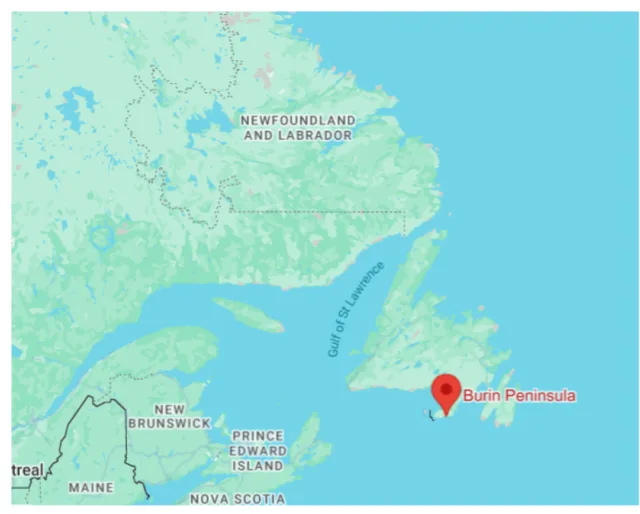
Now, while most of us are not going to get out to this extremely remote location to see it, the report did raise something I have wondered about over the years - how do you tell the American, Pacific and European Plovers apart? The photo confirmed the identification but I would have trouble separating it from the others.
Here is your guide to the three species, how to tell them apart, and where they typically show up in the U.S.
1. American Golden-Plover (Pluvialis dominica)
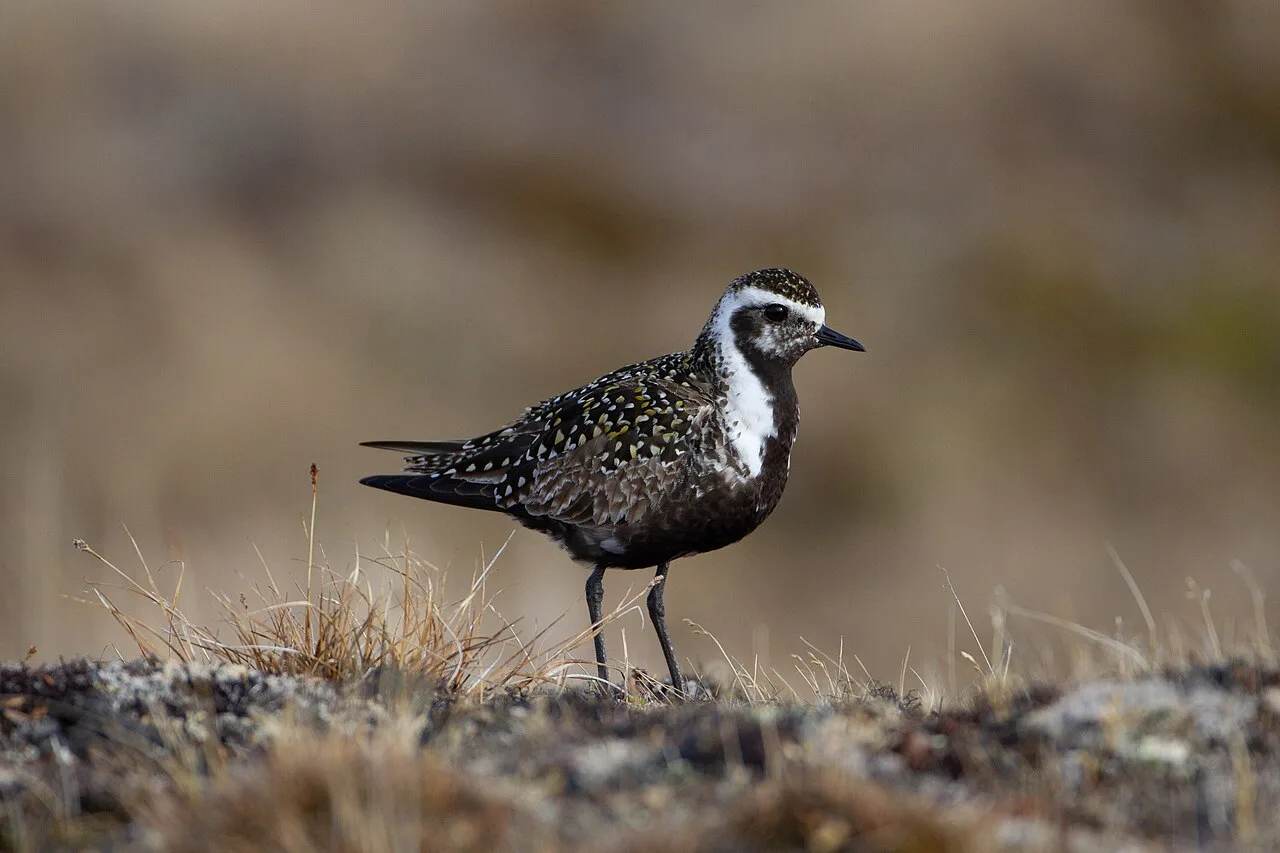
The slimmest and most elegant of the three, built for high-speed, long-distance flight.
Breeding Plumage: Striking jet-black face, throat, and belly. A crisp white "S" curve runs from the forehead, down the side of the neck, and stops cleanly at the shoulder. The back is spangled with gold and black.
Non-Breeding Plumage: Generally looks grayer and colder than the other two. They have a prominent white eyebrow (supercilium) that contrasts with a dark cap. The chest is smudged with grayish-brown.
The Black-bellied Whistling Duck: A Tropical Waterfowl Enigma
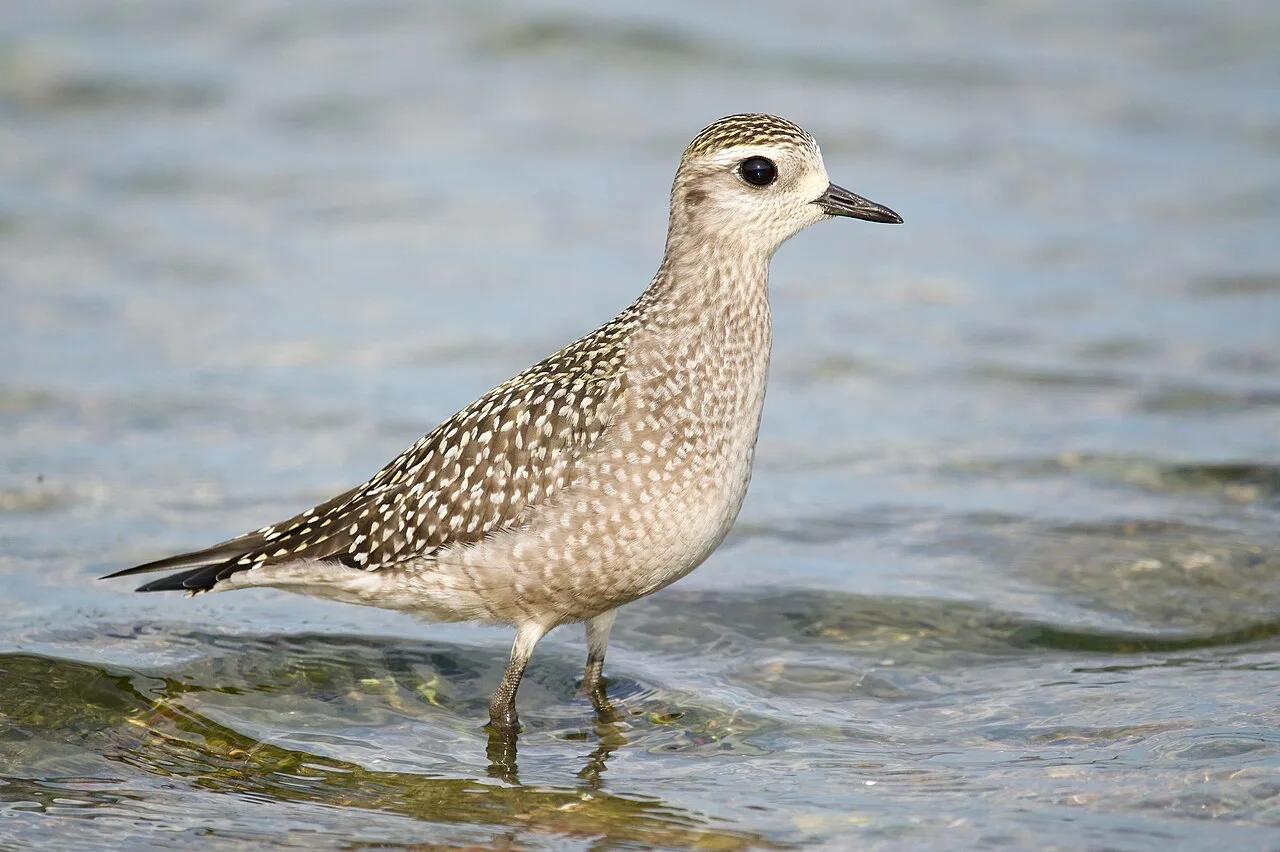
The "home team" species. These birds are legendary for their circular migration route, traveling from the Arctic to the grasslands of Argentina.
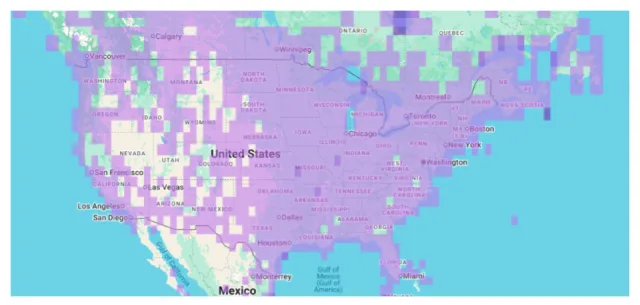
Where to see them:
Spring: They are common in the Central Flyway (Great Plains and Mississippi Valley). Look for them in plowed fields and flooded pastures.
Fall: They take a "shortcut" over the Atlantic. While most fly nonstop from Canada to South America, storms often "drop" them along the Atlantic Coast (New England down to the Mid-Atlantic).
Frequency: Common during migration seasons, though they rarely linger.
Identification Tip: They are the "long-distance runners" of the group, with very long wings that cross over the tail when the bird is standing.
2. Pacific Golden-Plover (Pluvialis fulva)
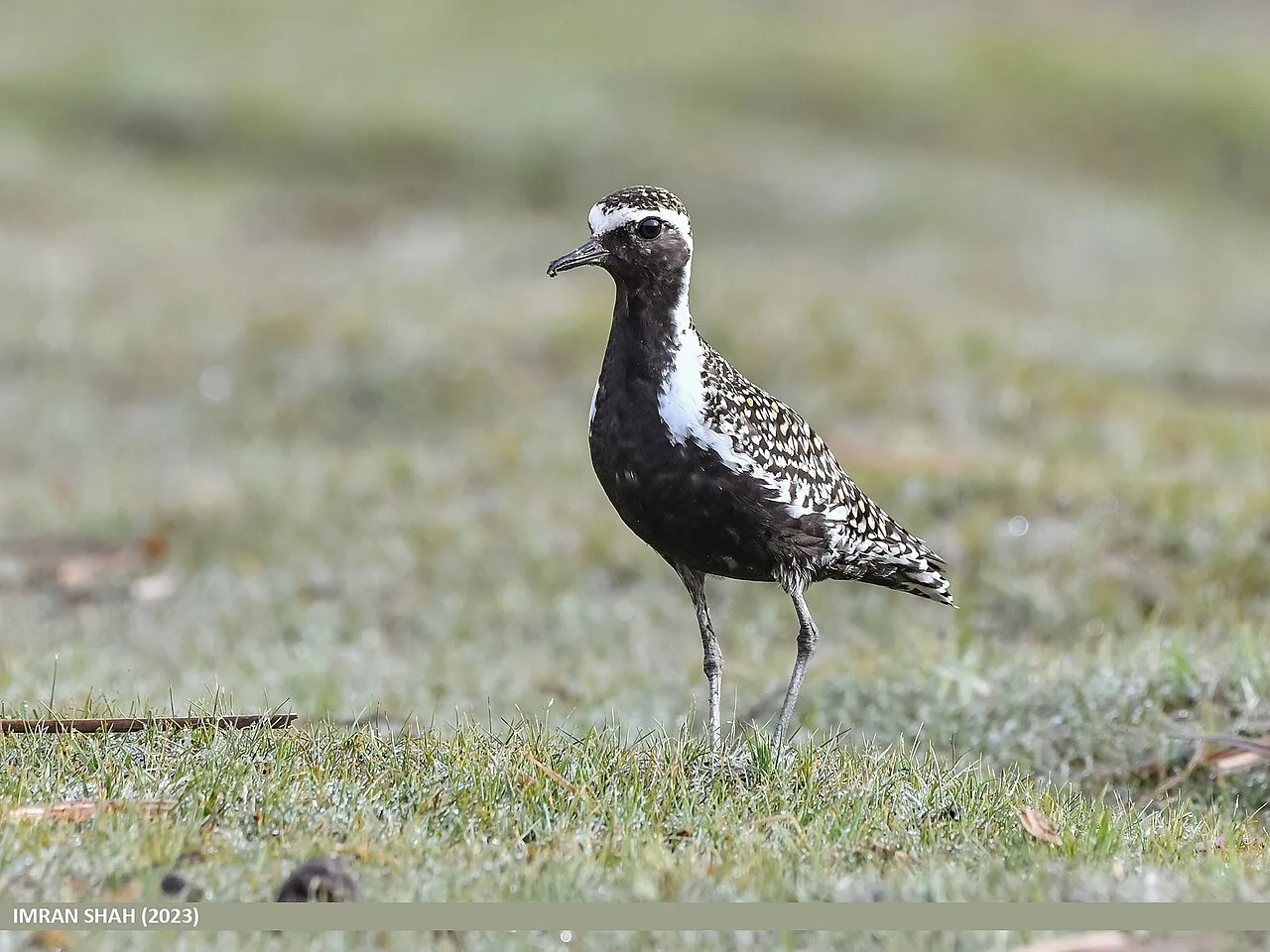
Very similar to the American, but with a "leggier" stance and more yellow tones.
Breeding Plumage: Very similar to the American, but the white stripe continues past the shoulder, running down the sides of the breast and often connecting to white patches on the flanks. They often appear to have more "gold" on the back than the American.
Non-Breeding Plumage: Noticeably more yellow/golden than the American. The face and chest often have a warm, buffy-yellow wash. Their longer legs (tibias) are a key giveaway if they are standing near an American Golden-Plover.
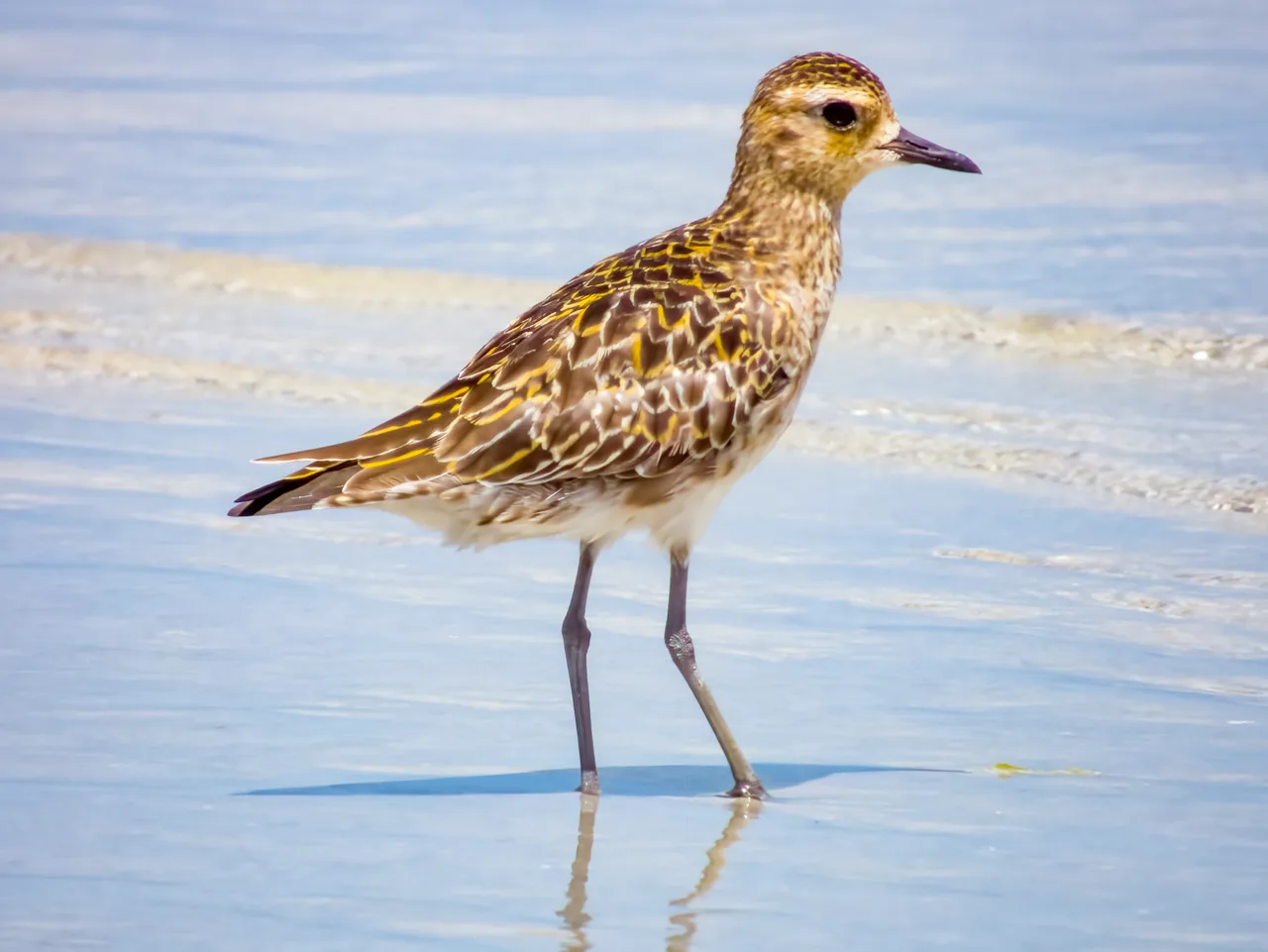
Known as the Kōlea in Hawaii, where they are beloved backyard birds, these plovers are much rarer on the U.S. mainland.
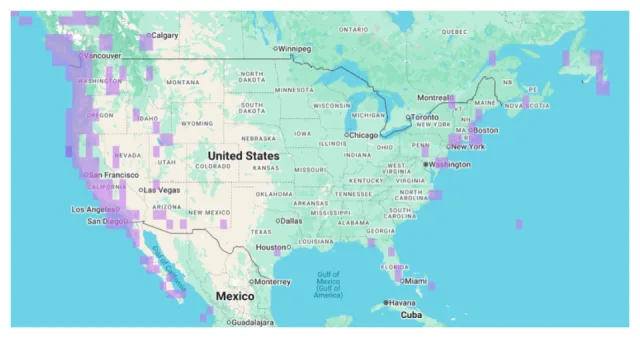
Where to see them: Almost exclusively along the Pacific Coast (California, Oregon, and Washington).
Frequency: Rare to Scarce. A few individuals appear annually during fall migration, often mixing with Black-bellied Plovers on mudflats or coastal grasslands.
Identification Tip: Compared to the American species, they have slightly longer legs and a more "golden" wash on their faces and backs, even in non-breeding plumage.
3. European Golden Plover (Pluvialis apricaria)
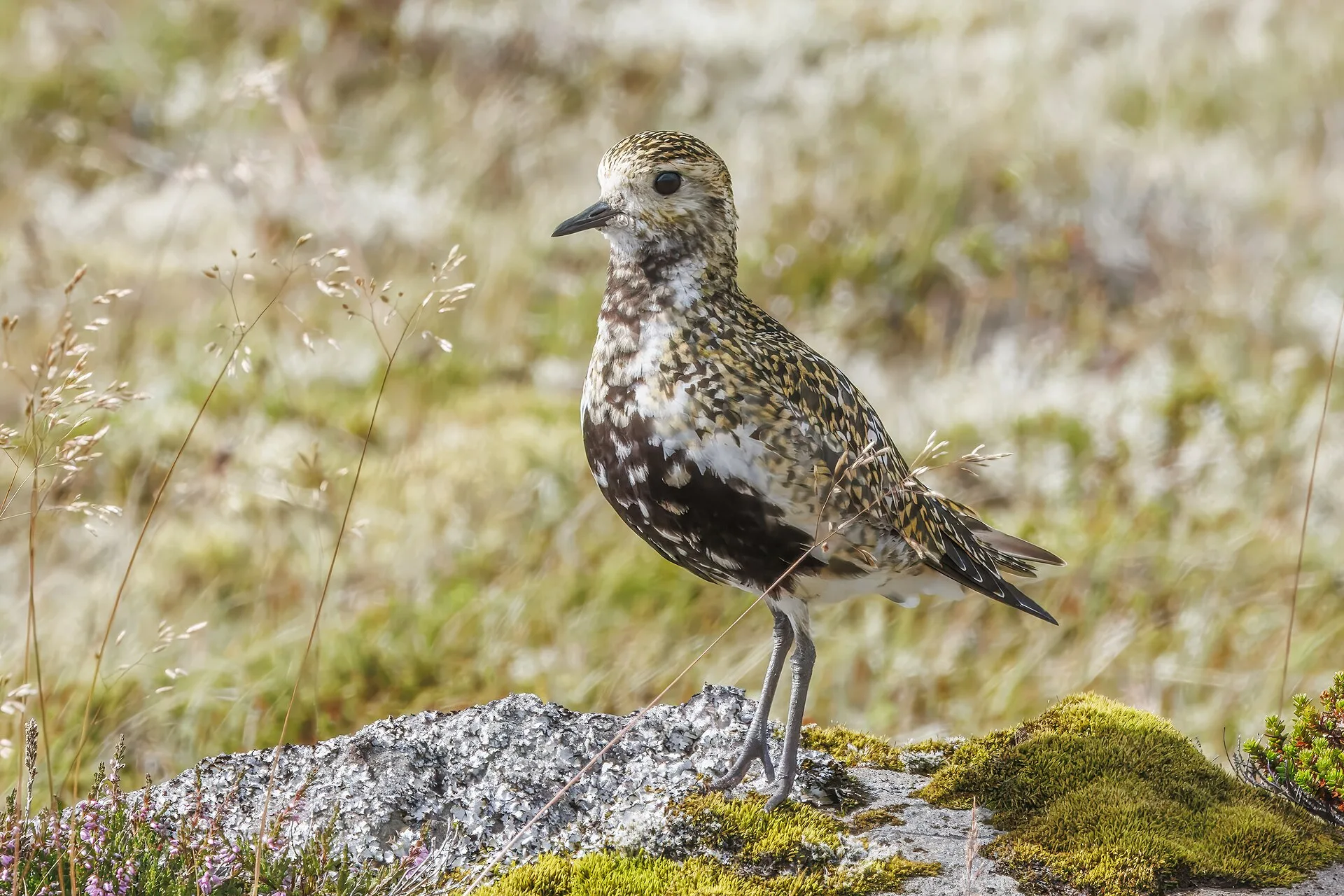
The "bulkiest" of the group, looking more like a small, golden football than a sleek shorebird.
Breeding Plumage: The black on the face and belly is bordered by a very wide, fuzzy white border that makes the black area look narrower. Unlike the other two, the gold on the back is incredibly dense, often looking like a solid coat of gold leaf.
Non-Breeding Plumage: A very warm, honey-gold bird. Because their wings are shorter, they look "blunt-ended" compared to the sleek, pointed look of the American. The most definitive feature is hidden: when they fly, their underwings are pure, snowy white, whereas the American and Pacific have dusky gray underwings.
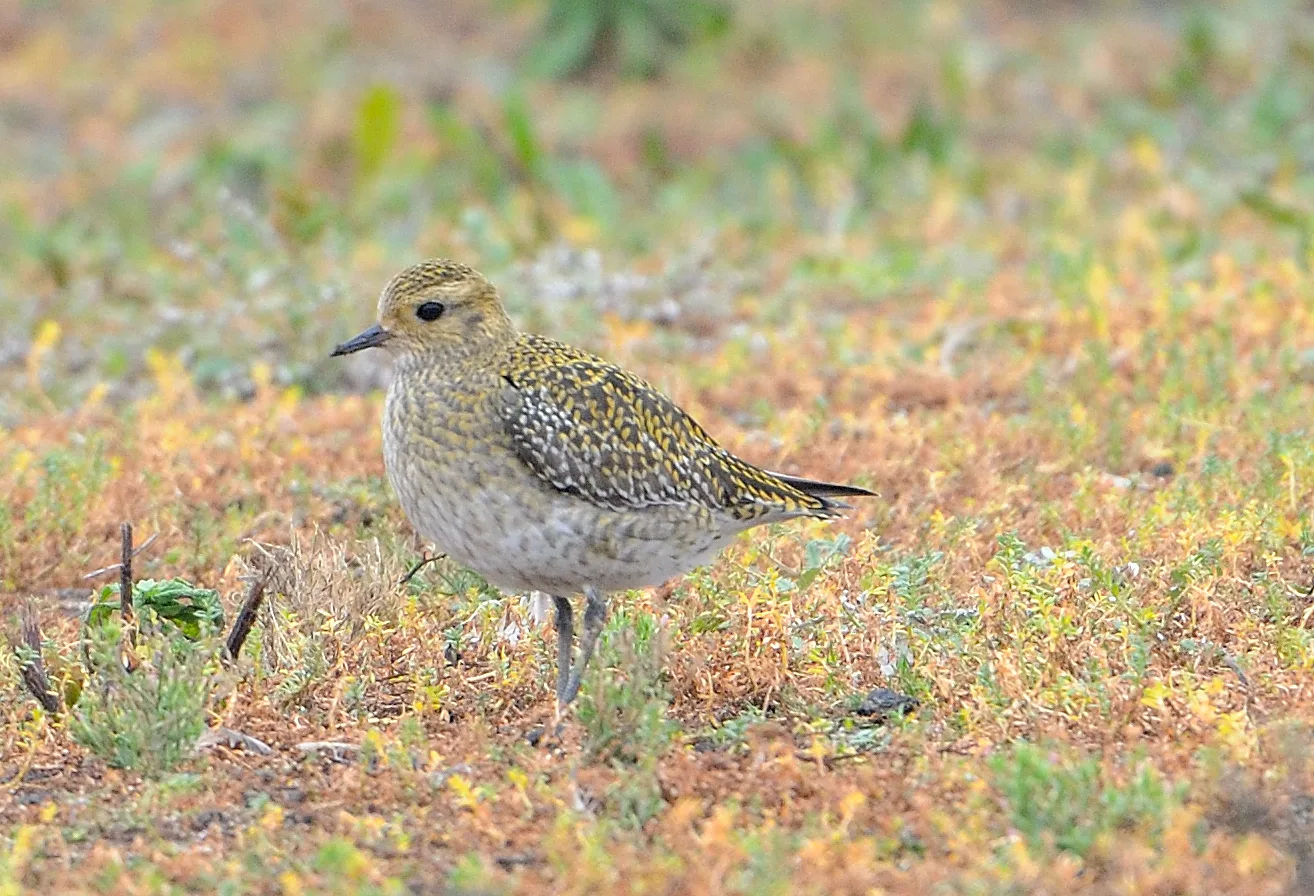
The rarest of the trio in North America. These birds breed in Iceland and Europe and winter in Africa.
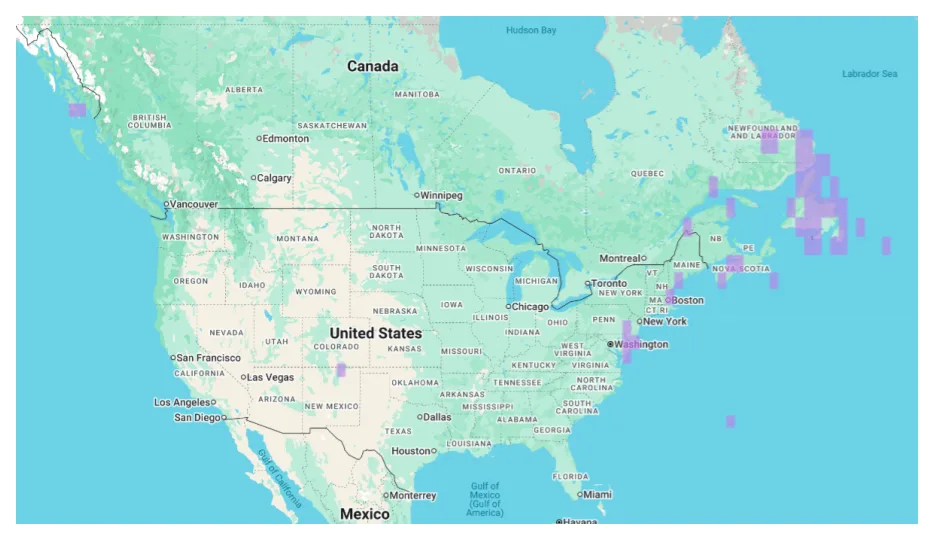
Where to see them: They are "megas" in the lower 48. They are most often found in Newfoundland and Nova Scotia after strong spring storms, but they occasionally wander down into New England or the Mid-Atlantic.
Frequency: Extremely Rare (Vagrant). Sightings in the lower 48 are "stop-everything-and-drive" events for serious birders.
Identification Tip: Look for white "armpits" (axillaries) when they fly. Both the American and Pacific species have greyish-brown armpits. They also have a thicker, sturdier neck than their cousins.
Comparison at a Glance
| Feature | American | Pacific | European |
| Typical U.S. Range | Central & East | West Coast | Rare Atlantic Vagrant |
| Wing Length | Very long (past tail) | Medium (at/past tail) | Short (barely hits tail) |
| Underwing Color | Grey/Brown | Grey/Brown | Pure White |
| Build | Slim & Elegant | Slim but long-legged | Stocky & Robust |
So, going back to the eBird image, the white under the wings is definitive of the European Golden Plover.
