
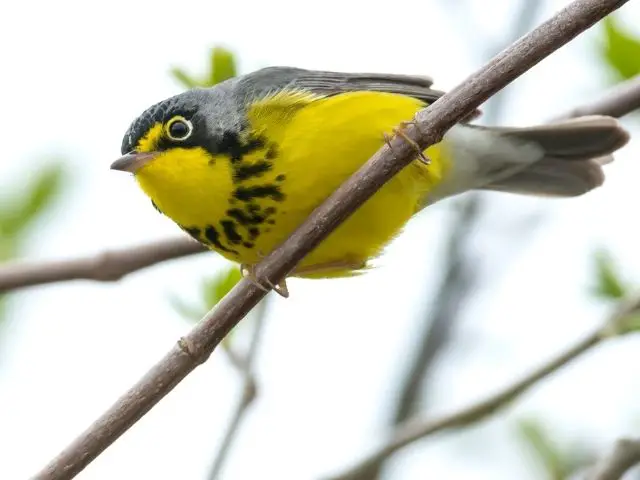
Another Global Big Day is officially in the books! On May 9, 2026, the global birding community shattered records, logging over 8,000 species in a single 24-hour marathon. The headlines are already dominated by the usual news: Colombia took the global crown for the fifth consecutive year with a staggering 1,566 species, closely followed by Peru.
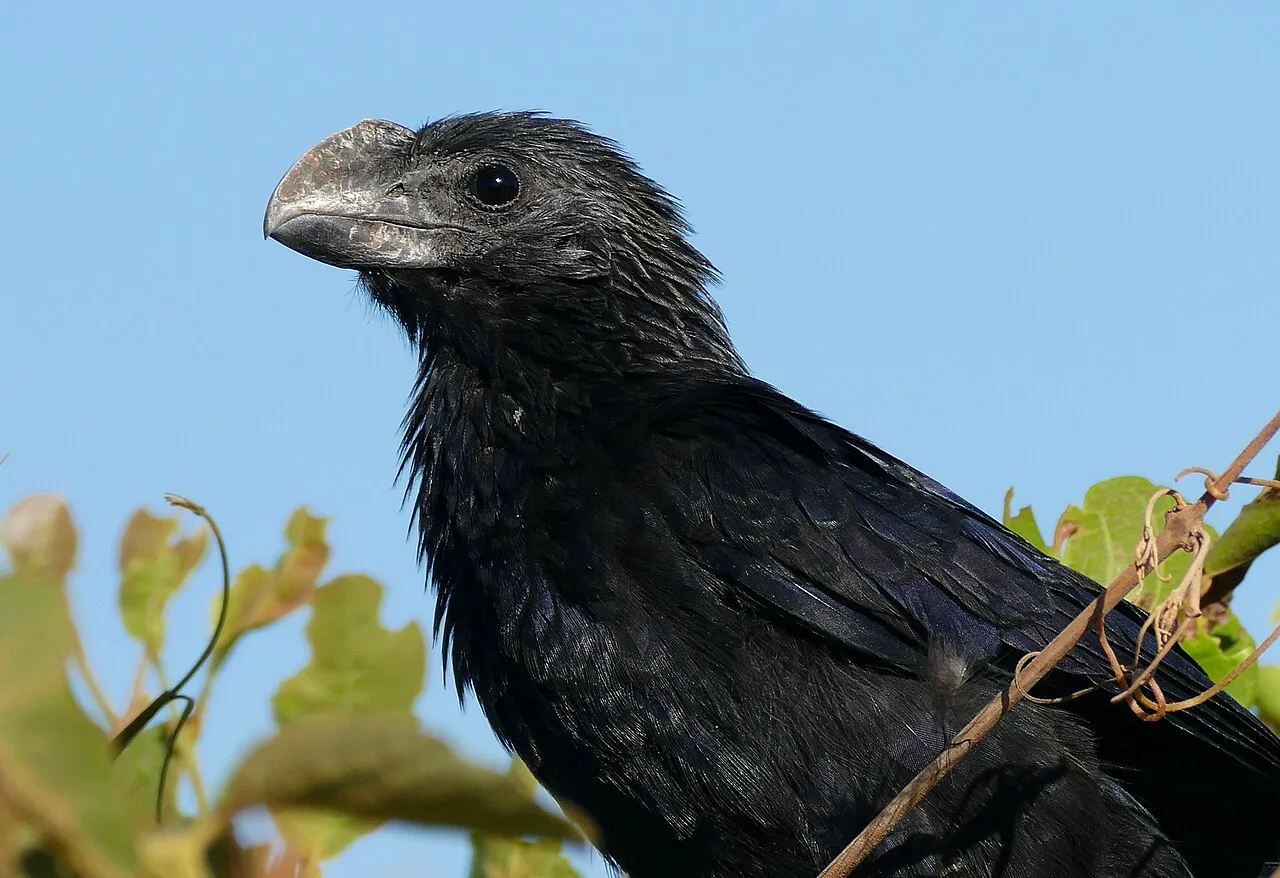
But let’s be honest—while reading about the dazzling tanagers of the Andes is great, it doesn't help you figure out what’s currently moving through your local woodlot.
Now that the dust has settled, the checklists are submitted, and your alarm clocks are reset to a normal hour, it’s time for the Global Big Day After-Action Review. If you look at birding forums and local groups right now, everyday birders are dealing with two things: checklist submission panic and the nagging feeling that they missed the peak of spring migration.
Here is how to audit your Big Day data for common mistakes and how to catch the massive late-wave migration passing through the U.S. right now.
1. The Post-Big Day Audit: 3 Common eBird Errors to Fix Today
When you are deep in the woods at 6:00 AM, juggling binoculars, a field guide, and a smartphone, data entry errors happen. Thousands of rushed, sleep-deprived checklists were uploaded on May 9. If you want your citizen science data to actually be useful, take ten minutes this week to review your lists for these common spring migration slip-ups.
Error #1: The "Flyover" Misclassification

During a Big Day, it is easy to casually log a flock of Cedar Waxwings or a lone Osprey cutting across the sky. However, if a bird is just flying over high above the canopy and not actively utilizing the habitat you are monitoring, it must be marked as a "Flyover" in eBird.
The Fix: Go back into your eBird mobile app or desktop dashboard, edit your May 9 checklists, click on the species name, and check the box for Flyover (F).
Error #2: Overestimating "Same-Species" Counts

Did you actually see twelve individual Northern Cardinals, or did you count the same territorial male singing from three different perches as you walked a loop trail? Overcounting resident birds is the number one data-inflater during spring migration events.
The Fix: Be conservative. If you re-entered an area or walked an out-and-back trail, look at your totals. If you can't confidently verify they were separate individuals (via simultaneous calls or distinct plumage features), adjust your count downward to reflect the maximum number seen at one time.
Error #3: Ignoring the "X" Trap

Entering an "X" instead of a number signifies that a species was present but you didn't bother to count them. While better than nothing, "X" severely limits the value of your data for population density studies.
What to Do When You Find an Injured, Sick, or Abandoned Bird
The Fix: Even a rough estimate (e.g., "estimating 40 Barn Swallows over the lake") is vastly superior to an "X." Try to replace your "X" entries with a conservative baseline estimate based on what you remember.
2. Missed the Big Day? How to Catch May’s "Late-Wave" Neotropical Migrants
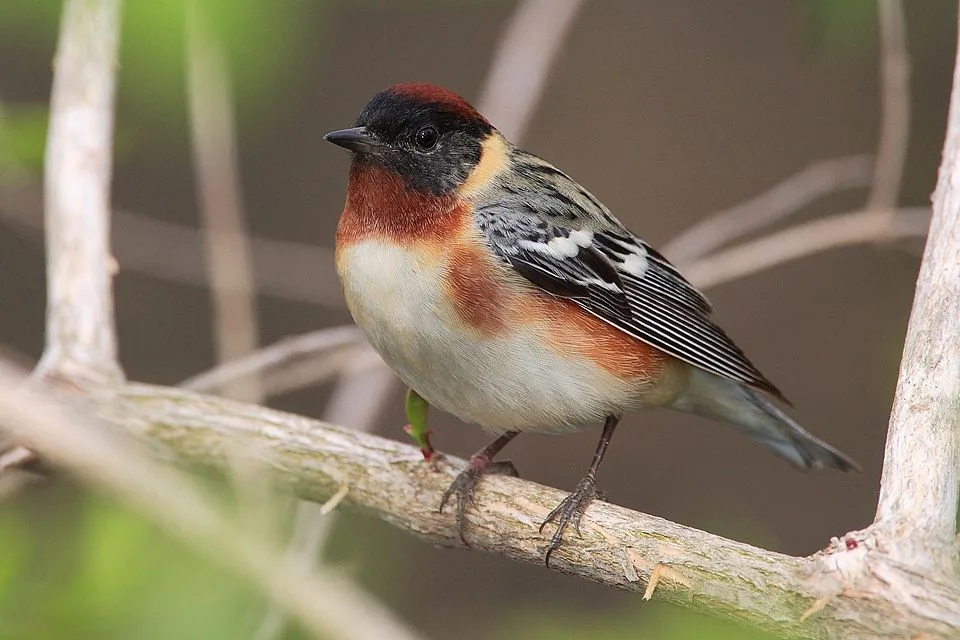
If your Big Day checklist left you feeling underwhelmed, or if work kept you chained to a desk on May 9, do not panic. Spring migration is far from over.
While the early-May wave is dominated by over-eager males racing north to establish territories, mid-to-late May features a distinct "second wave." This wave consists of late-season specialists, females, and first-year birds. In fact, late May often provides much better views because the birds move slower and forage lower in the understory.
Who to Look for Right Now (Mid-to-Late May Specialists)
| Bird Group / Species | Why They Are Moving Now | Where to Look |
| The "Bud" Warblers (Blackpoll, Bay-breasted, Canada) | These species travel from deep in South America and wait until the northern insect hatch is at its absolute peak. | High in oak and willow canopies, or low in damp, shrubby ravines. |
| The Nightjars (Common Nighthawk, Eastern Whip-poor-will) | True aerial insectivores that rely on stable evening temperatures before migrating. | Deciduous woods at dusk, or hunting over open rivers just after sunset. |
| The Flycatchers (Empidonax family, Yellow-bellied, Willow) | Famous for being late arrivals, they wait until foliage is completely out to hide their nests. | Scrubby field edges, wetland margins, and low canopy perches. |
3 Strategies for Late-May Birding

Ditch the Sunrise (Sometimes): Early May demands dawn birding because the air is cold and birds are hungry. In late May, evening birding (from 5:00 PM to sunset) can be spectacular, especially for catching flycatchers and nightjars active during the twilight insect hatches.
Follow the Leaf-Out: By late May, trees are fully leafed out, making canopy birding tough ("warbler neck" is real). Shift your focus to water tracking. Look for creeks, local ponds, or even backyard birdbaths. Birds will drop out of the dense canopy to drink and bathe.
Watch the Weather Closely: Look for stalled cold fronts heading from the north/northwest. When a late-May cold front hits warm southern airflow, it creates a "fallout" effect, dropping hundreds of tired, late-migrating females right into local parks.
Community Forum Spotlight: What was your ultimate "FOY" (First of Year) bird on your May 9 checklist? Did you hit a personal best, or did the weather hold you back? Let’s swap notes in the comments below—and tell us what late-wave migrants you are still hunting for this week!
